
Effective Feedback Workshop overview Why look at feedback
Effective Feedback
Workshop overview • • • Why look at feedback? Feedback definition Feedback in our context Feedback questions Feedback levels Praise for effort Practiced-centred collaboration Feedback strategies in the classroom Planning for action
Activity 1: Warm-up 1. ALL students can achieve significant learning growth 2. My beliefs about teaching and learning impact the way I teach 3. I am aware of the impact of my teaching on my students 4. My aim is to make my students self-regulated learners.
Why look at feedback? What can effective feedback achieve? • • • Students increase effort Students develop more effective learning strategies Students increase autonomy and self-regulation Teachers provide specific goals and criteria Teachers understand the impact of their teaching
Feedback definition Feedback is information: • for the learner and teacher about the learner’s performance • about performance relative to learning goals • based on evidence of learning • from the teacher, the student or peers • that leads to changes in teacher and student behaviour. Drawn from the feedback definition in the Teaching and Learning Toolkit.
Feedback animation
Why should we focus on feedback in our school?
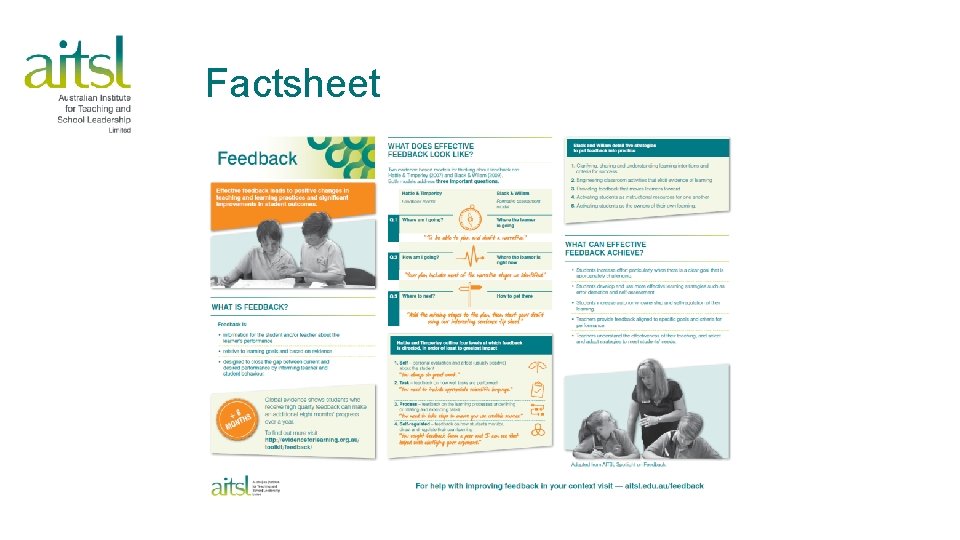
Factsheet
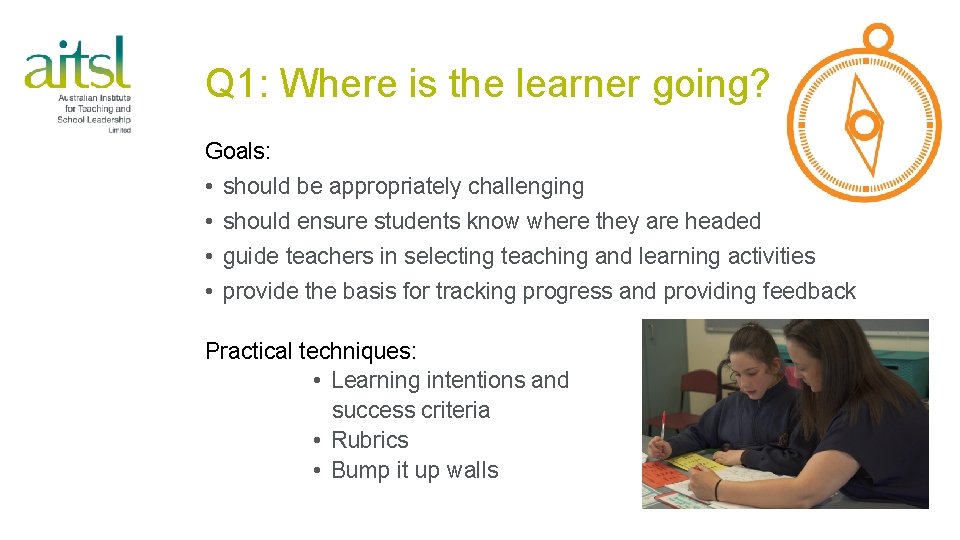
Q 1: Where is the learner going? Goals: • • should be appropriately challenging should ensure students know where they are headed guide teachers in selecting teaching and learning activities provide the basis for tracking progress and providing feedback Practical techniques: • Learning intentions and success criteria • Rubrics • Bump it up walls
Activity 2: Where is the learner going? • What are we currently doing to address this question with our students? • Could we adapt anything we currently do to clarify learning goals with students and to ensure goals are appropriately challenging? • Is there any practice that we are not currently doing but would like to start?
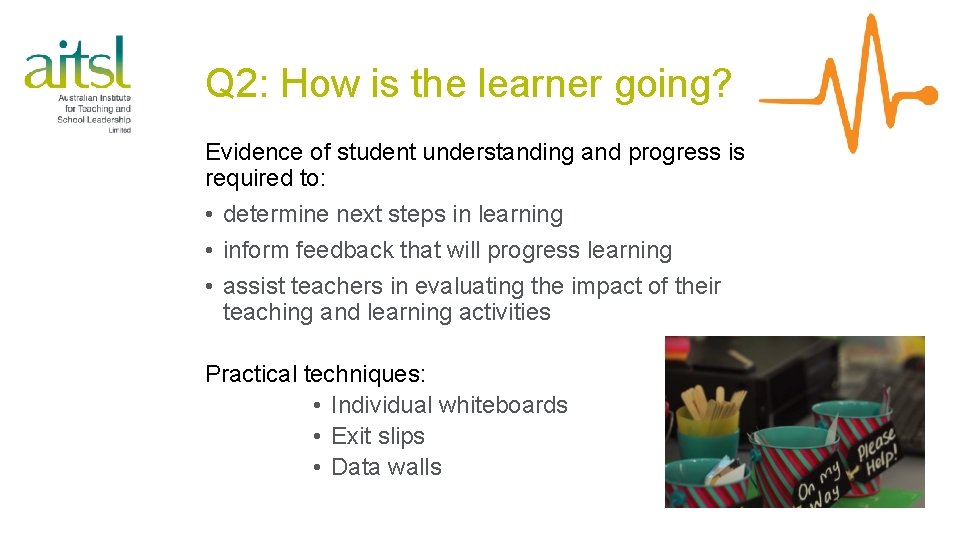
Q 2: How is the learner going? Evidence of student understanding and progress is required to: • determine next steps in learning • inform feedback that will progress learning • assist teachers in evaluating the impact of their teaching and learning activities Practical techniques: • Individual whiteboards • Exit slips • Data walls
Activity 3: How is the learner going? • What are we currently doing to collect evidence of student progress? How are we using this evidence to inform feedback and lesson planning? • Could we adapt anything we are currently doing to better understand our students’ progress? • Are there some practical techniques that we could trial in our context?
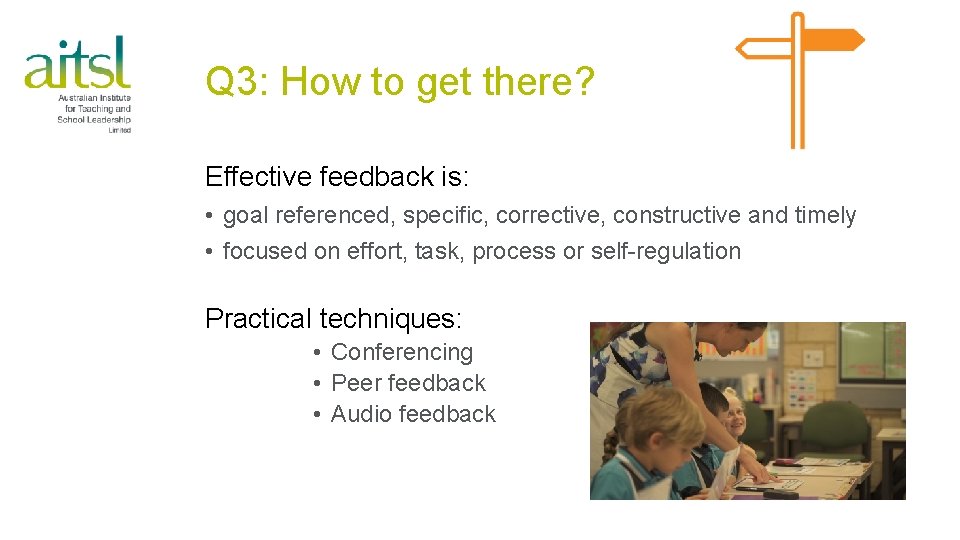
Q 3: How to get there? Effective feedback is: • goal referenced, specific, corrective, constructive and timely • focused on effort, task, process or self-regulation Practical techniques: • Conferencing • Peer feedback • Audio feedback
Activity 4: How to get there? • How are we currently providing feedback to help our students understand how to progress towards their goals? • Could we adapt what we are currently doing to enhance the quality of feedback to our students? • Are there some practical techniques that we could trial in our context?
Hattie & Timperley’s four levels of feedback Task feedback Process feedback Self-regulation feedback Self feedback
Activity 5 – Four levels of feedback 24 hrs
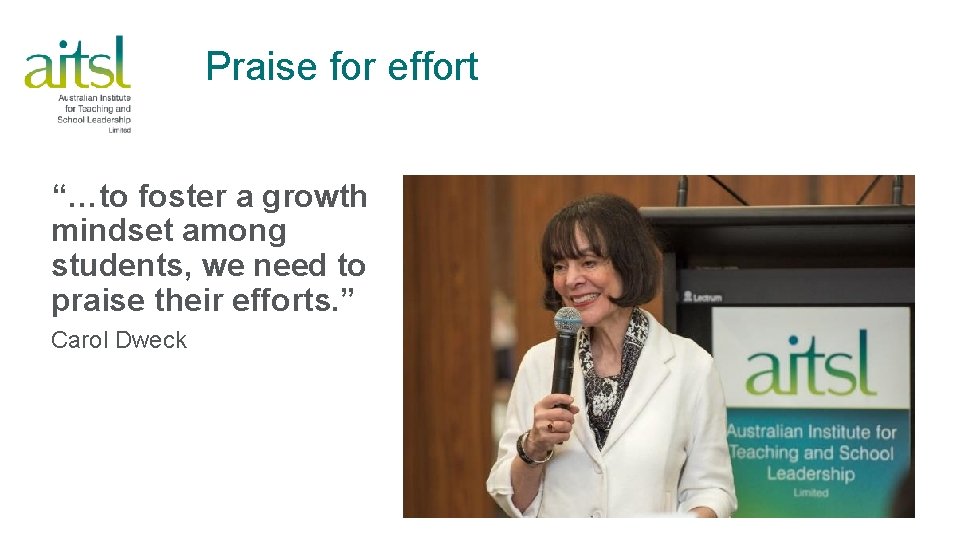
Praise for effort “…to foster a growth mindset among students, we need to praise their efforts. ” Carol Dweck
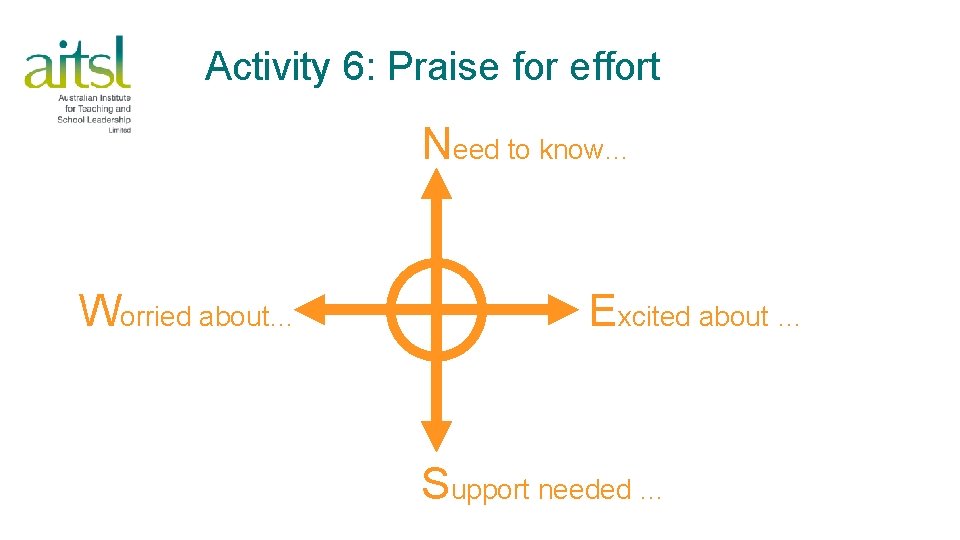
Activity 6: Praise for effort Need to know… Worried about… Excited about … Support needed …
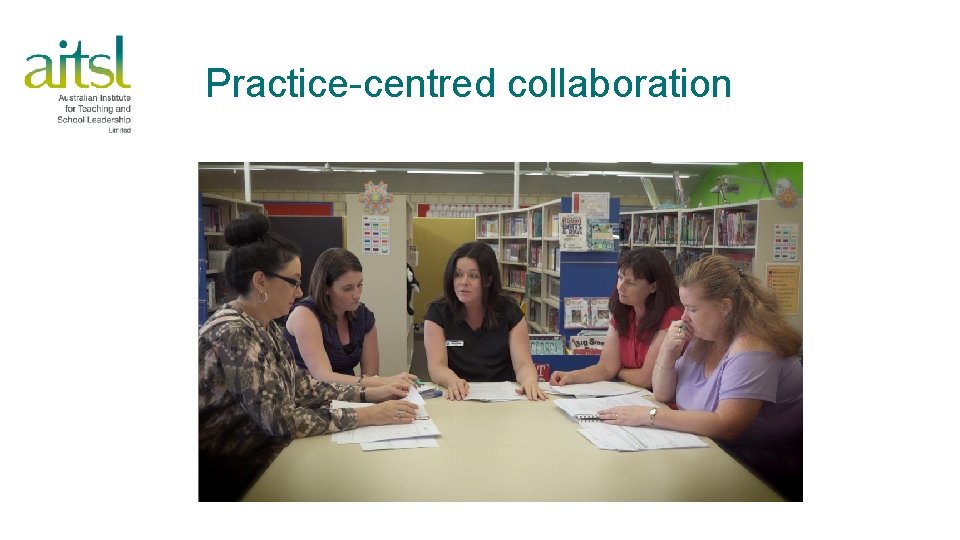
Practice-centred collaboration
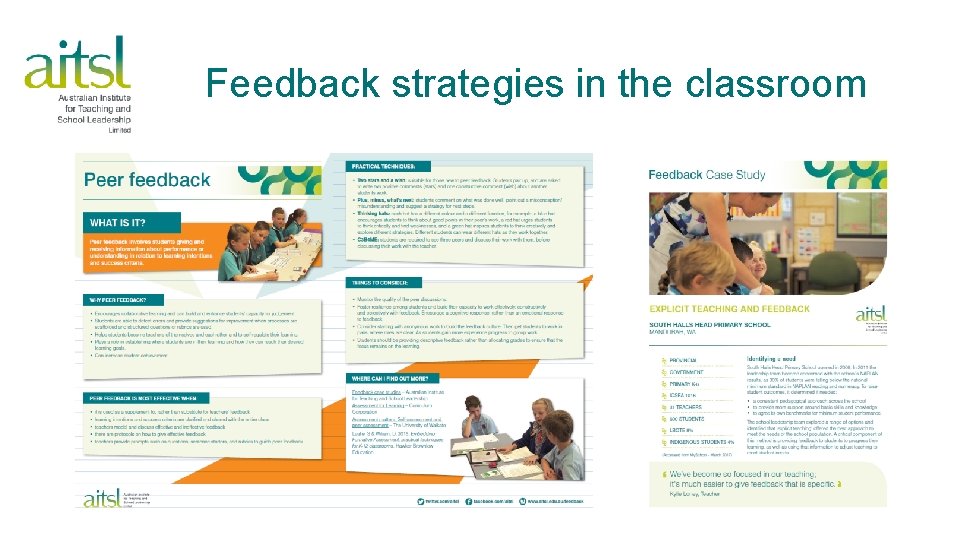
Feedback strategies in the classroom
Activity 7: Building student capability “Feedback should be creating a cognitive response not an emotional reaction. That’s what we want the feedback to do. ” Richardson Primary School 1. What skills do our students need to: • listen to and understand feedback? • use feedback? • provide feedback? 2. What activities will help our students build these skills?
Activity 8 – Enablers and barriers
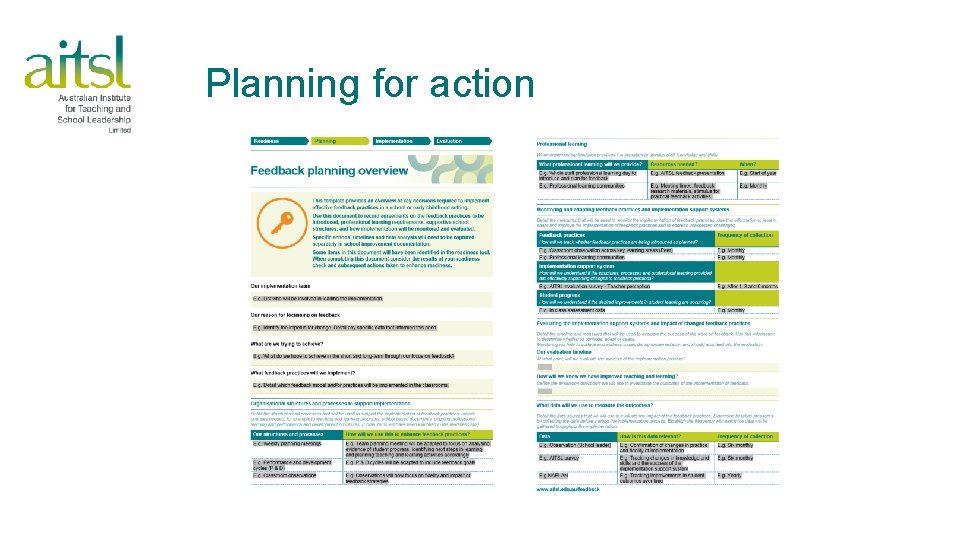
Planning for action
Next steps
- Slides: 24