
EFFECTIVE COMMUNICATION GROUP 8 TO LEAD COMMUNICATION LEADERSHIP
- Slides: 12
EFFECTIVE COMMUNICATION GROUP 8 TO LEAD
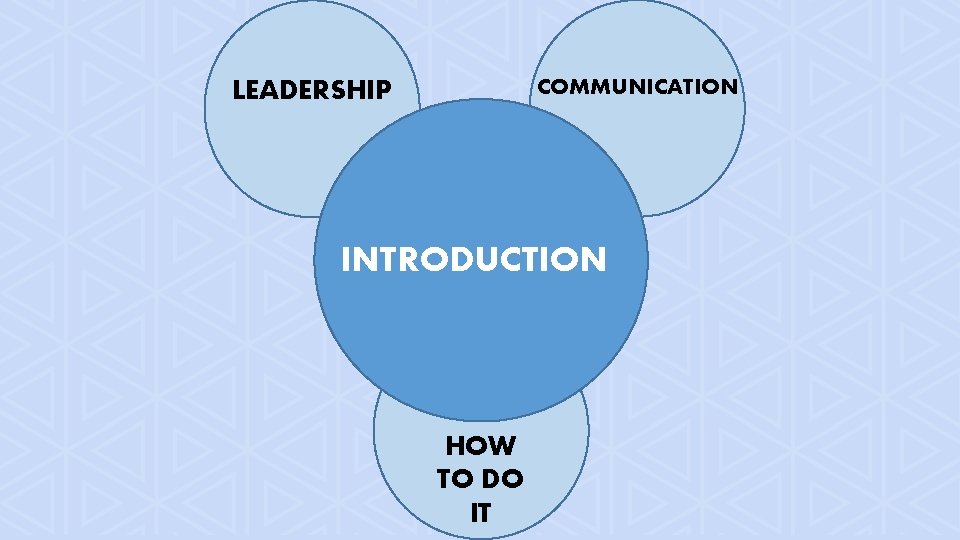
COMMUNICATION LEADERSHIP INTRODUCTION HOW TO DO IT
Leadership Style Influencing Communication
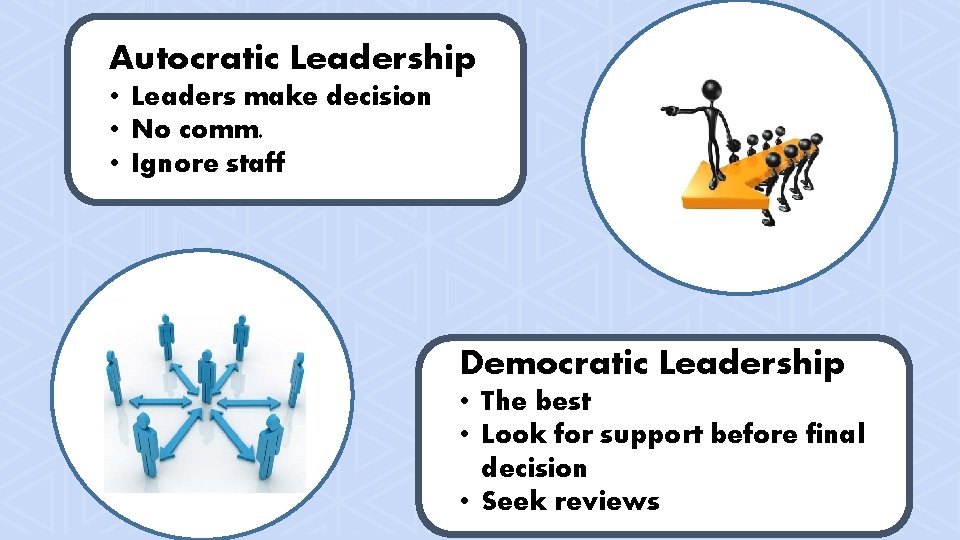
Autocratic Leadership • Leaders make decision • No comm. • Ignore staff Democratic Leadership • The best • Look for support before final decision • Seek reviews
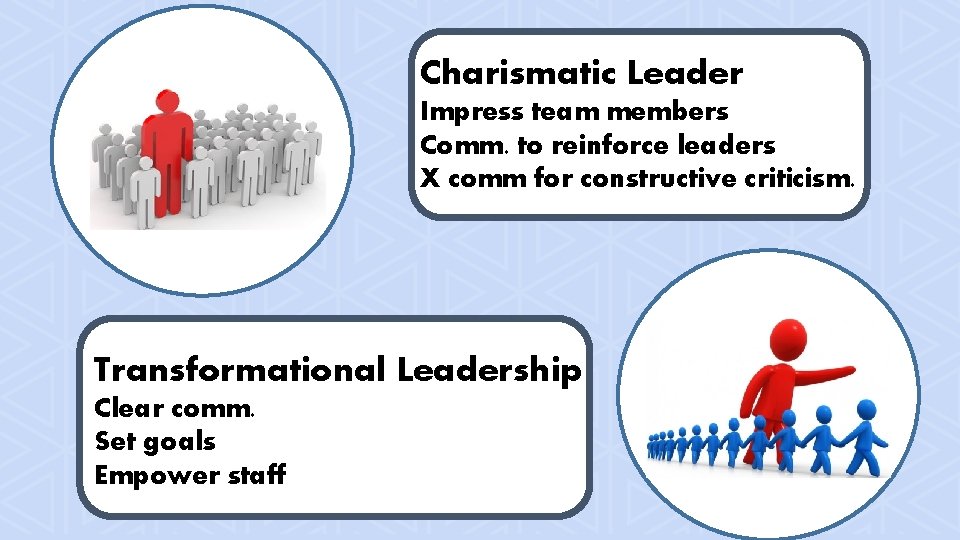
Charismatic Leader Impress team members Comm. to reinforce leaders X comm for constructive criticism. Transformational Leadership Clear comm. Set goals Empower staff
Laissez Faire Leadership Delegation Least productive No cooperation
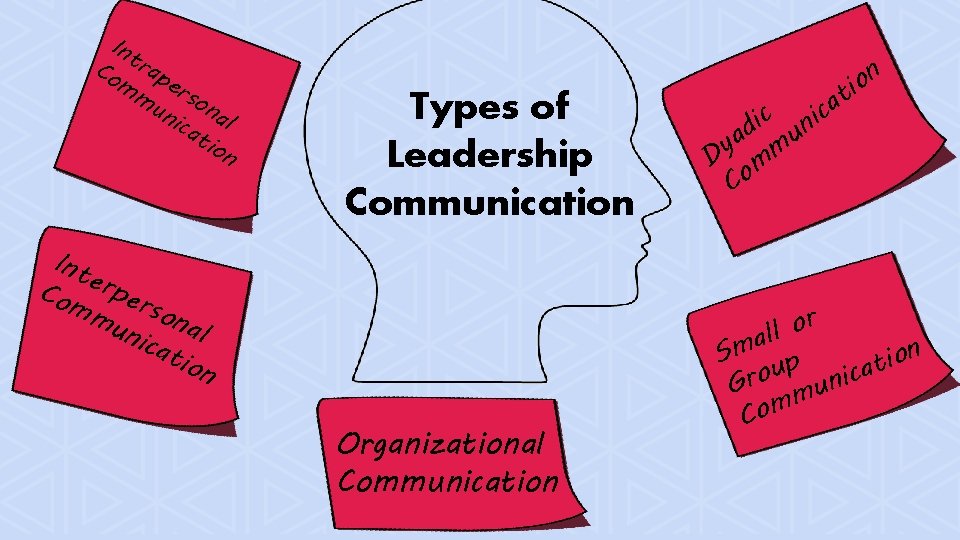
Int Co rap mm ers un ona ica l tio n Types of Leadership Communication Int Co erper mm so uni nal cat ion Organizational Communication n o i t a ic ic n d a mu y D m Co or l l a m n S o i p t u a c o i Gr mun Com
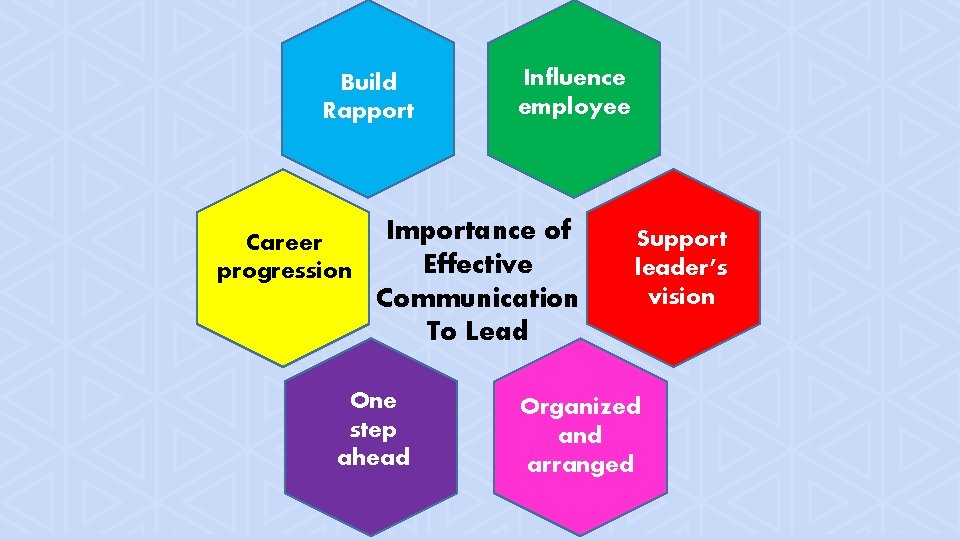
Build Rapport Career progression Influence employee Importance of Effective Communication To Lead One step ahead Support leader’s vision Organized and arranged
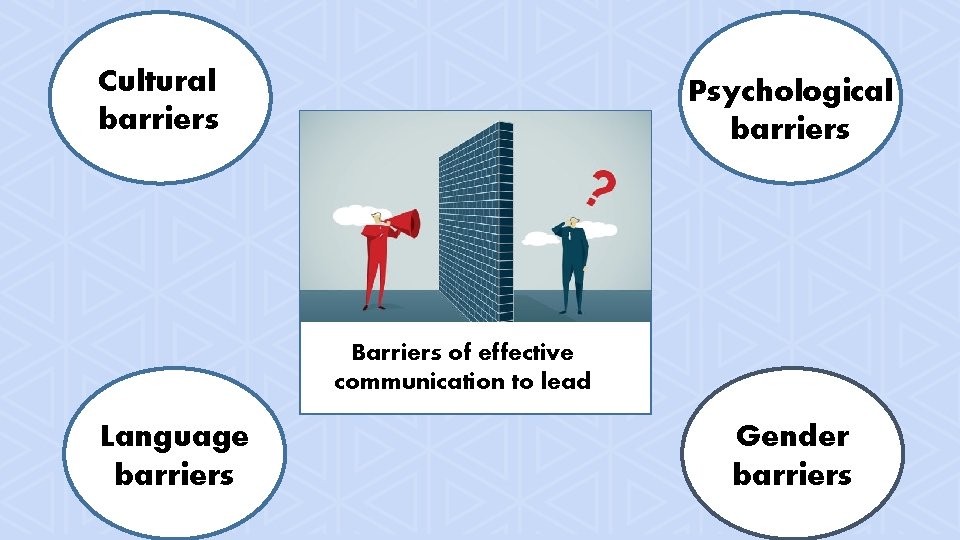
Cultural barriers Psychological barriers Barriers of effective communication to lead Language barriers Gender barriers
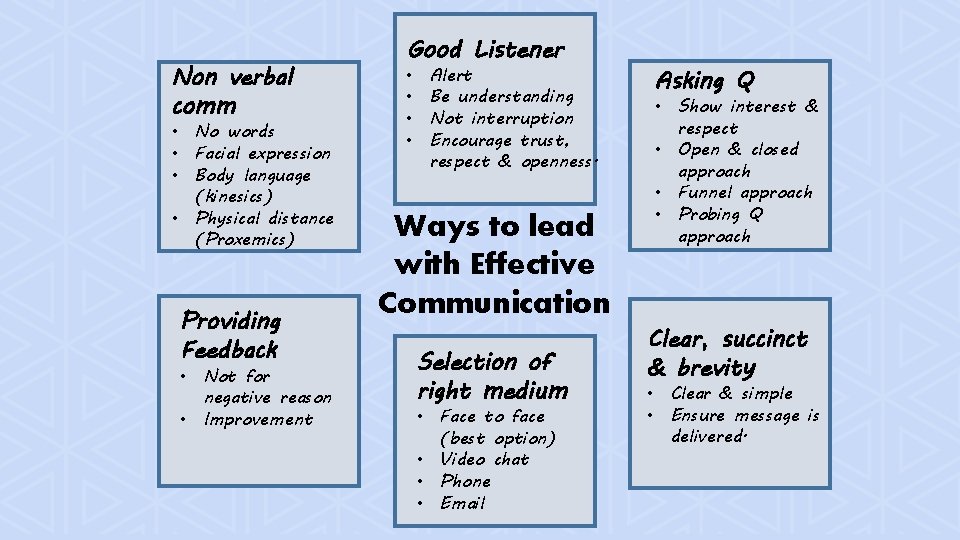
Non verbal comm • No words • Facial expression • Body language (kinesics) • Physical distance (Proxemics) Providing Feedback • Not for negative reason • Improvement Good Listener • • Alert Be understanding Not interruption Encourage trust, respect & openness. Ways to lead with Effective Communication Selection of right medium • Face to face (best option) • Video chat • Phone • Email Asking Q • Show interest & respect • Open & closed approach • Funnel approach • Probing Q approach Clear, succinct & brevity • Clear & simple • Ensure message is delivered.
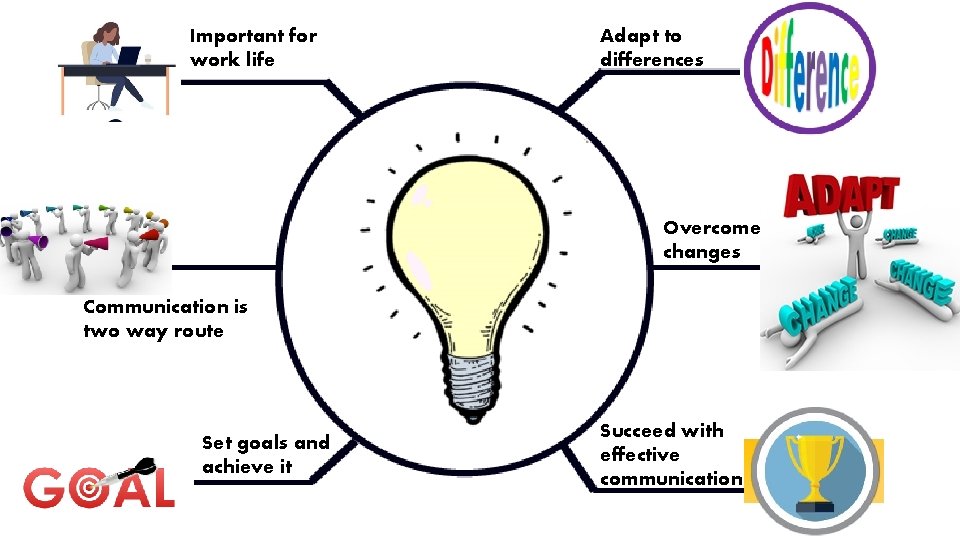
Important for work life Adapt to differences Overcome changes Communication is two way route Set goals and achieve it Succeed with effective communication
US: ANY QUESTIONS? AUDIENCES: ? ? ?