
Effective Communication English IV College Career Readiness Why


- Slides: 37
Effective Communication English IV: College & Career Readiness
Why communication? Let’s think… “You never know when a moment and a few sincere words can have an impact on a life. ” “Your ability to communicate is an important tool in your pursuit of your goals, whether it is with your family, your significant other, your coworkers, or your clients and customers. ” “The single biggest problem in communication is the illusion that it has taken place. ”
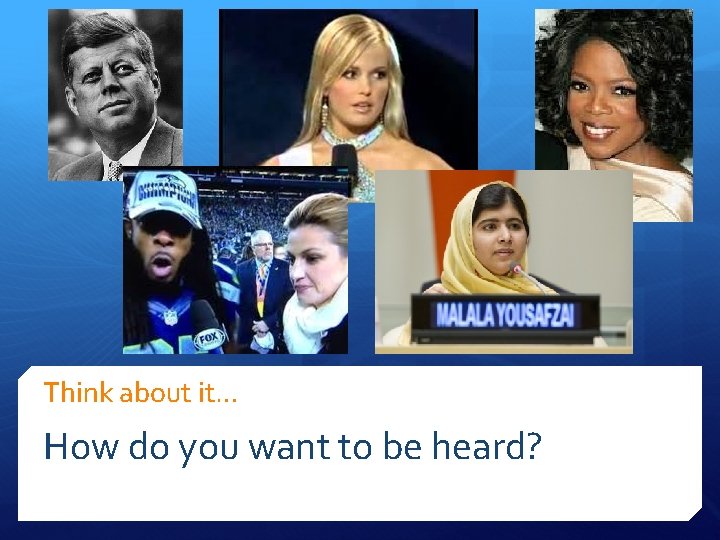
Think about it… How do you want to be heard?
Effective Communication Unit 1. Interpersonal Communication Skills Cultural differences Body language Active listening 2. Professional Communications Skills Interviewing Resumes Etiquette 3. Intrapersonal Communication Skills Personal belief statements Memoirs Senior videos
Communication Standards CCSS. ELA. SL. 11 -12. 1: Initiate and participate effectively in a range of collaborative discussions (one-on-one, in groups, and teacher-led) with diverse partners on grade level topics, texts, and issues, building on other’s ideas and expressing their own clearly and persuasively. CCSS. ELA. SL. 11 -12. 6: Adapt speech to a variety of contexts and tasks, demonstrating a command of formal English when indicated or appropriate.
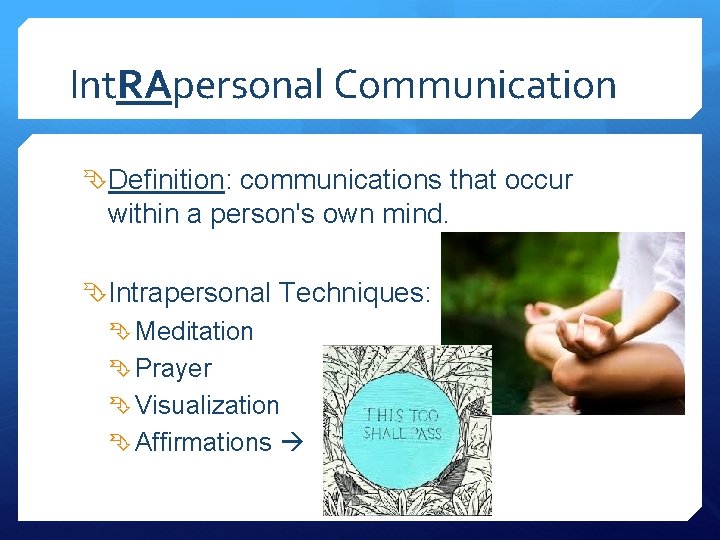
Int. RApersonal Communication Definition: communications that occur within a person's own mind. Intrapersonal Techniques: Meditation Prayer Visualization Affirmations
Int. ERpersonal Communication Definition: The process by which people exchange information, feelings, and meaning through verbal and non-verbal messages Face-to-face communication Required for every line of work Necessary for you to become a LEADER!
Communication Model Sender - Message (information) is sent by the sender Receiver -Receives the message and responds to message (feedback)
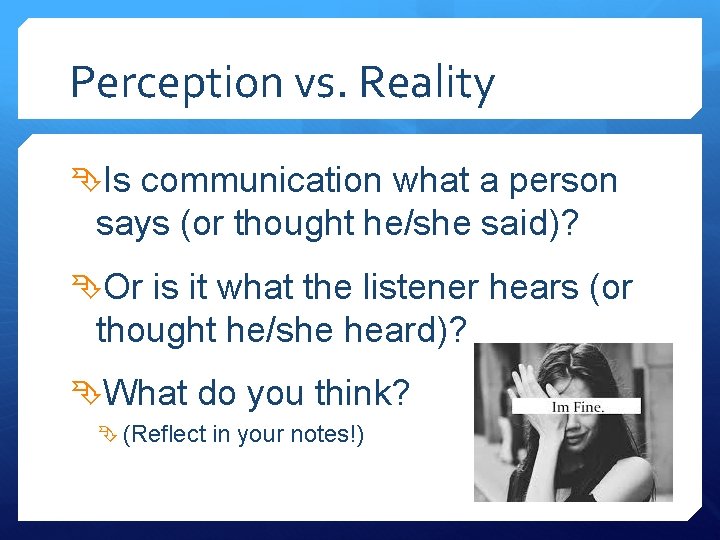
Perception vs. Reality Is communication what a person says (or thought he/she said)? Or is it what the listener hears (or thought he/she heard)? What do you think? (Reflect in your notes!)
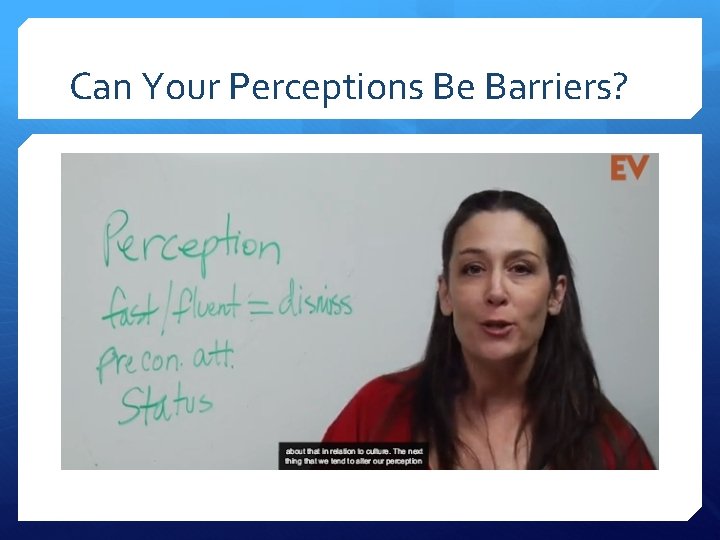
Can Your Perceptions Be Barriers?
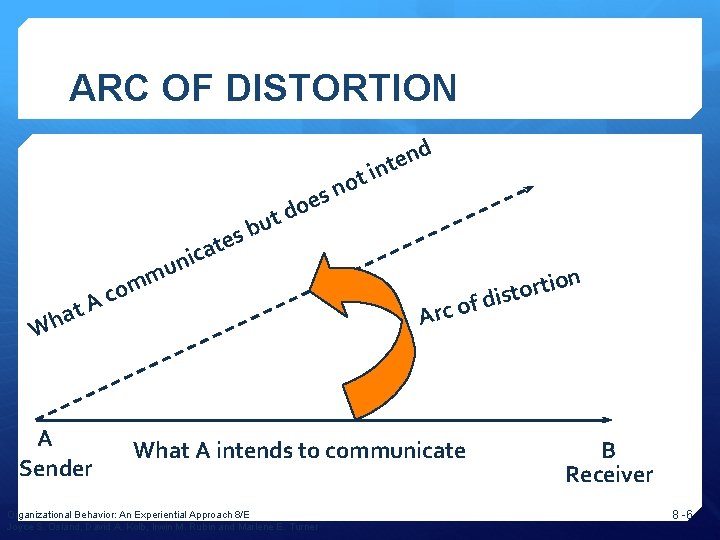
ARC OF DISTORTION t o n es s e t ca W A t a h A Sender com ni u m d n e int o d t bu f o c r A What A intends to communicate Organizational Behavior: An Experiential Approach 8/E Joyce S. Osland, David A. Kolb, Irwin M. Rubin and Marlene E. Turner n tio r o t s di B Receiver 8 -6
Perception Exercise I am going to describe a drawing I have made of a bug. Without seeing the drawing, you are to draw the bug that I describe. You may not ask questions or talk to each other.
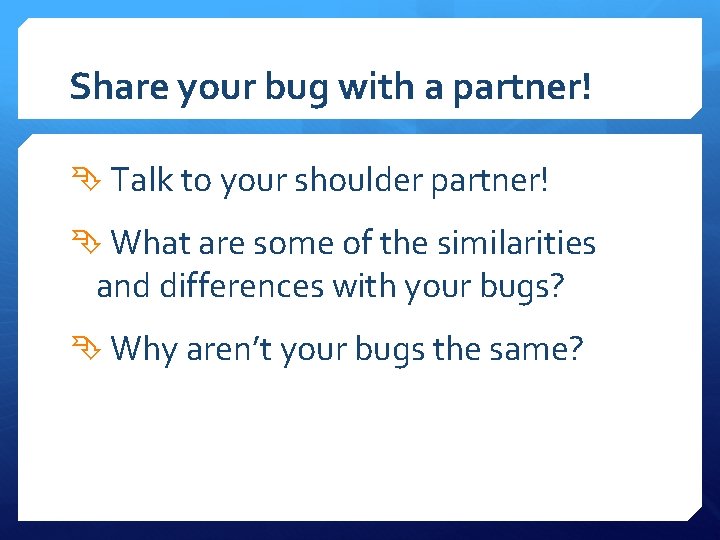
Share your bug with a partner! Talk to your shoulder partner! What are some of the similarities and differences with your bugs? Why aren’t your bugs the same?
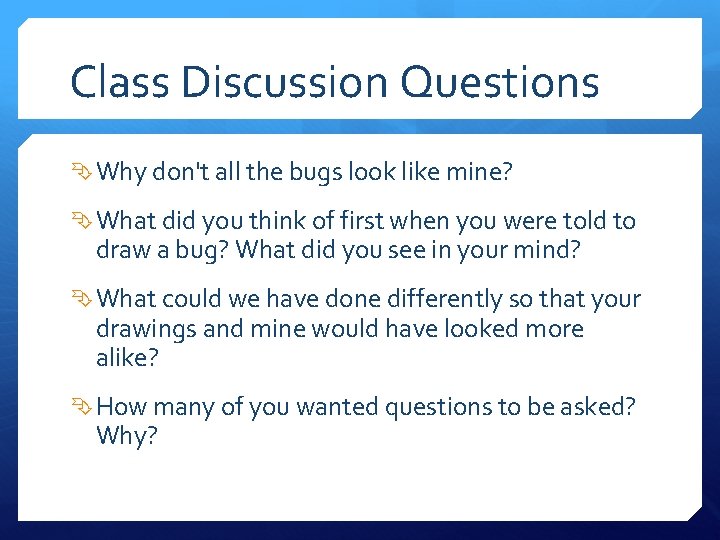
Class Discussion Questions Why don't all the bugs look like mine? What did you think of first when you were told to draw a bug? What did you see in your mind? What could we have done differently so that your drawings and mine would have looked more alike? How many of you wanted questions to be asked? Why?
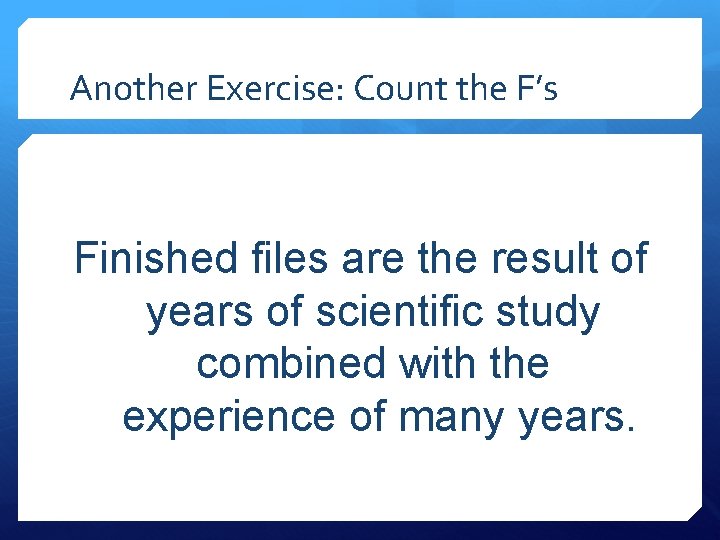
Another Exercise: Count the F’s Finished files are the result of years of scientific study combined with the experience of many years.
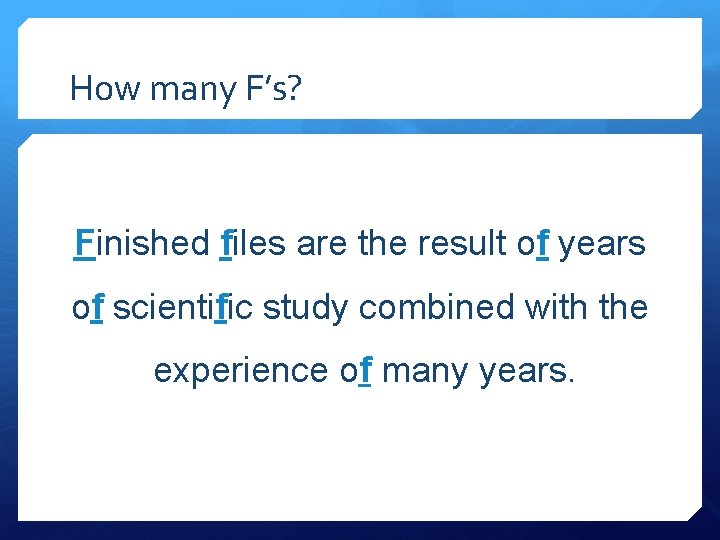
How many F’s? Finished files are the result of years of scientific study combined with the experience of many years.
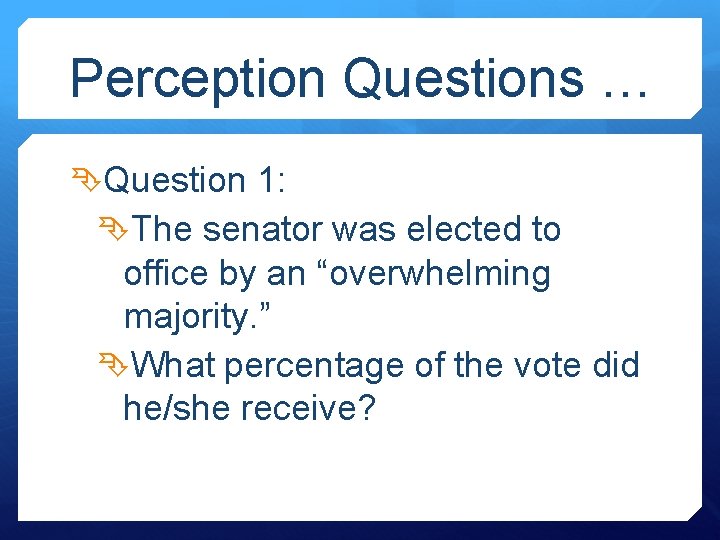
Perception Questions … Question 1: The senator was elected to office by an “overwhelming majority. ” What percentage of the vote did he/she receive?
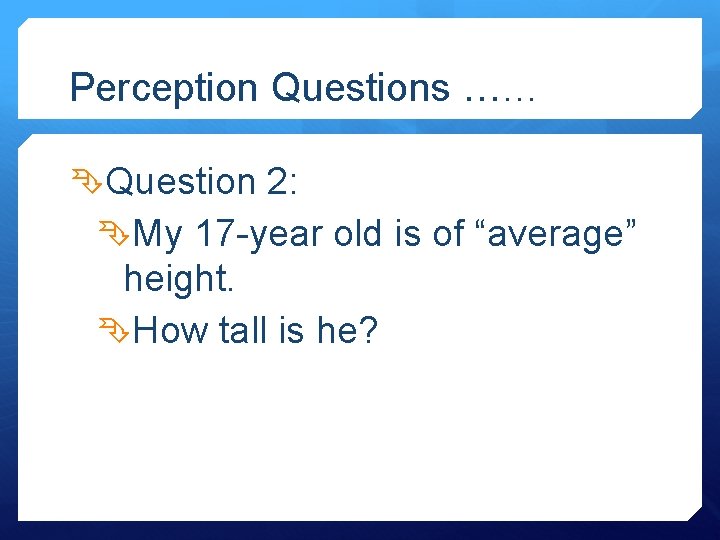
Perception Questions …… Question 2: My 17 -year old is of “average” height. How tall is he?
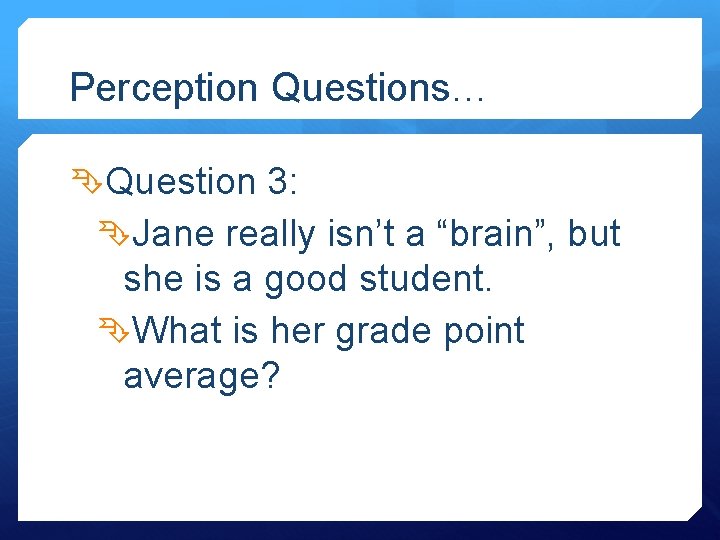
Perception Questions… Question 3: Jane really isn’t a “brain”, but she is a good student. What is her grade point average?
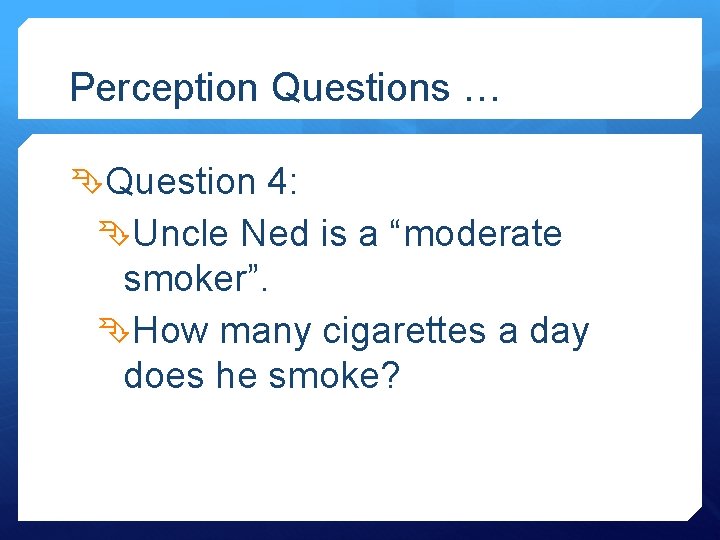
Perception Questions … Question 4: Uncle Ned is a “moderate smoker”. How many cigarettes a day does he smoke?
Perception Questions … Question 5: Although this friend of mine is not wealthy, he earns a “comfortable living”. How much does he/she make a year?
1 st Step to Better Communication: Develop the awareness that our perceptions can direct how and what we can communicate Previous experience & learning Attitude & interests Needs & feelings Current situation Socio-Economic differences Cultural differences
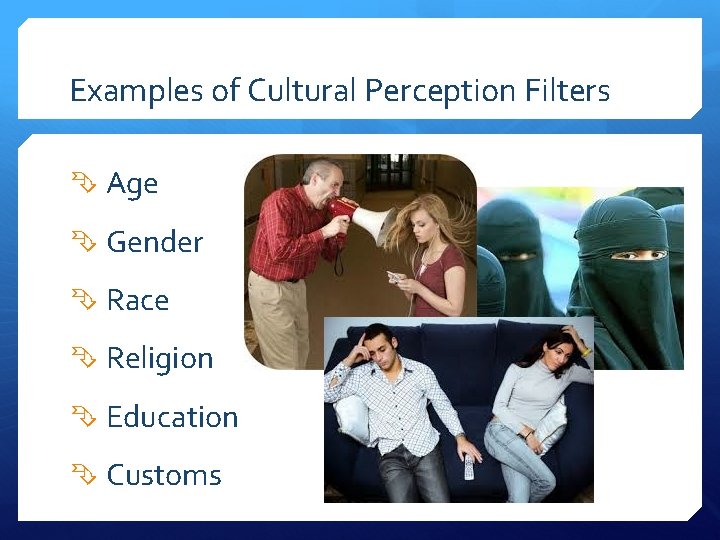
Examples of Cultural Perception Filters Age Gender Race Religion Education Customs
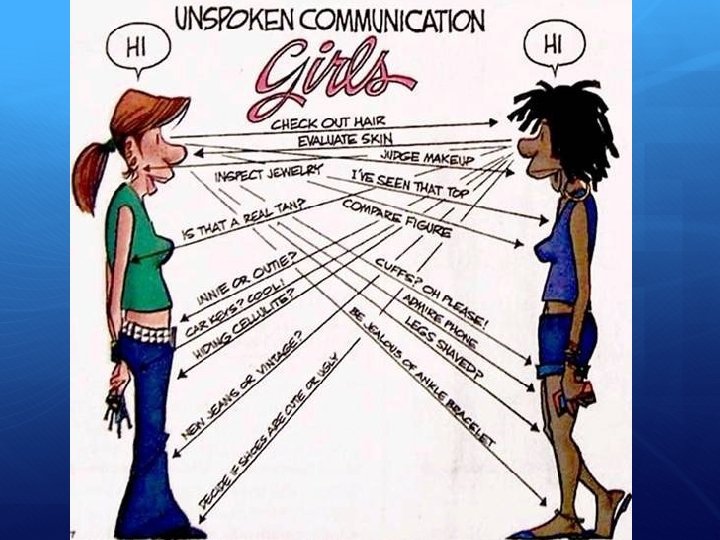
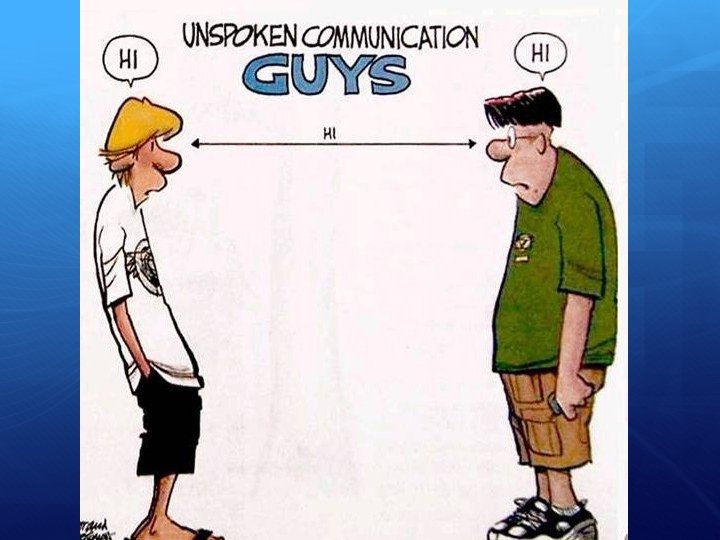
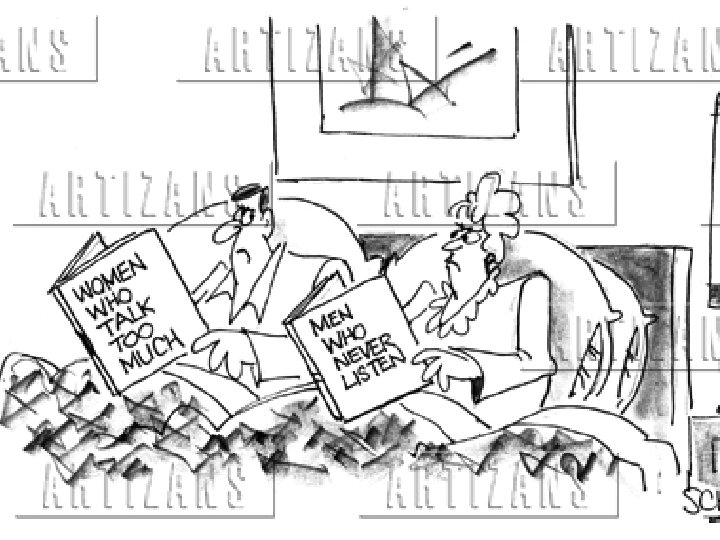
How do you think gender affects communication?
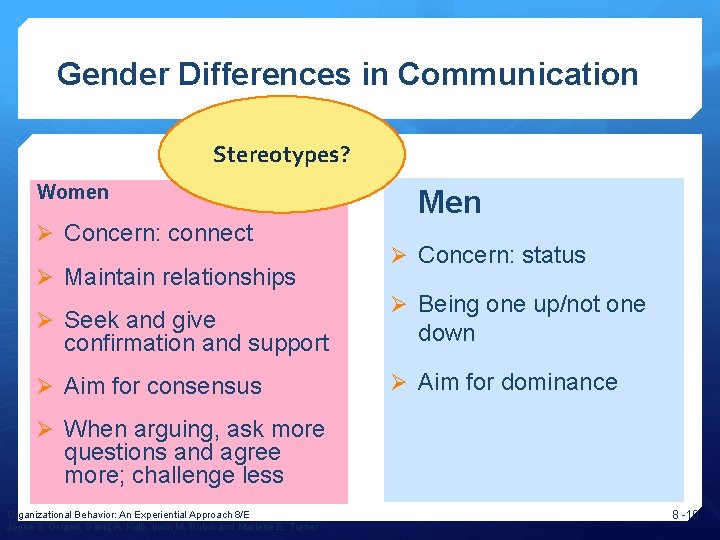
Gender Differences in Communication Stereotypes? Women Ø Concern: connect Ø Maintain relationships Ø Seek and give confirmation and support Ø Aim for consensus Men Ø Concern: status Ø Being one up/not one down Ø Aim for dominance Ø When arguing, ask more questions and agree more; challenge less Organizational Behavior: An Experiential Approach 8/E Joyce S. Osland, David A. Kolb, Irwin M. Rubin and Marlene E. Turner 8 -10
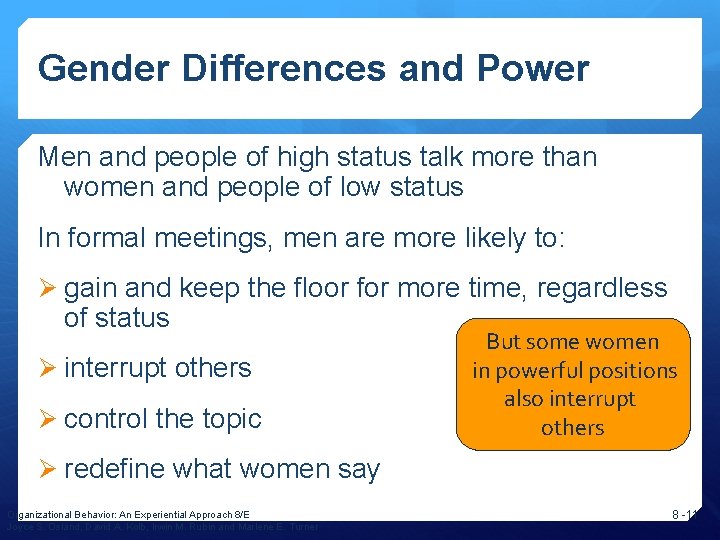
Gender Differences and Power Men and people of high status talk more than women and people of low status In formal meetings, men are more likely to: Ø gain and keep the floor for more time, regardless of status Ø interrupt others Ø control the topic But some women in powerful positions also interrupt others Ø redefine what women say Organizational Behavior: An Experiential Approach 8/E Joyce S. Osland, David A. Kolb, Irwin M. Rubin and Marlene E. Turner 8 -11
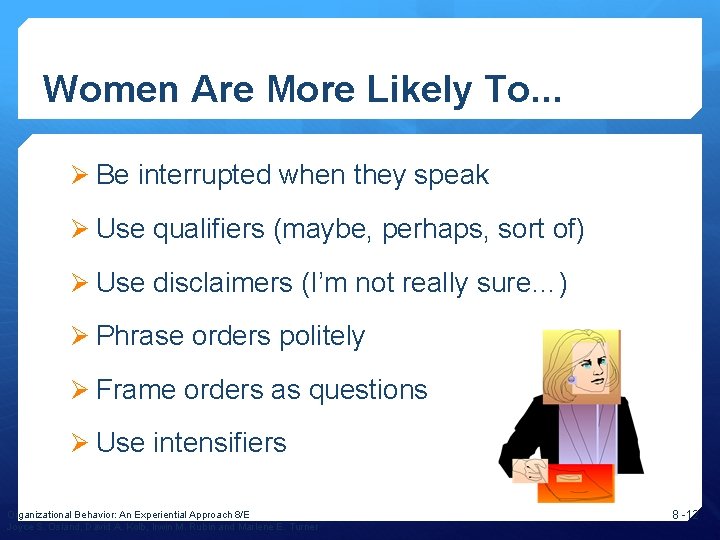
Women Are More Likely To. . . Ø Be interrupted when they speak Ø Use qualifiers (maybe, perhaps, sort of) Ø Use disclaimers (I’m not really sure…) Ø Phrase orders politely Ø Frame orders as questions Ø Use intensifiers Organizational Behavior: An Experiential Approach 8/E Joyce S. Osland, David A. Kolb, Irwin M. Rubin and Marlene E. Turner 8 -12
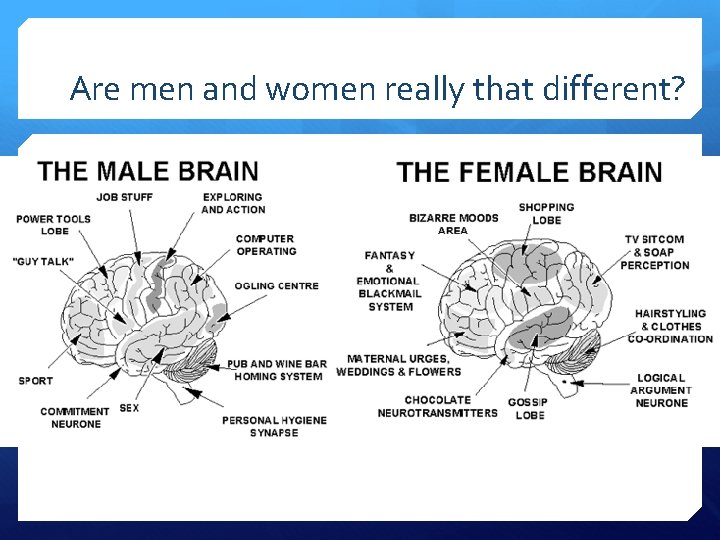
Are men and women really that different?
Wait…I am saying it loud and clear! Ø People are unique so they encode and decode messages differently Ø Only 7% of meaning comes from words – 55% comes from facial expressions and posture and 38% from vocal intonation and inflection Ø Words have different connotations for different groups
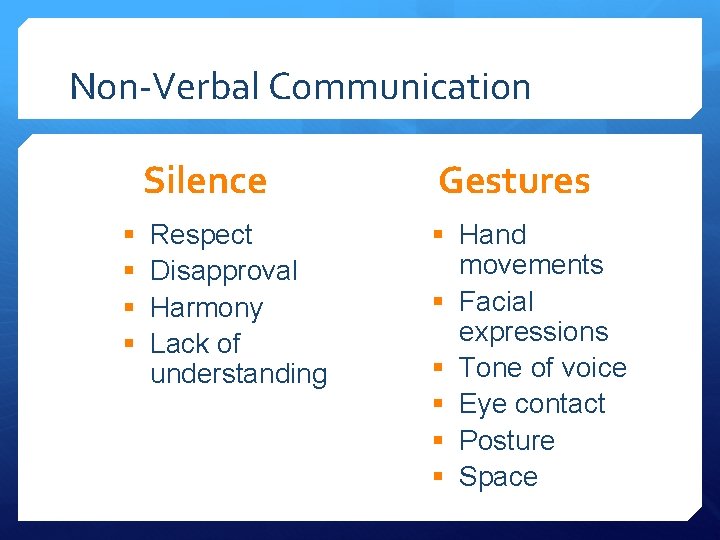
Non-Verbal Communication § § Silence Gestures Respect Disapproval Harmony Lack of understanding § Hand § § § movements Facial expressions Tone of voice Eye contact Posture Space
BODY LANGUAGE
Some Quick Advice
Later in this unit… Can you spot a liar by “reading” body language?