
Effect of the printing remedies and lamination techniques
- Slides: 48
Effect of the printing remedies and lamination techniques on barrier properties “ WVTR and OTR value” for polypropylene film Yahya Ibrahiem Mohamed Khalifa Printing, Publishing and Packaging Dept. Faculty of Applied Arts, Helwan Univeristy, Cairo, Egypt
Research outline • Introduction • Research Problem • Research objective • The important of Research • Methodology • Materials and methods • Results and Discussions • Recommendations • Conclusions
Research outline • Introduction • Research Problem • Research objective • The important of Research • Methodology • Materials and methods • Results and Discussions • Recommendations • Conclusions
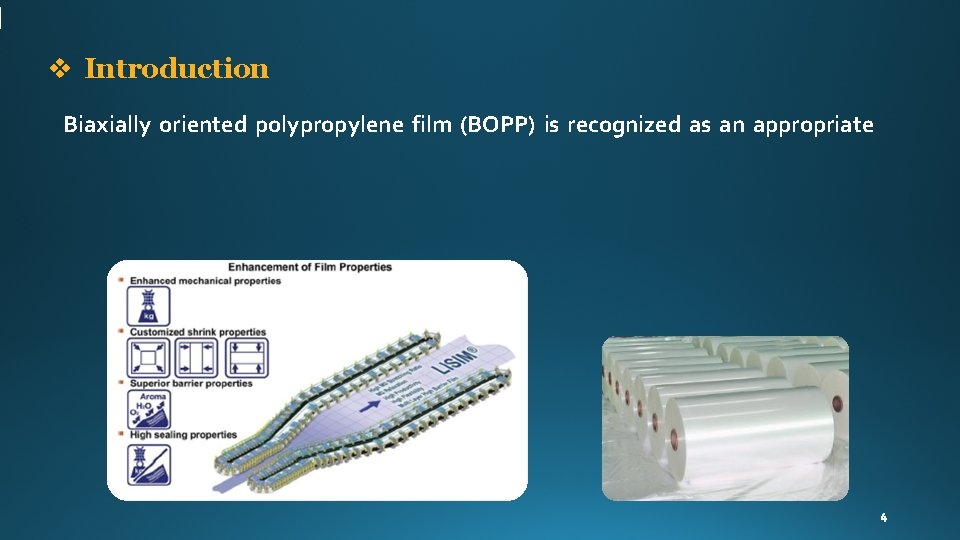
v Introduction Biaxially oriented polypropylene film (BOPP) is recognized as an appropriate
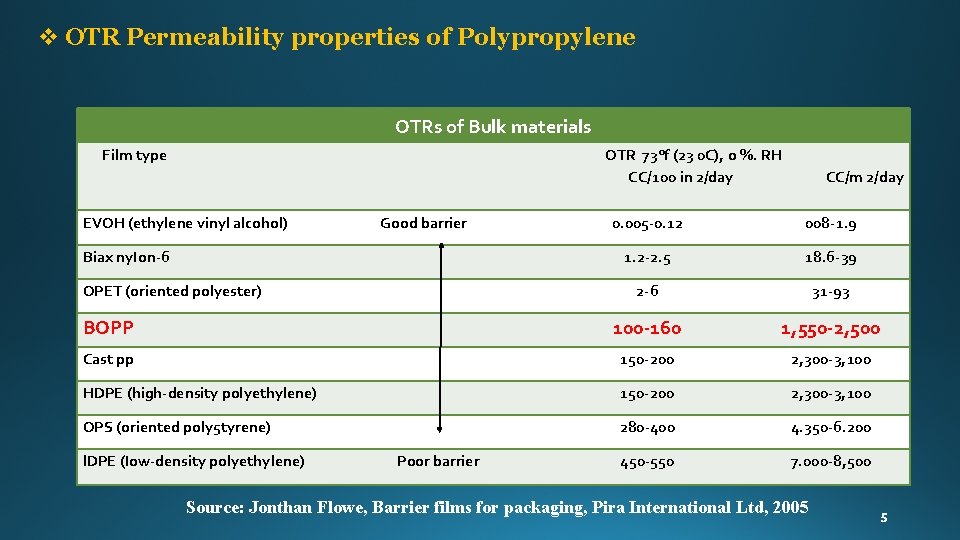
v OTR Permeability properties of Polypropylene OTRs of Bulk materials Film type OTR 73°f (23 0 C), o %. RH CC/100 in 2/day EVOH (ethylene vinyl alcohol) Good barrier CC/m 2/day 0. 005 -0. 12 008 -1. 9 1. 2 -2. 5 18. 6 -39 2 -6 31 -93 BOPP 100 -160 1, 550 -2, 500 Cast pp 150 -200 2, 300 -3, 100 HDPE (high-density polyethylene) 150 -200 2, 300 -3, 100 OPS (oriented poly 5 tyrene) 280 -400 4. 350 -6. 200 450 -550 7. 000 -8, 500 Biax ny. Ion-6 OPET (oriented polyester) l. DPE (Iow-density polyethylene) Poor barrier Source: Jonthan Flowe, Barrier films for packaging, Pira International Ltd, 2005
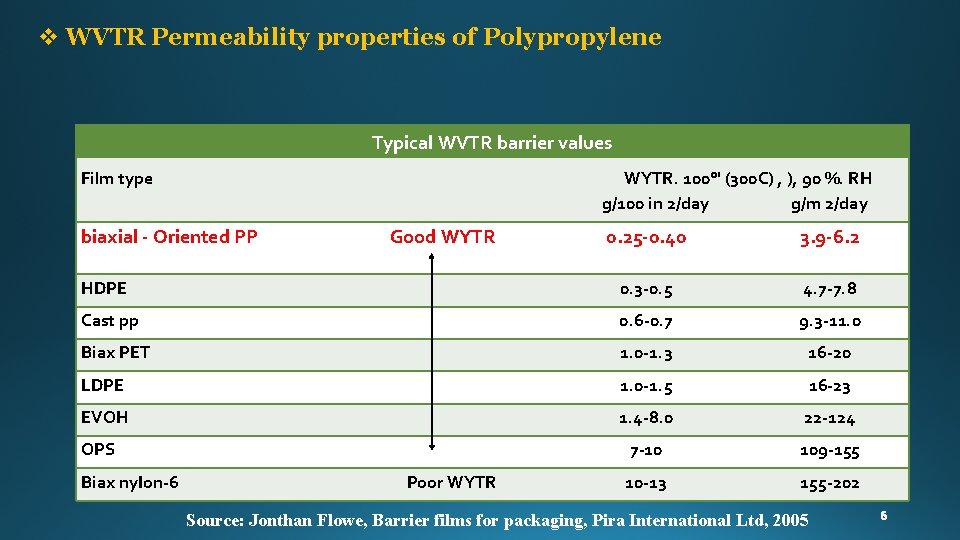
v WVTR Permeability properties of Polypropylene Typical WVTR barrier values Film type WYTR. 100°' (300 C) , ), 90 %. RH g/100 in 2/day g/m 2/day biaxial - Oriented PP Good WYTR 0. 25 -0. 40 3. 9 -6. 2 HDPE 0. 3 -0. 5 4. 7 -7. 8 Cast pp 0. 6 -0. 7 9. 3 -11. 0 Biax PET 1. 0 -1. 3 16 -20 LDPE 1. 0 -1. 5 16 -23 EVOH 1. 4 -8. 0 22 -124 7 -10 109 -155 10 -13 155 -202 OPS Biax ny. Ion-6 Poor WYTR Source: Jonthan Flowe, Barrier films for packaging, Pira International Ltd, 2005
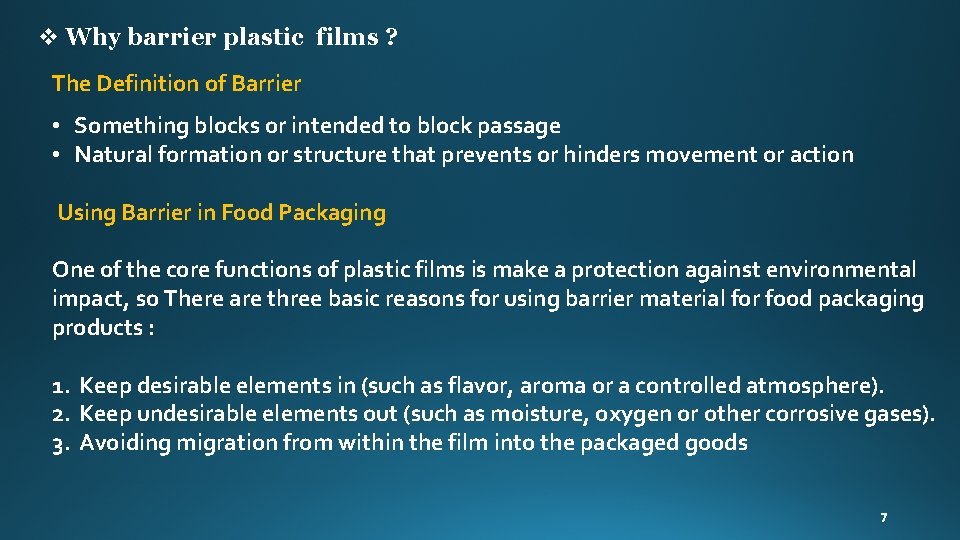
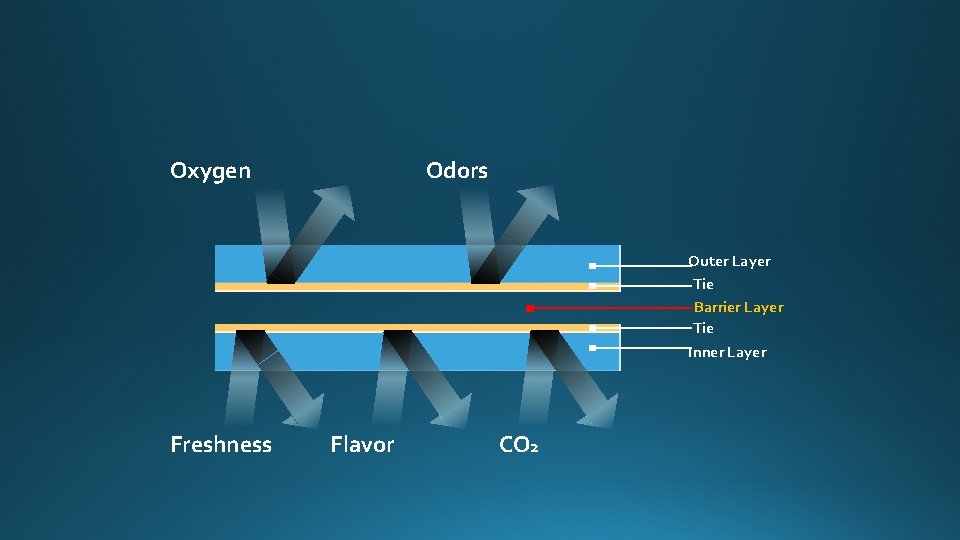
v Why barrier plastic films ? The Definition of Barrier • Something blocks or intended to block passage • Natural formation or structure that prevents or hinders movement or action Using Barrier in Food Packaging One of the core functions of plastic films is make a protection against environmental impact, so There are three basic reasons for using barrier material for food packaging products : 1. Keep desirable elements in (such as flavor, aroma or a controlled atmosphere). 2. Keep undesirable elements out (such as moisture, oxygen or other corrosive gases). 3. Avoiding migration from within the film into the packaged goods
Oxygen Odors Outer Layer Tie Barrier Layer Tie Inner Layer Freshness Flavor CO 2
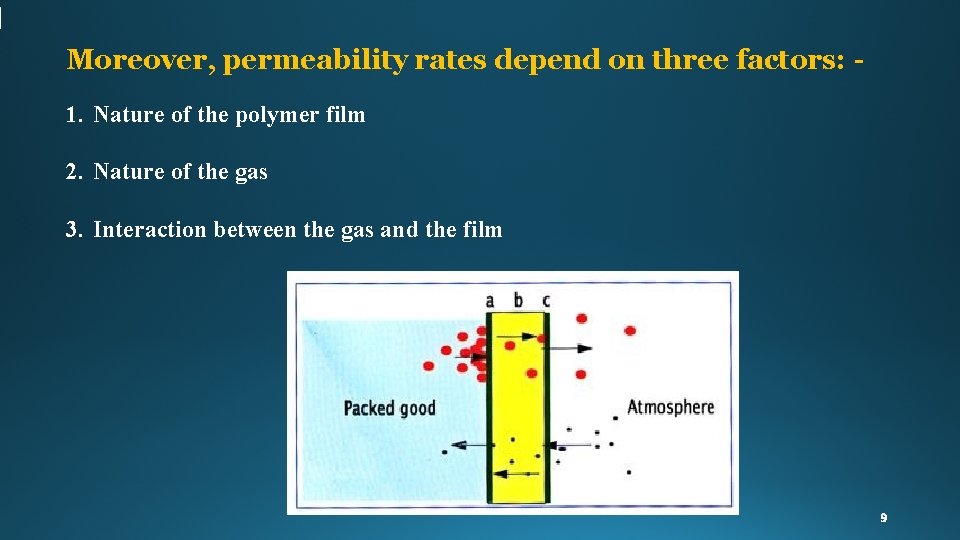
Moreover, permeability rates depend on three factors: 1. Nature of the polymer film 2. Nature of the gas 3. Interaction between the gas and the film
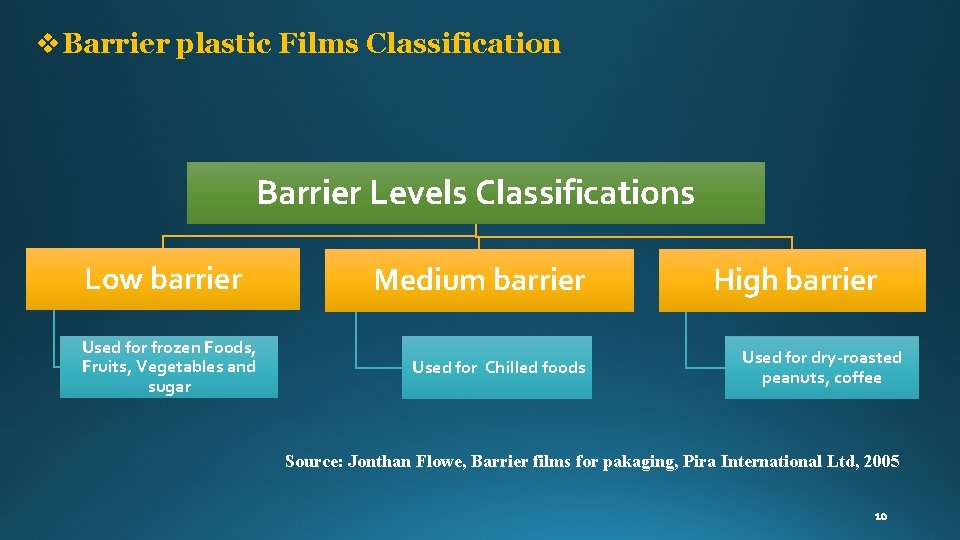
v. Barrier plastic Films Classification Barrier Levels Classifications Low barrier Used for frozen Foods, Fruits, Vegetables and sugar Medium barrier Used for Chilled foods High barrier Used for dry-roasted peanuts, coffee Source: Jonthan Flowe, Barrier films for pakaging, Pira International Ltd, 2005
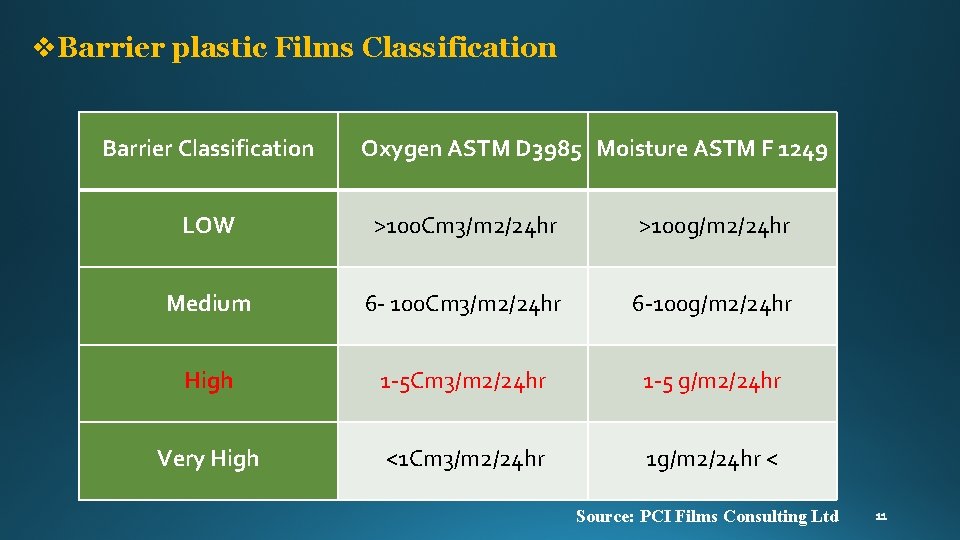
v. Barrier plastic Films Classification Barrier Classification Oxygen ASTM D 3985 Moisture ASTM F 1249 LOW >100 Cm 3/m 2/24 hr >100 g/m 2/24 hr Medium 6 - 100 Cm 3/m 2/24 hr 6 -100 g/m 2/24 hr High 1 -5 Cm 3/m 2/24 hr 1 -5 g/m 2/24 hr Very High <1 Cm 3/m 2/24 hr 1 g/m 2/24 hr < Source: PCI Films Consulting Ltd
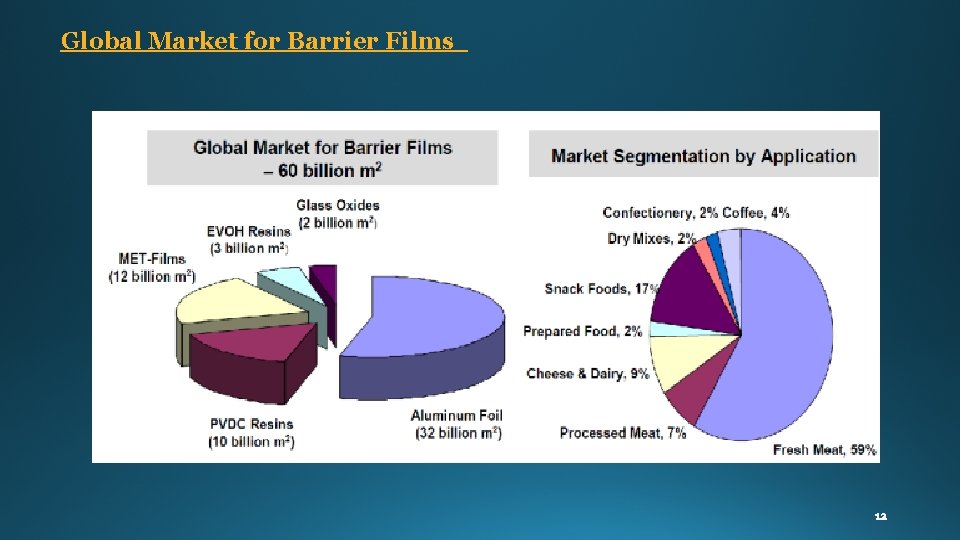
Global Market for Barrier Films
Research outline • Introduction • Research Problem • Research objective • The important of Research • Methodology • Materials and methods • Results and Discussions • Recommendations • Conclusions
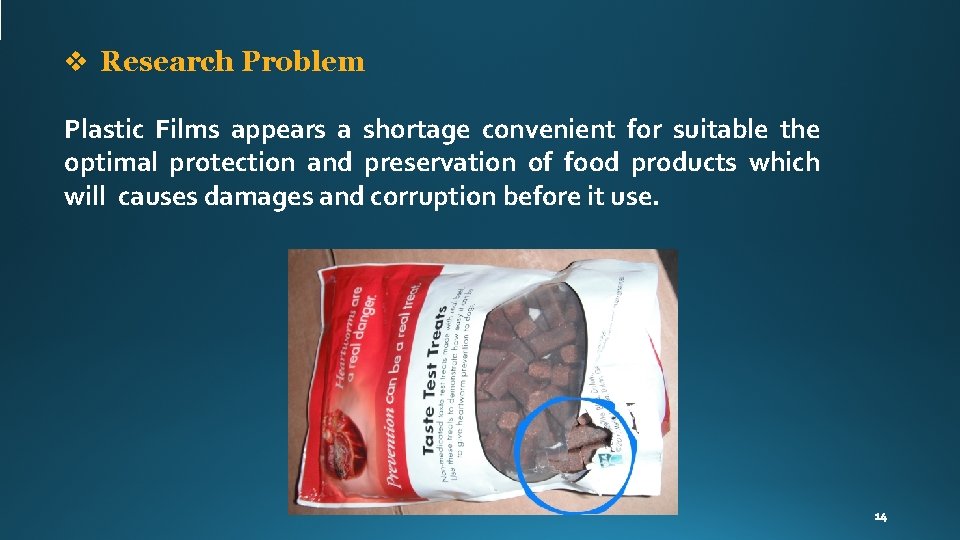
v Research Problem Plastic Films appears a shortage convenient for suitable the optimal protection and preservation of food products which will causes damages and corruption before it use.
Research outline • Introduction • Research Problem • Research objective • The important of Research • Methodology • Materials and methods • Results and Discussions • Recommendations • Conclusions
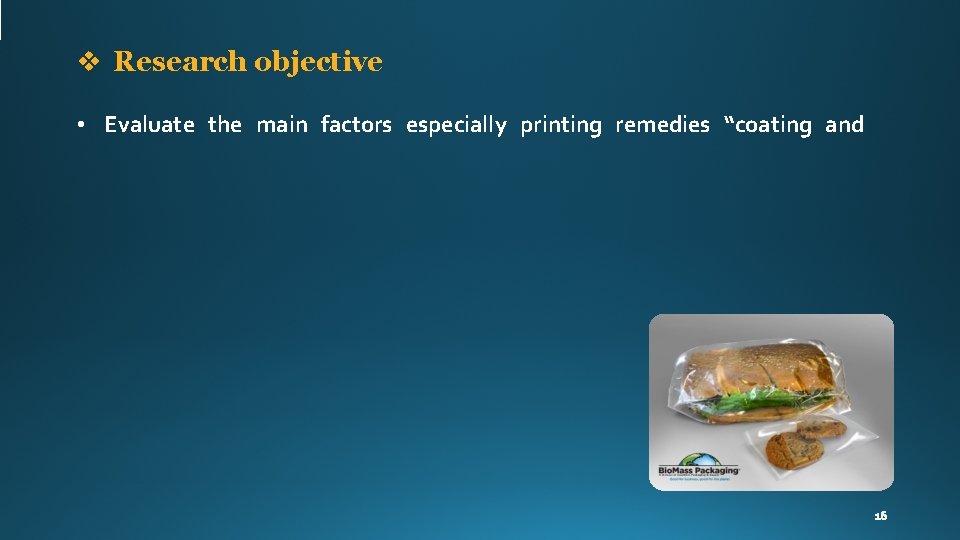
v Research objective • Evaluate the main factors especially printing remedies “coating and
Research outline • Introduction • Research Problem • Research objective • The important of Research • Methodology • Materials and methods • Results and Discussions • Recommendations • Conclusions
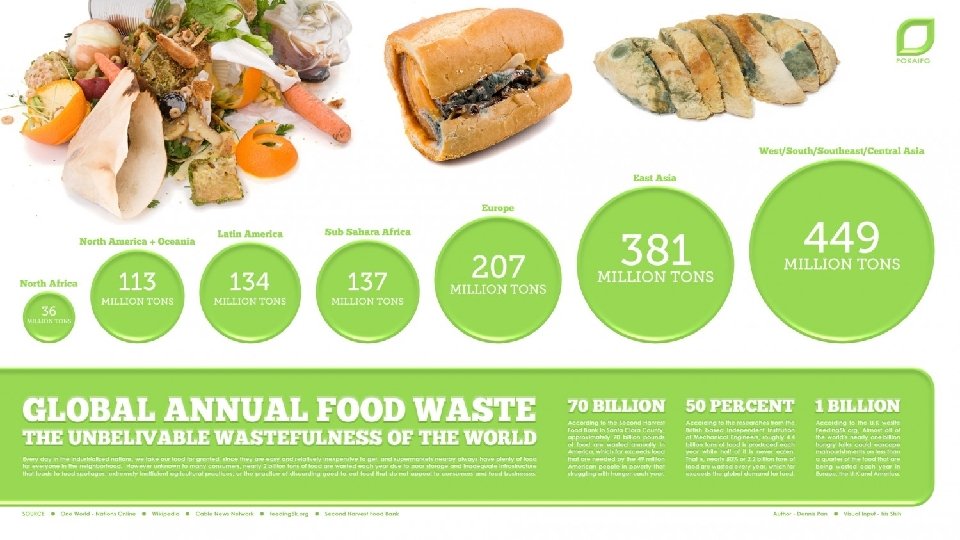
v. The importance of research : " Loss rates in the food in the world is very high. " Food and Agriculture Organization FAO give the proportion of corruption and waste of food as more than 1. 3 billion tons per year, as part of the packaging industry, this data was recorded on international conference Interpack 2011 in Dusseldorf, Germany and it’s results was : 1. Both industrialized and developing countries is almost dissipated the same amounts of food, which increased by 670 and 630 million tons respectively. 2. Every year, consumers have wasted food rich countries increased by 222 million tons, equivalent to the total net food production in Africa and sub-Saharan Africa about 230 million tons.
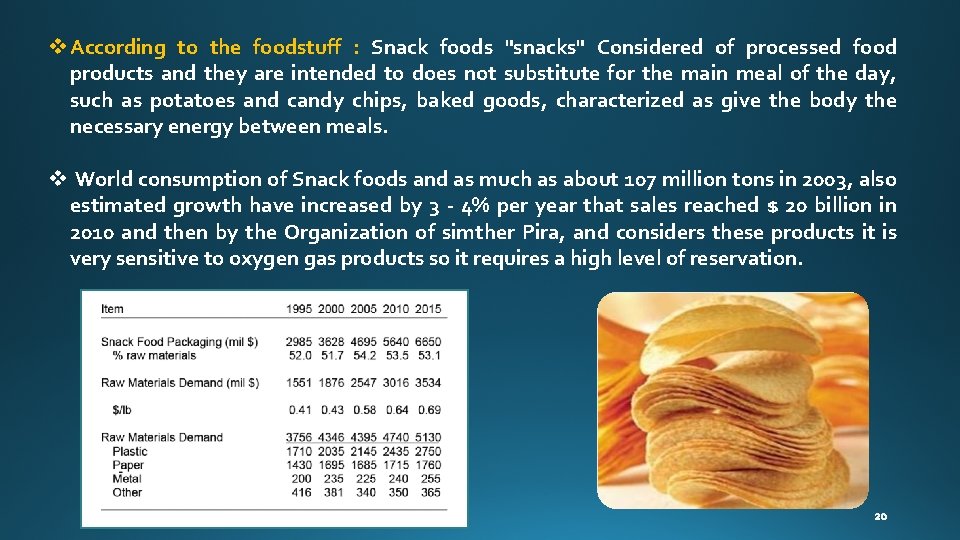
v According to the foodstuff : Snack foods "snacks" Considered of processed food products and they are intended to does not substitute for the main meal of the day, such as potatoes and candy chips, baked goods, characterized as give the body the necessary energy between meals. v World consumption of Snack foods and as much as about 107 million tons in 2003, also estimated growth have increased by 3 - 4% per year that sales reached $ 20 billion in 2010 and then by the Organization of simther Pira, and considers these products it is very sensitive to oxygen gas products so it requires a high level of reservation.
Research outline • Introduction • Research Problem • Research objective • The important of Research • Methodology • Materials and methods • Results and Discussions • Recommendations • Conclusions
v Methodology Practical program consists of three main parts , namely: v The First part: Identify the factors that affect the Barrier Properties , including those related ( oxygen permeability OTR properties - water permeability WVTR vapor ) prior to printing on polypropylene films directed in two axes, both Metalized BOPP & Transparent BOPP in order to determine the effect of the change permeability of the raw material due to the lamination techniques the impact of printing variables on the permeability either positively or negatively. v The second part: Measuring the impact of change the concentration ratios of O 2 on the biological effect on potato chips on exact time periods “ 30 days” on different places of storage v The third part: Measurement of migration potential from rotogravure printing inks compounds “"Residual Solvent" Solvent retention” into snacks food samples contacted by GC
v PART I: v The first experiment : measuring the oxygen permeability OTR before lamination after lamination “solvent base technique”. v The second experiment : measuring water vapor permeability WVTR before lamination after lamination “solvent base technique”. v Where the measurement of polypropylene film in three cases : - The first sample is transparent film only 20 microns thickness. - The second sample printed film only thickness of 20 microns. - The third film sample printed and laminated with polypropylene mineralized film thickness of 20 microns.
v Part II : measuring the impact of changing oxygen ratios O 2 on the biological effect on Potato Chips and on time periods and from different places to store Measuring the impact of change the concentration ratios of O 2 on the biological effect on potato chips on the same production line on exact time periods “ 30 days” on different places of storage " wet - dry - medium " : - • Oxygen ratio is greater than 5 % < (O 2) inside the plastic bag (printed and laminated with polypropylene mineralized film thickness of 20 microns) • Oxygen ratio is smaller than 5 % > (O 2) packaged inside the plastic bag. • Normal air without the injection of nitrogen (O 2 = 21%) packaged inside the plastic bag.
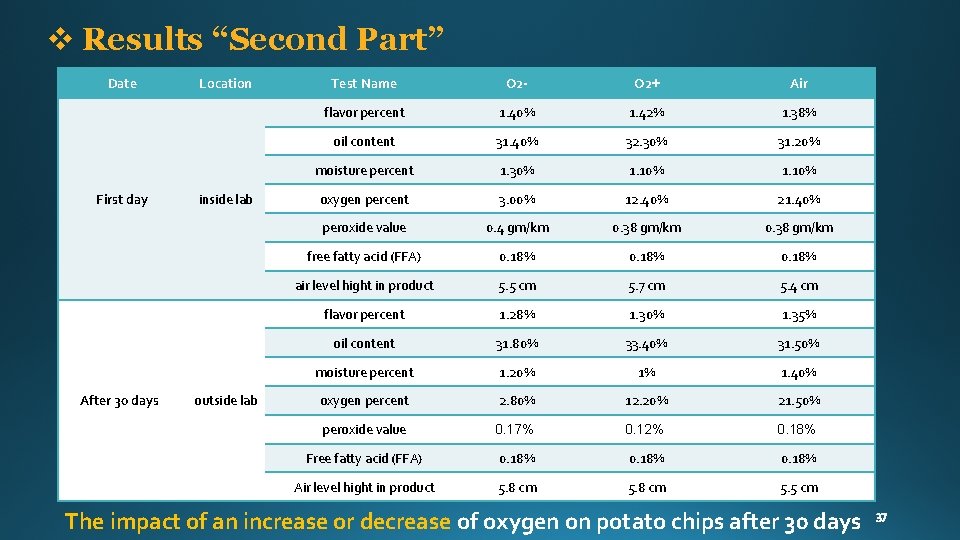
To estimate the rates of chemical changes through the most important factors that affect the quality and taste , namely: 1 - Flavor Percent 2 - Oil Content 3 -Moisture Percent 4 - Oxygen percent 5 - Peroxide Value 6 - Free Fatly acid 7 - Air Level
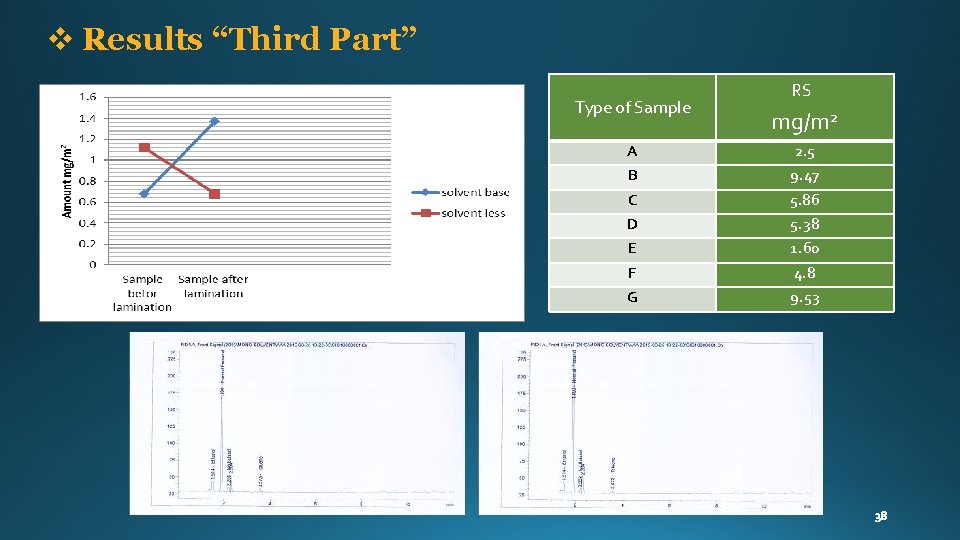
v. Part III : Measurement of migration potential from rotogravure printing inks compounds into foodstuff contacted by GC • Seven packaged samples on printed polypropylene film and laminated with metalized polypropylene both with 20 micros from different inks companies to the same product. • Four packaged samples with different kinds of snacks food from Egyptian market “ Before and after Lamination ( solvent base & solvent less) • Regarding the volatile measured, all sample were analyzed by Gas Chromatography.
Research outline • Introduction • Research Problem • Research objective • The important of Research • Methodology • Materials and methods • Results and Discussions • Recommendations • Conclusions
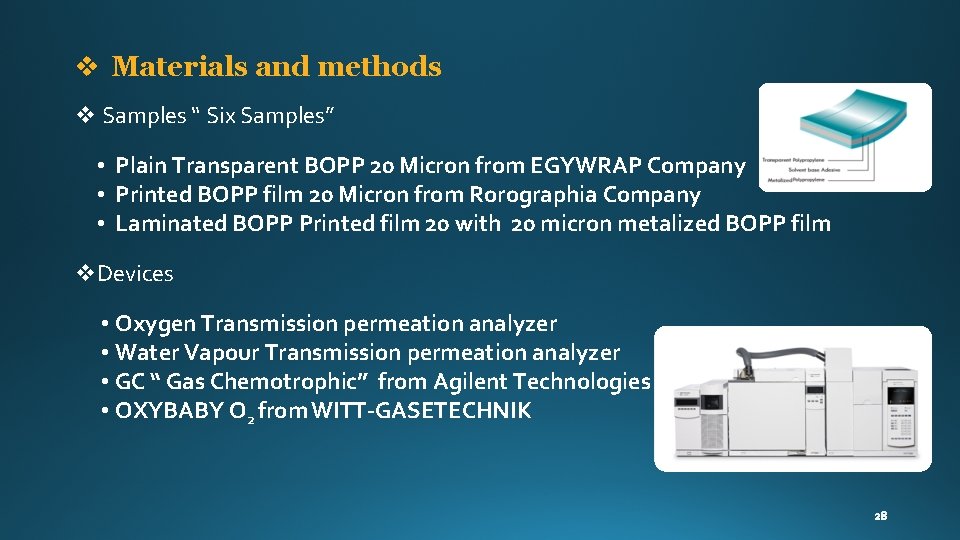
v Materials and methods v Samples “ Six Samples” • Plain Transparent BOPP 20 Micron from EGYWRAP Company • Printed BOPP film 20 Micron from Rorographia Company • Laminated BOPP Printed film 20 with 20 micron metalized BOPP film v. Devices • Oxygen Transmission permeation analyzer • Water Vapour Transmission permeation analyzer • GC “ Gas Chemotrophic” from Agilent Technologies • OXYBABY O 2 from WITT-GASETECHNIK
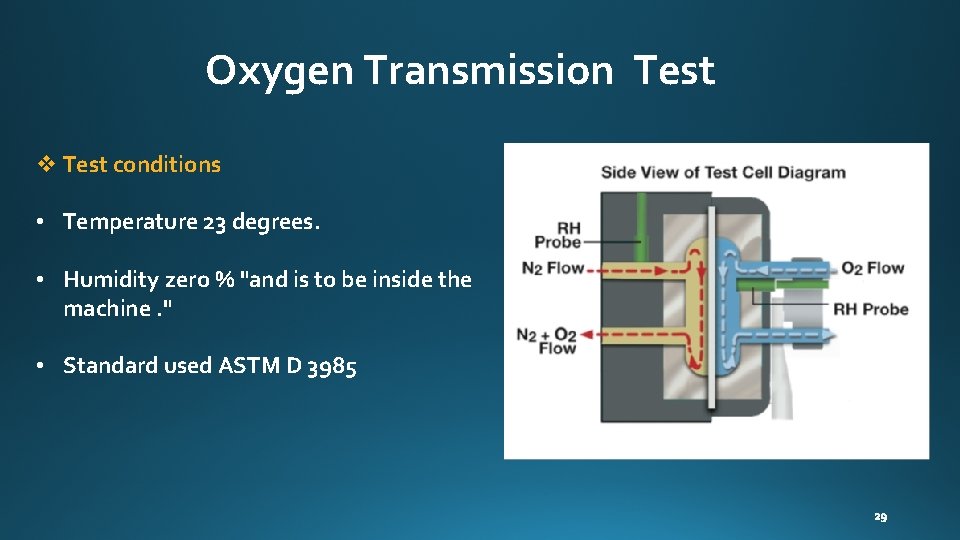
Oxygen Transmission Test v Test conditions • Temperature 23 degrees. • Humidity zero % "and is to be inside the machine. " • Standard used ASTM D 3985
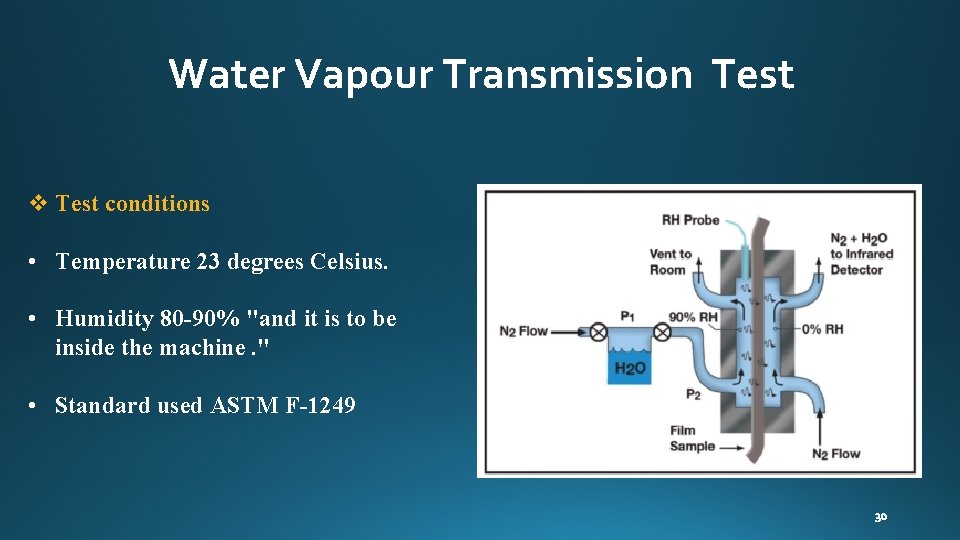
Water Vapour Transmission Test v Test conditions • Temperature 23 degrees Celsius. • Humidity 80 -90% "and it is to be inside the machine. " • Standard used ASTM F-1249
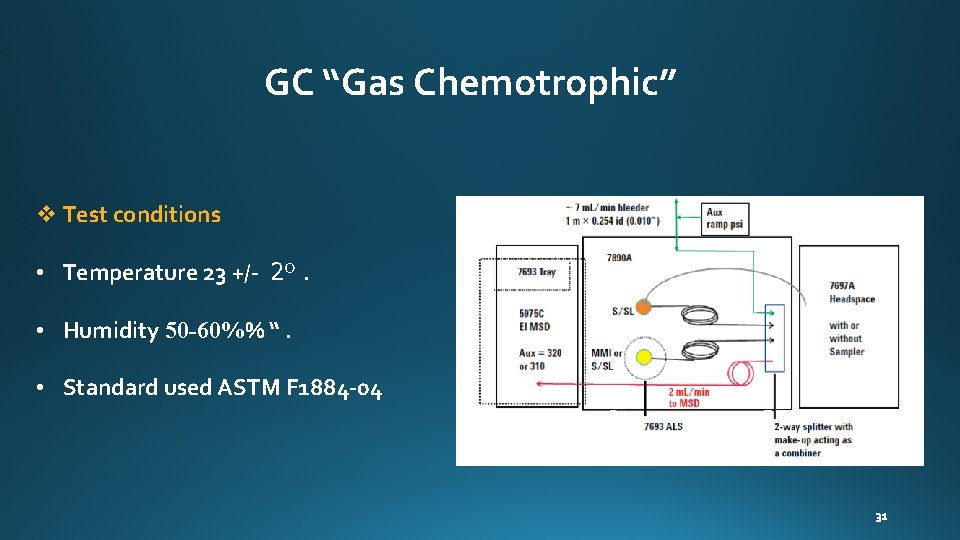
GC “Gas Chemotrophic” v Test conditions • Temperature 23 +/- 2 O. • Humidity 50 -60%% “. • Standard used ASTM F 1884 -04
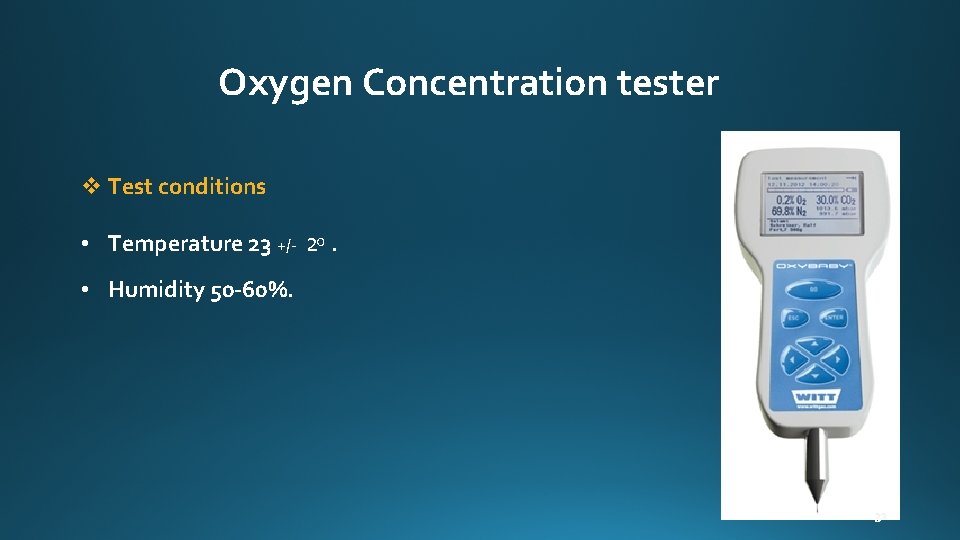
Oxygen Concentration tester v Test conditions • Temperature 23 +/ • Humidity 50 -60%. 2 O .
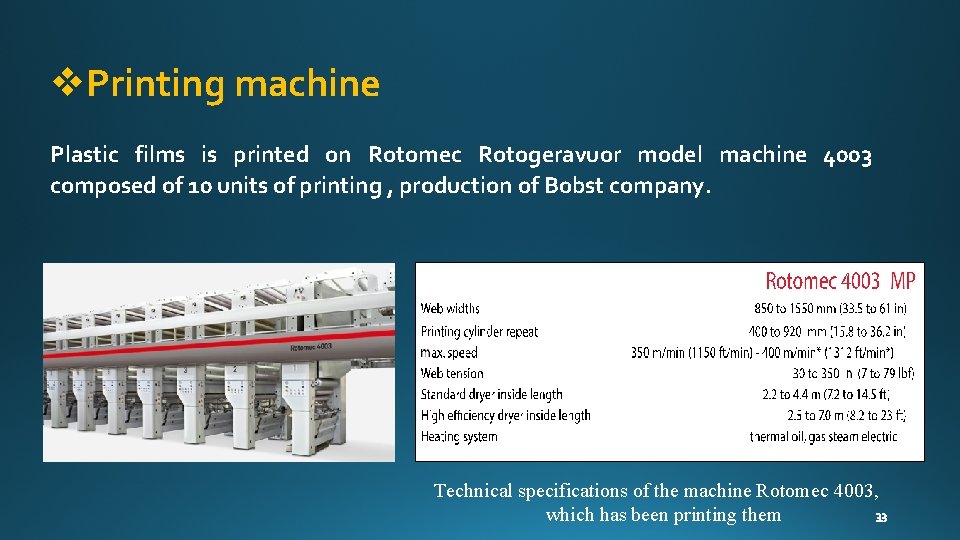
v. Printing machine Plastic films is printed on Rotomec Rotogeravuor model machine 4003 composed of 10 units of printing , production of Bobst company. Technical specifications of the machine Rotomec 4003, which has been printing them
Research outline • Introduction • Research Problem • Research objective • The important of Research • Methodology • Materials and methods • Results and Discussions • Recommendations • Conclusions
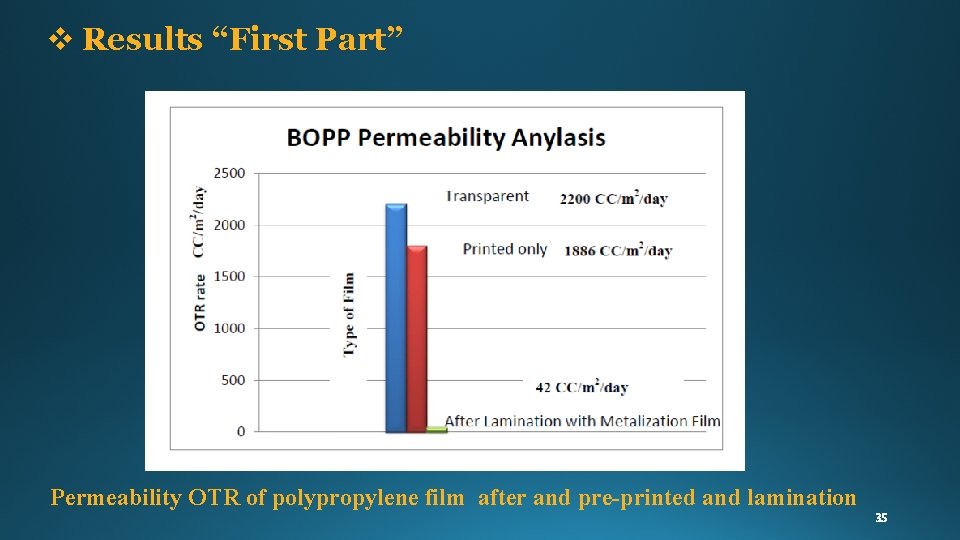
v Results “First Part” Permeability OTR of polypropylene film after and pre-printed and lamination
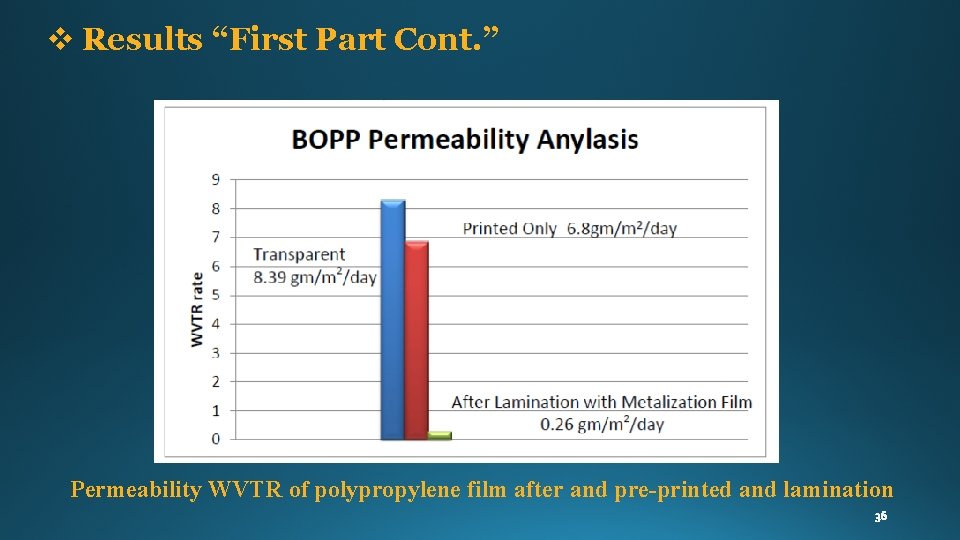
v Results “First Part Cont. ” Permeability WVTR of polypropylene film after and pre-printed and lamination
v Results “Second Part” Date First day After 30 days Location inside lab outside lab Test Name O 2 - O 2+ Air flavor percent 1. 40% 1. 42% 1. 38% oil content 31. 40% 32. 30% 31. 20% moisture percent 1. 30% 1. 10% oxygen percent 3. 00% 12. 40% 21. 40% peroxide value 0. 4 gm/km 0. 38 gm/km free fatty acid (FFA) 0. 18% air level hight in product 5. 5 cm 5. 7 cm 5. 4 cm flavor percent 1. 28% 1. 30% 1. 35% oil content 31. 80% 33. 40% 31. 50% moisture percent 1. 20% 1% 1. 40% oxygen percent 2. 80% 12. 20% 21. 50% peroxide value 0. 17% 0. 12% 0. 18% Free fatty acid (FFA) 0. 18% Air level hight in product 5. 8 cm 5. 5 cm The impact of an increase or decrease of oxygen on potato chips after 30 days
v Results “Third Part” Type of Sample RS mg/m 2 A 2. 5 B 9. 47 C 5. 86 D 5. 38 E 1. 60 F 4. 8 G 9. 53
v Discussions Part I: • Through the results of OTR became clear to us that printing materials had a positive impact where the ratio converted from 2200 to 1886 CC / m 2 / 24 H, while in comparison with the film after lamination has reached to 42 , therefore we find that the film Aluminum and laminating adhesives have increased the final barrier capability very large margin. • Through the results of WVTR became that printing materials had a positive impact of ratio of 8. 3 to 6. 8 g / m 2 / 24 H, while in comparison with the film after lamination has reached to 0. 26 , and therefore, they also worked to reduce the number to a premium rate recommended by the World Organization Pira , which should be in the range of 0. 3 -0. 5.
Part II: It is clear from the results of the experiment influenced Free Fatly acid, as well as the presence of oxygen Peroxide Value inside the product, but was up slightly, but there are changes in these properties, but these changes still did not exceed the standard specification of the plant which is more than the one mark.
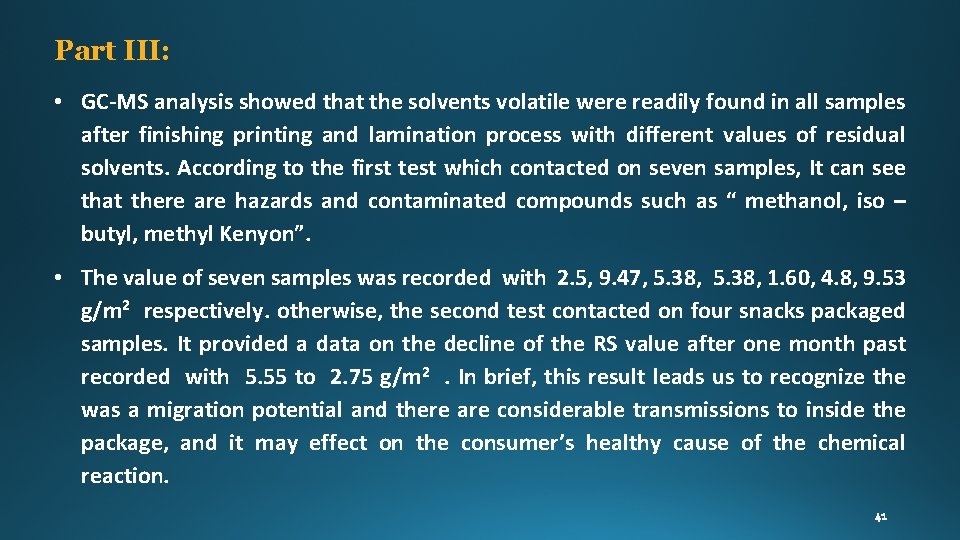
Part III: • GC-MS analysis showed that the solvents volatile were readily found in all samples after finishing printing and lamination process with different values of residual solvents. According to the first test which contacted on seven samples, It can see that there are hazards and contaminated compounds such as “ methanol, iso – butyl, methyl Kenyon”. • The value of seven samples was recorded with 2. 5, 9. 47, 5. 38, 1. 60, 4. 8, 9. 53 g/m 2 respectively. otherwise, the second test contacted on four snacks packaged samples. It provided a data on the decline of the RS value after one month past recorded with 5. 55 to 2. 75 g/m 2 . In brief, this result leads us to recognize the was a migration potential and there are considerable transmissions to inside the package, and it may effect on the consumer’s healthy cause of the chemical reaction.
Research outline • Introduction • Research Problem • Research objective • The important of Research • Methodology • Materials and methods • Results and Discussions • Recommendations • Conclusions
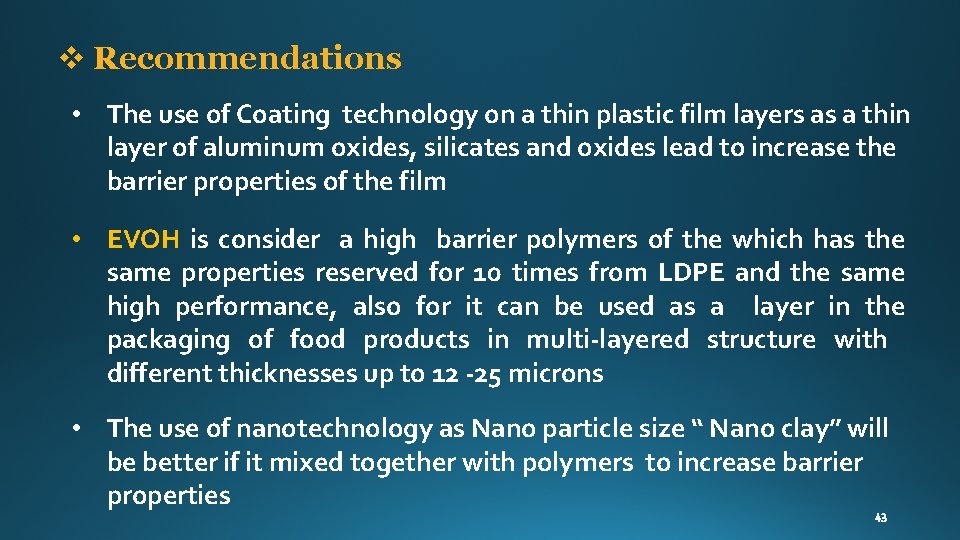
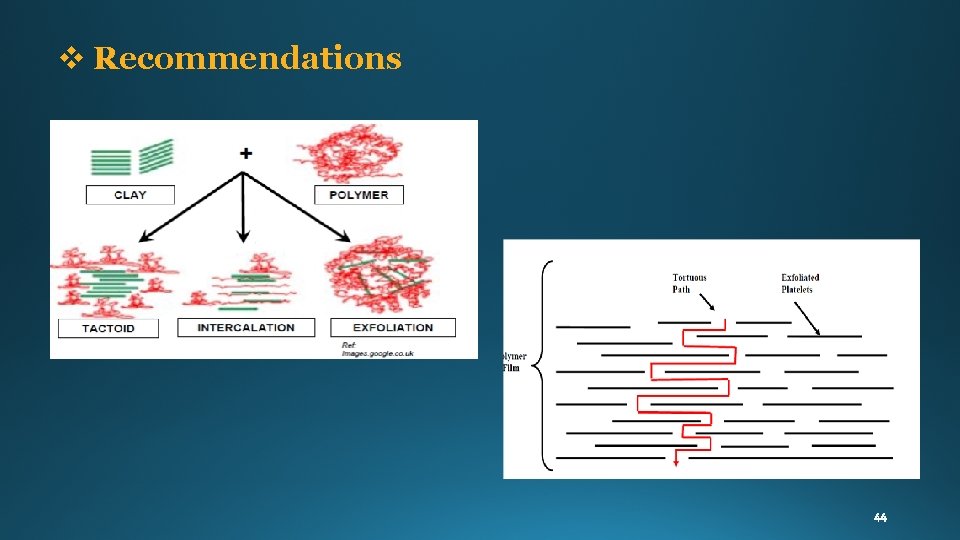
v Recommendations • The use of Coating technology on a thin plastic film layers as a thin layer of aluminum oxides, silicates and oxides lead to increase the barrier properties of the film • EVOH is consider a high barrier polymers of the which has the same properties reserved for 10 times from LDPE and the same high performance, also for it can be used as a layer in the packaging of food products in multi-layered structure with different thicknesses up to 12 -25 microns • The use of nanotechnology as Nano particle size “ Nano clay” will be better if it mixed together with polymers to increase barrier properties
v Recommendations
Research outline • Introduction • Research Problem • Research objective • The important of Research • Methodology • Materials and methods • Results and Discussions • Recommendations • Conclusions
v Conclusions 1. Although the film Aluminum work to enhance the barrier to 42 in oxygen permeability of the film but the ratio recommended by the World Organization Pira when record potato chips should be from 5 to 10 CC / m 2 / day, so it is necessary access to this medium to ensure the high quality of the product by adjusting the factors that increase the quality of the film. 2. Oxygen ratio must not increases more than 5% inside the plastic bag packed with slices of potatoes in order to be affected both Peroxide Value, Free fatty acid (FFA)
4. 5. Advised to follow up on these measurements over spaced days for a period of six months , a period of validity of this the product to make sure to ensure the stability of these properties. Commitment to implement the system BRC British Retail Consortium and HACCP System the application of nitrogen injection technology Nitrogen Injection (Flashing) and use the tracking system Traceability to the quality of the product through the various stages of his technique Modified atmosphere packaging
Tank you for Kind Attention Yahya Ibrahiem Mohamed Khalifa Yahya. appliedarts@gmail. com