
EEn 1 1 3 How Stars Produce Energy
- Slides: 8
EEn. 1. 1. 3 How Stars Produce Energy
Combustion vs Burning • Burning is a type of combustion where flames can be seen – Most of the energy from burning is converted into light energy • Combustion is a reaction that takes place without flames so there is more energy in the form of heat produced
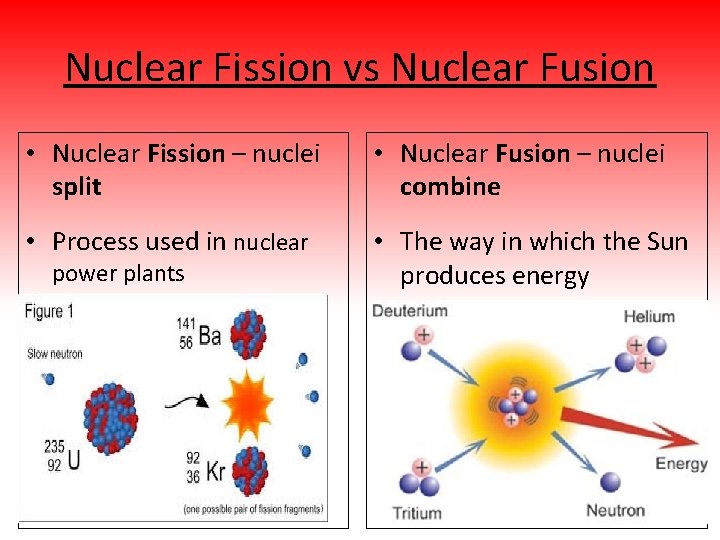
Nuclear Fission vs Nuclear Fusion • Nuclear Fission – nuclei split • Nuclear Fusion – nuclei combine • Process used in nuclear • The way in which the Sun produces energy power plants
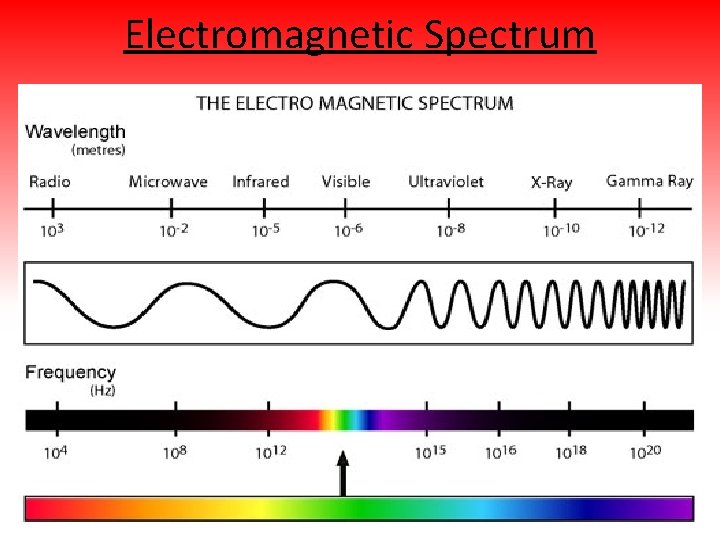
Electromagnetic Spectrum
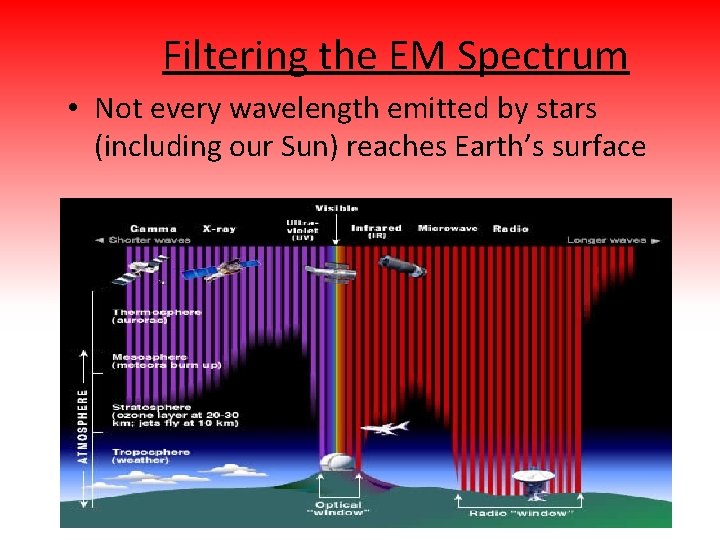
Filtering the EM Spectrum • Not every wavelength emitted by stars (including our Sun) reaches Earth’s surface
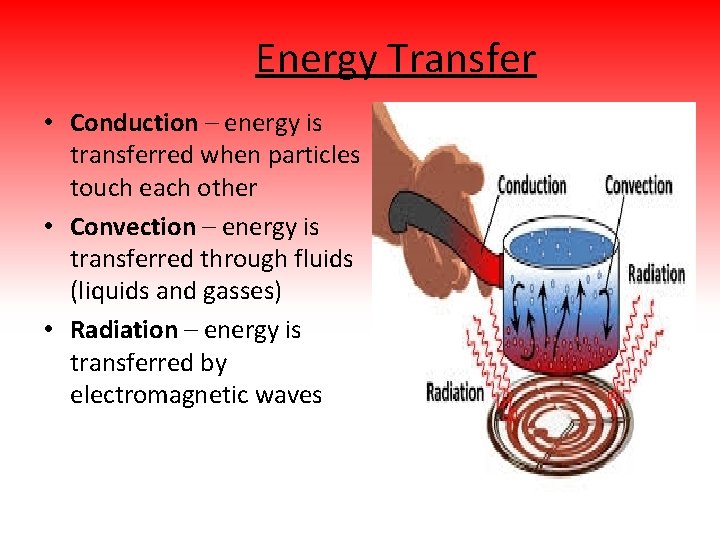
Energy Transfer • Conduction – energy is transferred when particles touch each other • Convection – energy is transferred through fluids (liquids and gasses) • Radiation – energy is transferred by electromagnetic waves
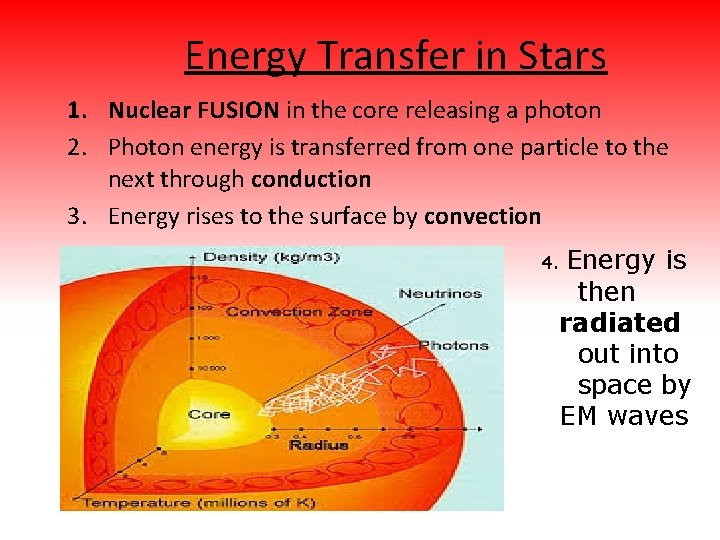
Energy Transfer in Stars 1. Nuclear FUSION in the core releasing a photon 2. Photon energy is transferred from one particle to the next through conduction 3. Energy rises to the surface by convection 4. Energy is then radiated out into space by EM waves
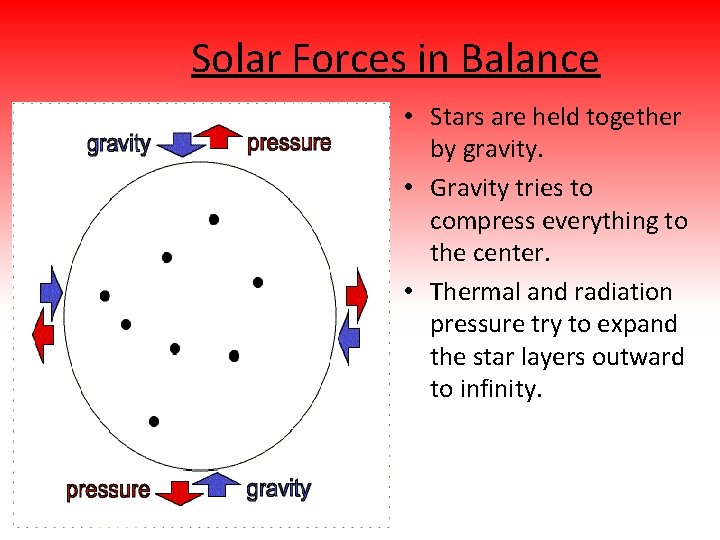
Solar Forces in Balance • Stars are held together by gravity. • Gravity tries to compress everything to the center. • Thermal and radiation pressure try to expand the star layers outward to infinity.