
EDU 741 What is I B L Inquiry


EDU 741
What is I. B. L. ? Inquiry is a complex idea that means many things to people. The listed items below give a brief description will provide a brief description: INQUIRY IS THE ART AND SCIENCE OF ASKING AND ANSWERING QUESTIONS INQUIRY ALLOWS STUDENTS AT DIFFERENT DEVELOPMENTAL STAGES TO WORK SIMILAR PROBLEMS AND EVEN COLLABORATE IN FINDING SOLUTIONS TO THOSE PROBLEMS INQUIRY IS WHAT SCIENTIST DO INQUIRY INVOLVES COMMUNICATION INQUIRY REQUIRES STUDENTS TO TAKE THE RESPONSIBILITY FOR THEIR OWN EDUCATION INQUIRY PROVIDES STUDENTS WITH CONCRETE, ACTIVE LEARNING EXPERIENCES INQUIRY ALLOWS FOR THE INTEGRATION OF MULTIPLE DISCIPLINES WHEN USING INQUIRY, TEACHERS MUST BITE THEIR TONGUE
Project Title Group Members Motion and Forces Mr. Johnson, Ms. Pelligra, Mr. Strangio, Mrs. Merino Grade/Subject Area Unit is for: Grade 7 -8 - Science and Technology Project Description: Our unit caters to Science and Technology students at the middle level grades 7 -8. It is a unit plan on Motion and Forces. Through item analysis of state assessments we realize that this topic is an area of concern. Students struggle with physical science concepts so we have designed an integrated unit using the Inquiry Model of Instruction. Technology, Math and Literacy strategies are used to enhance student learning and understanding. Lessons will focus on the 5 E Model of instruction and will focus on the building of Roller Coasters to demonstrate the understanding of Newton’s Laws, Measurement and Energy. Students will apply literacy, math and technology strategies.
MST Standards STANDARD MST 1: ANALYSIS, INQUIRY & DESIGN Students will use mathematical analysis, scientific inquiry, and engineering design, as appropriate to pose questions, seek answers, and develop solutions. STANDARD MST 2: INFORMATION SYSTEMS Students will access, generate, process, and transfer information using appropriate technologies. STANDARD MST 3: MATHEMATICS (1997) Students will understand mathematics and become mathematically confident by communicating and reasoning mathematically, by applying mathematics in real-world settings, and by solving problems through the integrated study of number systems, geometry, algebra, data analysis, probability, and trigonometry Standard MST 3: Mathematics (2005) Students will: · understand the concepts of and become proficient with the skills of mathematics; · communicate and reason mathematically; · become problem solvers by using appropriate tools and strategies; through the integrated study of number sense and operations, algebra, geometry, measurement, and statistics and probability. STANDARD MST 4: SCIENCE Students will understand apply scientific concepts, principles, and theories pertaining to the physical setting and living environment and recognize the historical development of ideas in science. STANDARD MST 5: TECHNOLOGY Students will apply technological knowledge and skills to design, construct, use, and evaluate products and systems to satisfy human and environmental needs. STANDARD MST 6: INTERCONNECTEDNESS: COMMON THEMES Students will understand the relationships and common themes that connect mathematics, science, and technology and apply themes to these and other areas of learning. STANDARD MST 7: INTERDISCIPLINARY PROBLEM SOLVING Students will apply the knowledge and thinking skills of mathematics, science, and technology to address real-life problems and make informed decisions.
Henry Ford and the assembly line • LESSON 1 - Inventions: Students will learn about Henry Ford and how he invented the assembly line. • Objectives: Students will learn about how the assembly line first originated. Students will have the opportunity to create an automobile invention of the future. • Time for lesson/lab/activity: 2 class sessions. The first day students will complete a worksheet reflecting on what they read at: • http: //www. eyewitnesstohistory. com/ford. htm • http: //www. eyewitnesstohistory. com/himfordassembly. htm
Understanding Car Crashes • Lesson 2 is an explanation of why speed and vehicle weight are critical elements in the outcomes of car crashes and how basic physics explains why safety belts and airbags protect people in crashes. • Objectives: Students will learn the basic concepts between crash forces and inertia, the relationship between crash forces and motion, momentum and impulse. A relation of classroom physics to the real world of cars and crashes will be introduced. • Time for lesson/lab/activity: 3 – 58 minute class sessions
• LESSON 3 - Web quest. Quest on Potential/ Kinetic Web energy and roller coasters • Objectives: Students will combine all three lessons within the unit to analysis, inquiry and design a 3 -D roller coaster. Students will need to budget funds to purchase their supplies in order to build their 3 -D roller coaster. • Time for lesson/lab/activity: 3 - 50 minute class sessions will be needed to complete this lesson. Web Quest: Potential/ Kinetic Energy and roller coasters
Designing a safe car of the future Overview/Introduction of Lesson: • LESSON 4 - Designing a safe car of the future/ understanding the importance of force and motion with and without wearing seat belts. • Objectives: Students will accumulate previous information from other lessons in this unit to design a smart car of the future • Time for lesson/lab/activity: 2 -58 minute class periods.
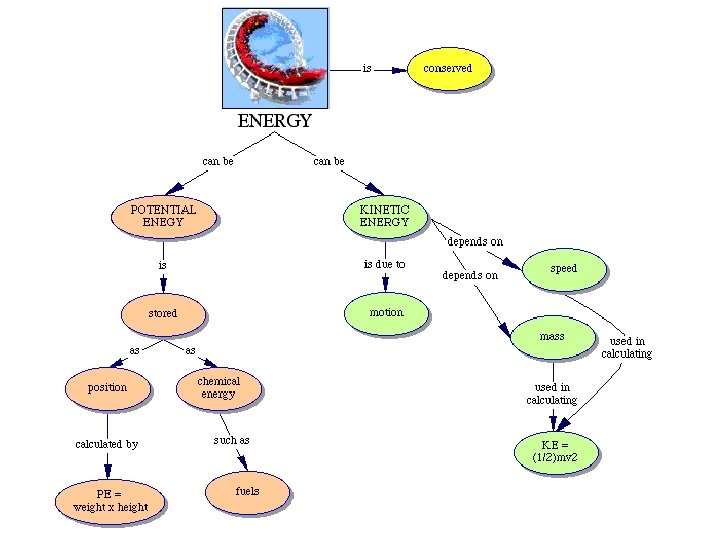
Mr. Johnson’s Physics resourceful web addresses
Mr. Johnson’s Puff Ball Lesson
Mr. Johnson’s Puff Ball Lesson
English Language Arts Strategies
Math Strategies
Mr. Strangio’s Cork Screw Lesson

Mr. Strangio’s Cork Screw Activity

Mr. Strangio’s Cliff Hanger Lesson

Mr. Strangio’s Cliff Hanger Coaster Challenge

Mr. Strangio’s Most Hills Lesson
Mr. Strangio’s Target Practice Lesson
- Slides: 21