
Editing and Finishing Your Thesis We will cover











- Slides: 43
Editing and Finishing Your Thesis
We will cover Reviewing and refining your thesis structure How to gain distance from your writing Ideas for critical readings of your own work Suggestions for editing, copy-editing and proof reading
“Getting it out the door” “Scholars and artists…believe that if they wait long enough they may find a more comprehensive and logical way to say what they think” Howard S Becker Writing for Social Scientists Uni. Chicago Press 2007
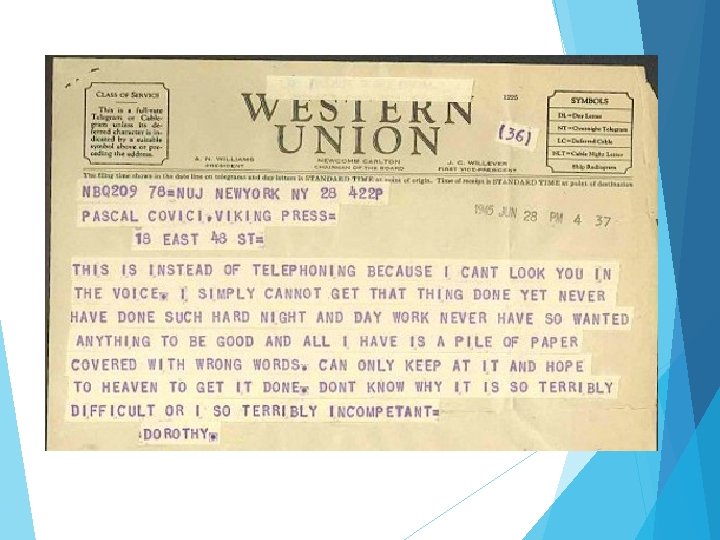
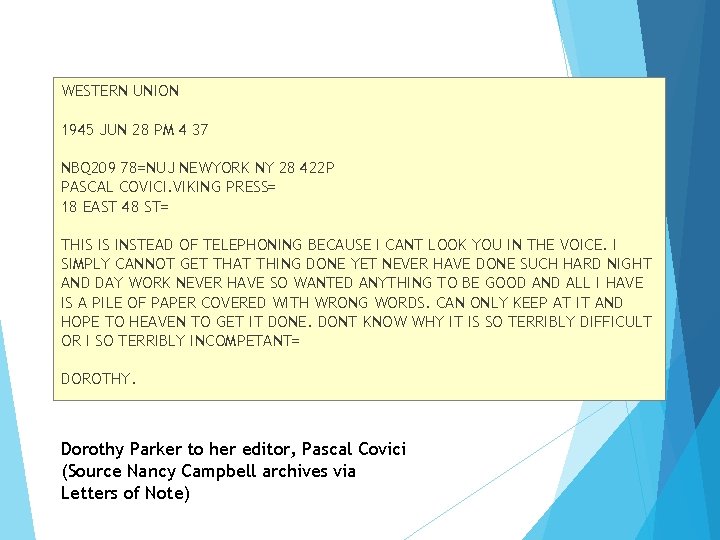
WESTERN UNION 1945 JUN 28 PM 4 37 NBQ 209 78=NUJ NEWYORK NY 28 422 P PASCAL COVICI. VIKING PRESS= 18 EAST 48 ST= THIS IS INSTEAD OF TELEPHONING BECAUSE I CANT LOOK YOU IN THE VOICE. I SIMPLY CANNOT GET THAT THING DONE YET NEVER HAVE DONE SUCH HARD NIGHT AND DAY WORK NEVER HAVE SO WANTED ANYTHING TO BE GOOD AND ALL I HAVE IS A PILE OF PAPER COVERED WITH WRONG WORDS. CAN ONLY KEEP AT IT AND HOPE TO HEAVEN TO GET IT DONE. DONT KNOW WHY IT IS SO TERRIBLY DIFFICULT OR I SO TERRIBLY INCOMPETANT= DOROTHY. Dorothy Parker to her editor, Pascal Covici (Source Nancy Campbell archives via Letters of Note)
Finishing up It can be difficult to ‘let go’ of you thesis (Alternatively you might just want to get it done!). There can be tension between the institution, who want people to finish on time, and your own desire to just do a little bit more. Ultimately I can’t tell you when your thesis is finished- but I can (hopefully) give you some idea and tools for you to decide for yourself
Looking at Common Thesis Structures
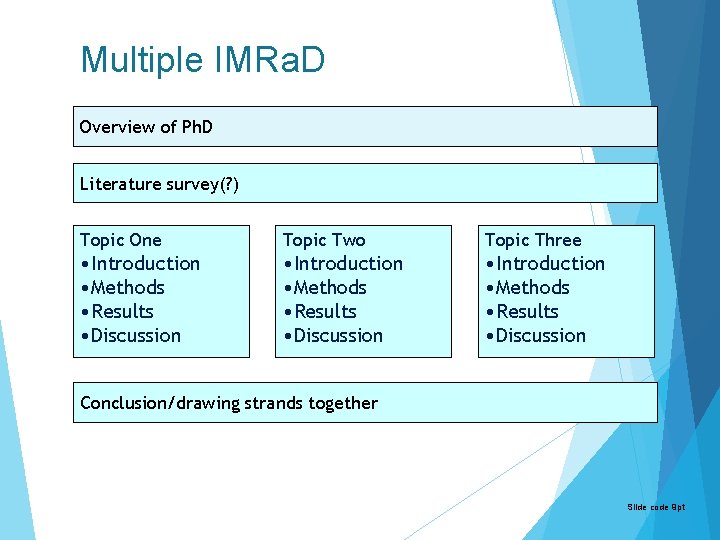
Multiple IMRa. D Overview of Ph. D Literature survey(? ) Topic One Topic Two Topic Three • Introduction • Methods • Results • Discussion Conclusion/drawing strands together Slide code 9 pt
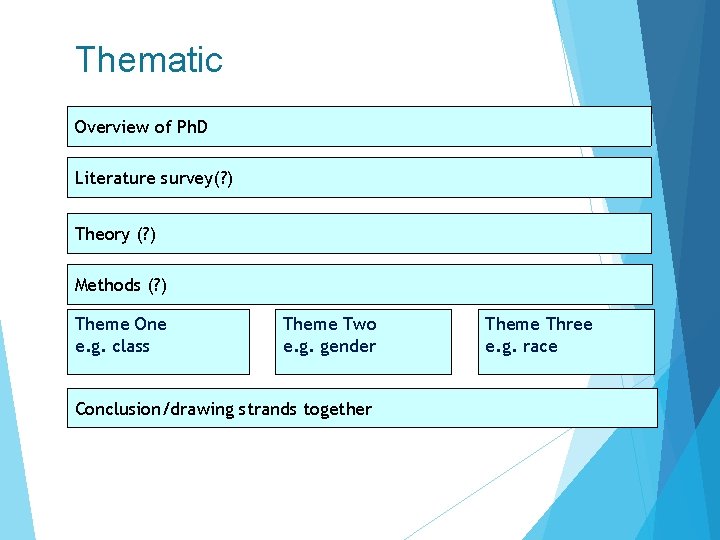
Thematic Overview of Ph. D Literature survey(? ) Theory (? ) Methods (? ) Theme One e. g. class Theme Two e. g. gender Conclusion/drawing strands together Theme Three e. g. race
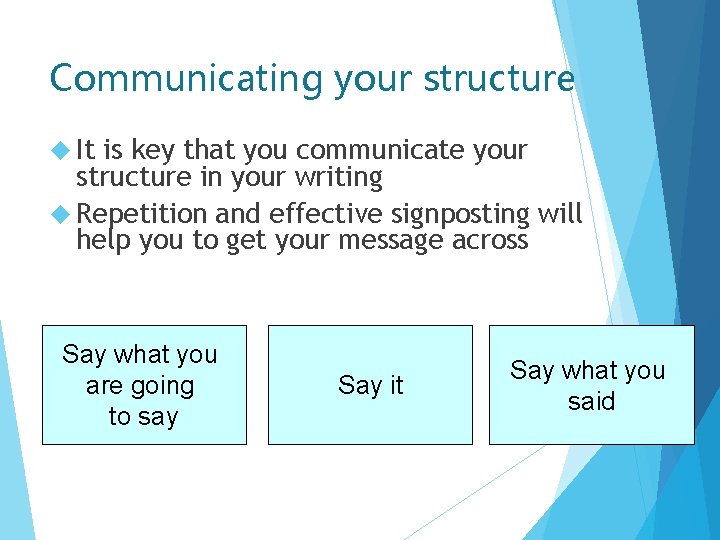
Communicating your structure It is key that you communicate your structure in your writing Repetition and effective signposting will help you to get your message across
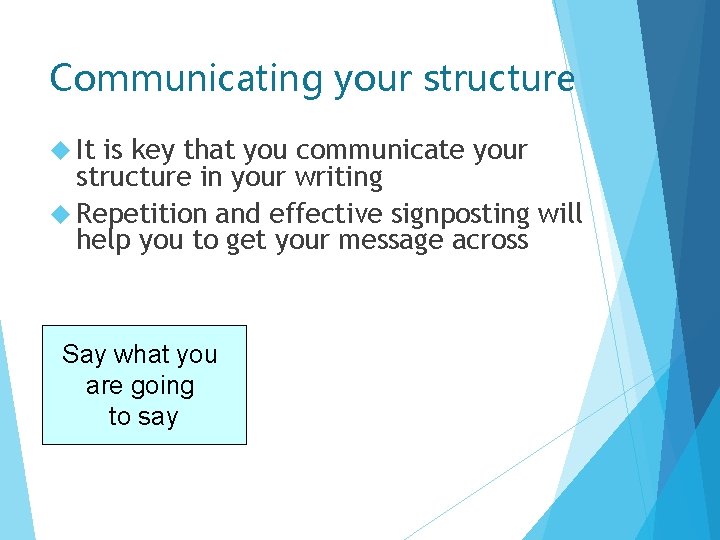
Communicating your structure It is key that you communicate your structure in your writing Repetition and effective signposting will help you to get your message across Say what you are going to say
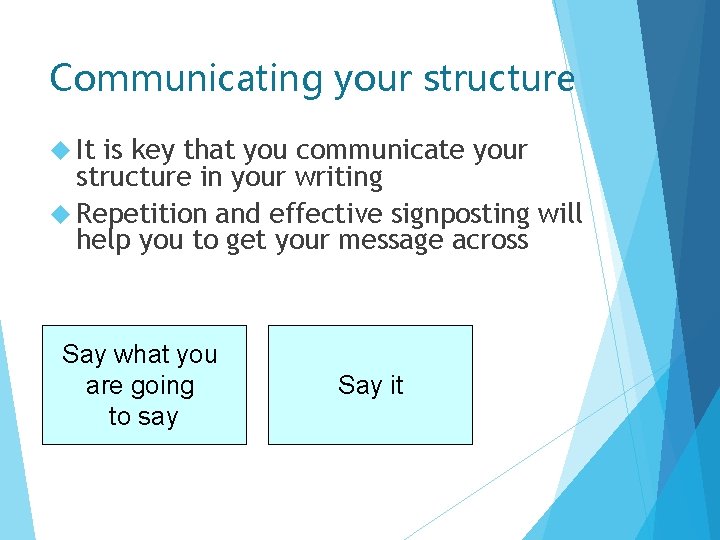
Communicating your structure It is key that you communicate your structure in your writing Repetition and effective signposting will help you to get your message across Say what you are going to say Say it
Communicating your structure It is key that you communicate your structure in your writing Repetition and effective signposting will help you to get your message across Say what you are going to say Say it Say what you said
Review your thesis structure What structure model does your thesis follow? Is it clear, logical, in line with discipline conventions? Can you summarise the overarching thesis argument in one sentence?
Critiquing
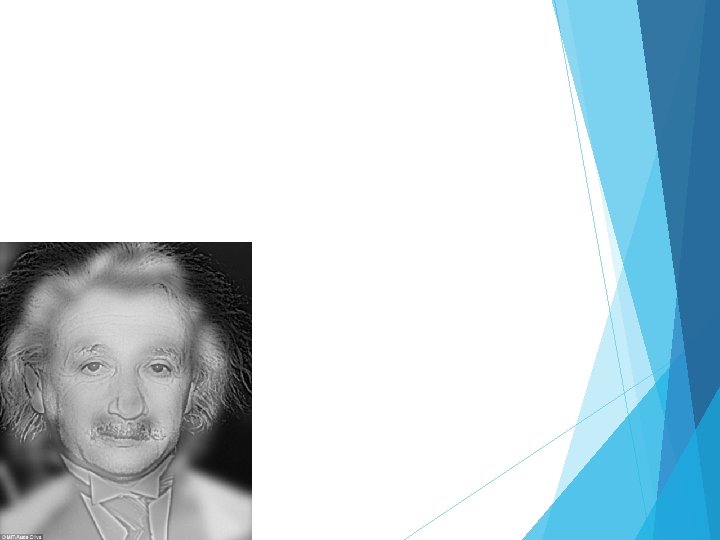
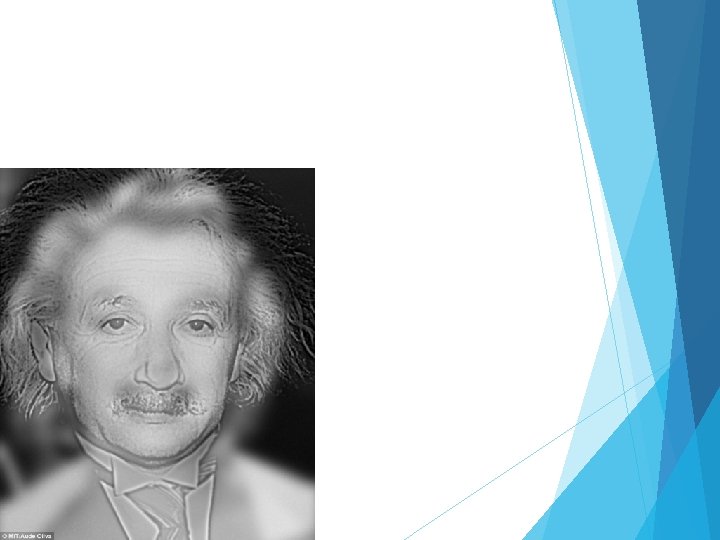
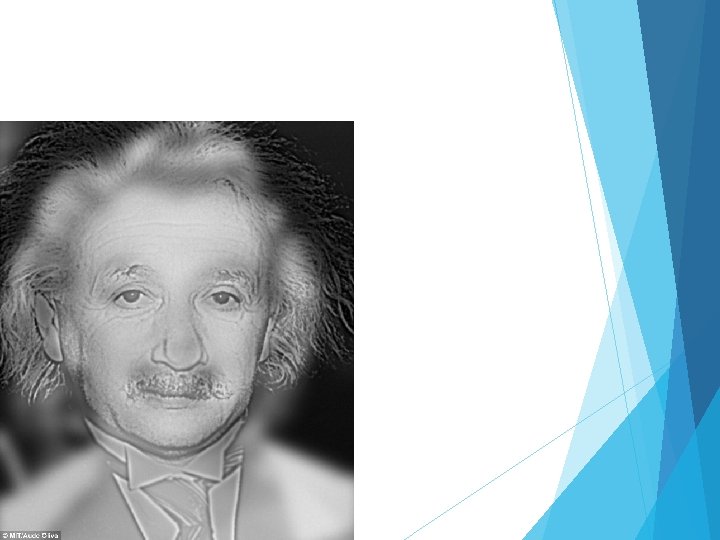
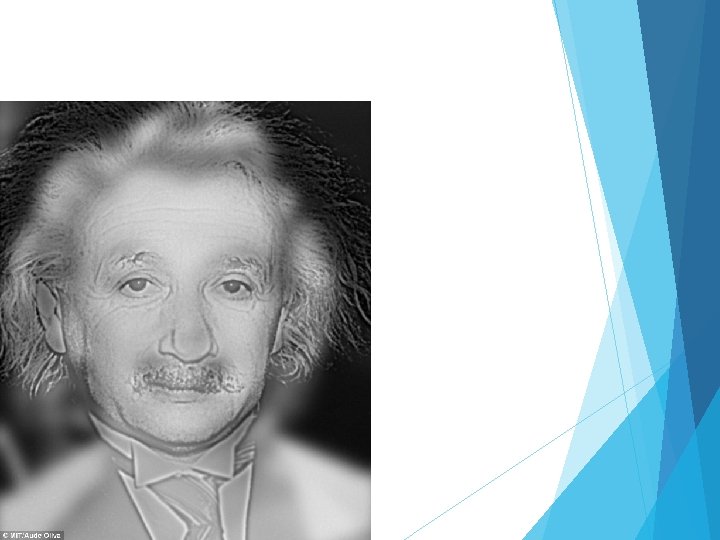
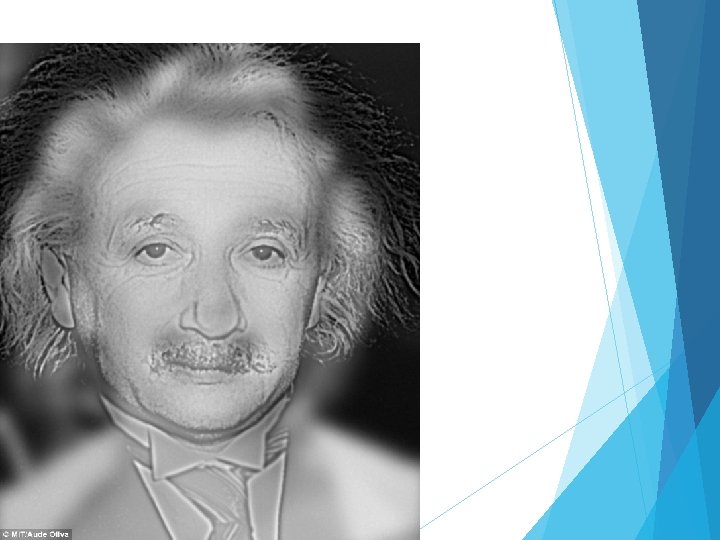
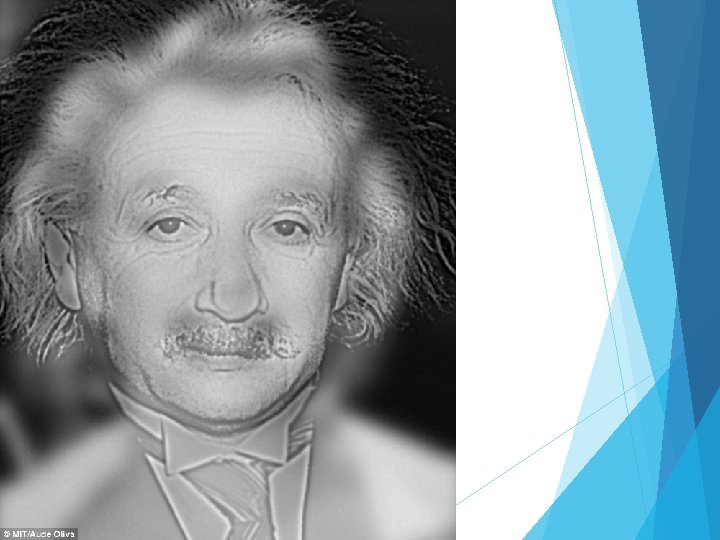
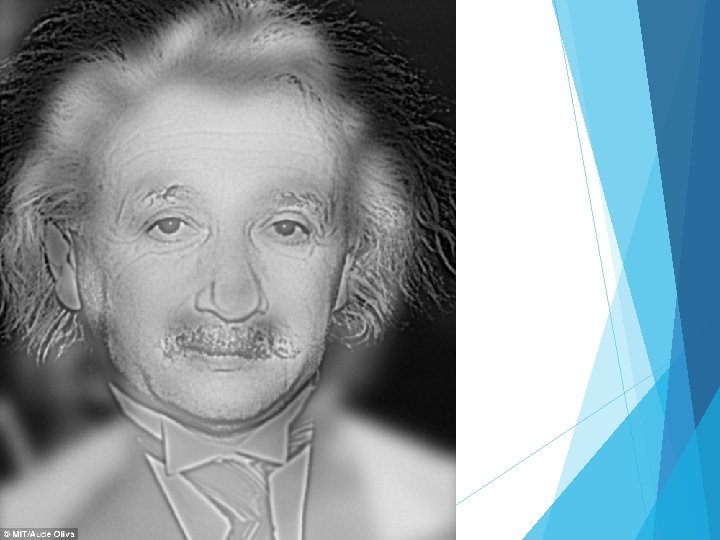
How To Critique Your Own Work To benefit of perspective and distance when critiquing
This was the change. . .
How To Critique Your Own Work It can be hard to get distance from your own work. Our writing is so personal to us that making any changes can be difficult. The playing card exercise gives you a number of different lenses or approaches to critiquing your own work.
Pick a Card You’ve been give 3 cards. Look at the text you bought with you and apply each of the cards in turn. Make notes or rewrite the section to reflect the different approaches. 20
Debrief What was hardest? What was easiest? Did you learn or consider anything new?
Thinking outside the text Charts, tables, images - where are they placed? - check captions - check legends and keys Do they add, distract from, or complement the text? Footnotes and endnotes.
Editing and proofing
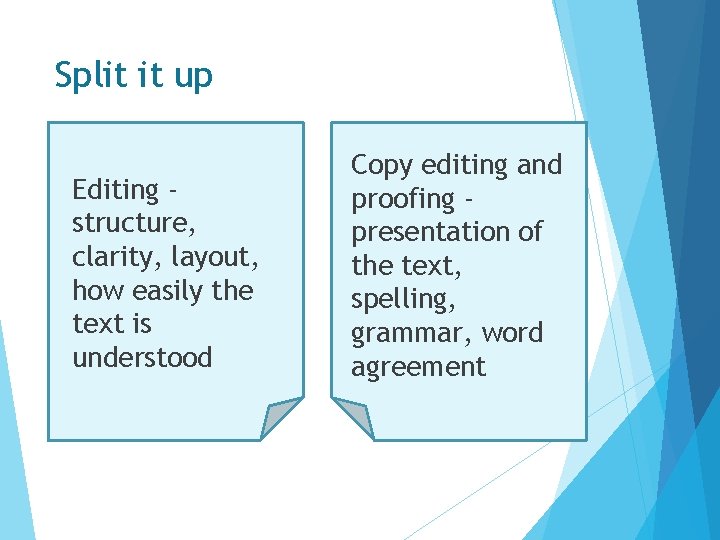
Split it up Editing structure, clarity, layout, how easily the text is understood Copy editing and proofing presentation of the text, spelling, grammar, word agreement
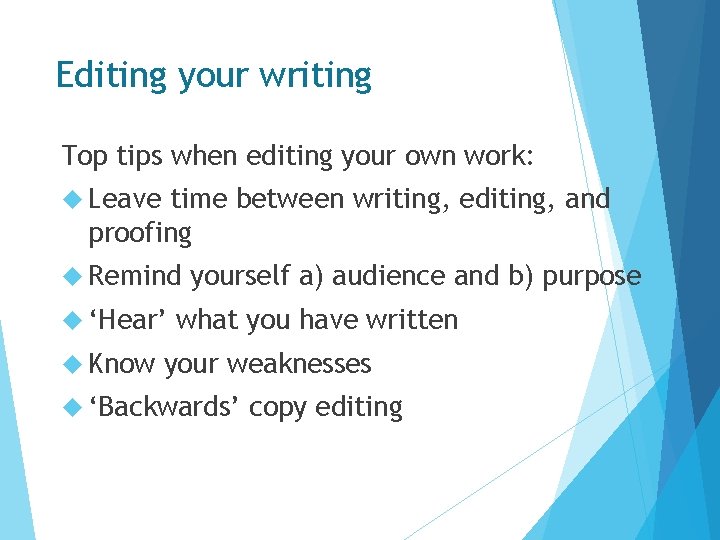
Editing your writing Top tips when editing your own work: Leave time between writing, editing, and proofing Remind ‘Hear’ Know yourself a) audience and b) purpose what you have written your weaknesses ‘Backwards’ copy editing
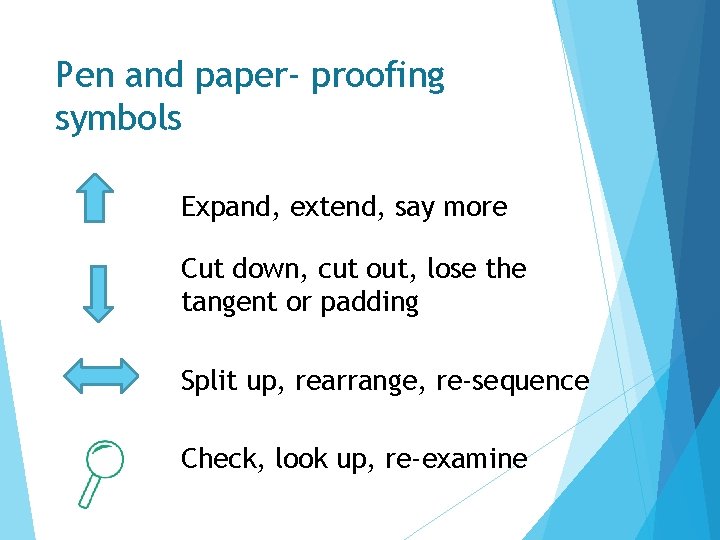
Pen and paper- proofing symbols Expand, extend, say more Cut down, cut out, lose the tangent or padding Split up, rearrange, re-sequence Check, look up, re-examine