
Ecosystems Organisms interacting with one another in their
- Slides: 20
Ecosystems Organisms interacting with one another in their physical surroundings
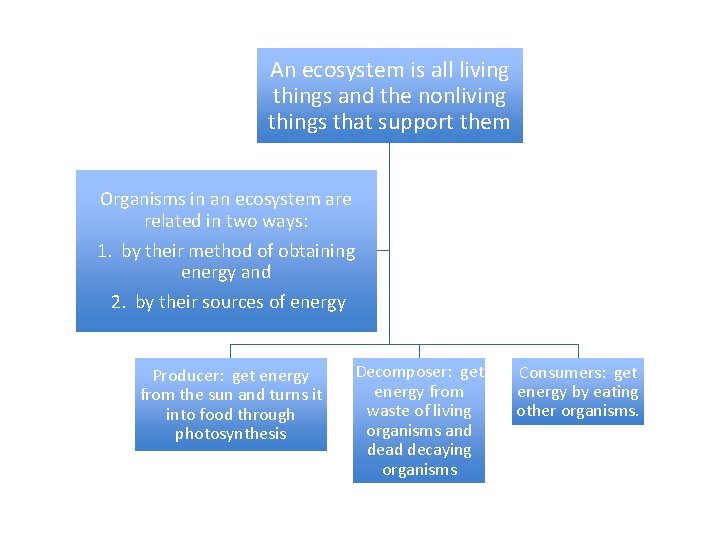
An ecosystem is all living things and the nonliving things that support them Organisms in an ecosystem are related in two ways: 1. by their method of obtaining energy and 2. by their sources of energy Producer: get energy from the sun and turns it into food through photosynthesis Decomposer: get energy from waste of living organisms and dead decaying organisms Consumers: get energy by eating other organisms.
What make an ecosystem? • Biotic: living things • Examples: bugs, plants, humans, things that have died • Abiotic: nonliving things – never been alive • Water, air, rain, sun, weather, rocks
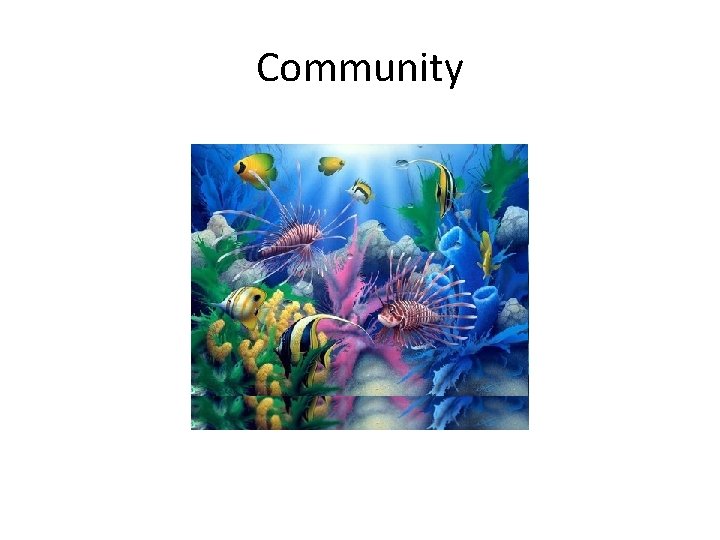
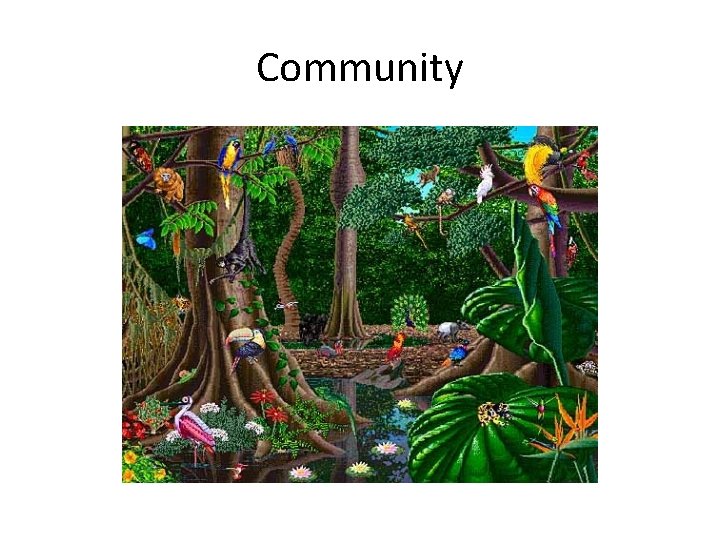
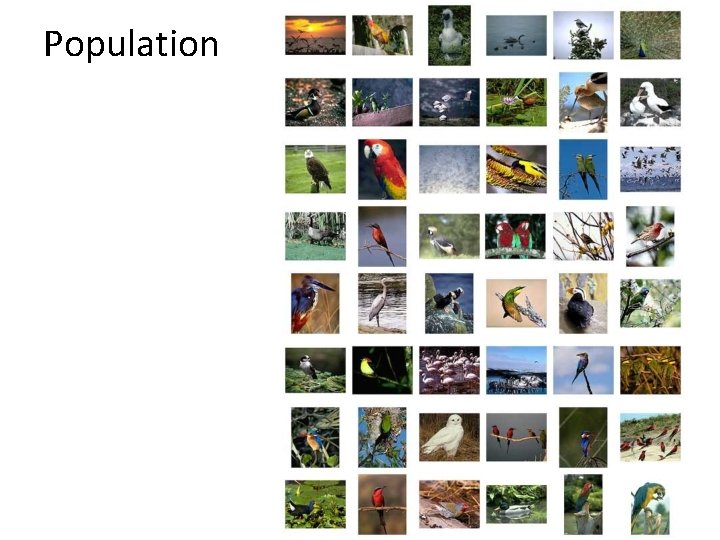
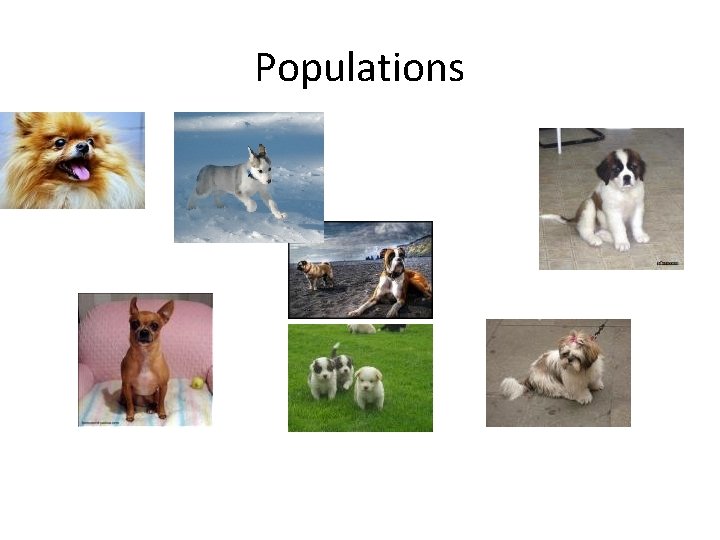
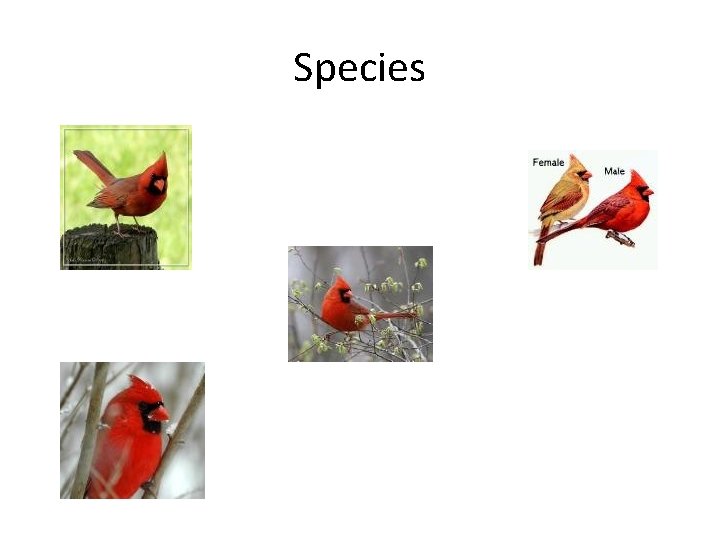
Community Dwellers • Community: organisms that dwell together • Contains many different types of animals and plants • Population: all the same type of organism • Just dogs or just cats or just birds • Species: specific type of population; have similar characteristics • Example: dogs – great dane, cocker spaniel, german shepherd
Community
Community
Population
Populations
Species
• Adaptation: structure or behavior that enables a species to survive and reproduce • Niche: special role an animal has in its enviornment • Worm: decomposer, breaks down rotting things, adds nutrients (nitrogen) to the earth
How big can an ecosystem be? • Can be as small as a puddle • Or as big as an ocean • Many ecosystems are made up of many ecosystems!!
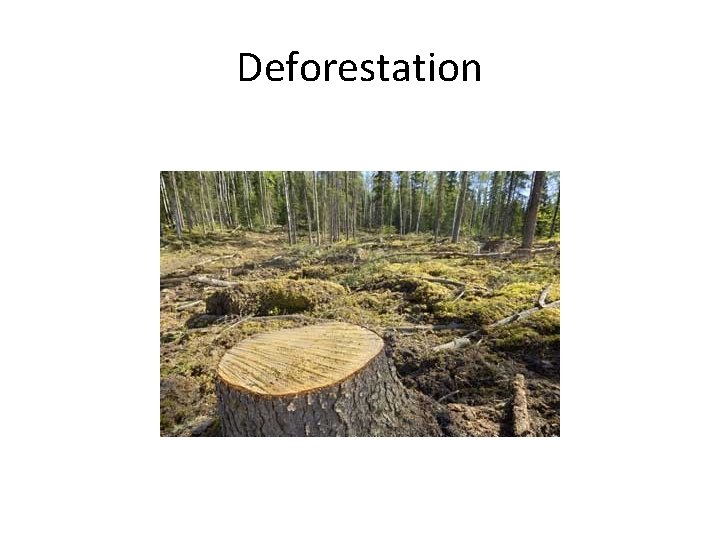
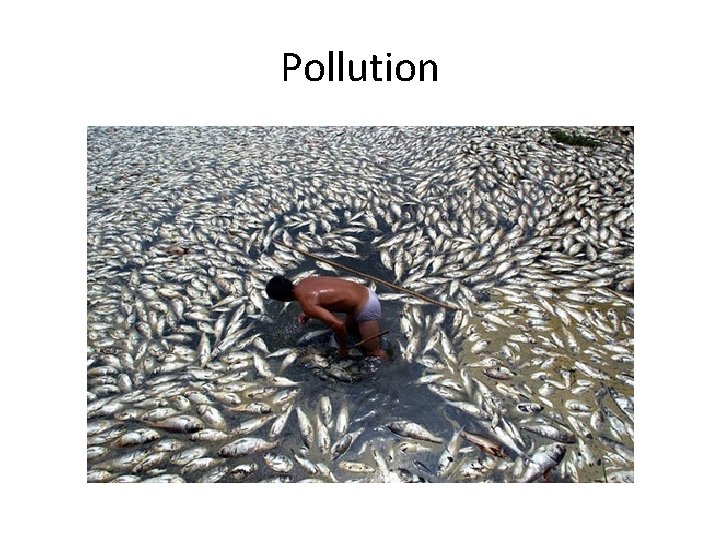
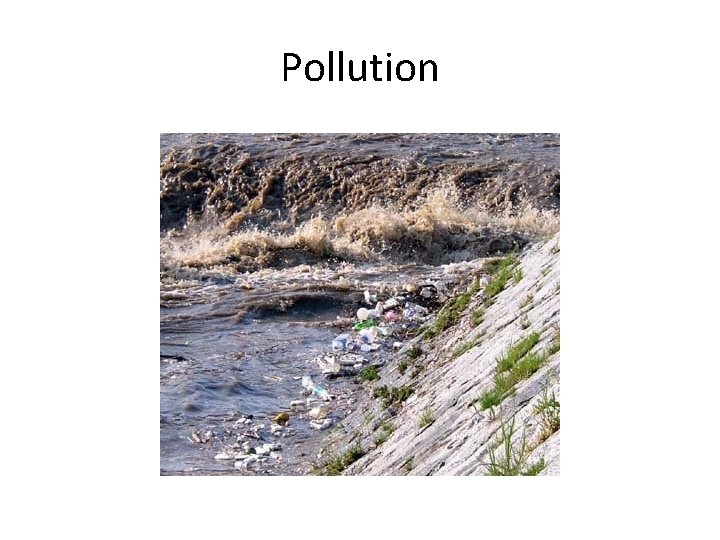
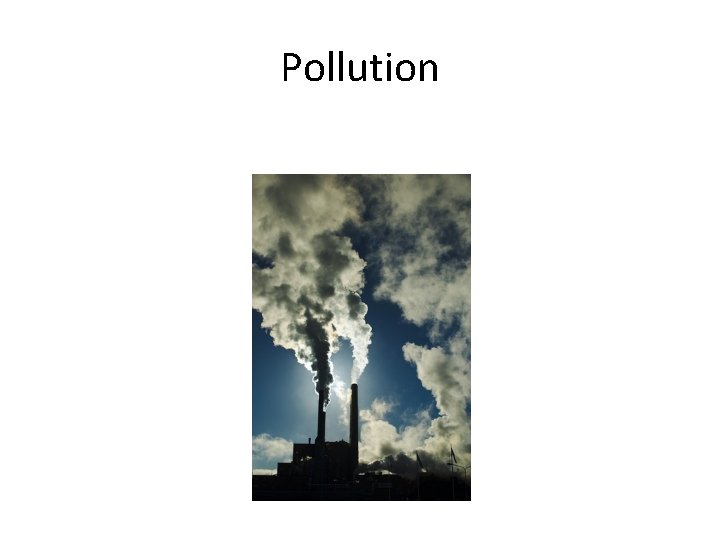
Changing Ecosystems • • • How can ecosystems change? Human impact Deforestation – cutting down forests for cities Pollution – Natural Disasters Earthquakes Volcanic Eruptions Violent Storms Drought
Deforestation
Pollution
Pollution
Pollution
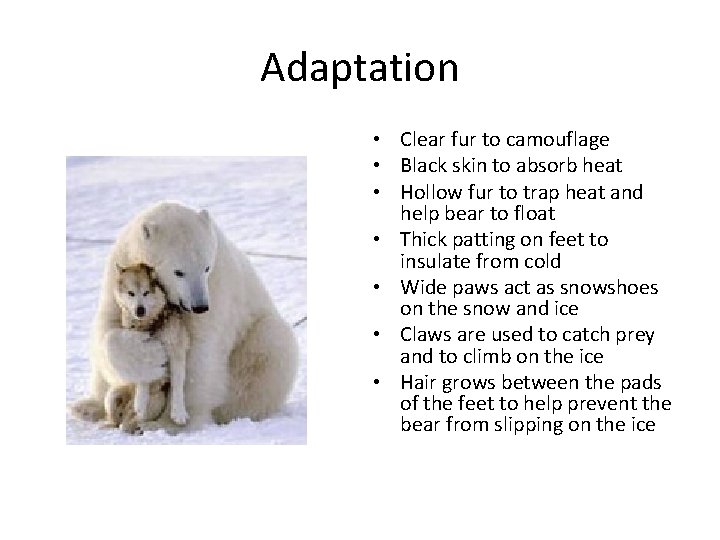
Adaptation • Clear fur to camouflage • Black skin to absorb heat • Hollow fur to trap heat and help bear to float • Thick patting on feet to insulate from cold • Wide paws act as snowshoes on the snow and ice • Claws are used to catch prey and to climb on the ice • Hair grows between the pads of the feet to help prevent the bear from slipping on the ice
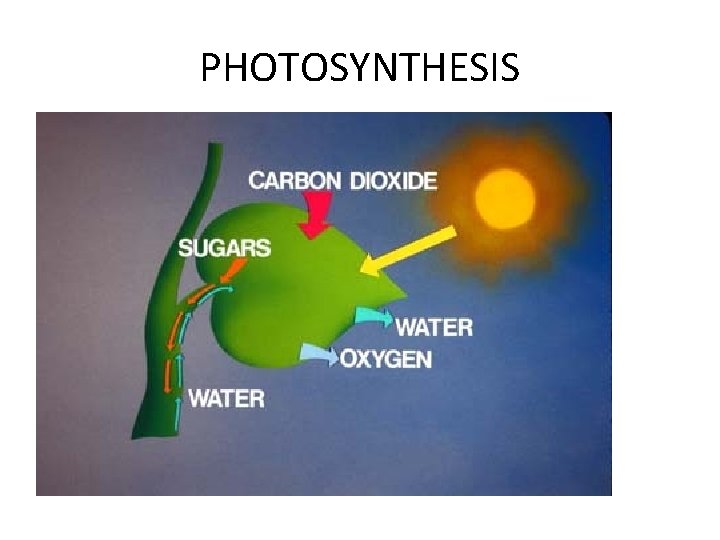
The importance of the Sun • Plants convert the Sun’s energy through photosynthesis • ALMOST all life of earth depends on the Sun for energy either directly or indirectly • Plants take in water and CO 2 and changes them into sugar and oxygen. • Sugar is the plant’s food and contains the plant’s stored energy. • **When animals eat the plants they also use the solar energy stored in the sugar. **
Photosynthesis • Organisms that carry out photosynthesis contain chlorophyll (makes plants green) • Stores light energy from the Sun • Non-green need the Sun too! – We obtain energy from plants – We obtain energy from animals that get energy from plants! – Fungi gets energy from breaking down remains for dead animals and plants. • Draw picture from page 15
PHOTOSYNTHESIS