
Ecosystems and Human Impact 1 Humans in the
- Slides: 39
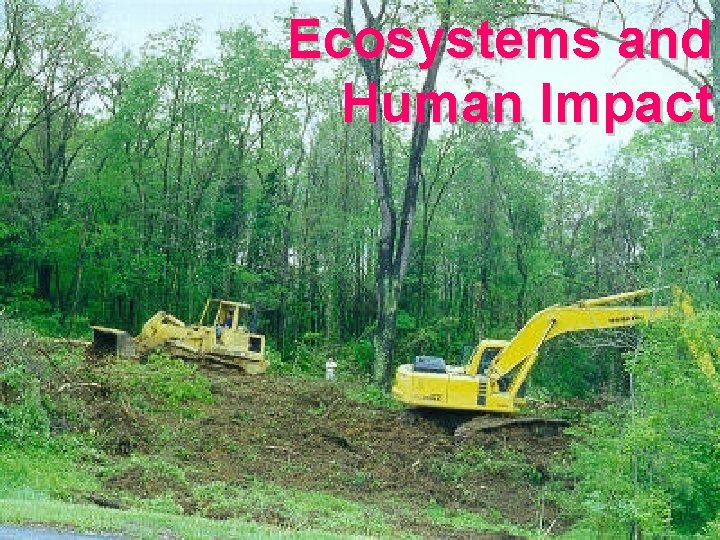
Ecosystems and Human Impact 1
Humans in the Mix • Natural Systems vs. Human Modified Systems… (Are Humans Natural? ) • Impacts on: – Biodiversity: • Genetic Diversity: variety of different versions of the same genes within a population • Species Diversity: varieties of different kinds of organisms within a community / ecosystem • Ecological Diversity: complexity within a community (food chains / webs / trophic levels, number of niches, types of biomass produced 2
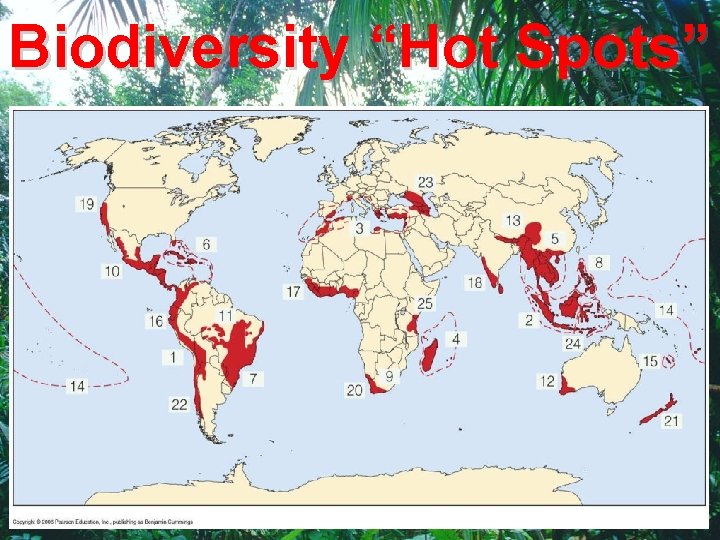
Biodiversity “Hot Spots” 3
But why do we care about biodiversity? • Keystone Species • Drugs / Medicines ($30 m / year!) • Earth is one big ecosystem— every animal has a role: Darwin would say if it didn’t have a role, it wouldn’t be here. • Entertainment / Human Interest… 4
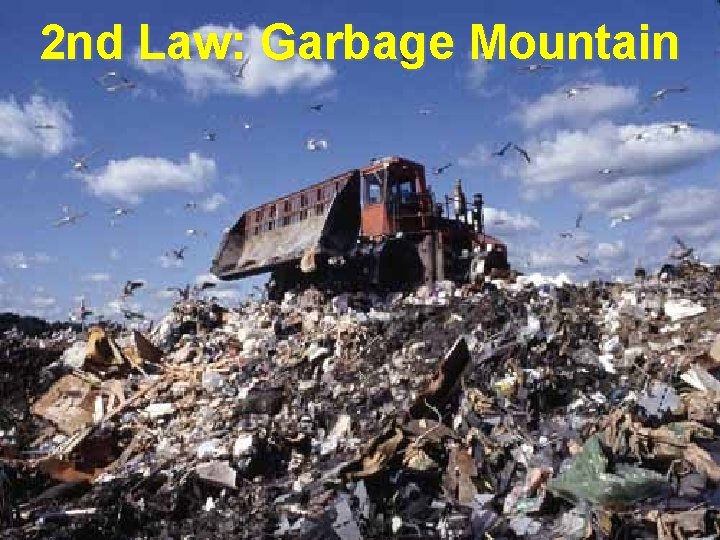
Laws of Human Ecology • 1 st Law of Human Ecology – You Can Never Do Just One Thing – Principle of Interconnectedness • 2 nd Law of Human Ecology – There is no “away” 5
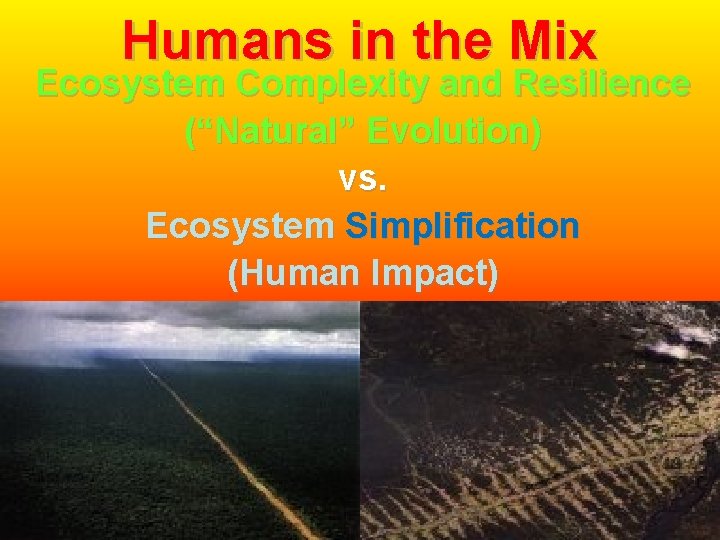
Humans in the Mix Ecosystem Complexity and Resilience (“Natural” Evolution) vs. Ecosystem Simplification (Human Impact) 6
Simplification. • Overuse of Pesticides • Eliminating Some Predators • Deliberately or Accidentally Introducing New Species • Over-Harvesting Potentially Renewable Resources • Interfering with the Normal Chemical Cycling and Energy Flows First Law of Human Ecology 7
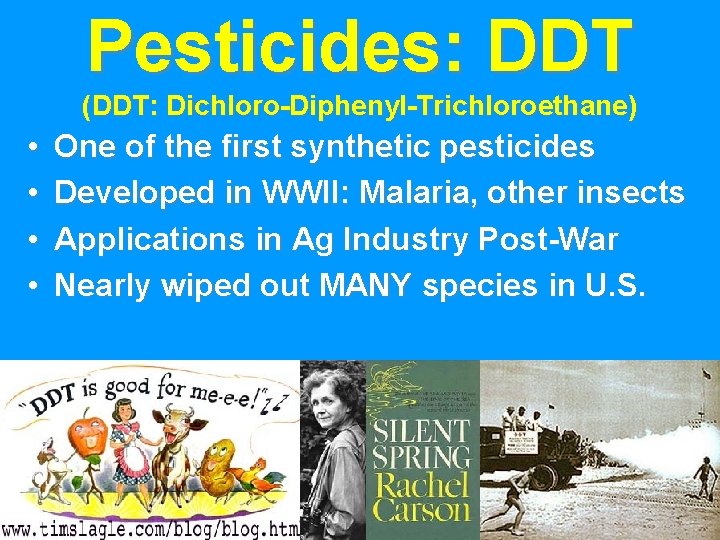
Pesticides: DDT (DDT: Dichloro-Diphenyl-Trichloroethane) • • One of the first synthetic pesticides Developed in WWII: Malaria, other insects Applications in Ag Industry Post-War Nearly wiped out MANY species in U. S. 8
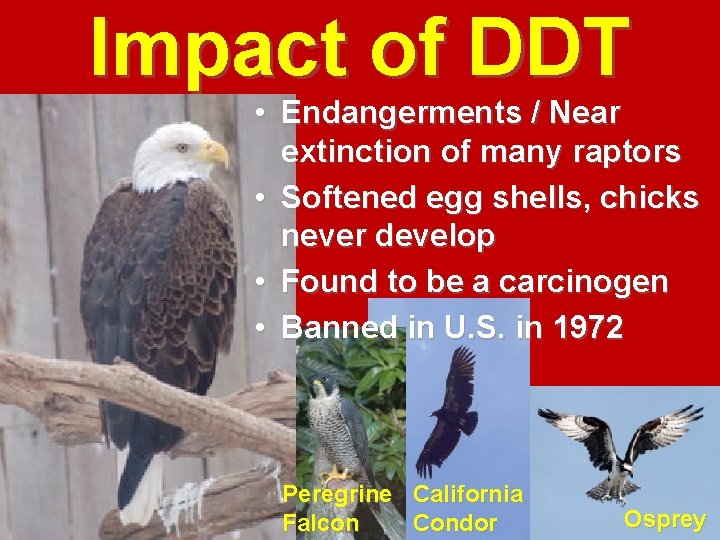
Impact of DDT • Endangerments / Near extinction of many raptors • Softened egg shells, chicks never develop • Found to be a carcinogen • Banned in U. S. in 1972 Peregrine California Falcon Condor 9 Osprey
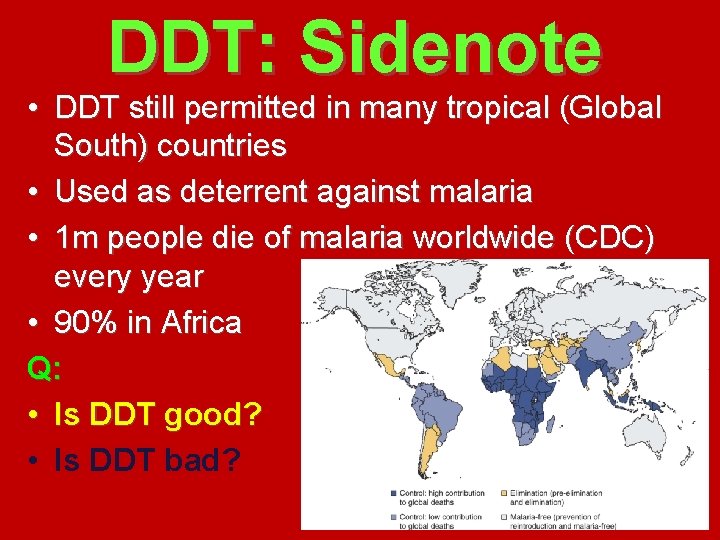
DDT: Sidenote • DDT still permitted in many tropical (Global South) countries • Used as deterrent against malaria • 1 m people die of malaria worldwide (CDC) every year • 90% in Africa Q: • Is DDT good? • Is DDT bad? 10
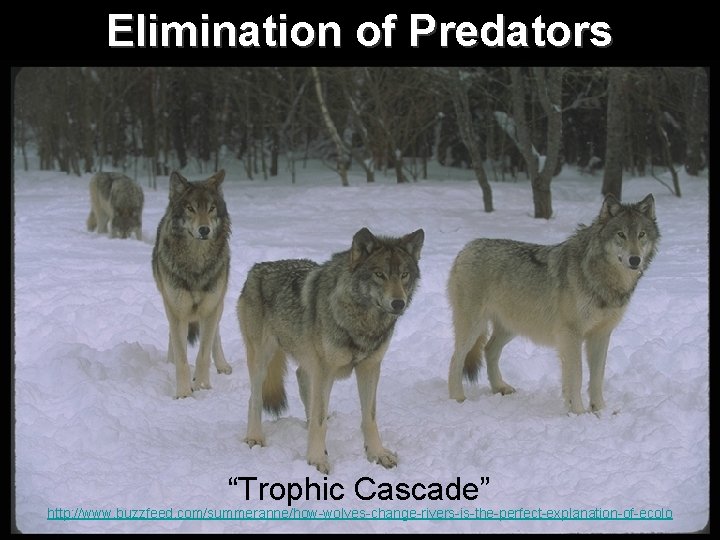
Elimination of Predators “Trophic Cascade” http: //www. buzzfeed. com/summeranne/how-wolves-change-rivers-is-the-perfect-explanation-of-ecolo
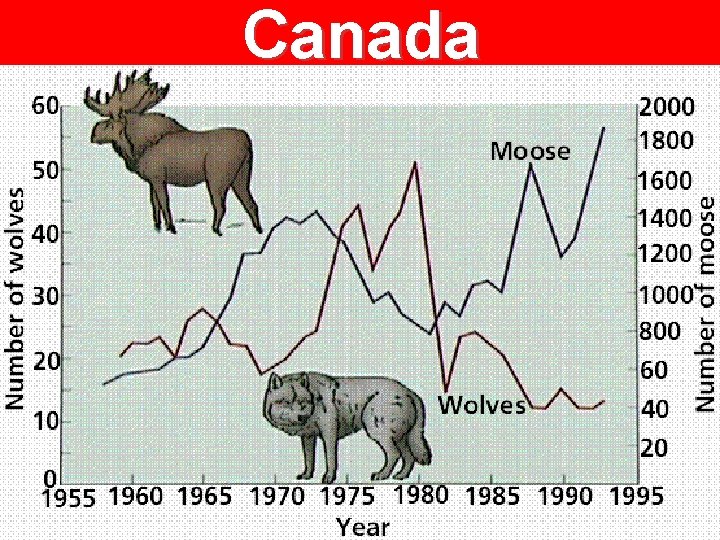
Canada 12
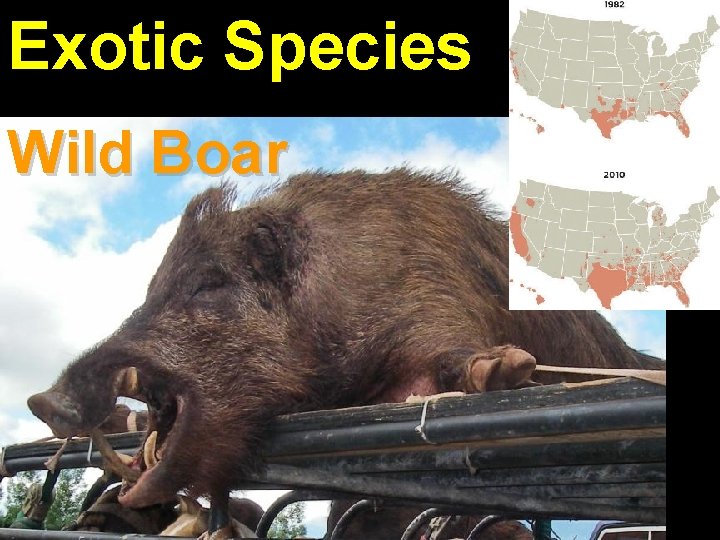
Exotic Species Wild Boar 13
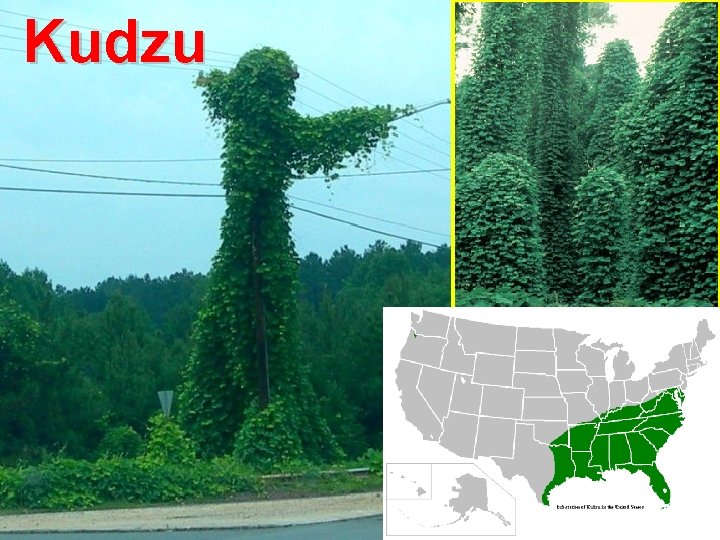
Kudzu 14
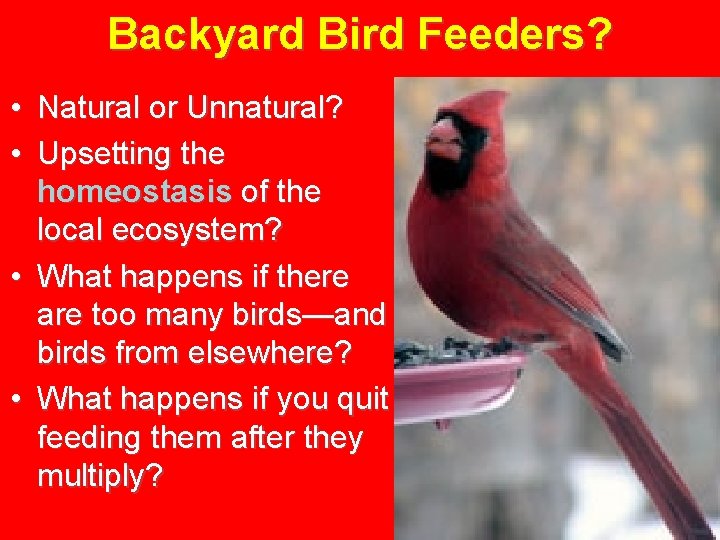
Backyard Bird Feeders? • Natural or Unnatural? • Upsetting the homeostasis of the local ecosystem? • What happens if there are too many birds—and birds from elsewhere? • What happens if you quit feeding them after they multiply? 15
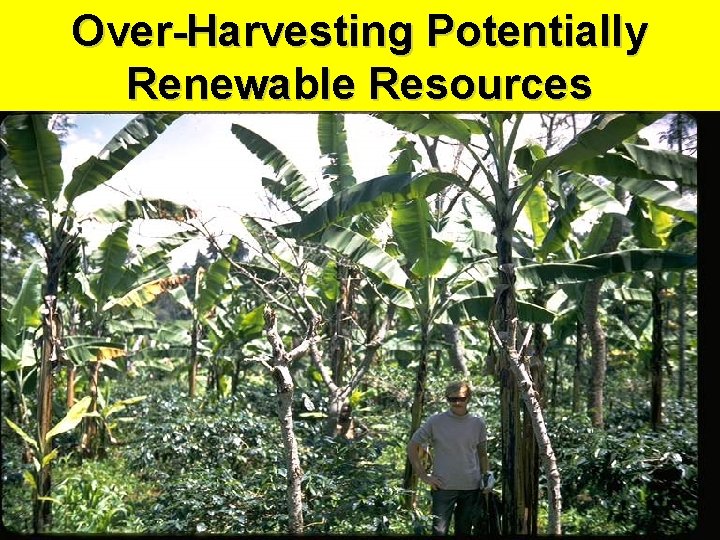
Over-Harvesting Potentially Renewable Resources
20
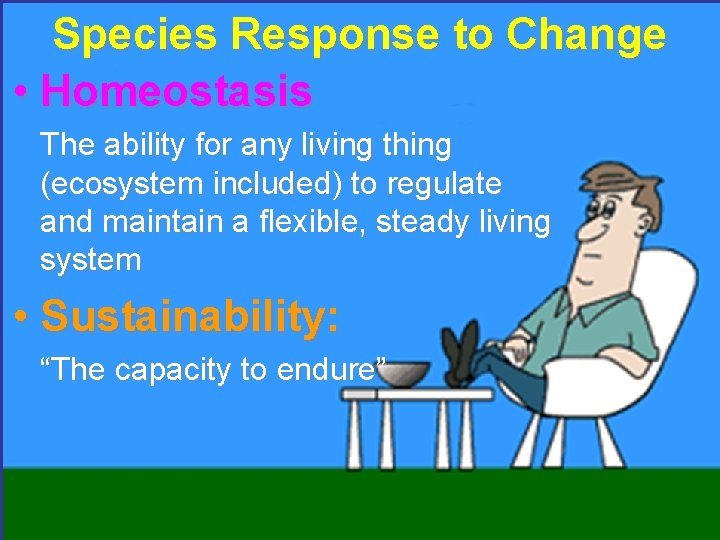
Species Response to Change • Homeostasis The ability for any living thing (ecosystem included) to regulate and maintain a flexible, steady living system • Sustainability: “The capacity to endure”
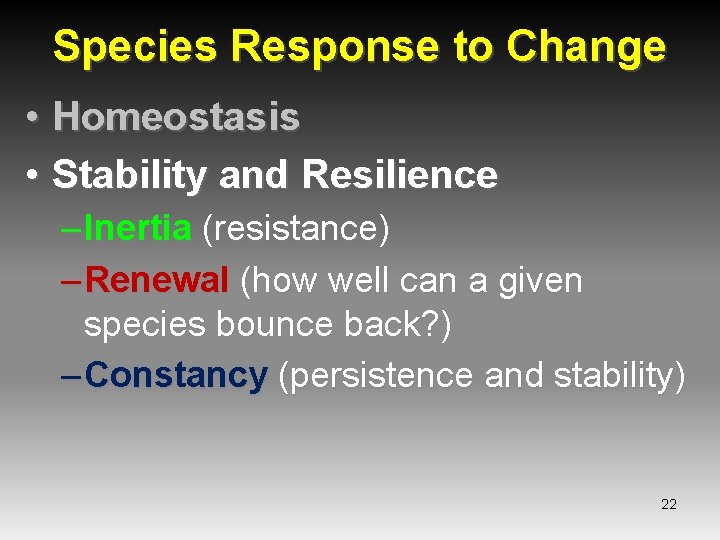
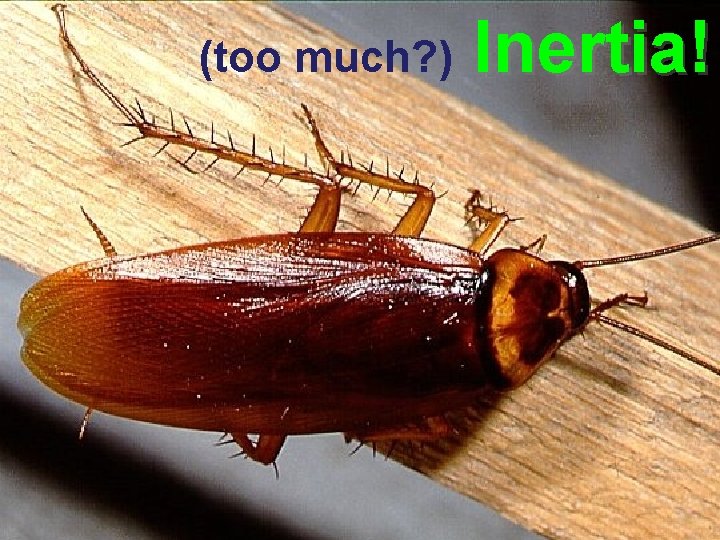
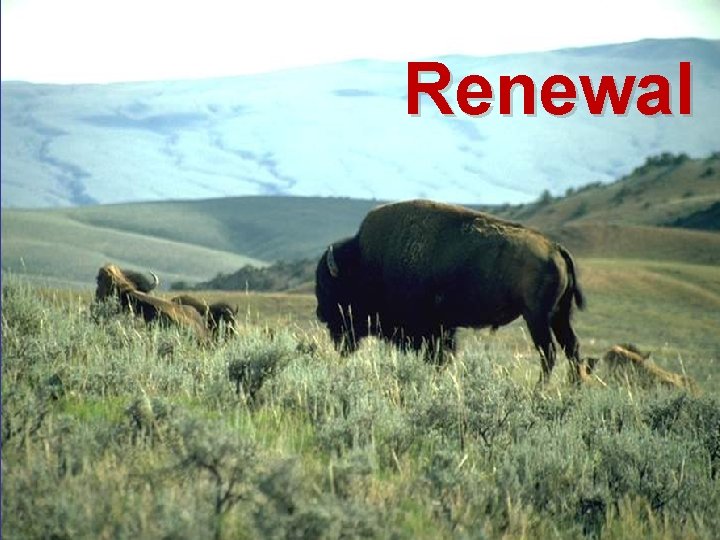
Species Response to Change • Homeostasis • Stability and Resilience – Inertia (resistance) – Renewal (how well can a given species bounce back? ) – Constancy (persistence and stability) 22
(too much? ) Inertia! 23
Renewal
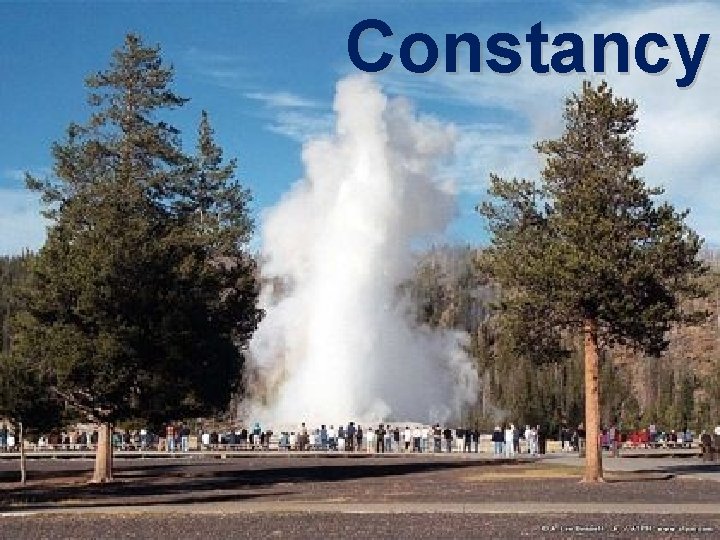
Constancy 25
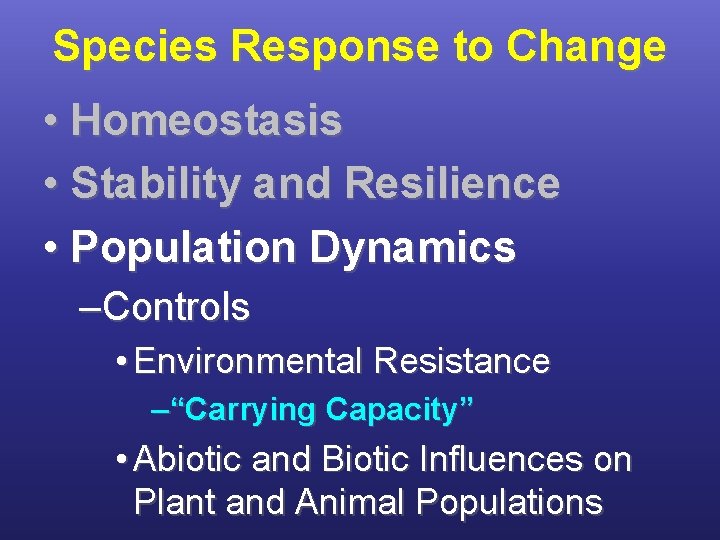
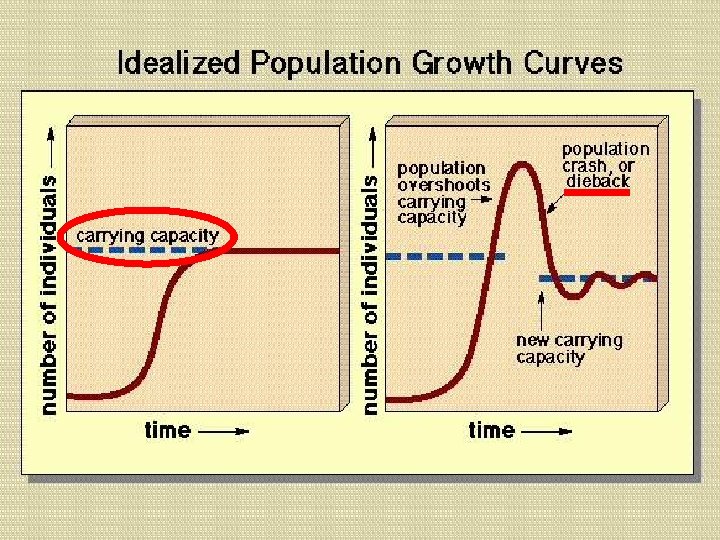
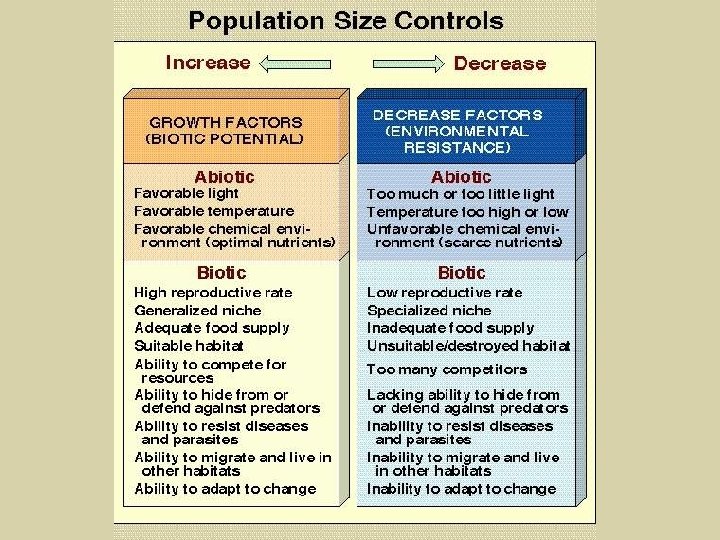
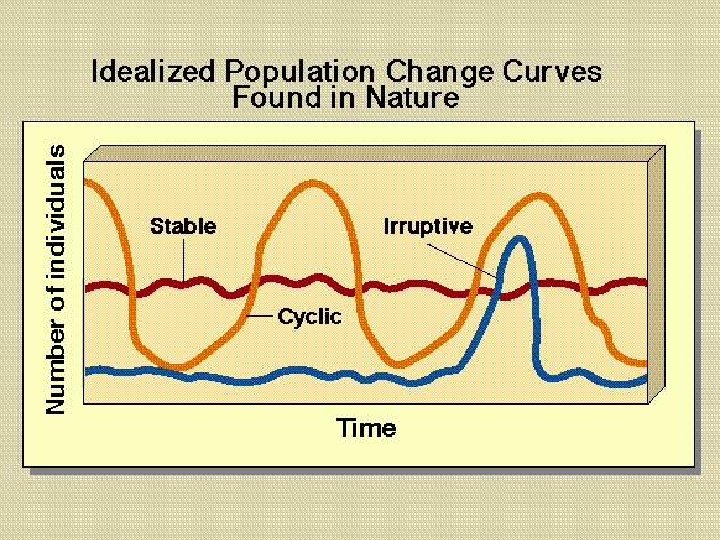
Species Response to Change • Homeostasis • Stability and Resilience • Population Dynamics –Controls • Environmental Resistance –“Carrying Capacity” • Abiotic and Biotic Influences on Plant and Animal Populations
27
29
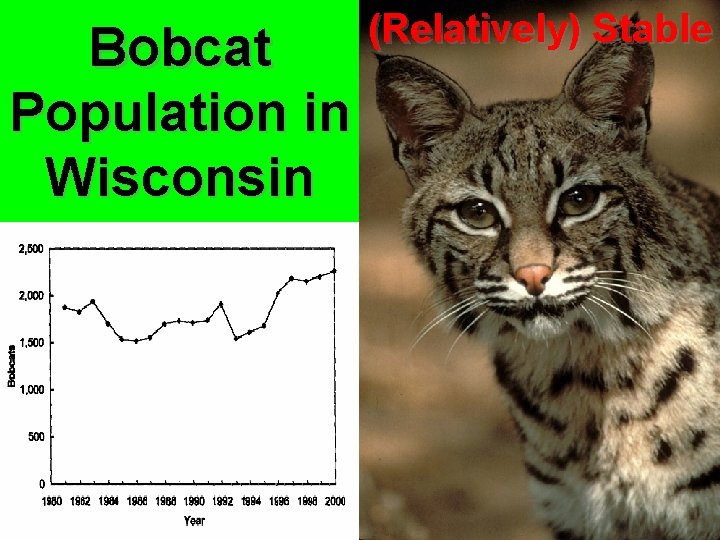
Bobcat Population in Wisconsin (Relatively) Stable 30
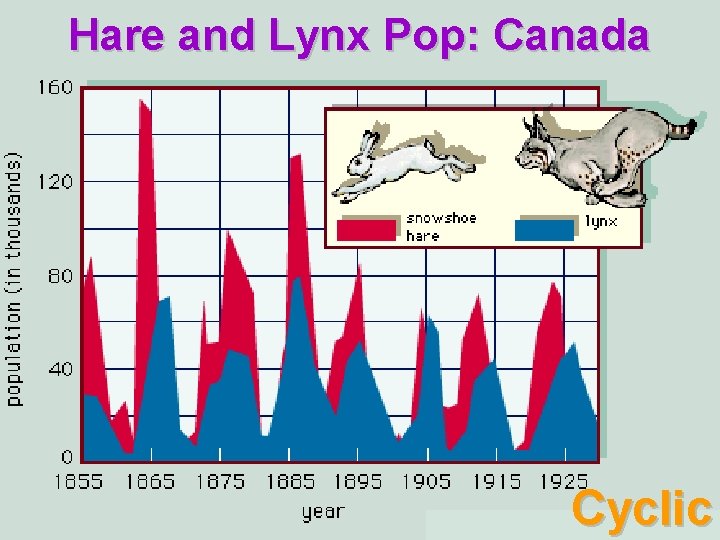
Hare and Lynx Pop: Canada Cyclic 31
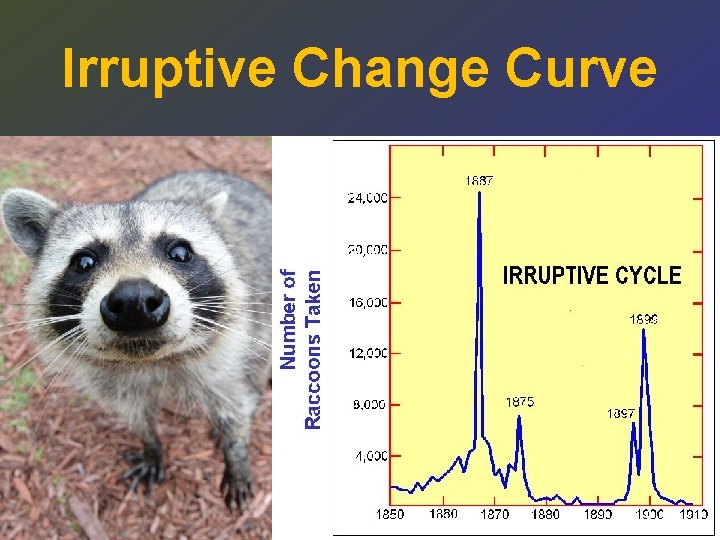
Irruptive Change Curve 32
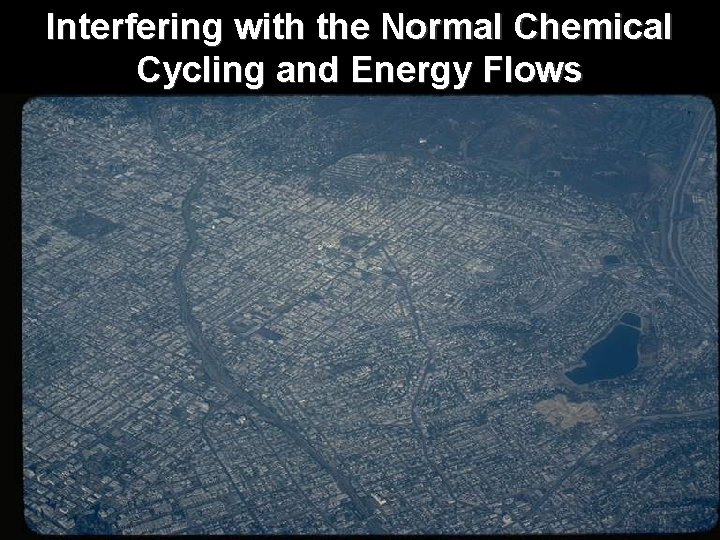
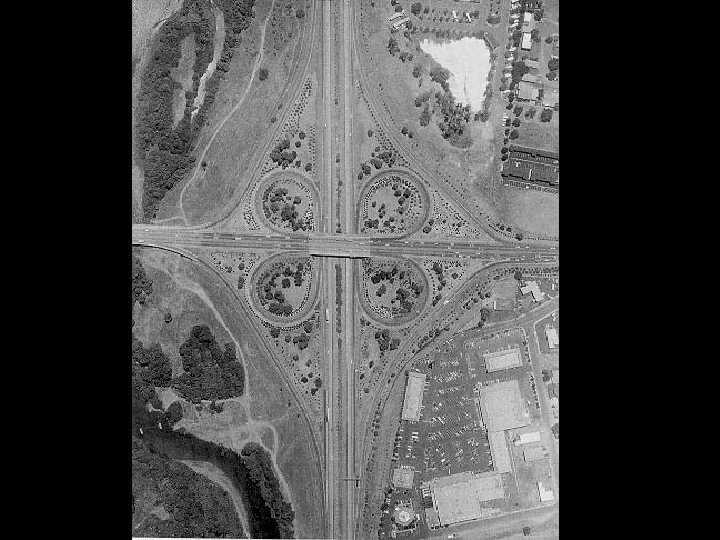
Interfering with the Normal Chemical Cycling and Energy Flows
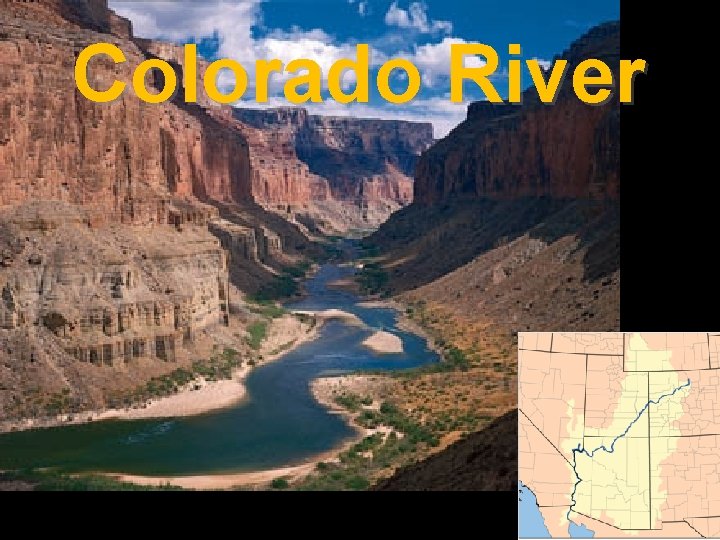
Colorado River 35
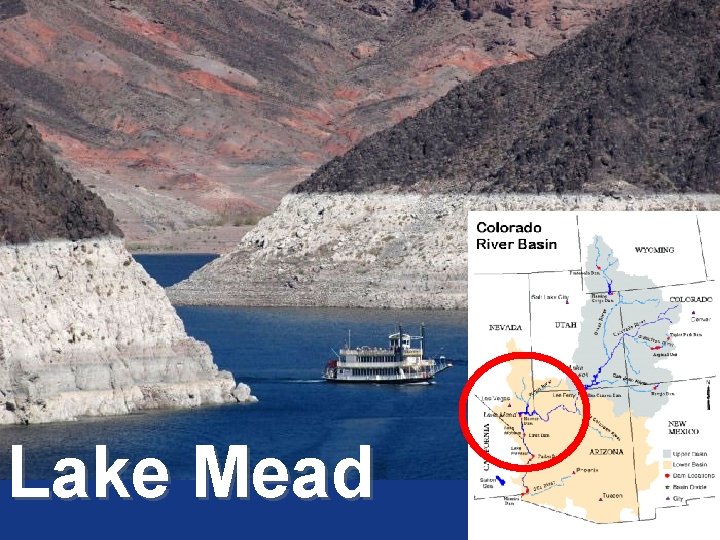
Lake Mead 36
2 nd Law: Garbage Mountain 37
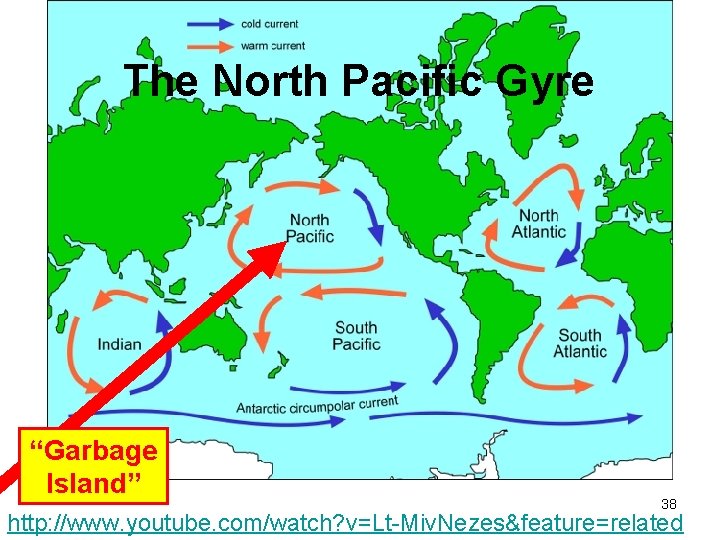
The North Pacific Gyre “Garbage Island” 38 http: //www. youtube. com/watch? v=Lt-Miv. Nezes&feature=related
Human Impact • With technology, the impact of humans has never been more dramatic • Extinction is “natural, ” but the current rate of extinction has never existed due to forces beyond “naturally” occurrences: – – Ice age Asteroid hitting earth? Eruption and release of global volcanic ash? Floods? Tsunamis? • Averaging 2 -3 extinctions per decade • What’s the final impact if we can “never do just one thing? ” 39 http: //www. cleanair. org/program/waste_and_recycling/recyclenow