
Ecosystem Response of Great Plains Grasslands to Climate

- Slides: 28
Ecosystem Response of Great Plains Grasslands to Climate Variability Bill Parton Myron Gutmann Melanie Hartman Emily Merchant Susan Lutz
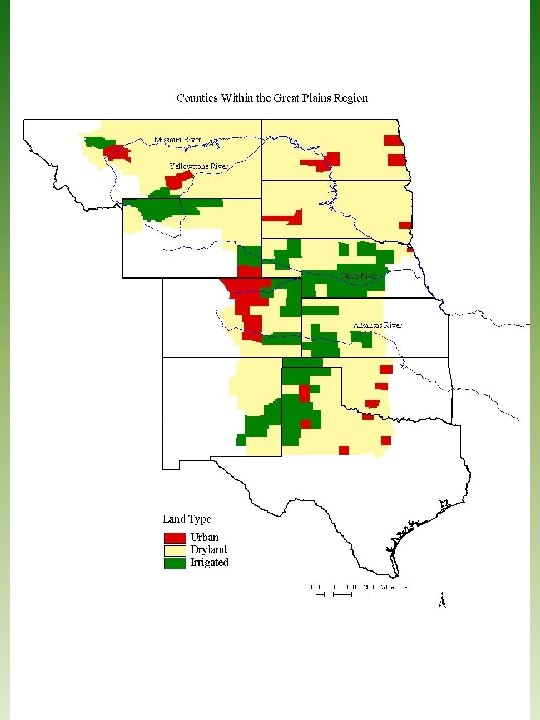
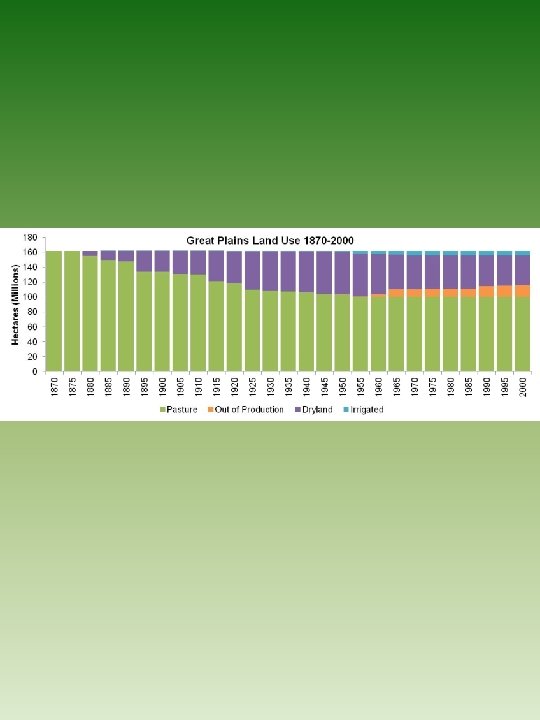
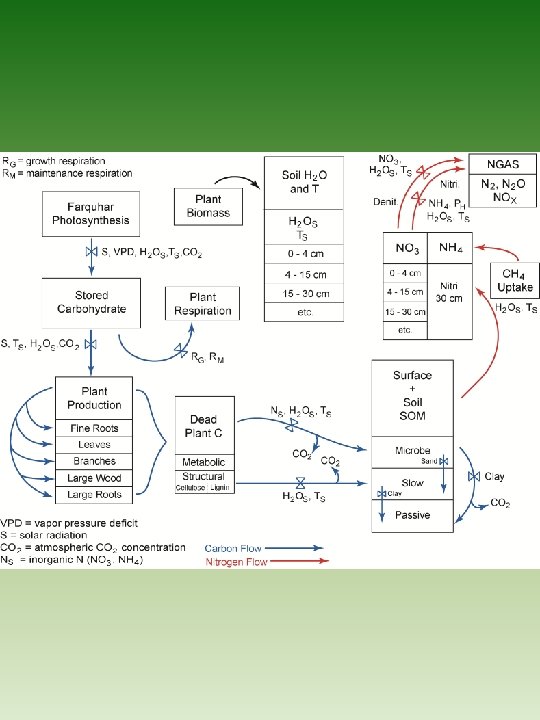
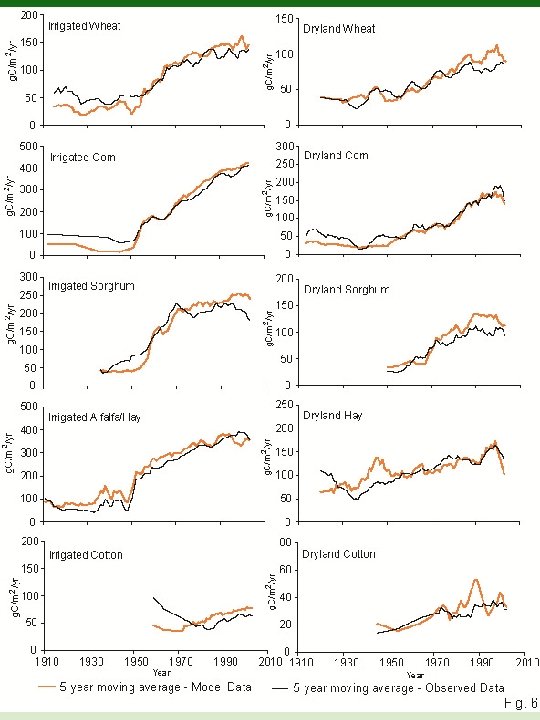
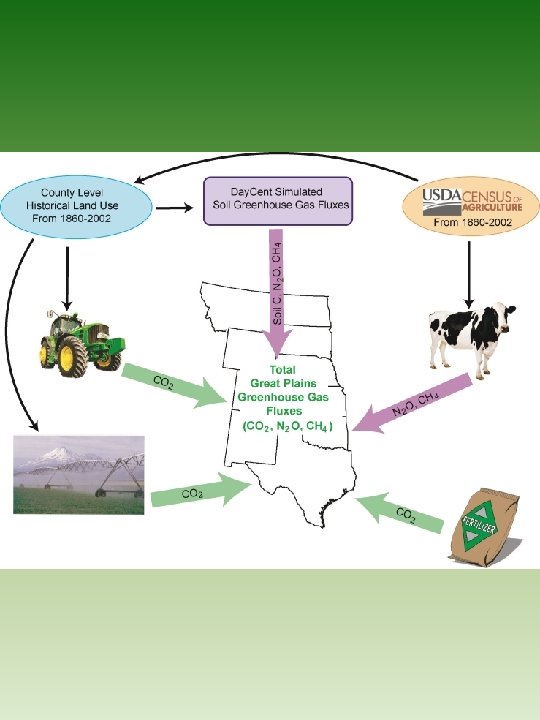
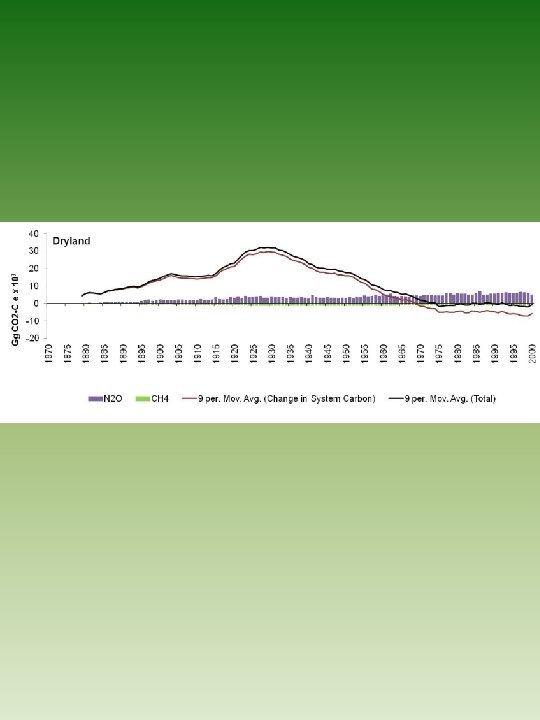
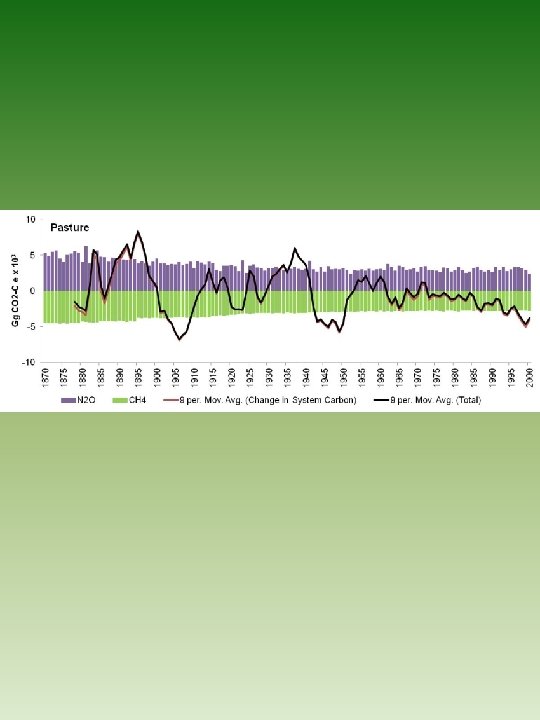
Outline • Great Plains location, climate, and land use history • SGS (Shortgrass Steppe) NEE data and biomass production 2001 -2003 • Day. Cent Model • Ecosystem greenhouse gas fluxes on dryland pasture systems • Greenhouse gas responses to rainfall variability – Spatial patterns and integrated GP response • Conclusions
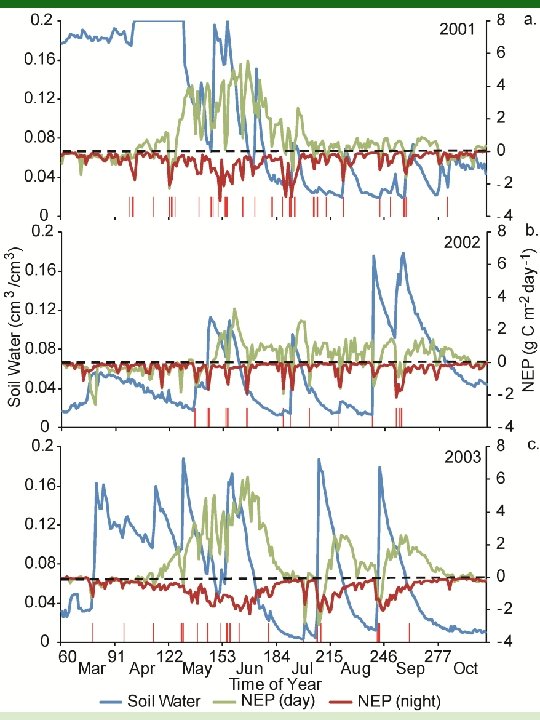
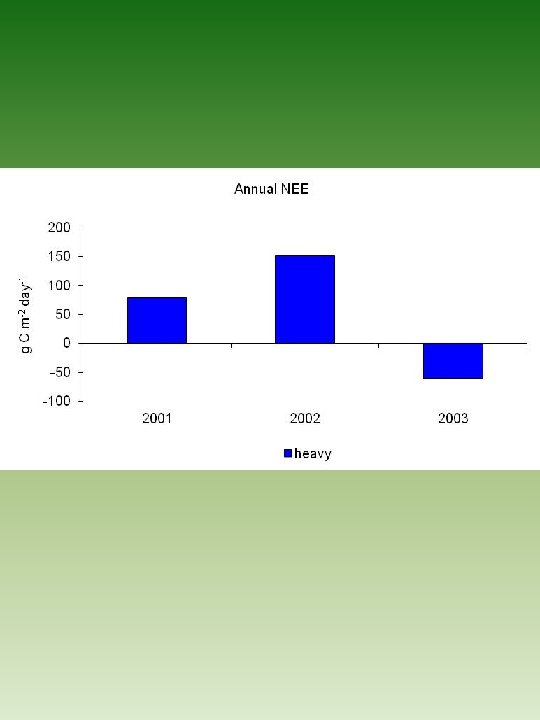
Observed NEE for the Shortgrass Steppe (SGS)
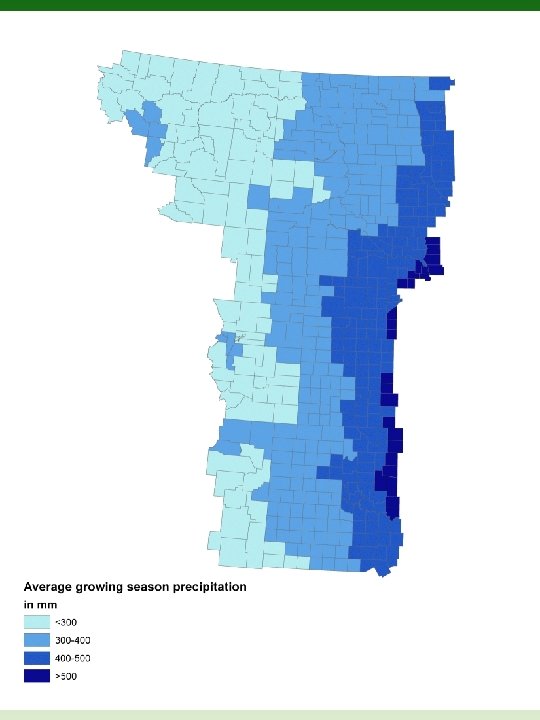
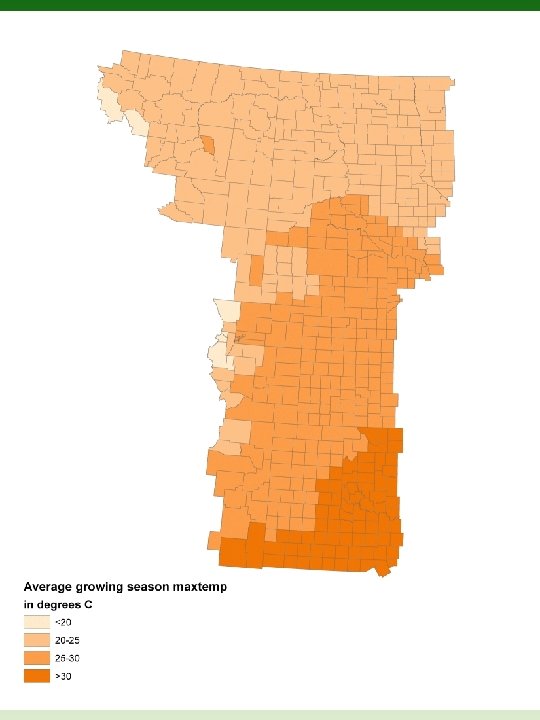
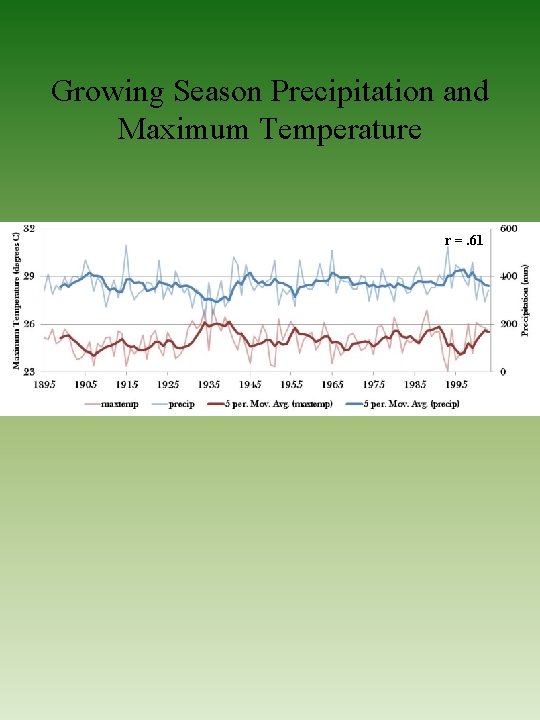
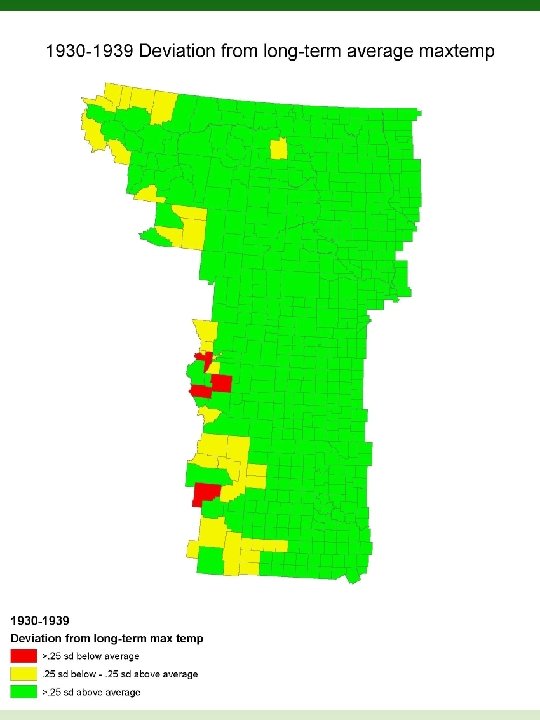
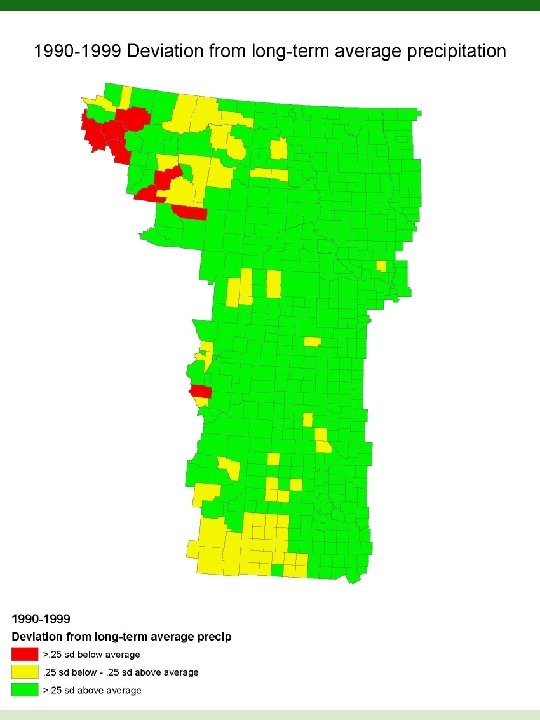
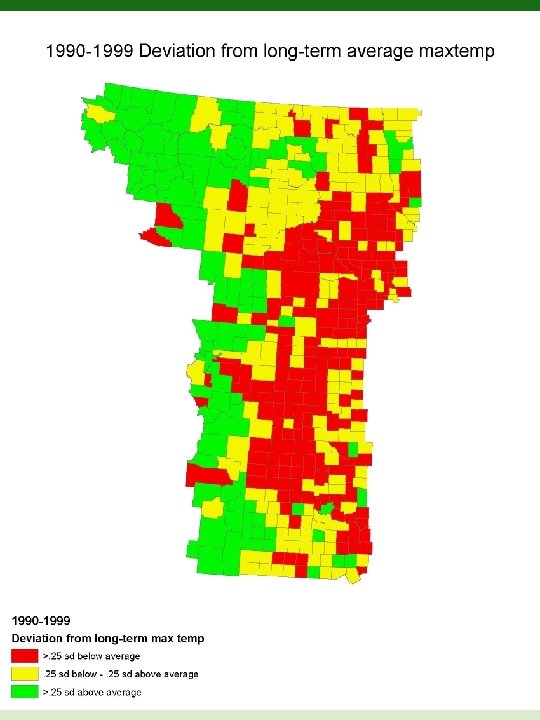
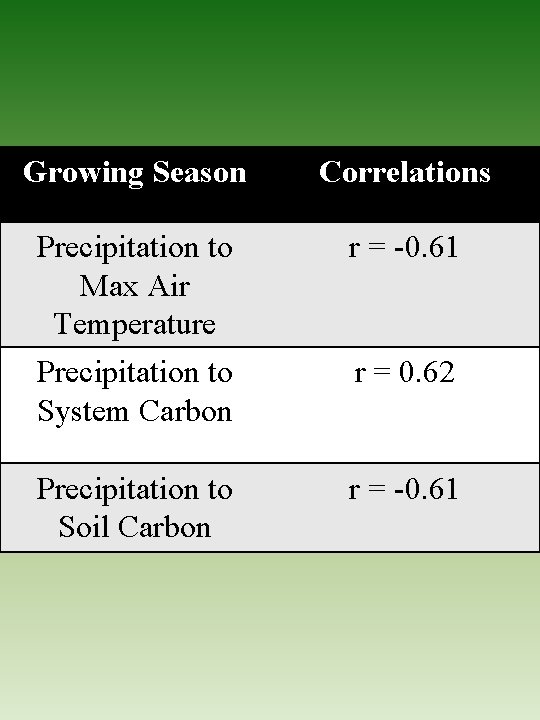
Growing Season Precipitation and Maximum Temperature r =. 61
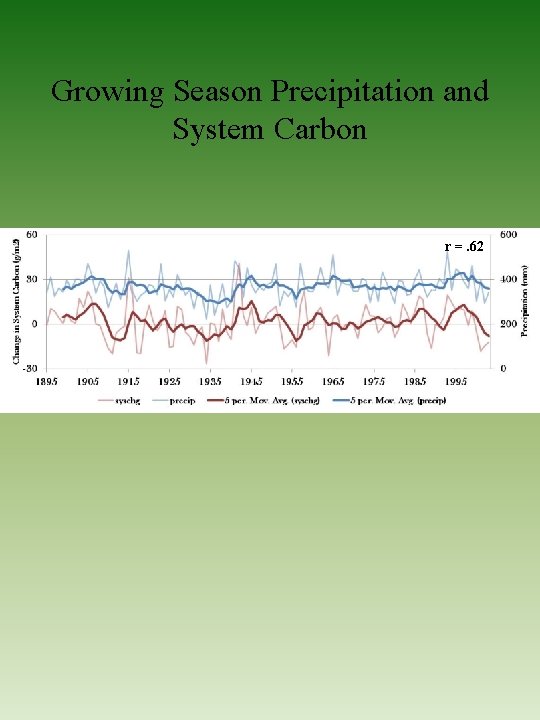
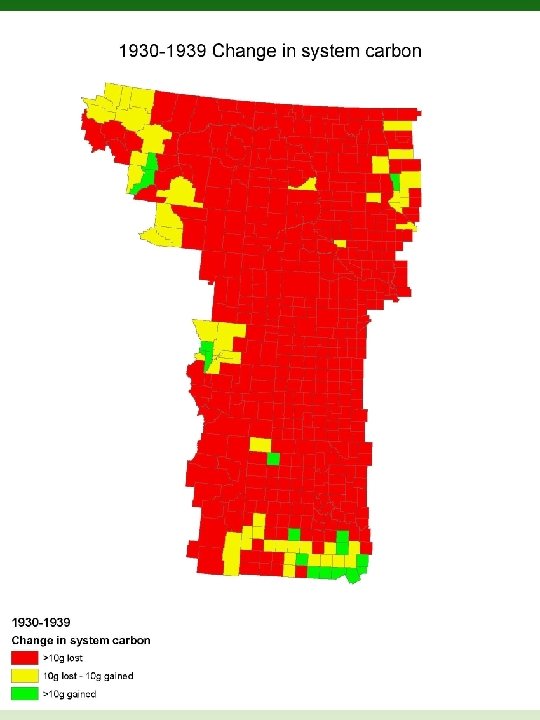
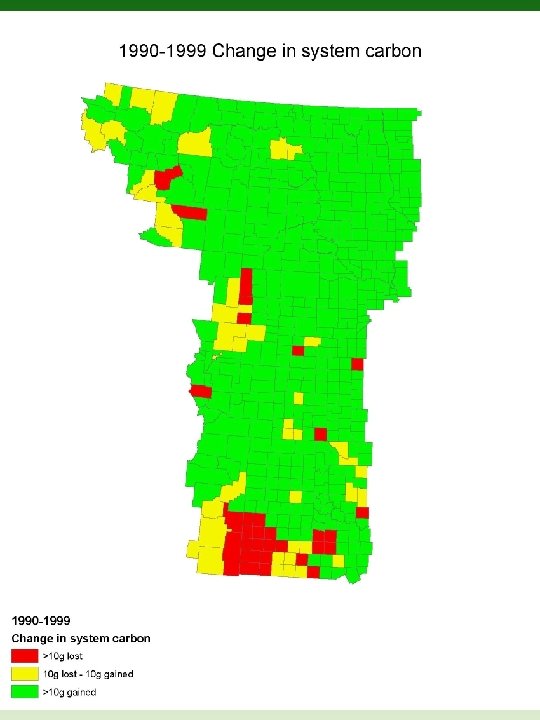
Growing Season Precipitation and System Carbon r =. 62
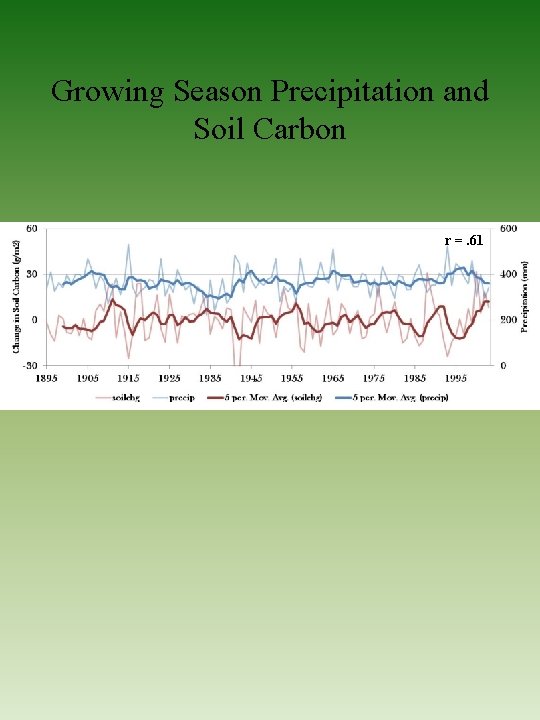
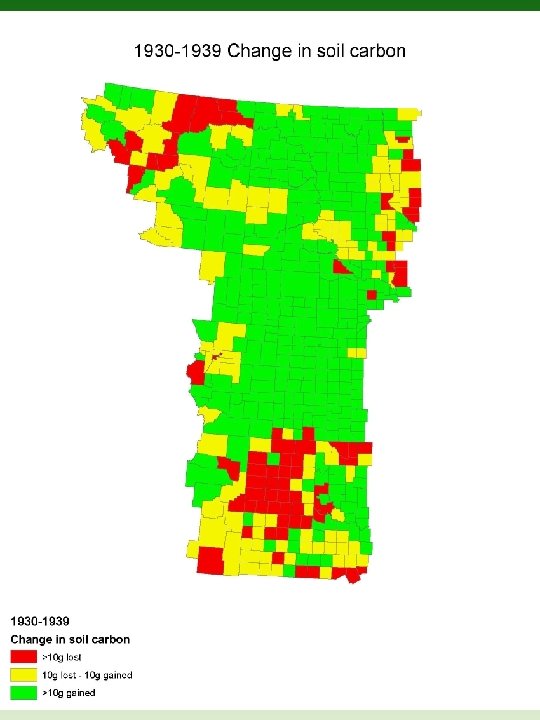
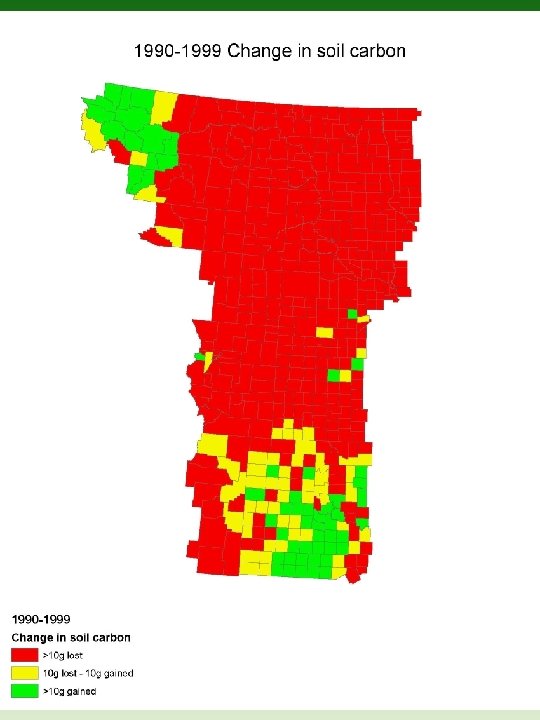
Growing Season Precipitation and Soil Carbon r =. 61
Growing Season Correlations Precipitation to Max Air Temperature Precipitation to System Carbon r = -0. 61 Precipitation to Soil Carbon r = -0. 61 r = 0. 62
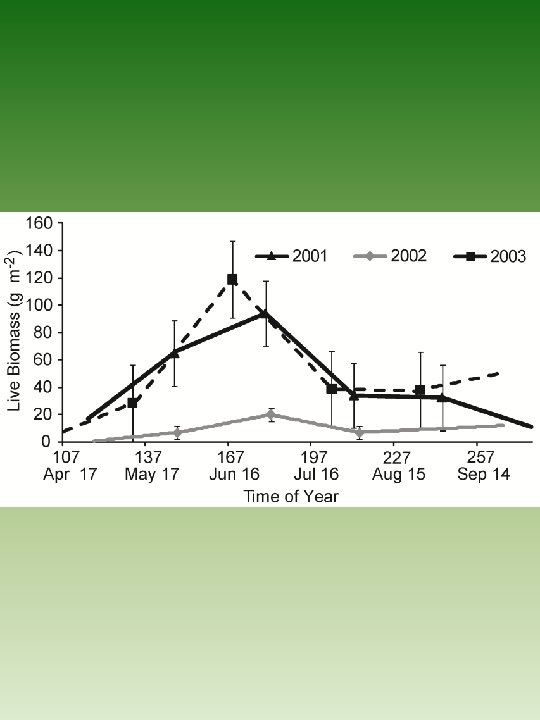
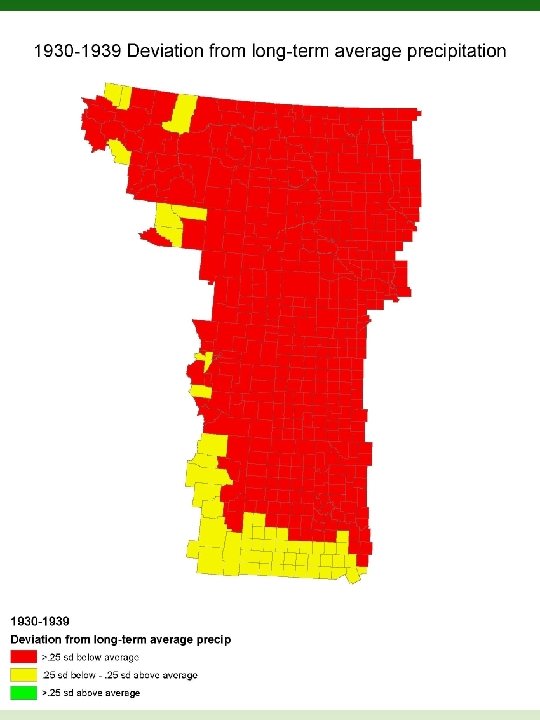
Conclusions • Surprising autocorrelation of climate pattern in the Great Plains • Negative correlation of growing season precipitation to air temperature • System carbon is positively correlated to precipitation • Soil carbon is negatively correlated to precipitation • Ecosystem NEE is most sensitive to changes in precipitation as a result of change in live biomass • Soil N 2 O and CH 4 fluxes are less responsive to climate variability compared to system carbon