
Economics Unit I Intro To Economics Part 1





- Slides: 25
Economics Unit I: Intro To Economics Part 1 – Basic Economic Concepts
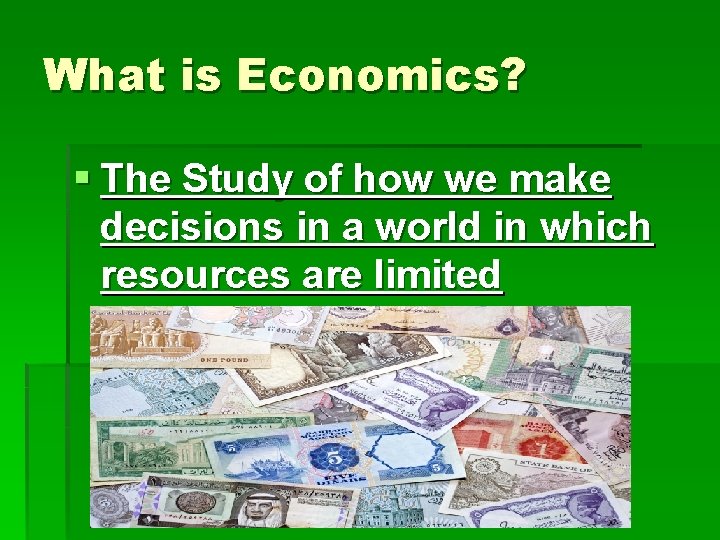
What is Economics? § The Study of how we make decisions in a world in which resources are limited
What is the difference between Microeconomics and Macroeconomics?
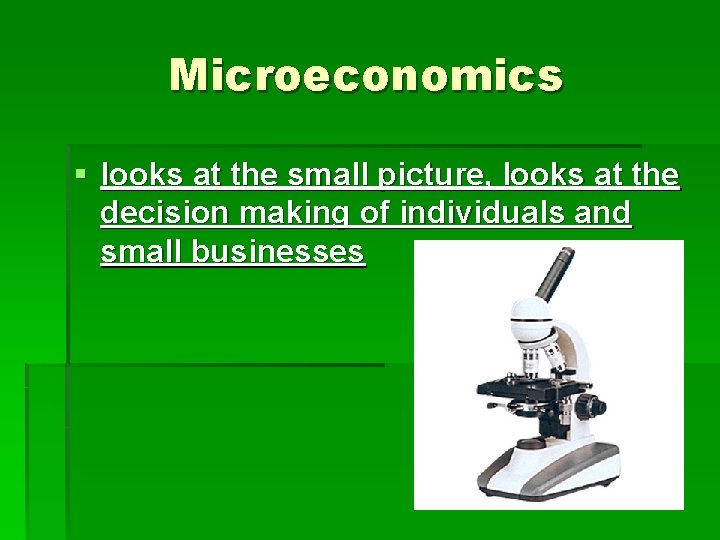
Microeconomics § looks at the small picture, looks at the decision making of individuals and small businesses
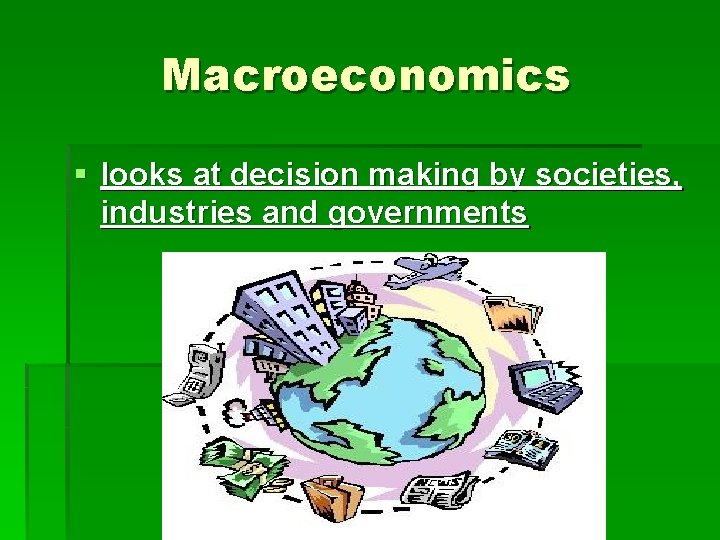
Macroeconomics § looks at decision making by societies, industries and governments
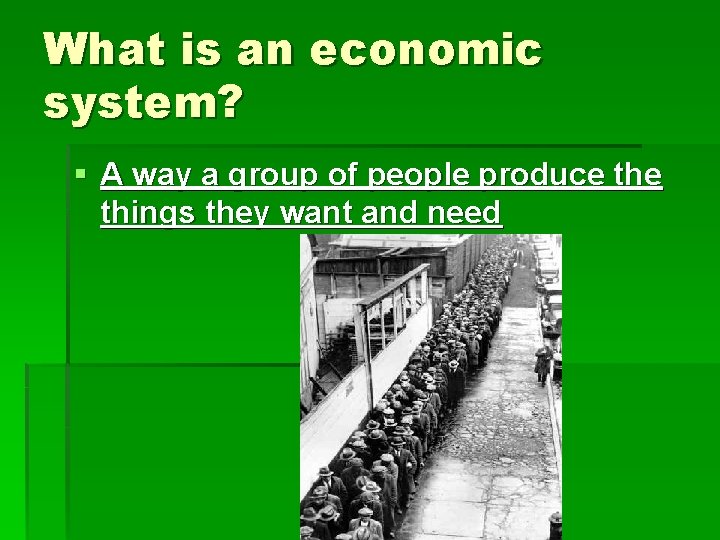
What is an economic system? § A way a group of people produce things they want and need
What is a need? § Something someone has to have to live
What is a want? § Something someone would like to have; a luxury
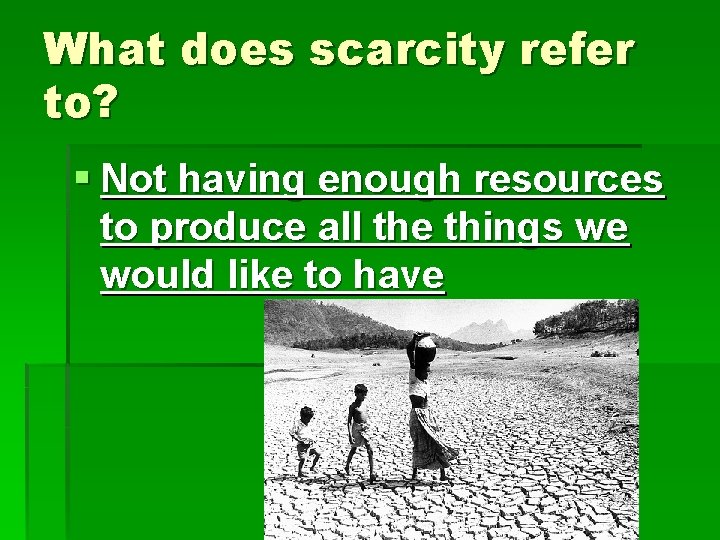
What does scarcity refer to? § Not having enough resources to produce all the things we would like to have
What is the difference between scarcity and shortage? § Scarcity means limited; shortage means in short supply § EX: Strawberries out of season are scarce; if demand is high then there is a shortage
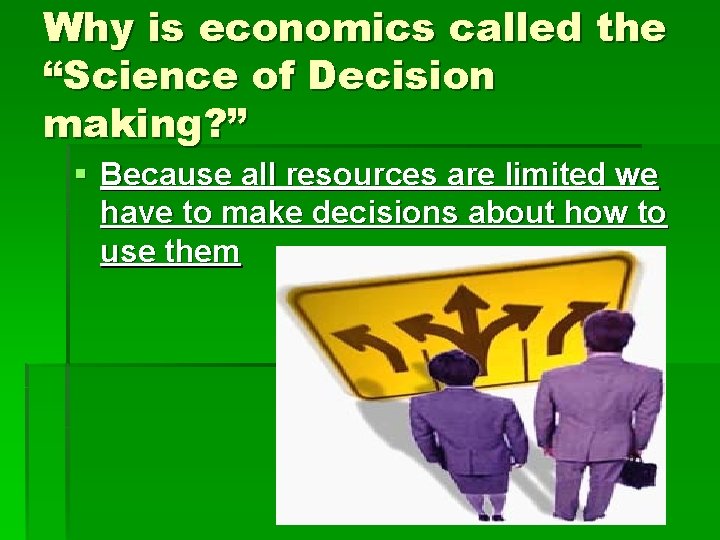
Why is economics called the “Science of Decision making? ” § Because all resources are limited we have to make decisions about how to use them
What is a trade off? § Exchanging one thing for another; giving up something to get something § Examples:
What is an opportunity cost? § ‘Opportunity Lost’ – the value of the next best alternative use of money or time when a decision is made
What is meant by the factors of production? § The resources necessary to produce goods and services
The Four Factors of Production § § Land Labor Capital Entrepreneur
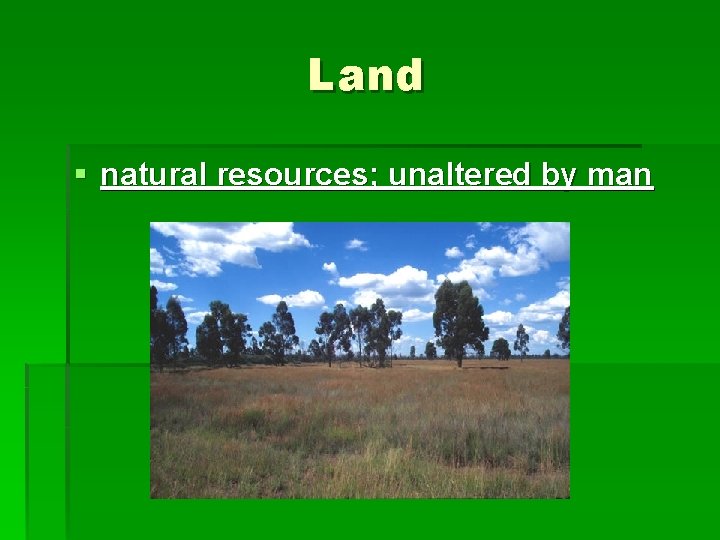
Land § natural resources; unaltered by man
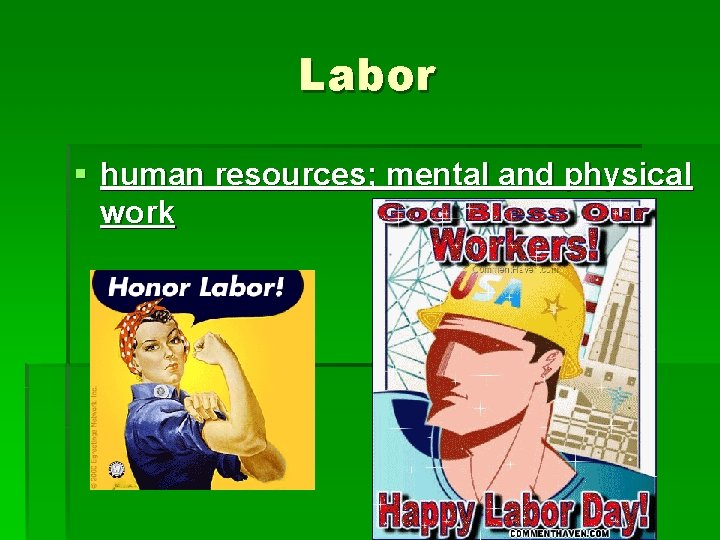
Labor § human resources; mental and physical work
Capital § manufactured tools used to make other goods
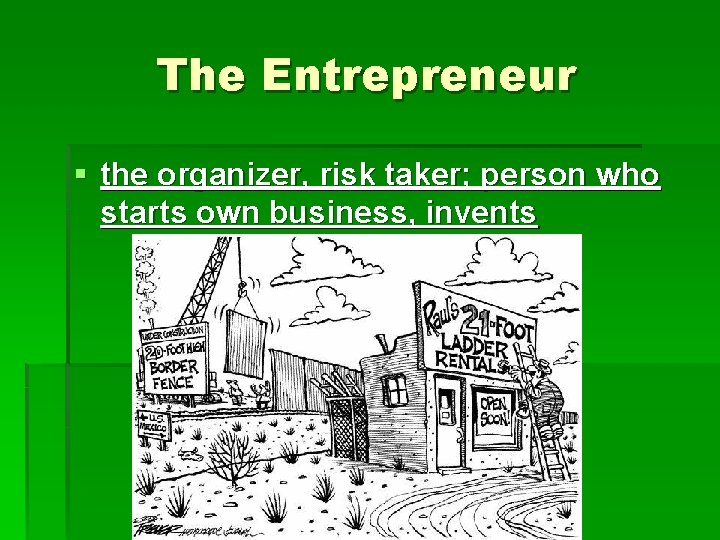
The Entrepreneur § the organizer, risk taker; person who starts own business, invents
Four Basic Economic Questions § § § What to produce? How to produce? For whom to produce?
What influences how we use our resources?
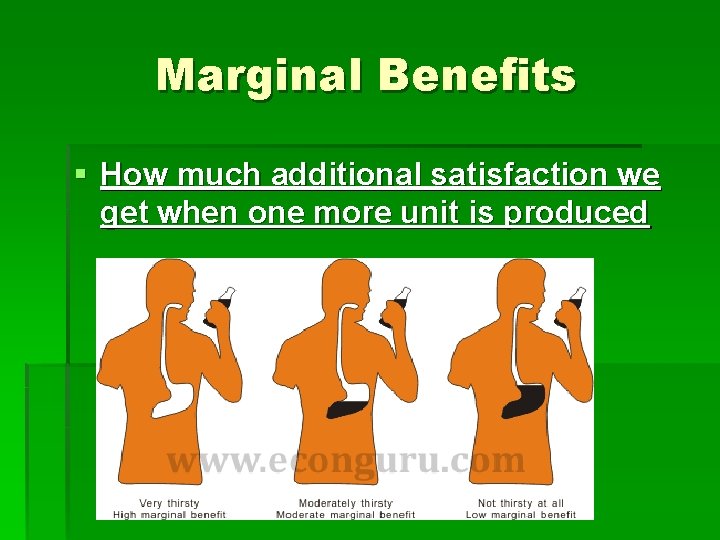
Marginal Benefits § How much additional satisfaction we get when one more unit is produced
Marginal Cost § The additional cost of producing one more unit
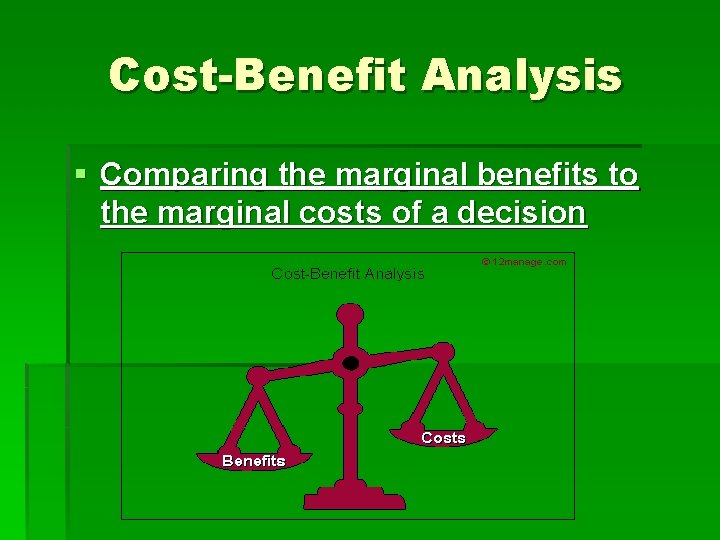
Cost-Benefit Analysis § Comparing the marginal benefits to the marginal costs of a decision