
Economics Economic Systems 5 Types of Economic Systems
- Slides: 22
Economics
€ £ ¥ $ Economic Systems 5 Types of Economic Systems - 2 are Free-Market Economies - 3 are Centrally Planned Economies
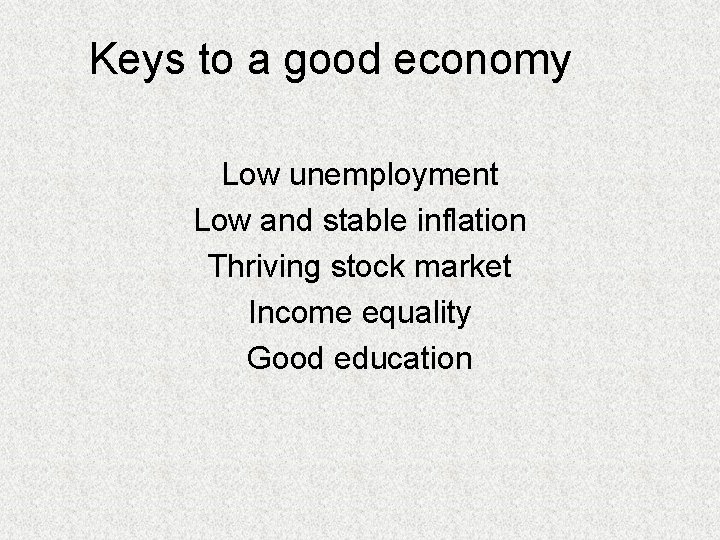
Keys to a good economy Low unemployment Low and stable inflation Thriving stock market Income equality Good education
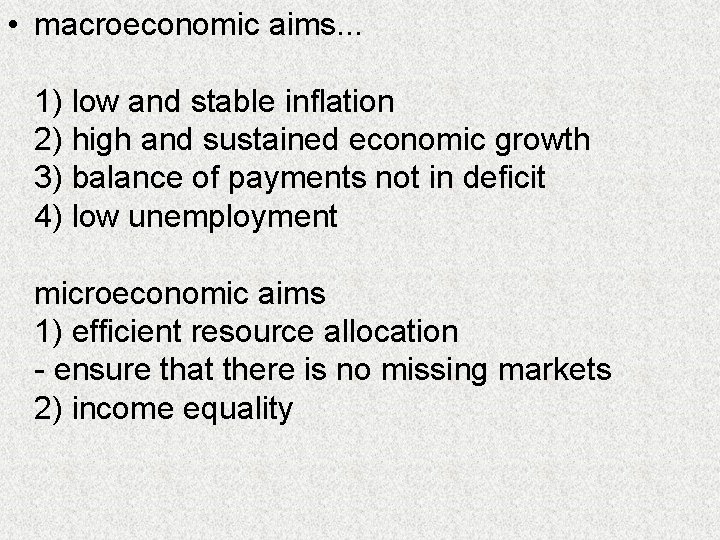
• macroeconomic aims. . . 1) low and stable inflation 2) high and sustained economic growth 3) balance of payments not in deficit 4) low unemployment microeconomic aims 1) efficient resource allocation - ensure that there is no missing markets 2) income equality
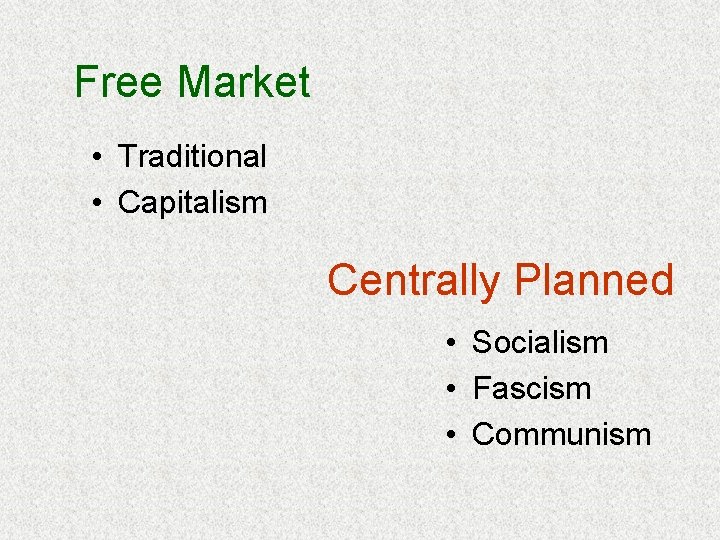
Free Market • Traditional • Capitalism Centrally Planned • Socialism • Fascism • Communism
Free Market Economies • Individuals make their own choices, not government • There is the possibility of making a bad choice or being swindled or cheated • It requires each individual to know how to make good economic choices
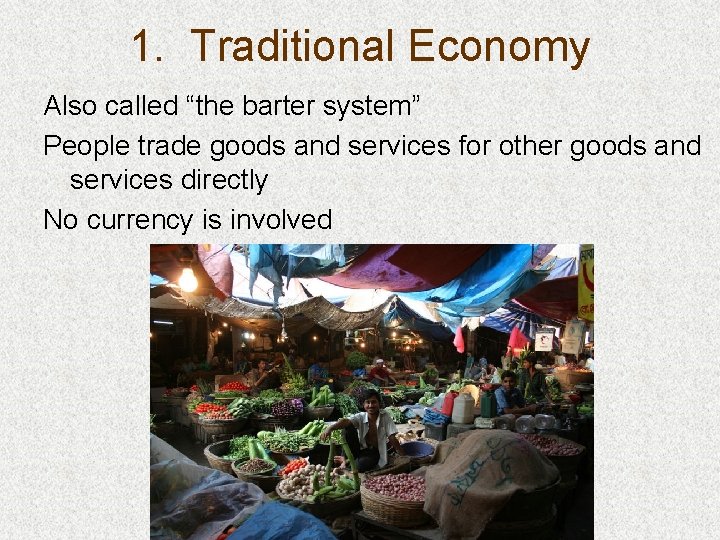
1. Traditional Economy Also called “the barter system” People trade goods and services for other goods and services directly No currency is involved
2. Capitalism freedom of _____ choice and individual - Emphasizes ______ incentive for workers, investors, consumers, ____ and business enterprises buyers and - Free Enterprise System - _______ sellers free to make their own economic ______ decisions - Laissez-Faire – Leave the economy alone, “let it be” with little gov’t regulation - List of capitalist countries
Capitalism - free enterprise - private ownership and control of property and economic resources - competition among businesses
3. Socialism equally - Government attempts to distribute wealth _______ wages and _______, prices - Government controls _______ and produced decides what is _______ production - Government owns the means of _____ - List of socialist countries
Socialism - distribution of wealth equally - public ownership of most land, factories, and other means of production - government provides public services
4. Fascism • Also called National Socialism controls • Government _____, but does not own businesses • ______ sets wages and prices Government • Purpose of Fascism is centralization of economic power to the government, and individuals away from ______ • List of Fascist countries
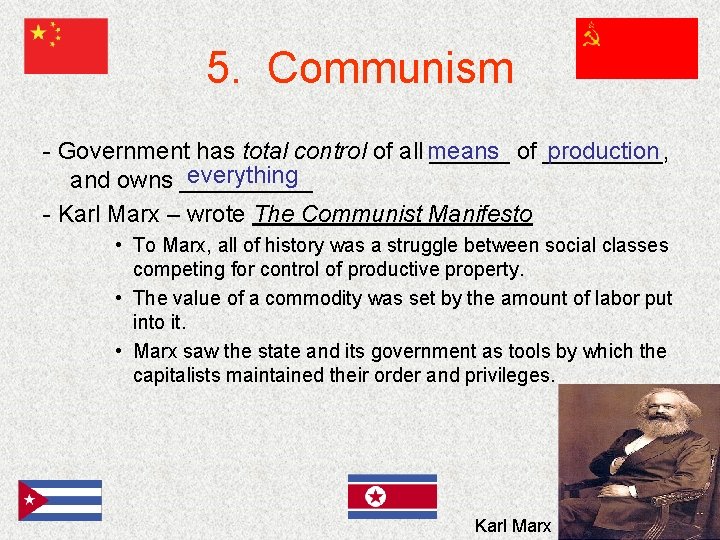
5. Communism - Government has total control of all means ______ of _____, production everything and owns _____ - Karl Marx – wrote The Communist Manifesto • To Marx, all of history was a struggle between social classes competing for control of productive property. • The value of a commodity was set by the amount of labor put into it. • Marx saw the state and its government as tools by which the capitalists maintained their order and privileges. Karl Marx
Communism - state owned land, natural resources, industry, banks, and transportation facilities; state controlled mass media
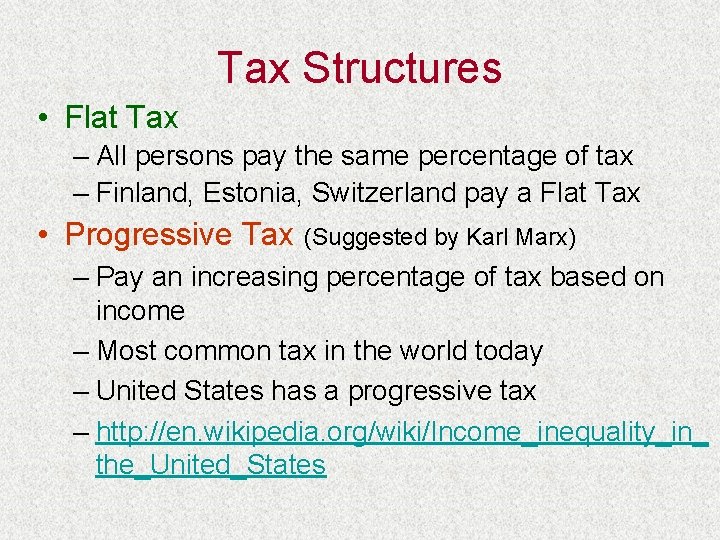
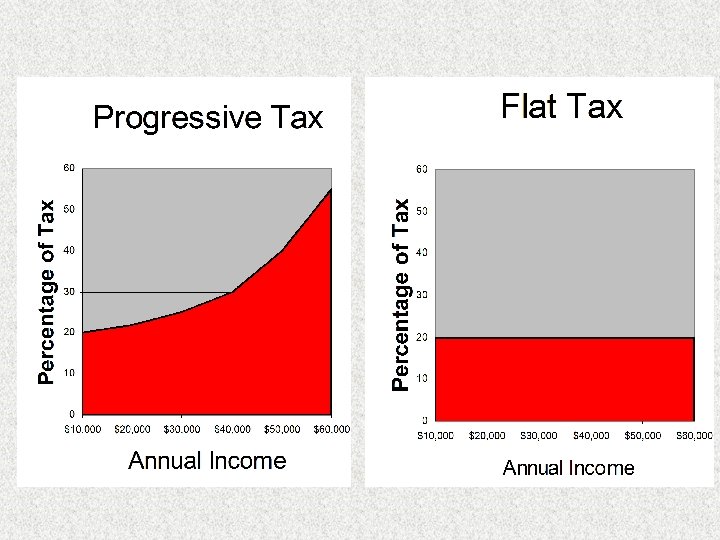
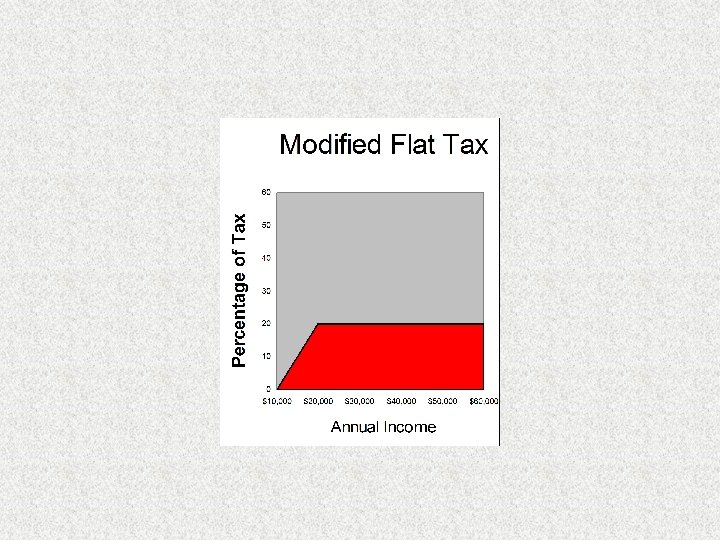
Tax Structures • Flat Tax – All persons pay the same percentage of tax – Finland, Estonia, Switzerland pay a Flat Tax • Progressive Tax (Suggested by Karl Marx) – Pay an increasing percentage of tax based on income – Most common tax in the world today – United States has a progressive tax – http: //en. wikipedia. org/wiki/Income_inequality_in_ the_United_States
Levels of Industrialization Three Levels of Industrialization - Underdeveloped Countries - Developing Countries - Developed Countries
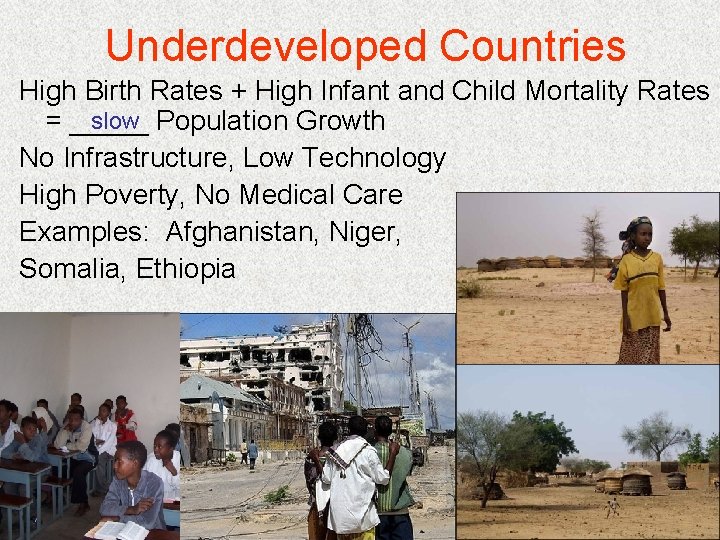
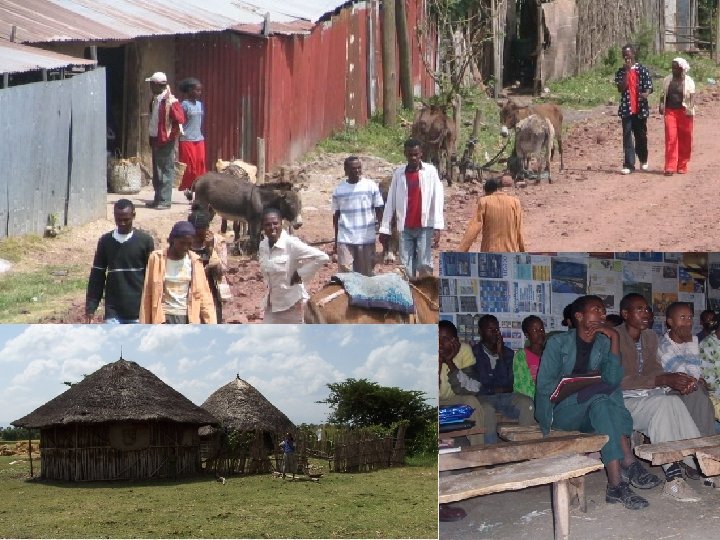
Underdeveloped Countries High Birth Rates + High Infant and Child Mortality Rates slow Population Growth = _____ No Infrastructure, Low Technology High Poverty, No Medical Care Examples: Afghanistan, Niger, Somalia, Ethiopia
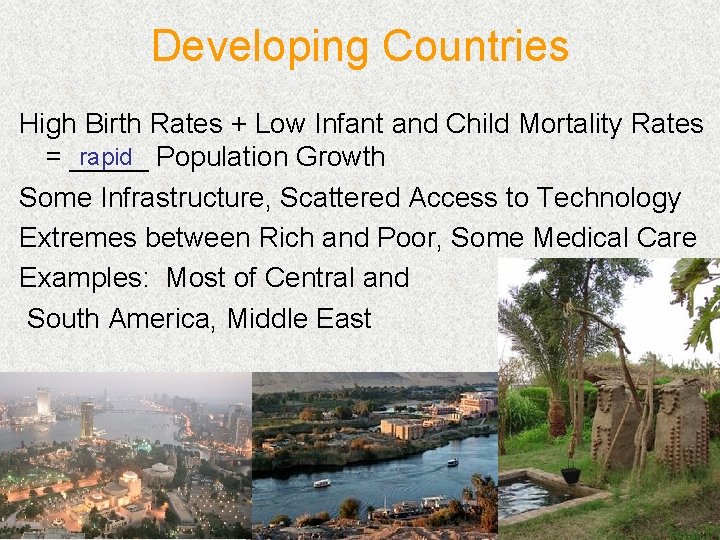
Developing Countries High Birth Rates + Low Infant and Child Mortality Rates rapid Population Growth = _____ Some Infrastructure, Scattered Access to Technology Extremes between Rich and Poor, Some Medical Care Examples: Most of Central and South America, Middle East
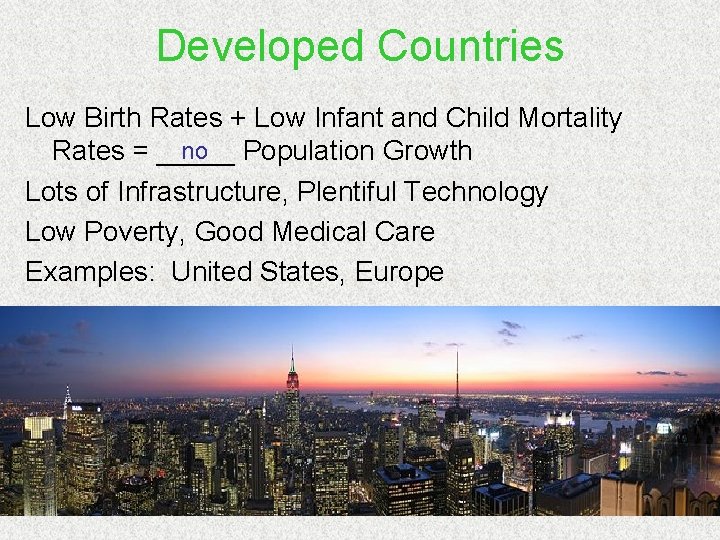
Developed Countries Low Birth Rates + Low Infant and Child Mortality no Population Growth Rates = _____ Lots of Infrastructure, Plentiful Technology Low Poverty, Good Medical Care Examples: United States, Europe