
Economic Terms Questions All Economic Systems Must Answer


- Slides: 20
Economic Terms
Questions All Economic Systems Must Answer: � 1. What to produce? � 2. How to produce? � 3. For whom to produce?
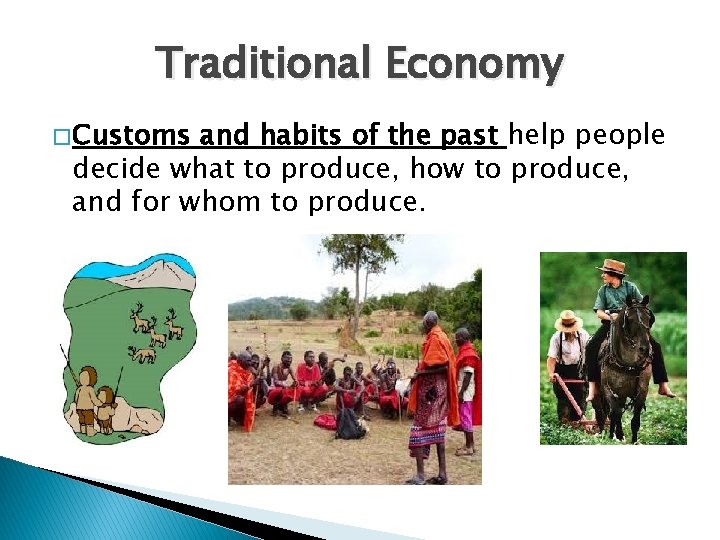
Traditional Economy � Customs and habits of the past help people decide what to produce, how to produce, and for whom to produce.
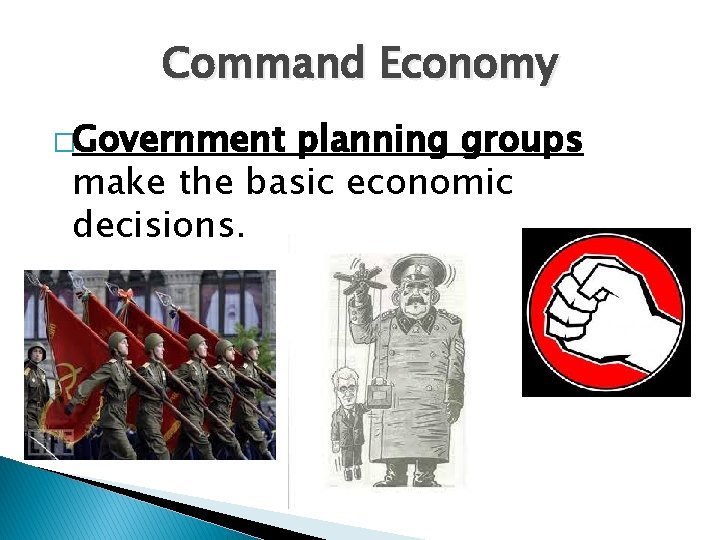
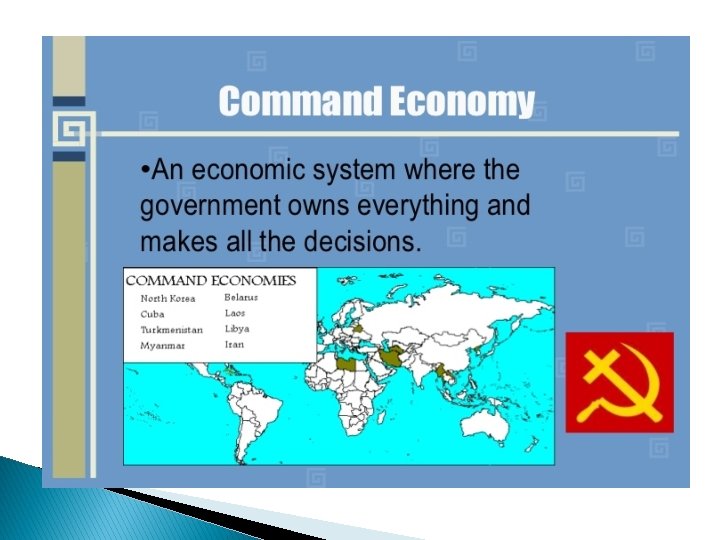
Command Economy �Government planning groups make the basic economic decisions.
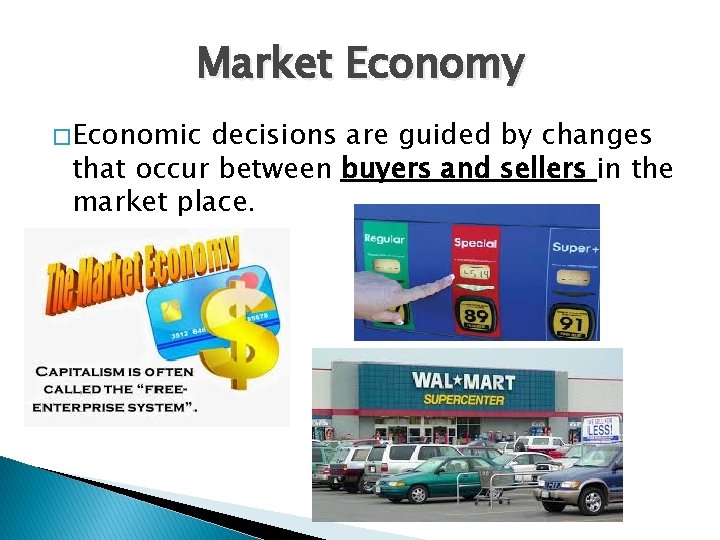
Market Economy � Economic decisions are guided by changes that occur between buyers and sellers in the market place.
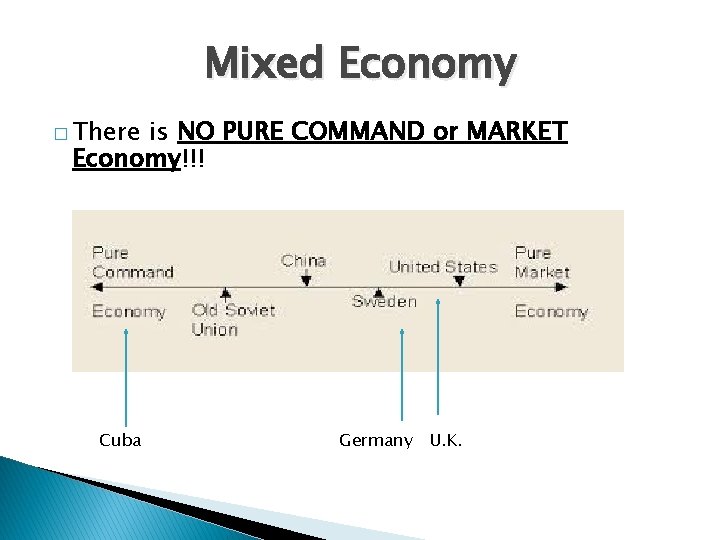
Mixed Economy � There is NO PURE COMMAND or MARKET Economy!!! Cuba Germany U. K.
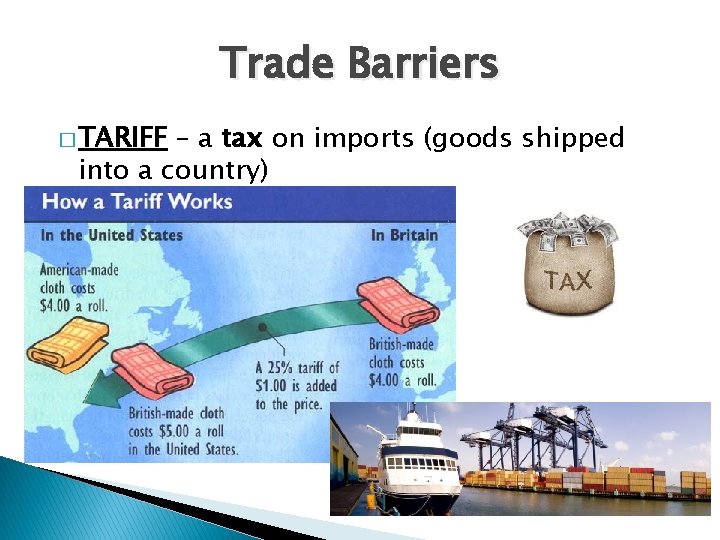
Trade Barriers � TARIFF – a tax on imports (goods shipped into a country)
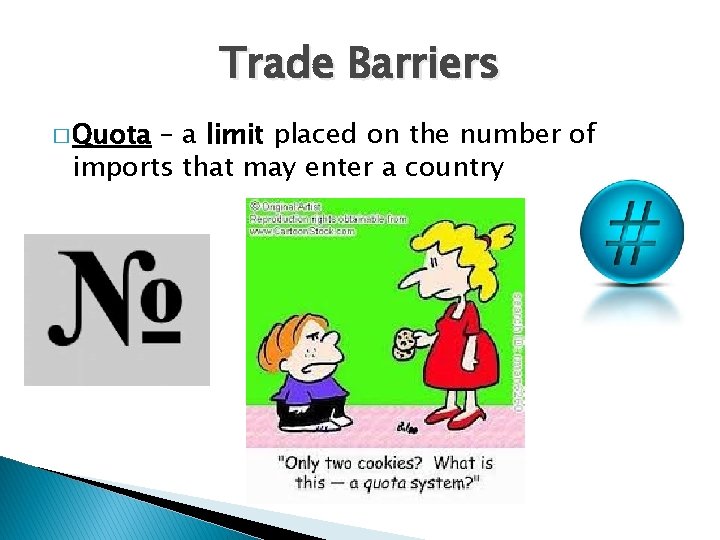
Trade Barriers � Quota – a limit placed on the number of imports that may enter a country
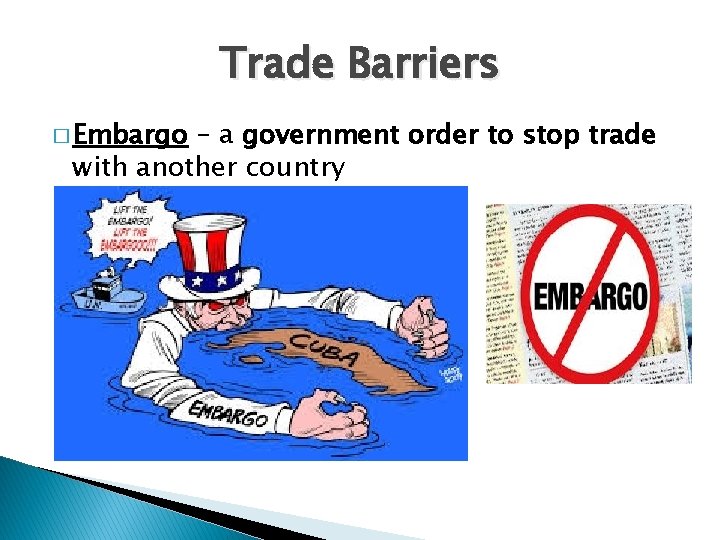
Trade Barriers � Embargo – a government order to stop trade with another country
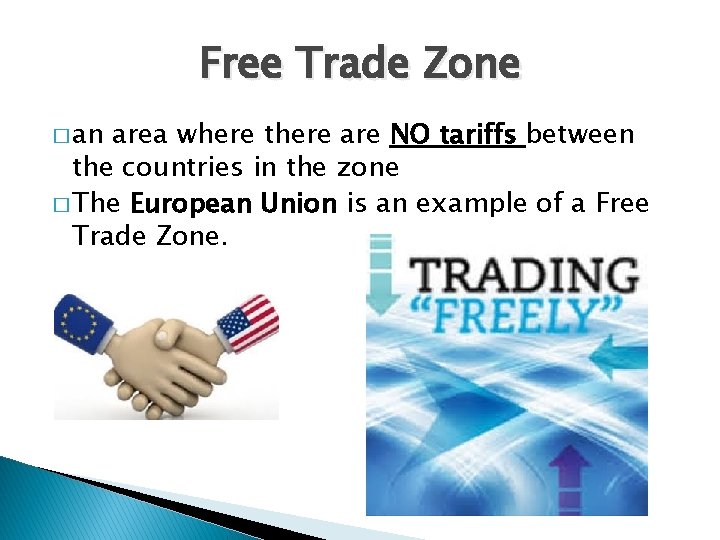
Free Trade Zone � an area where there are NO tariffs between the countries in the zone � The European Union is an example of a Free Trade Zone.
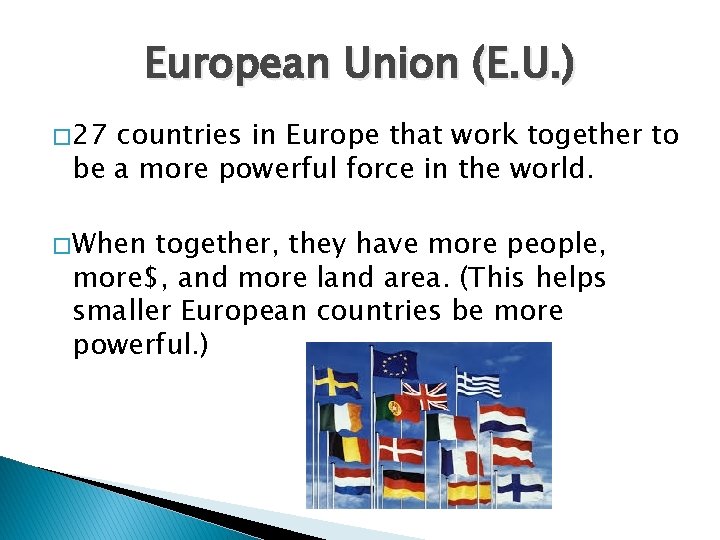
European Union (E. U. ) � 27 countries in Europe that work together to be a more powerful force in the world. � When together, they have more people, more$, and more land area. (This helps smaller European countries be more powerful. )
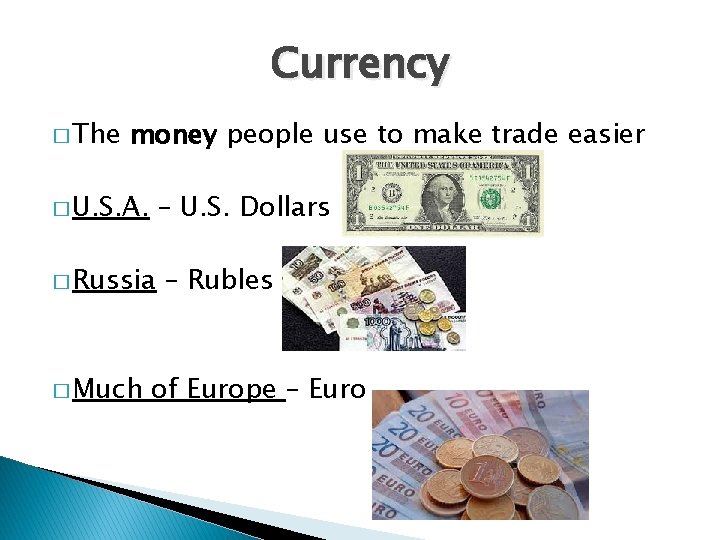
Currency � The money people use to make trade easier � U. S. A. – U. S. Dollars � Russia � Much – Rubles of Europe – Euro
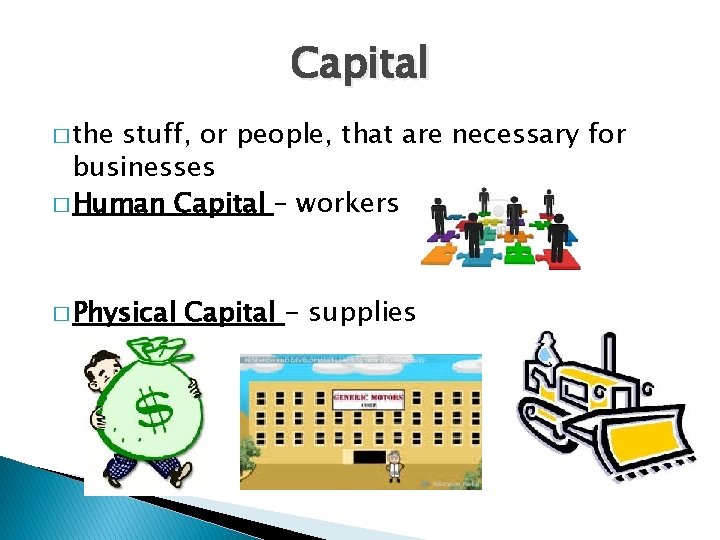
Capital � the stuff, or people, that are necessary for businesses � Human Capital – workers � Physical Capital - supplies
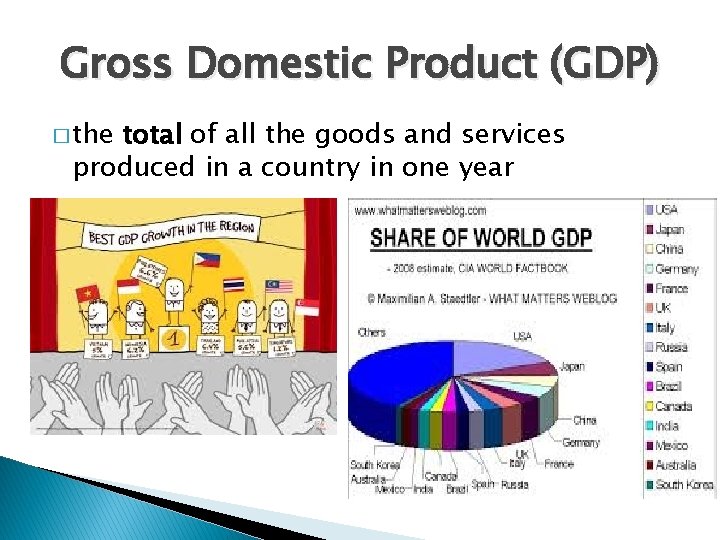
Gross Domestic Product (GDP) � the total of all the goods and services produced in a country in one year
Natural Resources � Without natural resources, countries must import what they need from other countries.
Entrepreneur � someone who risks his/her own money and time to create a business to make a profit
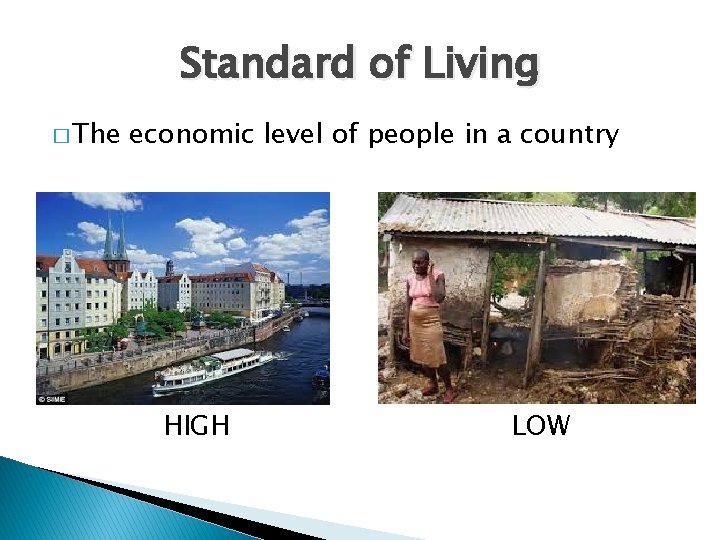
Standard of Living � The economic level of people in a country HIGH LOW
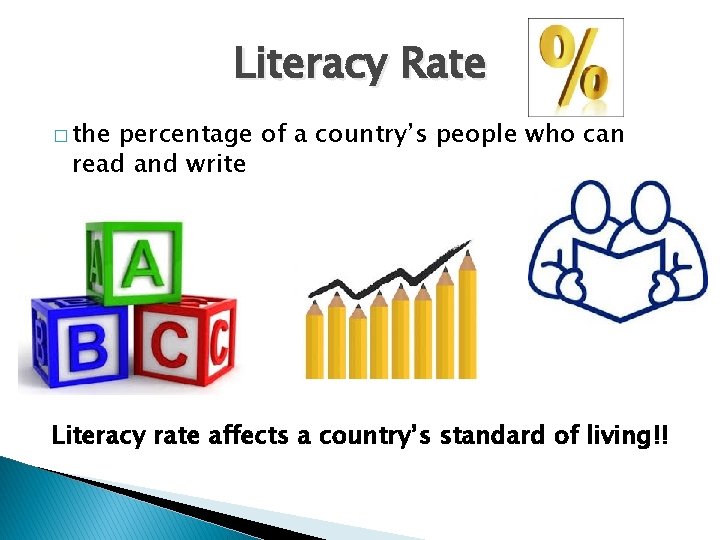
Literacy Rate � the percentage of a country’s people who can read and write Literacy rate affects a country’s standard of living!!