
ECONOMIC SECTORS Primary Secondary Tertiary Quaternary Quinary REMEMBER

ECONOMIC SECTORS Primary, Secondary, Tertiary, Quaternary, Quinary
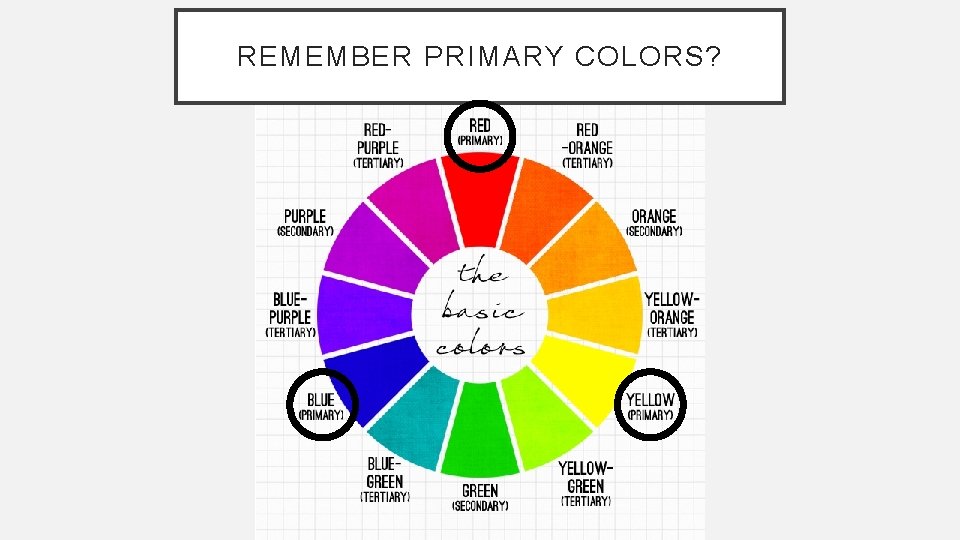
REMEMBER PRIMARY COLORS?
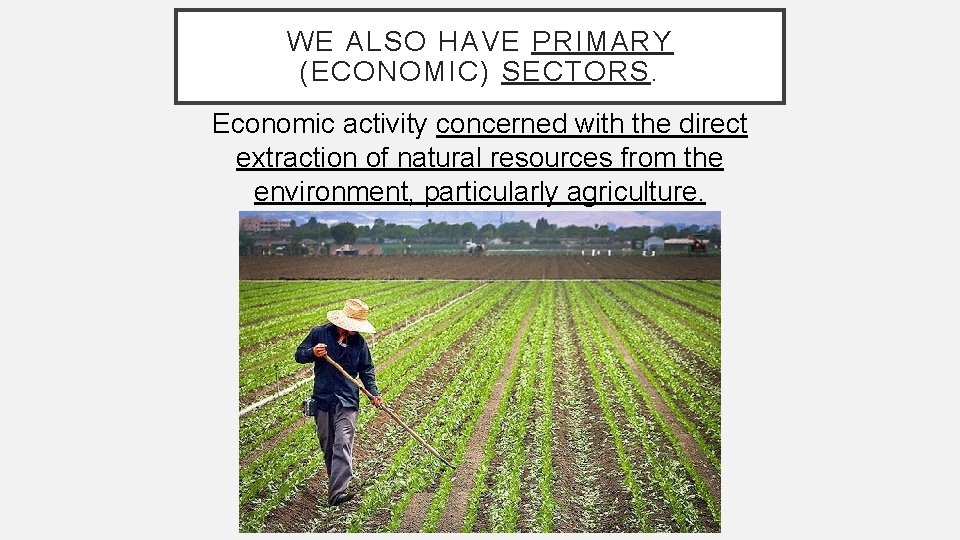
WE ALSO HAVE PRIMARY (ECONOMIC) SECTORS. Economic activity concerned with the direct extraction of natural resources from the environment, particularly agriculture.
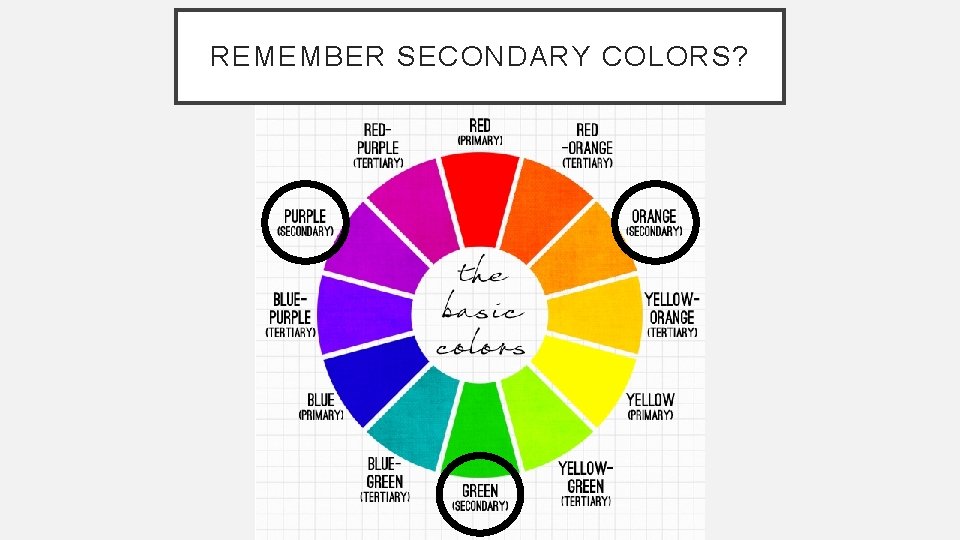
REMEMBER SECONDARY COLORS?

WE ALSO HAVE SECONDARY (ECONOMIC) SECTORS. Economic activity involving the processing of raw materials and their transformation into finished industrial products.
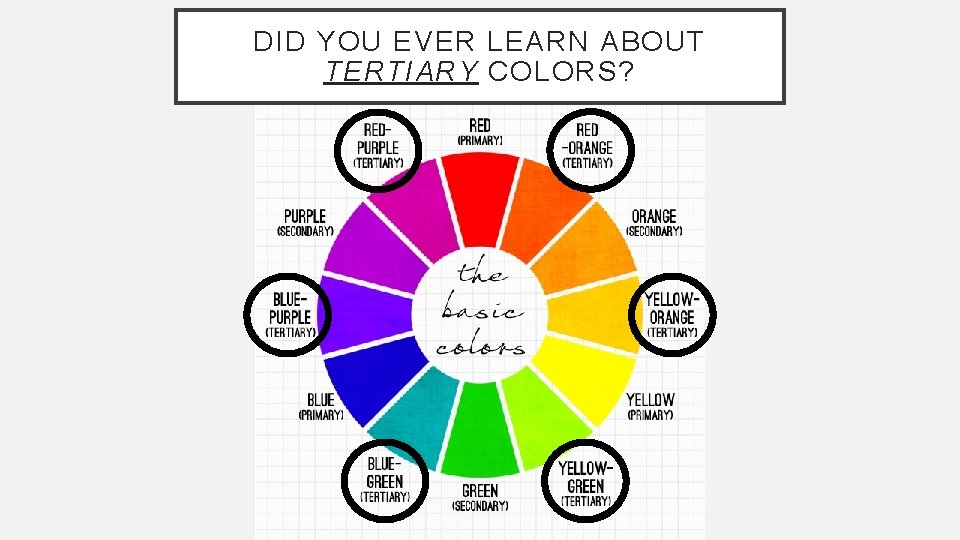
DID YOU EVER LEARN ABOUT TERTIARY COLORS?

WE ALSO HAVE TERTIARY (ECONOMIC) SECTORS. Economic activity associated with the provision of services.
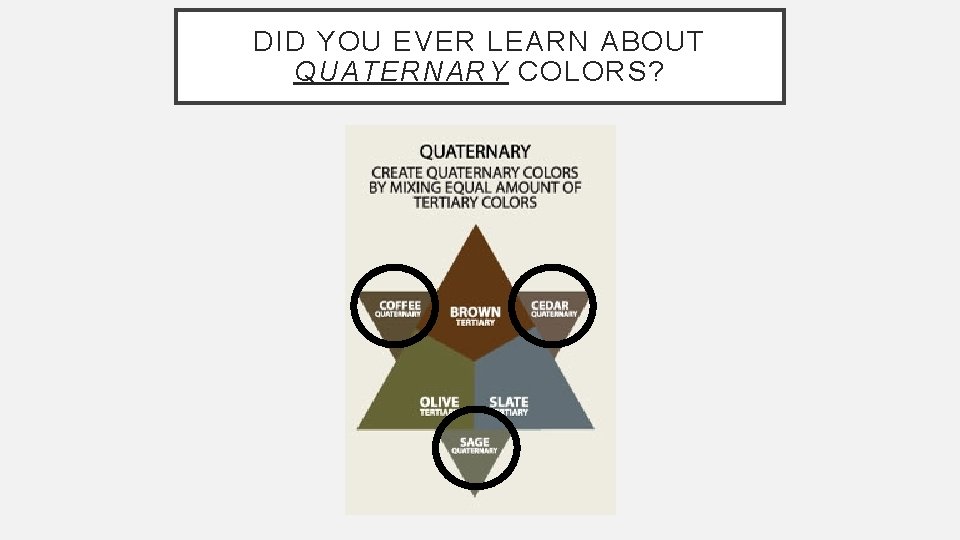
DID YOU EVER LEARN ABOUT QUATERNARY COLORS?

WE ALSO HAVE QUATERNARY (ECONOMIC) SECTORS. Service sector industries concerned with the collection, processing, and manipulation of information and capital.

DID YOU EVER LEARN ABOUT QUINARY COLORS?
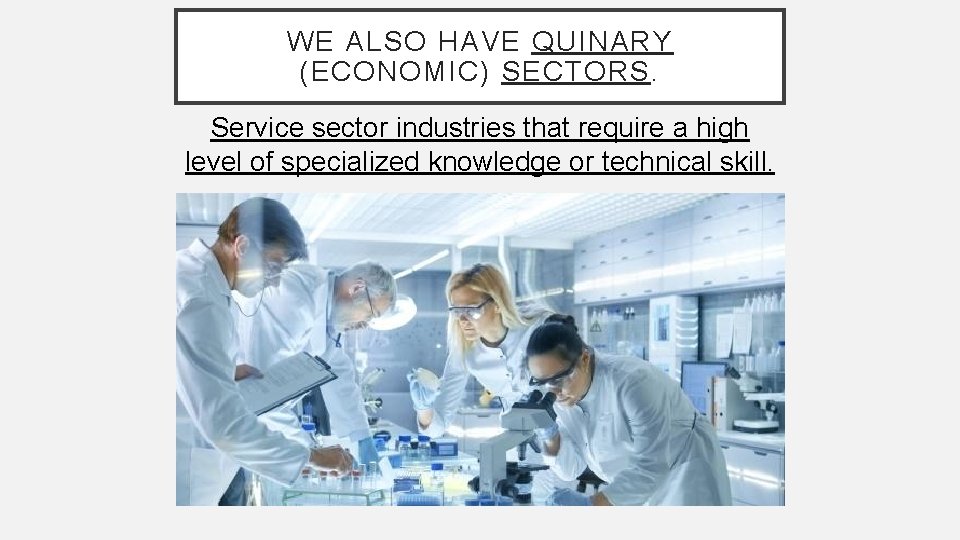
WE ALSO HAVE QUINARY (ECONOMIC) SECTORS. Service sector industries that require a high level of specialized knowledge or technical skill.
SO LET’S PRACTICE, USING THE PRODUCT OF ICE CREAM.
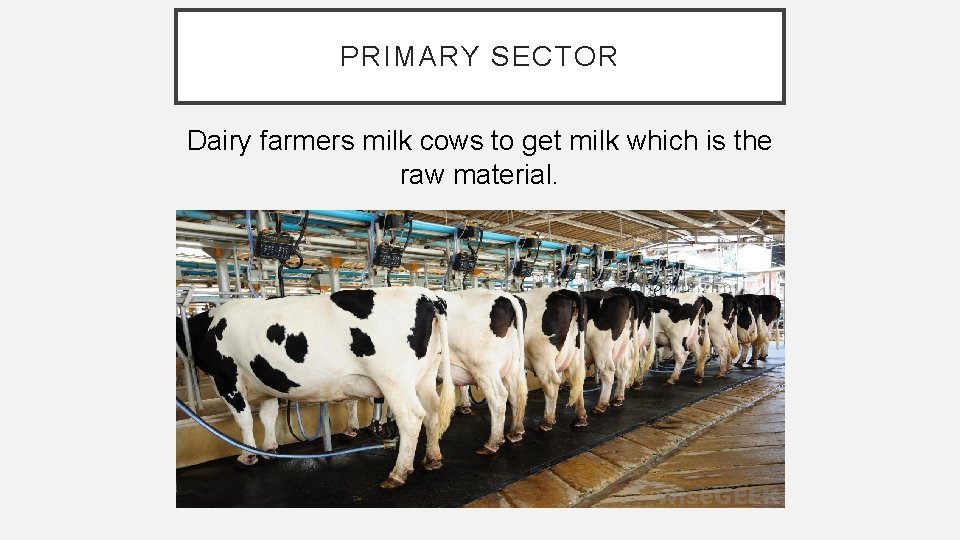
PRIMARY SECTOR Dairy farmers milk cows to get milk which is the raw material.
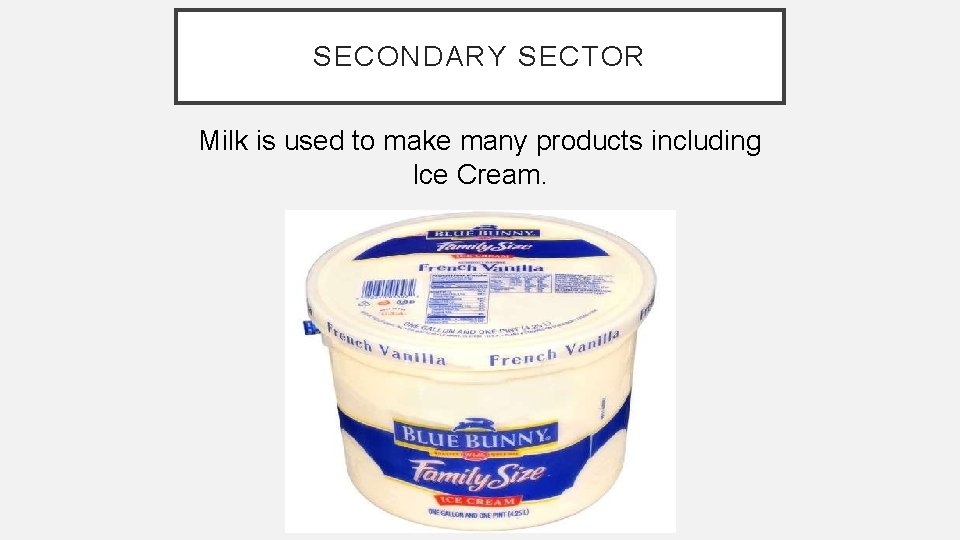
SECONDARY SECTOR Milk is used to make many products including Ice Cream.
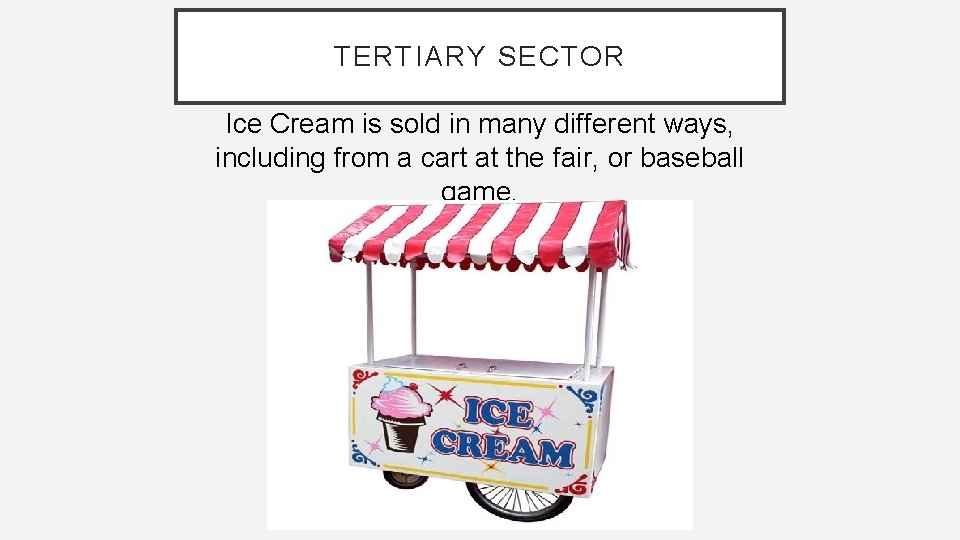
TERTIARY SECTOR Ice Cream is sold in many different ways, including from a cart at the fair, or baseball game.
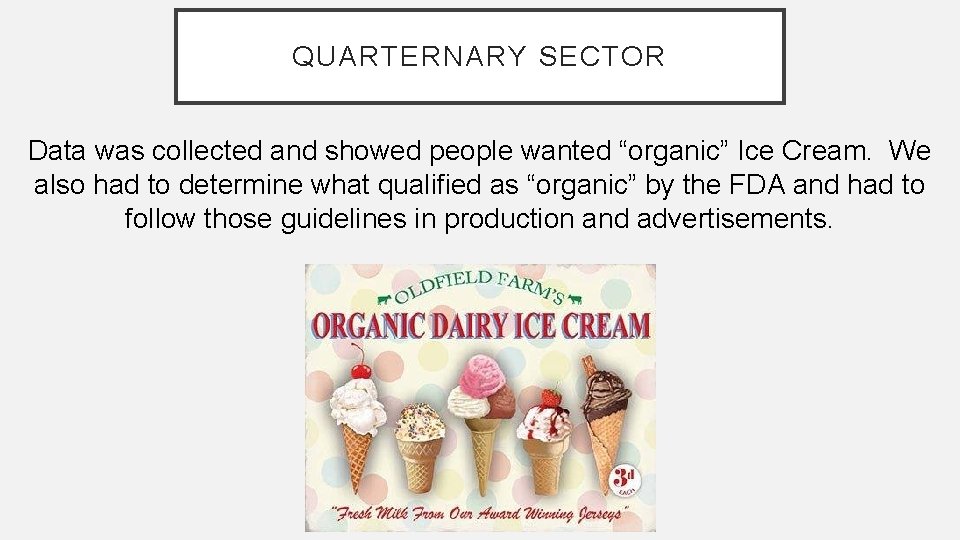
QUARTERNARY SECTOR Data was collected and showed people wanted “organic” Ice Cream. We also had to determine what qualified as “organic” by the FDA and had to follow those guidelines in production and advertisements.
QUINARY SECTOR This product is high in fat and sugar. Ice Cream companies hire scientists and nutritionists to make the product less fattening, or sugar free.
- Slides: 17