
Ecology Unit Ecology Ecology is the study of
- Slides: 54
Ecology Unit
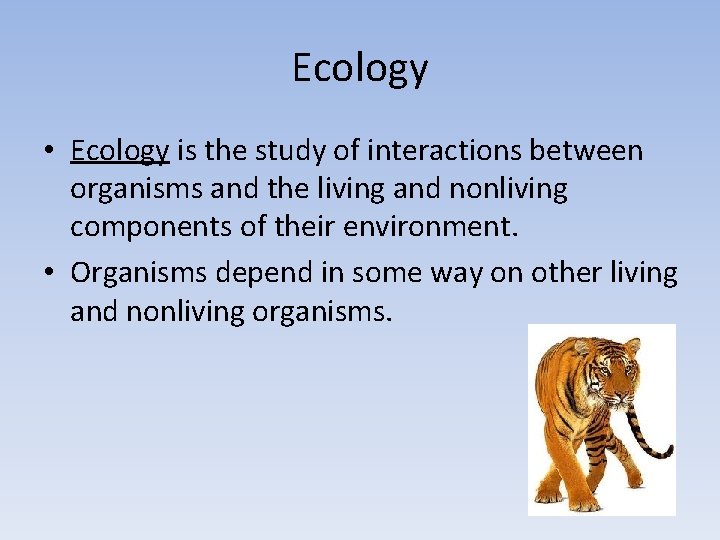
Ecology • Ecology is the study of interactions between organisms and the living and nonliving components of their environment. • Organisms depend in some way on other living and nonliving organisms.
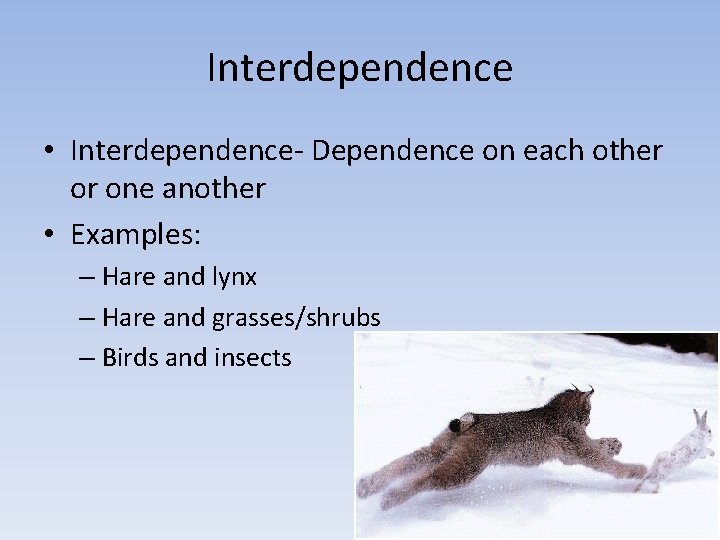
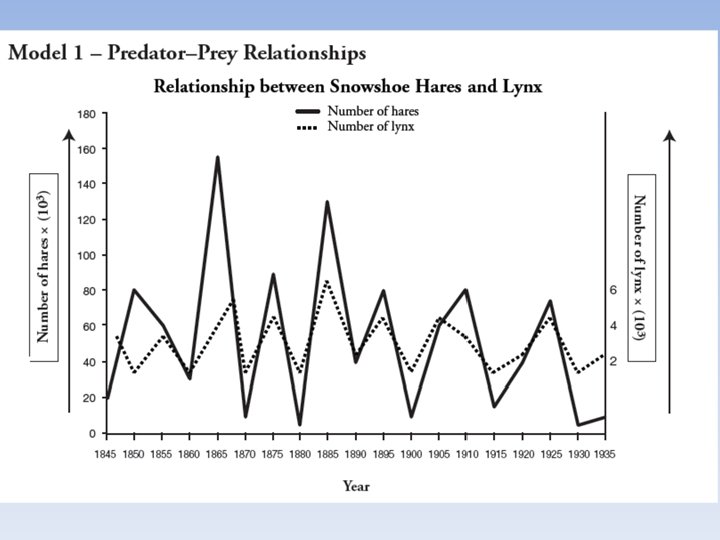
Interdependence • Interdependence- Dependence on each other or one another • Examples: – Hare and lynx – Hare and grasses/shrubs – Birds and insects
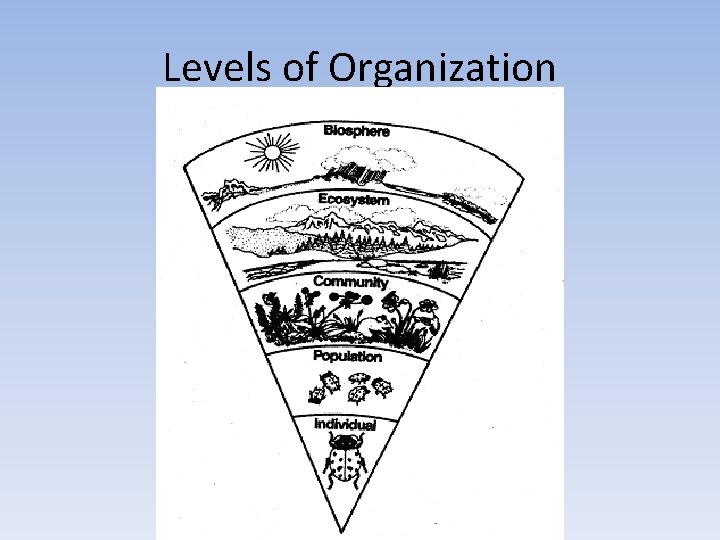
Levels of Organization
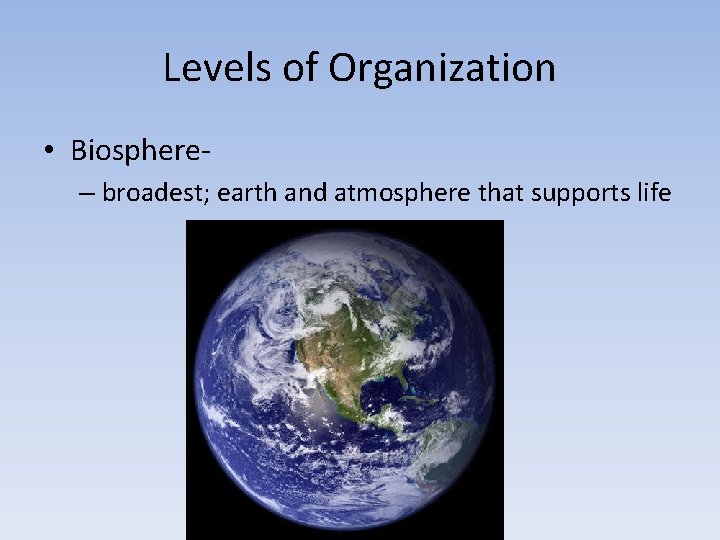
Levels of Organization • Biosphere– broadest; earth and atmosphere that supports life
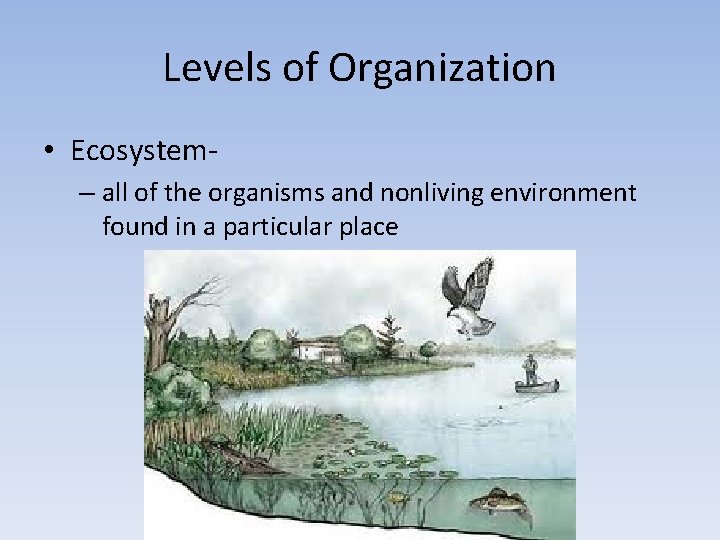
Levels of Organization • Ecosystem– all of the organisms and nonliving environment found in a particular place
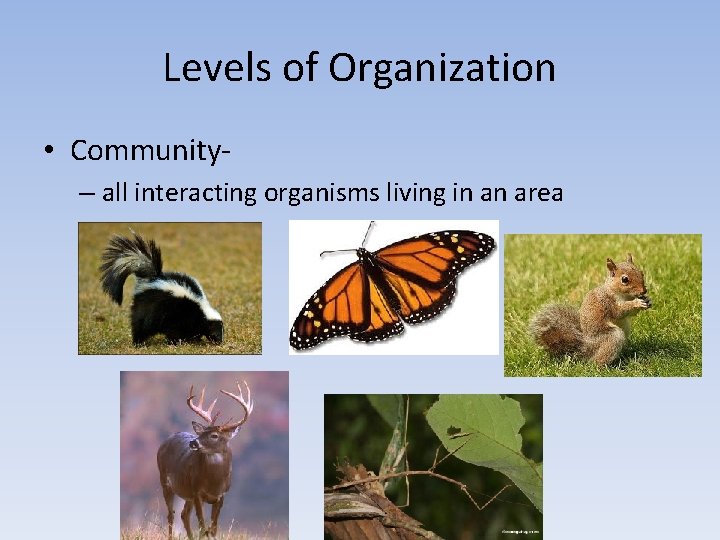
Levels of Organization • Community– all interacting organisms living in an area
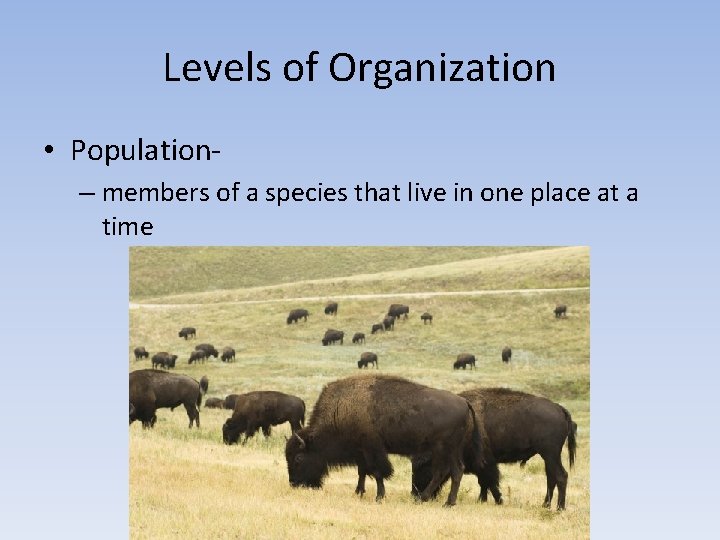
Levels of Organization • Population– members of a species that live in one place at a time
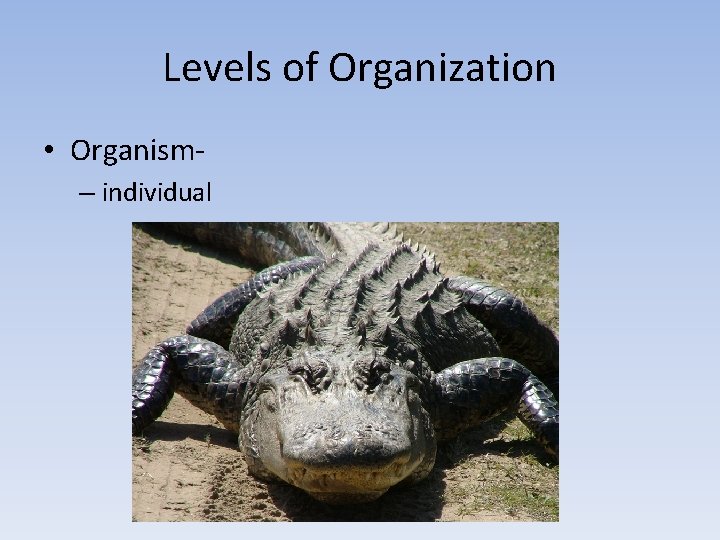
Levels of Organization • Organism– individual
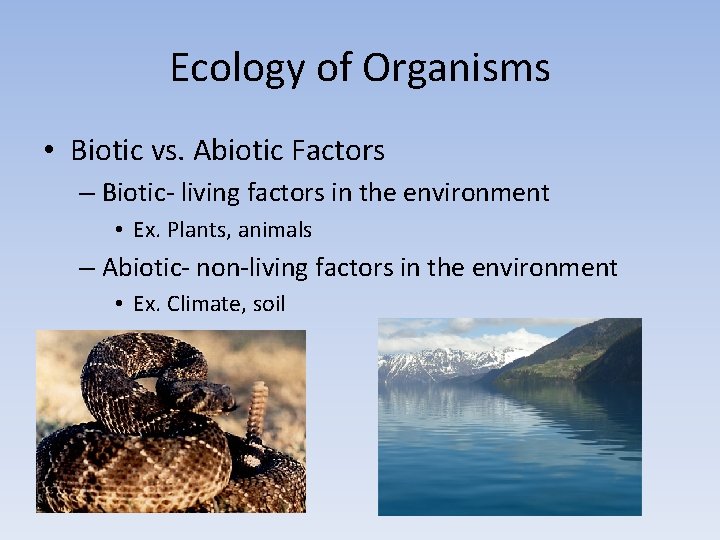
Ecology of Organisms • Biotic vs. Abiotic Factors – Biotic- living factors in the environment • Ex. Plants, animals – Abiotic- non-living factors in the environment • Ex. Climate, soil
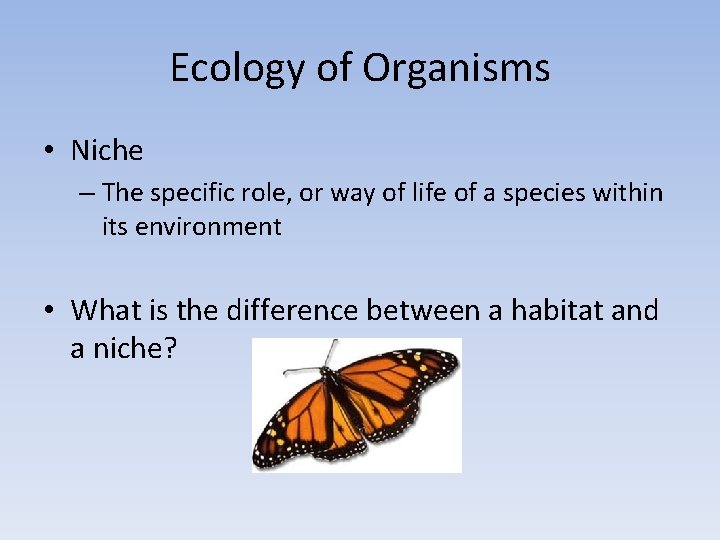
Ecology of Organisms • Niche – The specific role, or way of life of a species within its environment • What is the difference between a habitat and a niche?
Exit Slip 1. An ecosystem contains? 2. Hunting season on deer increases the amount of grass/shrubs is an example of? (word for things depending on one another) 3. A biotic factor in a pond is? Abiotic factor?
Ecology of Organisms • Conformers- do not regulate their internal conditions • Regulators- use energy to control some of their internal conditions
Ecology of Organisms • Two ways species can escape unfavorable conditions: – 1. Dormancy- state of reduced activity – http: //www. youtube. com/watch? v=dzz 9 LZ 554 NM – 2. Migration- Move to a more favorable habitat
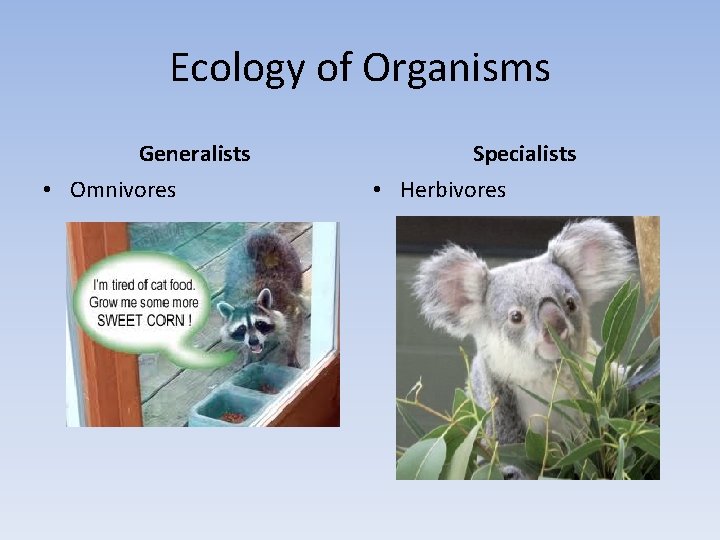
Ecology of Organisms • Generalists – Organisms forage on a variety of food; feed on what is available • Specialists – Focus on a specific food source
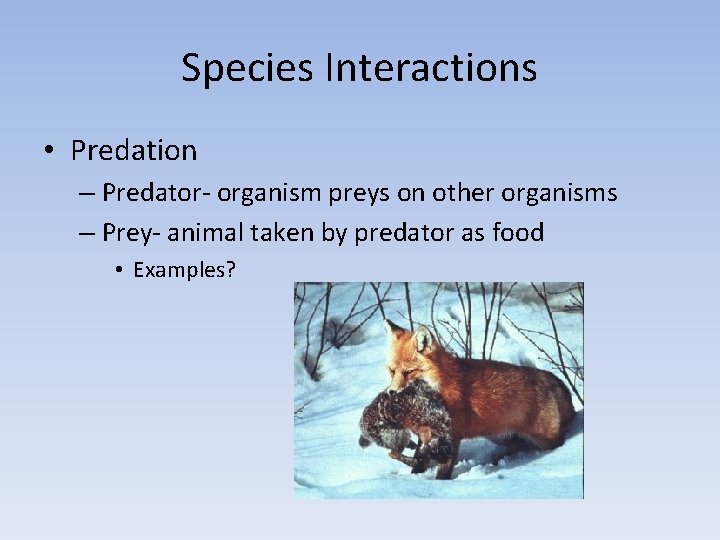
Species Interactions • Predation – Predator- organism preys on other organisms – Prey- animal taken by predator as food • Examples?
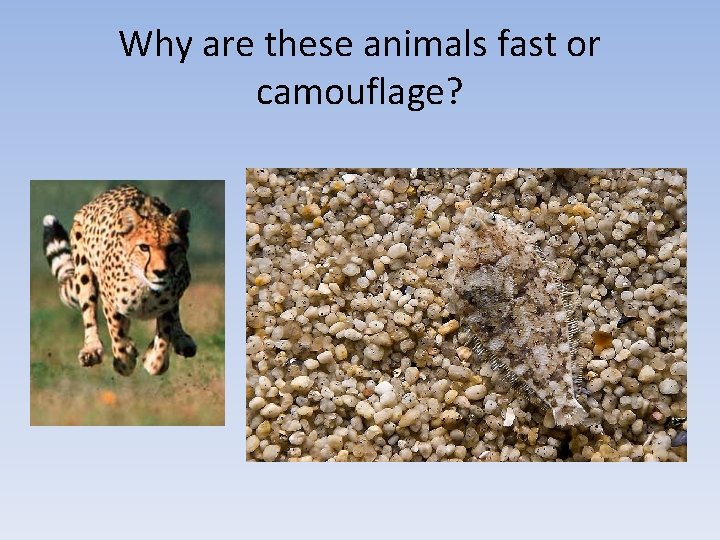
Why are these animals fast or camouflage?
Adaptations • Predator Adaptations – Adaptations that help predators acquire food • Chemical – Rattlesnack vs. Rat • Camouflage – Chameleon • Speed – Cheetah
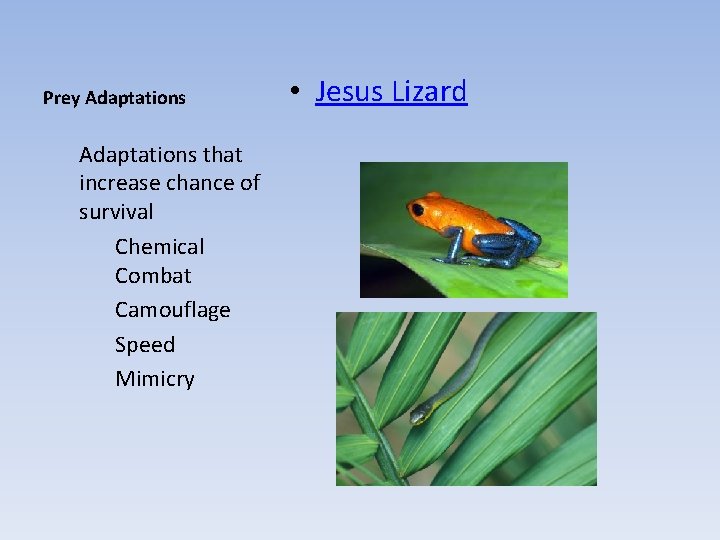
Prey Adaptations that increase chance of survival Chemical Combat Camouflage Speed Mimicry • Jesus Lizard
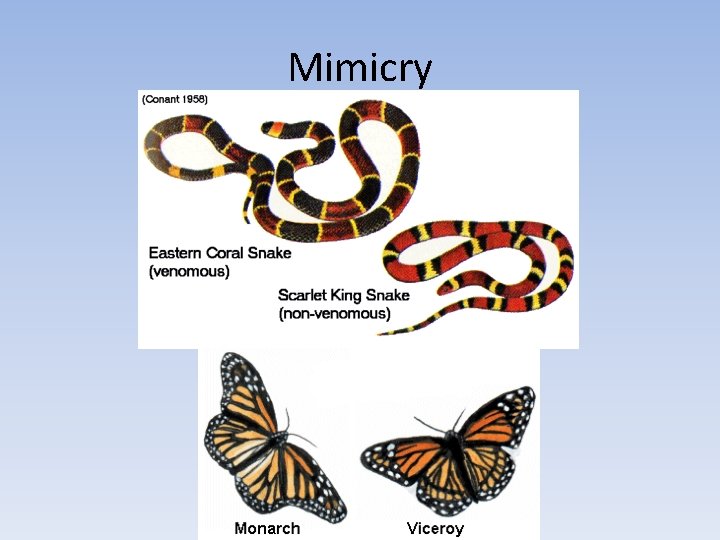
Mimicry
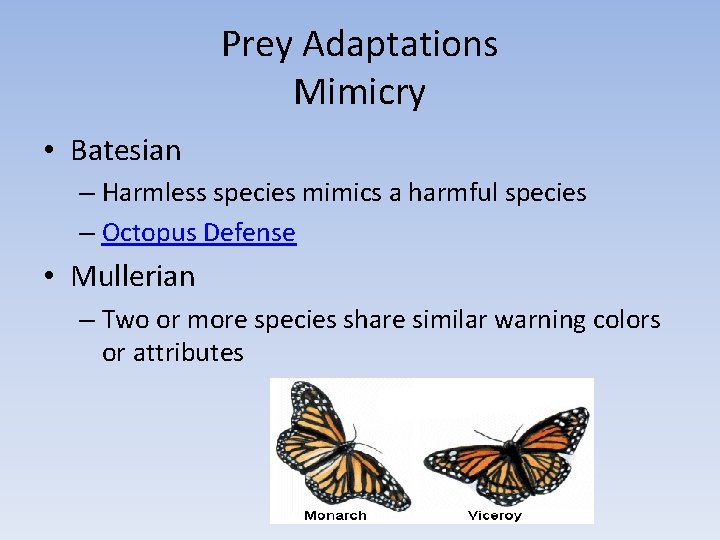
Prey Adaptations Mimicry • Batesian – Harmless species mimics a harmful species – Octopus Defense • Mullerian – Two or more species share similar warning colors or attributes
Exit Slip 1) What are two ways carbon enters the atmosphere? 2) How is carbon removed from the atmosphere? 3) Give one example of a predator adaptation and one prey adaptation. 4) What is the difference in Mullerian and Batesian Mimicry?
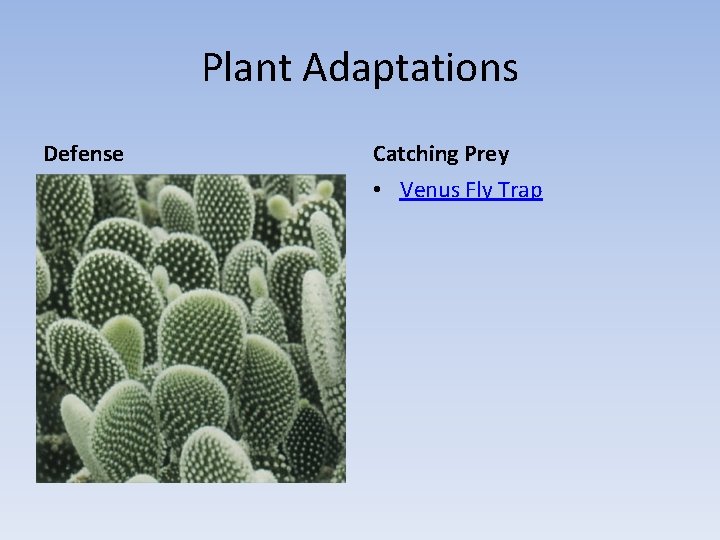
Plant Adaptations Defense Catching Prey • Venus Fly Trap
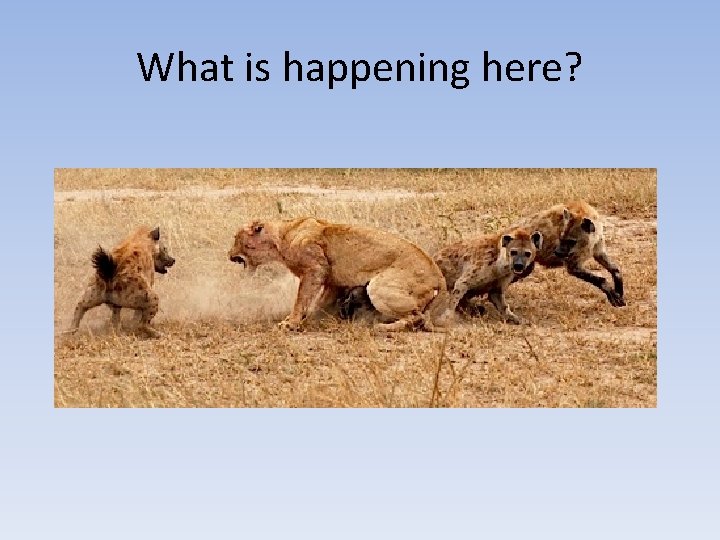
What is happening here?
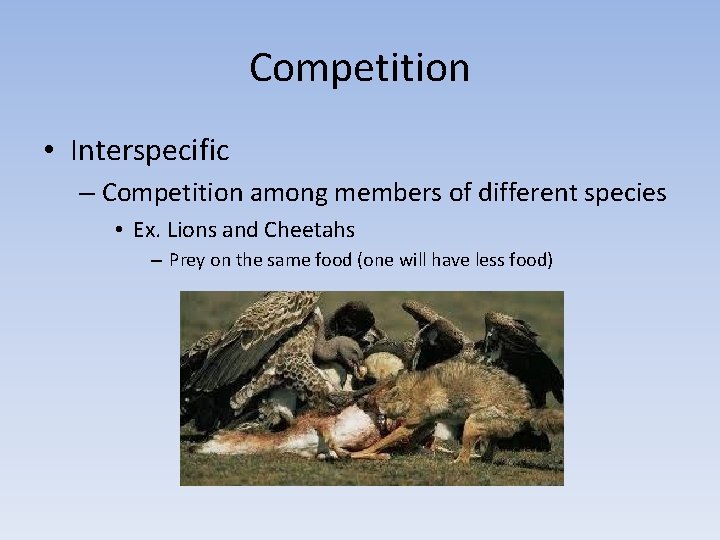
Competition • Interspecific – Competition among members of different species • Ex. Lions and Cheetahs – Prey on the same food (one will have less food)
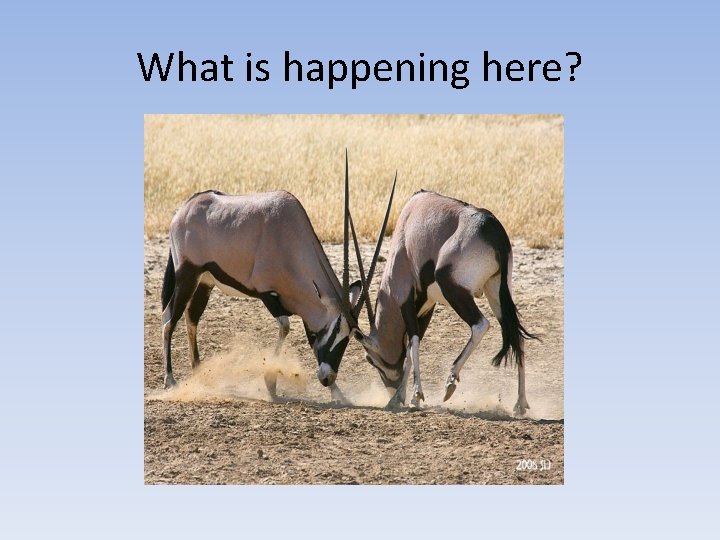
What is happening here?
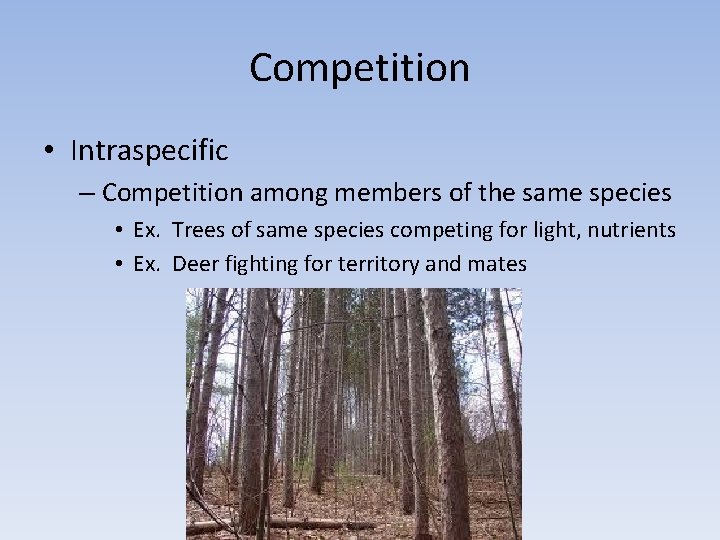
Competition • Intraspecific – Competition among members of the same species • Ex. Trees of same species competing for light, nutrients • Ex. Deer fighting for territory and mates
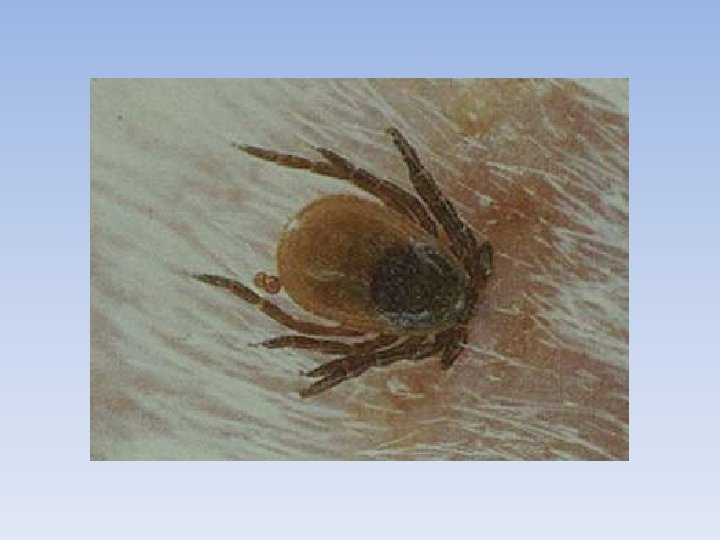
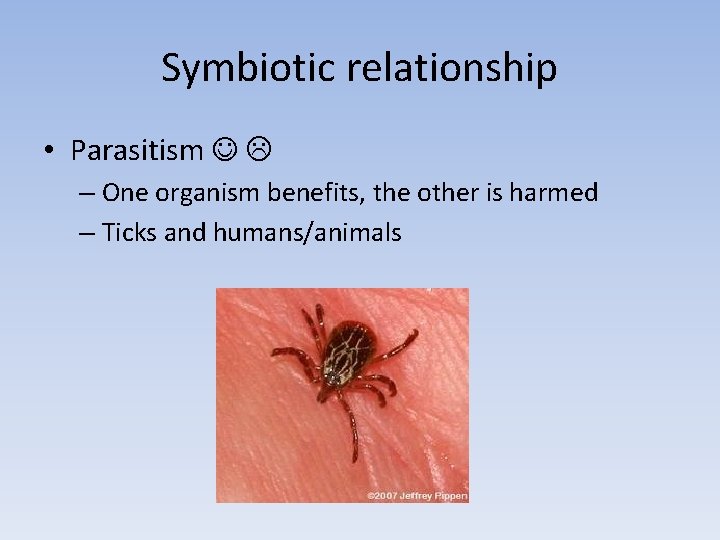
Symbiotic relationship • Parasitism – One organism benefits, the other is harmed – Ticks and humans/animals
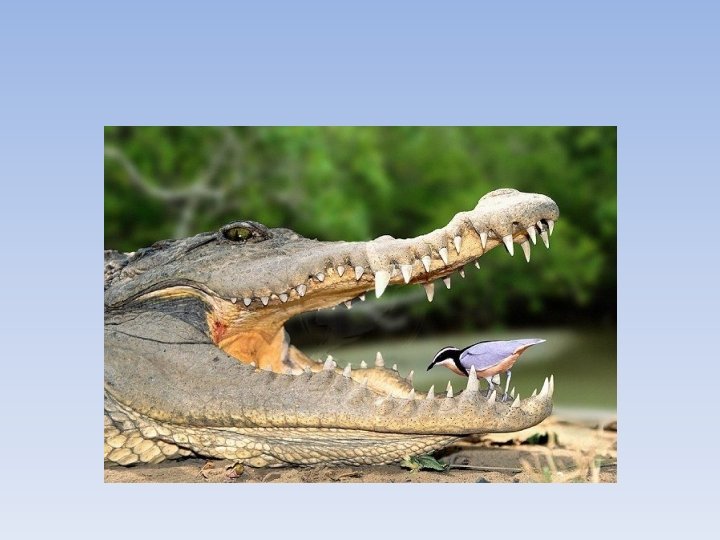
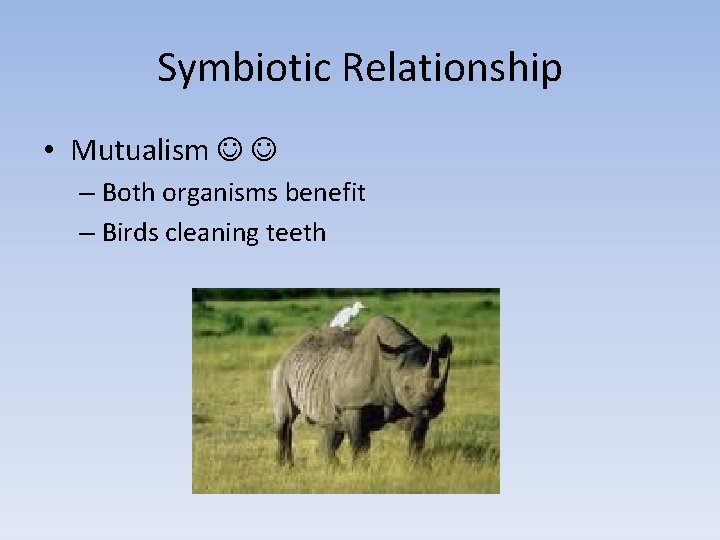
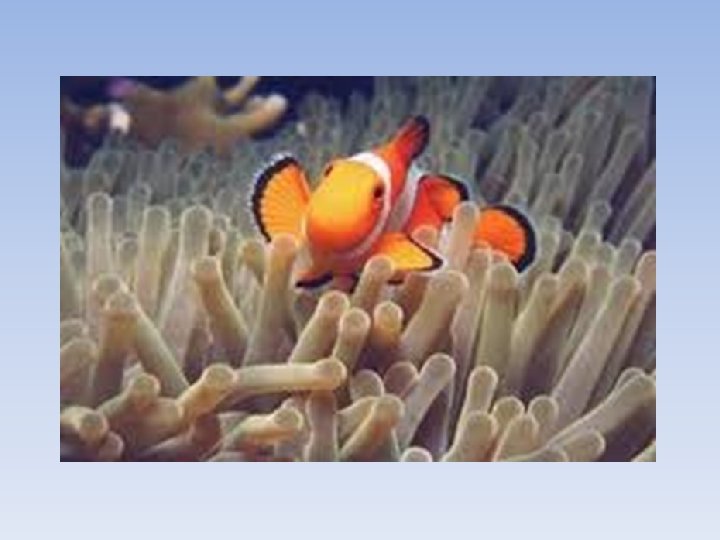
Symbiotic Relationship • Mutualism – Both organisms benefit – Birds cleaning teeth
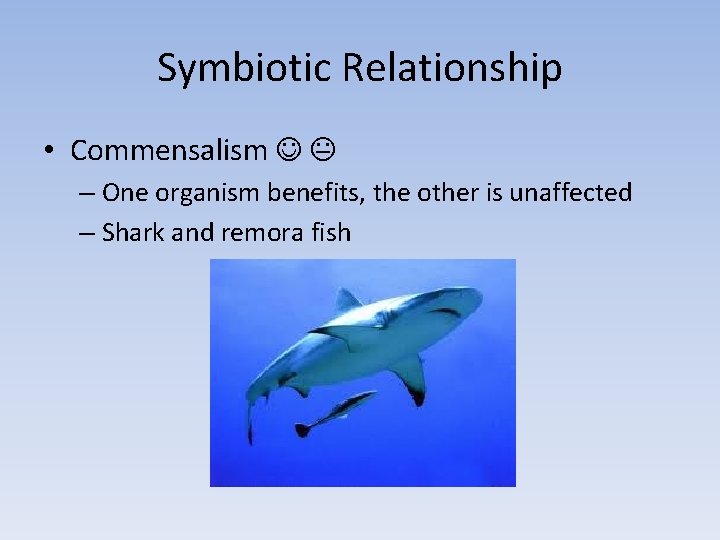
Symbiotic Relationship • Commensalism – One organism benefits, the other is unaffected – Shark and remora fish
Review 1. Example of a biotic and abiotic factor on a farm. 2. What is the niche of a turkey? 3. What is interdependence?
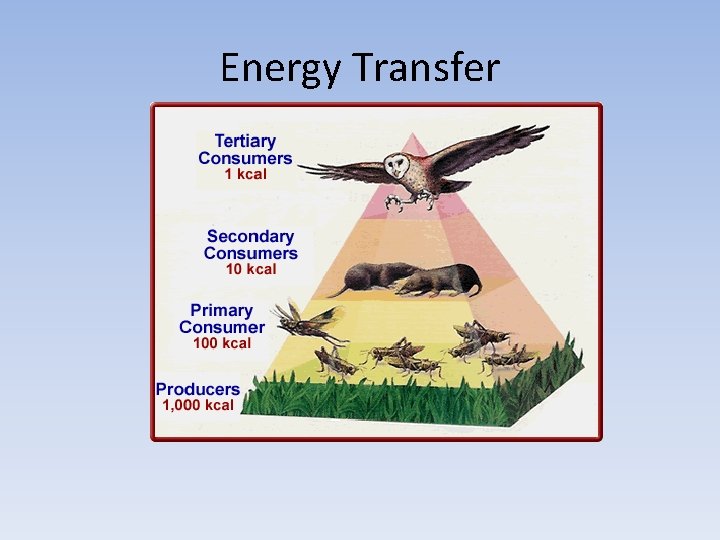
Energy Transfer • Producers – Autotrophs- manufacture food for themselves • Ex. Plants, Bacteria • Consumers – Heterotrophs- get energy by feeding on other organisms
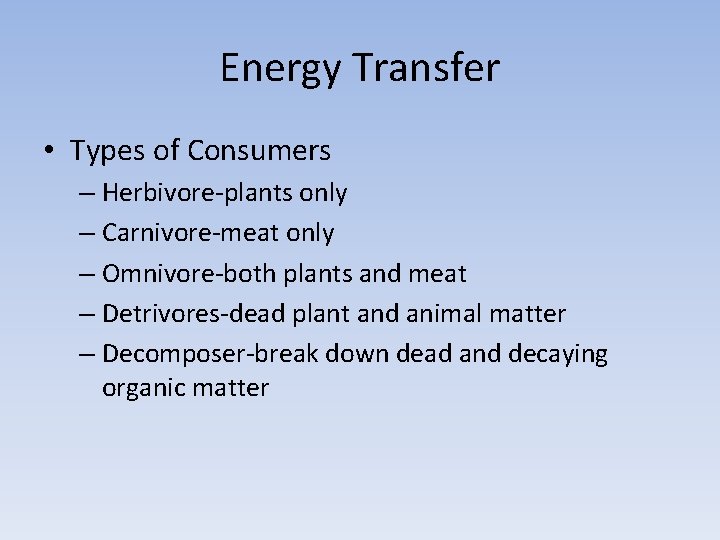
Energy Transfer • Types of Consumers – Herbivore-plants only – Carnivore-meat only – Omnivore-both plants and meat – Detrivores-dead plant and animal matter – Decomposer-break down dead and decaying organic matter
Ecology of Organisms Generalists • Omnivores Specialists • Herbivores
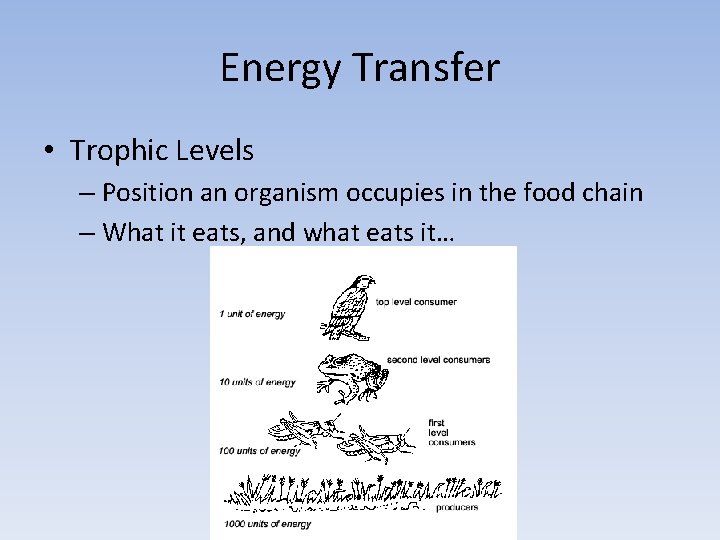
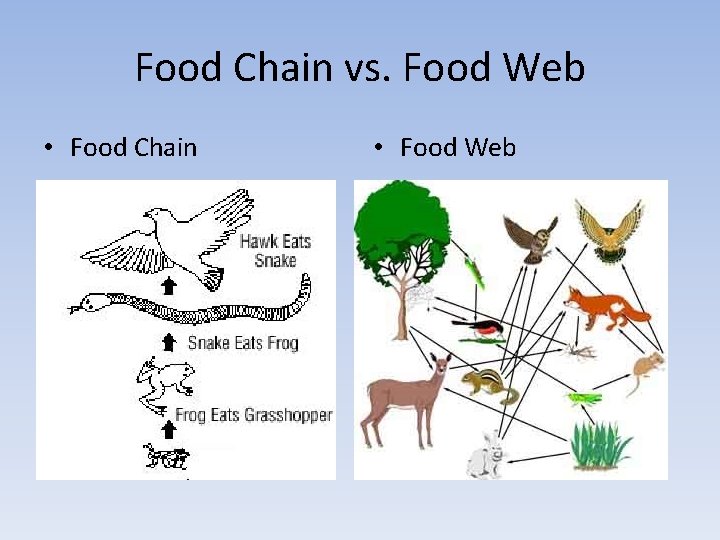
Energy Transfer • Trophic Levels – Position an organism occupies in the food chain – What it eats, and what eats it…
Energy Transfer
Food Chain vs. Food Web • Food Chain • Food Web
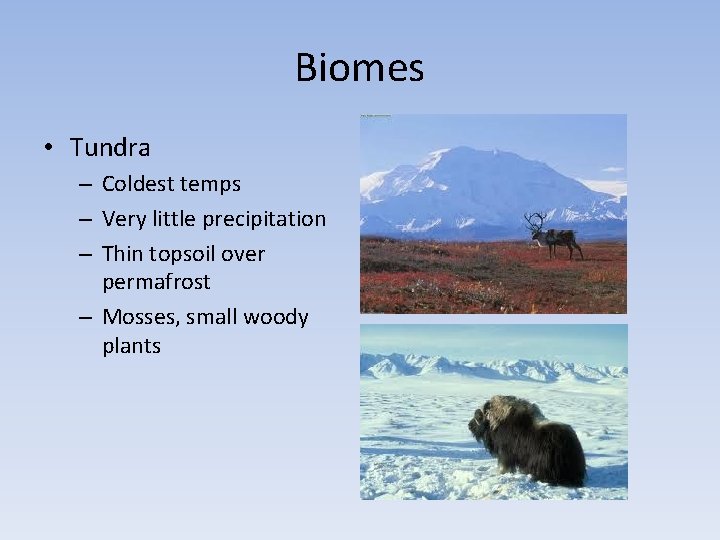
Biomes • Tundra – Coldest temps – Very little precipitation – Thin topsoil over permafrost – Mosses, small woody plants
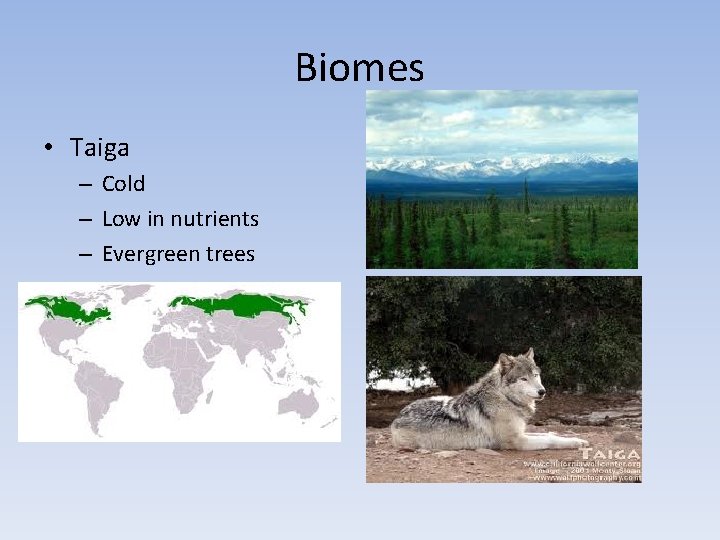
Biomes • Taiga – Cold – Low in nutrients – Evergreen trees
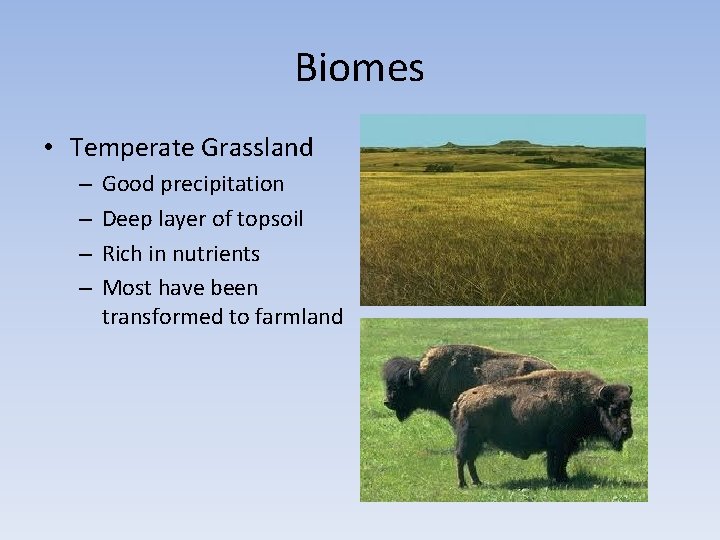
Biomes • Temperate Grassland – – Good precipitation Deep layer of topsoil Rich in nutrients Most have been transformed to farmland
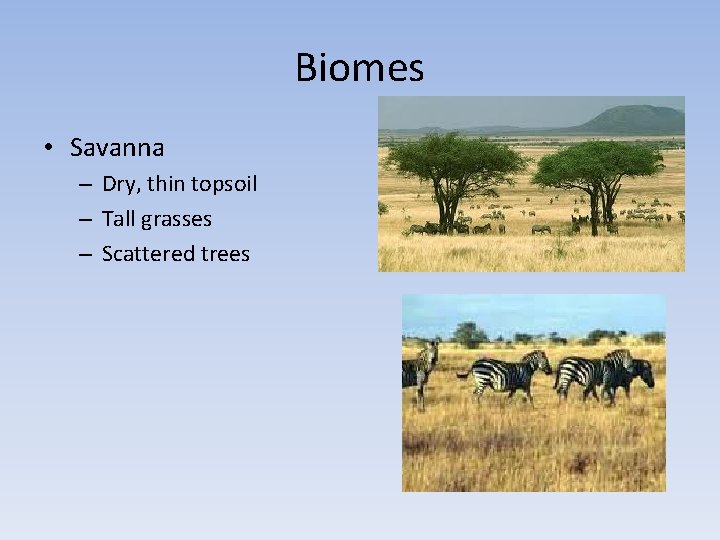
Biomes • Savanna – Dry, thin topsoil – Tall grasses – Scattered trees
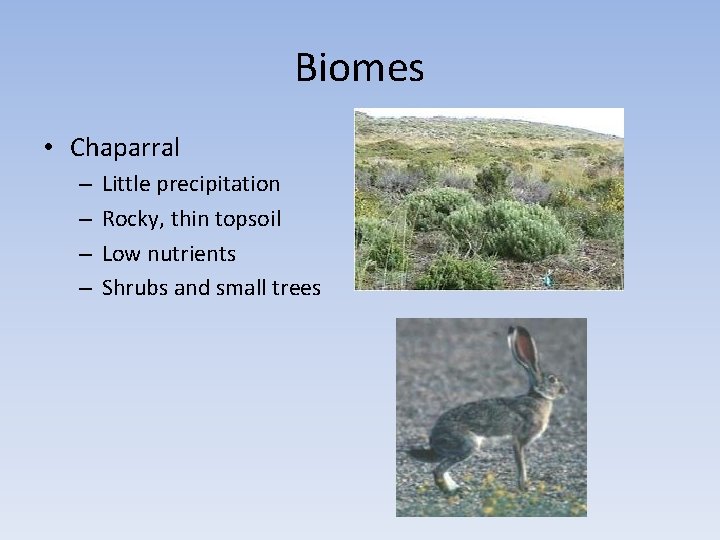
Biomes • Chaparral – – Little precipitation Rocky, thin topsoil Low nutrients Shrubs and small trees
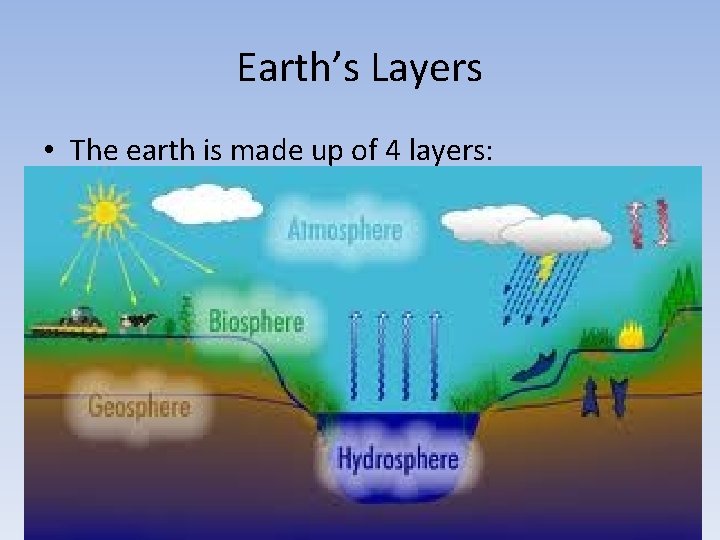
Earth’s Layers • The earth is made up of 4 layers: – Biosphere – Atmosphere – Hydrosphere – Geosphere
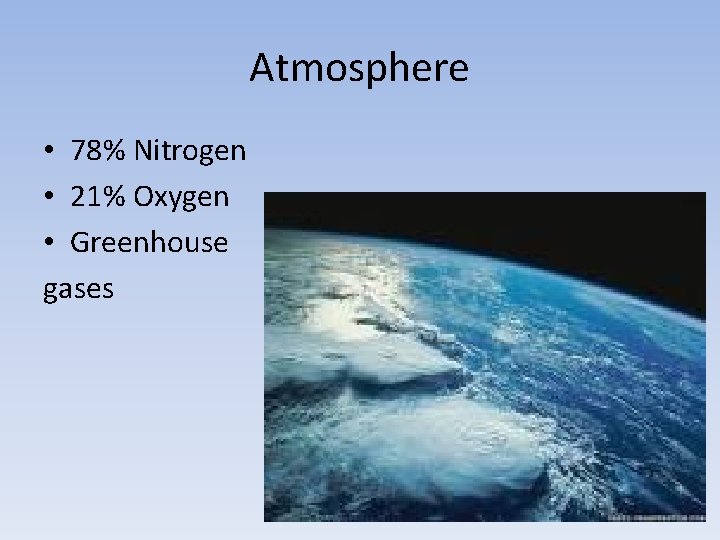
Atmosphere • 78% Nitrogen • 21% Oxygen • Greenhouse gases
Greenhouse Effect • 1) Energy from the sun passes through the atmosphere and heats the earth’s surface • 2) Some of the heat radiates away from earth • 3) Some of the heat radiates into space • 4) Some heat is absorbed by gases and returned to earth
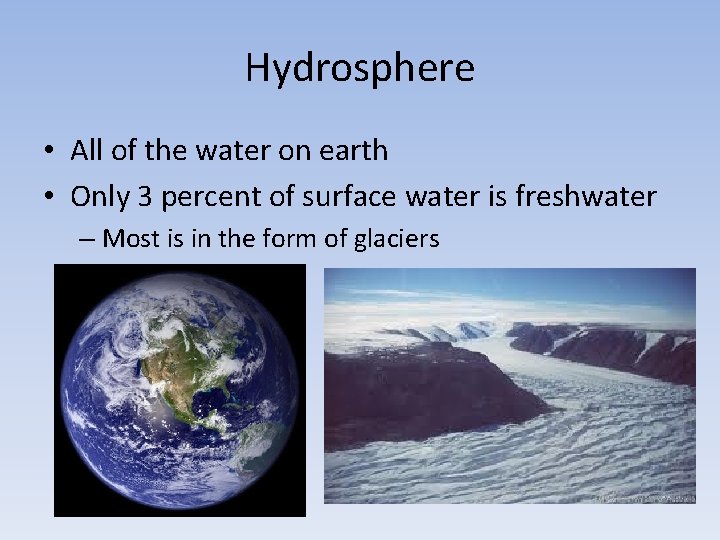
Hydrosphere • All of the water on earth • Only 3 percent of surface water is freshwater – Most is in the form of glaciers
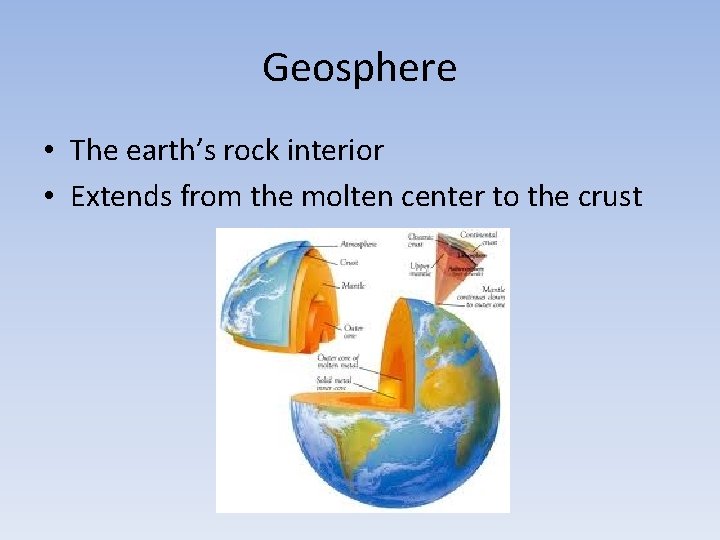
Geosphere • The earth’s rock interior • Extends from the molten center to the crust
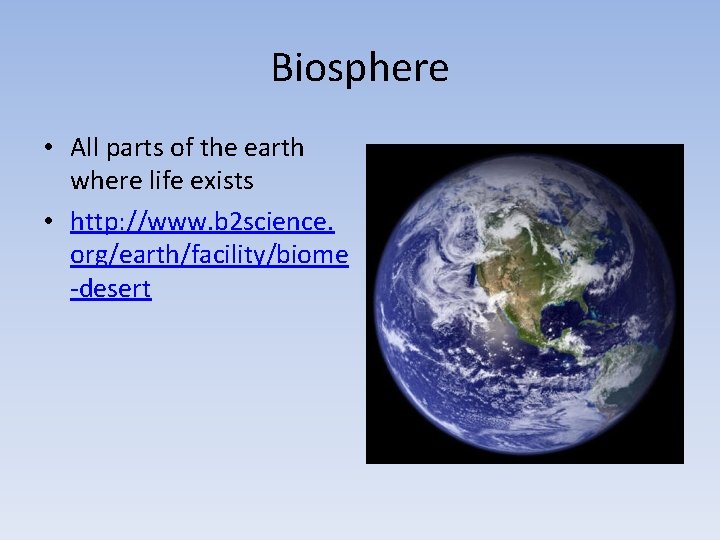
Biosphere • All parts of the earth where life exists • http: //www. b 2 science. org/earth/facility/biome -desert
Sources – http: //www. google. com/imgres? imgurl=http: //carandanglim. wikispaces. com/file/view/the_chase. jpg/118909439/the_chase. jpg&imgrefurl=http: //carandanglim. wikispaces. com/Case%2 B 3%2 B%2526%2 B 5%2 B%2 BRabbit%2 Band%2 BLynx%2 BCausal%2 Band%2 BStock%2 BFlow%2 BDiagrams&usg=__l. Wa. P 5 LVCm. Zl. SRyn. J 7 b 2_z. Bzq. Ac. I=&h=224&w=392&s z=28&hl=en&start=224&zoom=1&tbnid=IFVk. Fw. A 9 v. R 74 YM: &tbnh=108&tbnw=189&prev=/images%3 Fq%3 Dsnowshoe%2 Bhare%2 Band%2 Bl ynx%26 um%3 D 1%26 hl%3 Den%26 sa%3 DX%26 rlz%3 D 1 T 4 ADBF_en. US 296 US 297%26 biw%3 D 1276%26 bih%3 D 571%26 tbs%3 Disch: 10%2 C 5299 &um=1&itbs=1&ei=UNL-TIDMKI 28 s. AO 5 rriw. Cw&biw=1276&bih=571&iact=rc&dur=141&oei=CNL-TP 6 DF 8 Oclgf. Fe. WSCA&esq=13&page=13&ndsp=19&ved=1 t: 429, r: 0, s: 224&tx=126&ty=28 – http: //www. google. com/imgres? imgurl=http: //www. globalchange. umich. edu/globalchange 1/current/labs/Lab 7_Predator. Prey/P red_Prey_files/image 001. jpg&imgrefurl=http: //www. globalchange. umich. edu/globalchange 1/current/labs/Lab 7_Predator. Prey/ Pred_Prey. htm&usg=__Gb. Acht 5 lz 83 pu. SWi 9 HP 9 Gb. CBf. GQ=&h=250&w=333&sz=22&hl=en&start=0&zoom=1&tbnid=t 5 sa. EBYTe 1 b. Bz. M: &tbnh=123&tbnw=174&prev=/images%3 Fq%3 Dpredatorprey%26 um%3 D 1%26 hl%3 Den%26 sa%3 DN%26 rlz%3 D 1 T 4 ADBF_en. US 296 US 297%26 biw%3 D 1259%26 bih%3 D 571%26 tbs%3 Disc h: 1&um=1&itbs=1&iact=hc&vpx=124&vpy=107&dur=843&hovh=194&hovw=259&tx=149&ty=127&ei=1 -7 TIzk. B 8 T 68 Abozd. H 2 Bw&oei=YO 7 -TP 3 h. EIGclge 4 i 4 ms. CA&esq=9&page=1&ndsp=20&ved=1 t: 429, r: 0, s: 0 – http: //www. google. com/imgres? imgurl=http: //img. dailymail. co. uk/i/pix/2007/08_01/rattlesnake. R_468 x 317. jpg&imgrefurl=http : //www. dailymail. co. uk/news/article-474568/Bite-beheaded-rattlesnake-sends-US-manhospital. html&usg=__FEe. RZE 7 Ft. ADZAyrsfcv. SRh. Kxqn 4=&h=317&w=468&sz=52&hl=en&start=37&zoom=1&tbnid=Y 5 u. Rrsk 1 l 8 Stx M: &tbnh=127&tbnw=185&prev=/images%3 Fq%3 Drattlesnake%26 um%3 D 1%26 hl%3 Den%26 rlz%3 D 1 T 4 ADBF_en. US 296 US 297% 26 biw%3 D 1259%26 bih%3 D 571%26 tbs%3 Disch: 10%2 C 885&um=1&itbs=1&ei=Afj. TIOAPYKs 8 Aa 52 s 31 Dg&iact=hc&vpx=143&vpy=148&dur=438&hovh=159&hovw=234&tx=162&ty=66&oei=d. Pf. TOKHDo. P 6 lwedp. JCTCA&esq=29&page=3&ndsp=19&ved=1 t: 429, r: 0, s: 37&biw=1259&bih=571
Sources – http: //www. google. com/imgres? imgurl=http: //3. bp. blogspot. com/_t. R 7 H 3 y 4 Ouq. Q/TE 4 tyij 0 k. VI/AAAABBs/QFwky. Fs. JPK 4/s 1600/Coral_snake_mimics. gif &imgrefurl=http: //falkenblogspot. com/2010/07/batesian-mimicry-explanationof. html&usg=__f 3 e. PFQBw. Uiib. Ng. K 6 j. Wj 3 w. Gzzkq. U=&h=400&w=682&sz=74&hl=en&start=0&zoom=1&tbnid=Ro 8 s. RWM 51 BTc 5 M: &tbnh=108&tbnw=184&pre v=/images%3 Fq%3 Dbatesian%2 Bmimicry%26 um%3 D 1%26 hl%3 Den%26 rlz%3 D 1 T 4 ADBF_en. US 296 US 297%26 biw%3 D 1259%26 bih%3 D 571%26 tbs%3 Disch: 10 %2 C 38&um=1&itbs=1&iact=hc&vpx=679&vpy=217&dur=2312&hovh=172&hovw=293&tx=166&ty=110&ei=r. Jj_TOX 5 I 4 n 2 sw. PK 57 Wr. Dw&oei=r. Jj_TOX 5 I 4 n 2 sw PK 57 Wr. Dw&esq=1&page=1&ndsp=21&ved=1 t: 429, r: 11, s: 0&biw=1259&bih=571 – – http: //www. google. com/imgres? imgurl=http: //adrianwinter. co. uk/logbooks/303%2520 Logbook/images/00 licry. gif&imgrefurl=http: //adrianwinter. co. uk/log books/303%2520 Logbook/pages/skeuomorphism. htm&usg=__ino. XMUN 62 N 0 ywp 8 m 6 VBg. GVA 2 G 8 U=&h=195&w=347&sz=34&hl=en&start=116&zoom=1&t bnid=nr. Fl. RP 8 bd. JVxe. M: &tbnh=96&tbnw=170&prev=/images%3 Fq%3 Dmullerian%2 Bmimicry%26 um%3 D 1%26 hl%3 Den%26 rlz%3 D 1 T 4 ADBF_en. US 296 US 297% 26 biw%3 D 1259%26 bih%3 D 571%26 tbs%3 Disch: 10%2 C 2791&um=1&itbs=1&iact=hc&vpx=956&vpy=320&dur=312&hovh=156&hovw=277&tx=187&ty=115&e i=QZn_TIjb. HYH 6 sw. Oy 5 s 2 v. Cw&oei=H 5 n_TIDPFor. Cs. AOZrdmr. Cw&esq=6&page=7&ndsp=20&ved=1 t: 429, r: 19, s: 116&biw=1259&bih=57 http: //www. google. com/imgres? imgurl=http: //2. bp. blogspot. com/_x. Eehoo. YC 6 Rk/S 8 ei 6 wd. NEDI/AAAAB 1 A/f 7 GVqner-S 0/s 1600/crocodileplover. jpg&imgrefurl=http: //missionlanguagelab. blogspot. com/2010/04/cleaners-from-edcon-publishing. html&usg=__Xe. H 0 CD 9 HSOJVPXCMQp. Lai. CNX 4 o=&h=445&w=640&sz=82&hl=en&start=0&zoom=1&tbnid=S 7 XBZHVxb. UST 5 M: &tbnh=137&tbnw=178&prev=/images%3 Fq %3 Dbirds%2 Bcleaning%2 Bgator%2 Bteeth%26 um%3 D 1%26 hl%3 Den%26 gl%3 Dus%26 biw%3 D 1276%26 bih%3 D 571%26 tbs%3 Disch: 1&um=1&itbs=1&iact=hc& vpx=121&vpy=80&dur=750&hovh=187&hovw=269&tx=209&ty=76&ei=2 a. T_TO_b. OMWAl. Af 7 npm. XCA&oei=2 a. T_TO_b. OMWAl. Af 7 npm. XCA&esq=1&page=1& ndsp=18&ved=1 t: 429, r: 0, s: 0 – http: //www. science. org. au/nova/039 key. htm – – http: //switchboard. nrdc. org/blogs/rperks/coal_company_boycotting_state. html http: //realsafeenvironment. com/intro. htm