
Ecology the study of the relationship between organisms
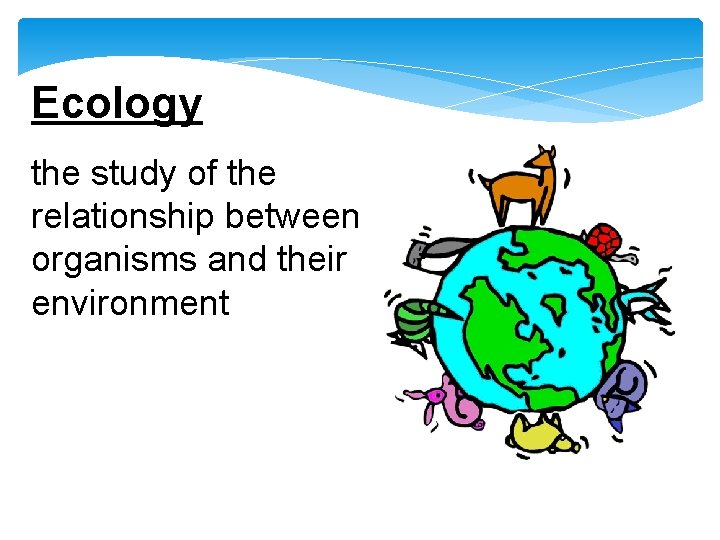
Ecology the study of the relationship between organisms and their environment
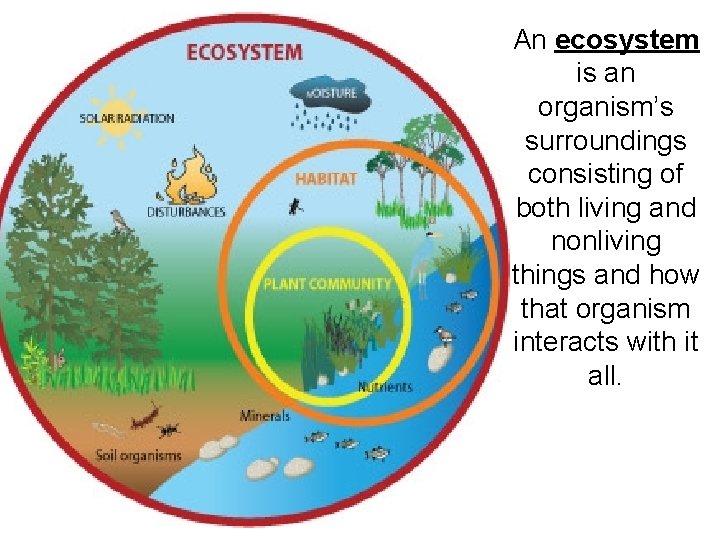
An ecosystem is an organism’s surroundings consisting of both living and nonliving things and how that organism interacts with it all.
Abiotic NONliving components in an ecosystem u Natural Disasters u. Floods u. Fires u. Tornados u Rocks, Soil u Water u gases u Weather u. Precipitation u. Wind usun
Biotic LIVING factors in an ecosystem u Other organisms such as: u. Animals u. Plants u. Decomposers u. Fungi u. Protist u. Bacteria
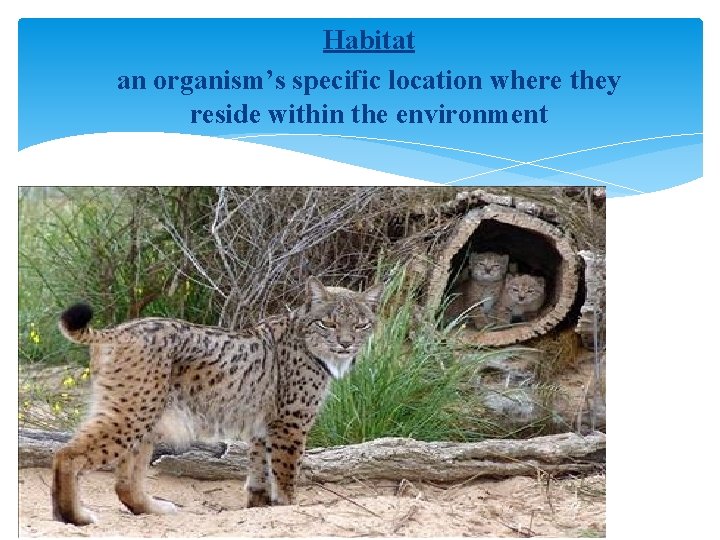
Habitat an organism’s specific location where they reside within the environment
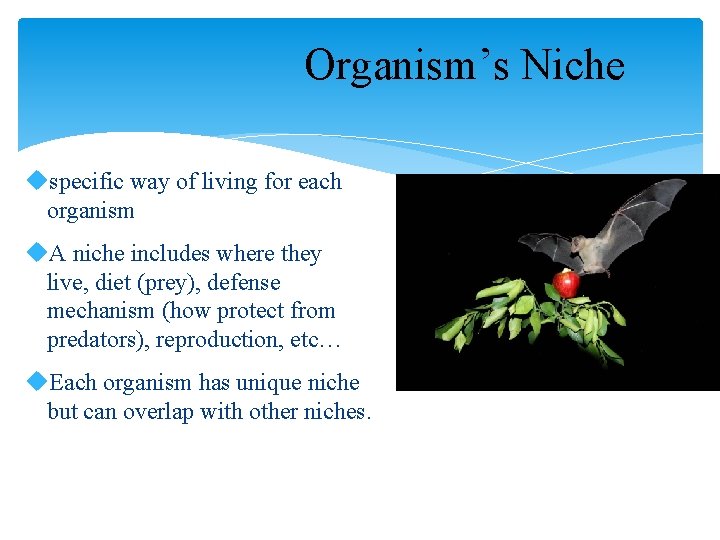
Organism’s Niche uspecific way of living for each organism u. A niche includes where they live, diet (prey), defense mechanism (how protect from predators), reproduction, etc… u. Each organism has unique niche but can overlap with other niches.
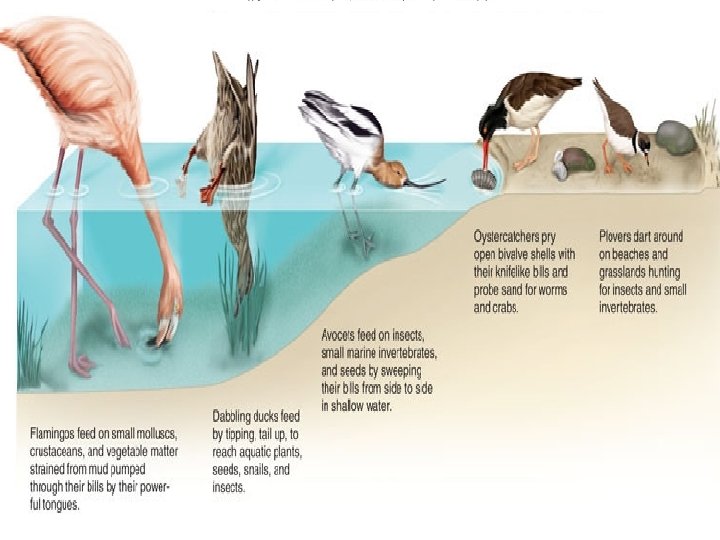
Different Niches ©Different environments ©Different habitats ©Different mating ©Different diets ©Different defenses ©All result in species becoming DIFFERENT!
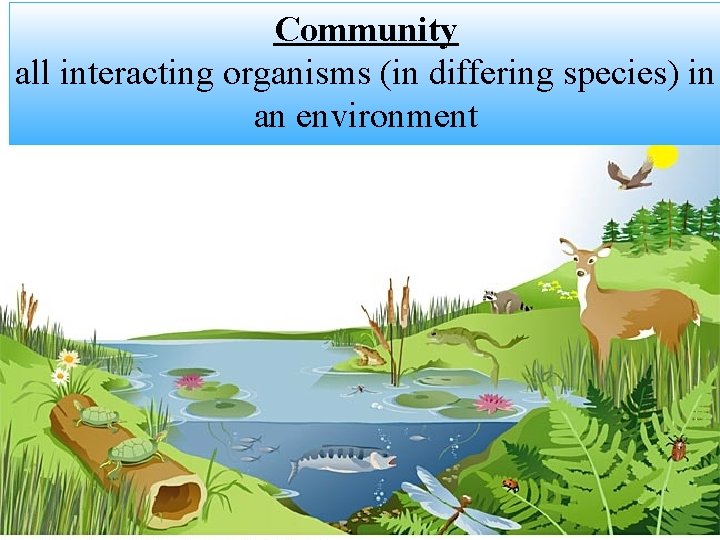
Community all interacting organisms (in differing species) in an environment
Population Number of organisms of the SAME species, living within a certain area at a particular time. Populations grow when birth rate exceeds the death rate. Populations can’t grow forever. Limiting Factors anything that keeps a population from growing indefinitely/forever
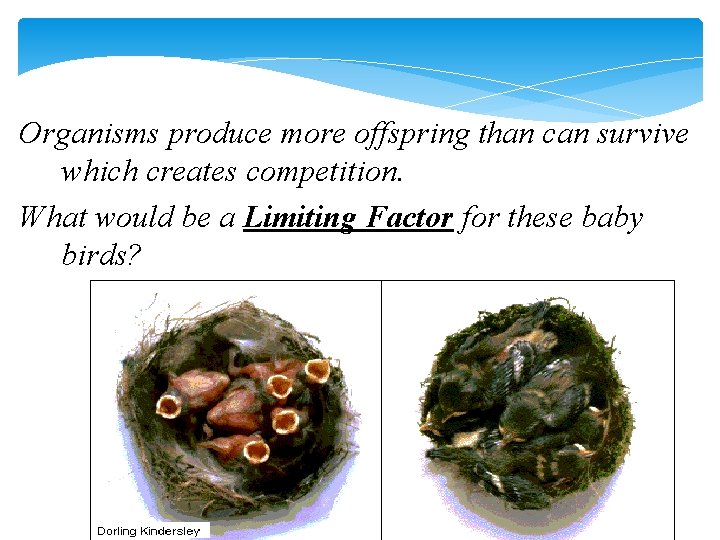
Organisms produce more offspring than can survive which creates competition. What would be a Limiting Factor for these baby birds?
Limiting Factors Shelter, Resources, Mating (reproduction), Territory (dominance)
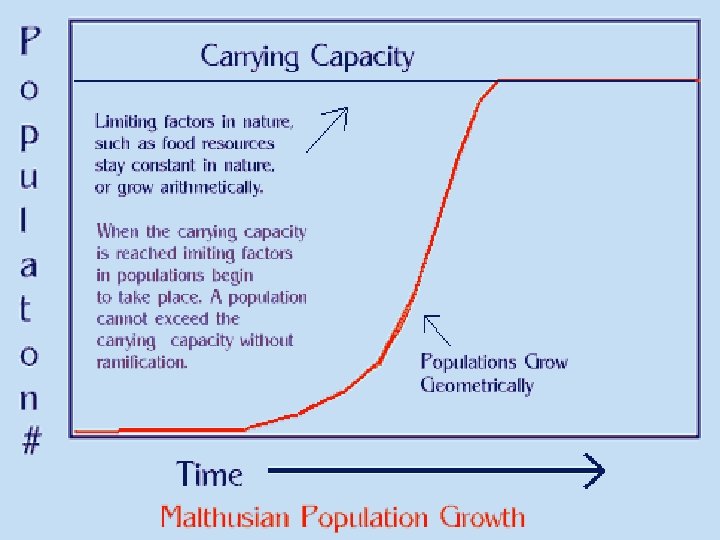
Graphing a population over time will produce “S” shape (sigmoid curve) Why do you think this happens?
Carrying Capacity u. The maximum number a population can hold successfully. u Limiting factors set this limit u. Each population has their own unique carrying capacity based on what the ecosystem can hold.
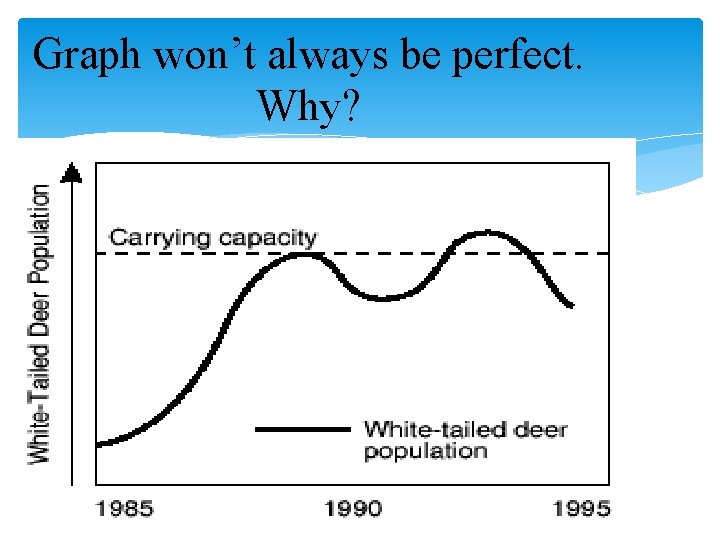
Graph won’t always be perfect. Why?
Species Interactions • Competition the use of the same limited resource by two or more organisms/species • Scarcity (not enough) of resources (abiotic or biotic) will result in organisms competing. • If the niches of two organisms overlap…
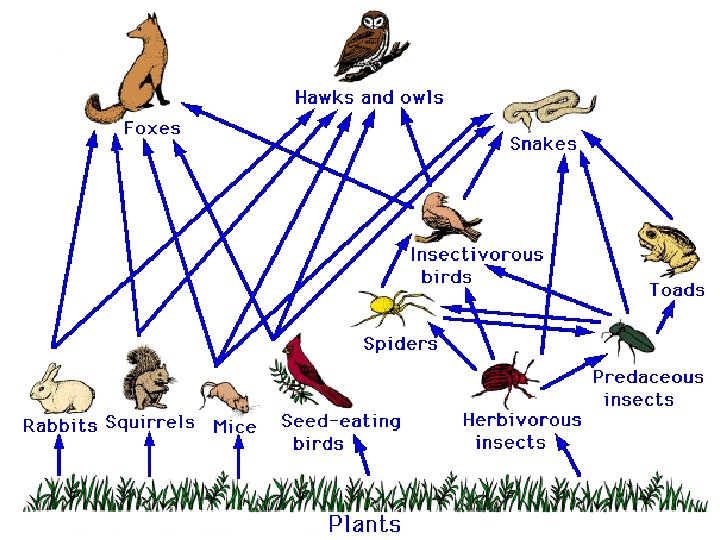
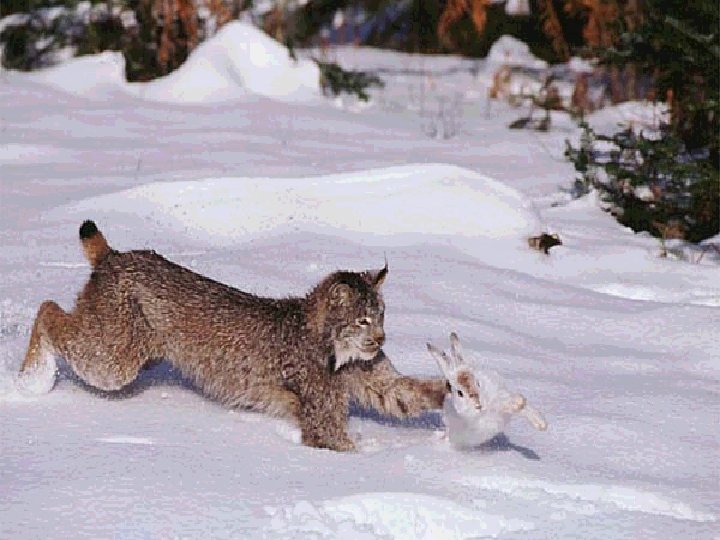
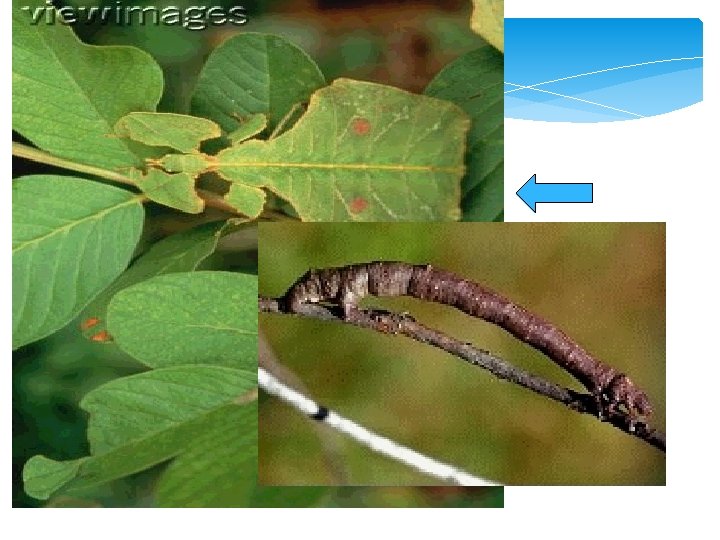
Predator/Prey relationship (competitive relationship) ©Predator captures, kills, and eats the prey ©Regulators of population size ©Survival depends on ability to capture food ©Spider web, sharp teeth, quickness, camouflage ©Prey ©Survival depends on ability to avoid being captured and eaten
Ecology Notes Part 2
Species Interactions ©Symbiosis Cooperative relationship Close interactions between organisms ©Endosymbiosis ©Ectosymbiosis Symbiosis video
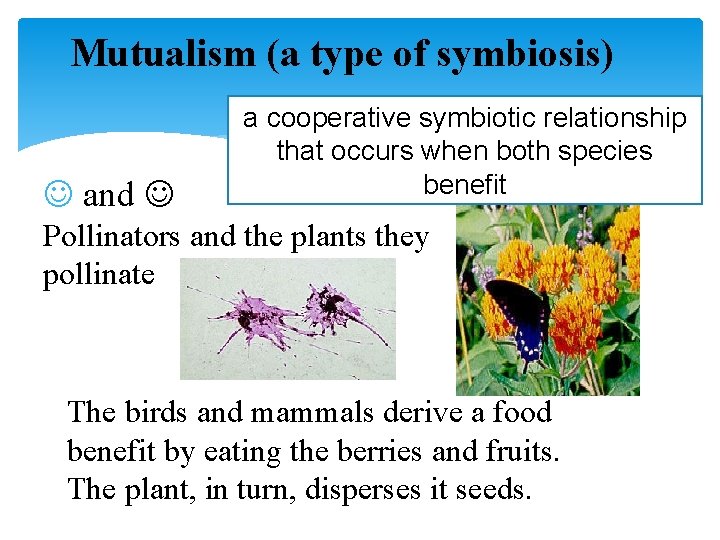
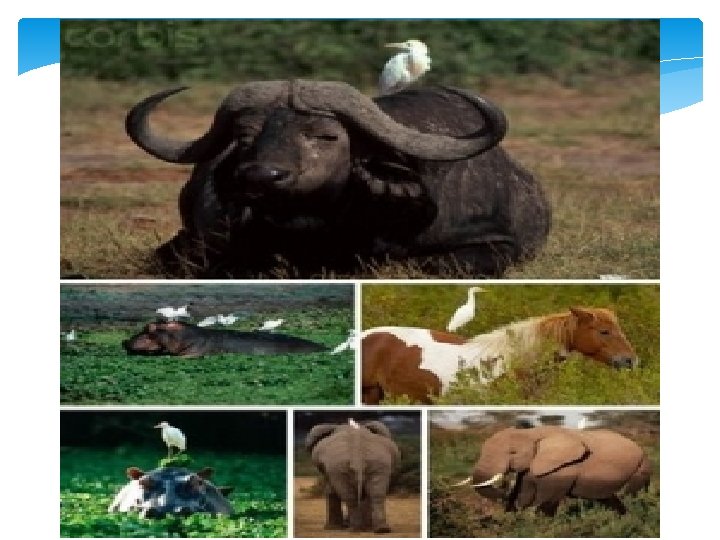
Mutualism (a type of symbiosis) and a cooperative symbiotic relationship that occurs when both species benefit Pollinators and the plants they pollinate The birds and mammals derive a food benefit by eating the berries and fruits. The plant, in turn, disperses it seeds.
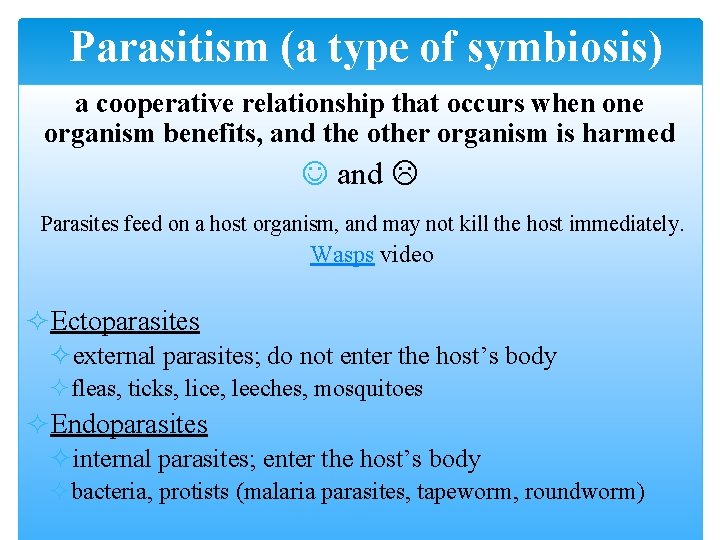
Parasitism (a type of symbiosis) a cooperative relationship that occurs when one organism benefits, and the other organism is harmed and Parasites feed on a host organism, and may not kill the host immediately. Wasps video ²Ectoparasites ²external parasites; do not enter the host’s body ²fleas, ticks, lice, leeches, mosquitoes ²Endoparasites ²internal parasites; enter the host’s body ²bacteria, protists (malaria parasites, tapeworm, roundworm)
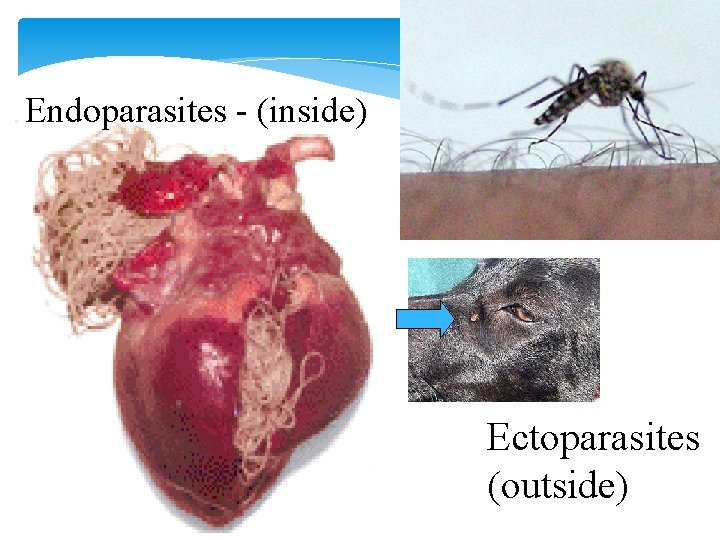
Endoparasites - (inside) Ectoparasites (outside)
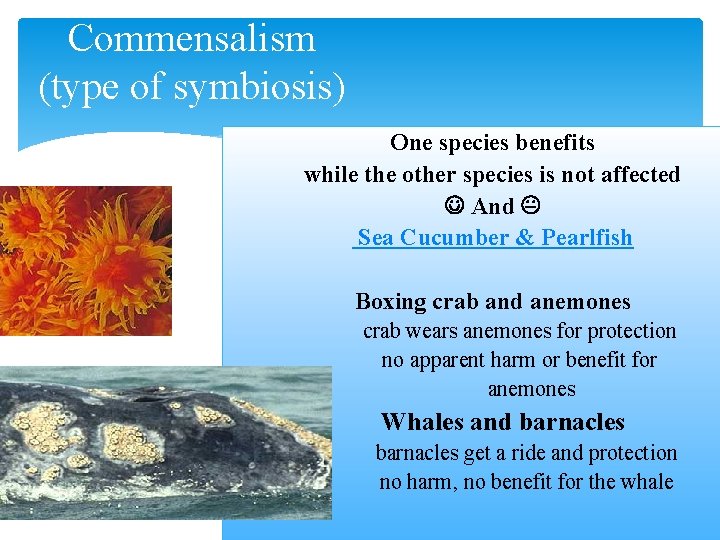
Commensalism (type of symbiosis) One species benefits while the other species is not affected And Sea Cucumber & Pearlfish Boxing crab and anemones crab wears anemones for protection no apparent harm or benefit for anemones Whales and barnacles get a ride and protection no harm, no benefit for the whale
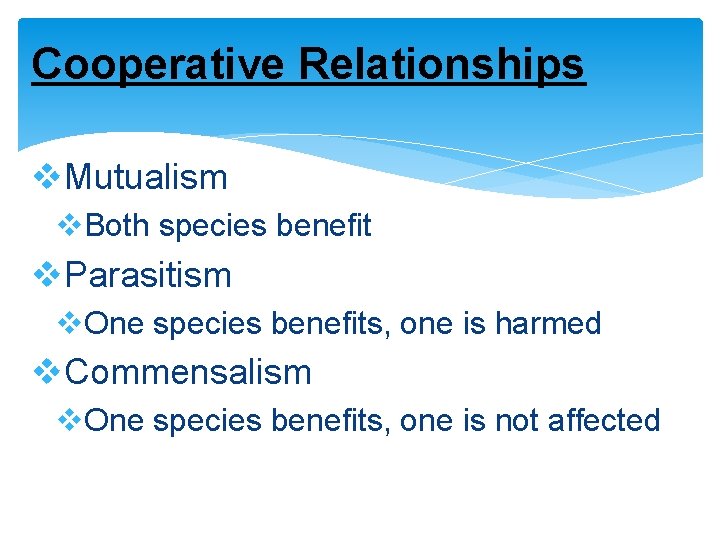
Cooperative Relationships v. Mutualism v. Both species benefit v. Parasitism v. One species benefits, one is harmed v. Commensalism v. One species benefits, one is not affected
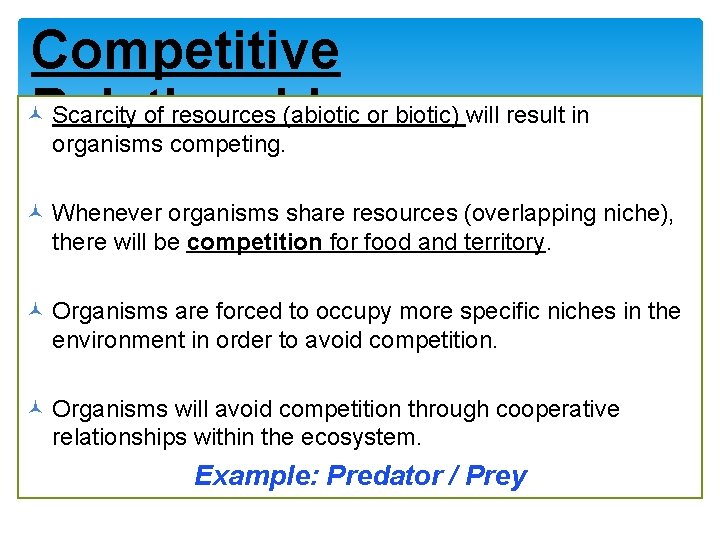
Competitive © Scarcity of resources (abiotic or biotic) will result in Relationships organisms competing. © Whenever organisms share resources (overlapping niche), there will be competition for food and territory. © Organisms are forced to occupy more specific niches in the environment in order to avoid competition. © Organisms will avoid competition through cooperative relationships within the ecosystem. Example: Predator / Prey
Ecology Notes Part 3
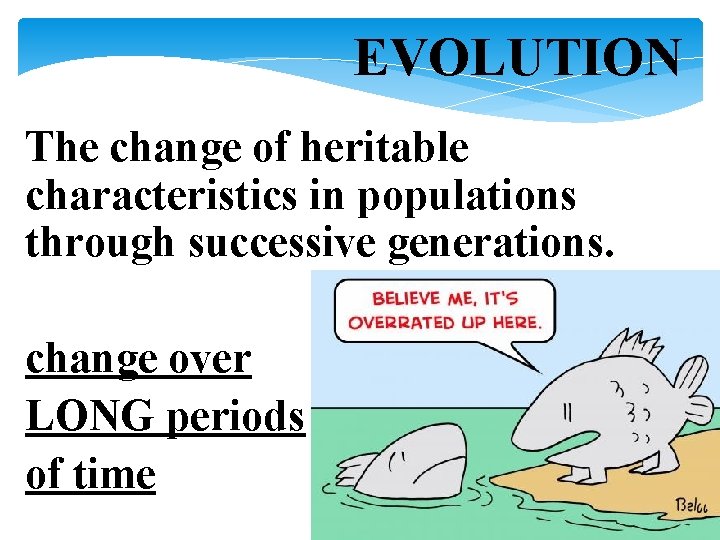
EVOLUTION The change of heritable characteristics in populations through successive generations. change over LONG periods of time
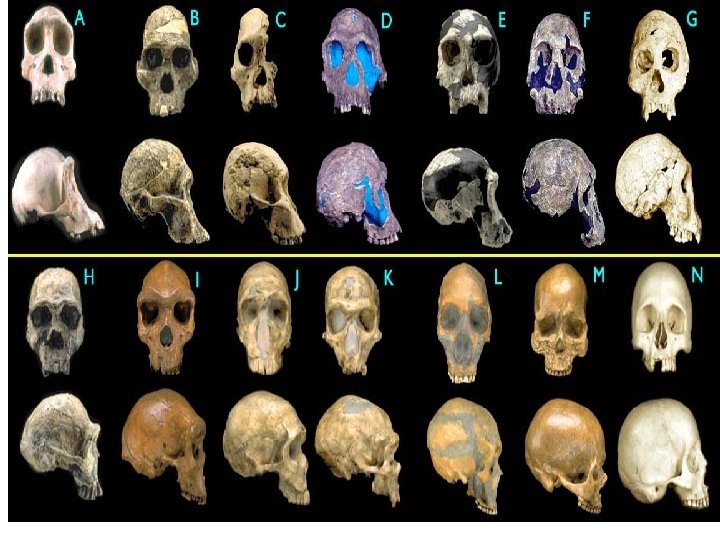
Evidence of Evolution v. Structures of Organisms v. DNA Sequences v. Fossils
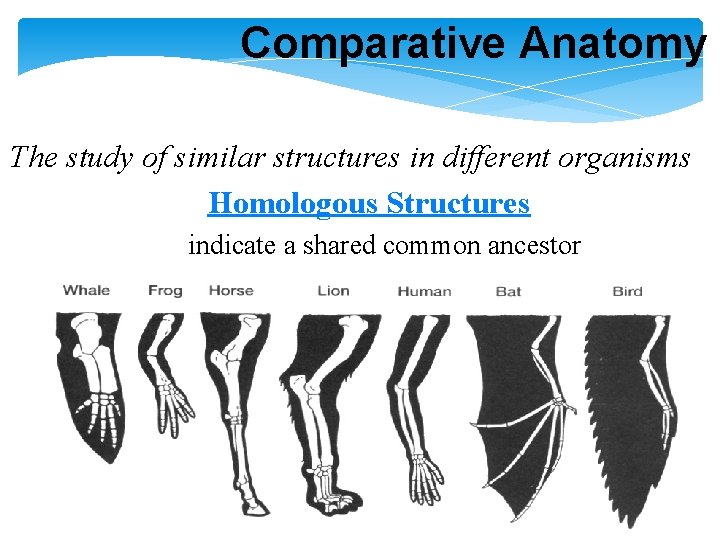
Comparative Anatomy The study of similar structures in different organisms Homologous Structures indicate a shared common ancestor
Fish with Fingers Fossil Record
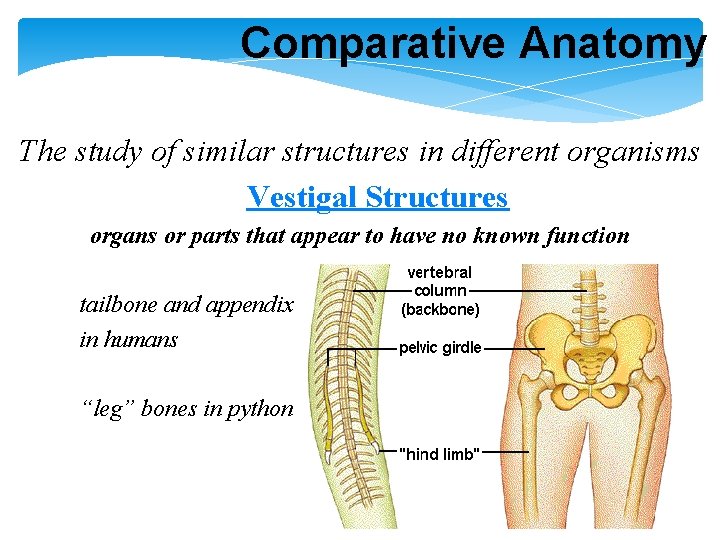
Comparative Anatomy The study of similar structures in different organisms Vestigal Structures organs or parts that appear to have no known function tailbone and appendix in humans “leg” bones in python
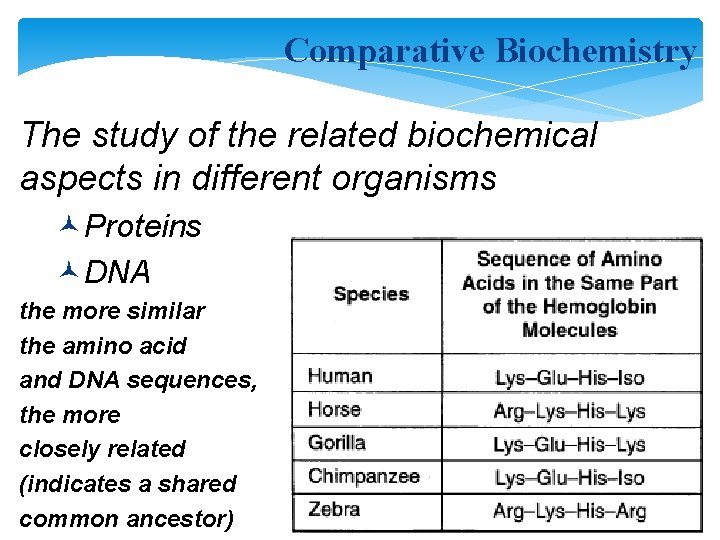
Comparative Biochemistry The study of the related biochemical aspects in different organisms ©Proteins ©DNA the more similar the amino acid and DNA sequences, the more closely related (indicates a shared common ancestor)
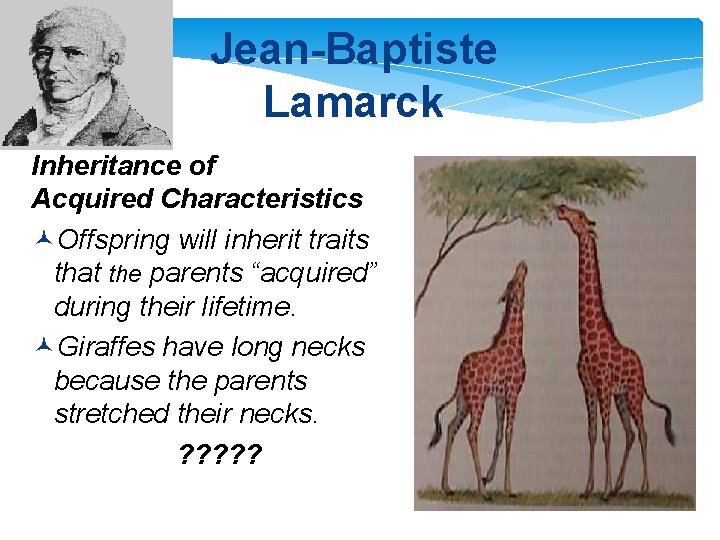
Jean-Baptiste Lamarck Inheritance of Acquired Characteristics ©Offspring will inherit traits that the parents “acquired” during their lifetime. ©Giraffes have long necks because the parents stretched their necks. ? ? ?
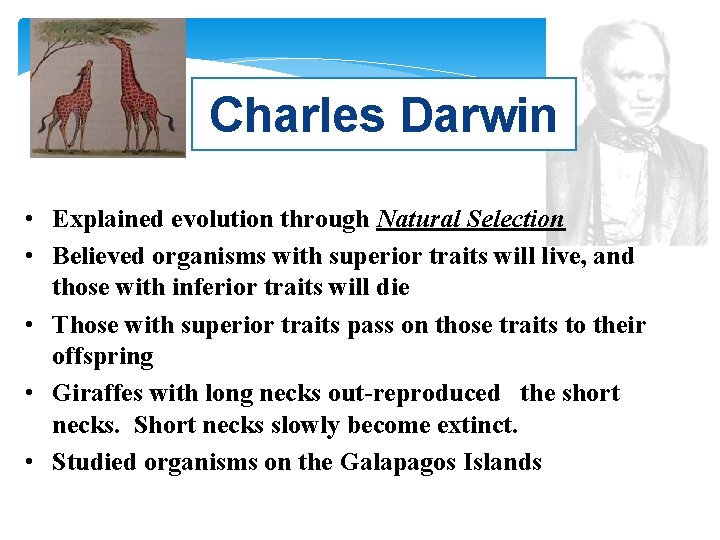
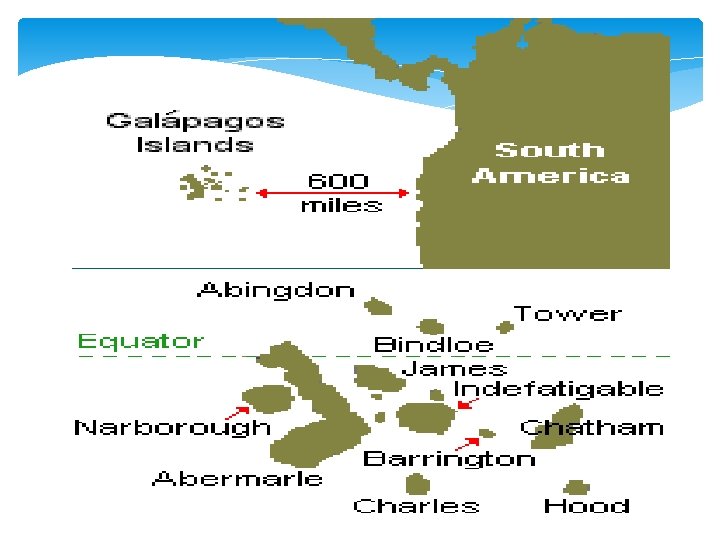
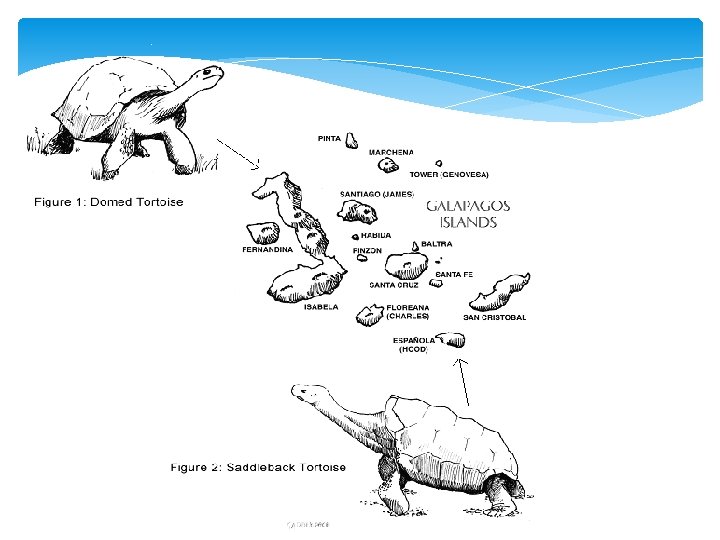
Charles Darwin • Explained evolution through Natural Selection • Believed organisms with superior traits will live, and those with inferior traits will die • Those with superior traits pass on those traits to their offspring • Giraffes with long necks out-reproduced the short necks. Short necks slowly become extinct. • Studied organisms on the Galapagos Islands

Natural Selection
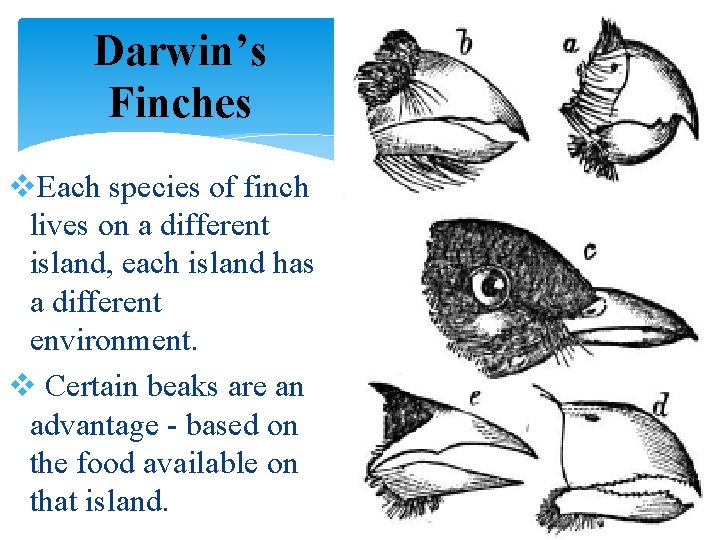
Darwin’s Finches v. Each species of finch lives on a different island, each island has a different environment. v Certain beaks are an advantage - based on the food available on that island.
• “Survival of the fittest” • All organisms want is to…survive & reproduce • If they reproduce more…they pass on their “better” traits • Natural Selection could not occur without GENETIC VARIATION (competition). • Populations change over time by Natural Selection.
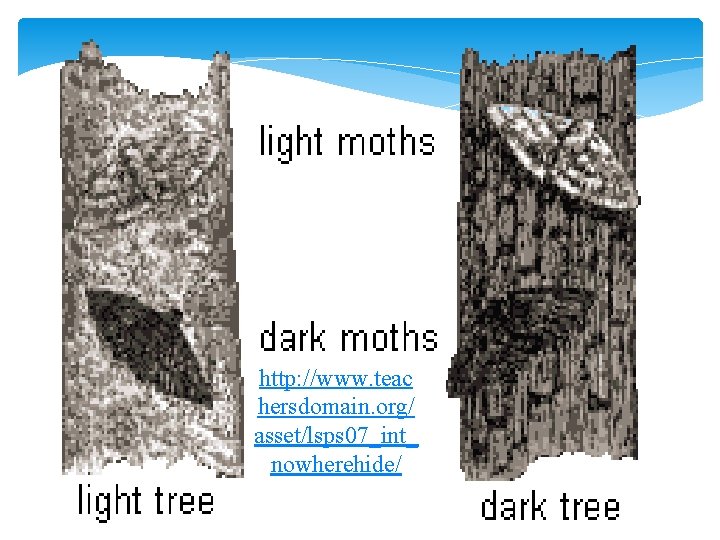
http: //www. teac hersdomain. org/ asset/lsps 07_int_ nowherehide/
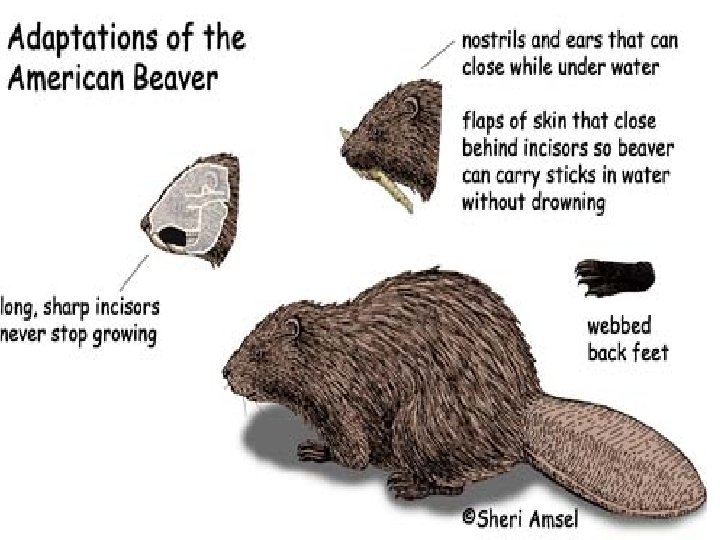
Adaptations • Inherited trait (characteristic) that improves the chances of survival (better suited to environment) and reproduction of an organism. • Reproduction • Producing offspring • Pass on inheritable traits • If an organism can’t reproduce… • Will not pass on traits • Extinction of species
Defense Mechanisms
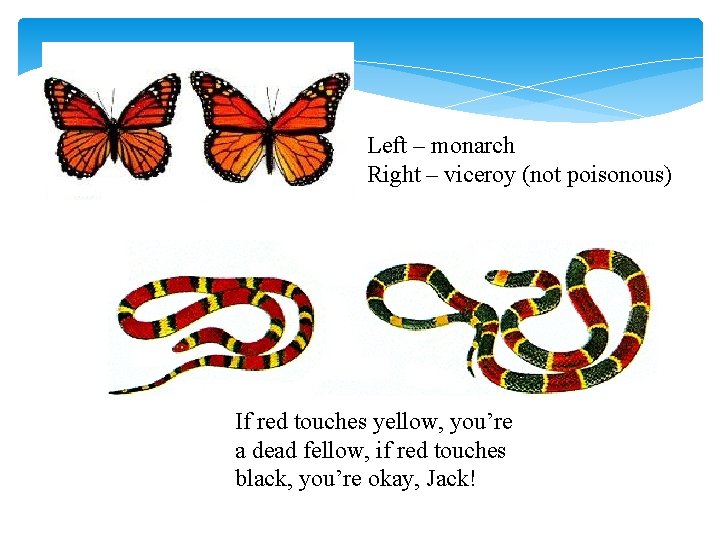
Left – monarch Right – viceroy (not poisonous) If red touches yellow, you’re a dead fellow, if red touches black, you’re okay, Jack!
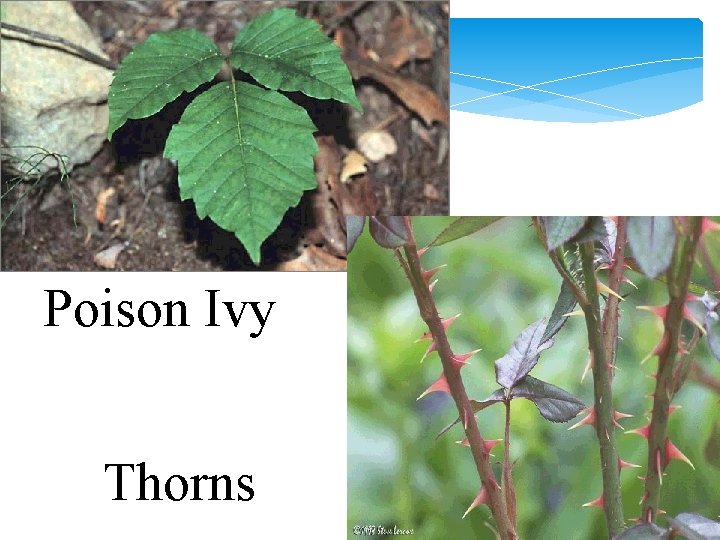
Poison Ivy Thorns
- Slides: 53