
ECOLOGY REVIEW Science Equipment That You Should Know
- Slides: 21
ECOLOGY REVIEW
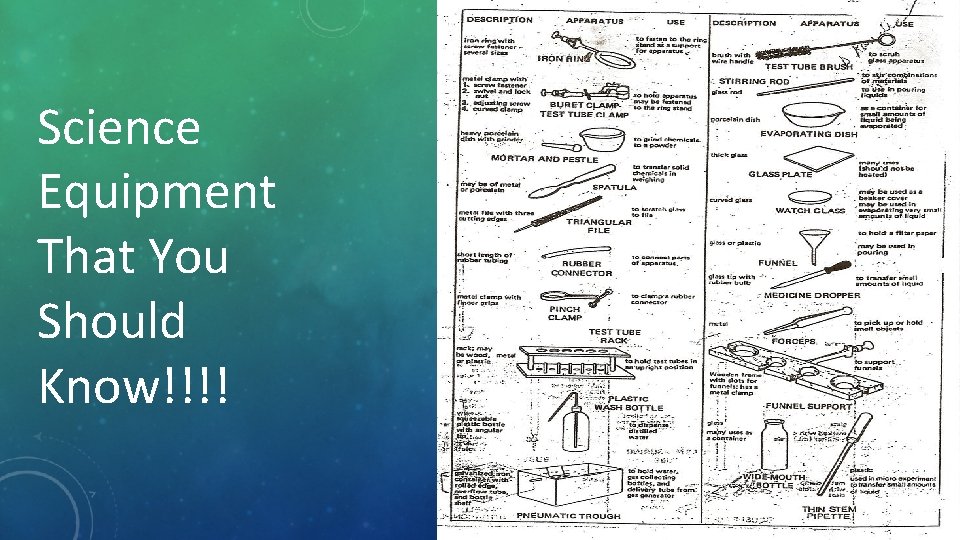
Science Equipment That You Should Know!!!!
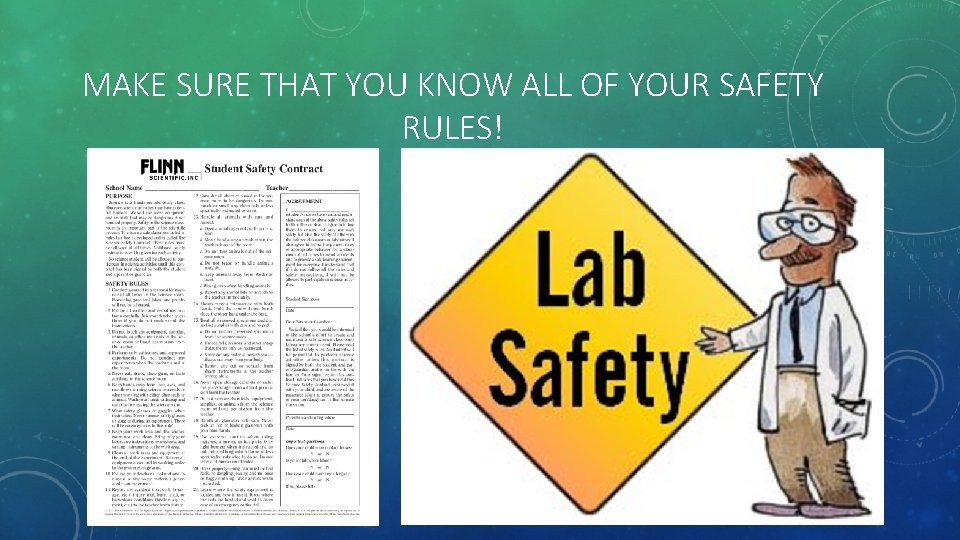
MAKE SURE THAT YOU KNOW ALL OF YOUR SAFETY RULES!
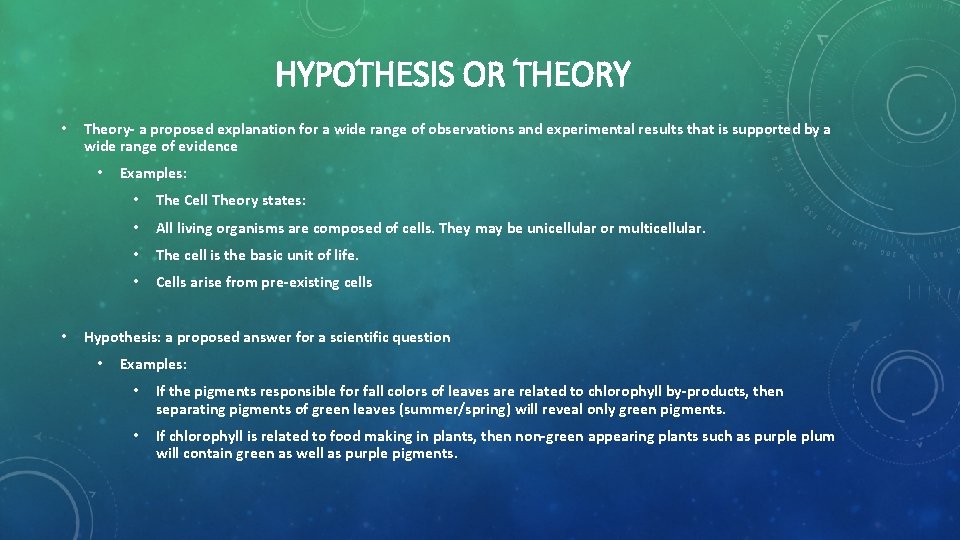
HYPOTHESIS OR THEORY • Theory- a proposed explanation for a wide range of observations and experimental results that is supported by a wide range of evidence • • Examples: • The Cell Theory states: • All living organisms are composed of cells. They may be unicellular or multicellular. • The cell is the basic unit of life. • Cells arise from pre-existing cells Hypothesis: a proposed answer for a scientific question • Examples: • If the pigments responsible for fall colors of leaves are related to chlorophyll by-products, then separating pigments of green leaves (summer/spring) will reveal only green pigments. • If chlorophyll is related to food making in plants, then non-green appearing plants such as purple plum will contain green as well as purple pigments.
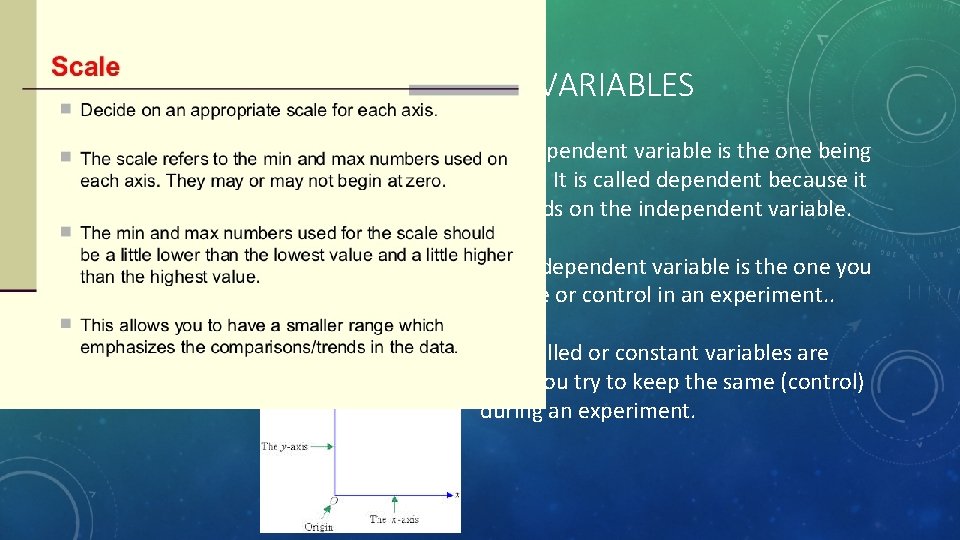
INDEPENDENT AND DEPENDENT VARIABLES DRY MIX • D = dependent variable • R = responding variable The dependent variable is the one being tested. It is called dependent because it depends on the independent variable. • Y = graph information on the vertical or y-axis • M = manipulated variable • I = independent variable • X = graph information on the horizontal or x-axis The independent variable is the one you change or control in an experiment. . Controlled or constant variables are ones you try to keep the same (control) during an experiment.
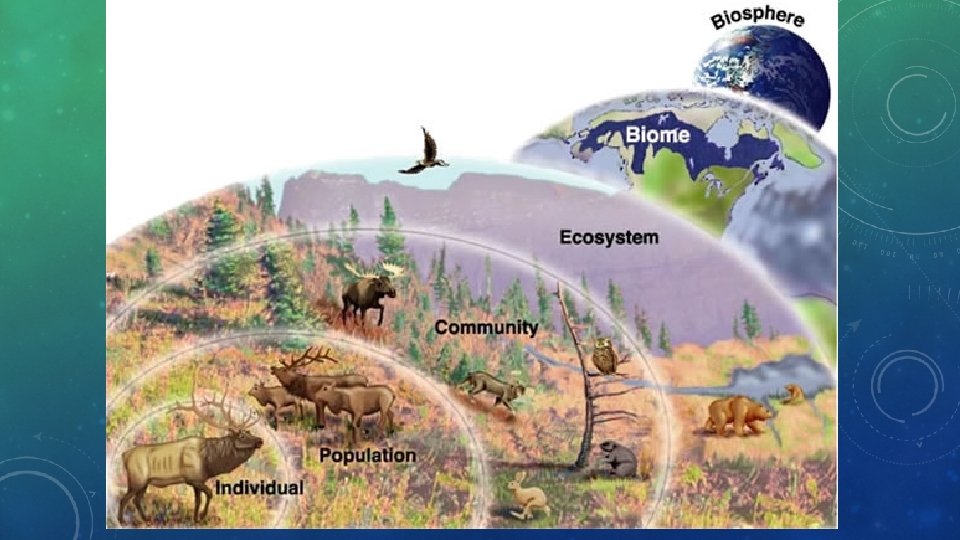
LEVELS OF ORGANIZATION IN AN ECOSYSTEM • Make sure that you know each level and what each level is made up of. • You should know the definitions of each level!
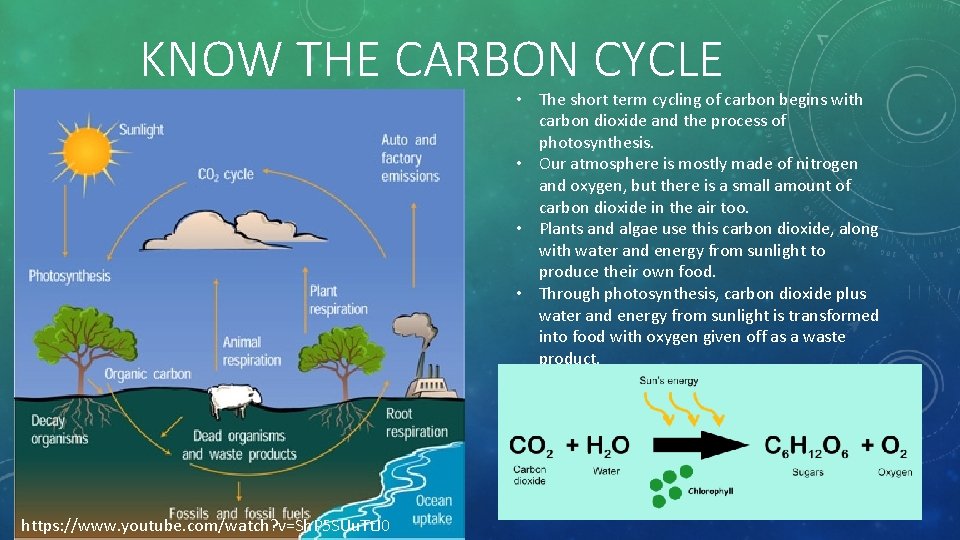
KNOW THE CARBON CYCLE • The short term cycling of carbon begins with carbon dioxide and the process of photosynthesis. • Our atmosphere is mostly made of nitrogen and oxygen, but there is a small amount of carbon dioxide in the air too. • Plants and algae use this carbon dioxide, along with water and energy from sunlight to produce their own food. • Through photosynthesis, carbon dioxide plus water and energy from sunlight is transformed into food with oxygen given off as a waste product. https: //www. youtube. com/watch? v=Sh. P 5 SUu. Tt. J 0
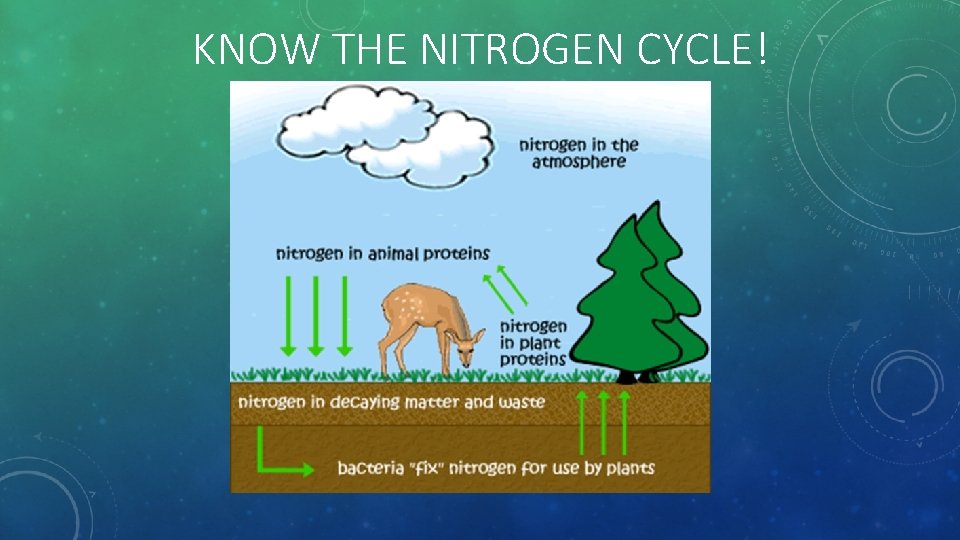
KNOW THE NITROGEN CYCLE!
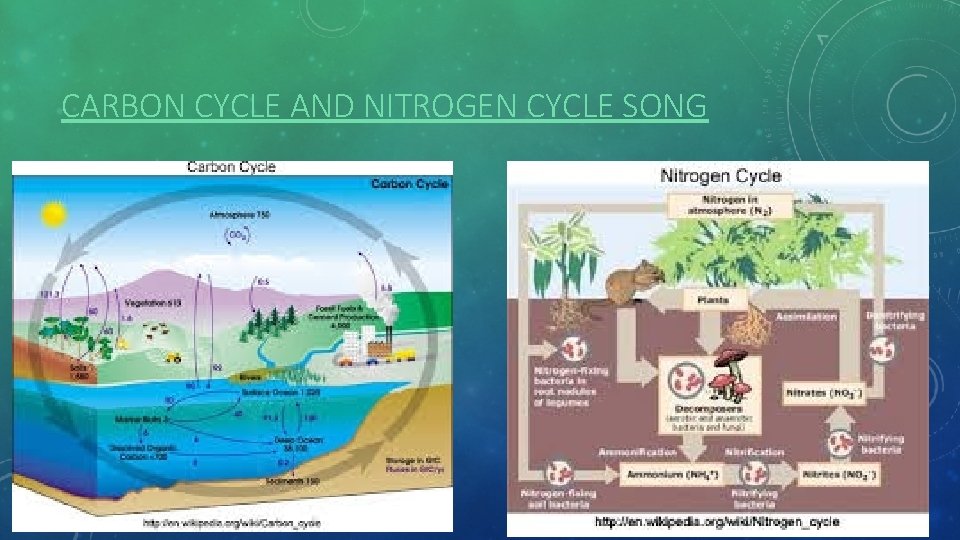
CARBON CYCLE AND NITROGEN CYCLE SONG
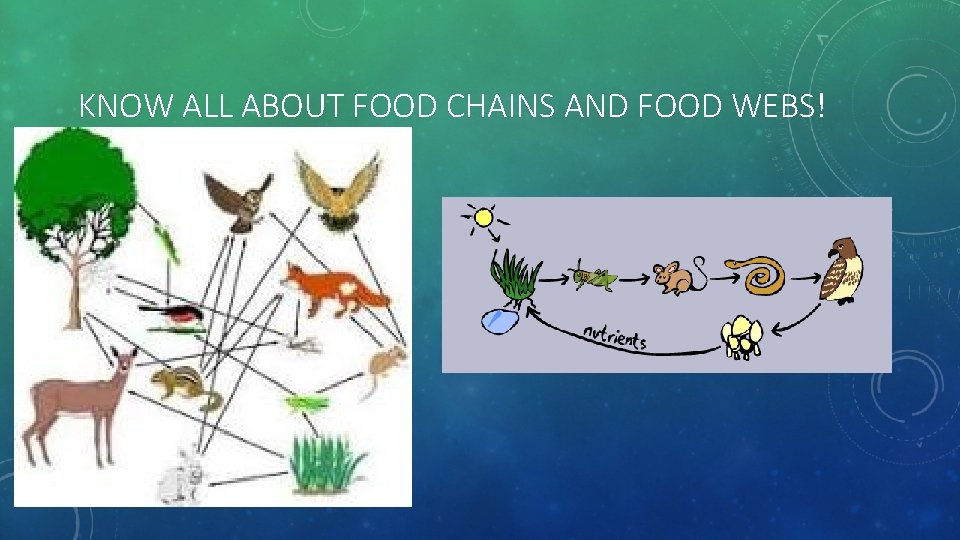
KNOW ALL ABOUT FOOD CHAINS AND FOOD WEBS!
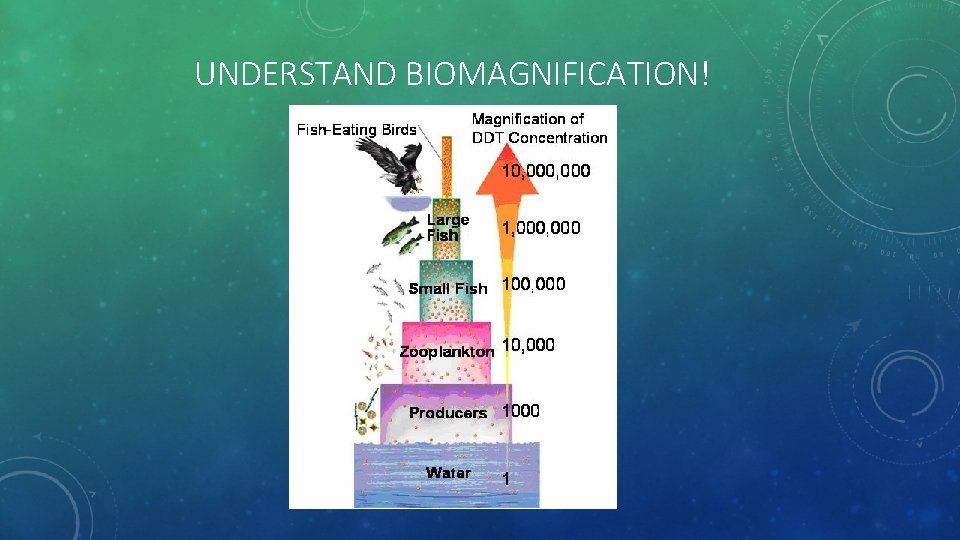
UNDERSTAND BIOMAGNIFICATION!
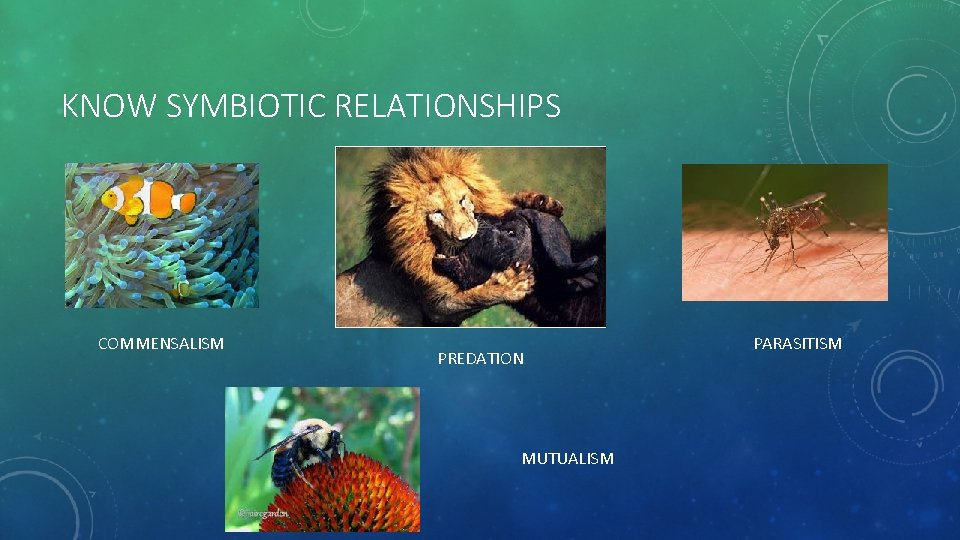
KNOW SYMBIOTIC RELATIONSHIPS COMMENSALISM PREDATION MUTUALISM PARASITISM
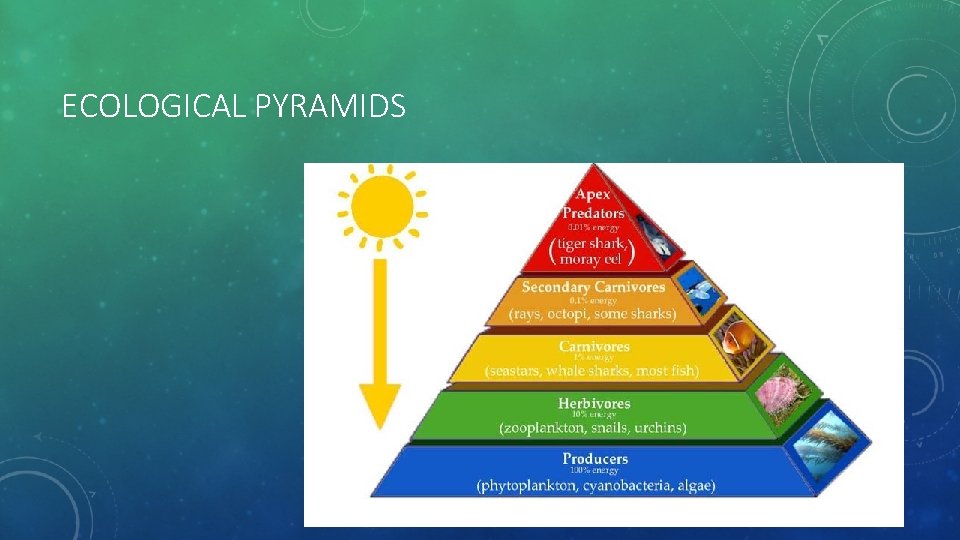
ECOLOGICAL PYRAMIDS
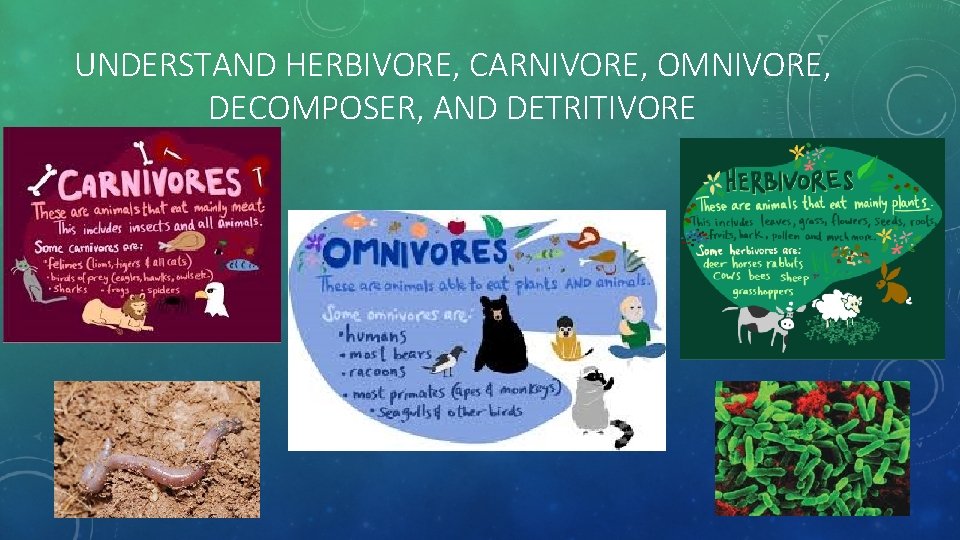
UNDERSTAND HERBIVORE, CARNIVORE, OMNIVORE, DECOMPOSER, AND DETRITIVORE
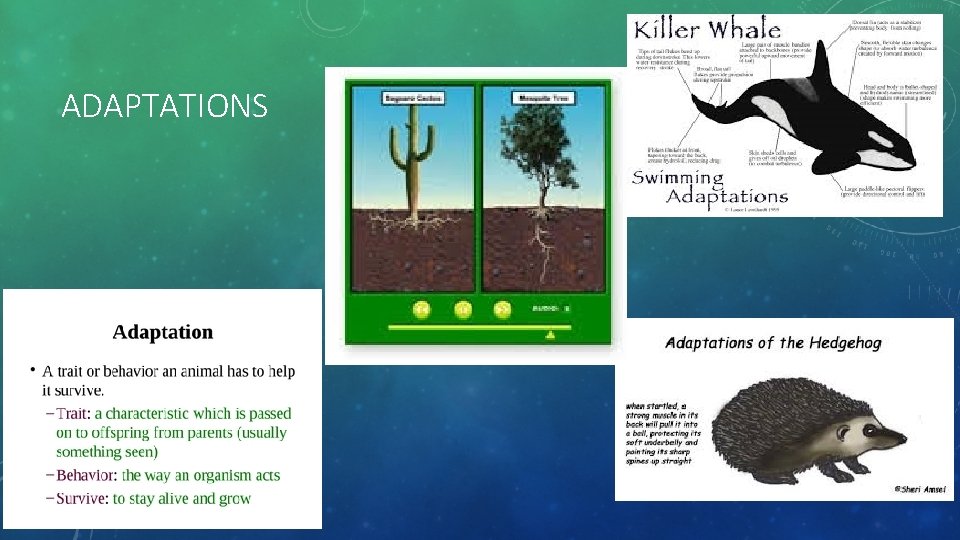
ADAPTATIONS
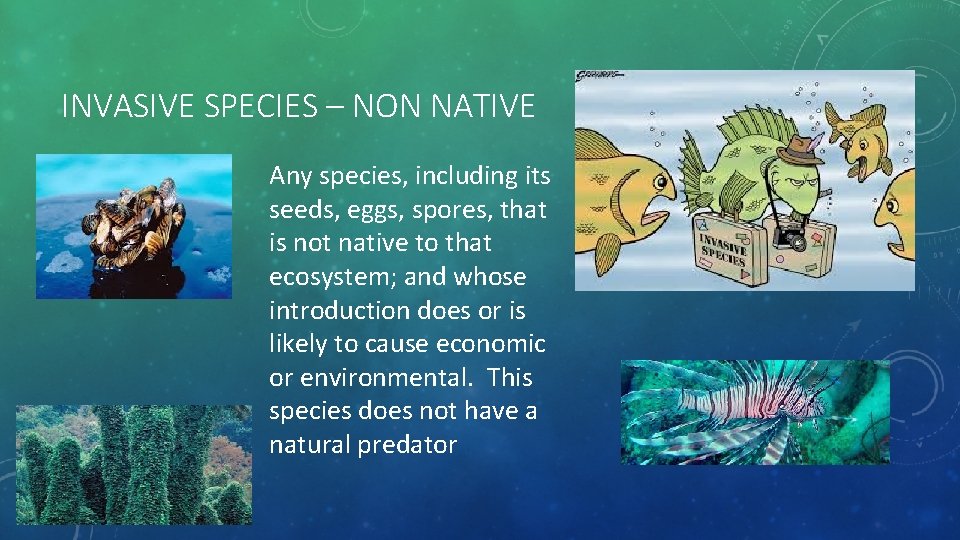
INVASIVE SPECIES – NON NATIVE Any species, including its seeds, eggs, spores, that is not native to that ecosystem; and whose introduction does or is likely to cause economic or environmental. This species does not have a natural predator
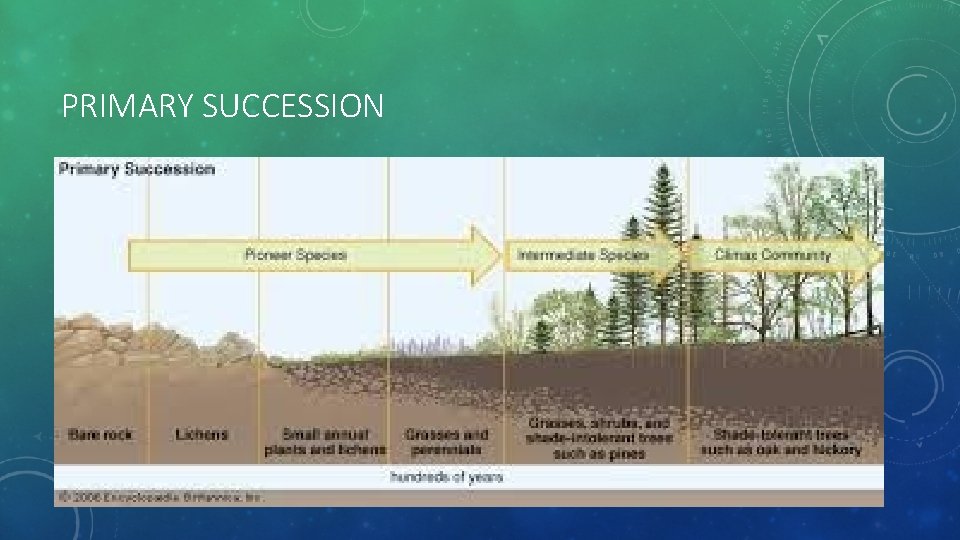
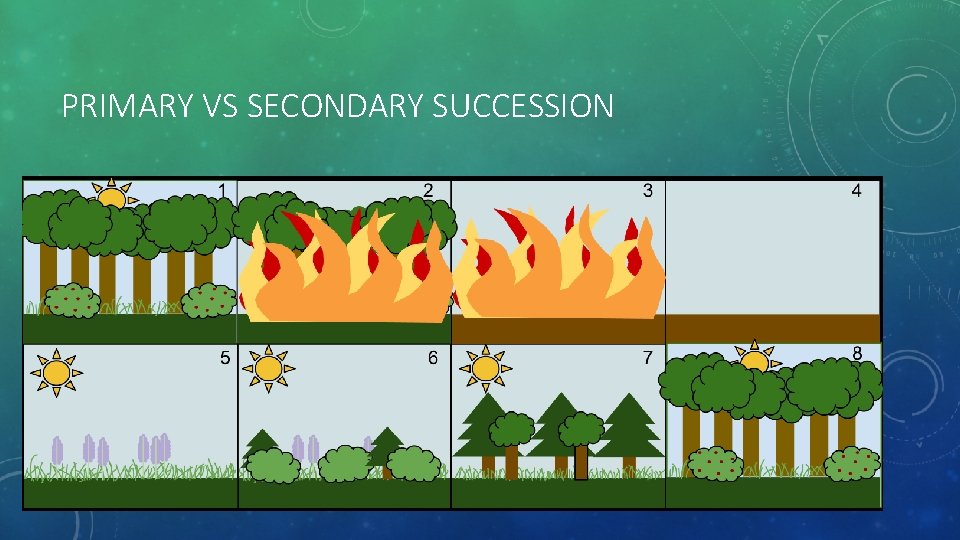
PRIMARY SUCCESSION
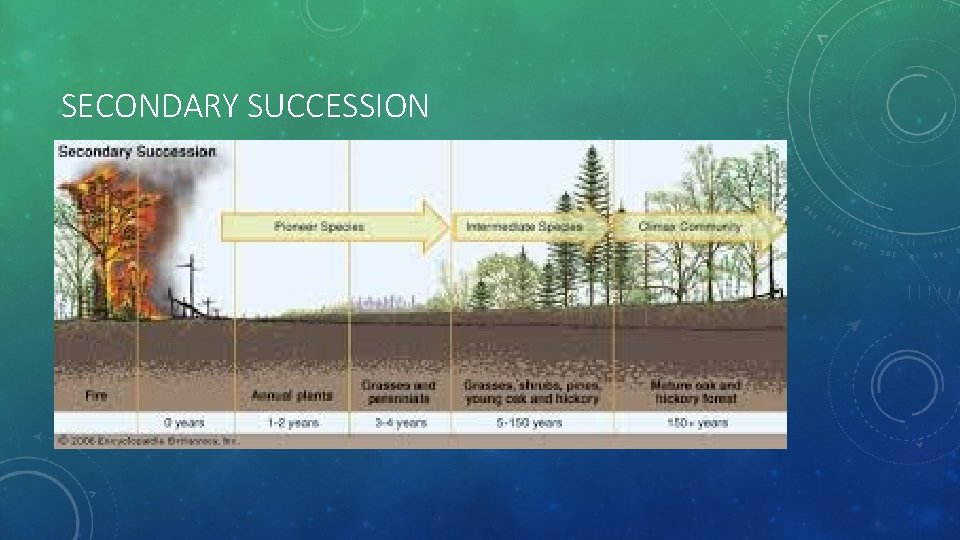
SECONDARY SUCCESSION
PRIMARY VS SECONDARY SUCCESSION