
ECOLOGY Objectives 1 Explain and illustrate how living
ECOLOGY Objectives: 1) Explain and illustrate how living systems interact with the biotic & abiotic factors within an environment 2) Explain and illustrate how matter is cycled within an ecosystem 3) Explain and illustrate how energy is transformed and eventually exits an ecosystem
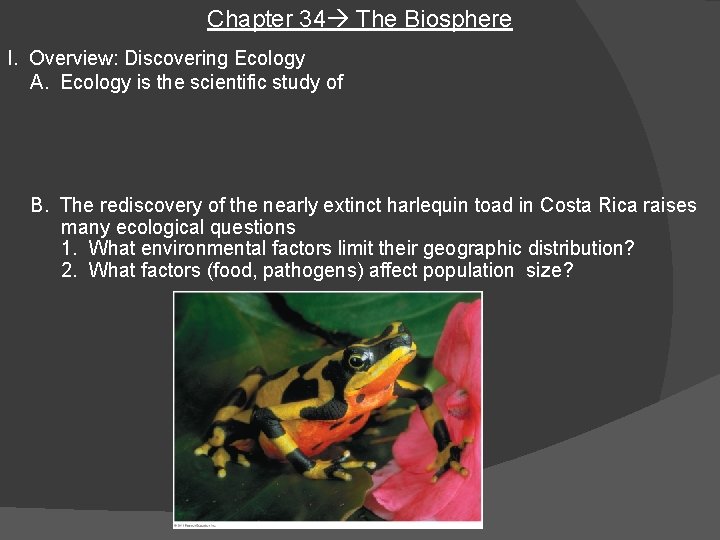
Chapter 34 The Biosphere I. Overview: Discovering Ecology A. Ecology is the scientific study of B. The rediscovery of the nearly extinct harlequin toad in Costa Rica raises many ecological questions 1. What environmental factors limit their geographic distribution? 2. What factors (food, pathogens) affect population size?
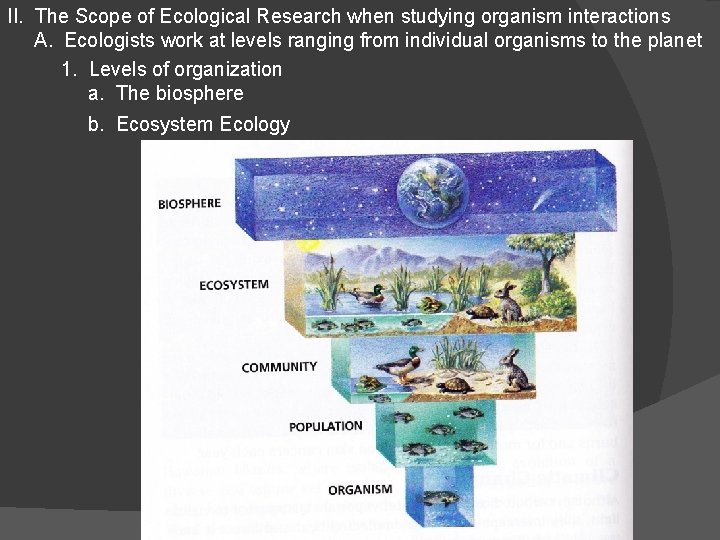
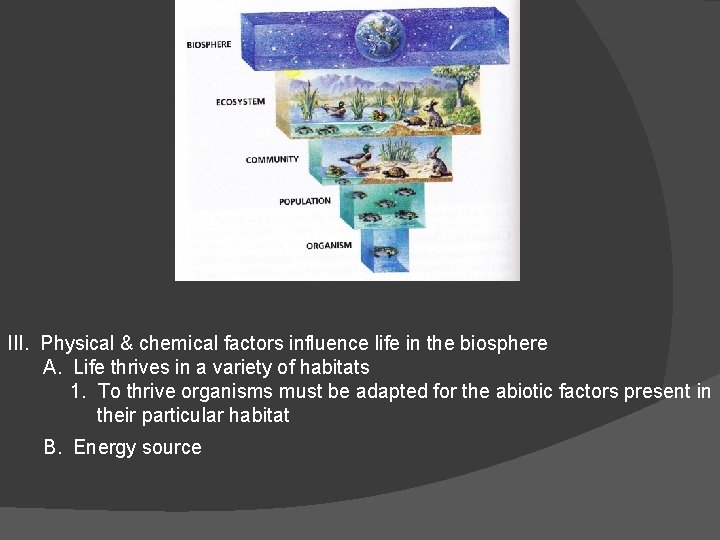
II. The Scope of Ecological Research when studying organism interactions A. Ecologists work at levels ranging from individual organisms to the planet 1. Levels of organization a. The biosphere b. Ecosystem Ecology
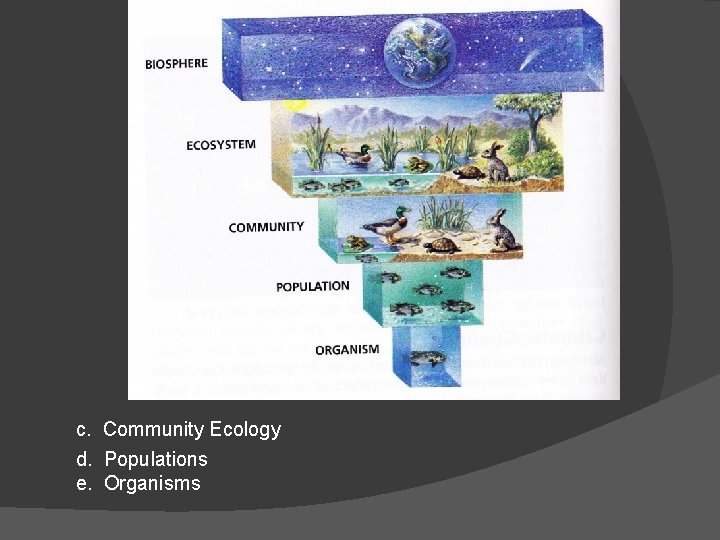
c. Community Ecology d. Populations e. Organisms
III. Physical & chemical factors influence life in the biosphere A. Life thrives in a variety of habitats 1. To thrive organisms must be adapted for the abiotic factors present in their particular habitat B. Energy source
C. Temperature D. Water E. Nutrients VI. A key theme in ecology A. Interactions 1. Ecologists look at not only the interactions within the ecological levels of organization but also between levels B. Disturbances in Ecosystem C. Examples: Yellowstone Ecology Global warming
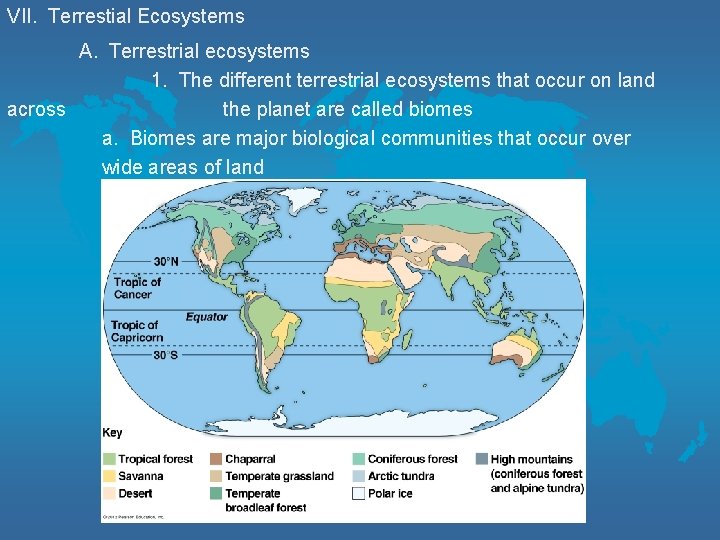
VII. Terrestial Ecosystems A. Terrestrial ecosystems 1. The different terrestrial ecosystems that occur on land across the planet are called biomes a. Biomes are major biological communities that occur over wide areas of land
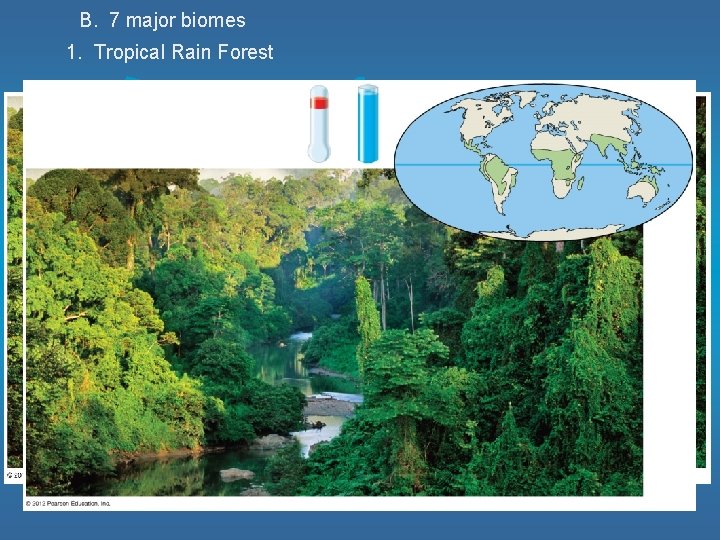
B. 7 major biomes 1. Tropical Rain Forest
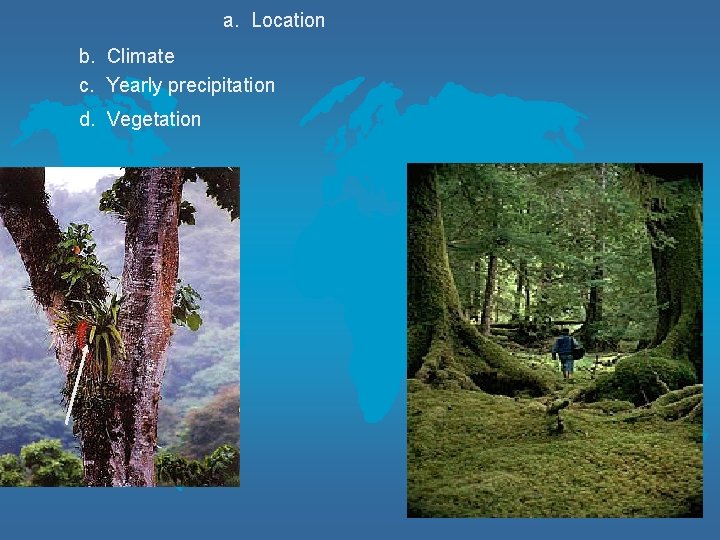
a. Location b. Climate c. Yearly precipitation d. Vegetation
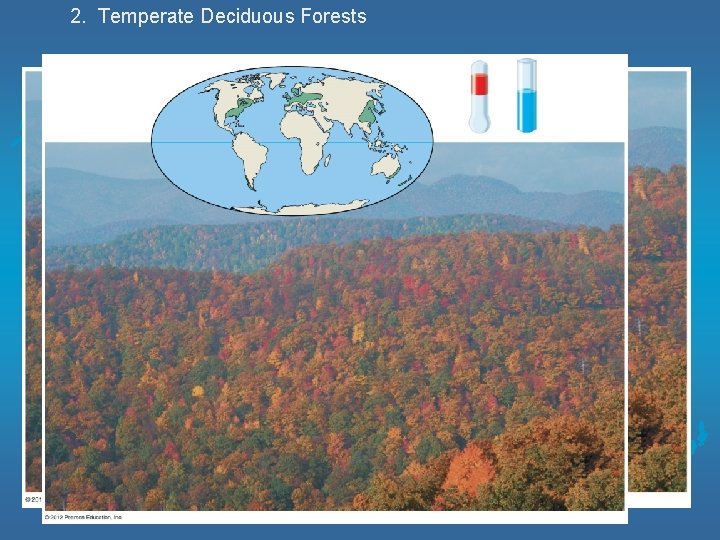
2. Temperate Deciduous Forests
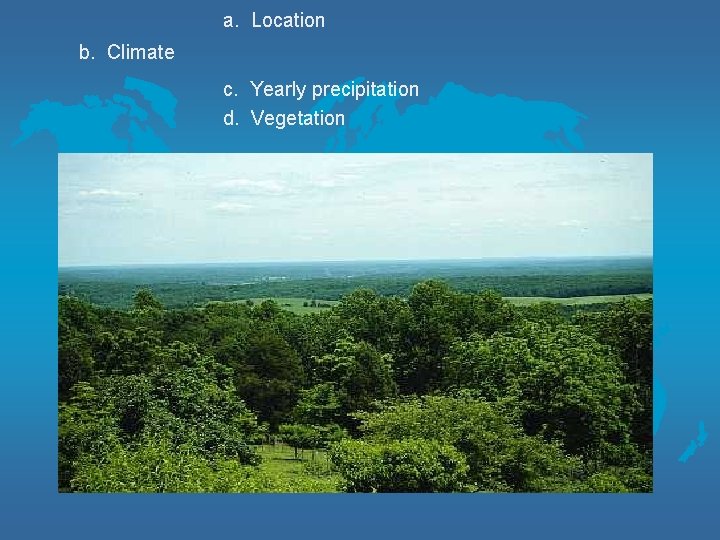
a. Location b. Climate c. Yearly precipitation d. Vegetation
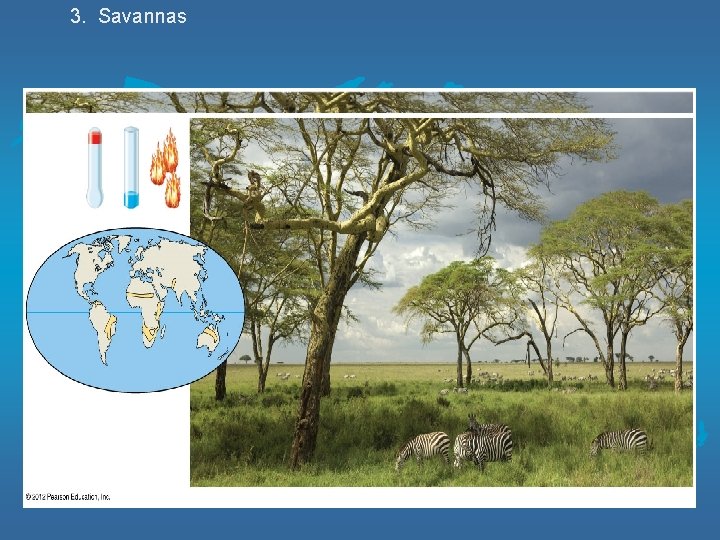
3. Savannas
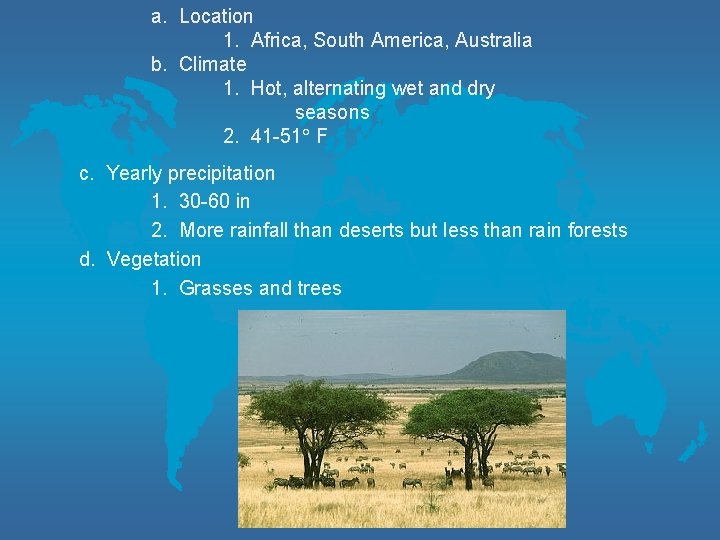
a. Location 1. Africa, South America, Australia b. Climate 1. Hot, alternating wet and dry seasons 2. 41 -51 F c. Yearly precipitation 1. 30 -60 in 2. More rainfall than deserts but less than rain forests d. Vegetation 1. Grasses and trees
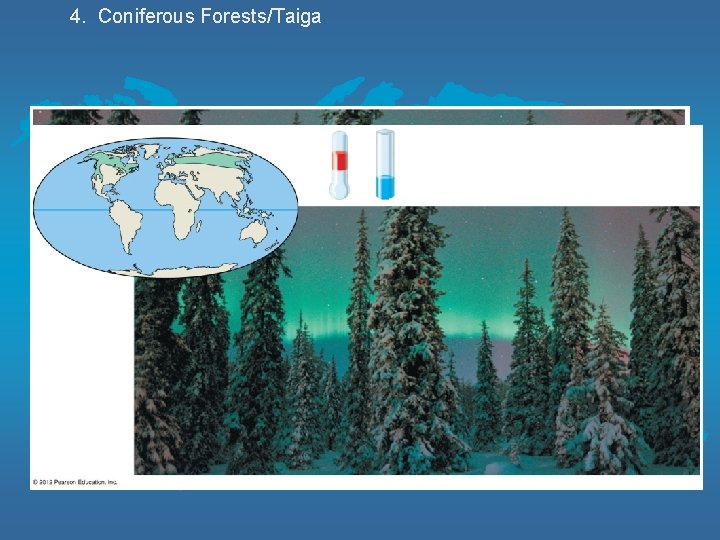
4. Coniferous Forests/Taiga
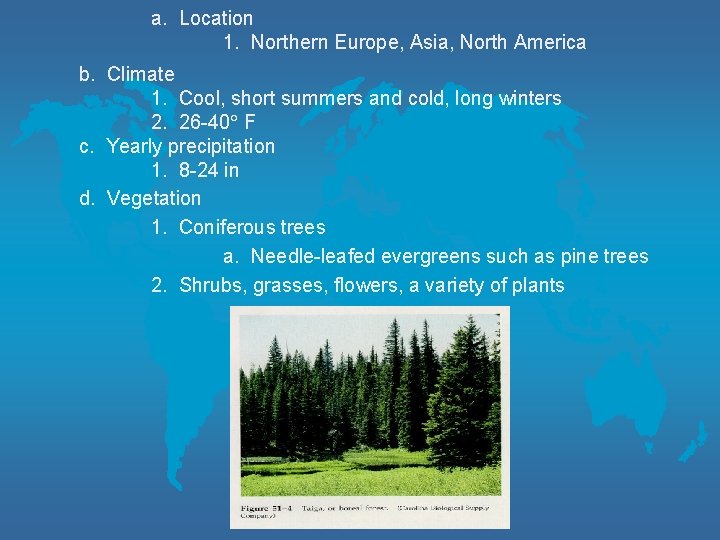
a. Location 1. Northern Europe, Asia, North America b. Climate 1. Cool, short summers and cold, long winters 2. 26 -40 F c. Yearly precipitation 1. 8 -24 in d. Vegetation 1. Coniferous trees a. Needle-leafed evergreens such as pine trees 2. Shrubs, grasses, flowers, a variety of plants
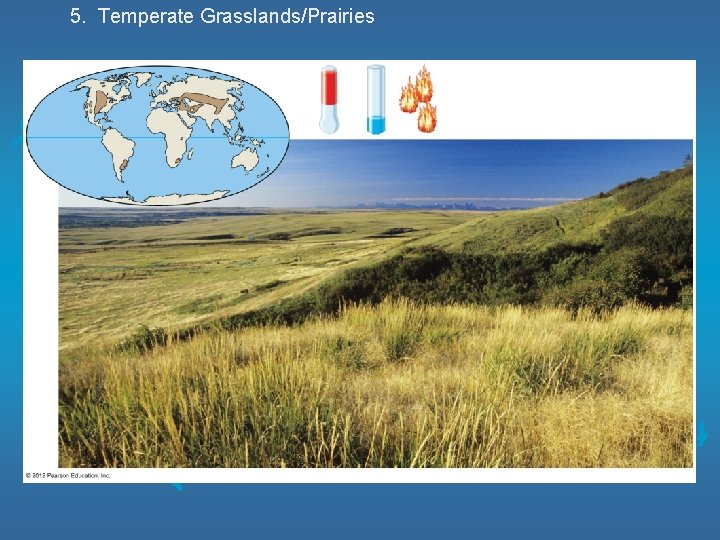
5. Temperate Grasslands/Prairies
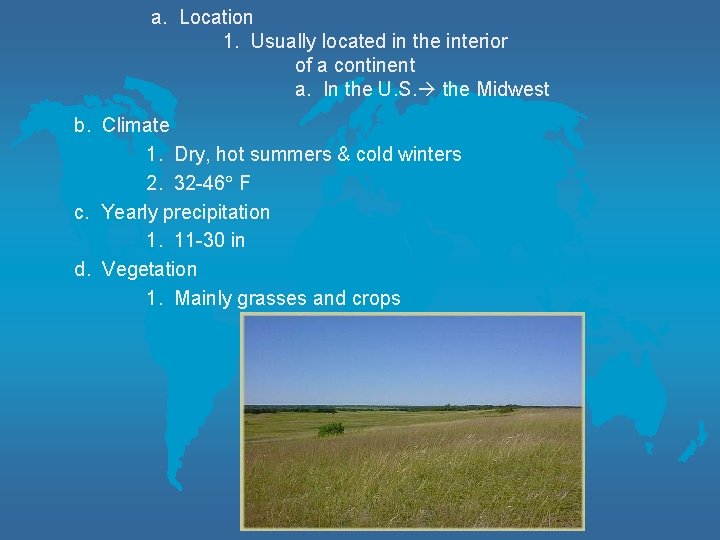
a. Location 1. Usually located in the interior of a continent a. In the U. S. the Midwest b. Climate 1. Dry, hot summers & cold winters 2. 32 -46 F c. Yearly precipitation 1. 11 -30 in d. Vegetation 1. Mainly grasses and crops
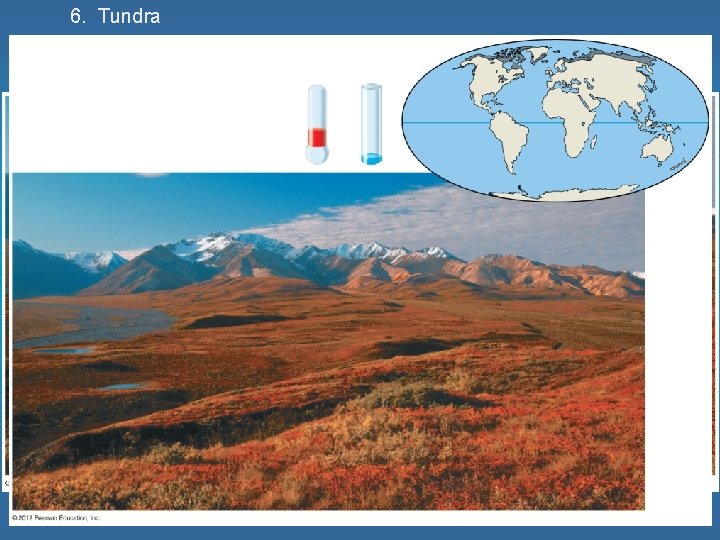
6. Tundra
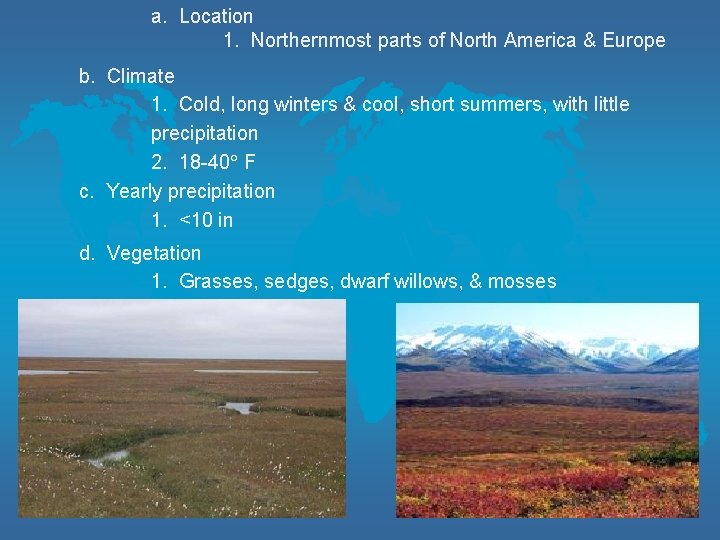
a. Location 1. Northernmost parts of North America & Europe b. Climate 1. Cold, long winters & cool, short summers, with little precipitation 2. 18 -40 F c. Yearly precipitation 1. <10 in d. Vegetation 1. Grasses, sedges, dwarf willows, & mosses
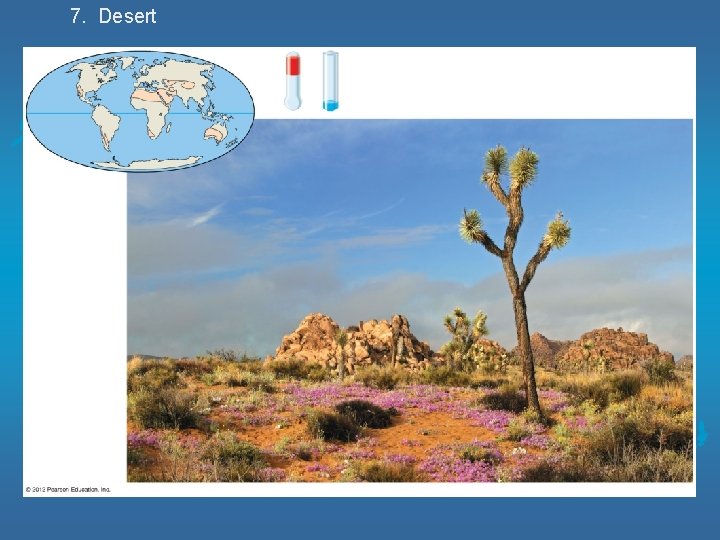
7. Desert
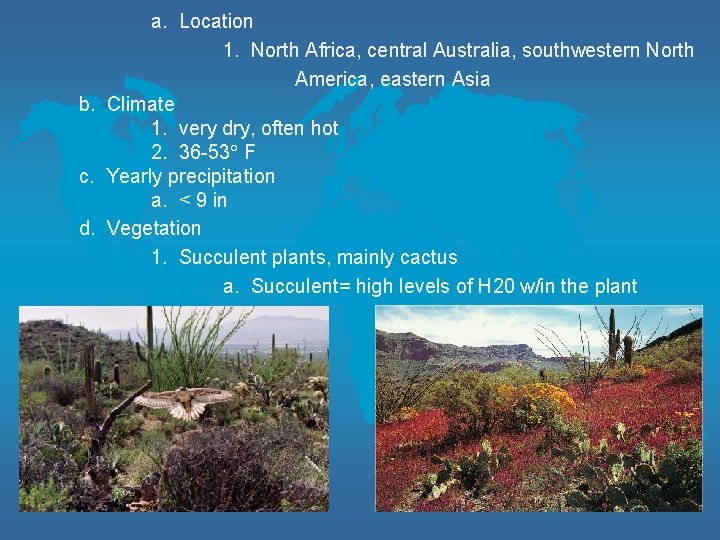
a. Location 1. North Africa, central Australia, southwestern North America, eastern Asia b. Climate 1. very dry, often hot 2. 36 -53 F c. Yearly precipitation a. < 9 in d. Vegetation 1. Succulent plants, mainly cactus a. Succulent= high levels of H 20 w/in the plant
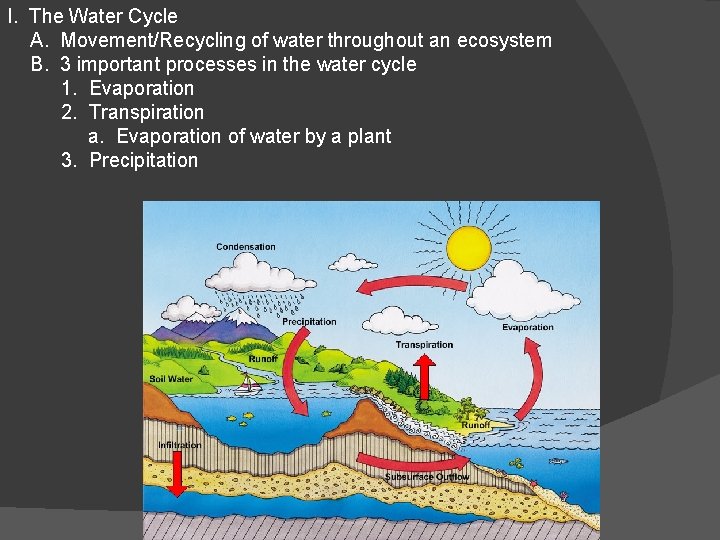
I. The Water Cycle A. Movement/Recycling of water throughout an ecosystem B. 3 important processes in the water cycle 1. Evaporation 2. Transpiration a. Evaporation of water by a plant 3. Precipitation
- Slides: 22