
Ecology and the Environment Chapter 22 Background and
Ecology and the Environment (Chapter 22) Background and Historical Development n Attributes of Ecological Systems n Selected Issues – Applied Ecology n Take Home Messages n
Take-Home Messages n n n Functional unit in ecology is the ecosystem; it is analogous to the cell Hierarchy theory and emergent properties is applicable to the study of ecology Energetics of ecosystems is driven by (i) principles of thermodynamics (1 st and 2 nd Laws) and (ii) nature in which organisms acquire and utilize energy; result is a predictable pattern among all ecosystems embodied in the concept of trophic levels Ecosystems are not static but change over time in predictable and recurrent ways; this change is called succession Energy passes through ecosystems unidirectionally, whereas elements/materials cycle throughout ecosystems Biodiversity, the number and distribution of species, is an important feature of ecosystems
Ecologyand the Environment Background and Historical Development n Attributes of Ecological Systems n Selected Issues – Applied Ecology n Take Home Messages n
Background and Historical Context Discipline of ecology n Evolution of the science n Orientation by type of system n
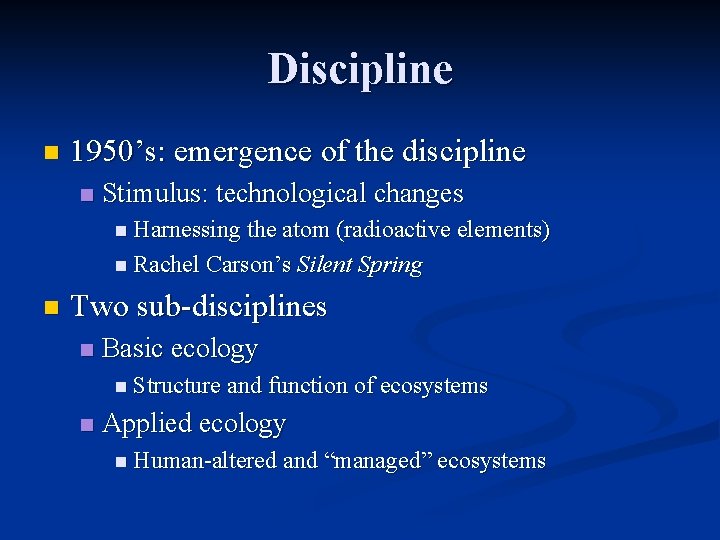
Discipline n 1950’s: emergence of the discipline n Stimulus: technological changes n Harnessing the atom (radioactive elements) n Rachel Carson’s Silent Spring n Two sub-disciplines n Basic ecology n Structure and function of ecosystems n Applied ecology n Human-altered and “managed” ecosystems
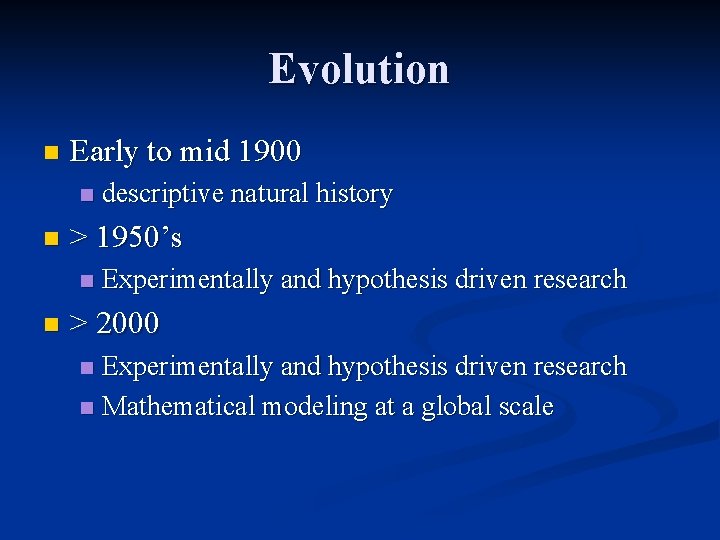
Evolution n Early to mid 1900 n n > 1950’s n n descriptive natural history Experimentally and hypothesis driven research > 2000 Experimentally and hypothesis driven research n Mathematical modeling at a global scale n
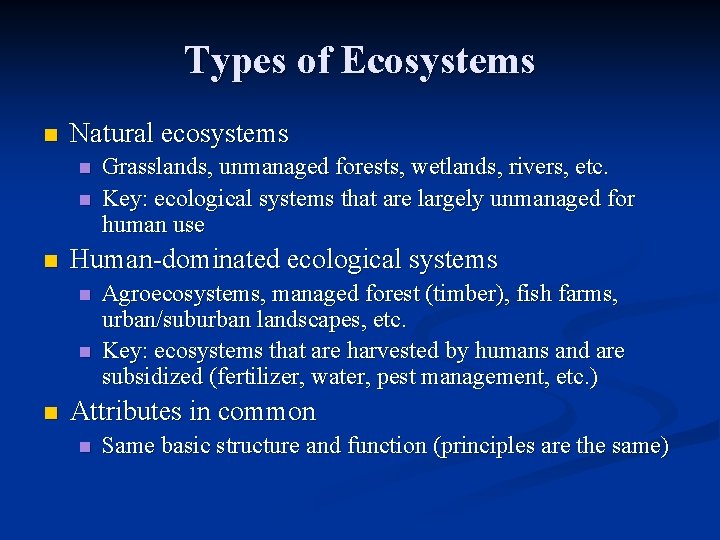
Types of Ecosystems n Natural ecosystems n n n Human-dominated ecological systems n n n Grasslands, unmanaged forests, wetlands, rivers, etc. Key: ecological systems that are largely unmanaged for human use Agroecosystems, managed forest (timber), fish farms, urban/suburban landscapes, etc. Key: ecosystems that are harvested by humans and are subsidized (fertilizer, water, pest management, etc. ) Attributes in common n Same basic structure and function (principles are the same)
Attributes Ecosystem (ecological system) n Hierarchy theory and emergent properties n Structure of ecosystems n Energetics of ecosystems (flow of energy) n Biodiversity n Cycles of materials and elements n
Ecology Background and Historical Development n Attributes of Ecological Systems n Selected Issues – Applied Ecology n Take Home Messages n
Attributes Ecosystem n Hierarchy theory and emergent properties n Structure of ecosystems n Energetics of ecosystems (flow of energy) n Biodiversity n Cycles of materials and elements n
Ecosystems n n n Ecological systems – ecosystem Components n Biotic components n All living organisms – plants, animals and microbes n Abiotic components n All non-living components – soil, atmosphere, water, climate, etc. Ecosystem n Fundamental unit of ecology; analogous to that of the cell
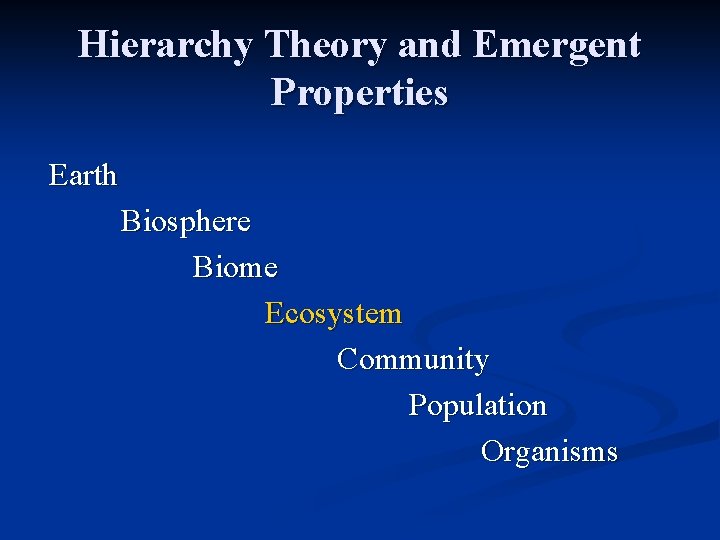
Hierarchy Theory and Emergent Properties Earth Biosphere Biome Ecosystem Community Population Organisms
Terms Population: assemblage of individuals of the same species in the same area n Community: assemblage of all species in a given area n Biome: large regional units of several different types of ecosystems existing in same general area n Biosphere: all of the Earth’s biomes at the global scale (shuttle frame of reference) n
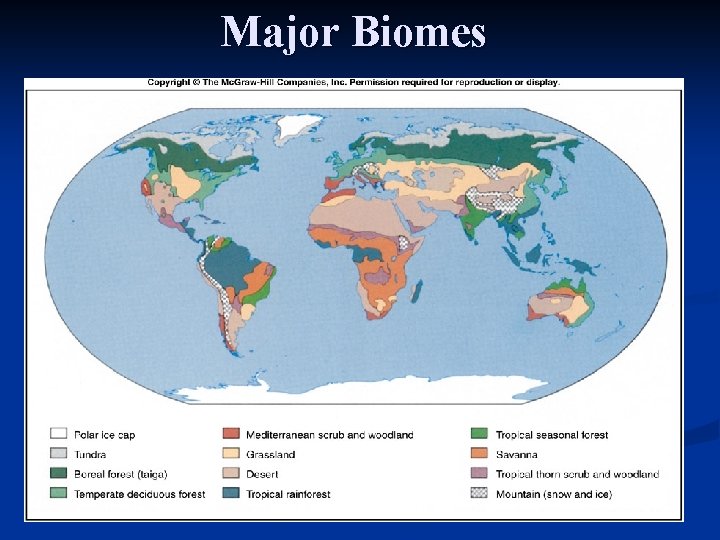
Major Biomes
Emergent Properties Hierarchy theory and emergent properties n Relate to ecology n Emergent properties n Water (combination of H and O) n Sodium chloride (combination of Na and Cl) n Mixes species forest (combination of 50+ different species of trees, shrubs, microbes and animals) n Unanticipated properties n
Attributes Ecosystem (ecological system) n Hierarchy theory and emergent properties n Structure of ecosystems n Energetics of ecosystems (flow of energy) n Biodiversity n Cycles of materials and elements n
Structure of Ecosystems n n n Structure is underpinned by flow of energy Autotrophs: fix energy from sun - plants Heterotrophs: consume energy in C-C bonds n n Primary consumers - herbivores Secondary consumers – carnivores and omnivores Tertiary consumers – saprovores (dead organic matter) All organisms are classified by their source of energy
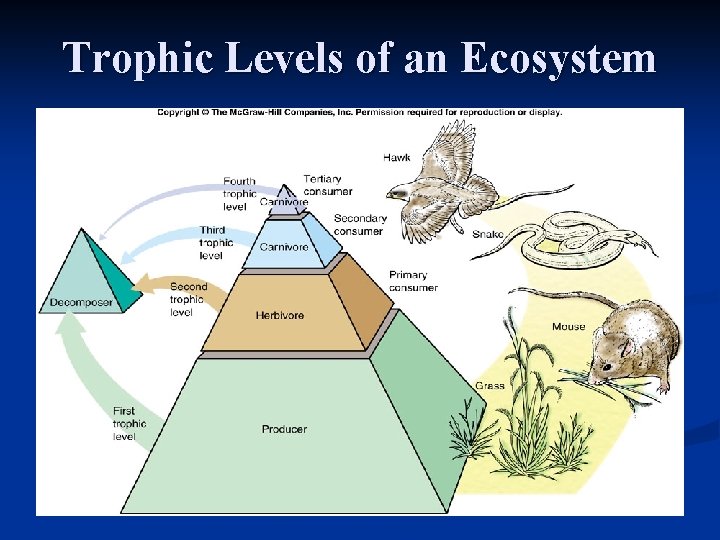
Trophic Levels of an Ecosystem
Attributes Ecosystem (ecological system) n Hierarchy theory and emergent properties n Structure of ecosystems n Energetics of ecosystems (flow of energy) n Biodiversity n Cycles of materials and elements n
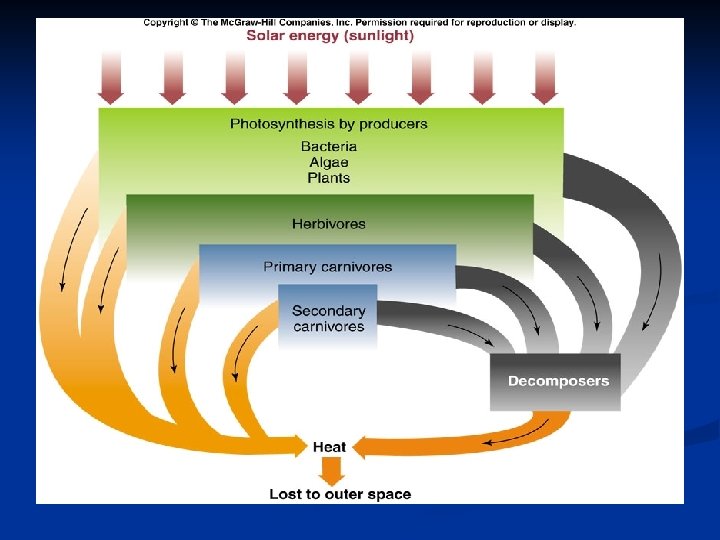
Energetics of Ecosystems n n Common theme/attribute to all ecosystems Linkage to physics n n 1 st Law of Thermodynamics (conservation) 2 nd Law of Thermodynamics (entropy increases) Highly order state of all ecosystems is function of transforming energy in trophic structure Thermodynamics: dissipation of energy is most common in form of heat and respiration
Keys to Energetics Energy flows through ecosystems unidirectionally n As energy flows, amount of energy available to do work (potential energy in C-C bonds) decreases n Flow of energy places constraints on the number of organisms that can exist in higher trophic levels n
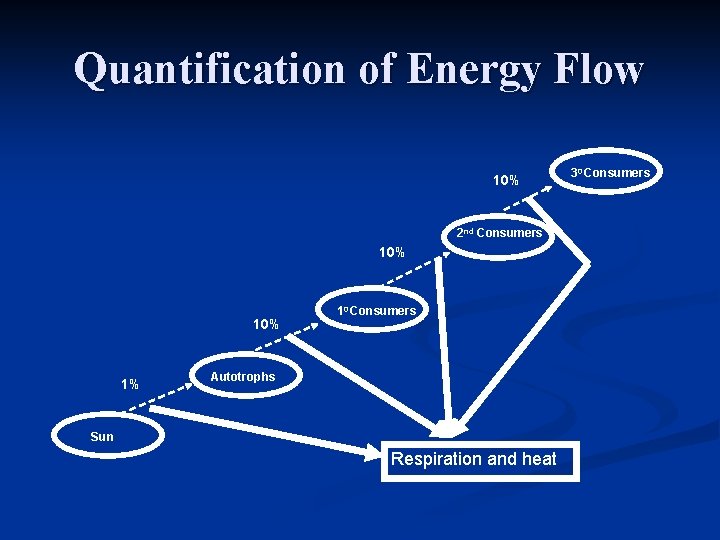
Quantification of Energy Flow 10% 2 nd Consumers 10% 1% 10 Consumers Autotrophs Sun Respiration and heat 30 Consumers
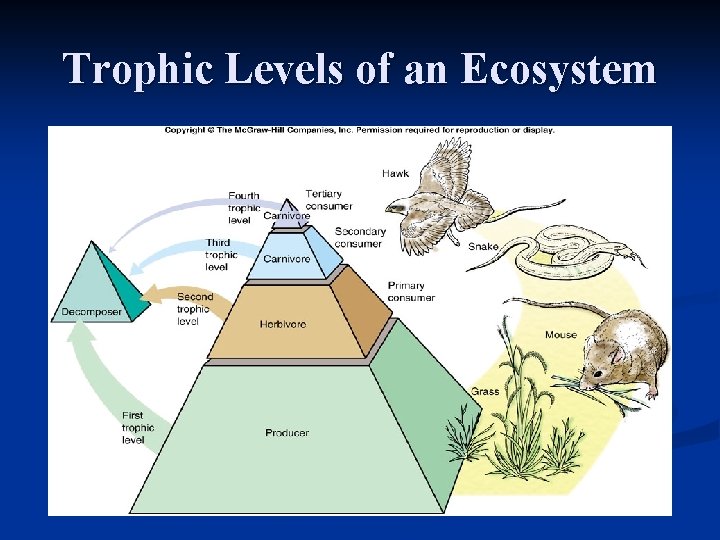
Trophic Levels of an Ecosystem
Attributes Ecosystem (ecological system) n Hierarchy theory and emergent properties n Structure of ecosystems n Energetics of ecosystems (flow of energy) n Biodiversity n Cycles of materials and elements n
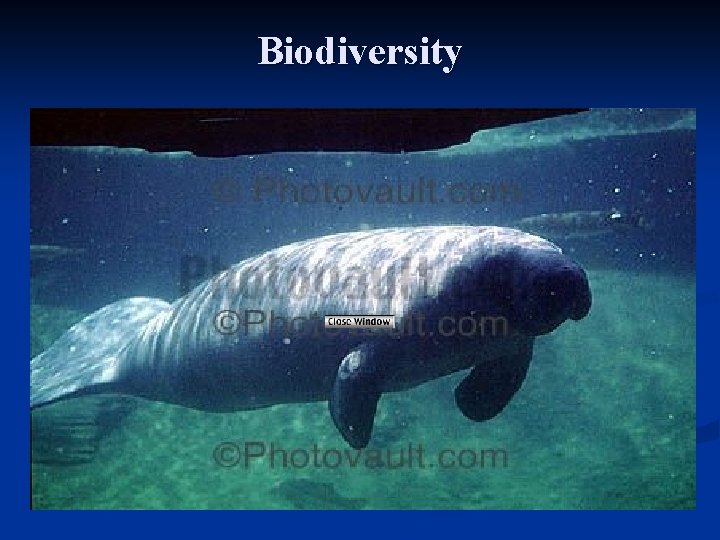
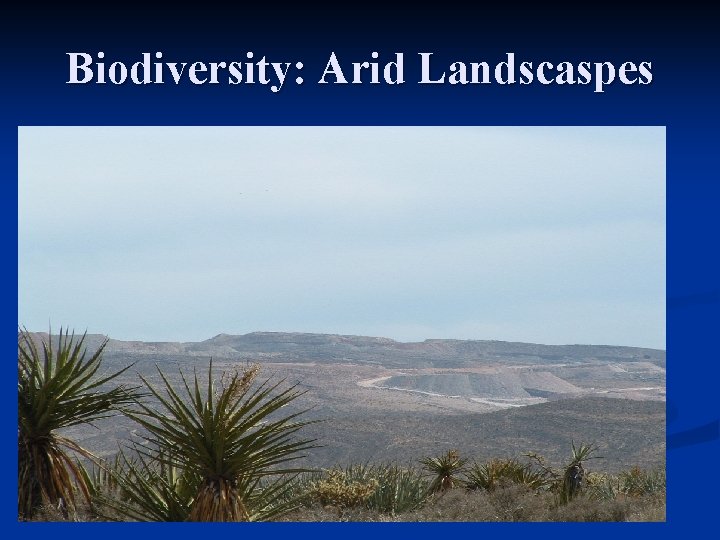
Biodiversity Diversity of world’s biota: ~100 Million species, of which 1. 5 Million have been catalogued n Biodiversity: measurement of the diversity of flora, fauna and microbes n Species richness (number of species) n
Biodiversity
Biodiversity: Arid Landscaspes
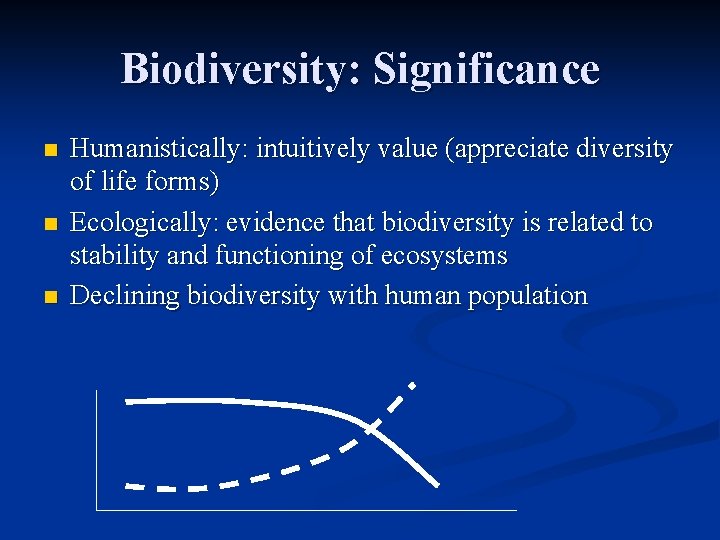
Biodiversity: Significance n n n Humanistically: intuitively value (appreciate diversity of life forms) Ecologically: evidence that biodiversity is related to stability and functioning of ecosystems Declining biodiversity with human population
Attributes Ecosystem (ecological system) n Hierarchy theory and emergent properties n Structure of ecosystems n Energetics of ecosystems (flow of energy) n Biodiversity n Cycles of materials and elements n
Cycling of Elements and Materials Unlike energy, elements and materials cycle throughout ecosystems and they are re-used n Examples: water, carbon, nitrogen n Path is commonly circular passing from biosphere to geosphere to hydrosphere to atmosphere n
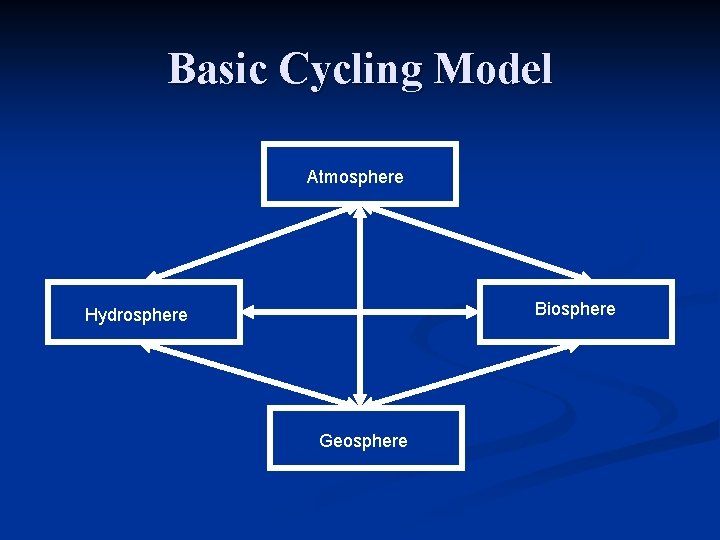
Basic Cycling Model Atmosphere Biosphere Hydrosphere Geosphere
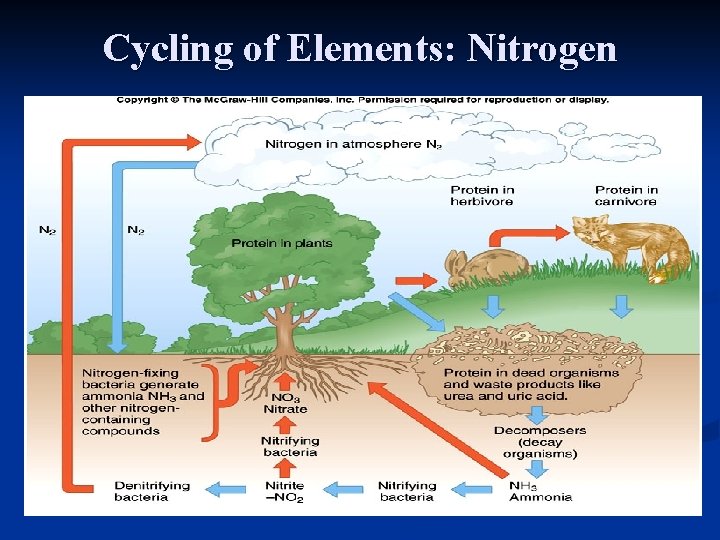
Cycling of Elements: Nitrogen
Ecology Background and Historical Development n Attributes of Ecological Systems n Selected Issues – Applied Ecology n Take Home Messages n
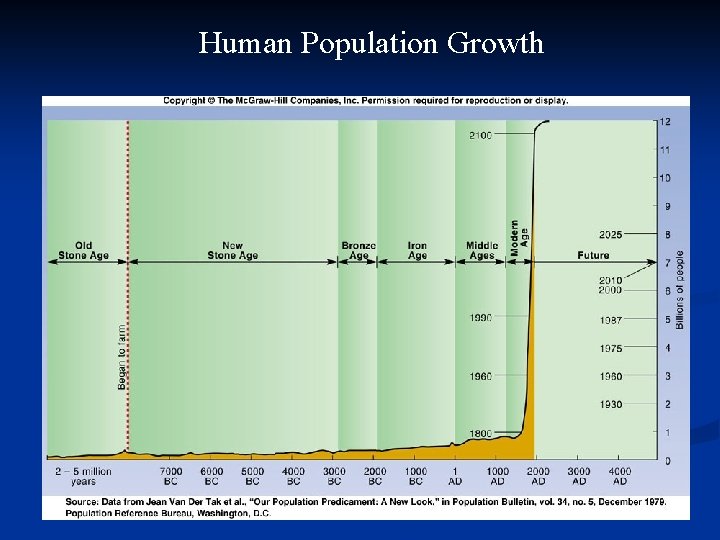
Human Population Growth o
Selected Issues in Ecology Acid rain n Biodiversity and habitat loss n Climate change – a global issue n Ozone and particulate matter in the atmosphere n Stratospheric ozone and UV-B radiation n Tropospheric ozone and human health n PM and human health n
Take-Home Messages n n n Functional unit in ecology is the ecosystem; it is analogous to the cell Hierarchy theory and emergent properties is applicable to the study of ecology Energetics of ecosystems is driven by (i) principles of thermodynamics (1 st and 2 nd Laws) and (ii) nature in which organisms acquire and utilize energy; result is a predictable pattern among all ecosystems embodied in the concept of trophic levels Ecosystems are not static but change over time in predictable and recurrent ways; this change is called succession Energy passes through ecosystems unidirectionally, whereas elements/materials cycle throughout ecosystems Biodiversity, the number and distribution of species, is an important feature of ecosystems
- Slides: 37