
Ecology 8310 Population and Community Ecology Indirect Effects
- Slides: 38
Ecology 8310 Population (and Community) Ecology Indirect Effects • • • A terminological milieu "Classic" indirect effects Higher order interactions
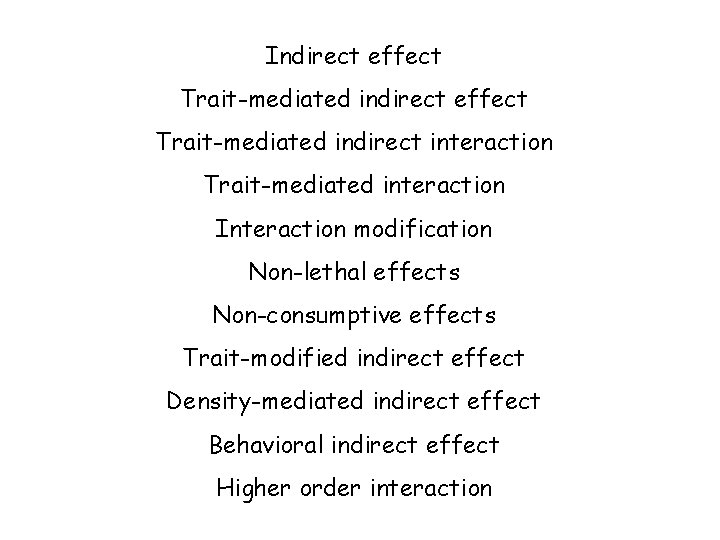
Indirect effect Trait-mediated indirect interaction Trait-mediated interaction Interaction modification Non-lethal effects Non-consumptive effects Trait-modified indirect effect Density-mediated indirect effect Behavioral indirect effect Higher order interaction
Indirect effect Higher order interaction
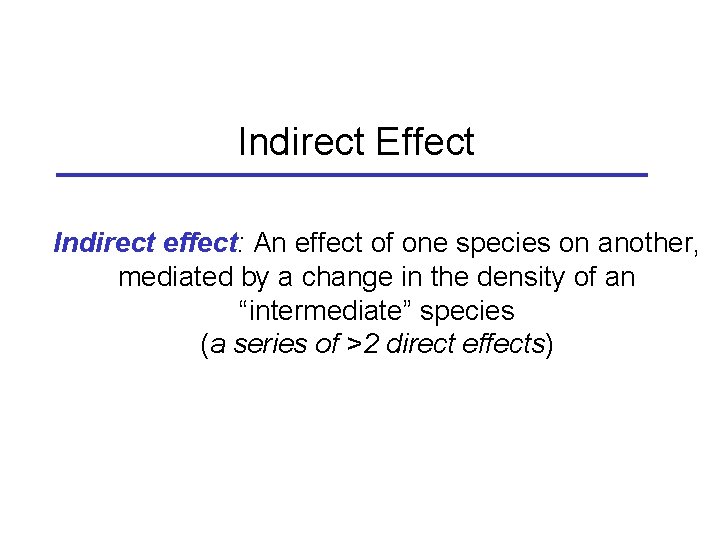
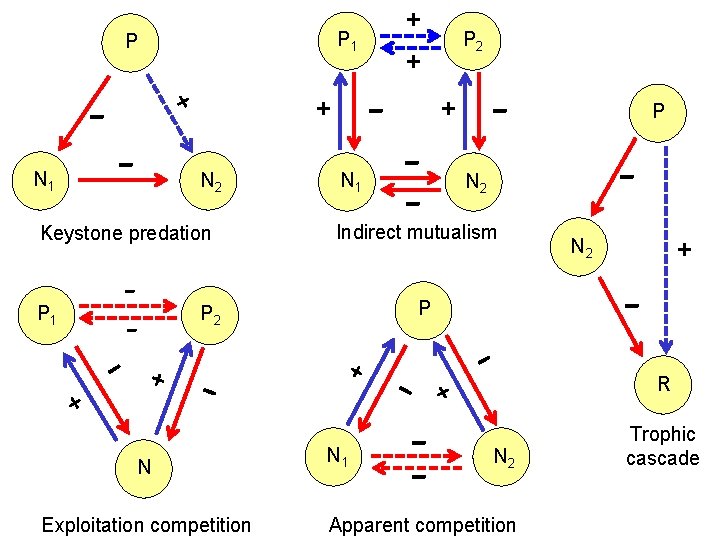
Indirect Effect Indirect effect: An effect of one species on another, mediated by a change in the density of an “intermediate” species (a series of >2 direct effects)
P 1 - N 2 P 1 - - Exploitation competition N 1 - + N - P + + - - P N 2 Indirect mutualism P 2 + - N 1 - N 2 Apparent competition N 2 + Keystone predation - P 2 + N 1 + - + P + + R Trophic cascade
Classic experimental study: Wootton (1994)
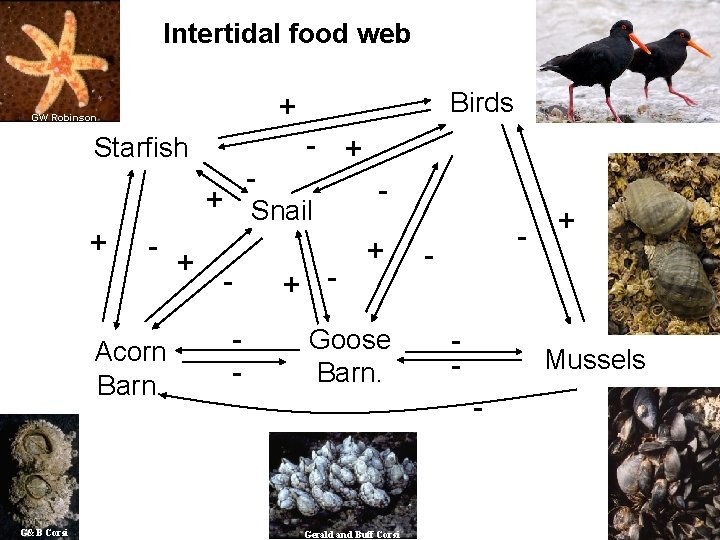
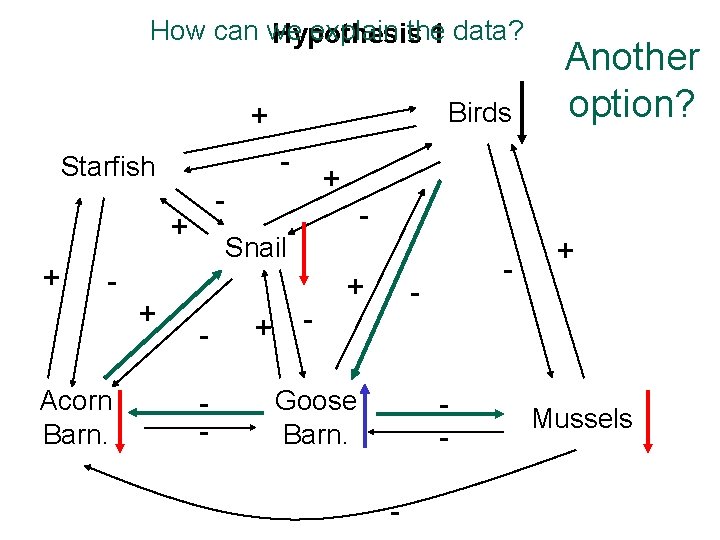
Intertidal food web Birds + GW Robinson Starfish - - + + Snail + - Acorn Barn. G&B Corsi + - + Goose Barn. - - Mussels - Gerald and Buff Corsi +
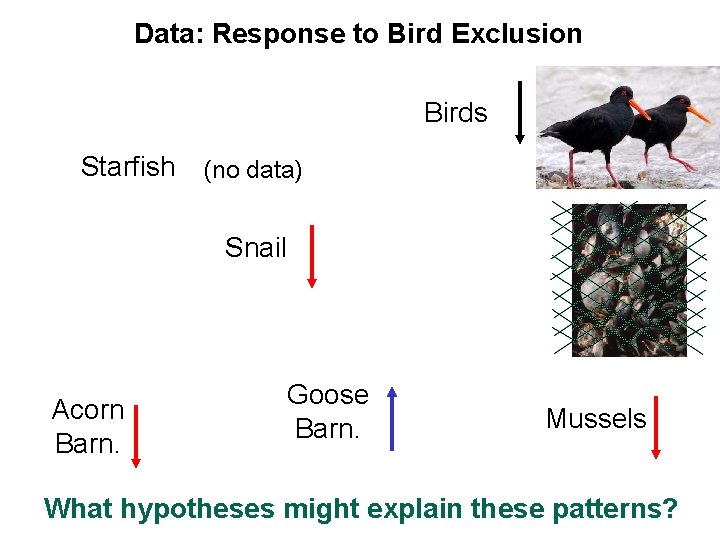
Data: Response to Bird Exclusion Birds Starfish (no data) Snail Acorn Barn. Goose Barn. Mussels What hypotheses might explain these patterns?
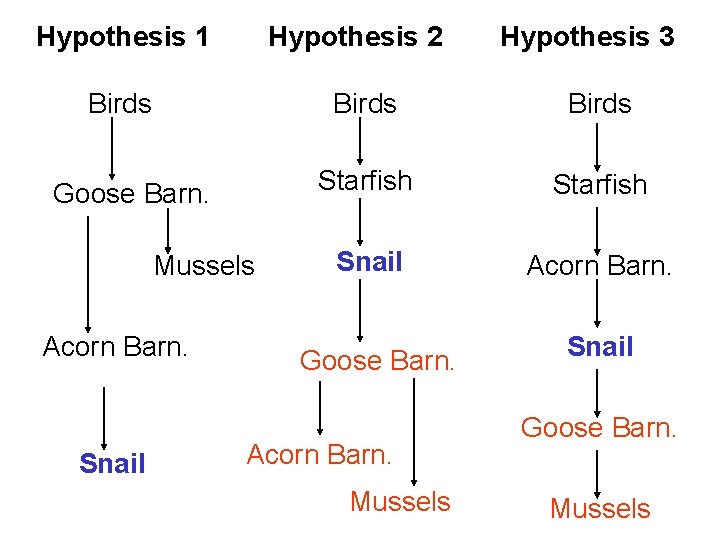
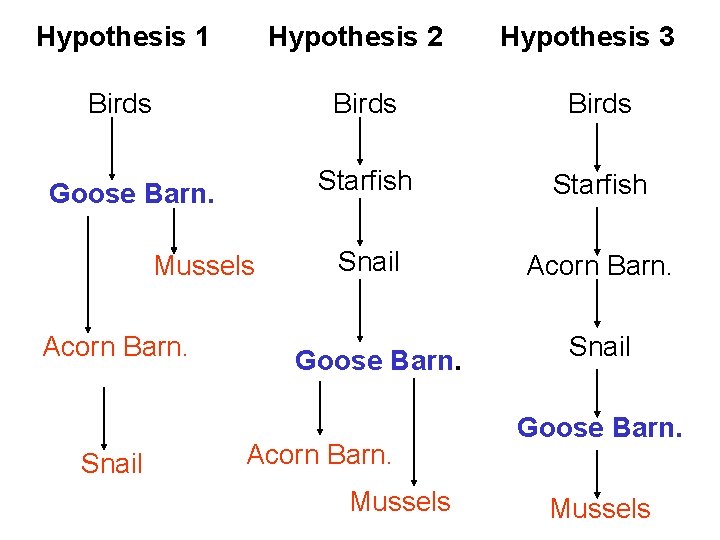
How can we explain the Hypothesis 1 data? Birds + - Starfish + - Acorn Barn. + + - Snail - Another option? + - - Goose Barn. - + Mussels
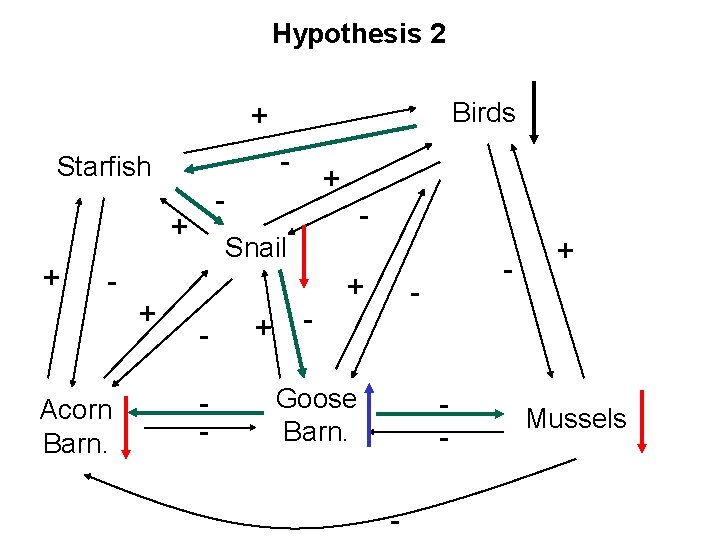
Hypothesis 2 Birds + - Starfish - + + - Acorn Barn. + + - Snail - + - - Goose Barn. - + Mussels
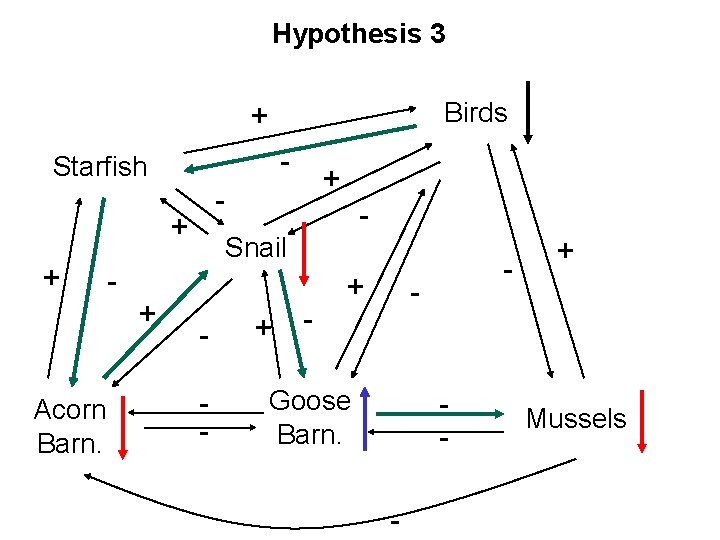
Hypothesis 3 Birds + - Starfish - + + Acorn Barn. - + + - Snail - + - - Goose Barn. - + Mussels
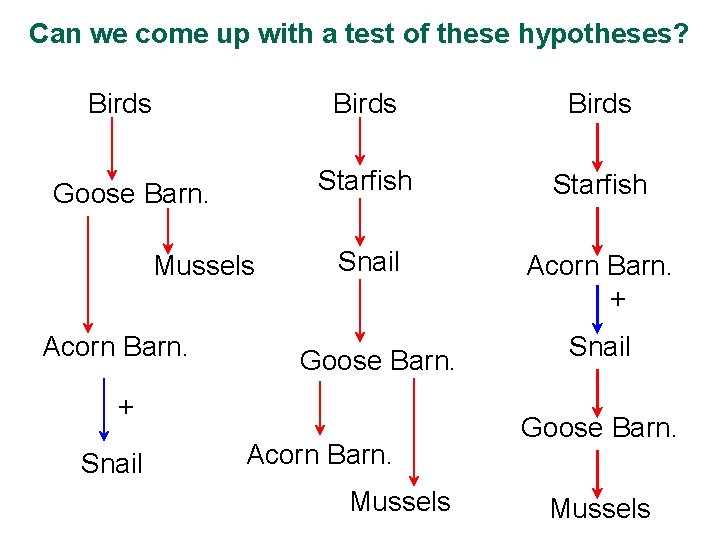
Can we come 1 up with a test of 2 these. Hypothesis hypotheses? Hypothesis 3 Birds Goose Barn. Mussels Acorn Barn. Birds Starfish Snail Acorn Barn. + Goose Barn. + Snail Acorn Barn. Mussels Snail Goose Barn. Mussels
Two approaches 1. Manipulate intermediate species directly (and look at effects) 2. Remove intermediate species: does indirect effect of birds disappear?
It the absence of snails: what will happen to the other species, if we then manipulate birds?
Hypothesis 1 Hypothesis 2 Birds Goose Barn. Mussels Acorn Barn. Snail Hypothesis 3 Birds Starfish Snail Acorn Barn. Goose Barn. Acorn Barn. Mussels Snail Goose Barn. Mussels
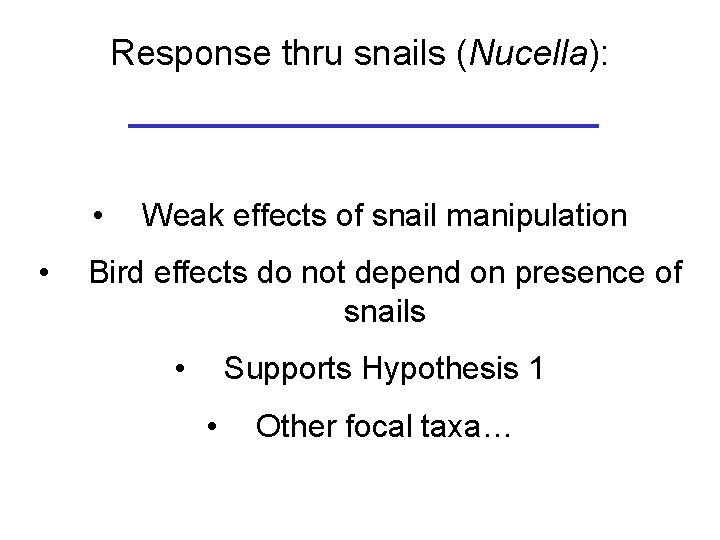
Response thru snails (Nucella): • • Weak effects of snail manipulation Bird effects do not depend on presence of snails • Supports Hypothesis 1 • Other focal taxa…
Hypothesis 1 Hypothesis 2 Birds Goose Barn. Mussels Acorn Barn. Snail Hypothesis 3 Birds Starfish Snail Acorn Barn. Goose Barn. Acorn Barn. Mussels Snail Goose Barn. Mussels
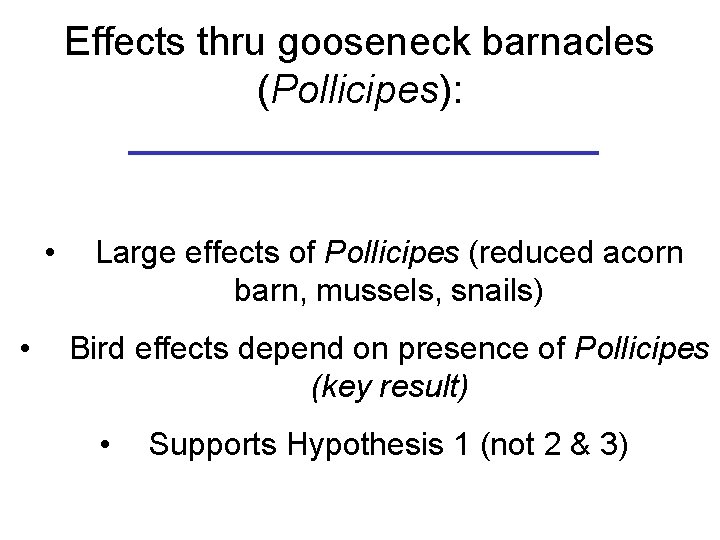
Effects thru gooseneck barnacles (Pollicipes): • • Large effects of Pollicipes (reduced acorn barn, mussels, snails) Bird effects depend on presence of Pollicipes (key result) • Supports Hypothesis 1 (not 2 & 3)
Creative experimental approach based on clear definition of "indirect effect"
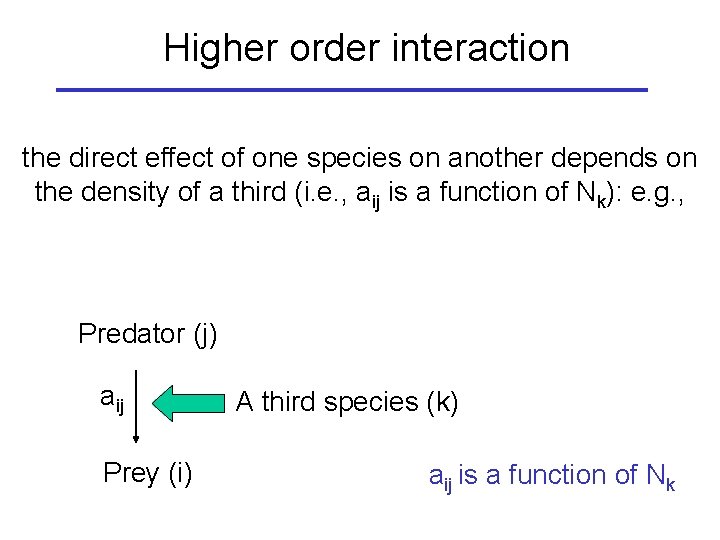
Higher order interaction the direct effect of one species on another depends on the density of a third (i. e. , aij is a function of Nk): e. g. , Predator (j) aij Prey (i) A third species (k) aij is a function of Nk
Higher order interaction == a direct effect (but influenced by another species) Indirect effect == a result of a series of direct effects
Higher Order Interactions: • Non-linearities (e. g. , a type II functional response with >2 prey) • "Trait-moderated" indirect effects: • Habitat shifts (e. g. , predator-induced; aka “behavioral indirect effects”) • Morphology (tadpole tails, barnacle lips, Daphnia helmets) • Physiology (activity, stress) • Life history (e. g. , early reproduction)
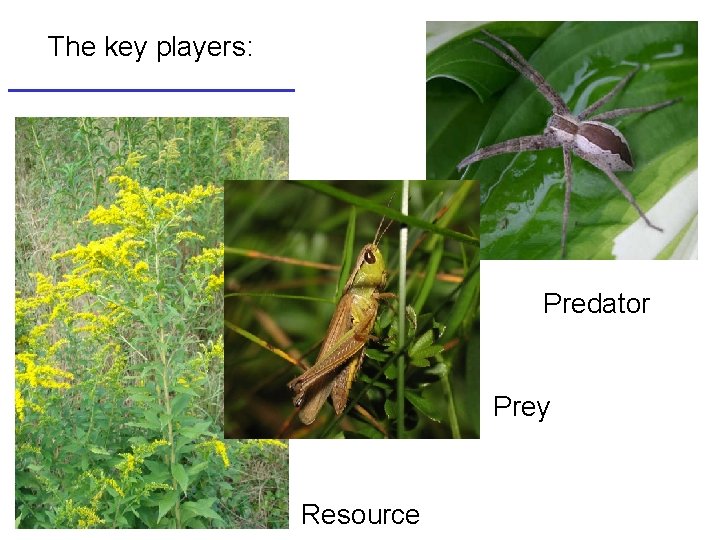
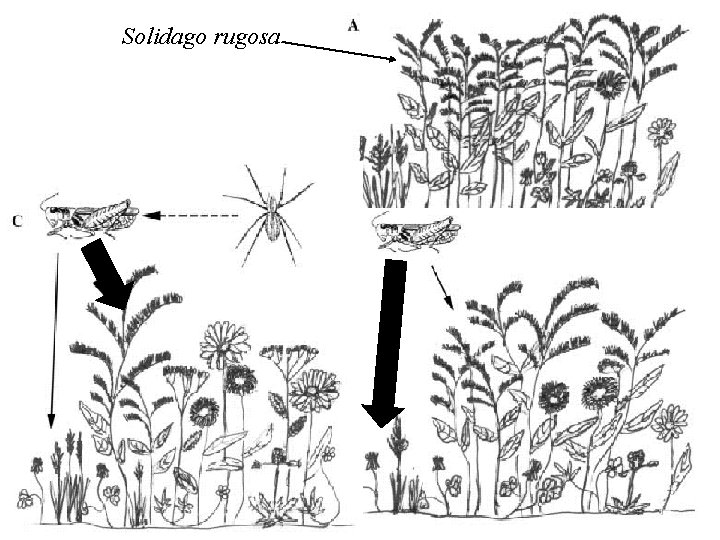
The key players: Predator Prey Resource
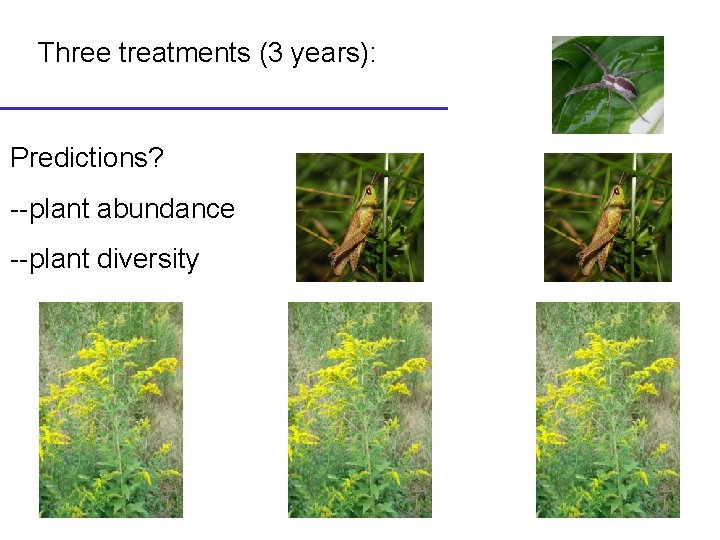
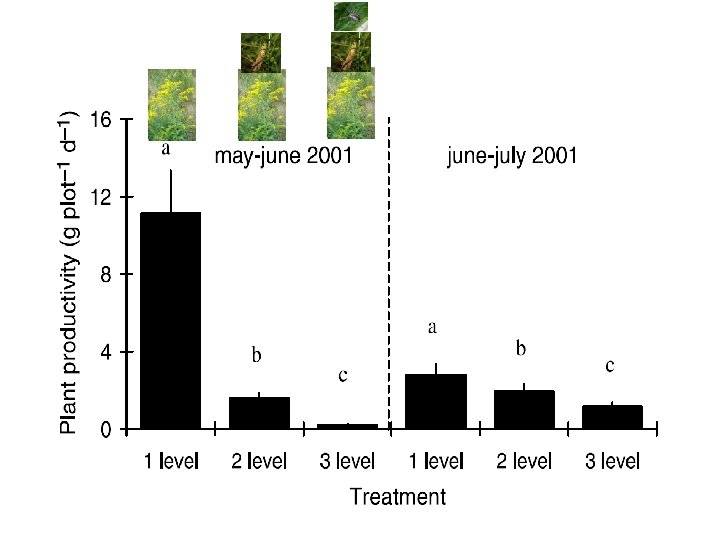
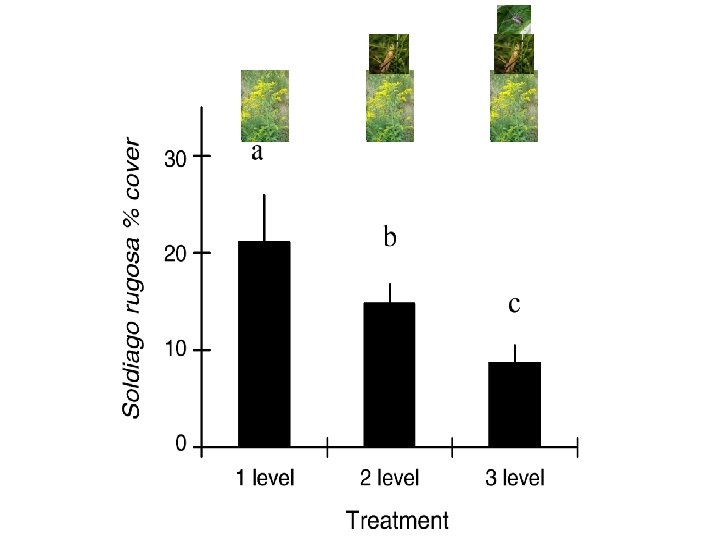
Three treatments (3 years): Predictions? --plant abundance --plant diversity
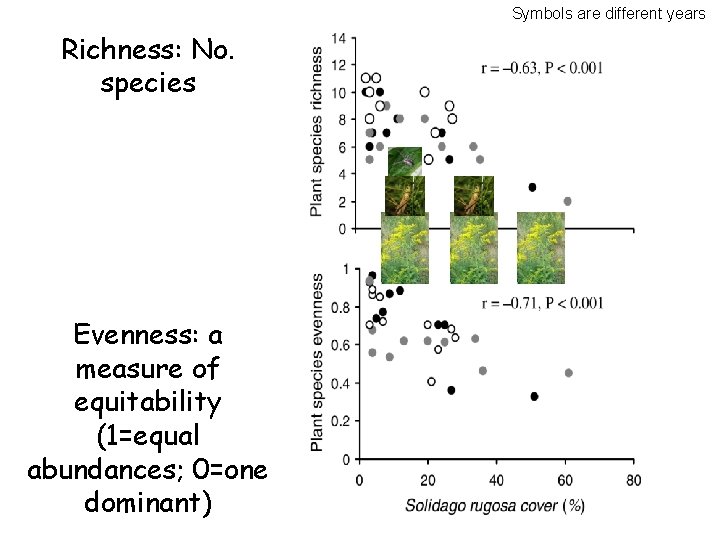
Symbols are different years Richness: No. species Evenness: a measure of equitability (1=equal abundances; 0=one dominant)
Solidago rugosa
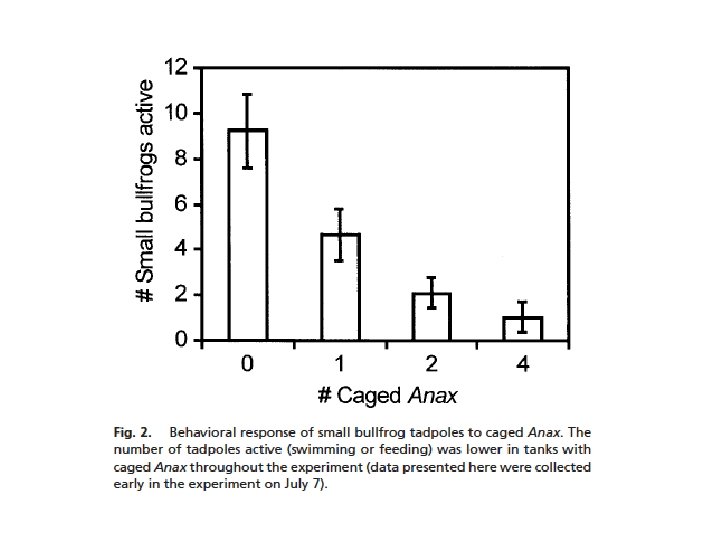
Non-lethal effects of predator on prey can influence prey's resource assemblage
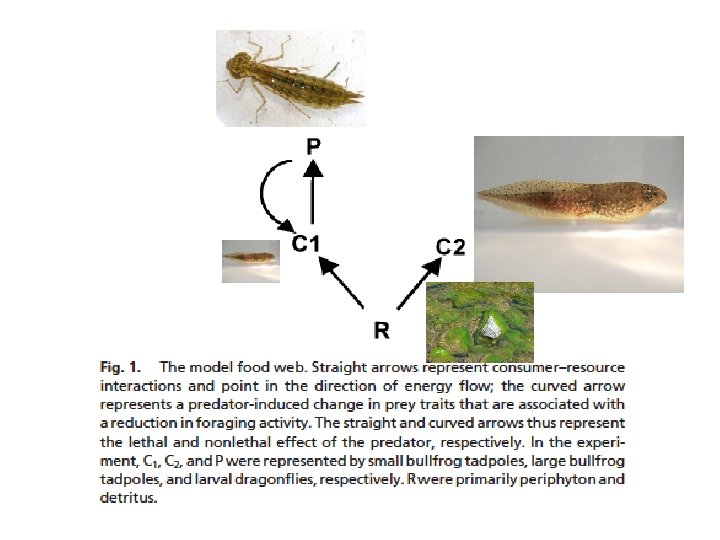
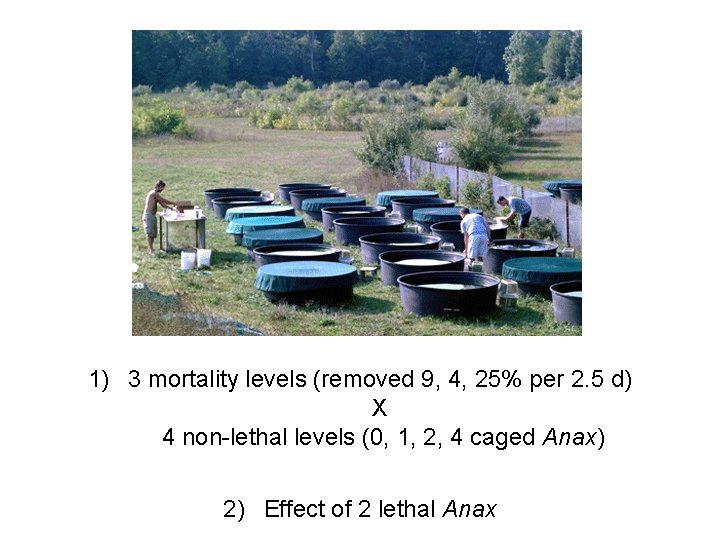
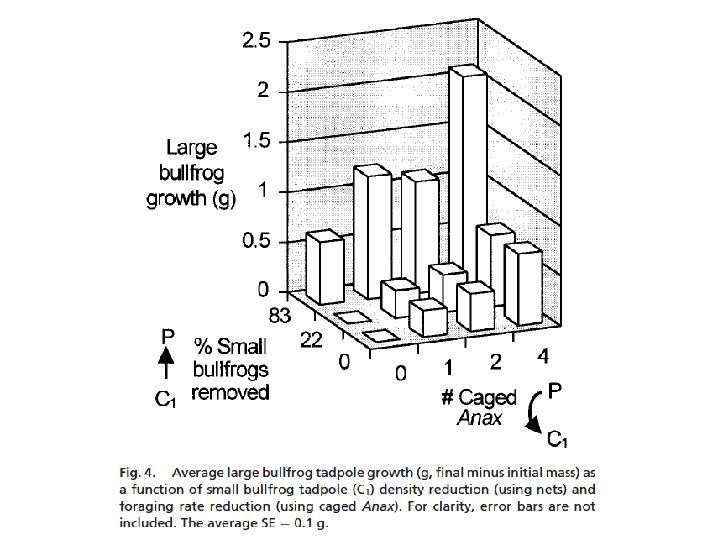
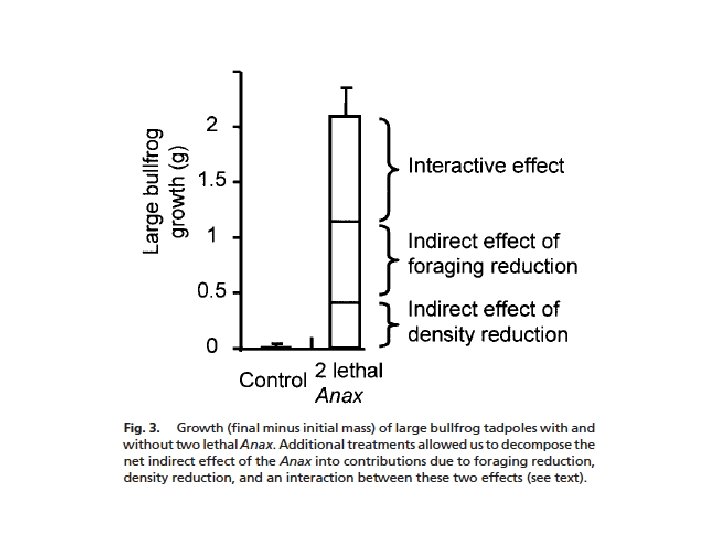
1) 3 mortality levels (removed 9, 4, 25% per 2. 5 d) X 4 non-lethal levels (0, 1, 2, 4 caged Anax) 2) Effect of 2 lethal Anax
Use these data to partition lethal and non-lethal effects
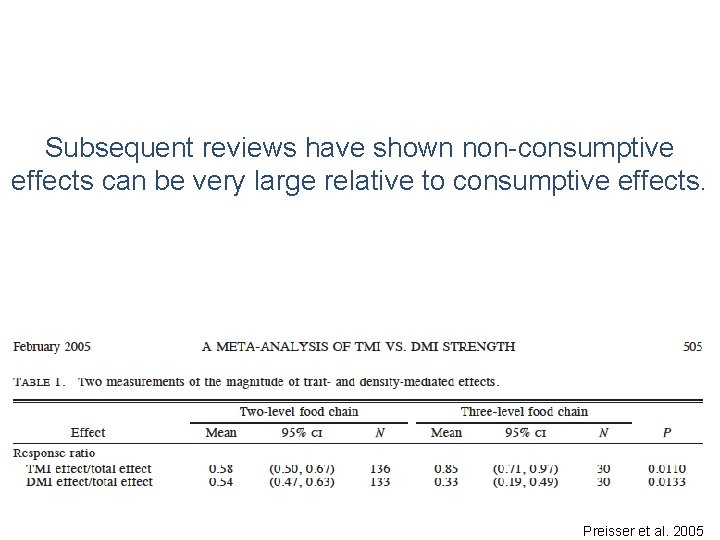
Subsequent reviews have shown non-consumptive effects can be very large relative to consumptive effects. Preisser et al. 2005