
Ecological Succession How Ecosystems Change Crash Course Into
- Slides: 22
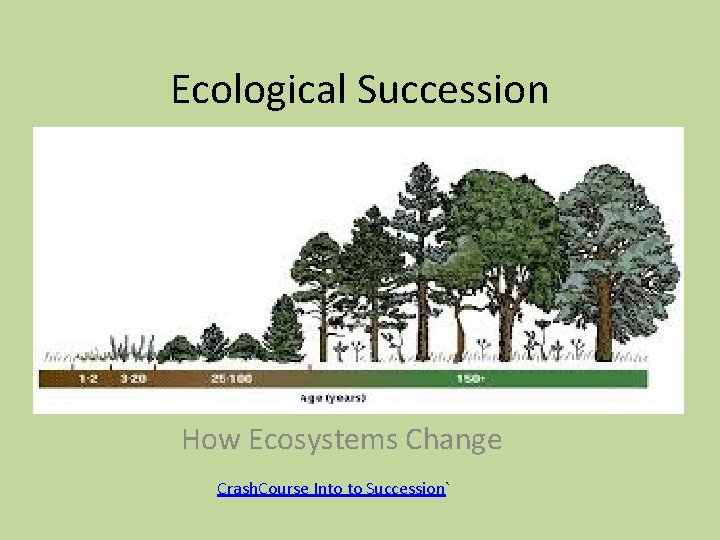
Ecological Succession How Ecosystems Change Crash. Course Into to Succession`
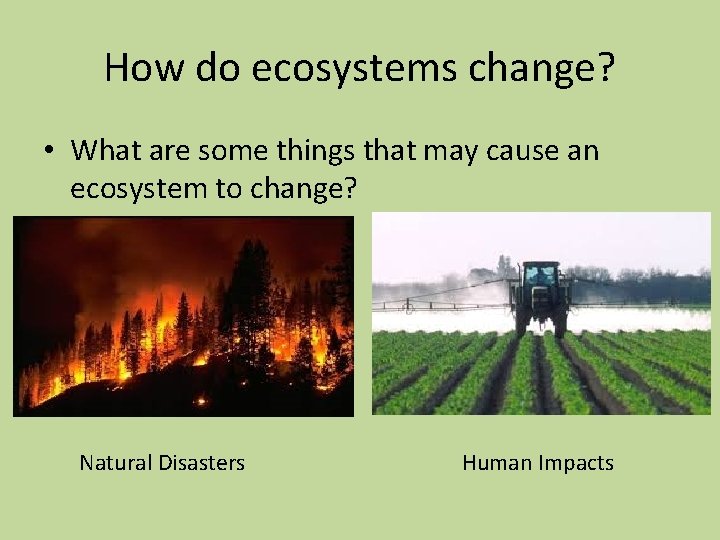
How do ecosystems change? • What are some things that may cause an ecosystem to change? Natural Disasters Human Impacts
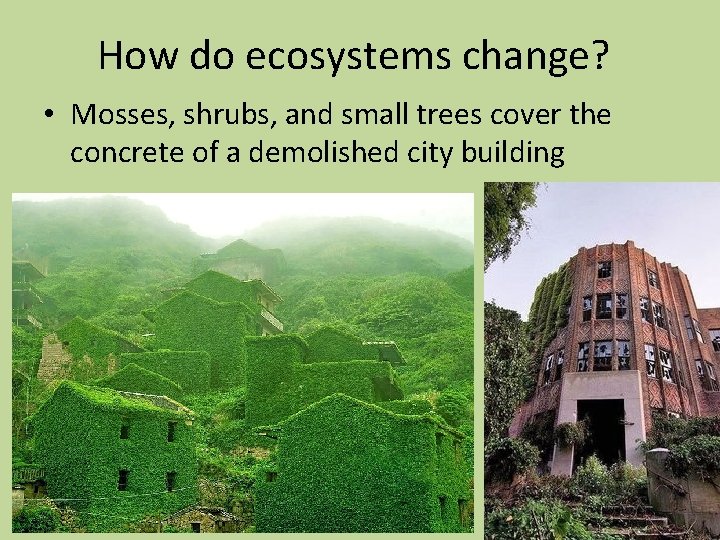
How do ecosystems change? • Mosses, shrubs, and small trees cover the concrete of a demolished city building
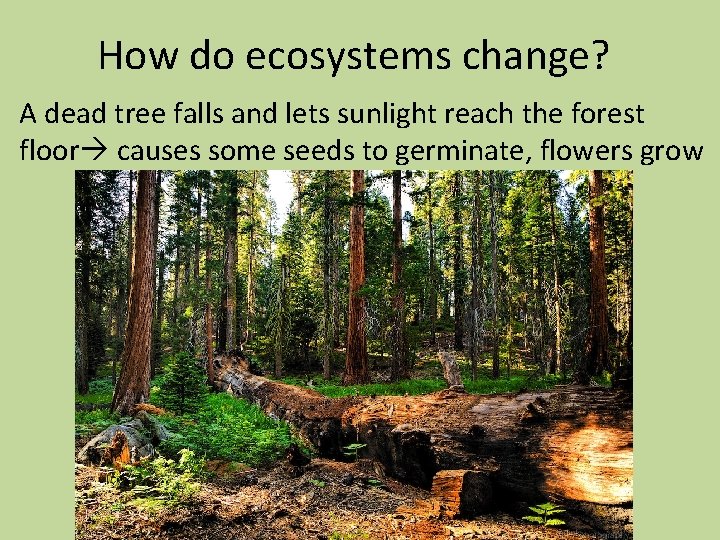
How do ecosystems change? A dead tree falls and lets sunlight reach the forest floor causes some seeds to germinate, flowers grow
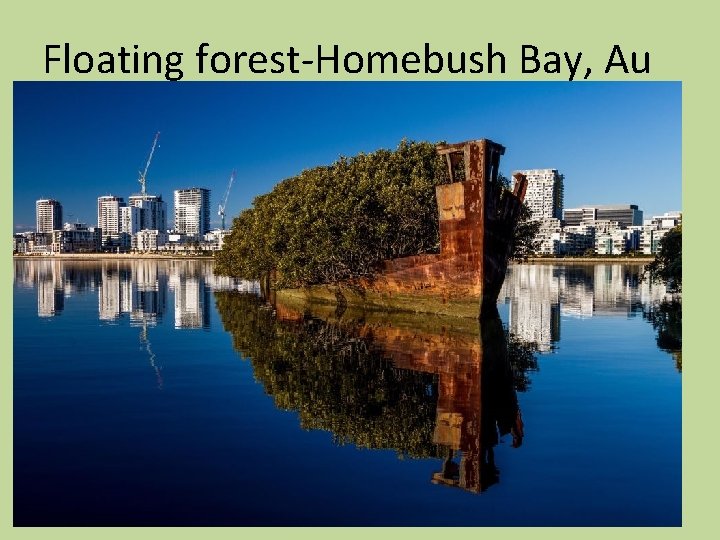
Floating forest-Homebush Bay, Au
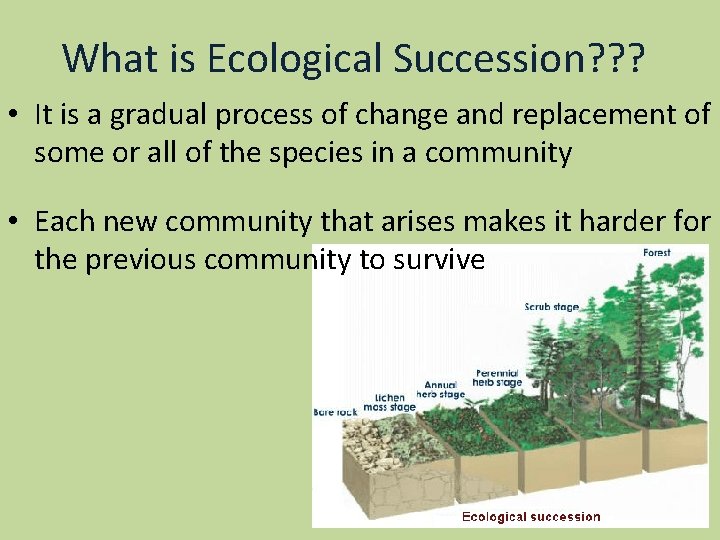
What is Ecological Succession? ? ? • It is a gradual process of change and replacement of some or all of the species in a community • Each new community that arises makes it harder for the previous community to survive
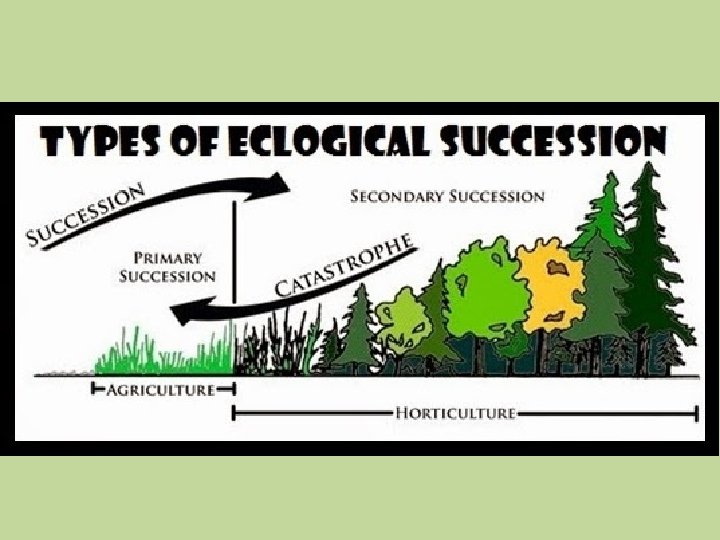
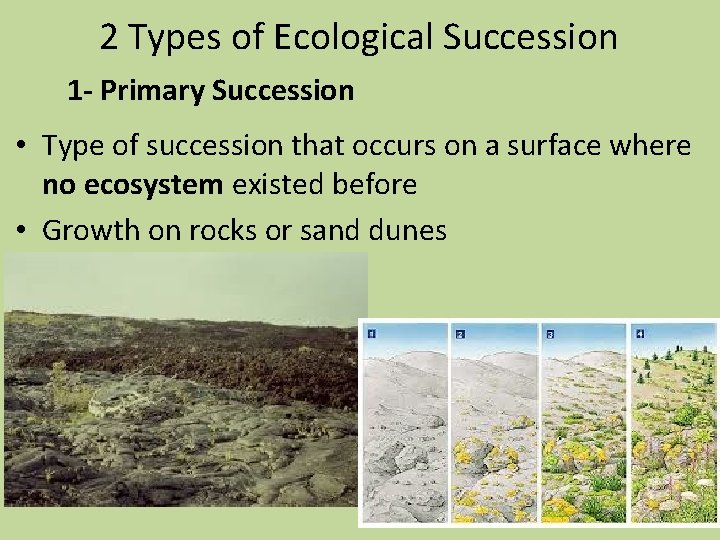
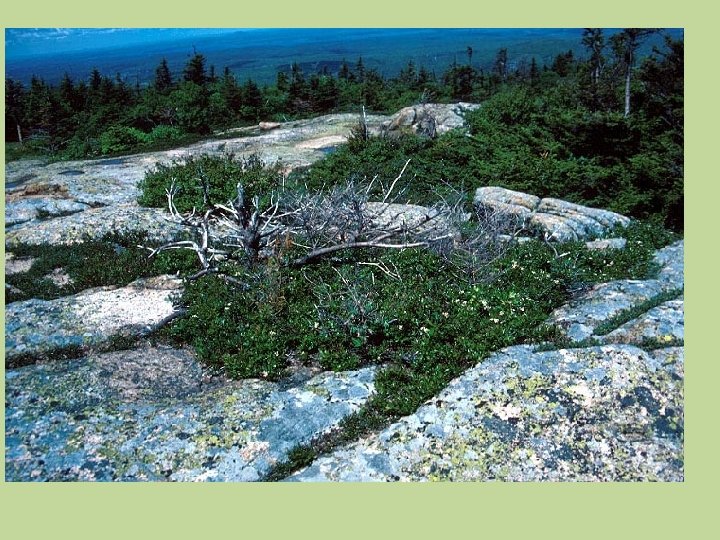
2 Types of Ecological Succession 1 - Primary Succession • Type of succession that occurs on a surface where no ecosystem existed before • Growth on rocks or sand dunes
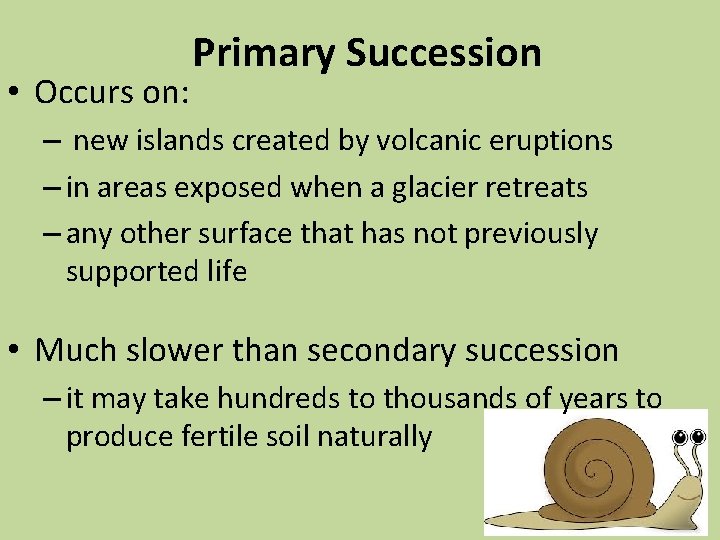
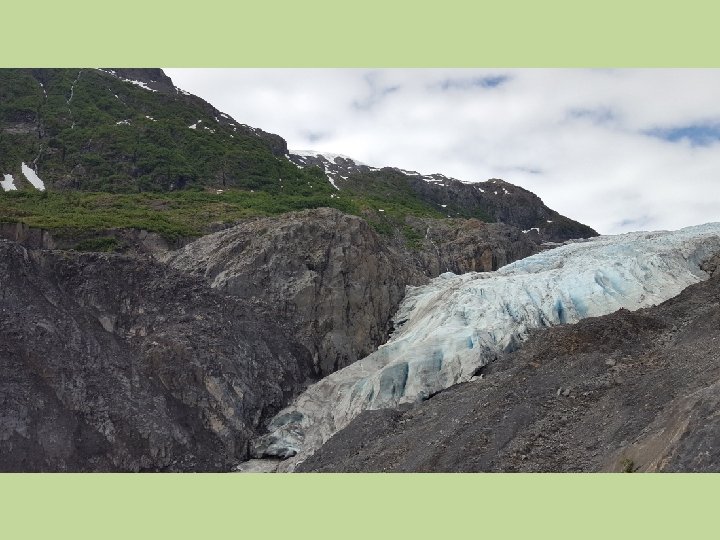
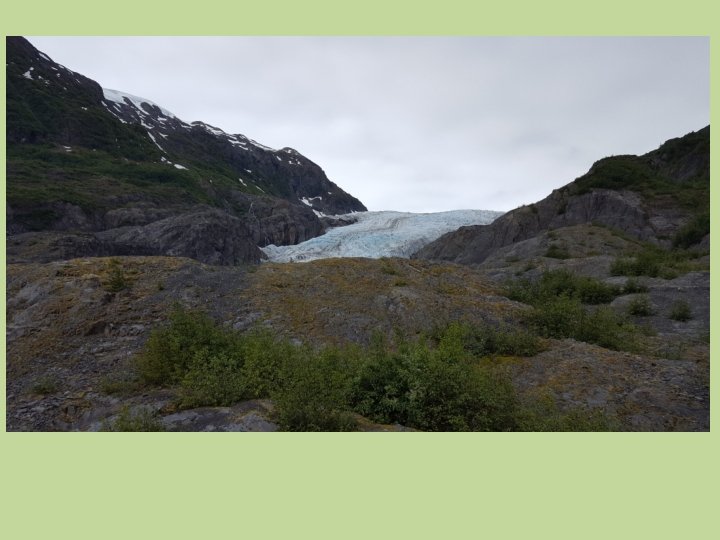
• Occurs on: Primary Succession – new islands created by volcanic eruptions – in areas exposed when a glacier retreats – any other surface that has not previously supported life • Much slower than secondary succession – it may take hundreds to thousands of years to produce fertile soil naturally
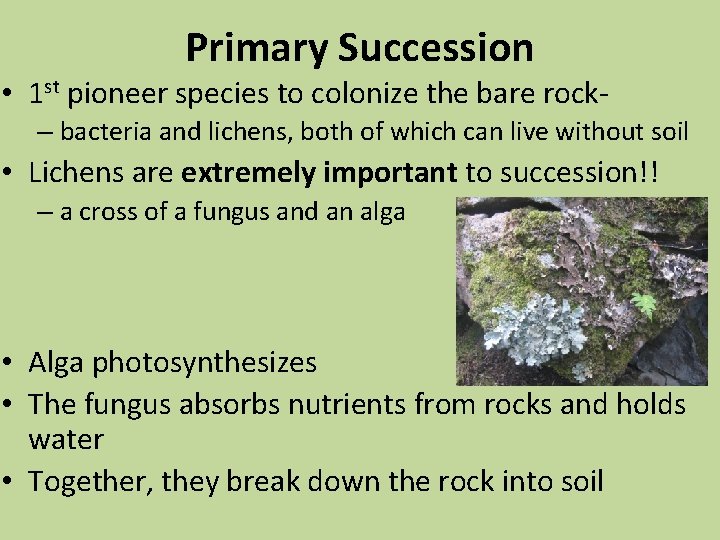
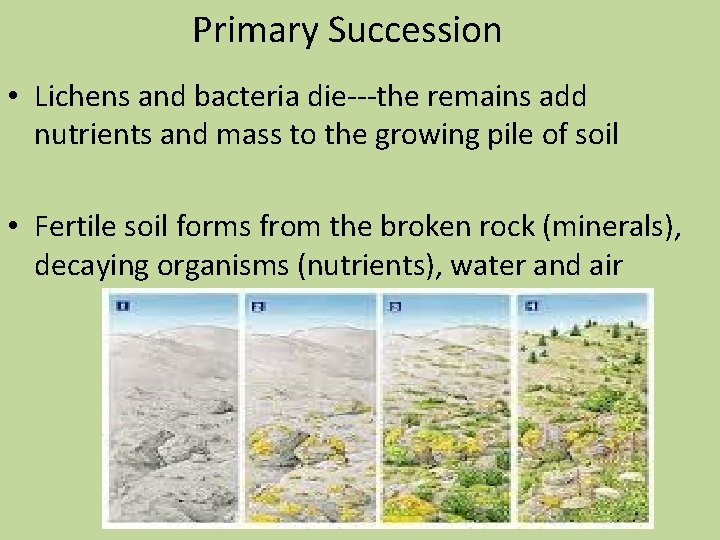
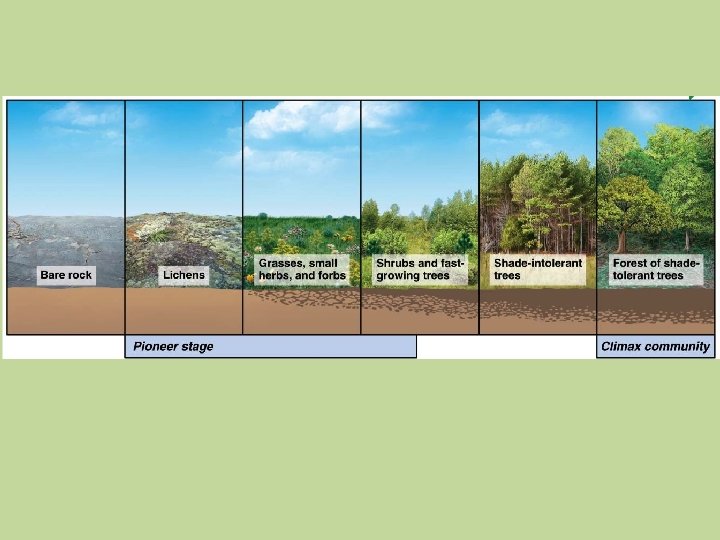
Primary Succession • 1 st pioneer species to colonize the bare rock– bacteria and lichens, both of which can live without soil • Lichens are extremely important to succession!! – a cross of a fungus and an alga • Alga photosynthesizes • The fungus absorbs nutrients from rocks and holds water • Together, they break down the rock into soil
Primary Succession • Lichens and bacteria die---the remains add nutrients and mass to the growing pile of soil • Fertile soil forms from the broken rock (minerals), decaying organisms (nutrients), water and air
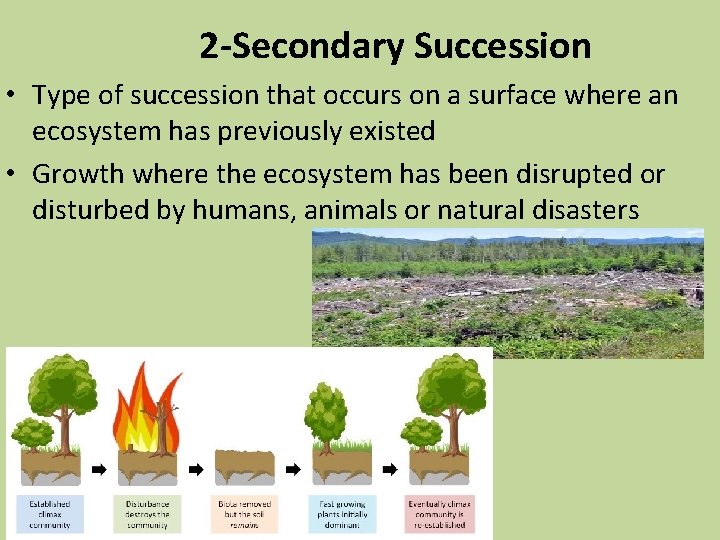
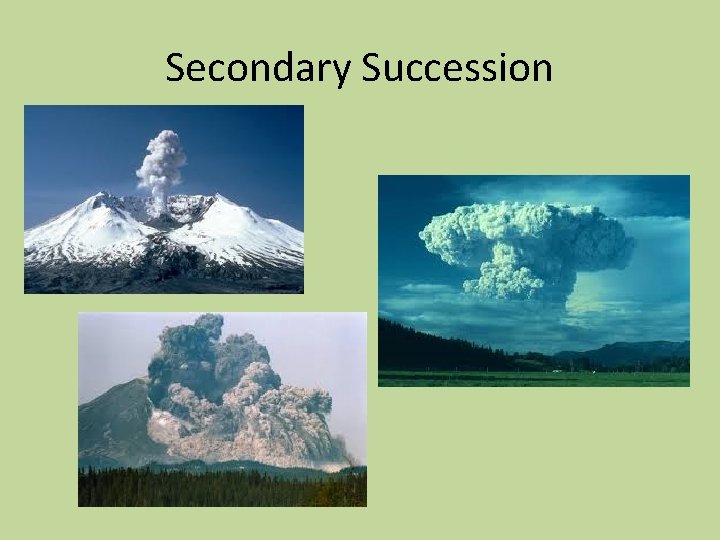
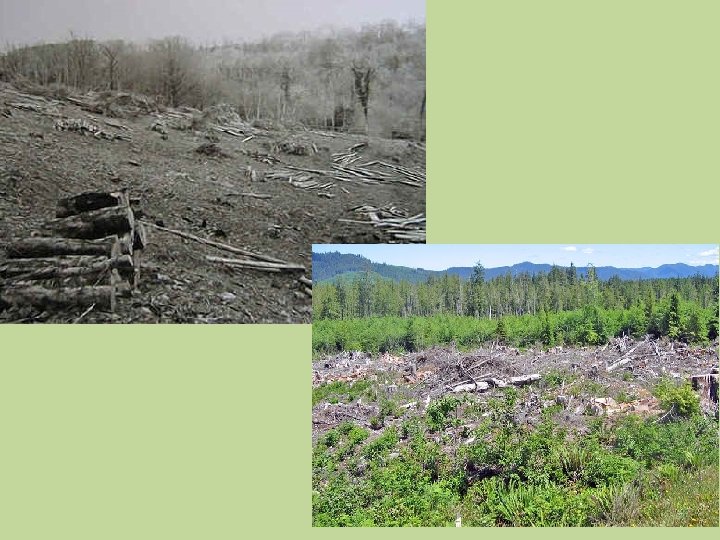
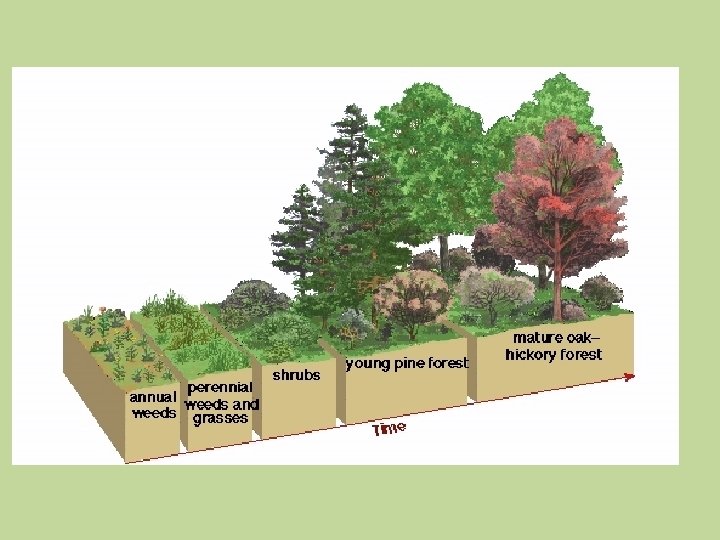
2 -Secondary Succession • Type of succession that occurs on a surface where an ecosystem has previously existed • Growth where the ecosystem has been disrupted or disturbed by humans, animals or natural disasters
Secondary Succession
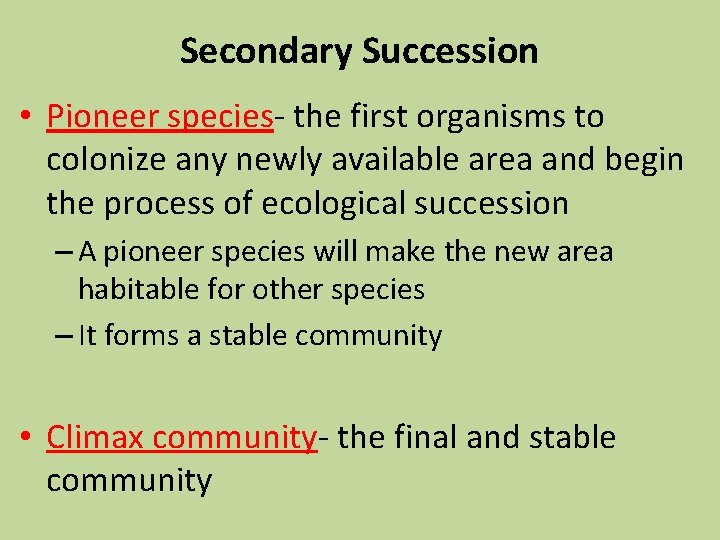
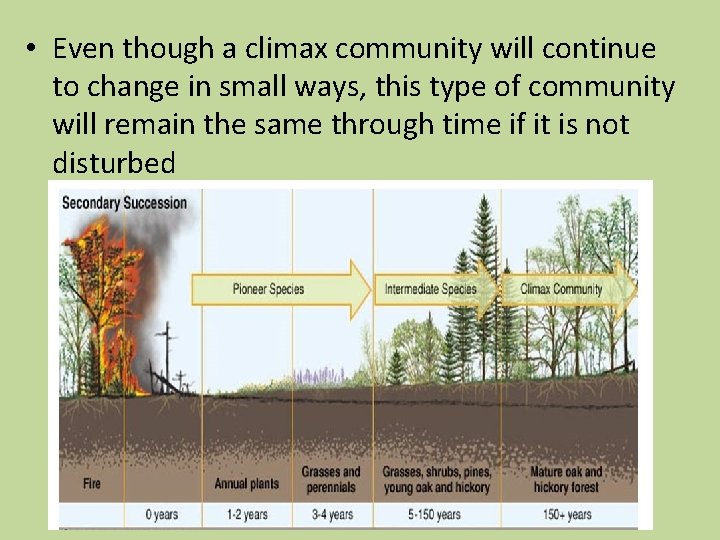
Secondary Succession • Pioneer species- the first organisms to colonize any newly available area and begin the process of ecological succession – A pioneer species will make the new area habitable for other species – It forms a stable community • Climax community- the final and stable community
• Even though a climax community will continue to change in small ways, this type of community will remain the same through time if it is not disturbed
Amoeba Sisters Ecological Succession Videohttps: //www. youtube. com/watch? v=uq. EUzg. VA F 6 g