
ECOLOGICAL STUDIES Ecology is the study of how



- Slides: 34
ECOLOGICAL STUDIES
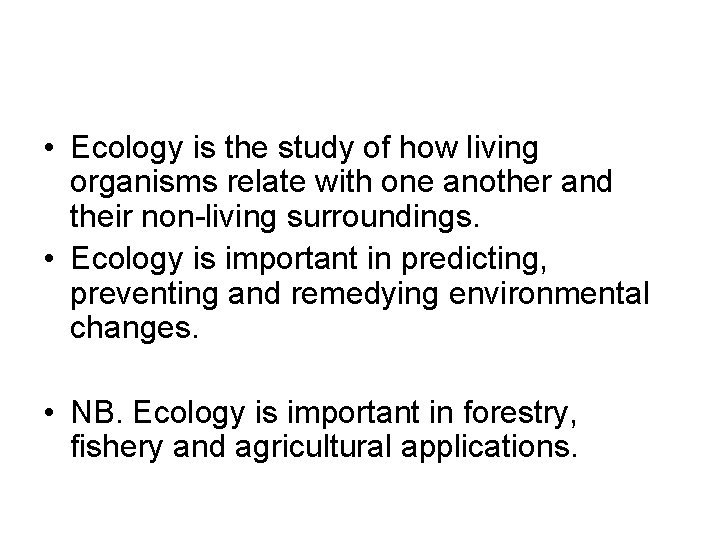
• Ecology is the study of how living organisms relate with one another and their non-living surroundings. • Ecology is important in predicting, preventing and remedying environmental changes. • NB. Ecology is important in forestry, fishery and agricultural applications.
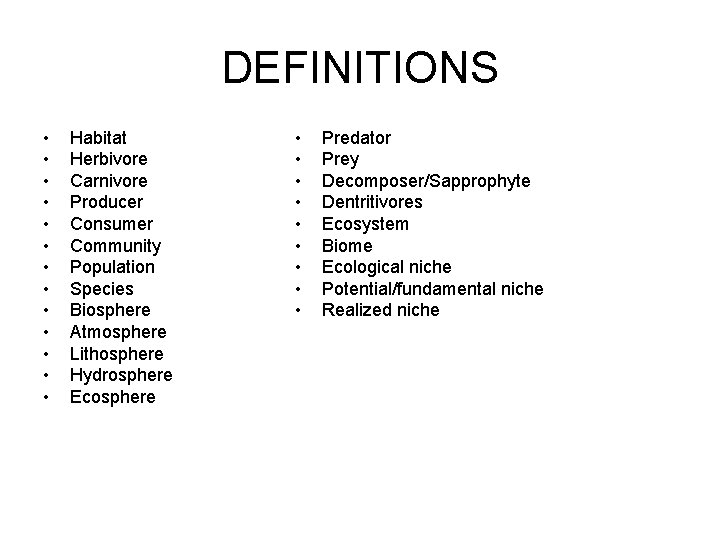
DEFINITIONS • • • • Habitat Herbivore Carnivore Producer Consumer Community Population Species Biosphere Atmosphere Lithosphere Hydrosphere Ecosphere • • • Predator Prey Decomposer/Sapprophyte Dentritivores Ecosystem Biome Ecological niche Potential/fundamental niche Realized niche
APPROACHES TO ECOLOGICAL STUDY
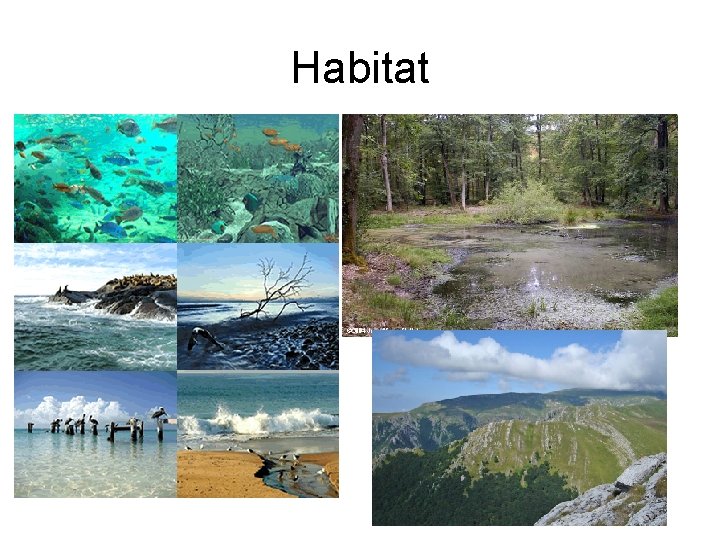
Habitat • Environs of a particular species , population or community; • Terrestrial or aquatic
Habitat
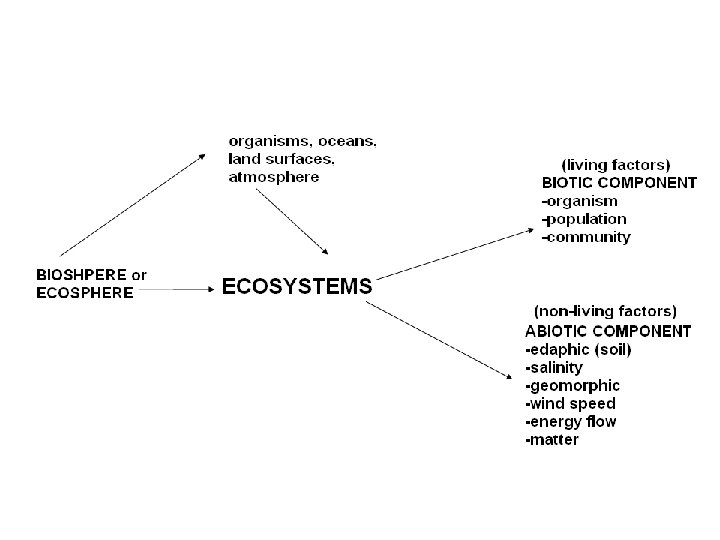
Ecosystem • All the biotic and abiotic in a vast designated area.
Ecosystem
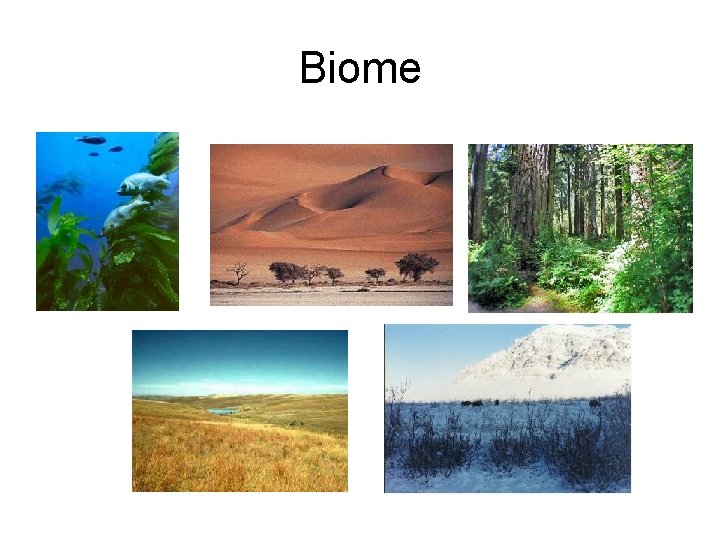
Biome • A large, specific ecosystem, recognized by its characteristic climate, flora (plants) and fauna (animals). • Aquatic • Desert • Forest • Grasslands • Tundra
Biome
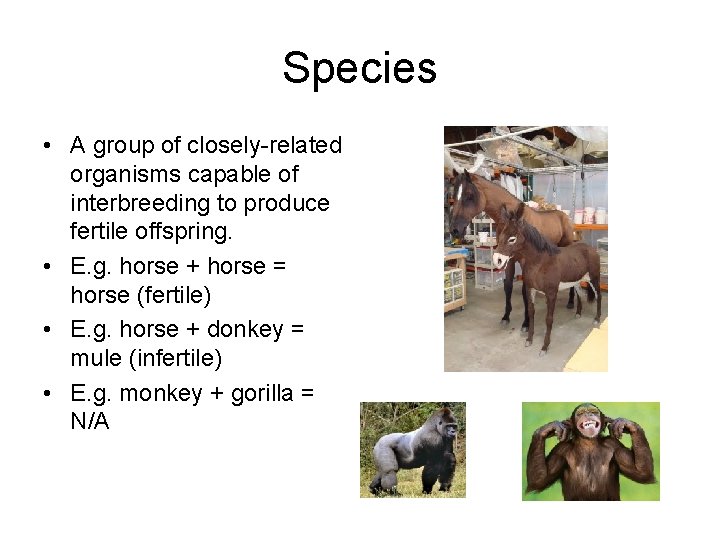
Species • A group of closely-related organisms capable of interbreeding to produce fertile offspring. • E. g. horse + horse = horse (fertile) • E. g. horse + donkey = mule (infertile) • E. g. monkey + gorilla = N/A
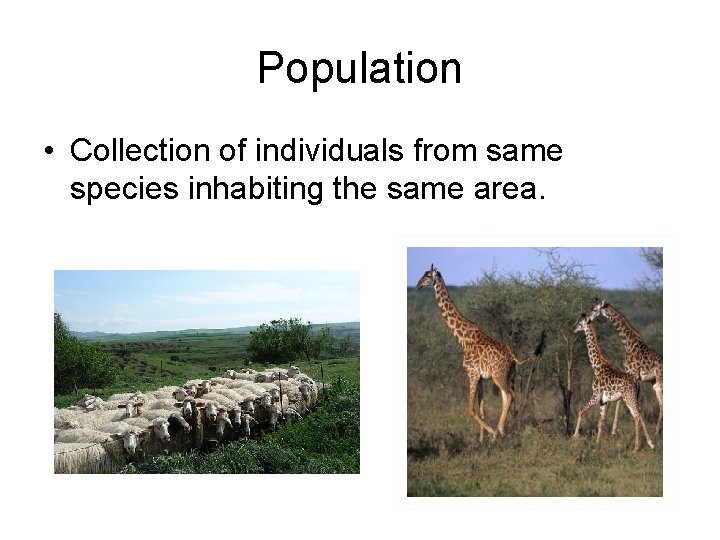
Population • Collection of individuals from same species inhabiting the same area.
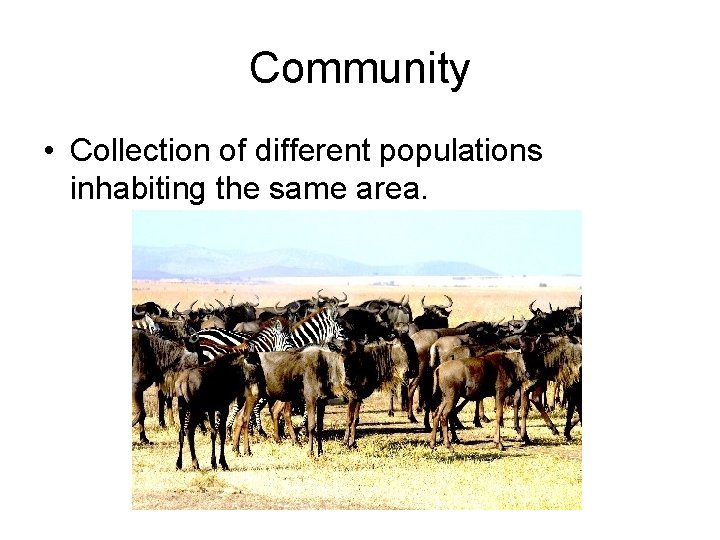
Community • Collection of different populations inhabiting the same area.
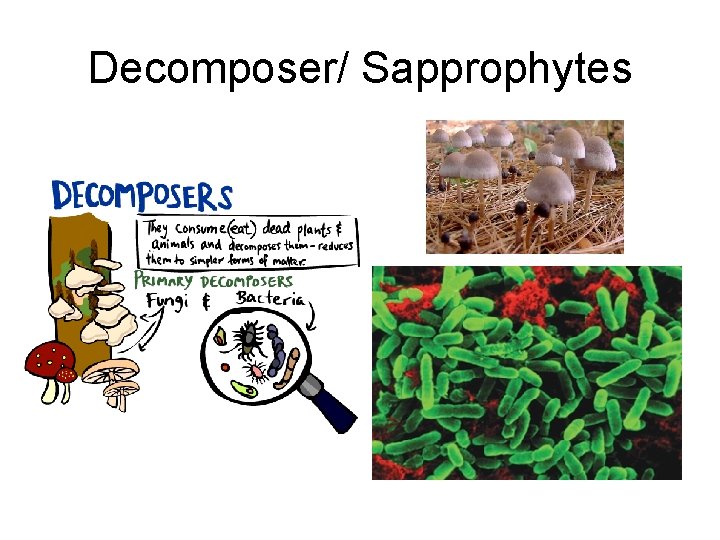
Decomposer/ Sapprophytes • Bacteria and fungi that secrete substances onto dead organisms and waste in order to feed on them by absorption.
Decomposer/ Sapprophytes
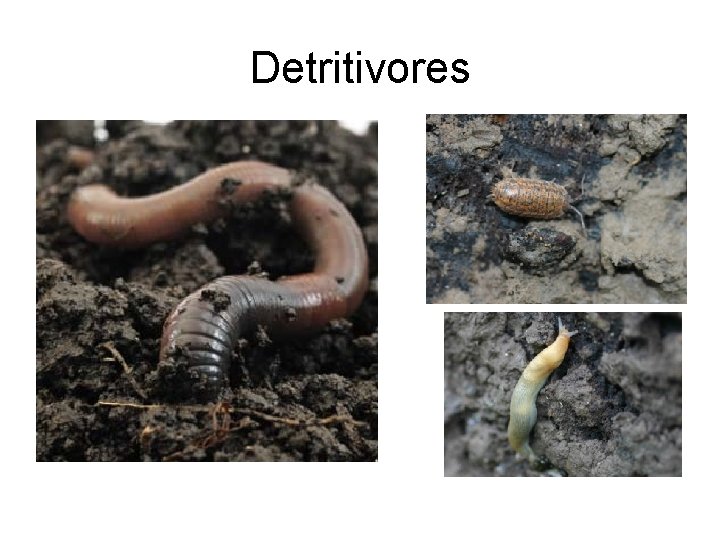
Detritivores • Organisms (e. g. earthworms) that feed on small fragments of decomposing or dead materials (detritus).
Detritivores
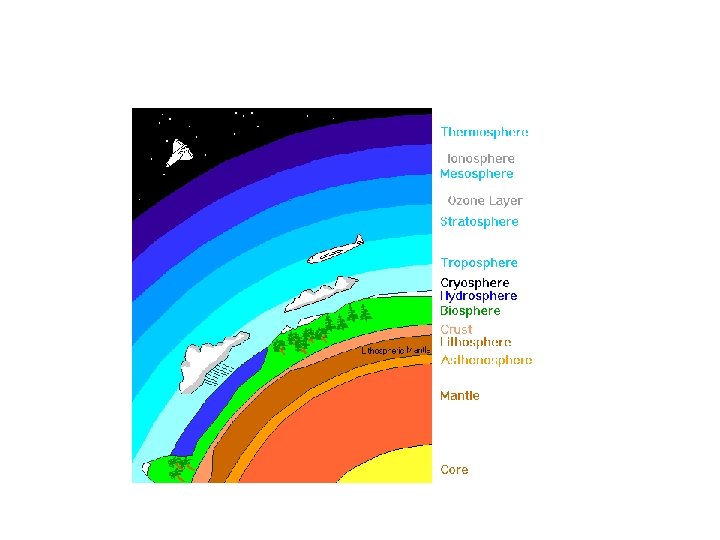
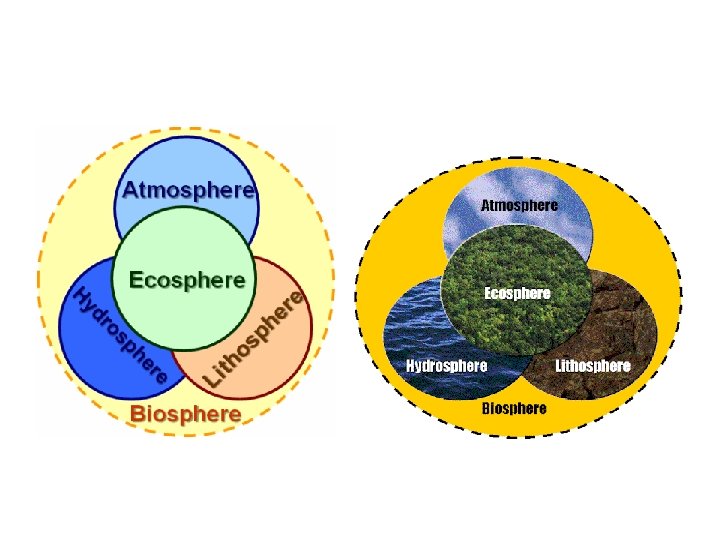
Biosphere • The set of interactions between the atmosphere, the hydrosphere, the lithosphere and the ecosphere.
Atmosphere • A mixture of nitrogen (78%), oxygen (21%), and traces (remaining 1%) of carbon dioxide, argon, water vapor and other components. • Approximately 1, 100 km high.
Hydrosphere • The accumulation of water in all its states (solid, liquid and gas) and the elements dissolved it in (sodium, magnesium, calcium, chloride and sulphate). • 97% (oceans), 2% is ice (north and south poles) and 1% forms rivers, lakes, ground water and atmospheric vapor. • Covers around 71% of the earth's surface.
Lithosphere • The lithosphere is the thin crust between the mantle and the atmosphere. • Around 100 km thick.
Ecosphere • The set of all living organisms, including animals and vegetation.
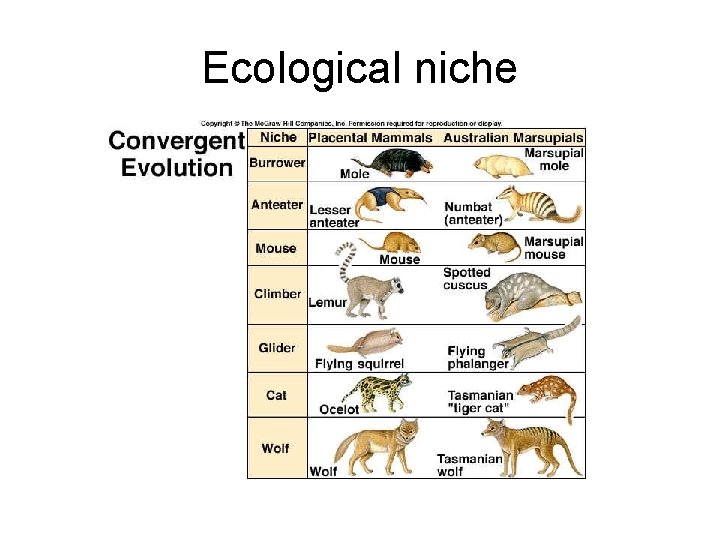
Ecological Niche • Location and role or an organism in the ecosystem or community.
Ecological niche
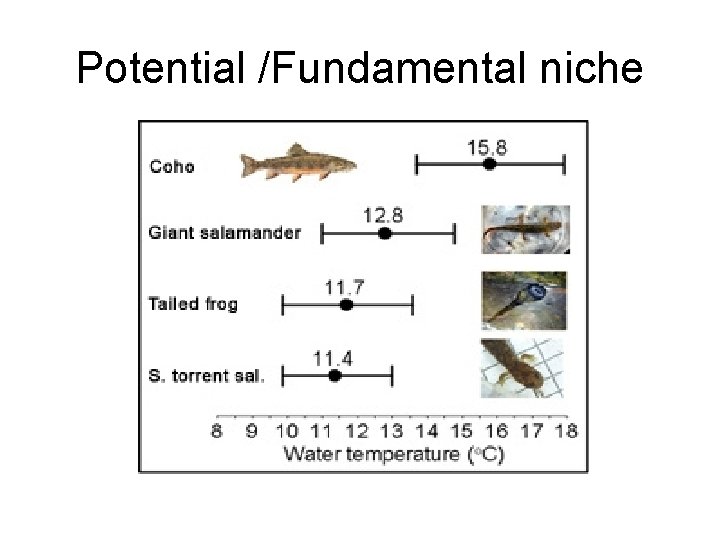
Potential /Fundamental niche • Full range of biotic and abiotic conditions under which an organism can exist.
Potential /Fundamental niche
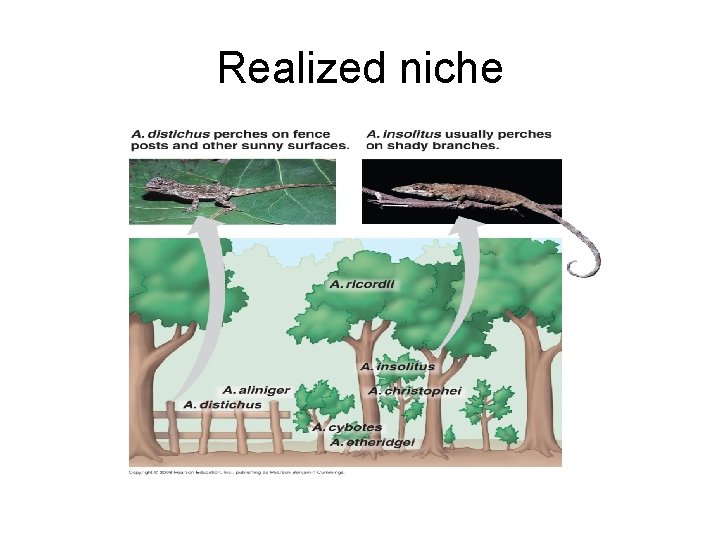
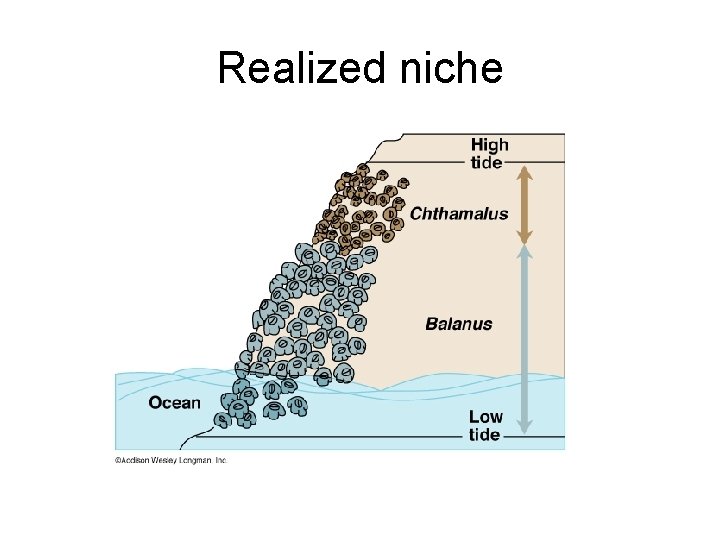
Realized niche • More restricted, narrower range of conditions for which an organism is best adapted.
Realized niche
Realized niche
• http: //apbiosemonefinalreview. pbworks. co m/w/page/11980952/Ecology%20(Ch%20 54 -56)