
ECG med 442 Bradycardia Dr Ahmad S Hersi

ECG med 442 Bradycardia Dr. Ahmad S. Hersi, MBBS. MSc. FRCPC Professor of Cardiac Sciences Consultant Electrophysiologist
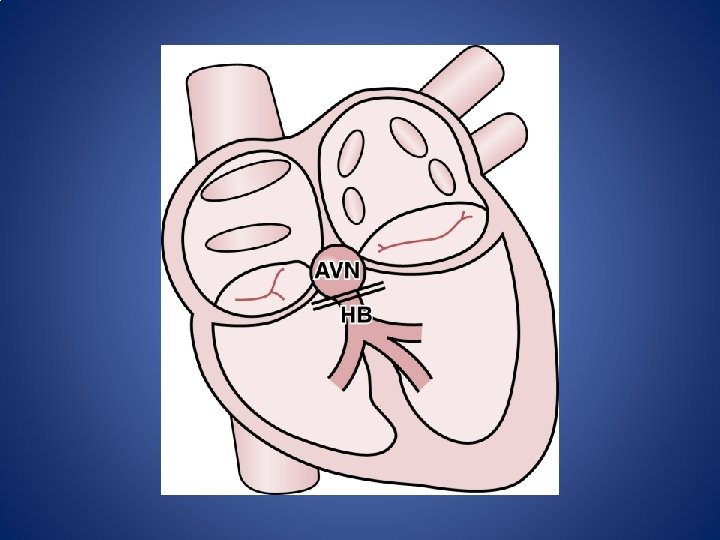
Bradyarrhythmia • Sinus bradycardia • SA node disease • AV node disease
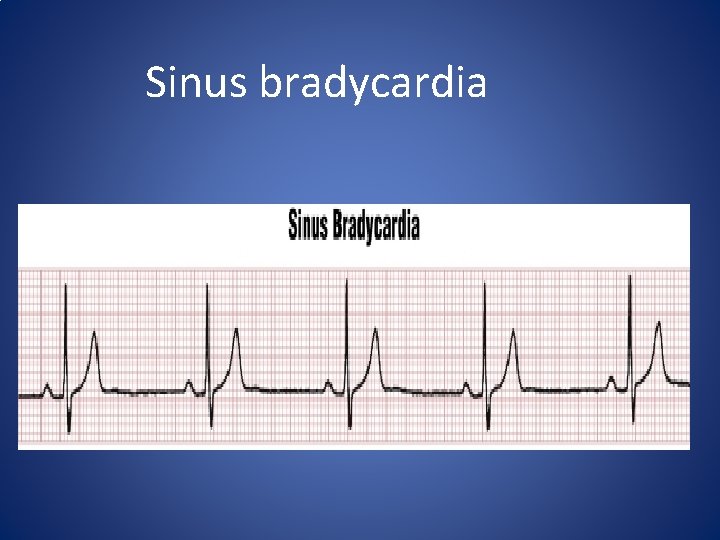
Sinus bradycardia
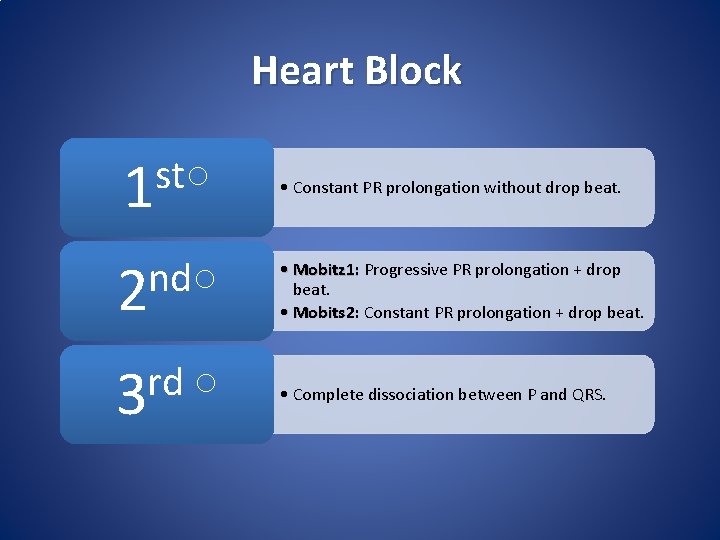
Heart Block st○ 1 • Constant PR prolongation without drop beat. nd○ 2 • Mobitz 1: Progressive PR prolongation + drop beat. • Mobits 2: Constant PR prolongation + drop beat. rd ○ 3 • Complete dissociation between P and QRS.

1 st HB

2 nd HB Mobitz type-1

nd 2 HB Mobitz type-2

2 nd HB Mobitz type-2
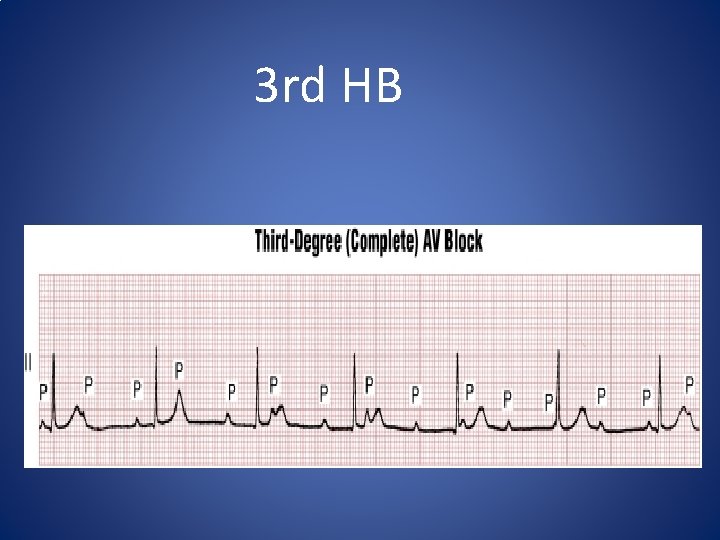
3 rd HB
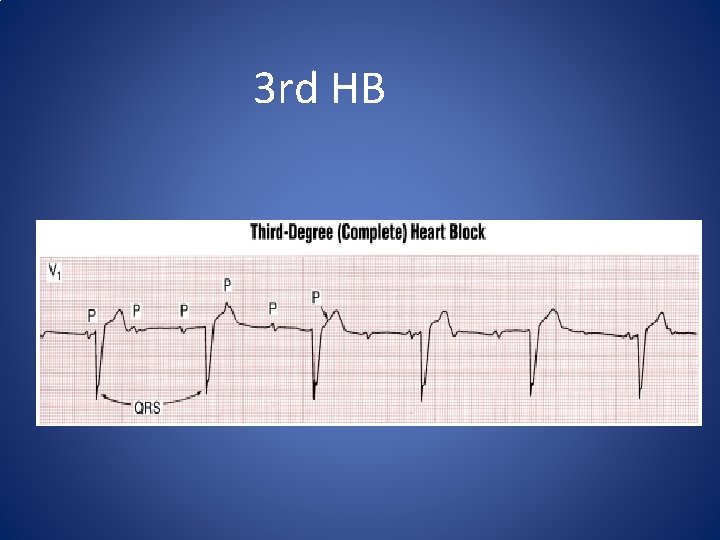
3 rd HB
Some Conditions That May Cause Temporary AV Conduction Impairment • Autonomic factors (increased vagal tone with vasovagal syncope or sleep apnea). Trained athletes at rest may show a prolonged atrioventricular (AV) interval and even AV Wenckebach with sinus bradycardia that resolve with exercise. • Medications (especially, beta blockers; digoxin, certain calcium channel blockers) and electrolyte abnormalities (especially hyperkalemia) • Acute myocardial infarction, especially inferior (see text discussion) • Inflammatory processes (e. g. , myocarditis, rheumatic fever, lupus) • Certain infections (e. g. , Lyme disease, toxoplasmosis)
Some Causes of Permanent AV Conduction System Damage • Acute myocardial infarction, especially anterior wall • Infiltrative diseases (e. g. , amyloid, sarcoid, lymphomas) • Degeneration of the conduction system, usually with advanced age (Lenègre’s disease) or associated with cardiac calcification around the aortic and mitral valves (Lev’s disease) • Hereditary neuromuscular diseases (e. g. , myotonic dystrophy, Kearns-Sayre syndrome, Erb’s dystrophy) • Iatrogenic damage to the conduction system as the result of valve surgery or arrhythmia ablations in the area of atrioventricular (AV) node and His bundle; ethanol septal ablation for obstructive hypertrophic cardiomyopathy
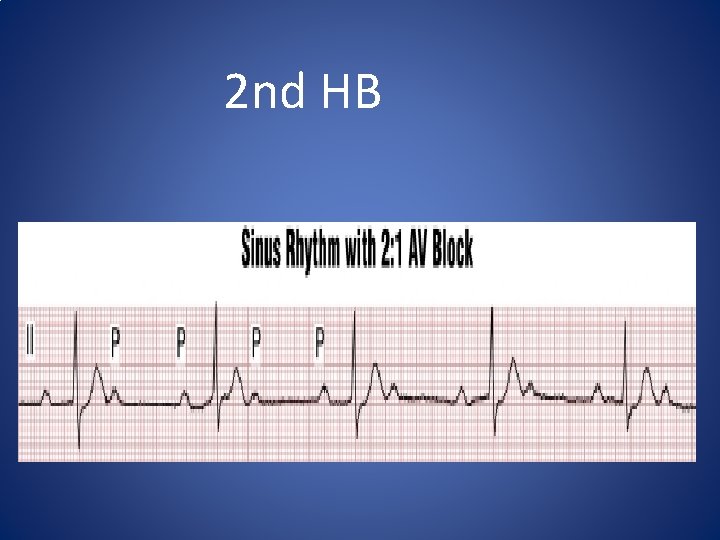
2 nd HB
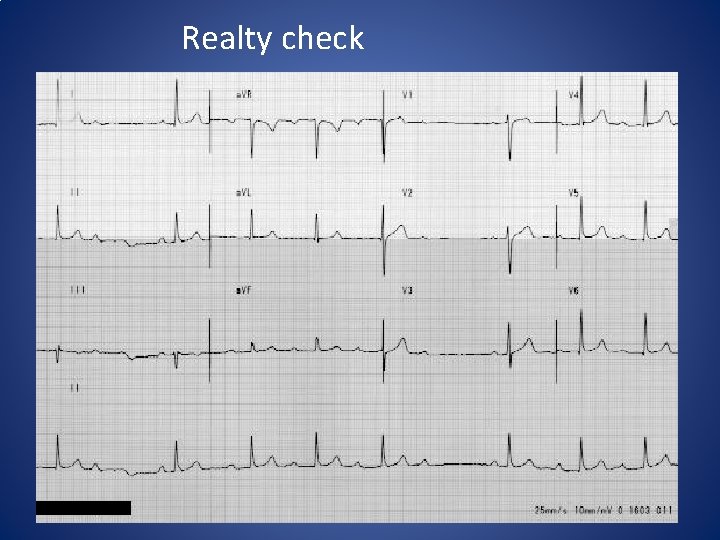
Realty check
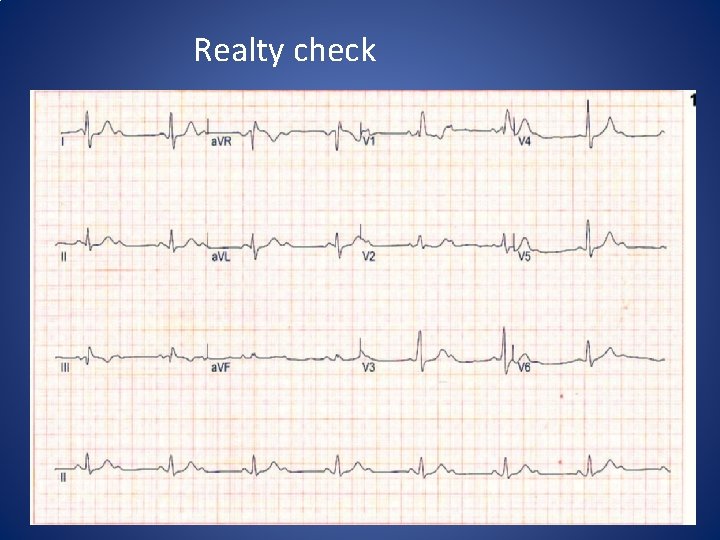
Realty check
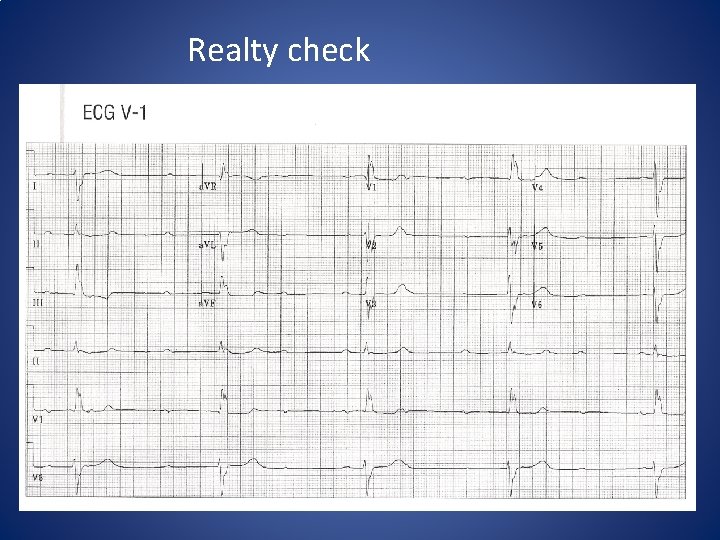
Realty check
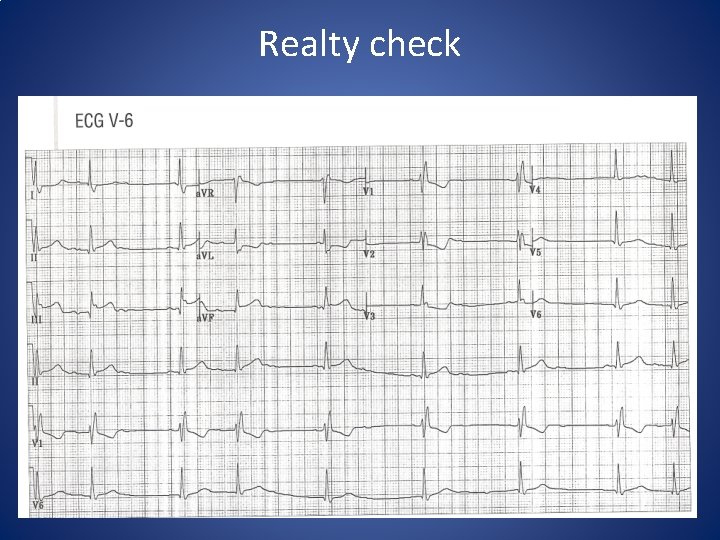
Realty check
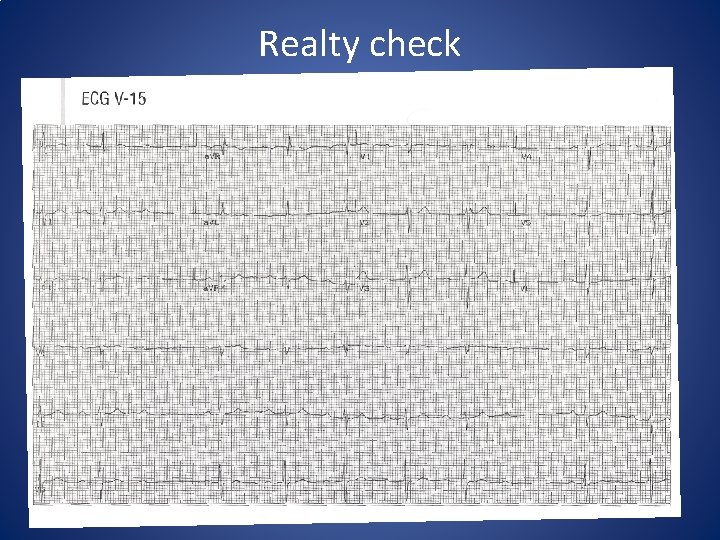
Realty check
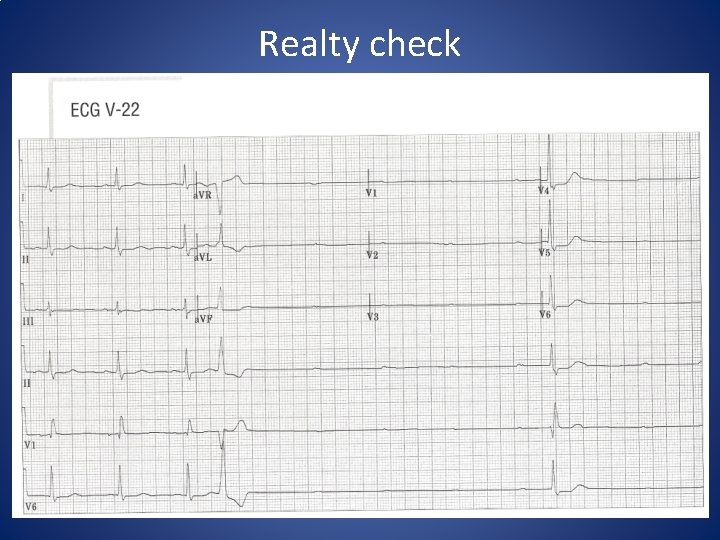
Realty check
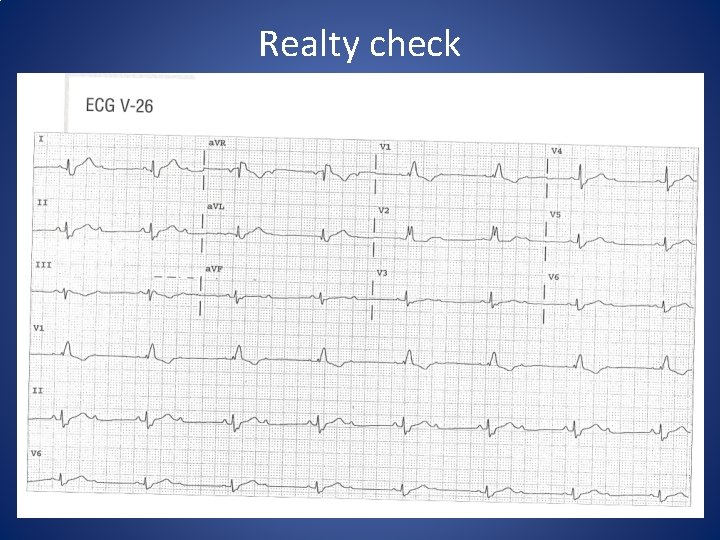
Realty check
Realty check
Realty check

- Slides: 24