
ECG Examples Q1 What is the rhythm in

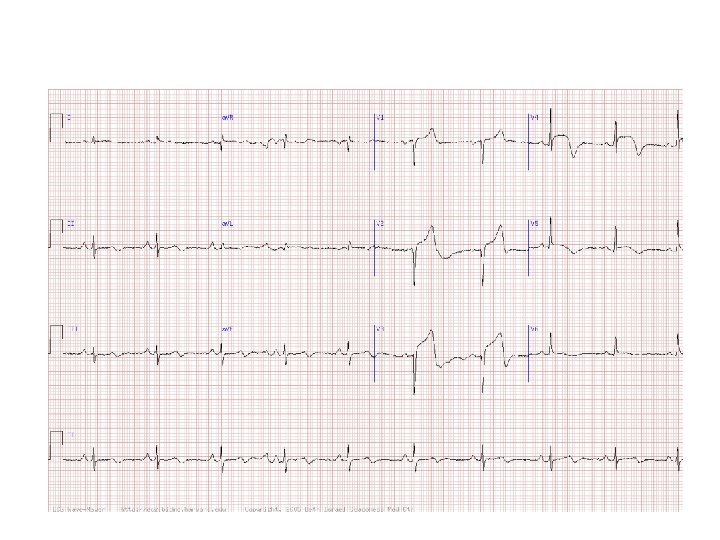



- Slides: 67
ECG Examples
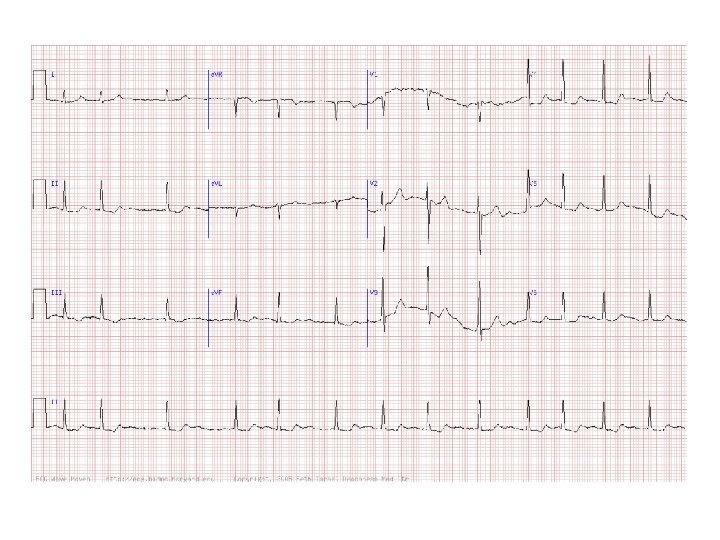
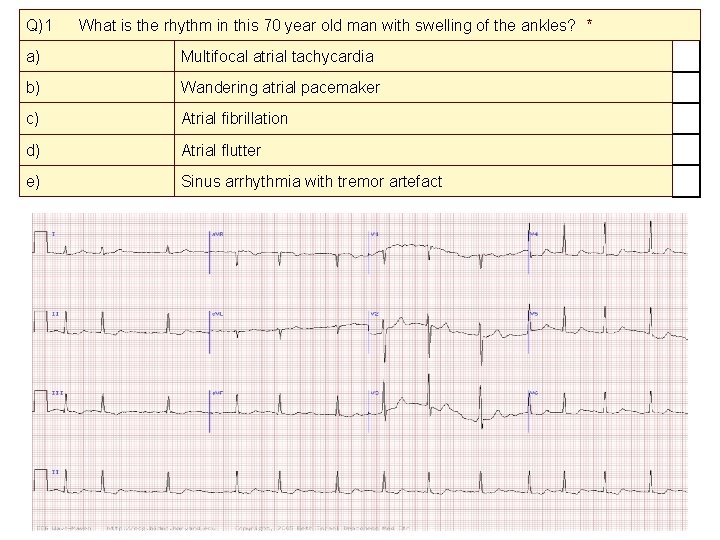
Q)1 What is the rhythm in this 70 year old man with swelling of the ankles? * a) Multifocal atrial tachycardia b) Wandering atrial pacemaker c) Atrial fibrillation d) Atrial flutter e) Sinus arrhythmia with tremor artefact
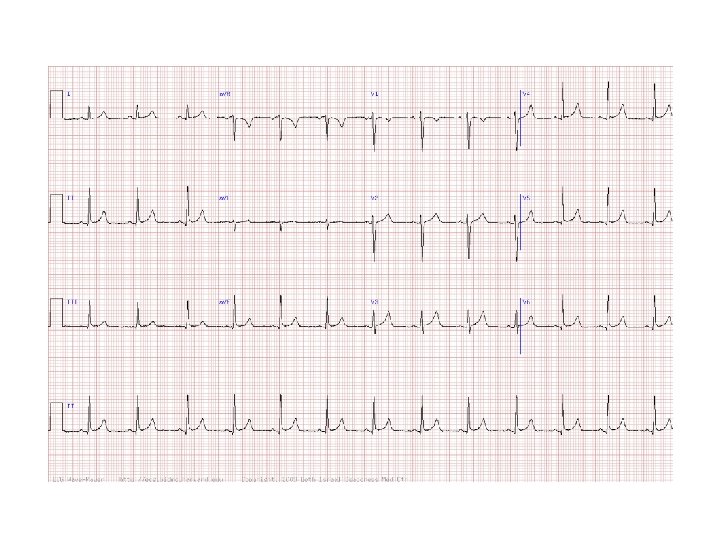
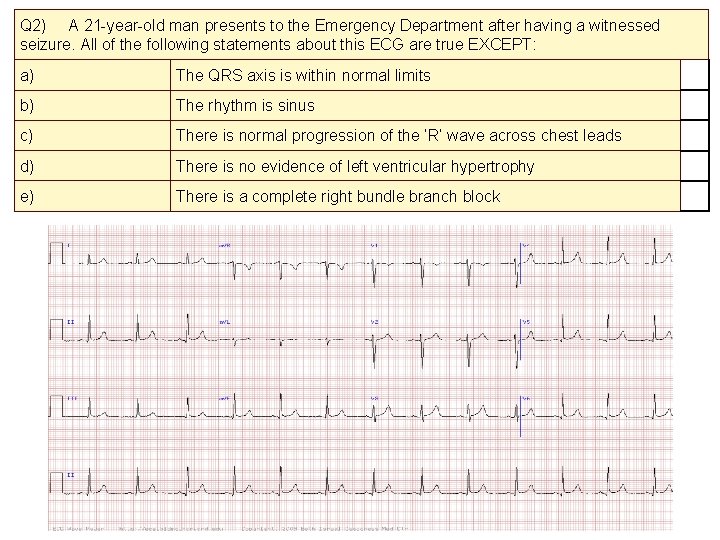
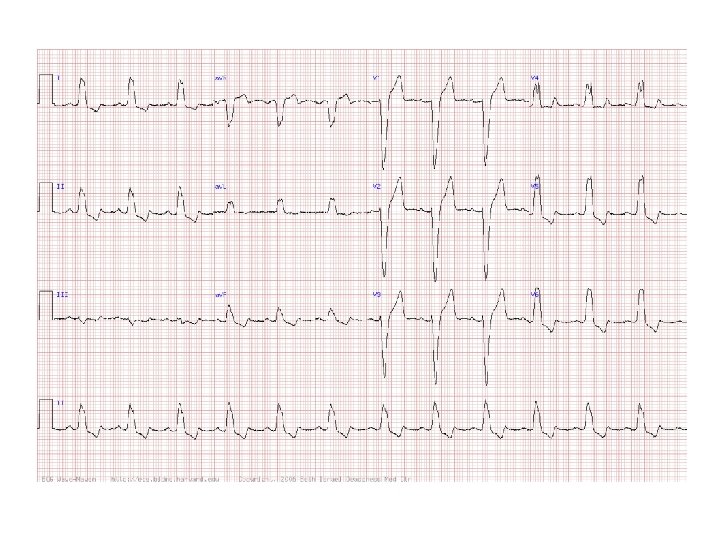
Q 2) A 21 -year-old man presents to the Emergency Department after having a witnessed seizure. All of the following statements about this ECG are true EXCEPT: a) The QRS axis is within normal limits b) The rhythm is sinus c) There is normal progression of the ‘R’ wave across chest leads d) There is no evidence of left ventricular hypertrophy e) There is a complete right bundle branch block
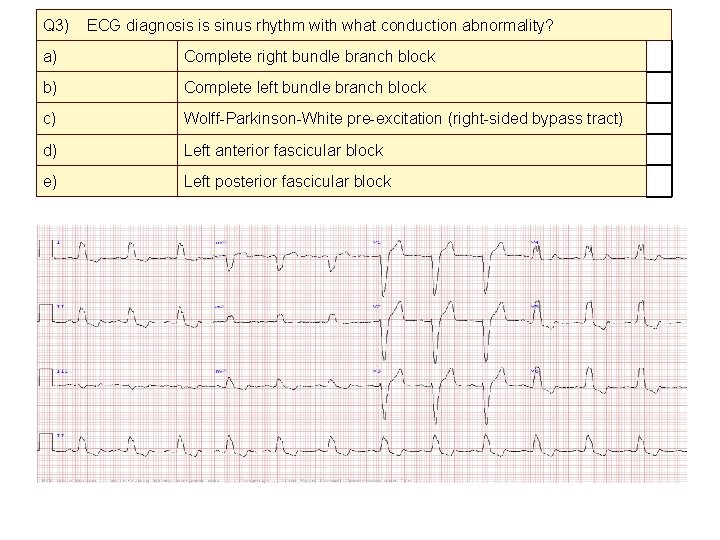
Q 3) ECG diagnosis is sinus rhythm with what conduction abnormality? a) Complete right bundle branch block b) Complete left bundle branch block c) Wolff-Parkinson-White pre-excitation (right-sided bypass tract) d) Left anterior fascicular block e) Left posterior fascicular block
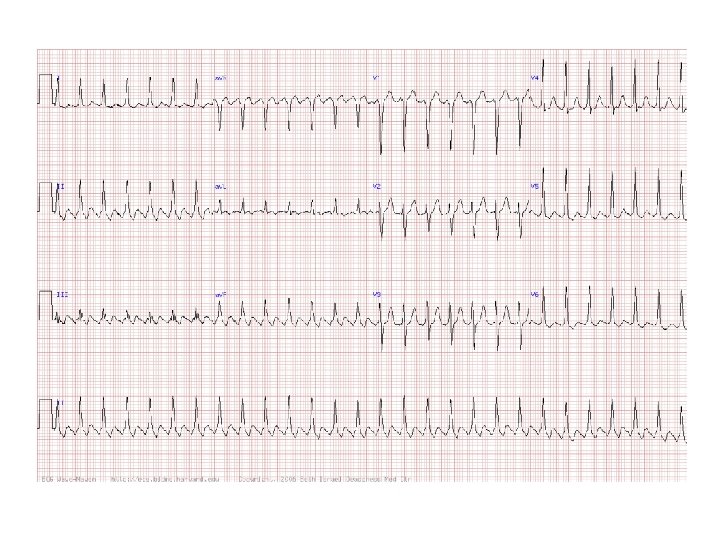
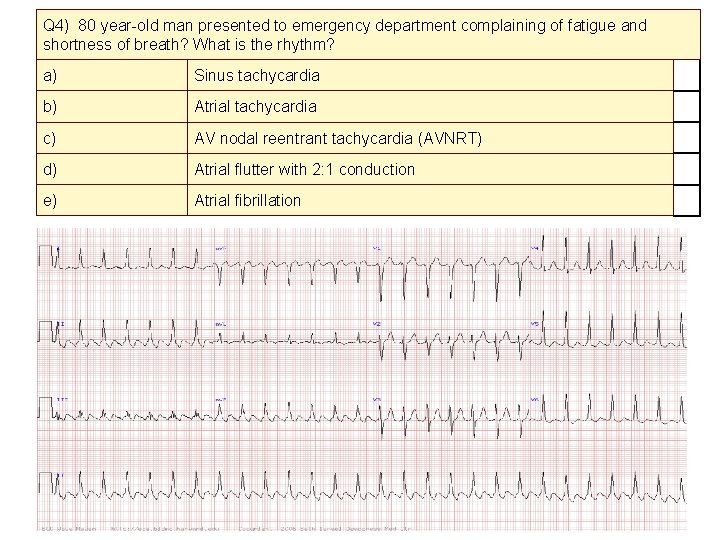
Q 4) 80 year-old man presented to emergency department complaining of fatigue and shortness of breath? What is the rhythm? a) Sinus tachycardia b) Atrial tachycardia c) AV nodal reentrant tachycardia (AVNRT) d) Atrial flutter with 2: 1 conduction e) Atrial fibrillation
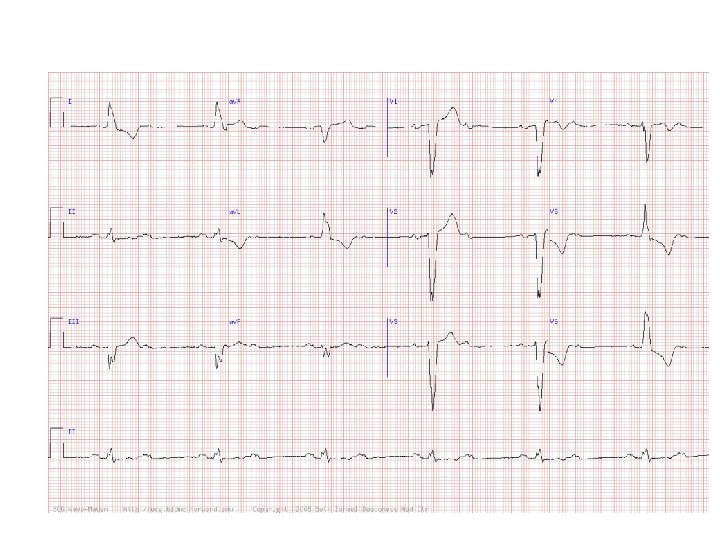
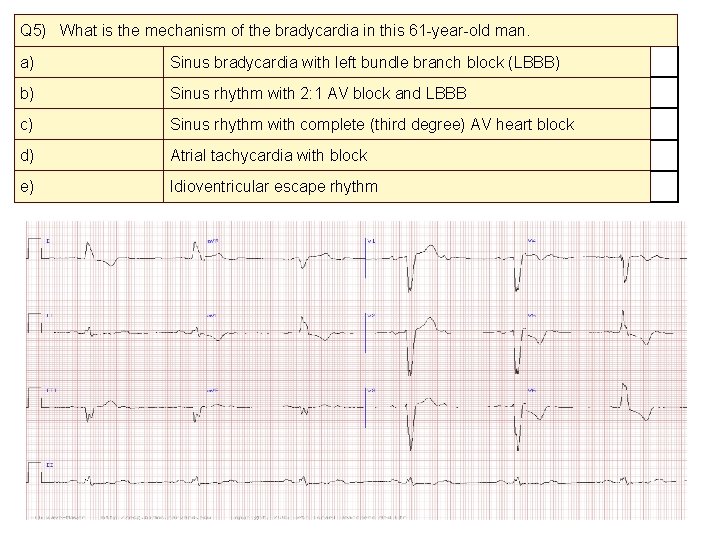
Q 5) What is the mechanism of the bradycardia in this 61 -year-old man. a) Sinus bradycardia with left bundle branch block (LBBB) b) Sinus rhythm with 2: 1 AV block and LBBB c) Sinus rhythm with complete (third degree) AV heart block d) Atrial tachycardia with block e) Idioventricular escape rhythm
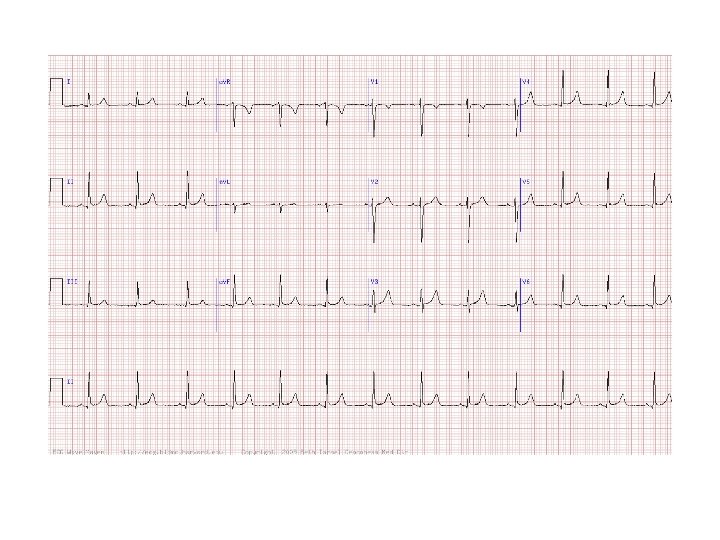
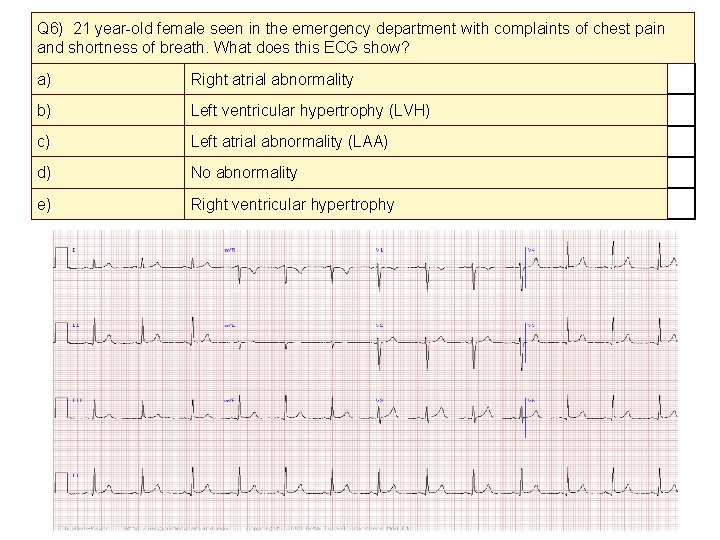
Q 6) 21 year-old female seen in the emergency department with complaints of chest pain and shortness of breath. What does this ECG show? a) Right atrial abnormality b) Left ventricular hypertrophy (LVH) c) Left atrial abnormality (LAA) d) No abnormality e) Right ventricular hypertrophy
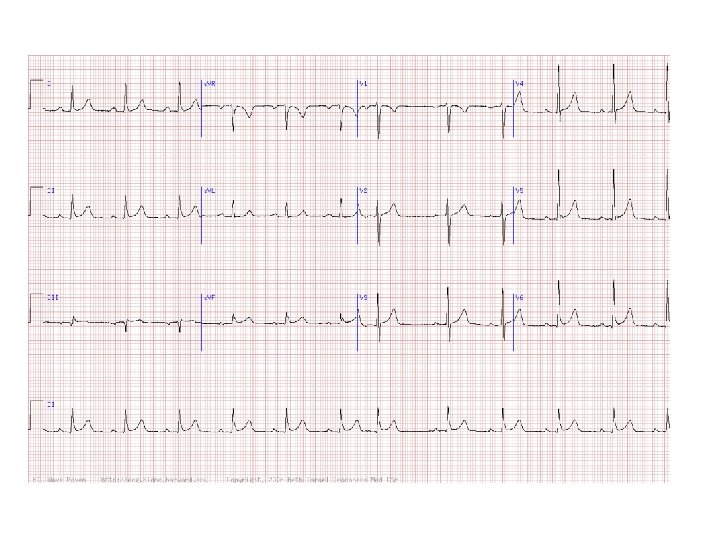
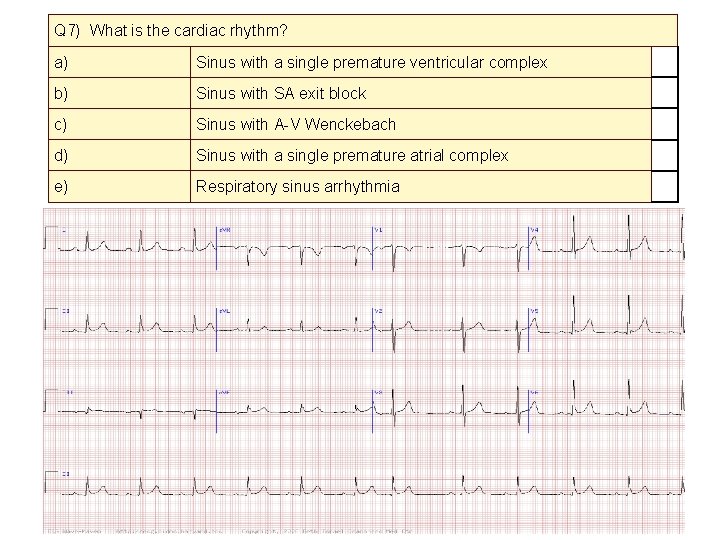
Q 7) What is the cardiac rhythm? a) Sinus with a single premature ventricular complex b) Sinus with SA exit block c) Sinus with A-V Wenckebach d) Sinus with a single premature atrial complex e) Respiratory sinus arrhythmia
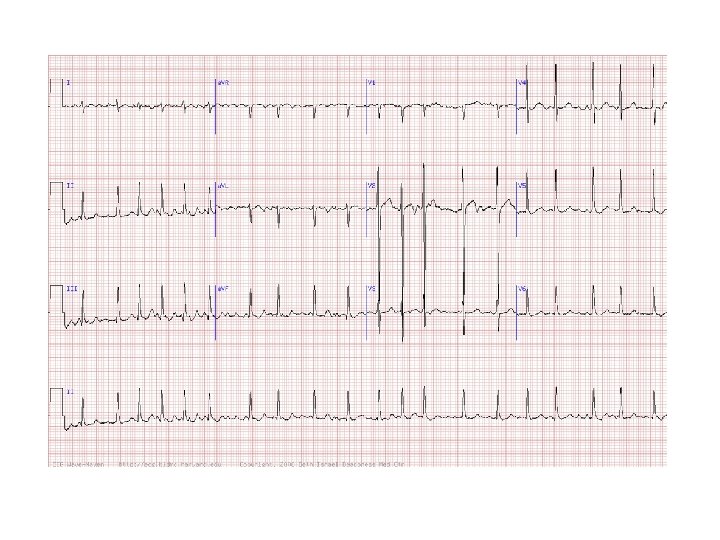
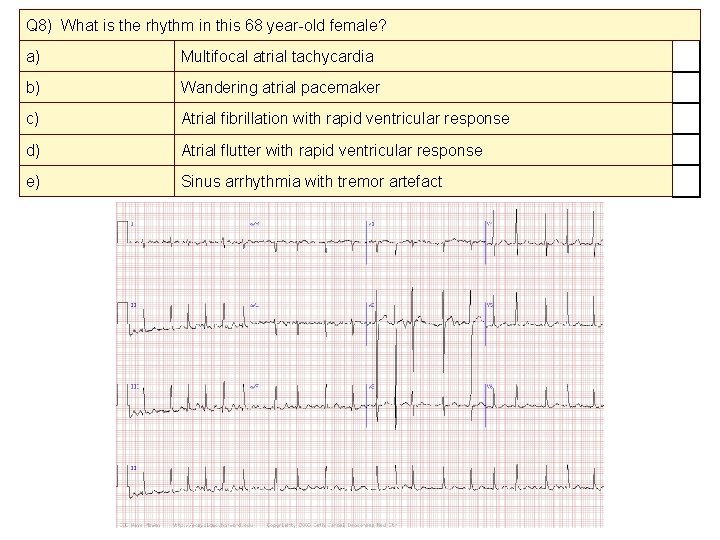
Q 8) What is the rhythm in this 68 year-old female? a) Multifocal atrial tachycardia b) Wandering atrial pacemaker c) Atrial fibrillation with rapid ventricular response d) Atrial flutter with rapid ventricular response e) Sinus arrhythmia with tremor artefact
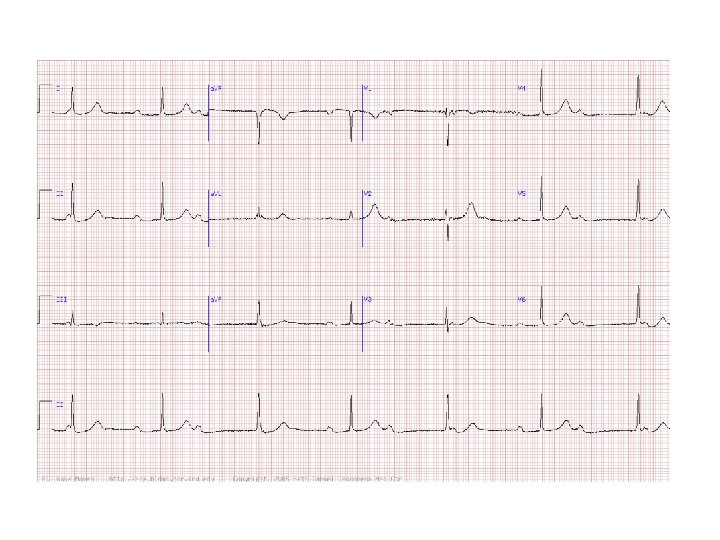
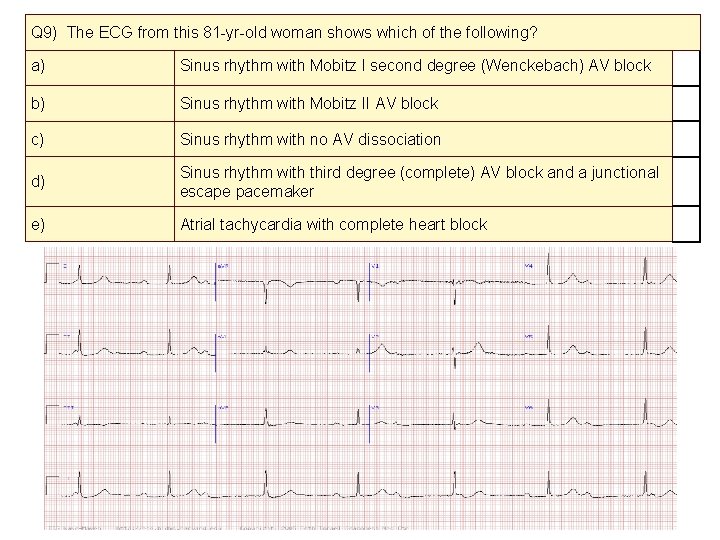
Q 9) The ECG from this 81 -yr-old woman shows which of the following? a) Sinus rhythm with Mobitz I second degree (Wenckebach) AV block b) Sinus rhythm with Mobitz II AV block c) Sinus rhythm with no AV dissociation d) Sinus rhythm with third degree (complete) AV block and a junctional escape pacemaker e) Atrial tachycardia with complete heart block
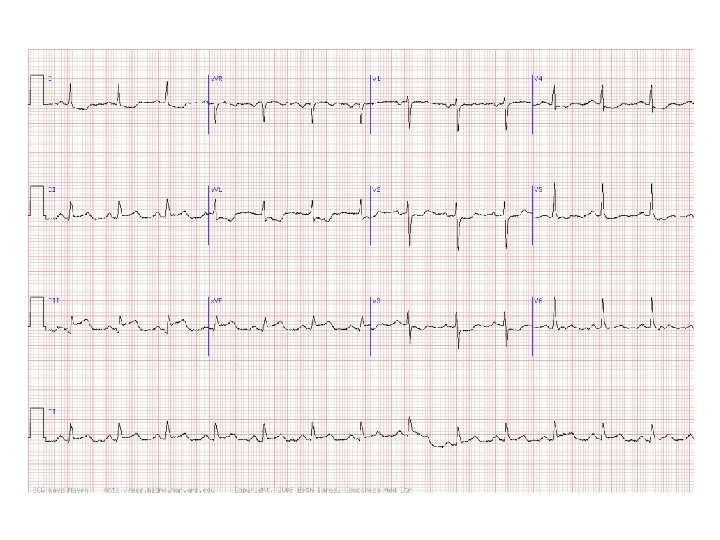
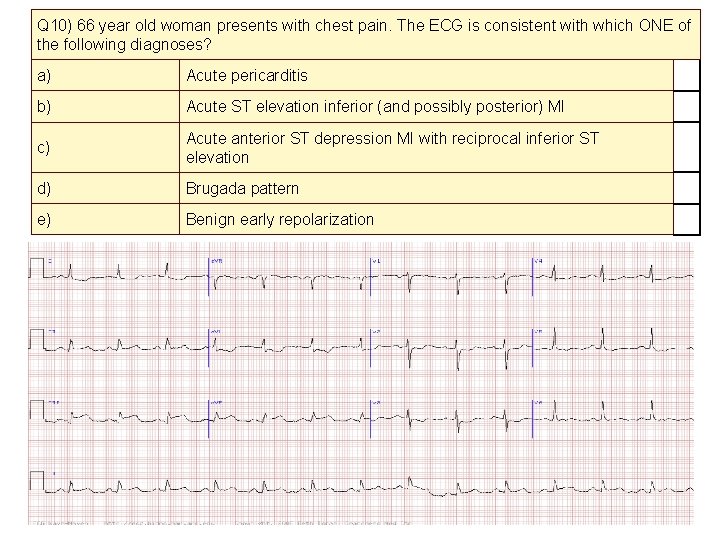
Q 10) 66 year old woman presents with chest pain. The ECG is consistent with which ONE of the following diagnoses? a) Acute pericarditis b) Acute ST elevation inferior (and possibly posterior) MI c) Acute anterior ST depression MI with reciprocal inferior ST elevation d) Brugada pattern e) Benign early repolarization
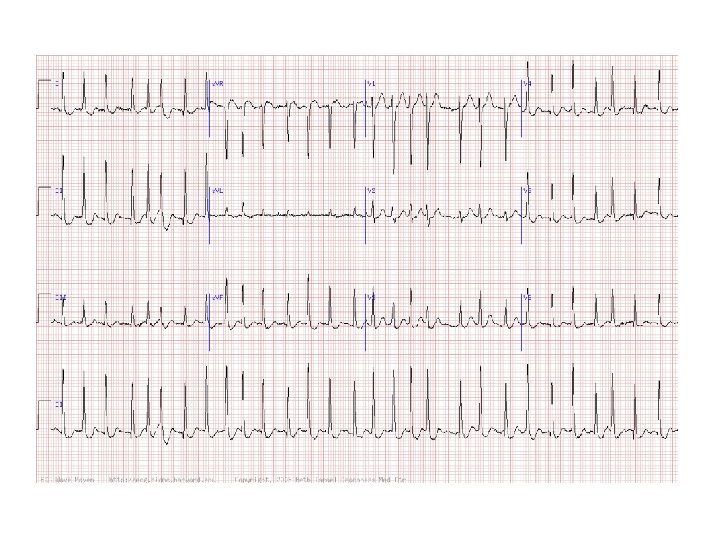
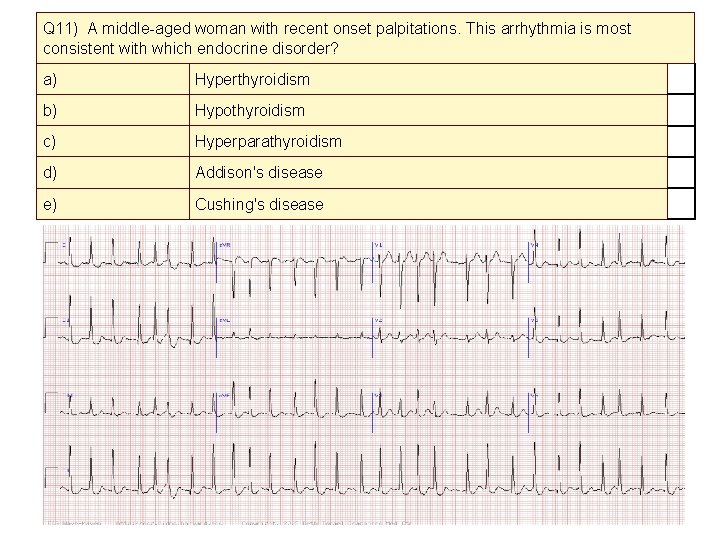
Q 11) A middle-aged woman with recent onset palpitations. This arrhythmia is most consistent with which endocrine disorder? a) Hyperthyroidism b) Hypothyroidism c) Hyperparathyroidism d) Addison's disease e) Cushing's disease
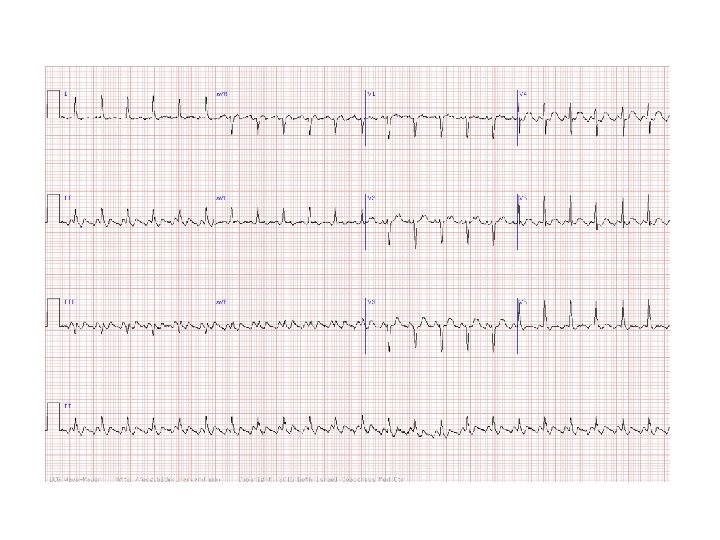
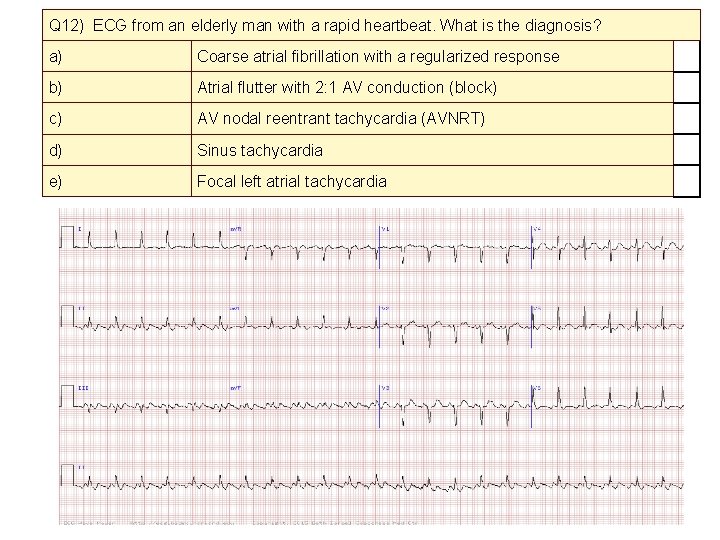
Q 12) ECG from an elderly man with a rapid heartbeat. What is the diagnosis? a) Coarse atrial fibrillation with a regularized response b) Atrial flutter with 2: 1 AV conduction (block) c) AV nodal reentrant tachycardia (AVNRT) d) Sinus tachycardia e) Focal left atrial tachycardia
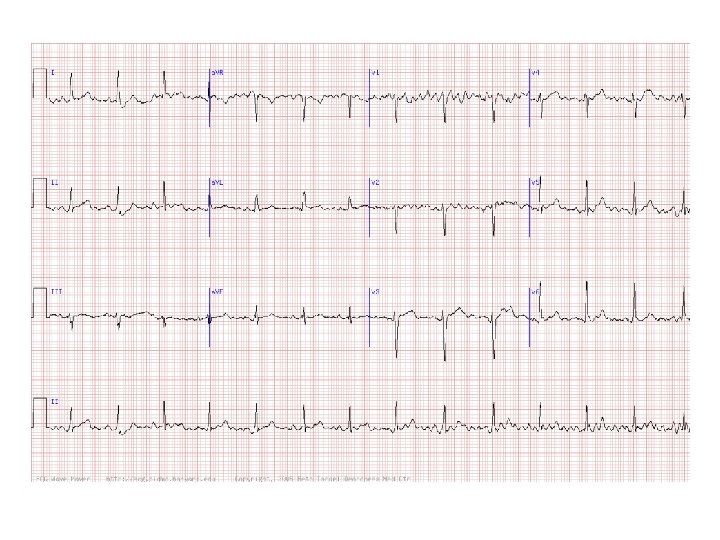
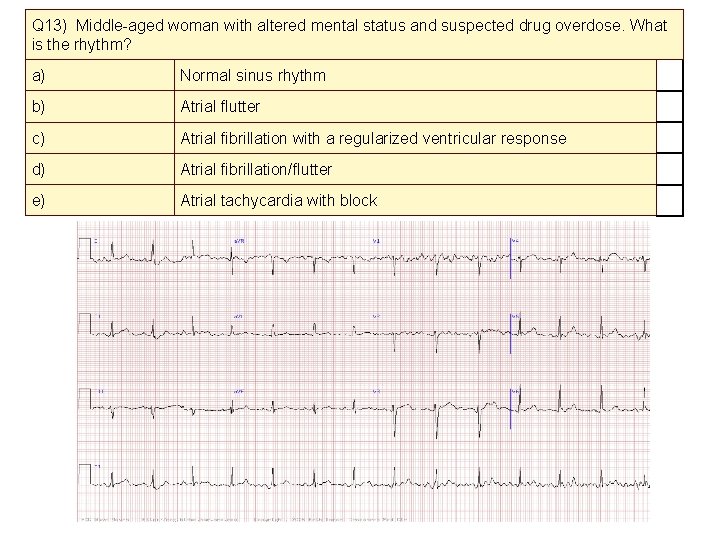
Q 13) Middle-aged woman with altered mental status and suspected drug overdose. What is the rhythm? a) Normal sinus rhythm b) Atrial flutter c) Atrial fibrillation with a regularized ventricular response d) Atrial fibrillation/flutter e) Atrial tachycardia with block
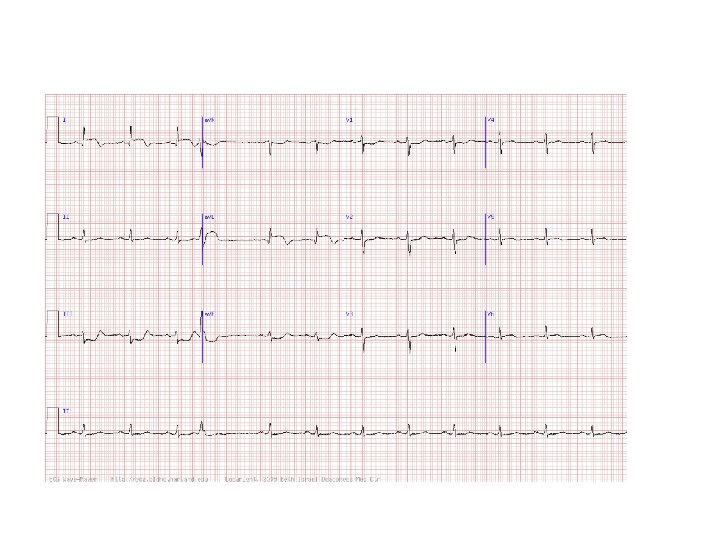
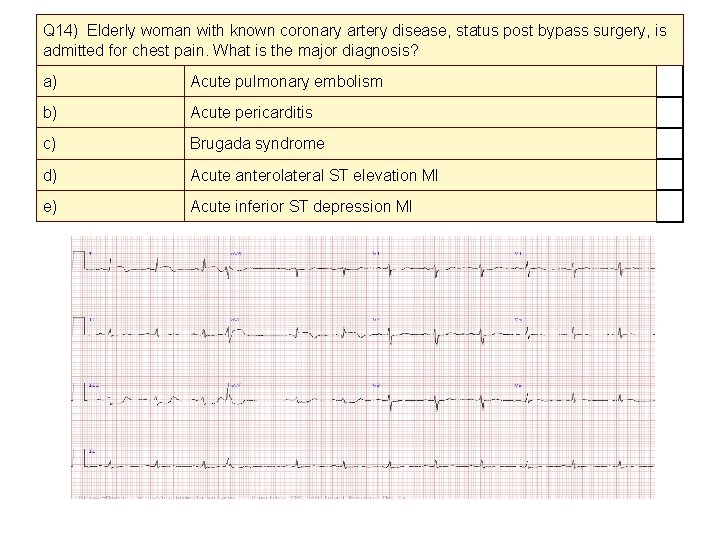
Q 14) Elderly woman with known coronary artery disease, status post bypass surgery, is admitted for chest pain. What is the major diagnosis? a) Acute pulmonary embolism b) Acute pericarditis c) Brugada syndrome d) Acute anterolateral ST elevation MI e) Acute inferior ST depression MI
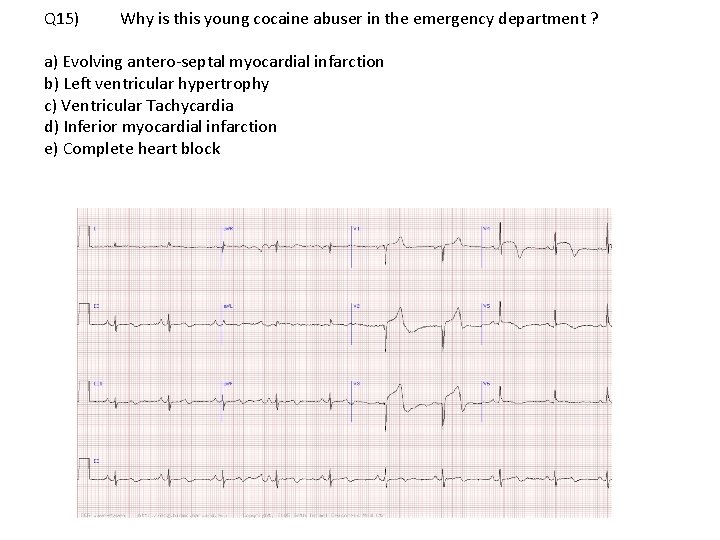
Q 15) Why is this young cocaine abuser in the emergency department ? a) Evolving antero-septal myocardial infarction b) Left ventricular hypertrophy c) Ventricular Tachycardia d) Inferior myocardial infarction e) Complete heart block
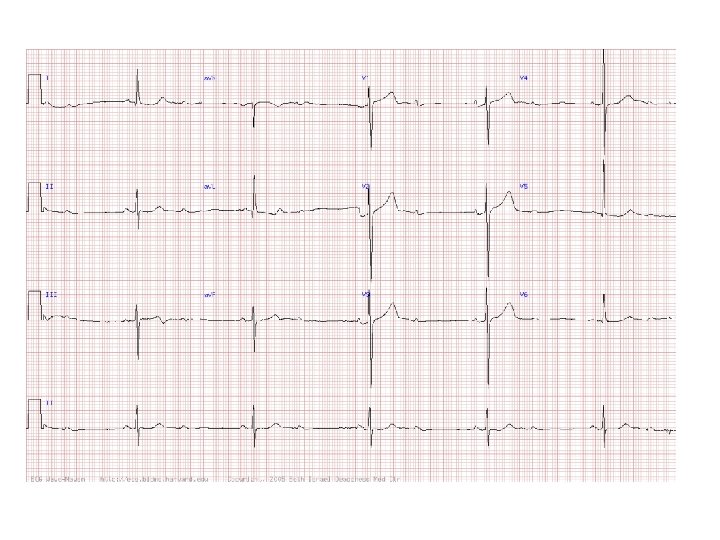
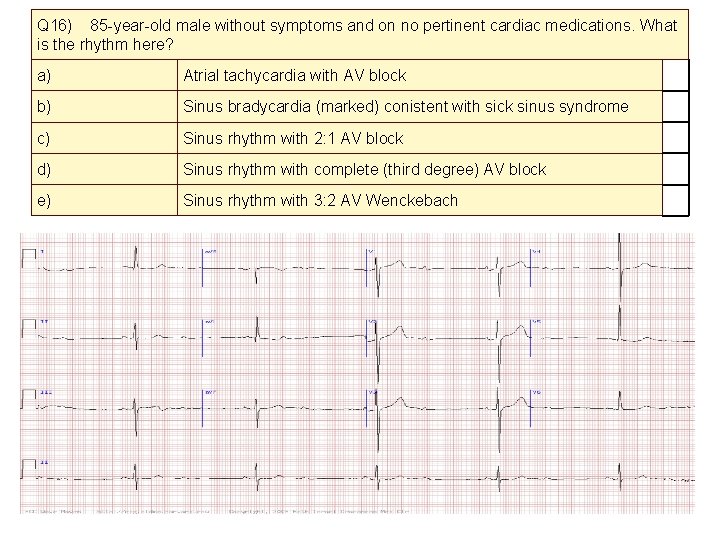
Q 16) 85 -year-old male without symptoms and on no pertinent cardiac medications. What is the rhythm here? a) Atrial tachycardia with AV block b) Sinus bradycardia (marked) conistent with sick sinus syndrome c) Sinus rhythm with 2: 1 AV block d) Sinus rhythm with complete (third degree) AV block e) Sinus rhythm with 3: 2 AV Wenckebach
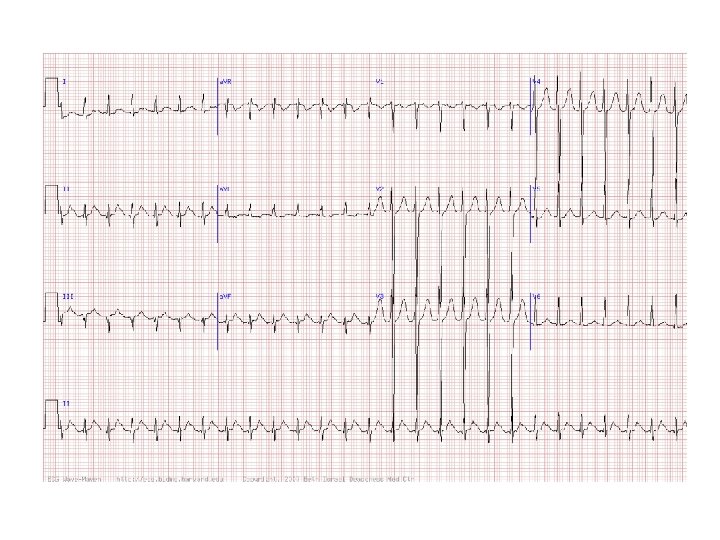
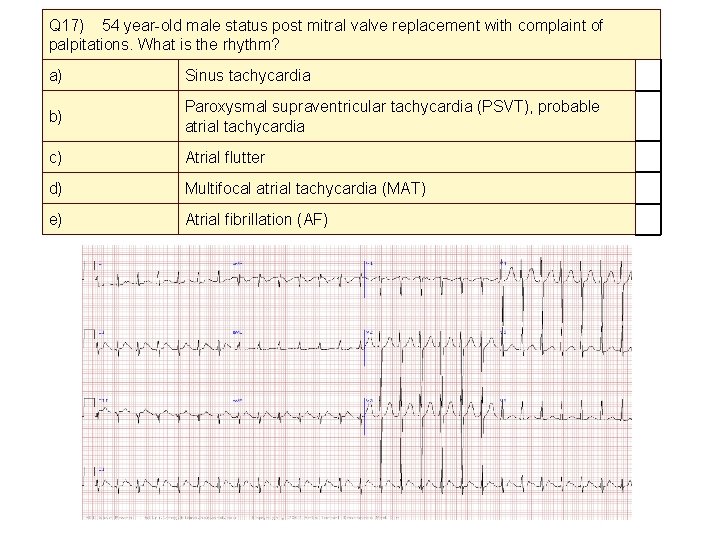
Q 17) 54 year-old male status post mitral valve replacement with complaint of palpitations. What is the rhythm? a) Sinus tachycardia b) Paroxysmal supraventricular tachycardia (PSVT), probable atrial tachycardia c) Atrial flutter d) Multifocal atrial tachycardia (MAT) e) Atrial fibrillation (AF)
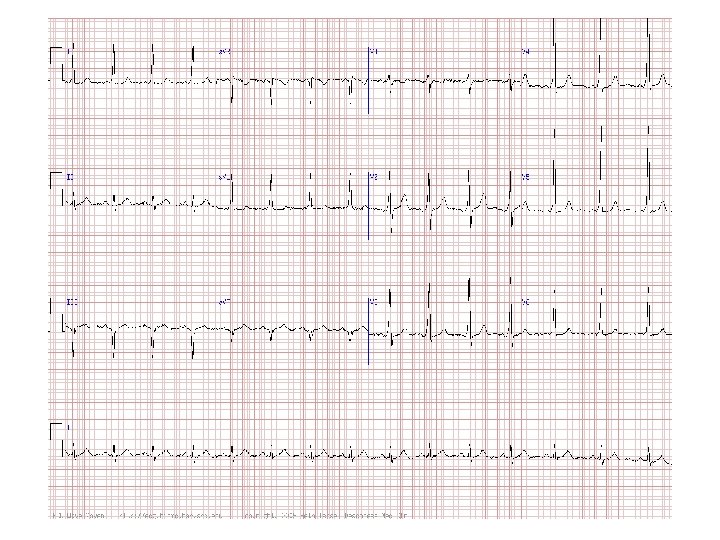
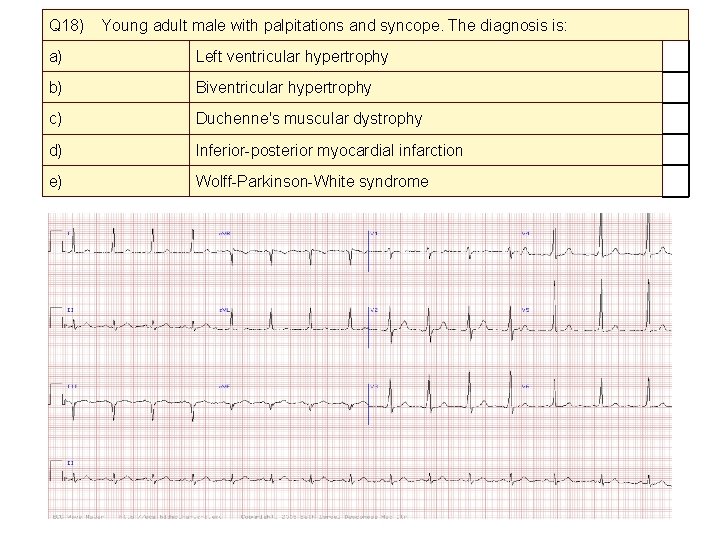
Q 18) Young adult male with palpitations and syncope. The diagnosis is: a) Left ventricular hypertrophy b) Biventricular hypertrophy c) Duchenne's muscular dystrophy d) Inferior-posterior myocardial infarction e) Wolff-Parkinson-White syndrome
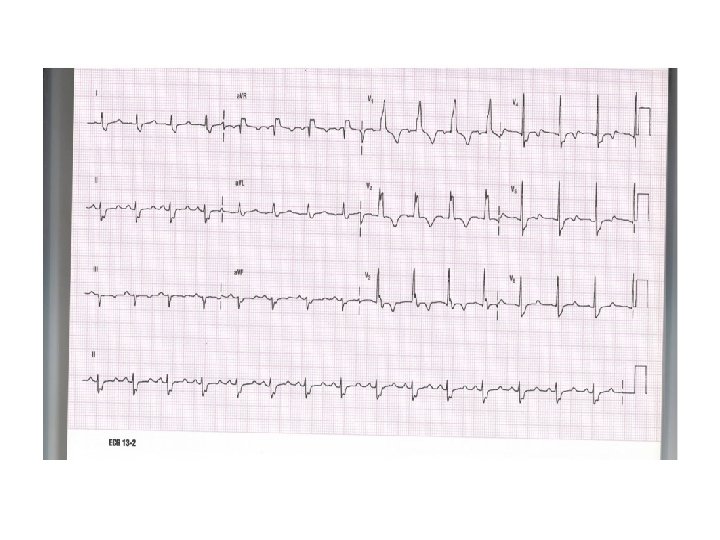
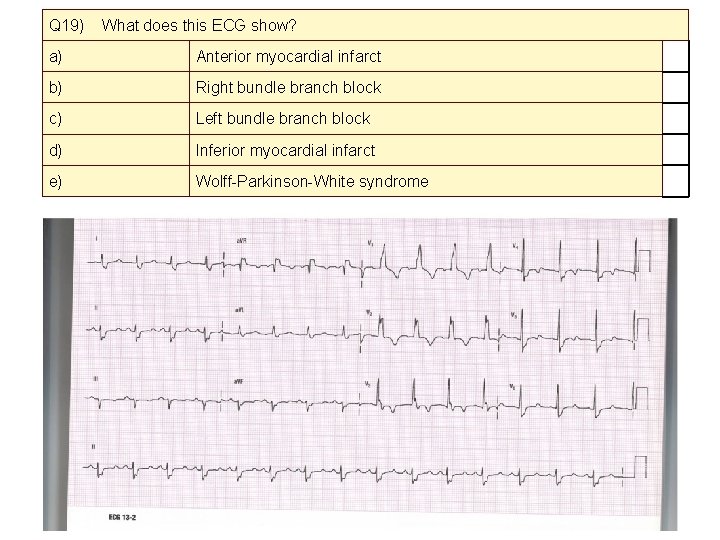
Q 19) What does this ECG show? a) Anterior myocardial infarct b) Right bundle branch block c) Left bundle branch block d) Inferior myocardial infarct e) Wolff-Parkinson-White syndrome
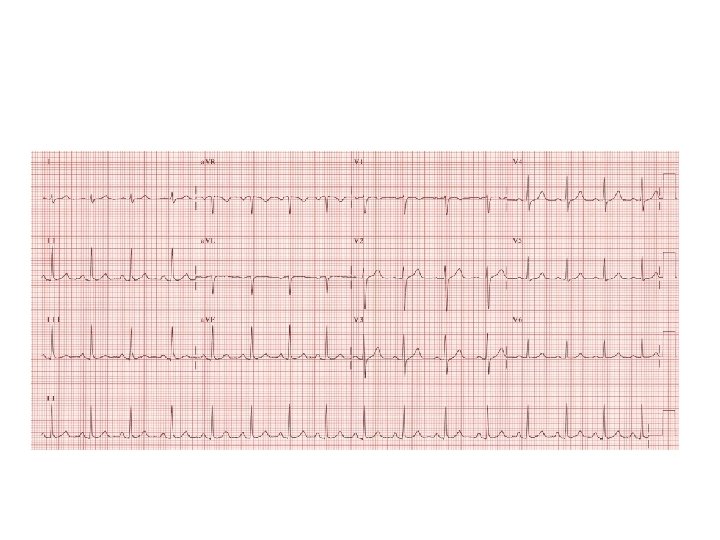
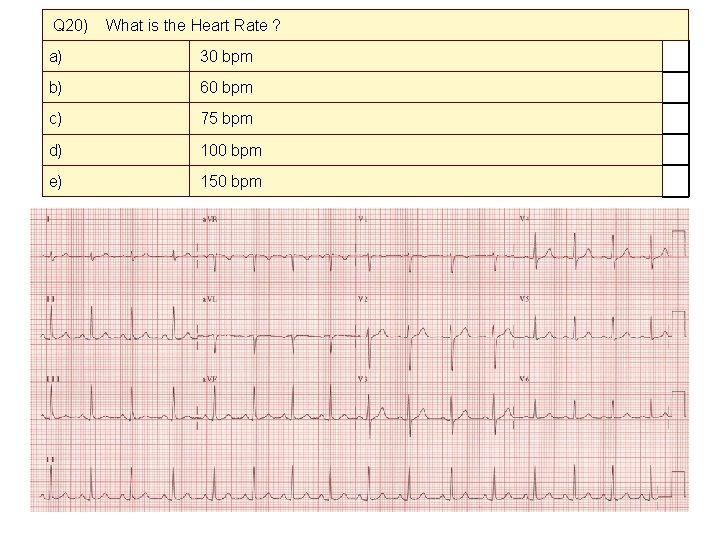
Q 20) What is the Heart Rate ? a) 30 bpm b) 60 bpm c) 75 bpm d) 100 bpm e) 150 bpm
Dr Nick Robinson 07973 437009
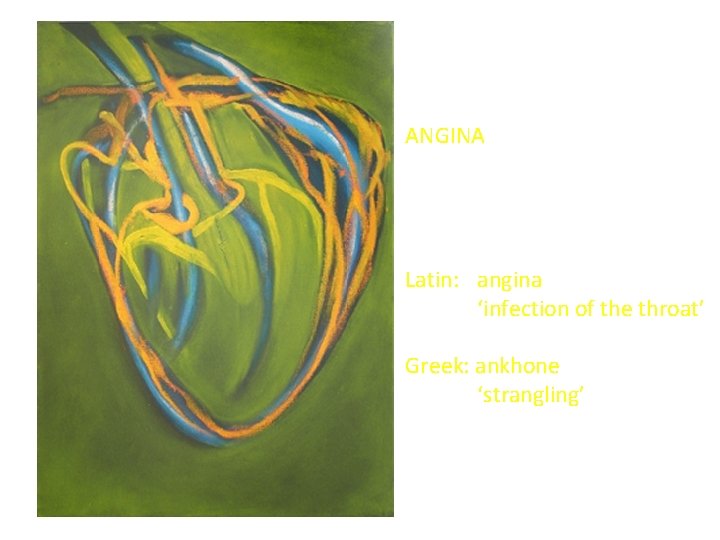
ANGINA Latin: angina ‘infection of the throat’ Greek: ankhone ‘strangling’
46
47
52
53
54
55
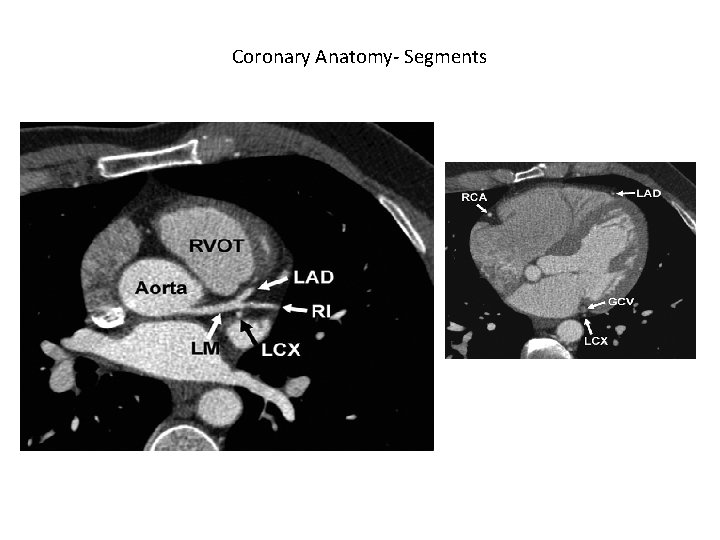
Coronary Anatomy- Segments
59
60
61
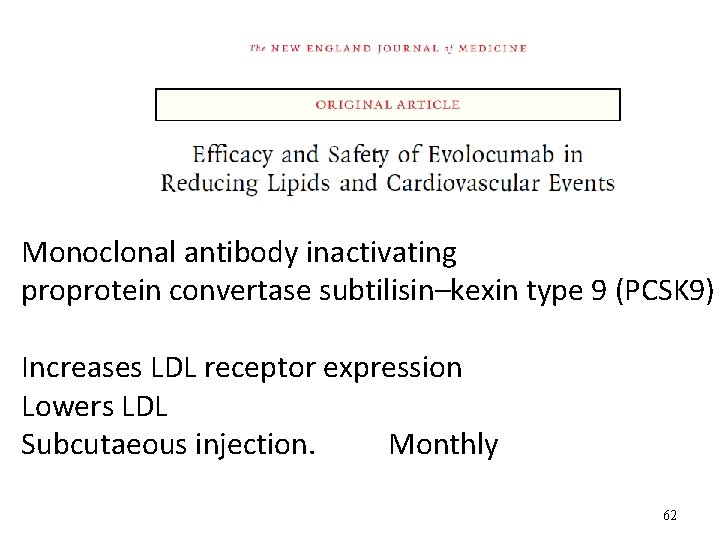
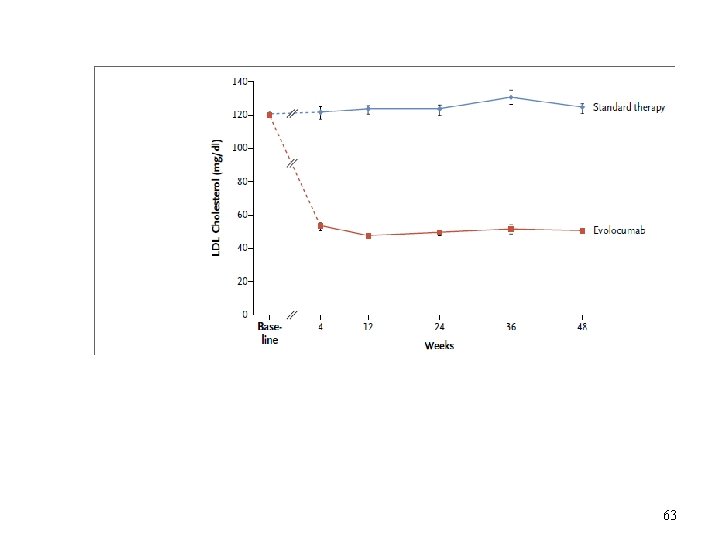
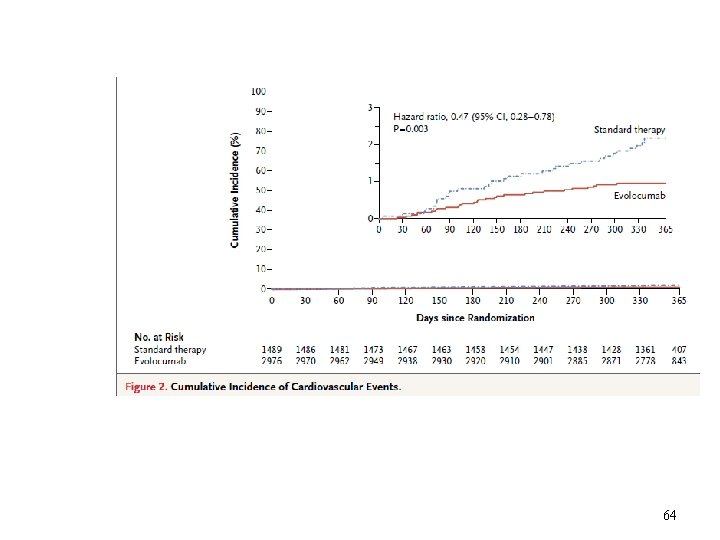
n Monoclonal antibody inactivating proprotein convertase subtilisin–kexin type 9 (PCSK 9) Increases LDL receptor expression Lowers LDL Subcutaeous injection. Monthly 62
63
64
Dr Nick Robinson 07973 437009