
Easy BO An Efficient Asynchronous Batch Bayesian Optimization

Easy. BO: An Efficient Asynchronous Batch Bayesian Optimization Approach for Analog Circuit Synthesis Shuhan Zhang 1, Fan Yang 1, Dian Zhou 2, Xuan Zeng 1 1 State Key Lab of ASIC & System, School of Microelectronics, Fudan University, Shanghai, P. R. China 2 Department of Electronical Engineering, University of Texas at Dallas, Richardson, TX, U. S. A.
Analog Circuit Synthesis and Challenges Model-based approach • Geometric programming • Posynomial Approximation Cannot guarantee the accuracy! Simulation-based approach • Simulated annealing • Multiple start point algorithm • Particle swarm optimization • Genetic algorithm Low convergence rate! Challenge of Analog Circuit Synthesis 1. Expensive to evaluate 2. Derivatives are inaccessible. 3. Convexity property is not decisive. 4. Simulation results are noisy. Optional Insert Copyright
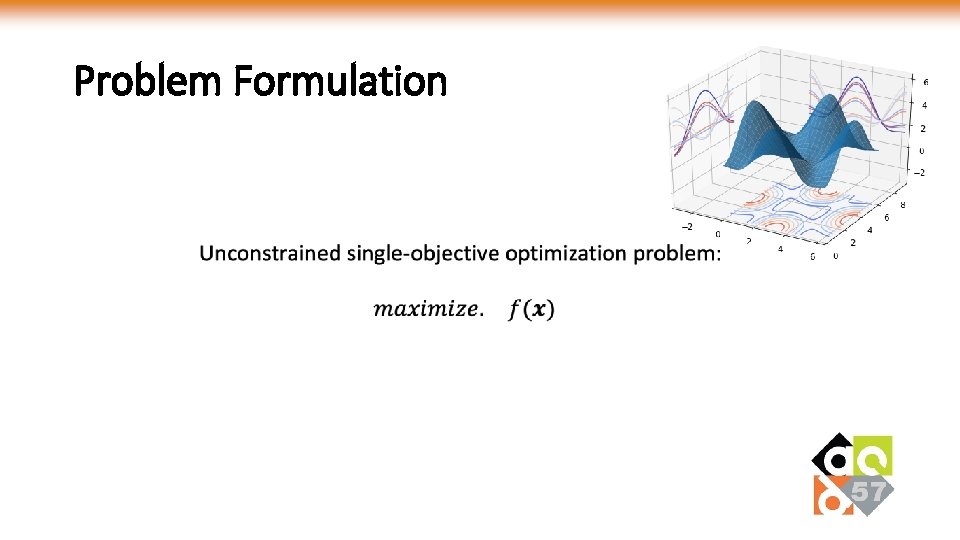
Problem Formulation
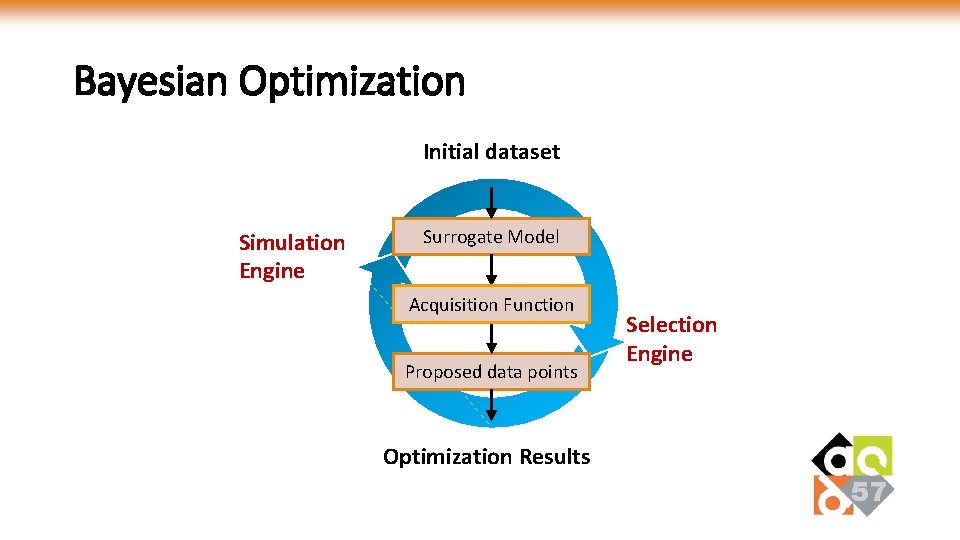
Bayesian Optimization Initial dataset Simulation Engine Surrogate Model Acquisition Function Proposed data points Optimization Results Selection Engine
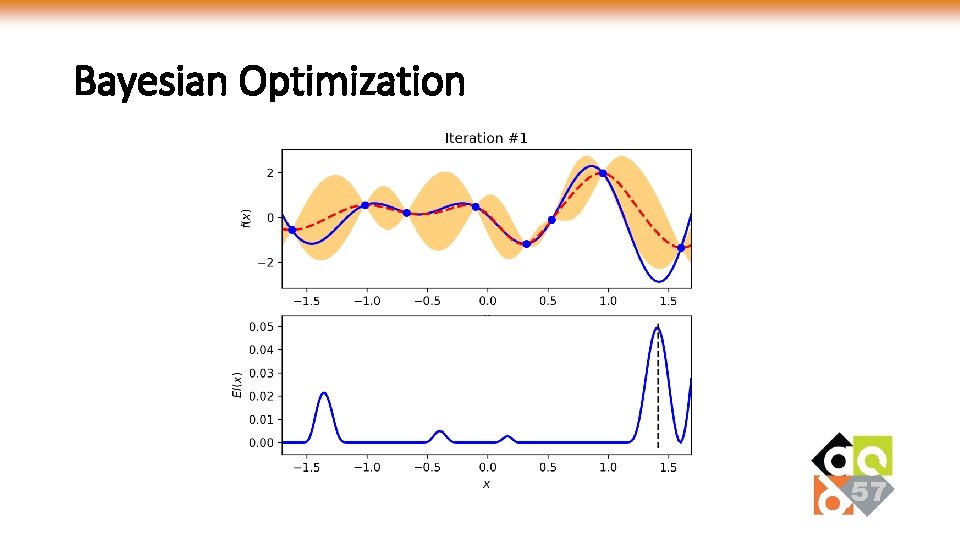
Bayesian Optimization
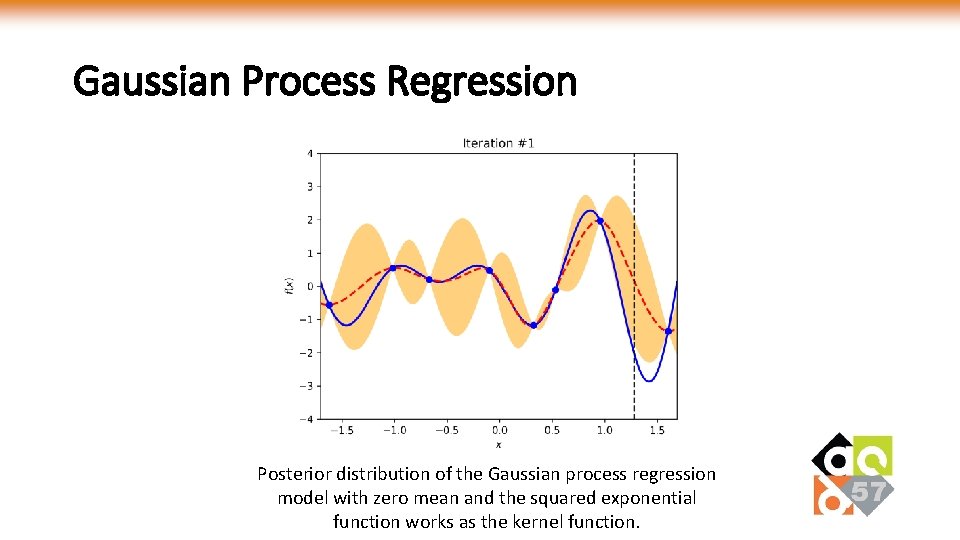
Gaussian Process Regression Posterior distribution of the Gaussian process regression model with zero mean and the squared exponential function works as the kernel function.
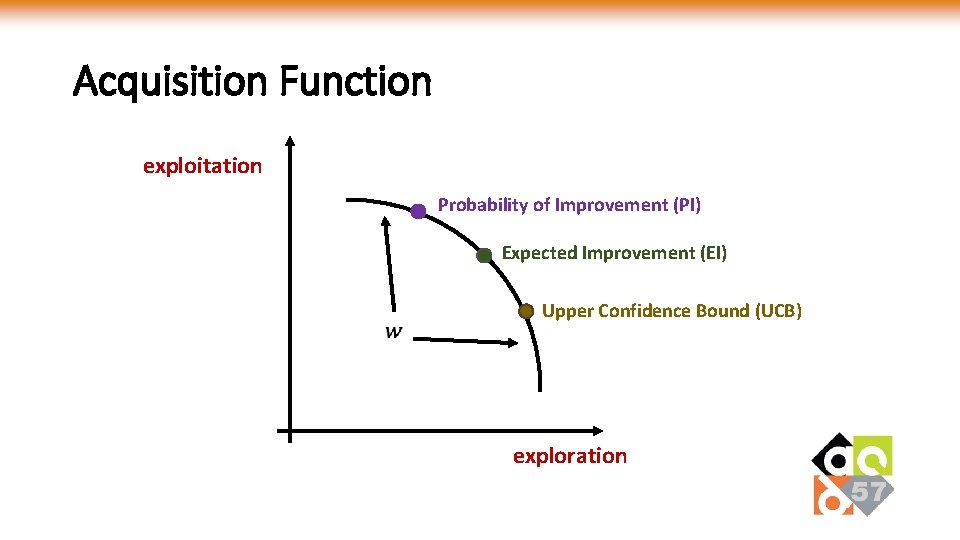
Acquisition Function exploitation Probability of Improvement (PI) Expected Improvement (EI) Upper Confidence Bound (UCB) exploration
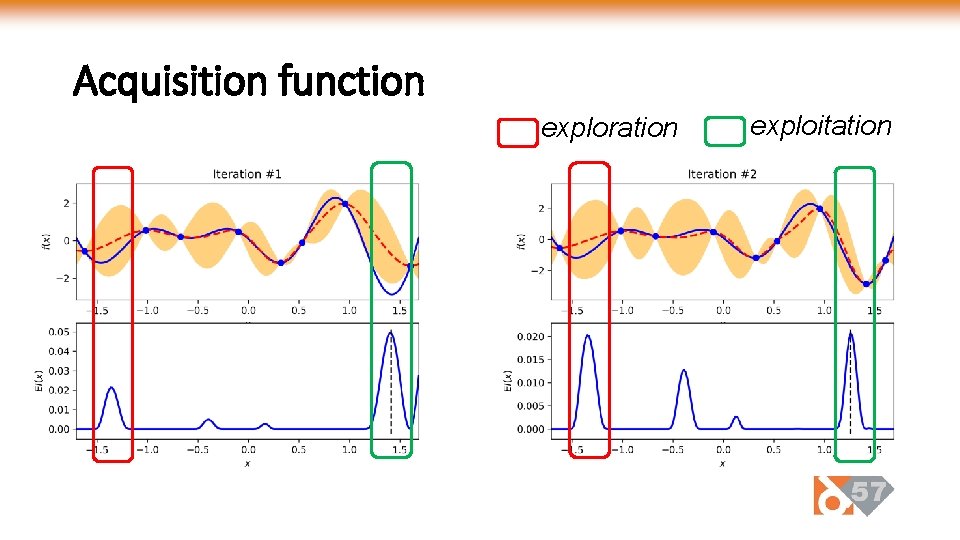
Acquisition function exploration exploitation
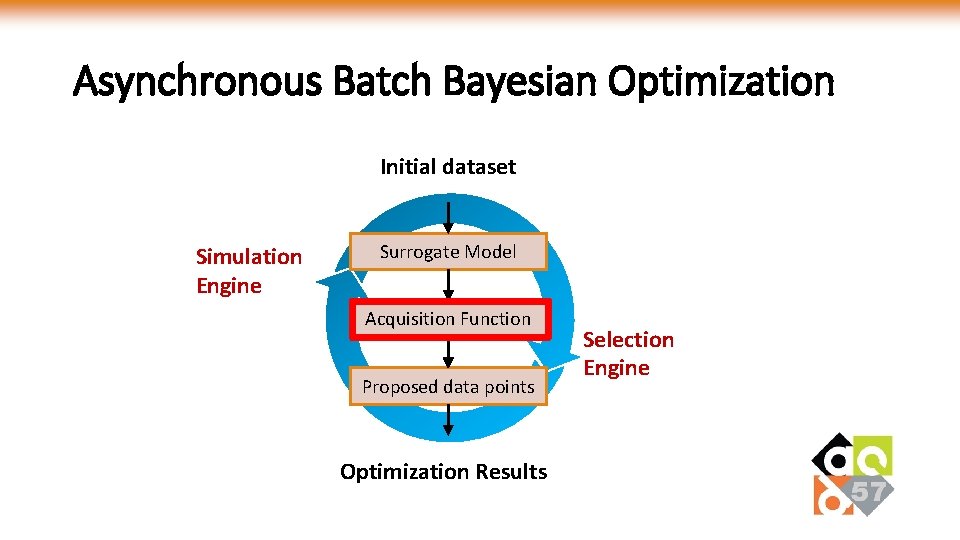
Asynchronous Batch Bayesian Optimization Initial dataset Simulation Engine Surrogate Model Acquisition Function Proposed data points Optimization Results Selection Engine
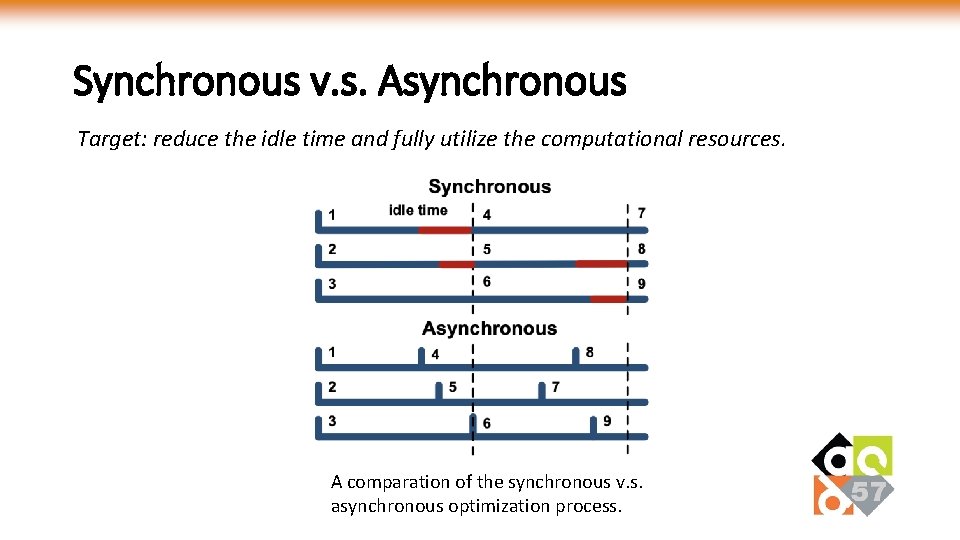
Synchronous v. s. Asynchronous Target: reduce the idle time and fully utilize the computational resources. A comparation of the synchronous v. s. asynchronous optimization process.
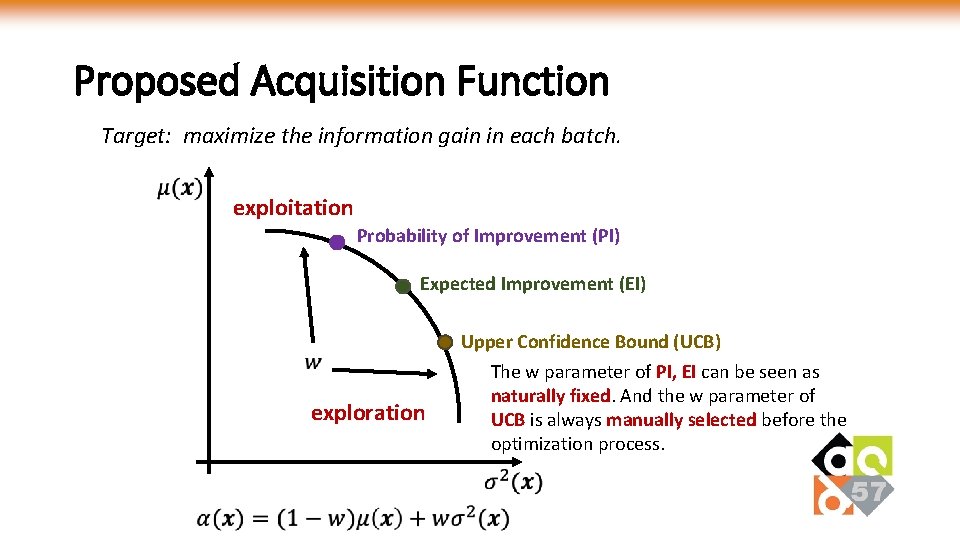
Proposed Acquisition Function Target: maximize the information gain in each batch. exploitation Probability of Improvement (PI) Expected Improvement (EI) exploration Upper Confidence Bound (UCB) The w parameter of PI, EI can be seen as naturally fixed. And the w parameter of UCB is always manually selected before the optimization process.
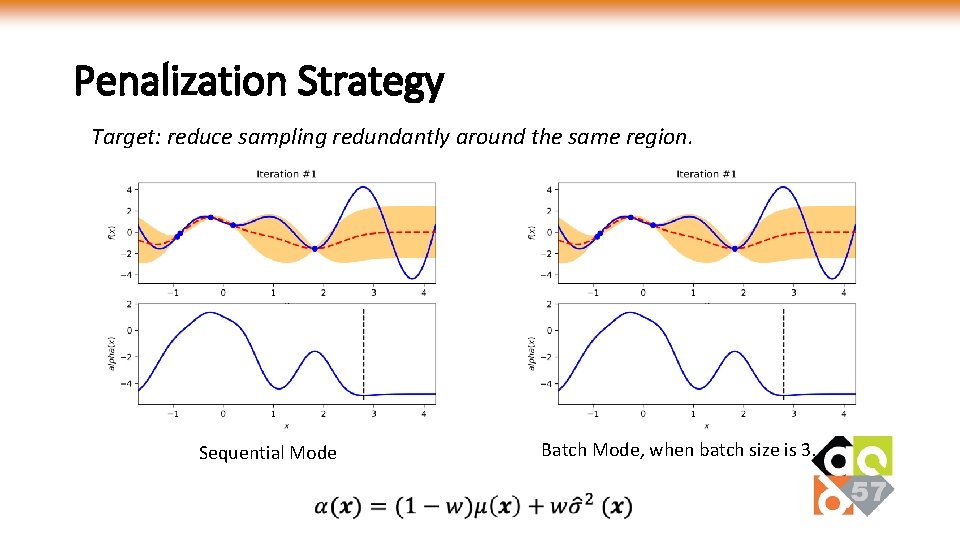
Penalization Strategy Target: reduce sampling redundantly around the same region. Sequential Mode Batch Mode, when batch size is 3.
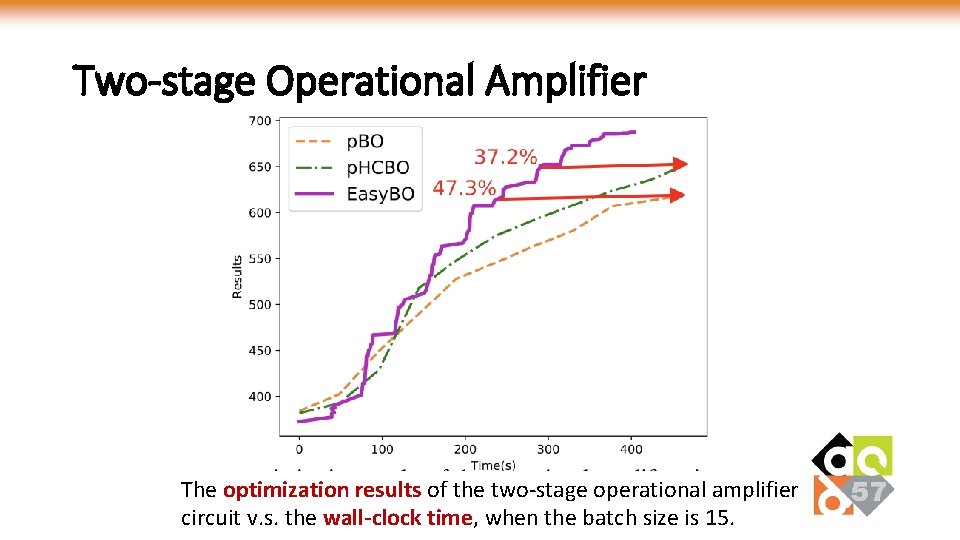
Two-stage Operational Amplifier The optimization results of the two-stage operational amplifier circuit v. s. the wall-clock time, when the batch size is 15.
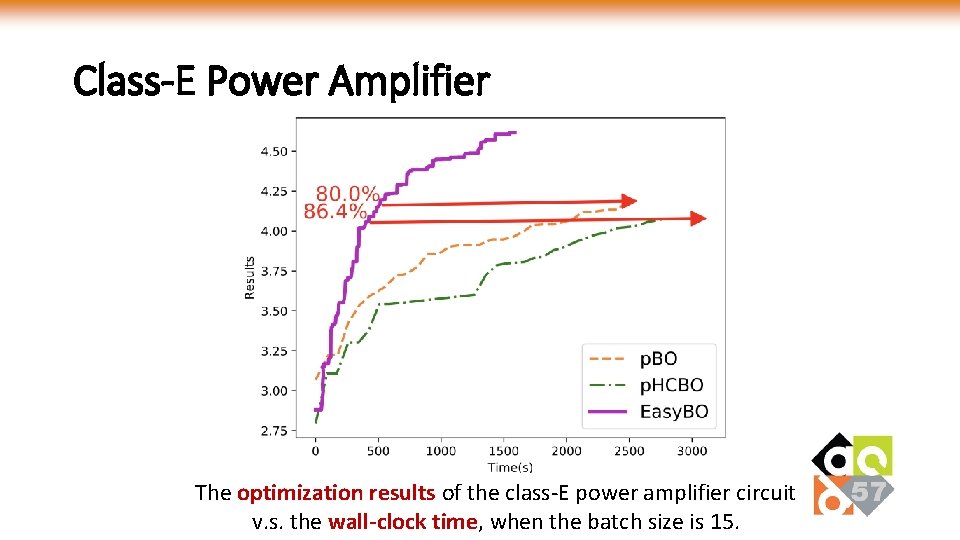
Class-E Power Amplifier The optimization results of the class-E power amplifier circuit v. s. the wall-clock time, when the batch size is 15.

Thank you! Welcome to my personal website for more details https: //lilyevanshogwarts. github. io/

Questions
- Slides: 16