
EarthSun Relationships Radiation Heat and Temperature Earths orbit
Earth-Sun Relationships, Radiation, Heat, and Temperature

Earth’s orbit is elliptical. Perihelion (closest) Aphelion (farthest)
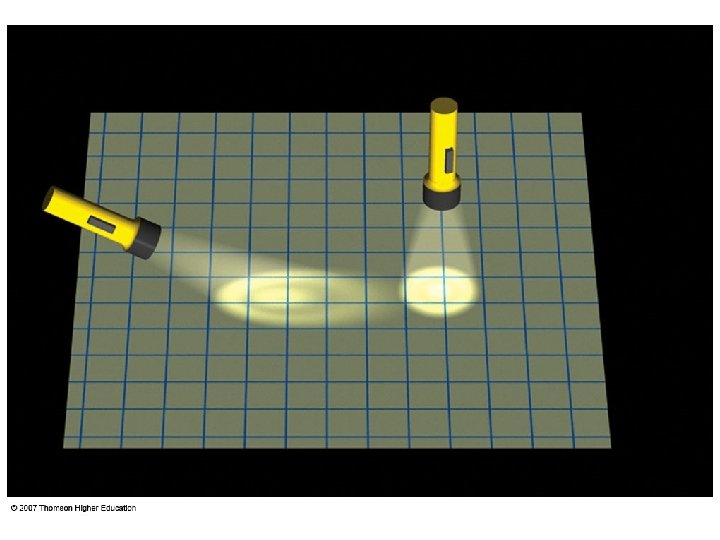

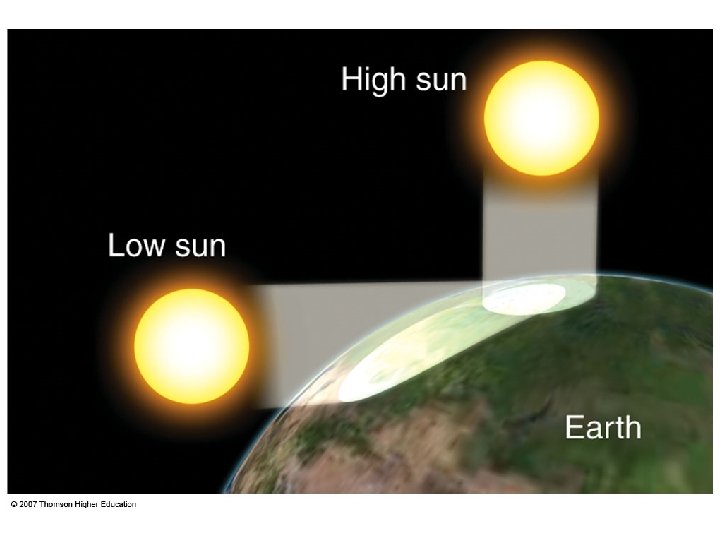
High Sun: Noon and summer Low Sun: sunrise/sunset and winter The closer the sun is to overhead, the more intense the radiation at the surface (more radiation received per unit area).
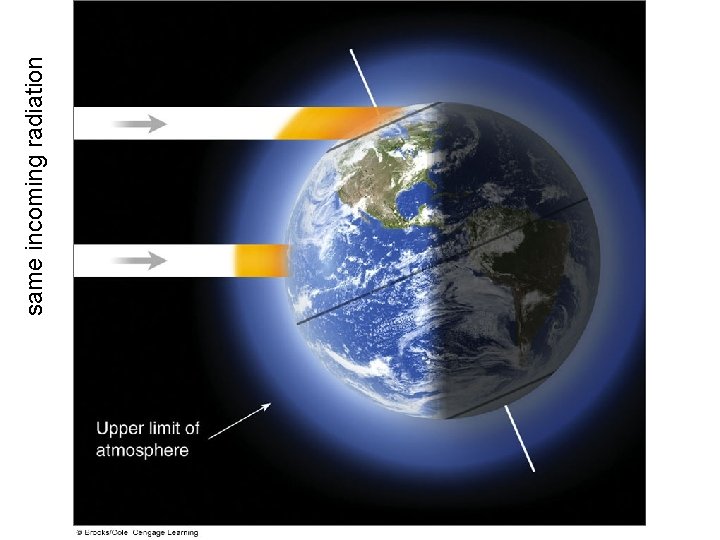
same incoming radiation
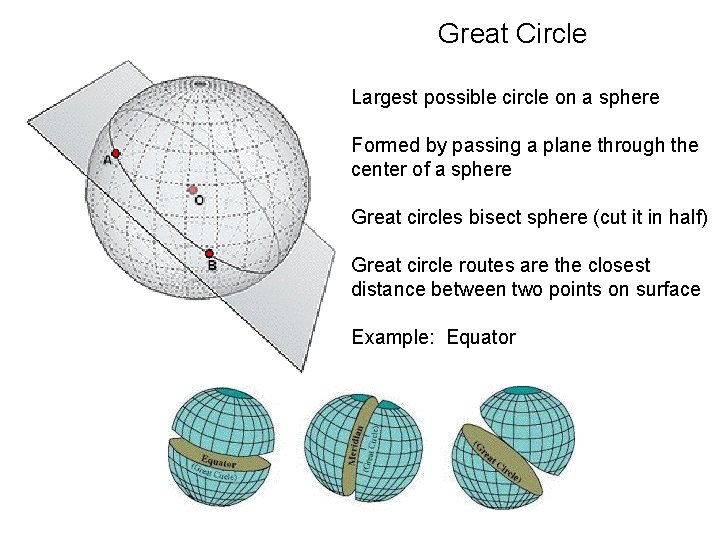
Great Circle Largest possible circle on a sphere Formed by passing a plane through the center of a sphere Great circles bisect sphere (cut it in half) Great circle routes are the closest distance between two points on surface Example: Equator
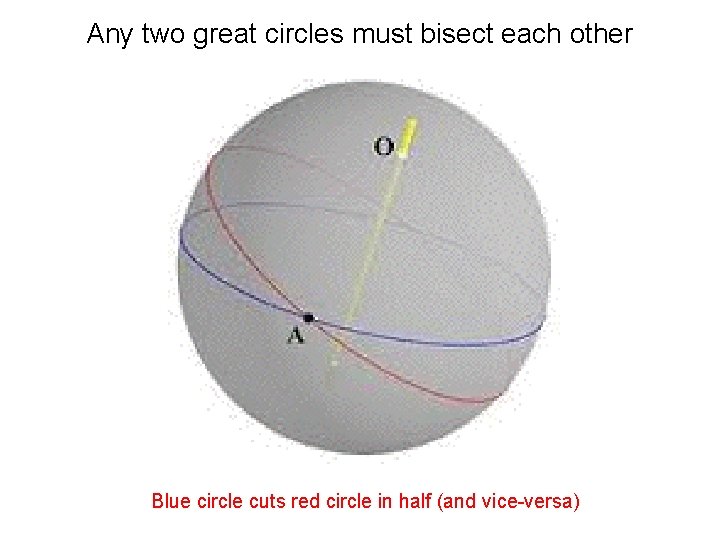
Any two great circles must bisect each other Blue circle cuts red circle in half (and vice-versa)
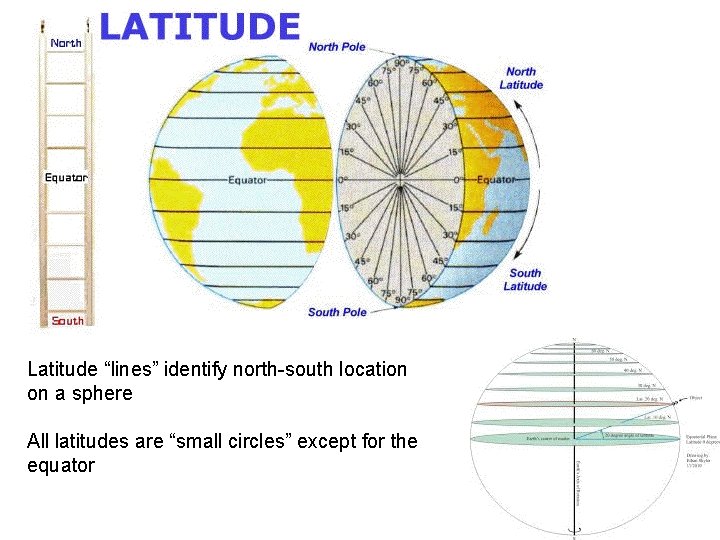
Latitude “lines” identify north-south location on a sphere All latitudes are “small circles” except for the equator
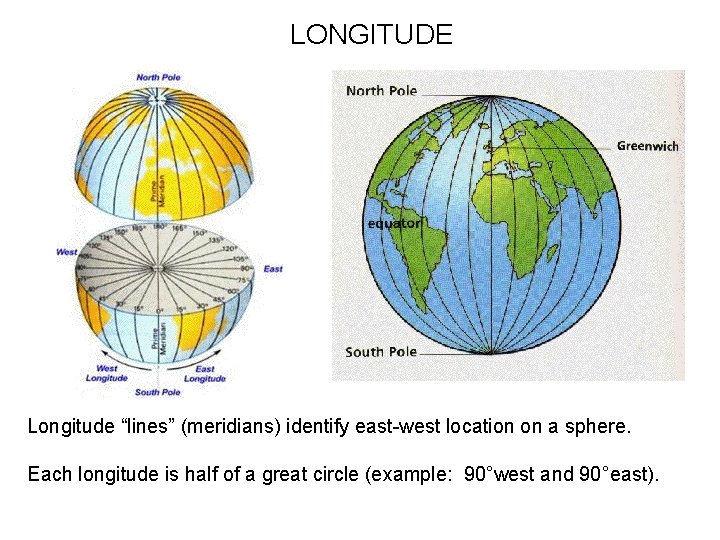
LONGITUDE Longitude “lines” (meridians) identify east-west location on a sphere. Each longitude is half of a great circle (example: 90°west and 90°east).
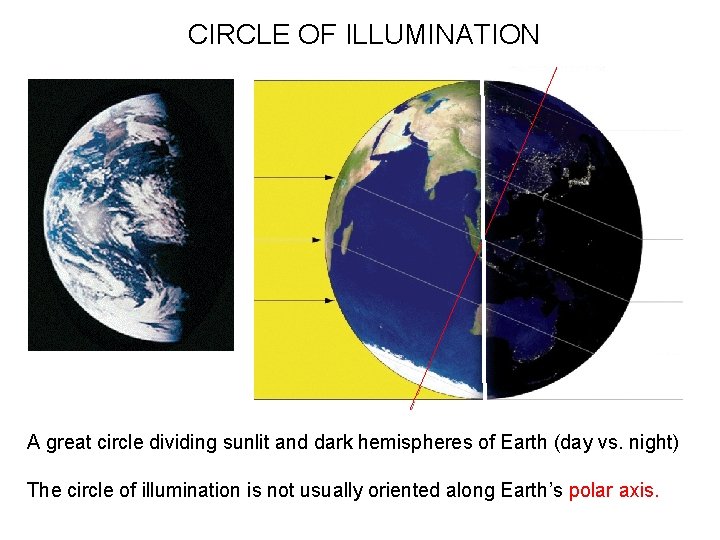
CIRCLE OF ILLUMINATION A great circle dividing sunlit and dark hemispheres of Earth (day vs. night) The circle of illumination is not usually oriented along Earth’s polar axis.
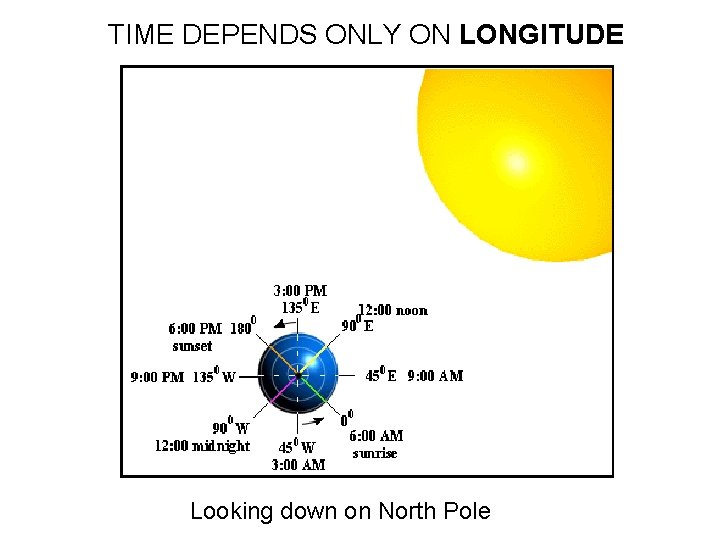
TIME DEPENDS ONLY ON LONGITUDE Looking down on North Pole
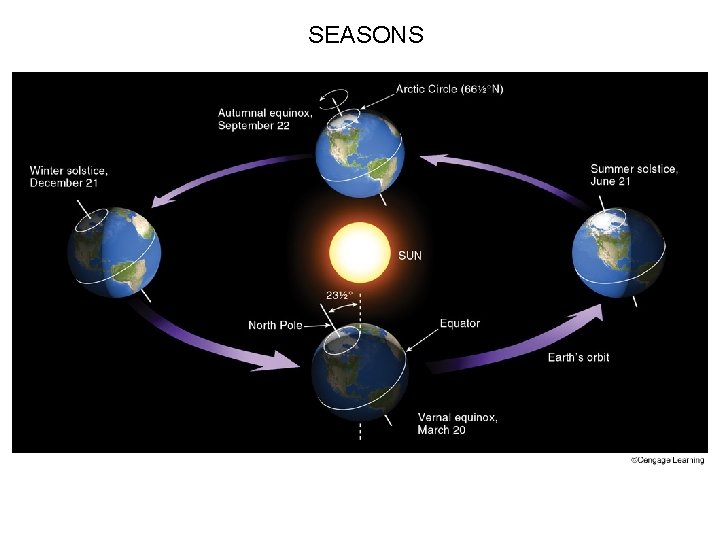
SEASONS

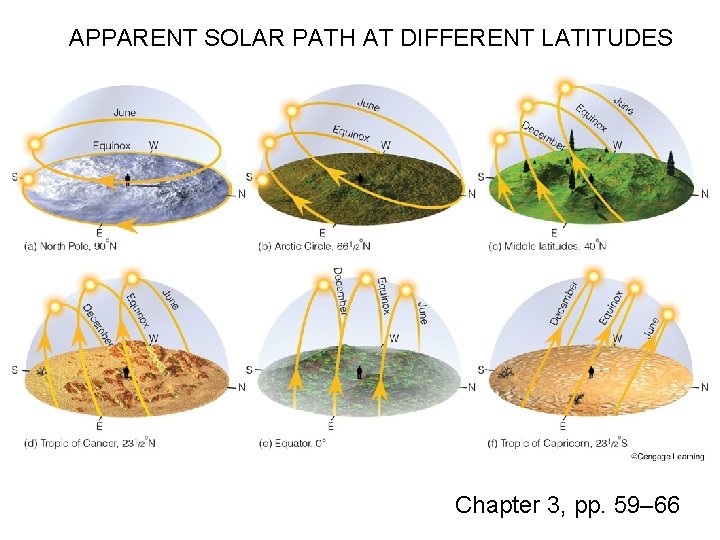
APPARENT SOLAR PATH AT DIFFERENT LATITUDES Chapter 3, pp. 59– 66

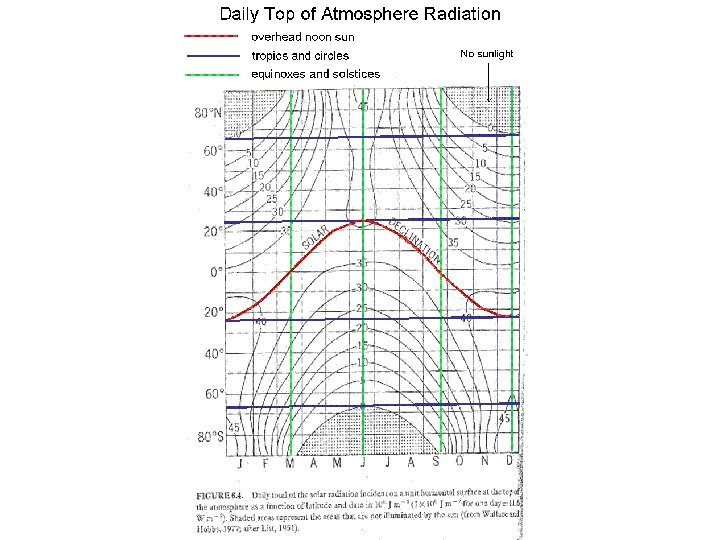
Quick Summary • Sunlight accumulated depends on solar angle (intensity) and day length (hours of sunlight) • “Tropics” define latitudes with overhead sun (at some point during year) • “Circles” define latitudes with 24 hours of daylight and darkness (at some time) • Latitudes of “tropics” and “circles” are defined by Earth’s axial tilt
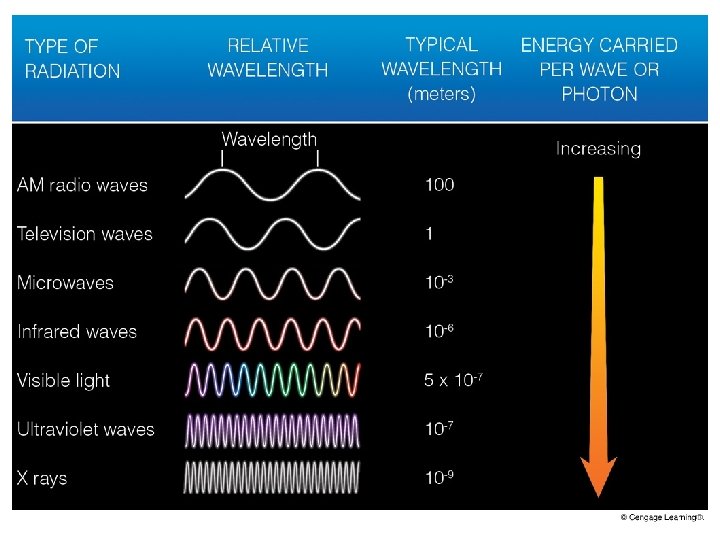
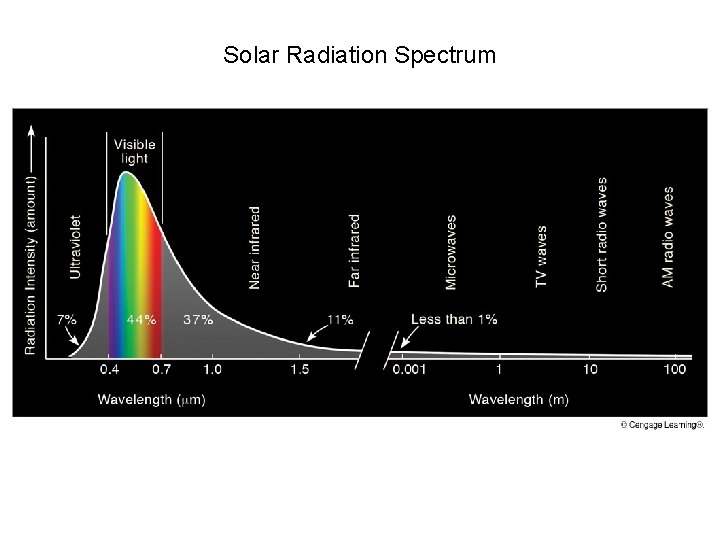
Solar Radiation Spectrum

Sun vs. Earth Infrared
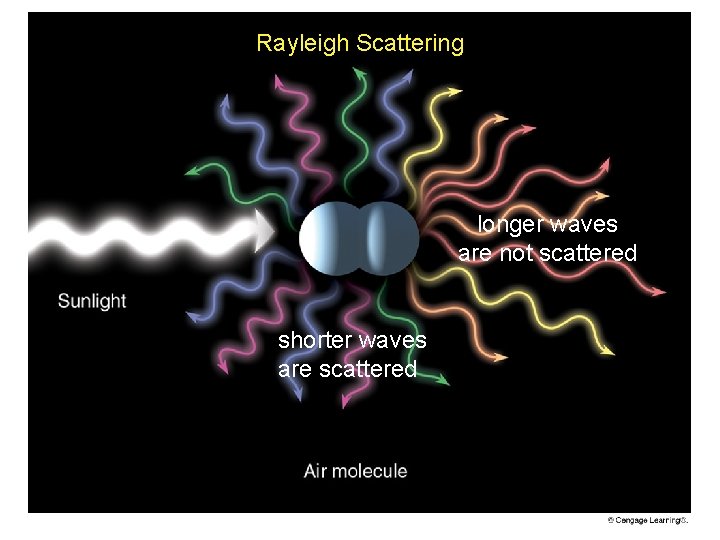
Rayleigh Scattering longer waves are not scattered shorter waves are scattered
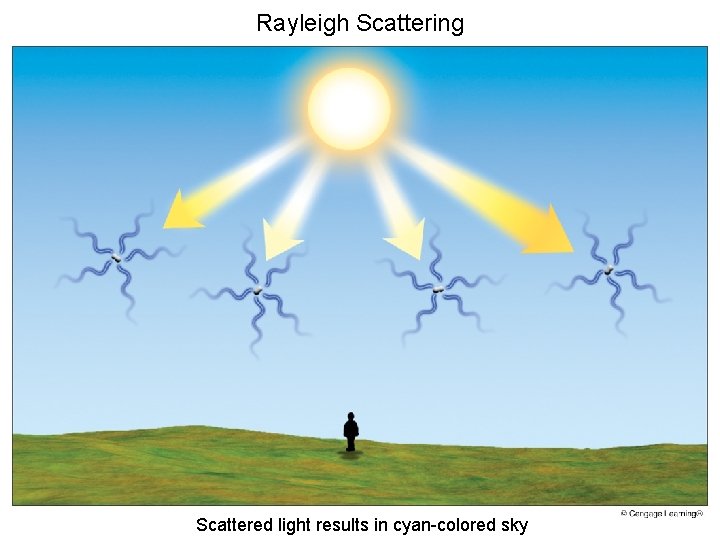
Rayleigh Scattering Scattered light results in cyan-colored sky
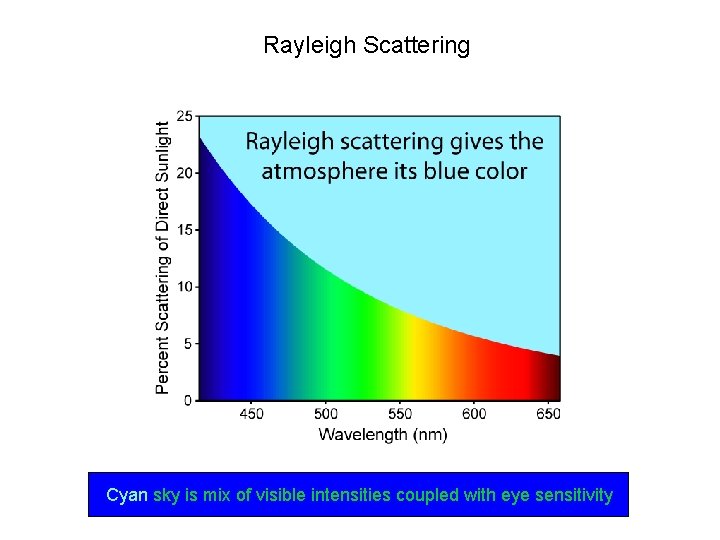
Rayleigh Scattering Cyan sky is mix of visible intensities coupled with eye sensitivity
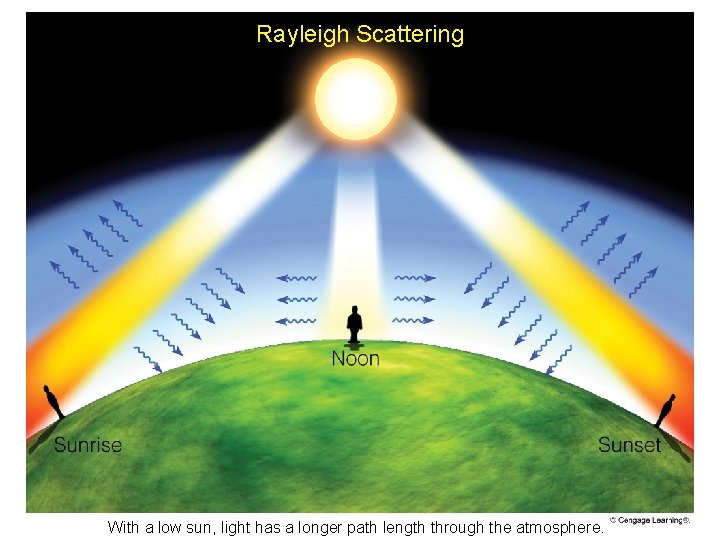
Rayleigh Scattering With a low sun, light has a longer path length through the atmosphere.
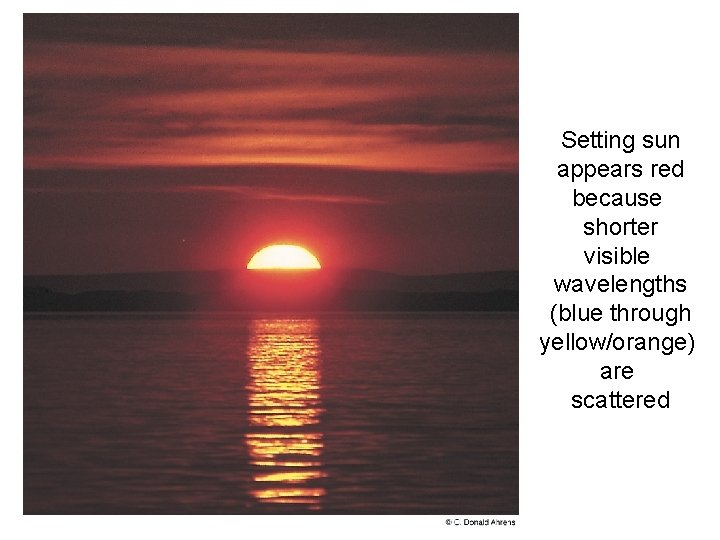
Setting sun appears red because shorter visible wavelengths (blue through yellow/orange) are scattered
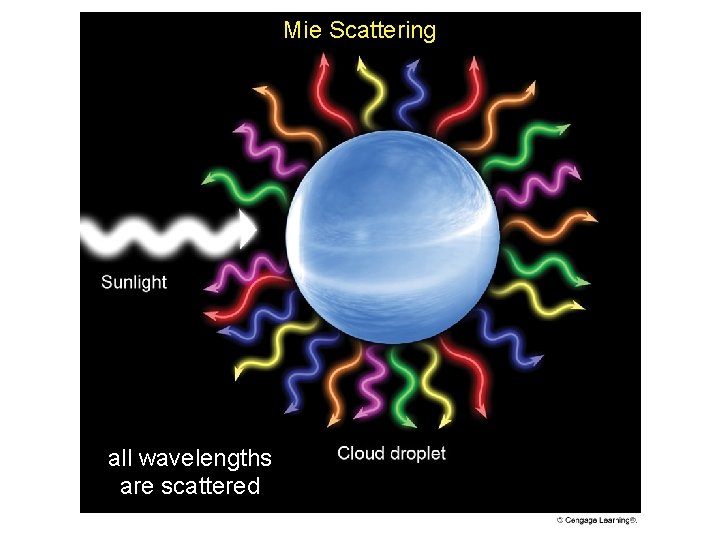
Mie Scattering all wavelengths are scattered
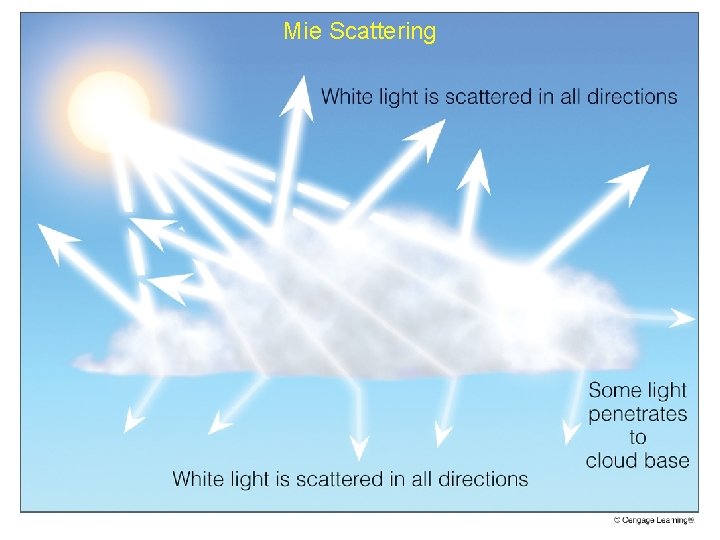
Mie Scattering
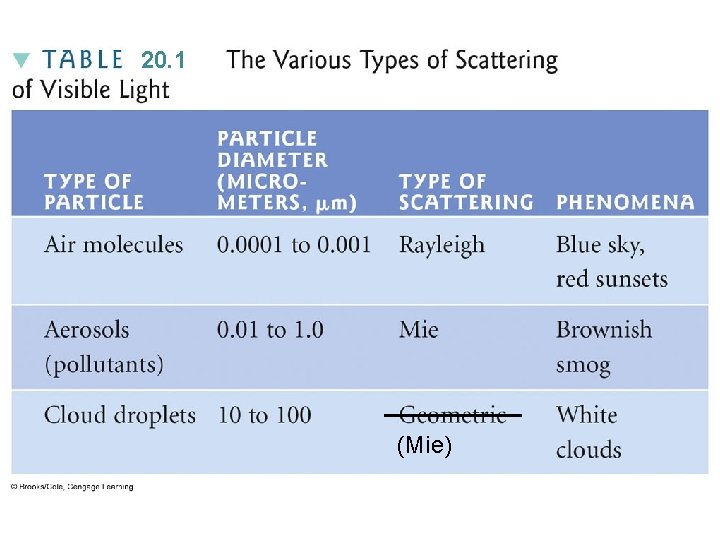
20. 1 (Mie)
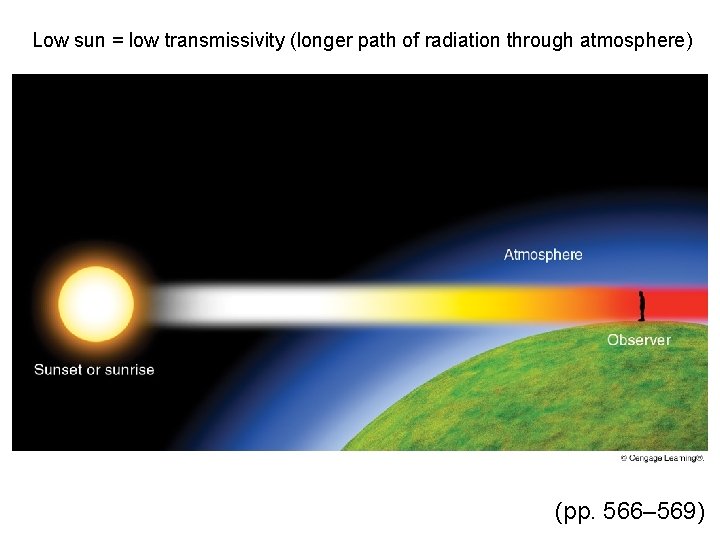
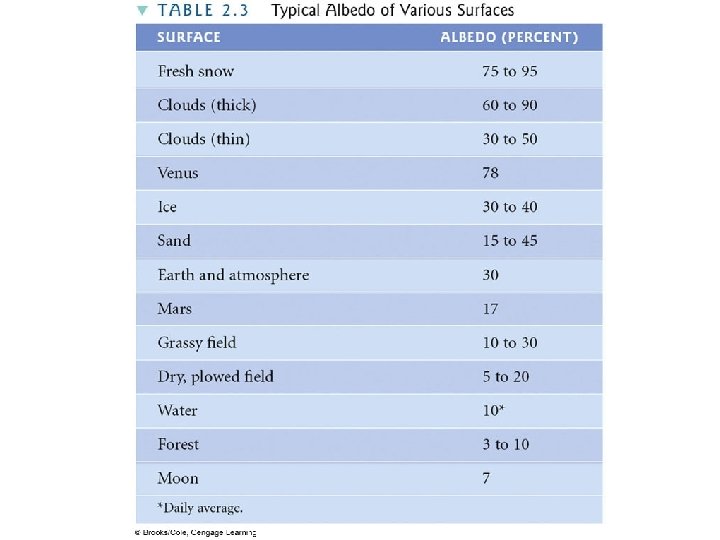
Low sun = low transmissivity (longer path of radiation through atmosphere) (pp. 566– 569)

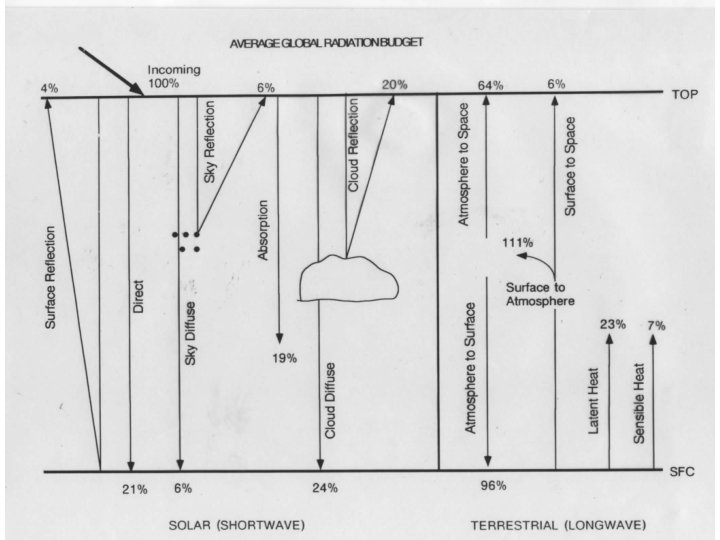
Quick Summary • All objects emit radiation over a range of wavelengths (hot=longwave; cool=shortwave) • Sun emits UV, visible, and IR • Earth emits IR • Radiation can be reflected, scattered, absorbed, or transmitted
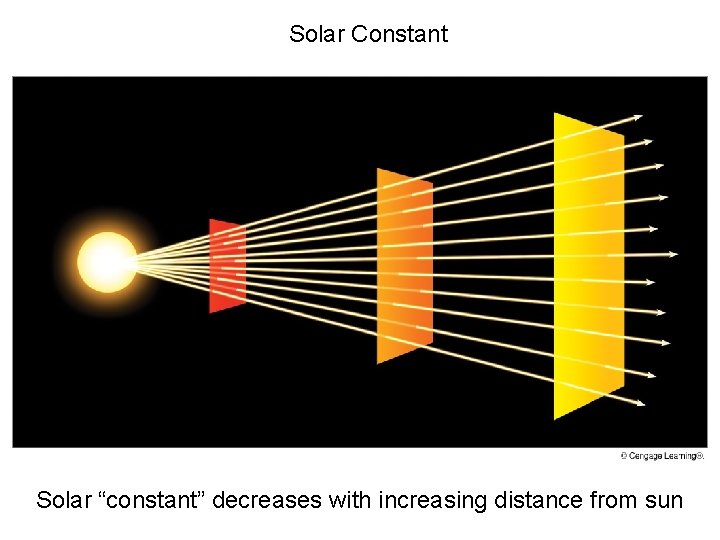
Solar Constant Solar “constant” decreases with increasing distance from sun
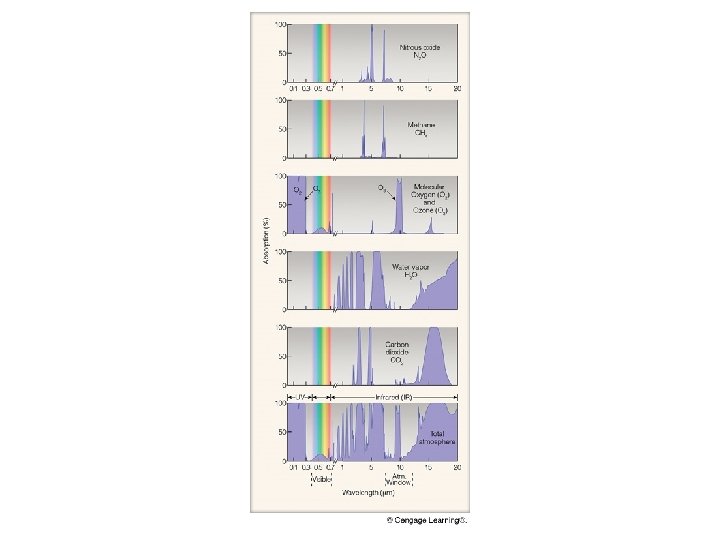
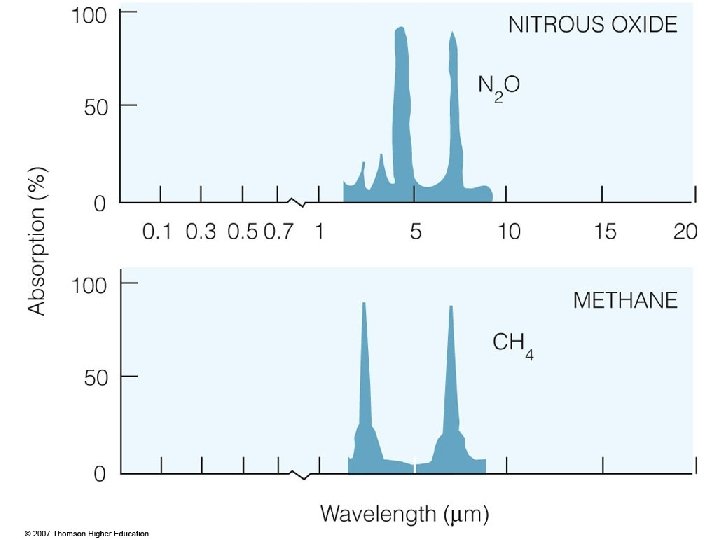
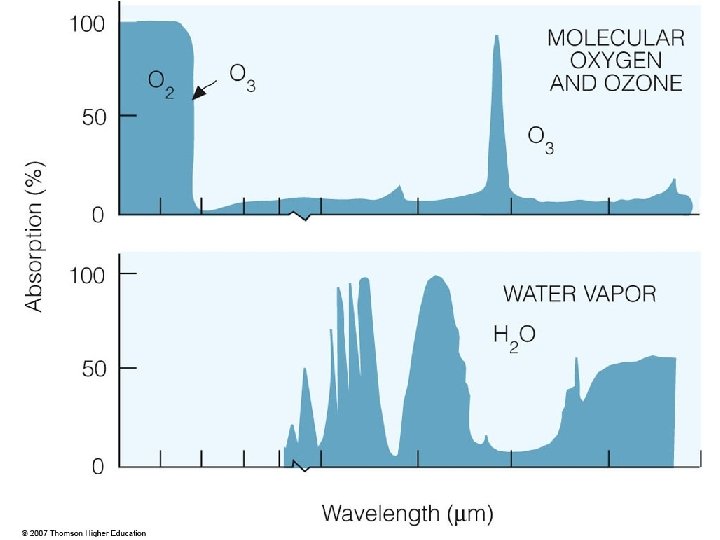
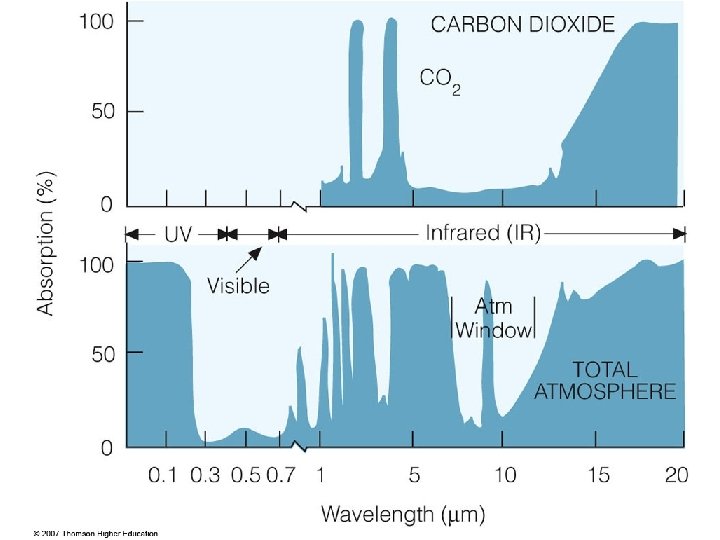
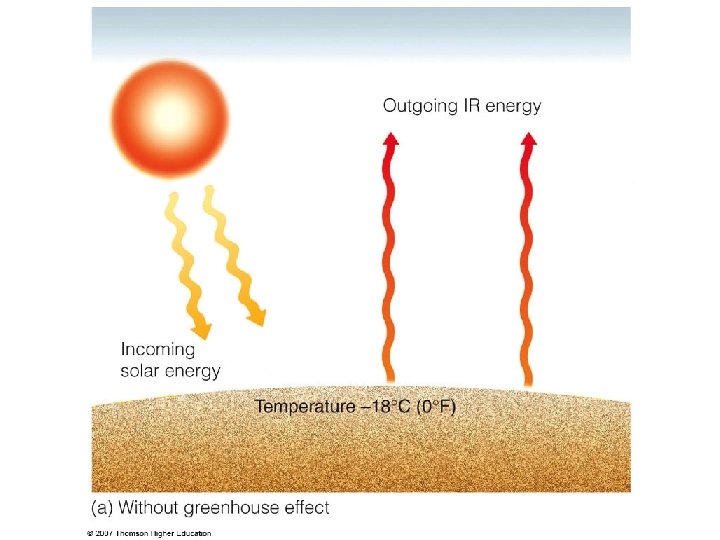
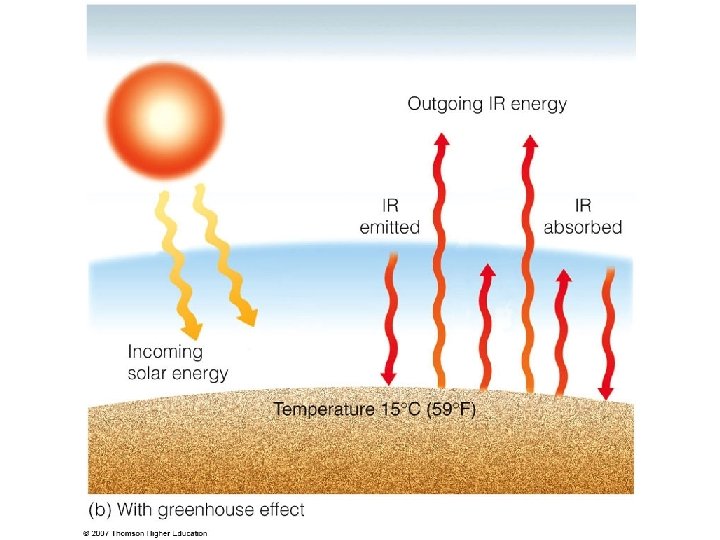

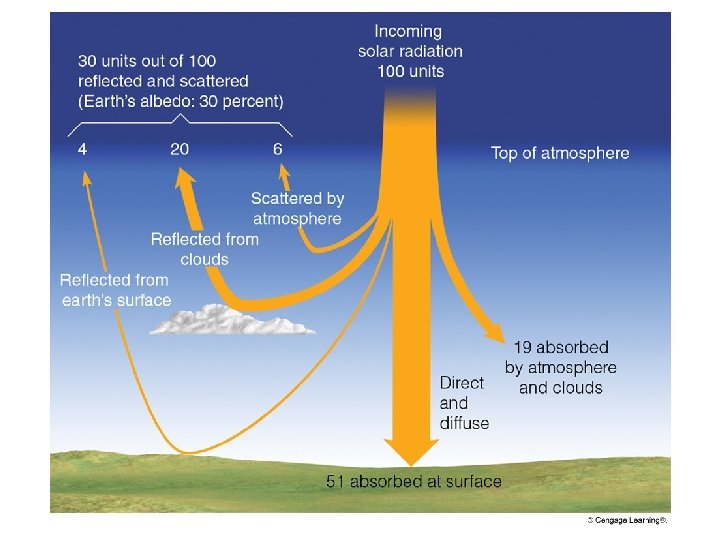
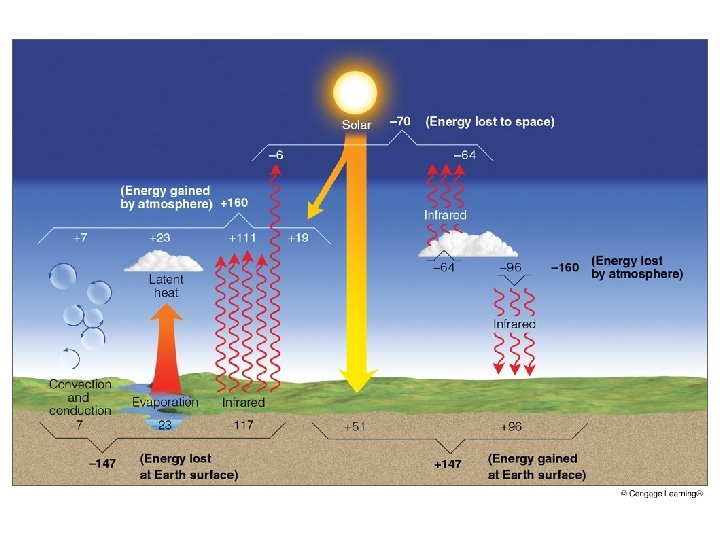
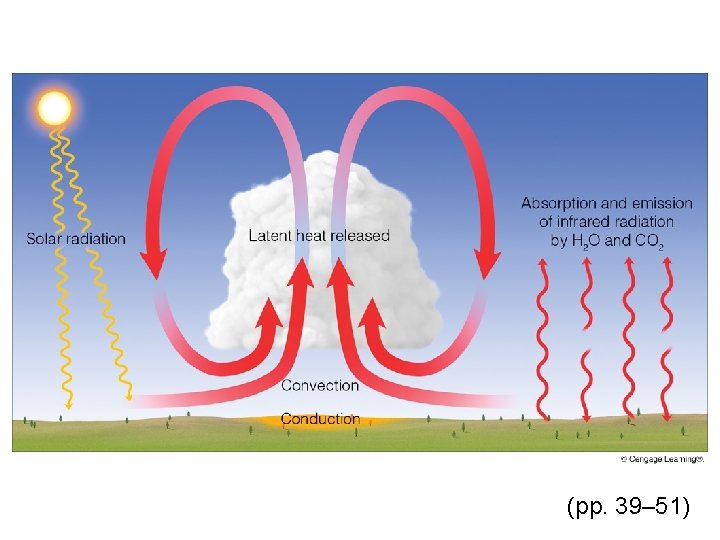
(pp. 39– 51)
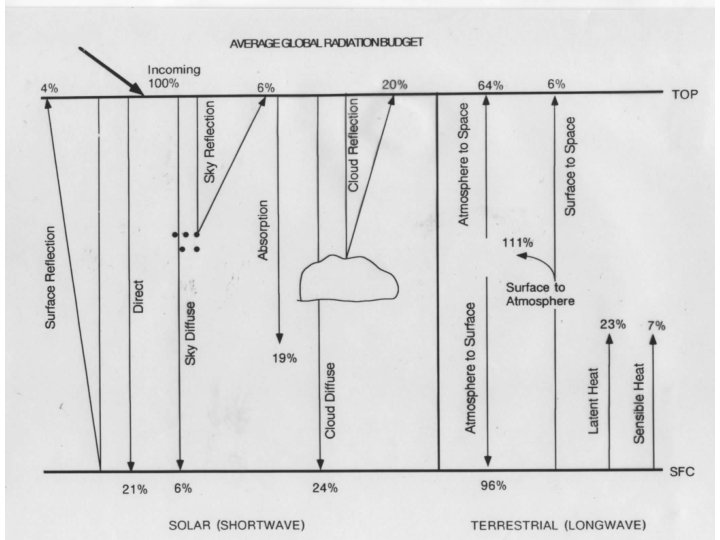
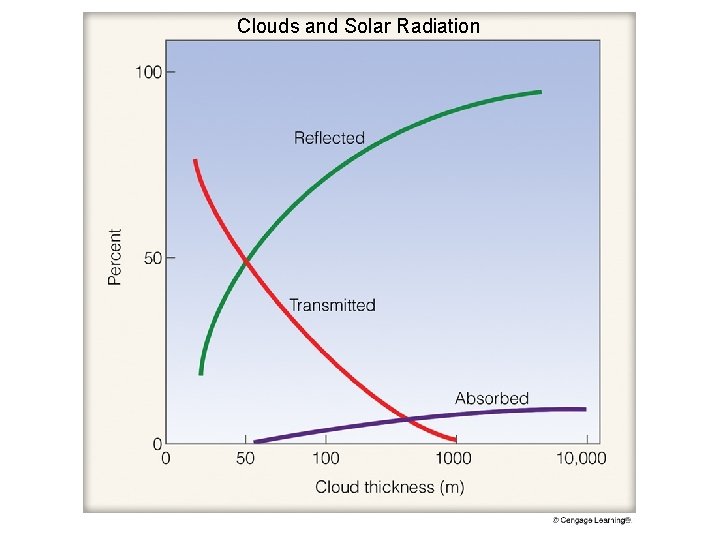
Clouds and Solar Radiation
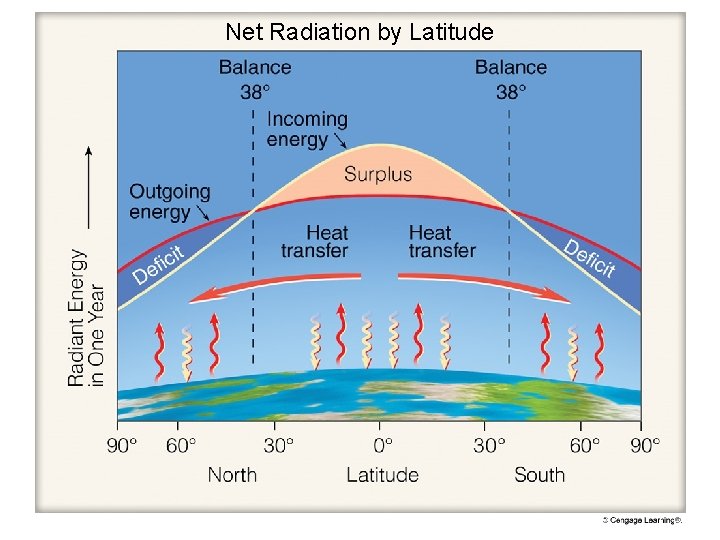
Net Radiation by Latitude
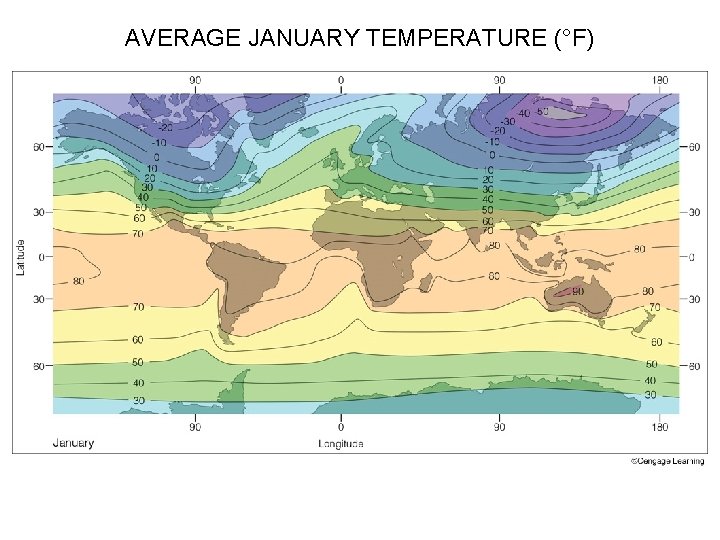
AVERAGE JANUARY TEMPERATURE (°F)
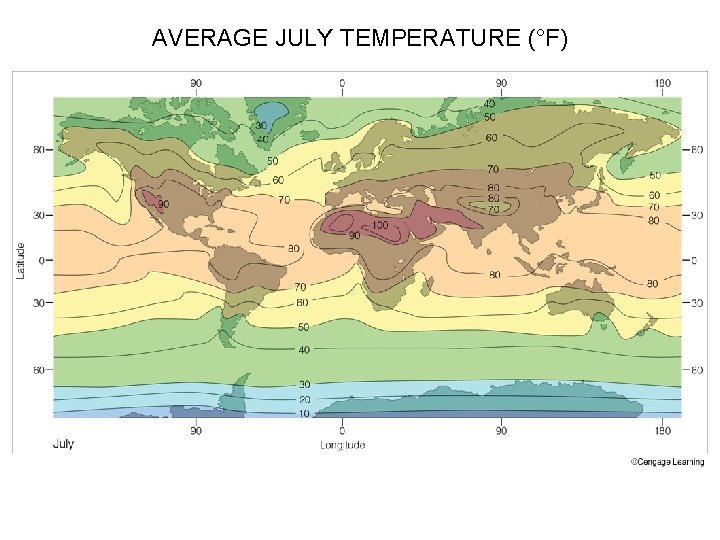
AVERAGE JULY TEMPERATURE (°F)
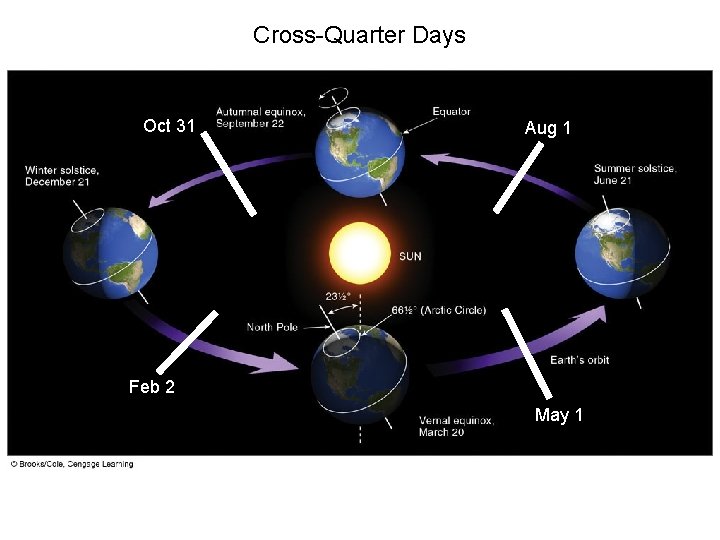
Cross-Quarter Days Oct 31 Aug 1 Feb 2 May 1
- Slides: 50