
Earths Structure Layers of the Earth CRUST MANTLE
- Slides: 37
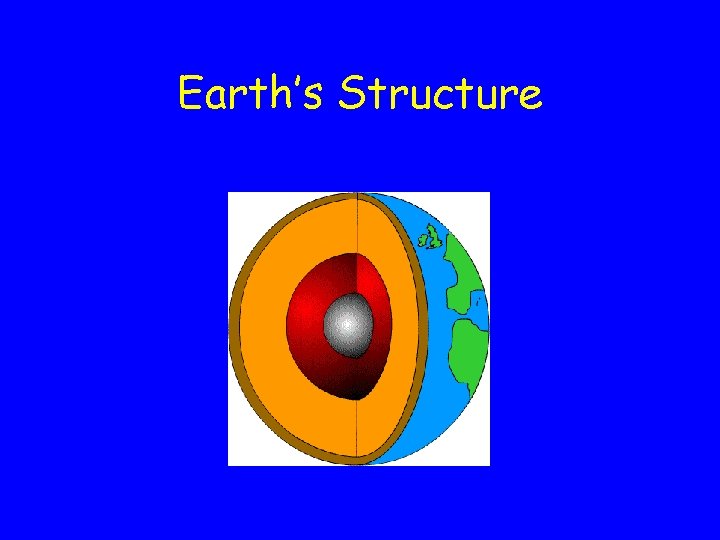
Earth’s Structure
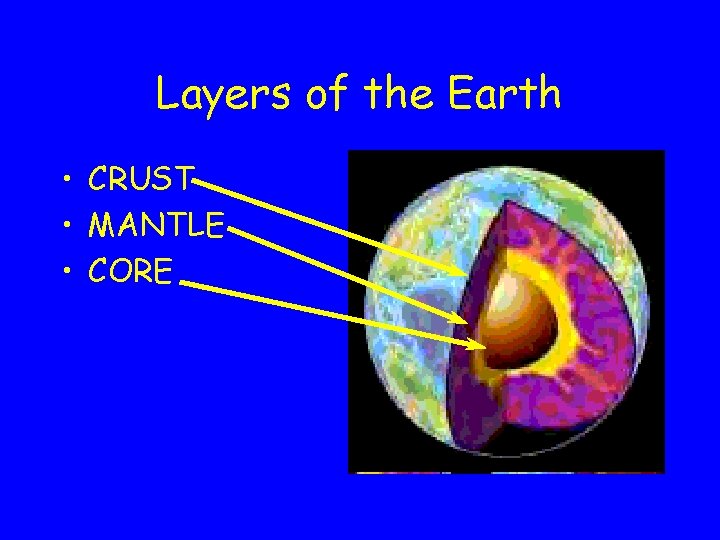
Layers of the Earth • CRUST • MANTLE • CORE
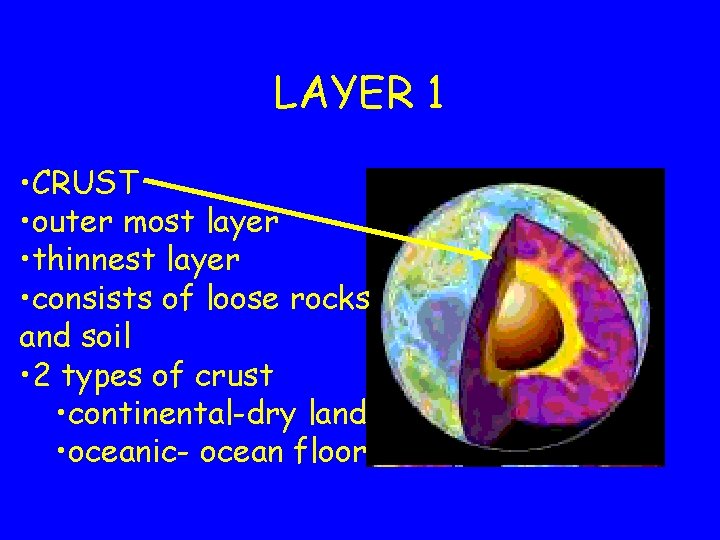
LAYER 1 • CRUST • outer most layer • thinnest layer • consists of loose rocks and soil • 2 types of crust • continental-dry land • oceanic- ocean floor
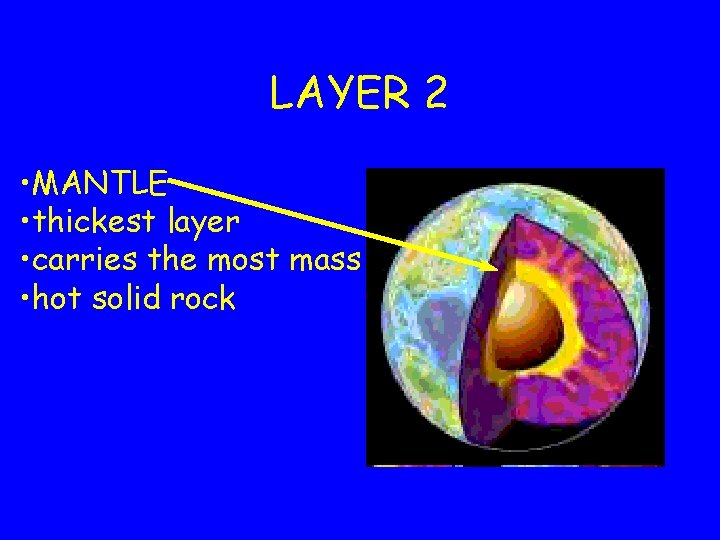
LAYER 2 • MANTLE • thickest layer • carries the most mass • hot solid rock
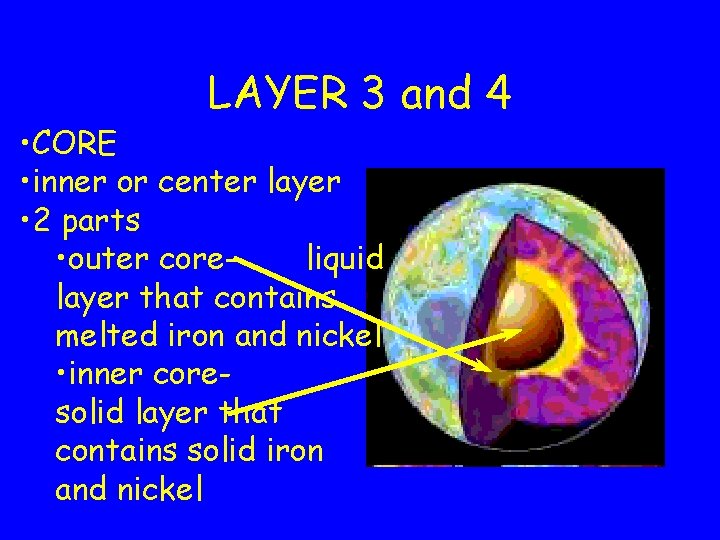
LAYER 3 and 4 • CORE • inner or center layer • 2 parts • outer coreliquid layer that contains melted iron and nickel • inner coresolid layer that contains solid iron and nickel
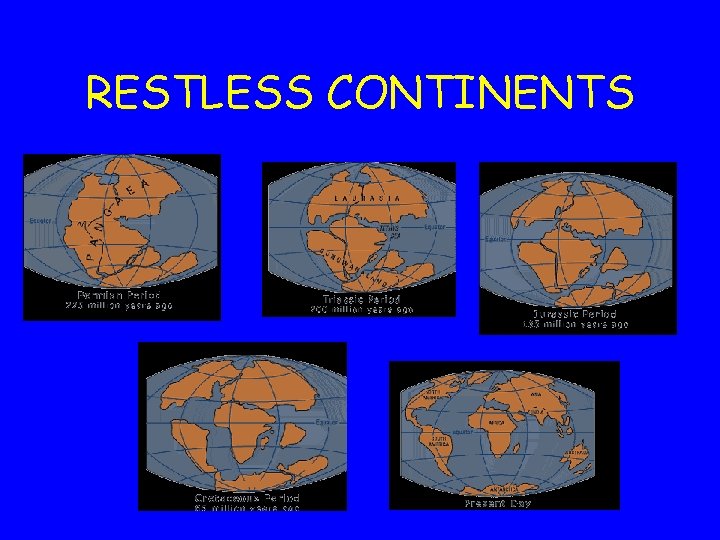
RESTLESS CONTINENTS
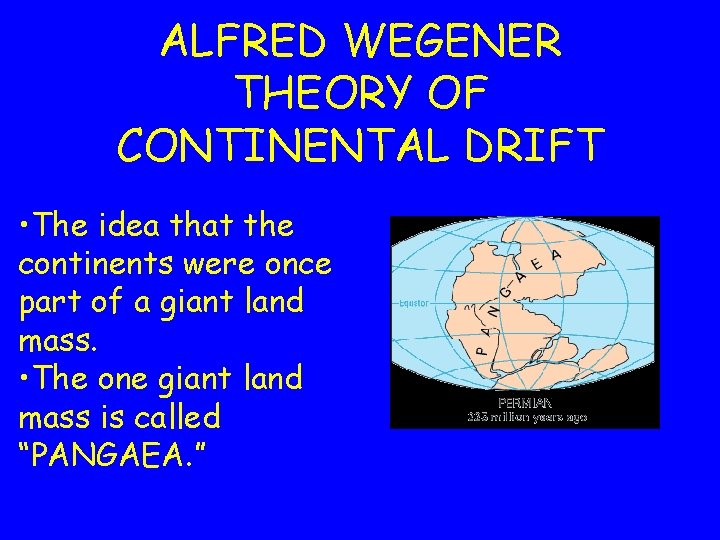
ALFRED WEGENER THEORY OF CONTINENTAL DRIFT • The idea that the continents were once part of a giant land mass. • The one giant land mass is called “PANGAEA. ”
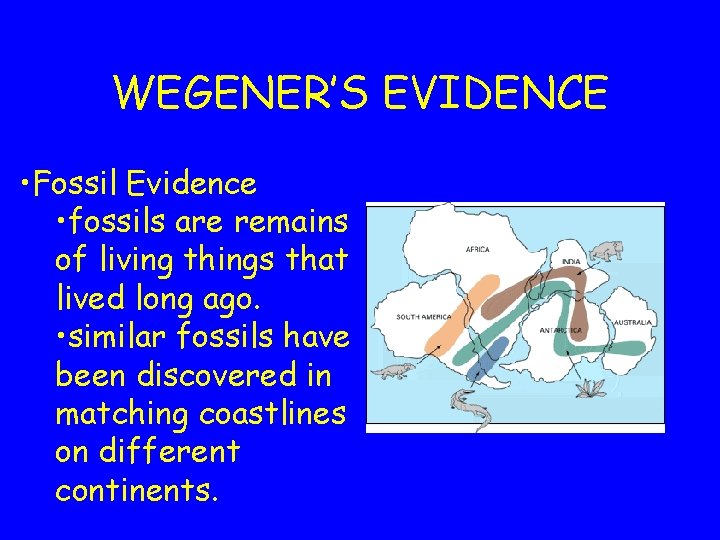
WEGENER’S EVIDENCE • Fossil Evidence • fossils are remains of living things that lived long ago. • similar fossils have been discovered in matching coastlines on different continents.
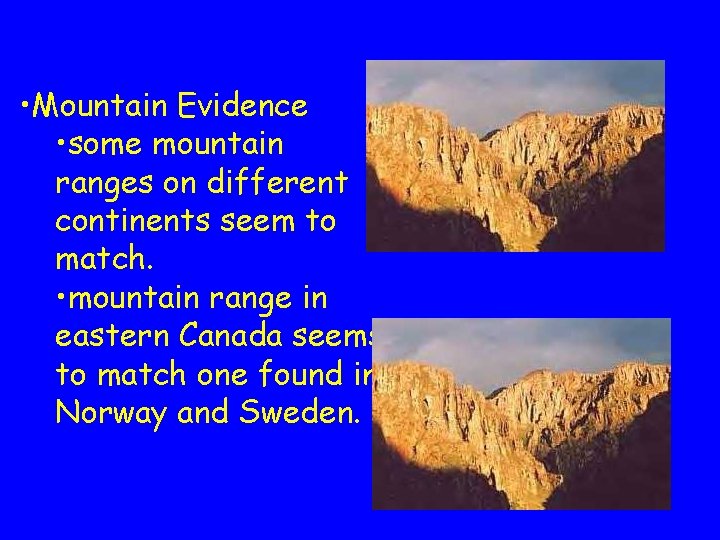
• Mountain Evidence • some mountain ranges on different continents seem to match. • mountain range in eastern Canada seems to match one found in Norway and Sweden.
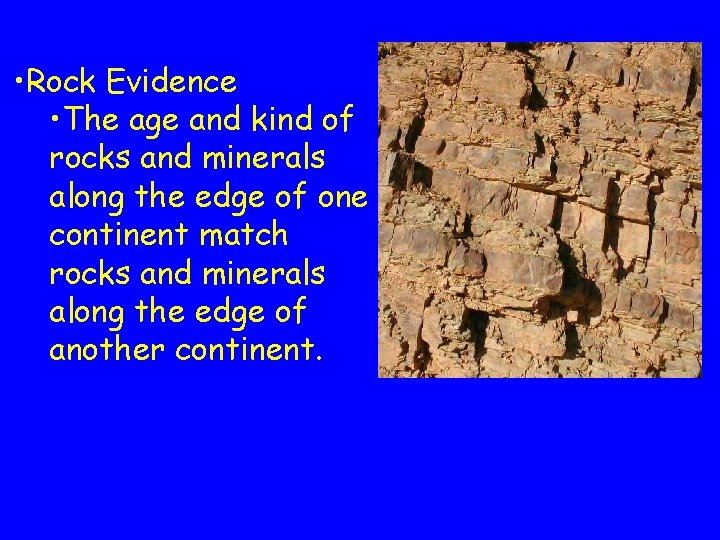
• Rock Evidence • The age and kind of rocks and minerals along the edge of one continent match rocks and minerals along the edge of another continent.
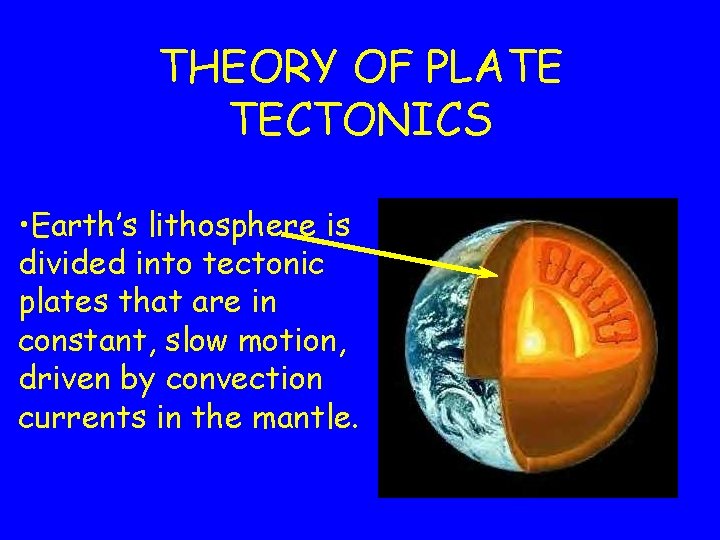
THEORY OF PLATE TECTONICS • Earth’s lithosphere is divided into tectonic plates that are in constant, slow motion, driven by convection currents in the mantle.
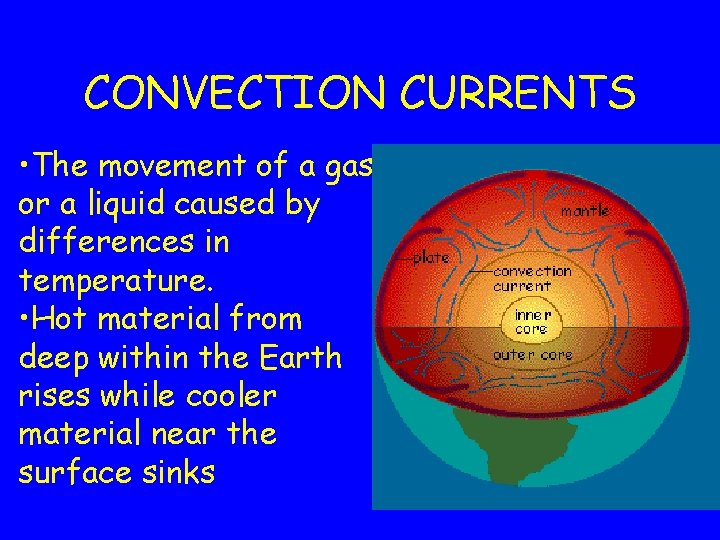
CONVECTION CURRENTS • The movement of a gas or a liquid caused by differences in temperature. • Hot material from deep within the Earth rises while cooler material near the surface sinks
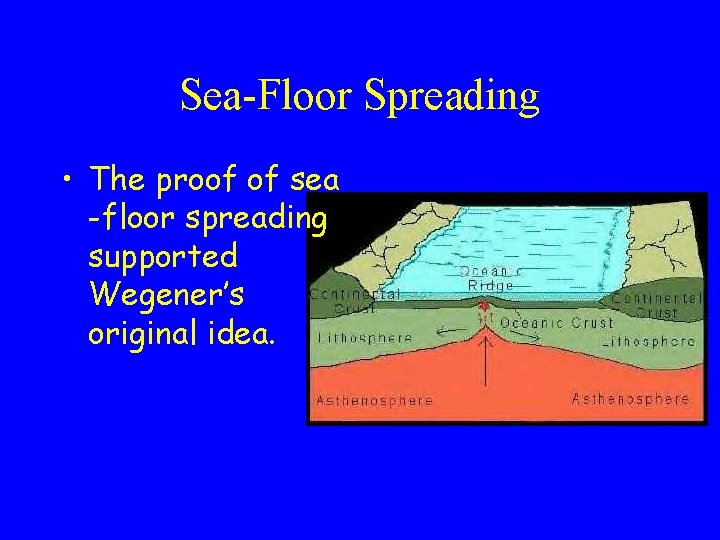
Sea-Floor Spreading • The proof of sea -floor spreading supported Wegener’s original idea.
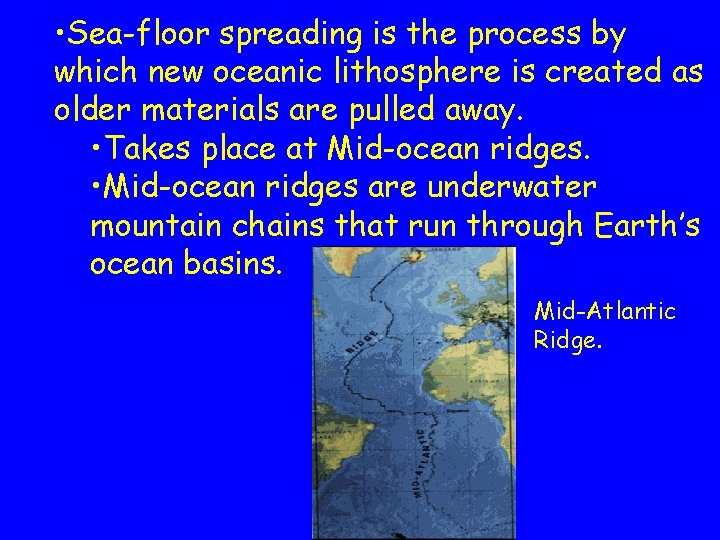
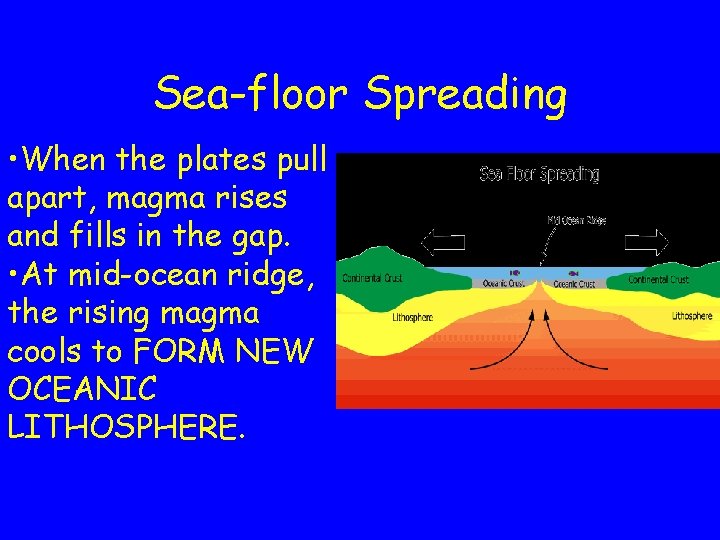
• Sea-floor spreading is the process by which new oceanic lithosphere is created as older materials are pulled away. • Takes place at Mid-ocean ridges. • Mid-ocean ridges are underwater mountain chains that run through Earth’s ocean basins. Mid-Atlantic Ridge.
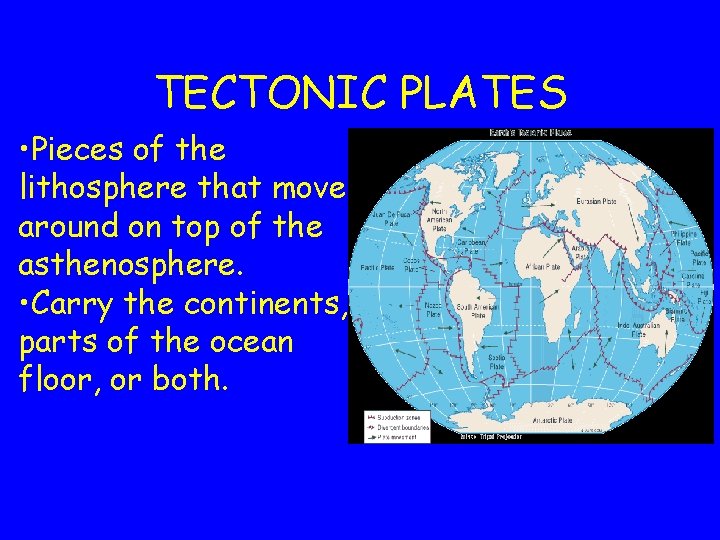
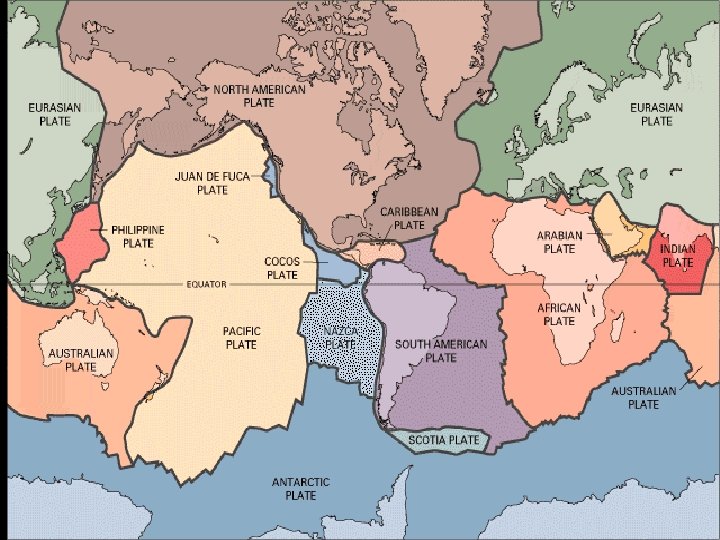
TECTONIC PLATES • Pieces of the lithosphere that move around on top of the asthenosphere. • Carry the continents, parts of the ocean floor, or both.
MAJOR TECTONIC PLATES • NORTH AMERICAN • SOUTH AMERICAN • PACIFIC • INDIAN • AUSTRAILIAN • ANTARCTIC • EURASIAN
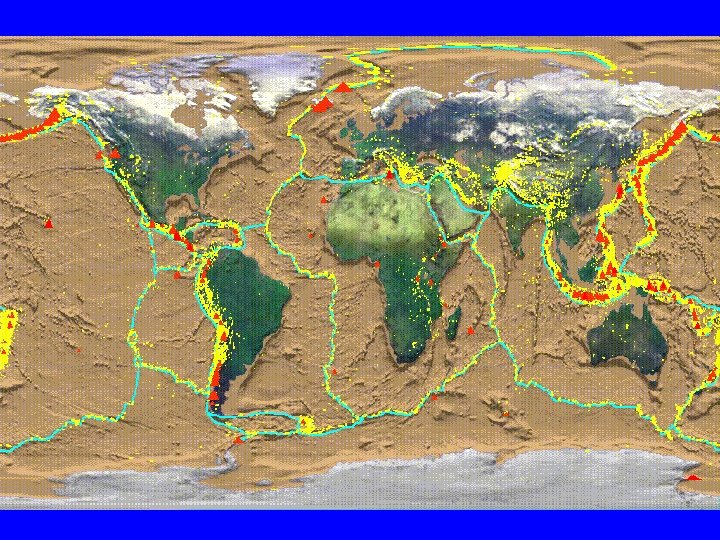
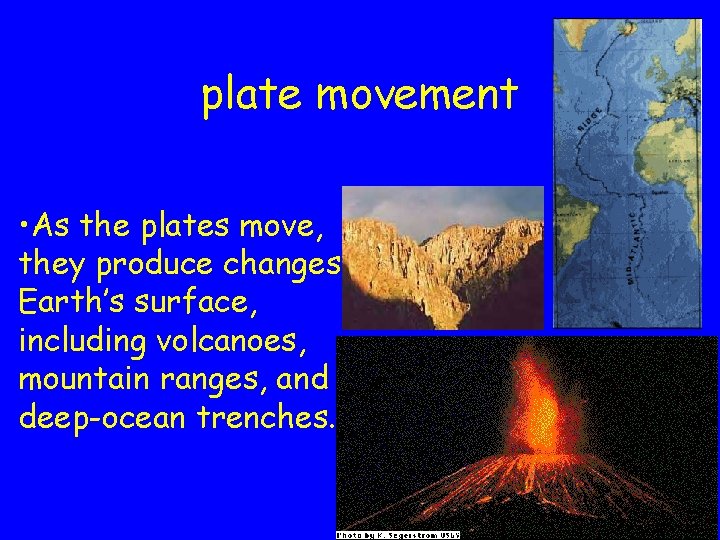
plate movement • As the plates move, they produce changes in Earth’s surface, including volcanoes, mountain ranges, and deep-ocean trenches.
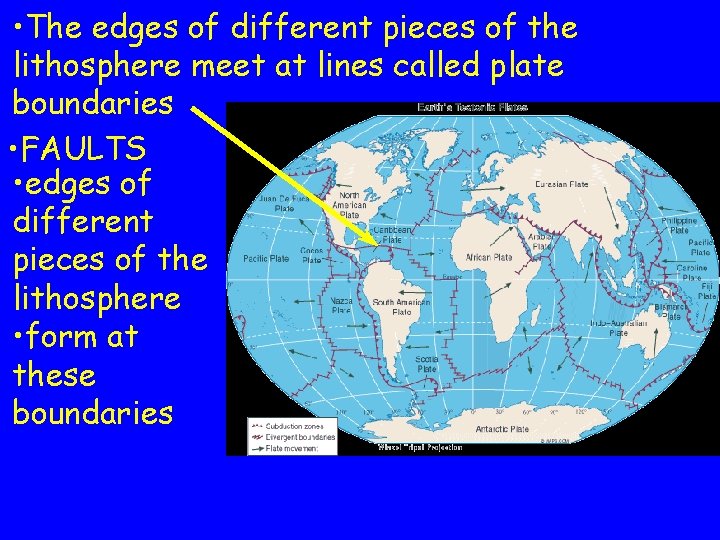
• The edges of different pieces of the lithosphere meet at lines called plate boundaries • FAULTS • edges of different pieces of the lithosphere • form at these boundaries
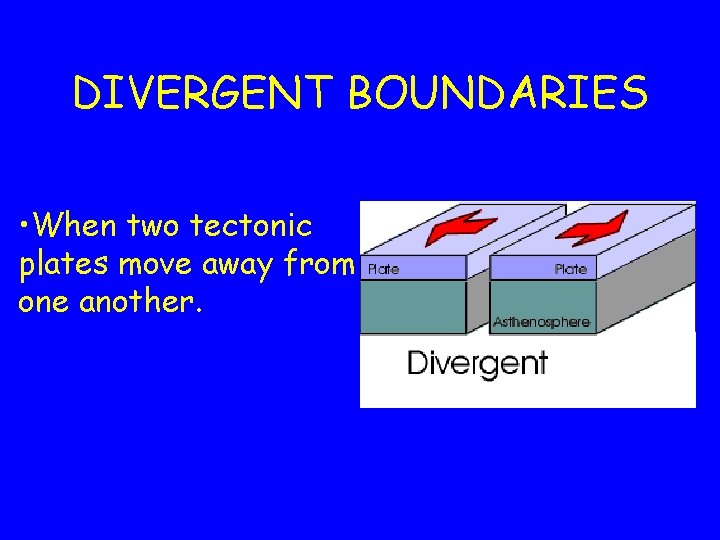
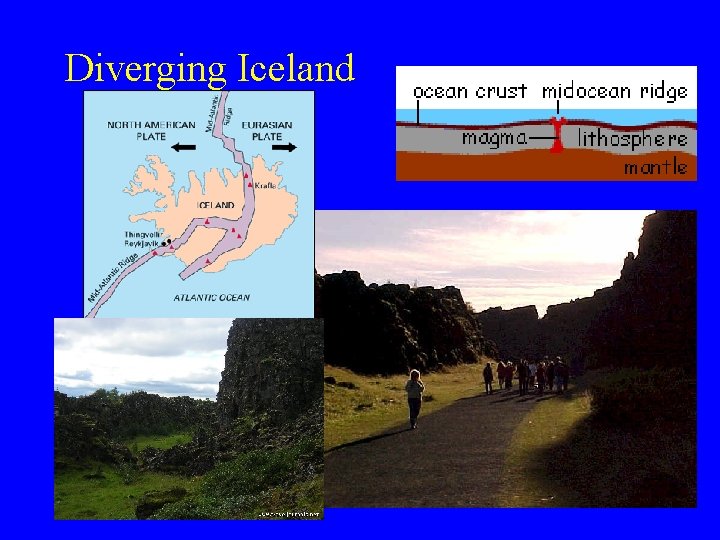
DIVERGENT BOUNDARIES • When two tectonic plates move away from one another.
Sea-floor Spreading • When the plates pull apart, magma rises and fills in the gap. • At mid-ocean ridge, the rising magma cools to FORM NEW OCEANIC LITHOSPHERE.
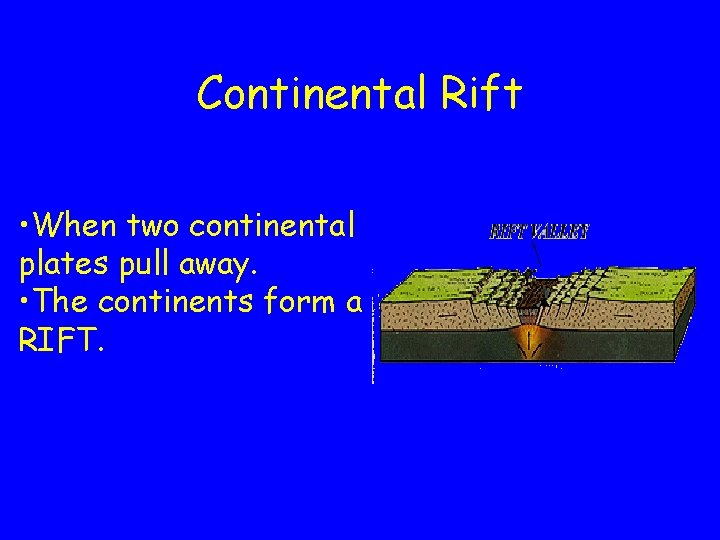
Continental Rift • When two continental plates pull away. • The continents form a RIFT.
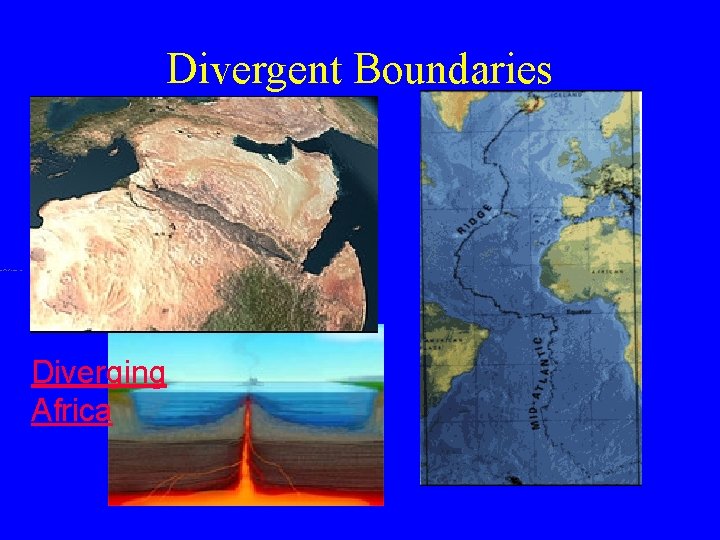
Divergent Boundaries © All Rights Reserved. Diverging Africa
Diverging Iceland
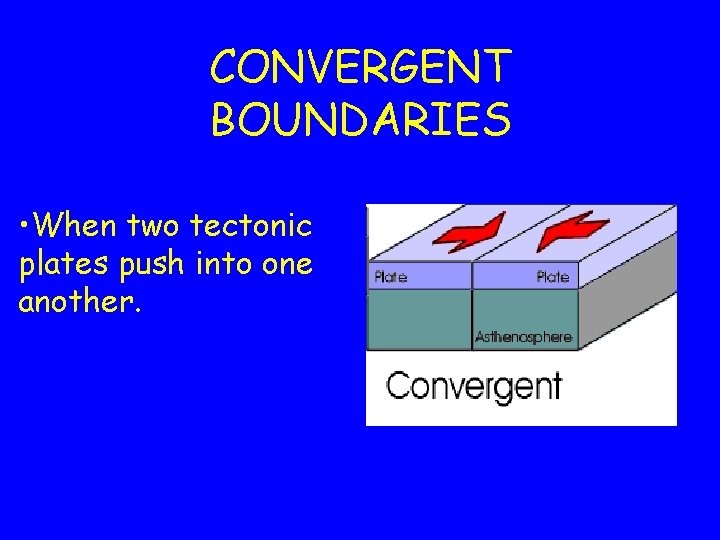
CONVERGENT BOUNDARIES • When two tectonic plates push into one another.
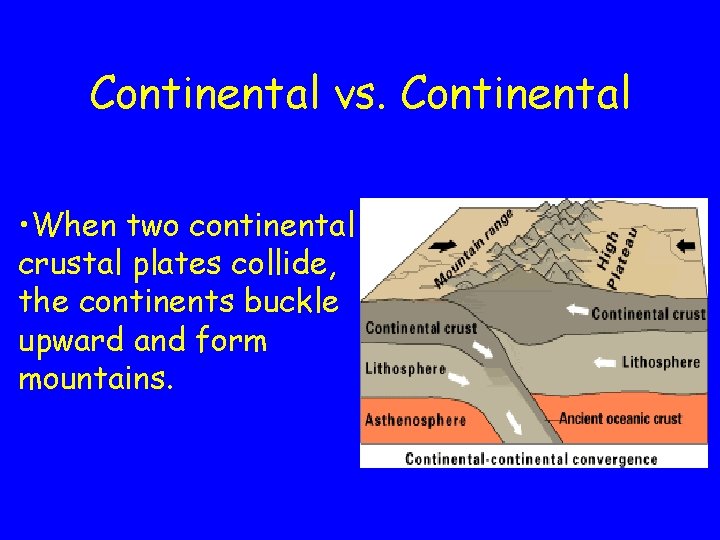
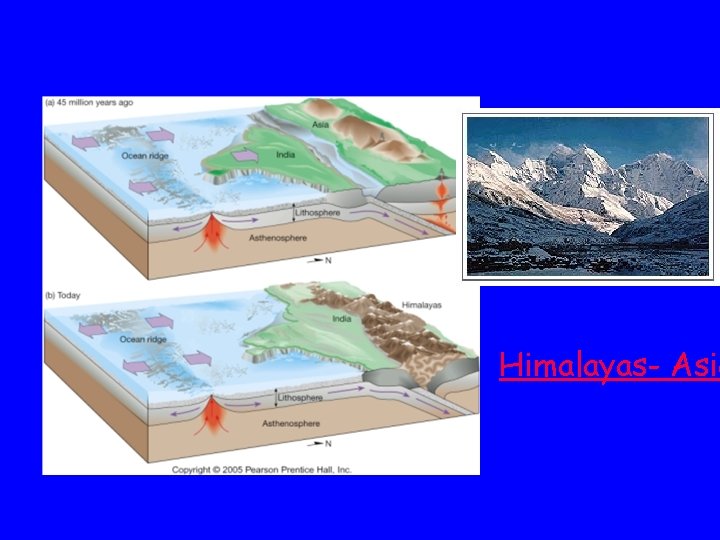
Continental vs. Continental • When two continental crustal plates collide, the continents buckle upward and form mountains.
Himalayas- Asia
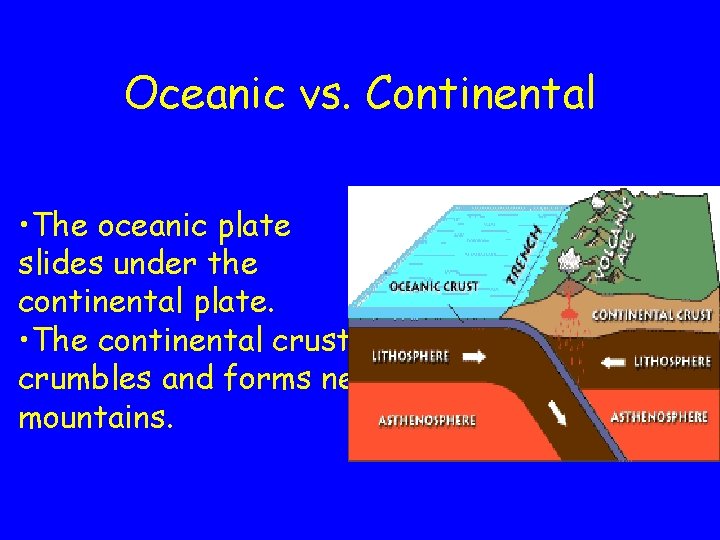
Oceanic vs. Continental • The oceanic plate slides under the continental plate. • The continental crust crumbles and forms new mountains.
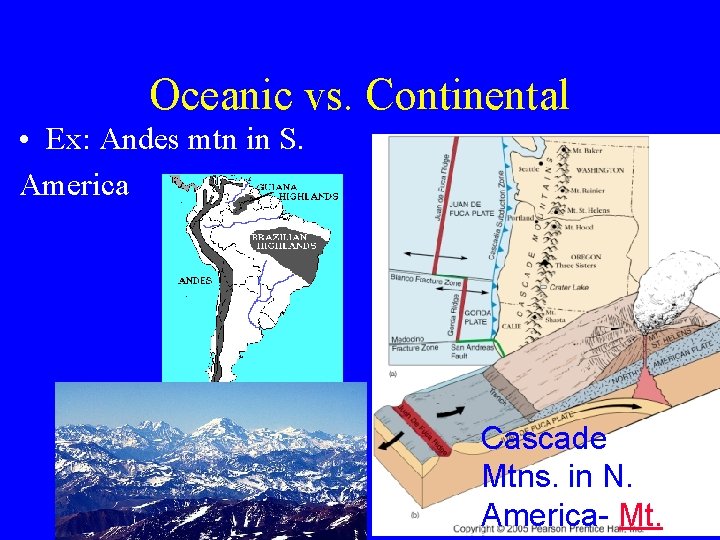
Oceanic vs. Continental • Ex: Andes mtn in S. America Cascade Mtns. in N. America- Mt.
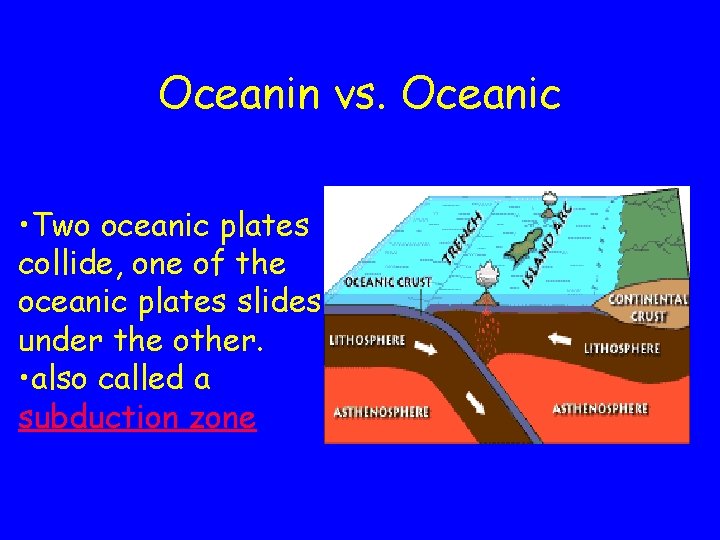
Oceanin vs. Oceanic • Two oceanic plates collide, one of the oceanic plates slides under the other. • also called a subduction zone
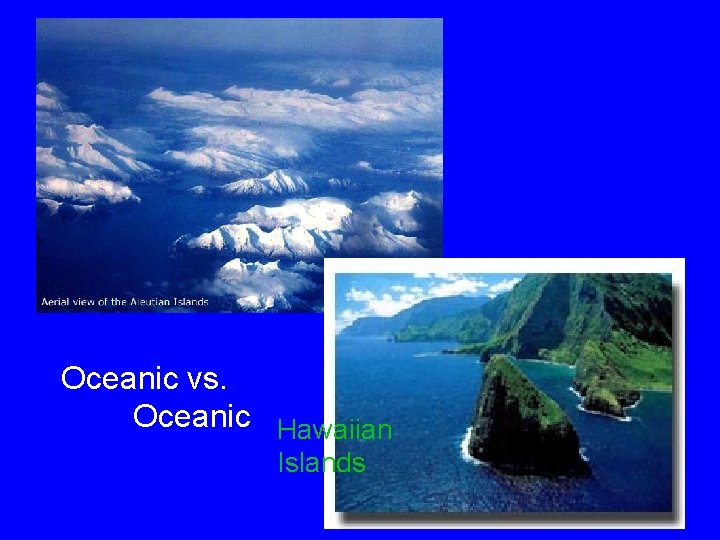
Oceanic vs. Oceanic Hawaiian Islands
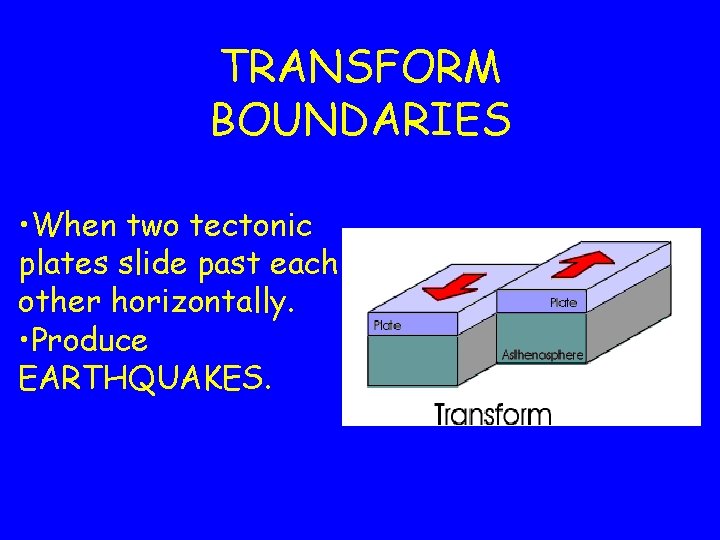
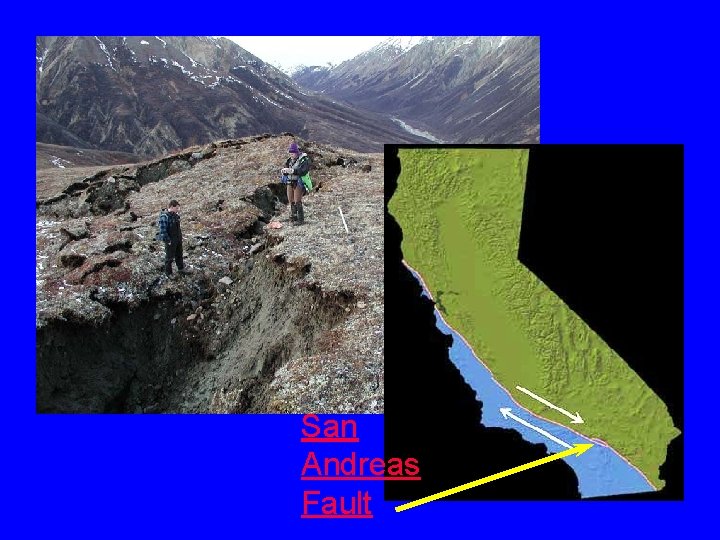
TRANSFORM BOUNDARIES • When two tectonic plates slide past each other horizontally. • Produce EARTHQUAKES.
San Andreas Fault
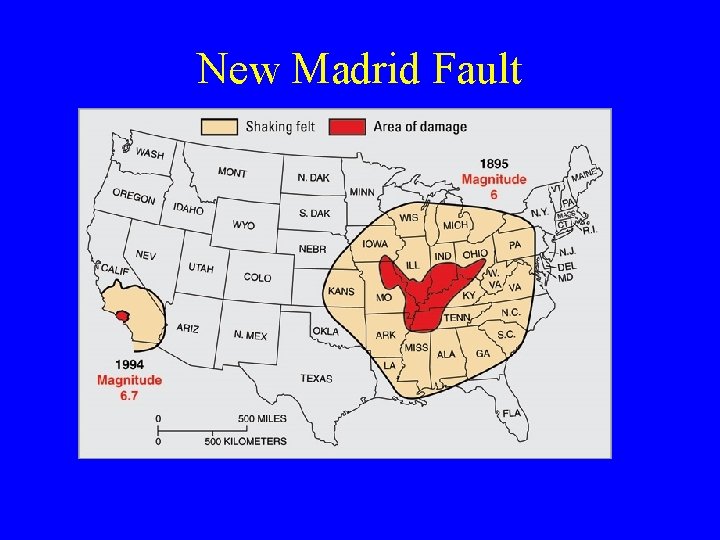
New Madrid Fault
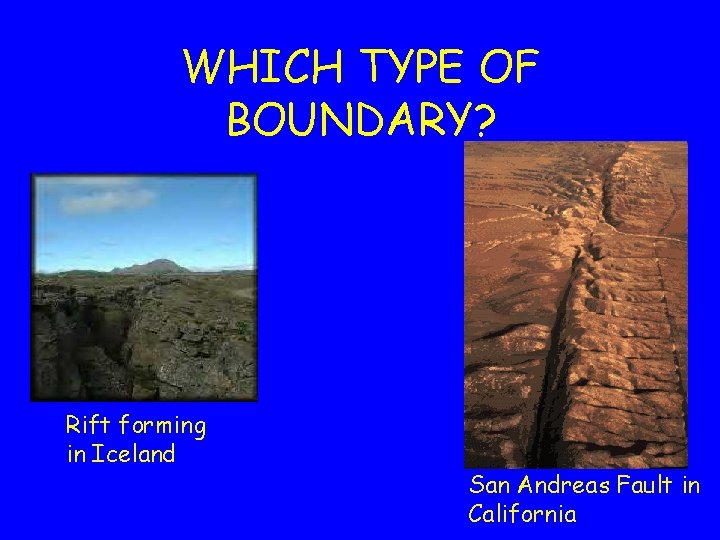
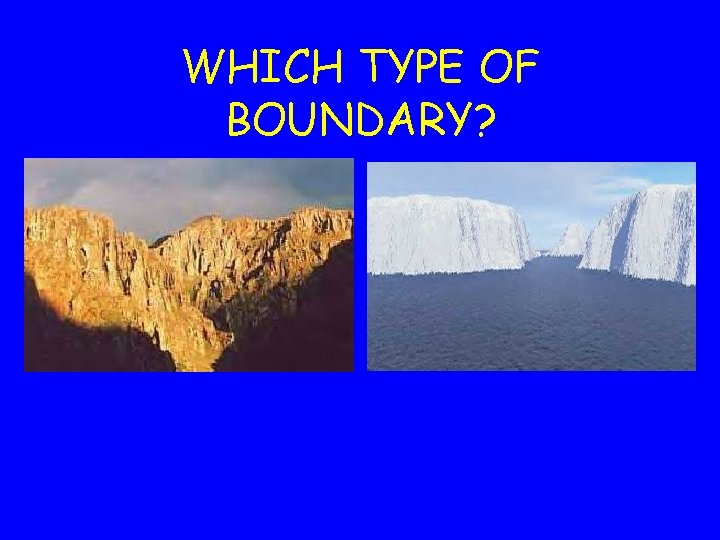
WHICH TYPE OF BOUNDARY? Rift forming in Iceland San Andreas Fault in California
WHICH TYPE OF BOUNDARY?