
Earthquakes Earth Science 8 th Grade Potential Earthquakes
- Slides: 33
Earthquakes Earth Science 8 th Grade
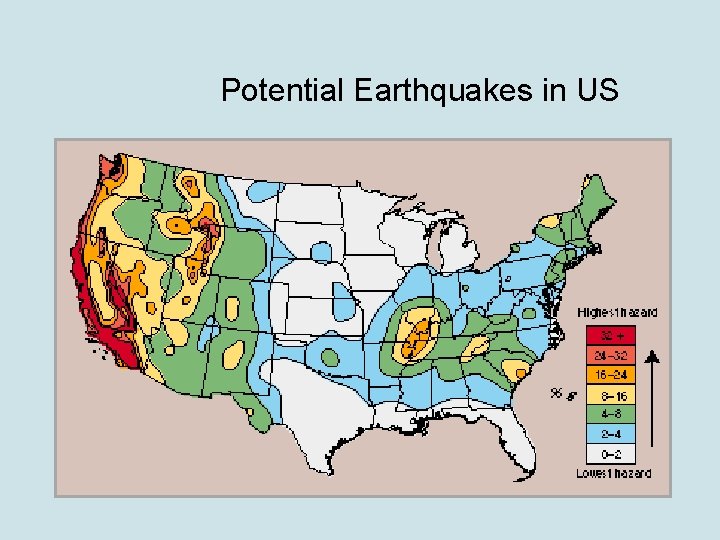
Potential Earthquakes in US
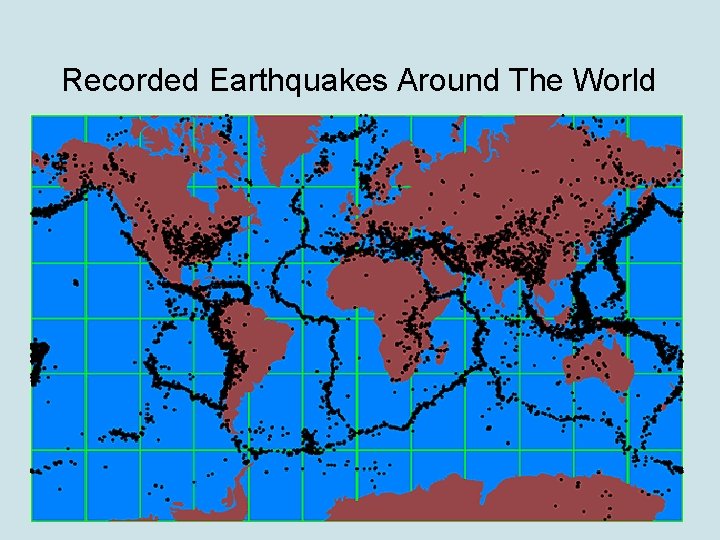
Recorded Earthquakes Around The World
What are Earthquakes? • The shaking or trembling caused by the sudden release of energy • Usually associated with faulting or breaking of rocks • Continuing adjustment of position results in aftershocks
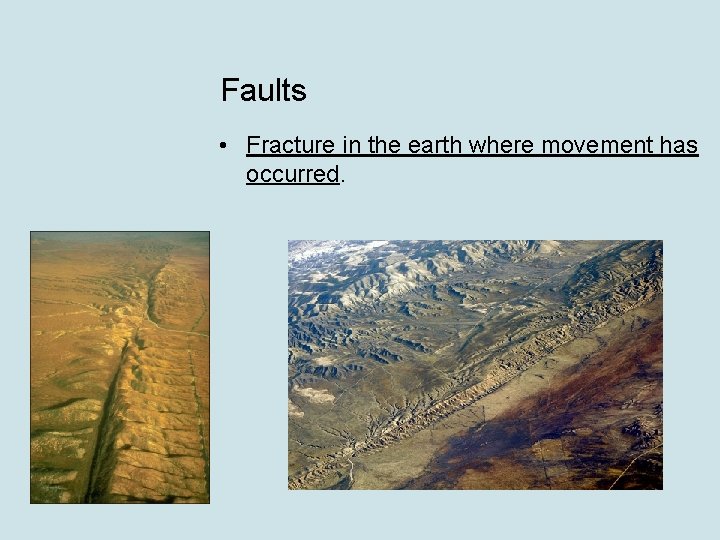
Faults • Fracture in the earth where movement has occurred.
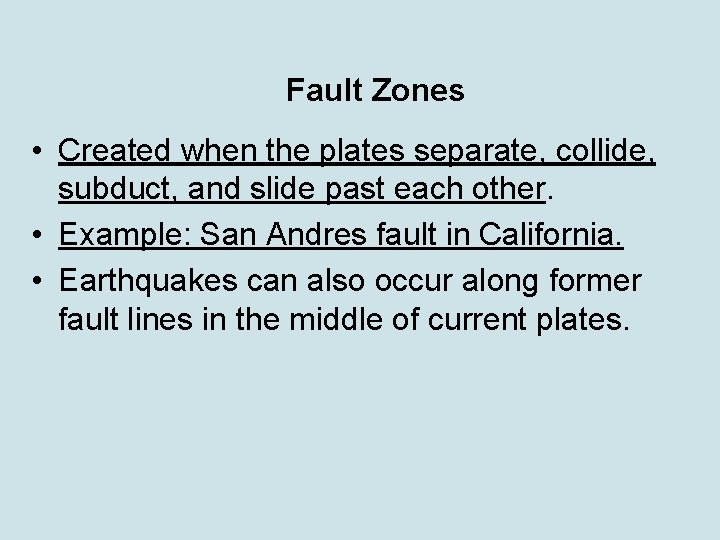
Fault Zones • Created when the plates separate, collide, subduct, and slide past each other. • Example: San Andres fault in California. • Earthquakes can also occur along former fault lines in the middle of current plates.
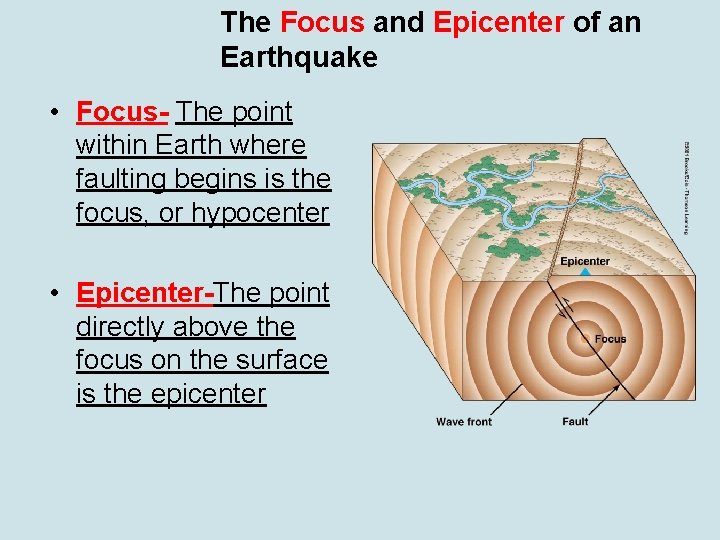
The Focus and Epicenter of an Earthquake • Focus- The point within Earth where faulting begins is the focus, or hypocenter • Epicenter-The point directly above the focus on the surface is the epicenter
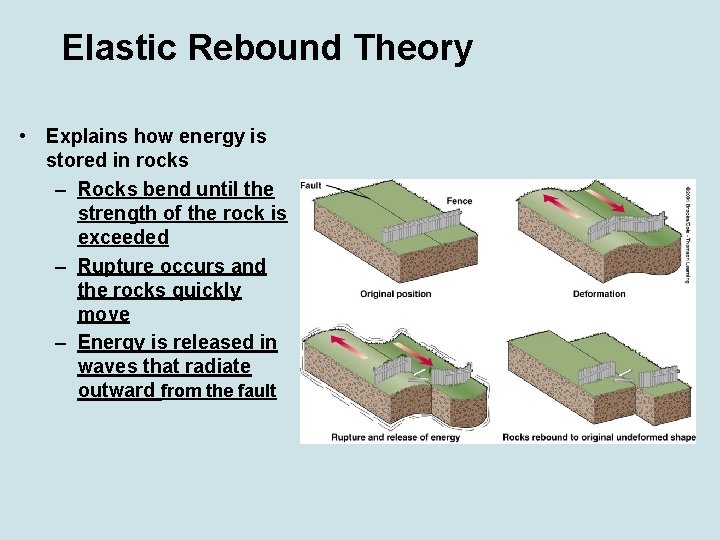
Elastic Rebound Theory • Explains how energy is stored in rocks – Rocks bend until the strength of the rock is exceeded – Rupture occurs and the rocks quickly move – Energy is released in waves that radiate outward from the fault
Foreshock(s) -Earthquake(s) generated at or very near the focus of the main earthquake prior to the main shock -smaller magnitude than the main shock and precede main quake by a short or substantial time interval
Main shock -is the main earthquake disturbance generated at the focus Aftershock(s) -Earthquake(s) generated at or very near the focus of the main earthquake following the main shock -smaller in magnitude than the main shock. Follow the main earthquake by a short or substantial time interval
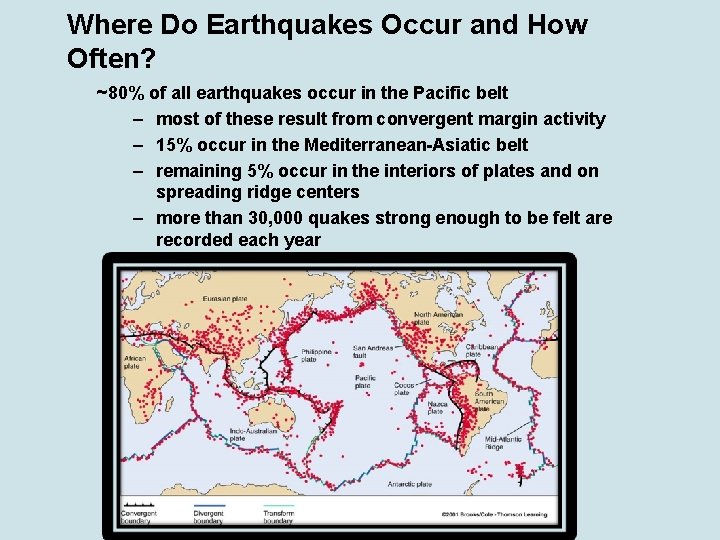
Where Do Earthquakes Occur and How Often? ~80% of all earthquakes occur in the Pacific belt – most of these result from convergent margin activity – 15% occur in the Mediterranean-Asiatic belt – remaining 5% occur in the interiors of plates and on spreading ridge centers – more than 30, 000 quakes strong enough to be felt are recorded each year
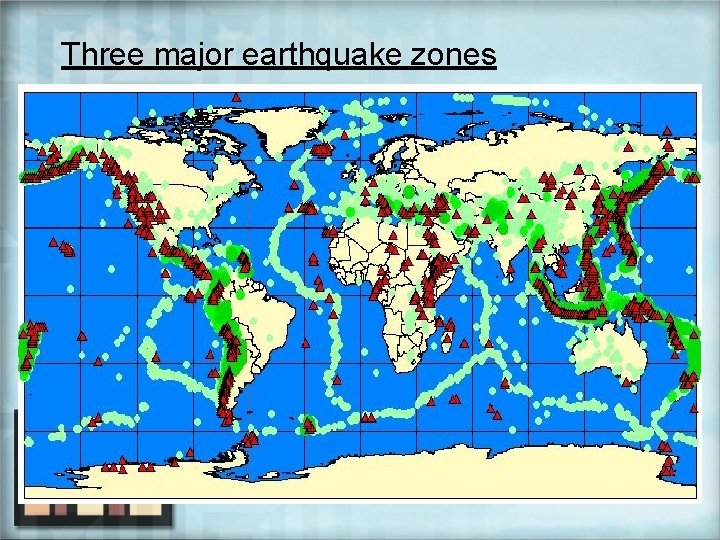
Three major earthquake zones
Pacific Ring of Fire Ø West coast of north/south America Ø Along here, most plates are being subducted or scrape past each other.
Mid-Oceanic Ridge Ø Spreading motion creates stress in the rocks along the mid-oceanic ridges. Ø Seafloor spreading
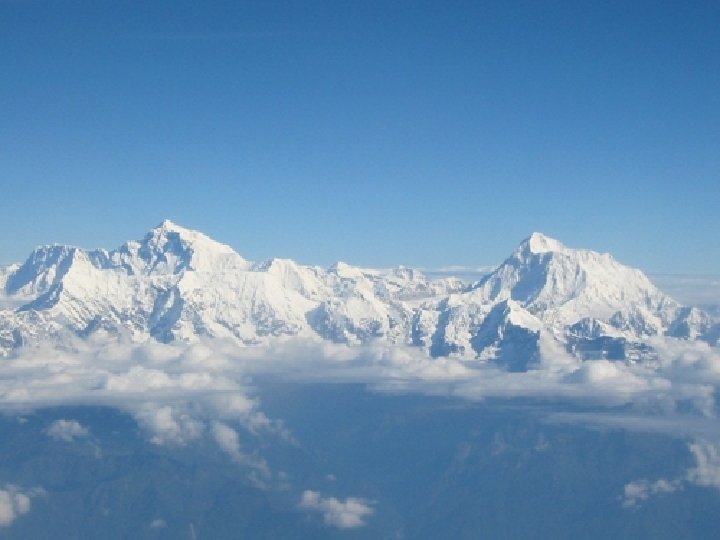
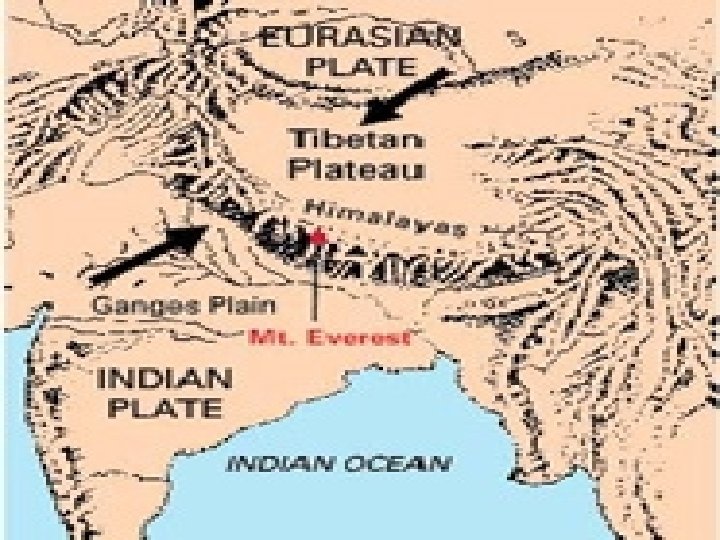
Eurasian-Melanesian Belt: Ø Ø Formed with the collision of Eurasian and Africa and Indian plates. The mountains are being produced at boundaries. these
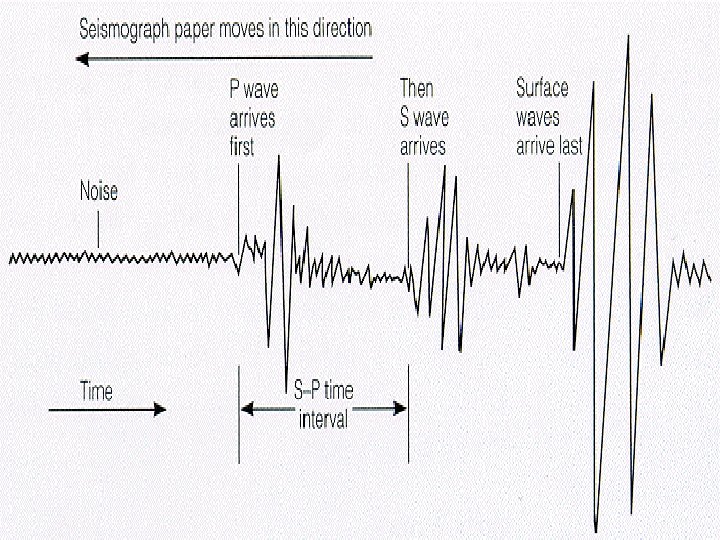
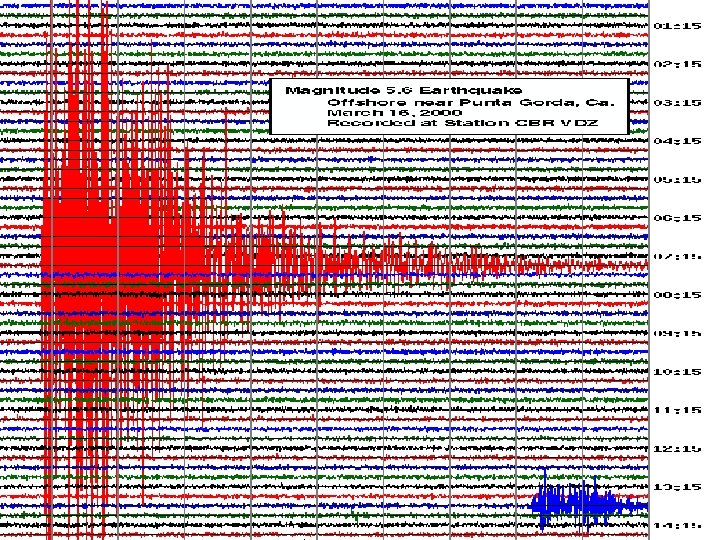
Recording Earthquakes • Earthquakes are recorded by an instrument called a seismograph • Every earthquake is going to give off three different seismic waves -primary (p) -secondary (s) -surface (l) • To find the location of an earthquake readings from three different locations are needed
Types of Seismic Waves • P Waves: the fastest moving wave and can travel through solids and liquids • S Waves: Can only travel through solids and are the second wave to arrive • L Waves: Slowest moving seismic wave, but causes the most damage
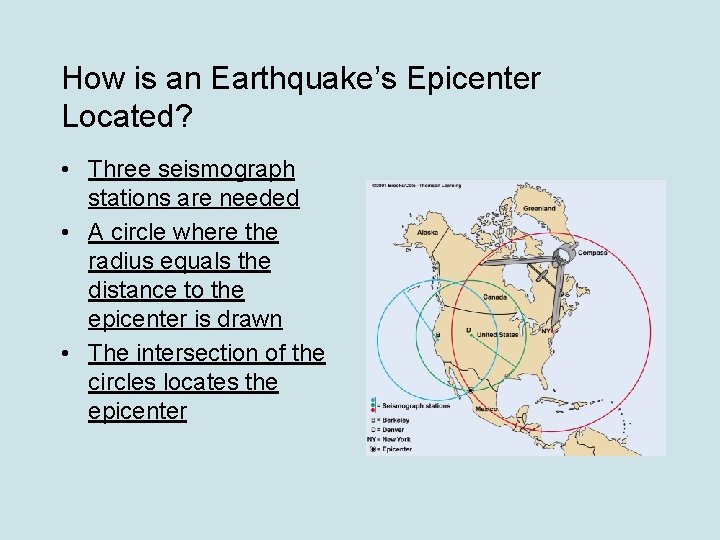
How is an Earthquake’s Epicenter Located? • Three seismograph stations are needed • A circle where the radius equals the distance to the epicenter is drawn • The intersection of the circles locates the epicenter
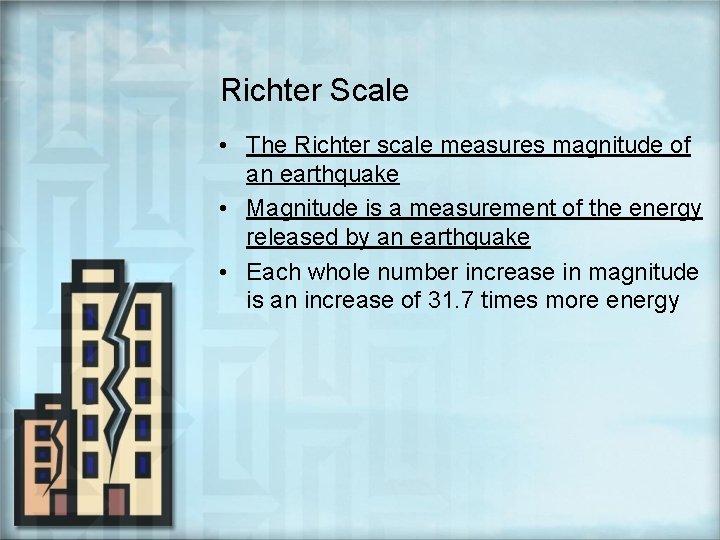
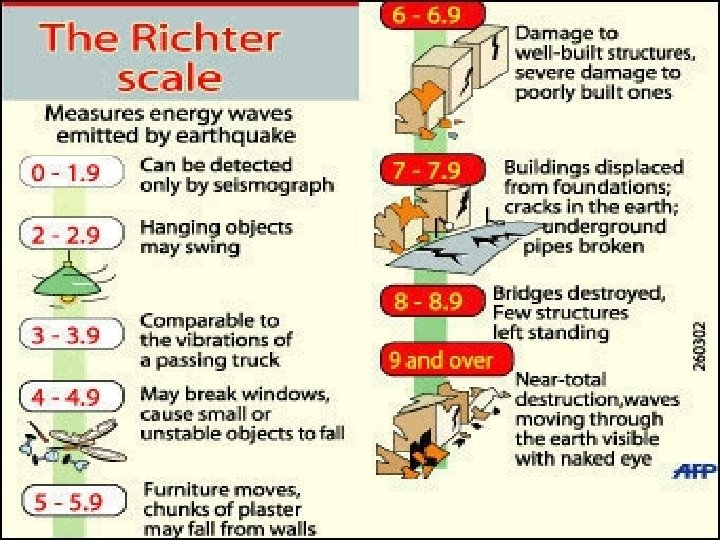
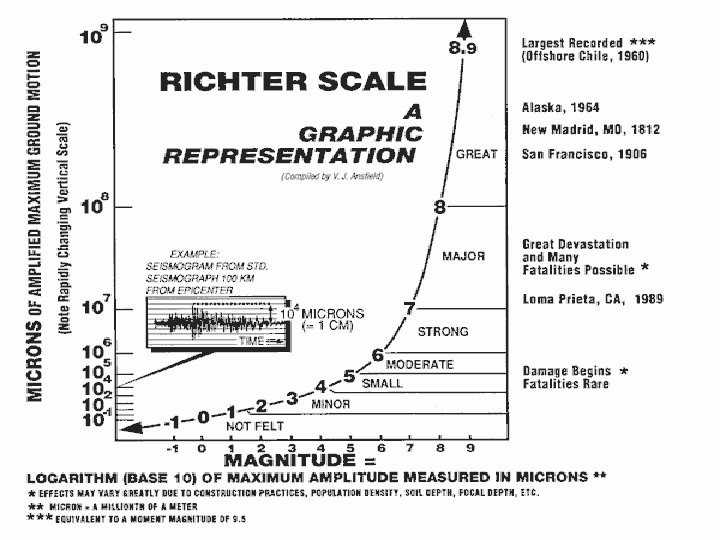
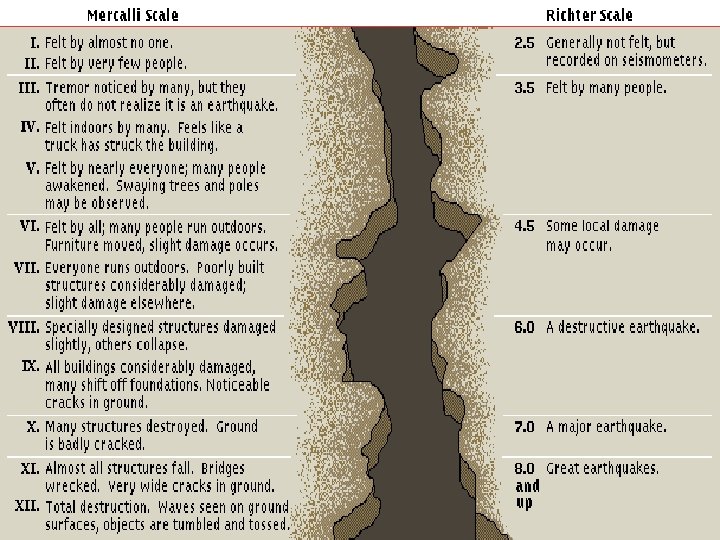
Richter Scale • The Richter scale measures magnitude of an earthquake • Magnitude is a measurement of the energy released by an earthquake • Each whole number increase in magnitude is an increase of 31. 7 times more energy
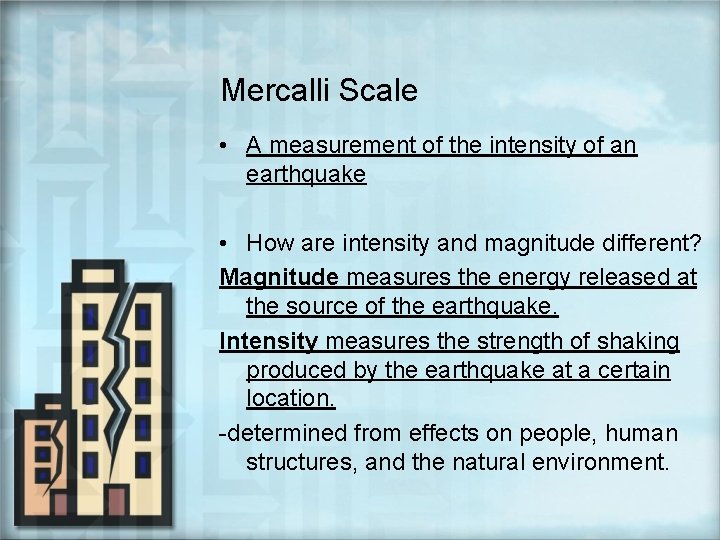
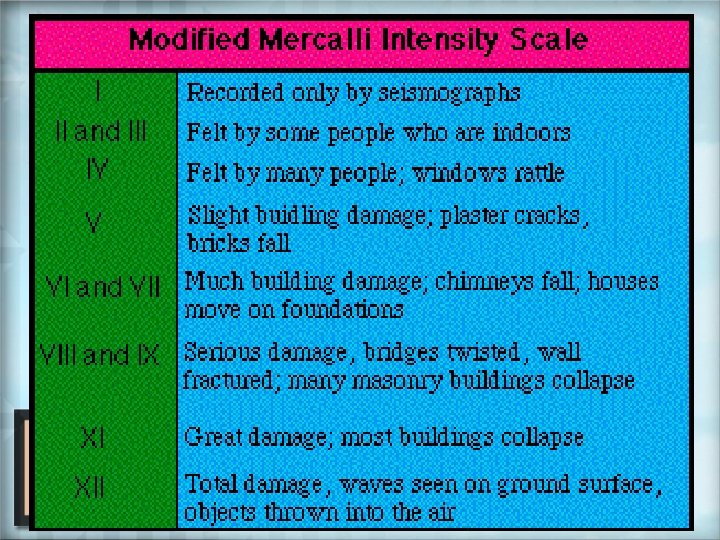
Mercalli Scale • A measurement of the intensity of an earthquake • How are intensity and magnitude different? Magnitude measures the energy released at the source of the earthquake. Intensity measures the strength of shaking produced by the earthquake at a certain location. -determined from effects on people, human structures, and the natural environment.
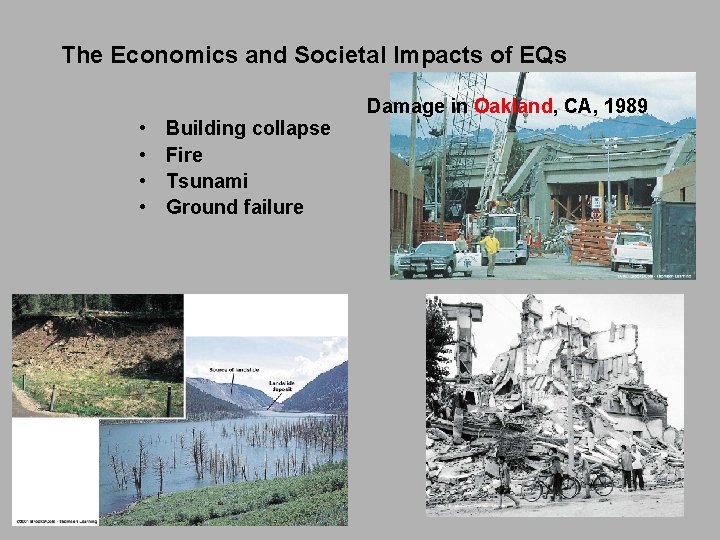
The Economics and Societal Impacts of EQs • • Building collapse Fire Tsunami Ground failure Damage in Oakland, CA, 1989
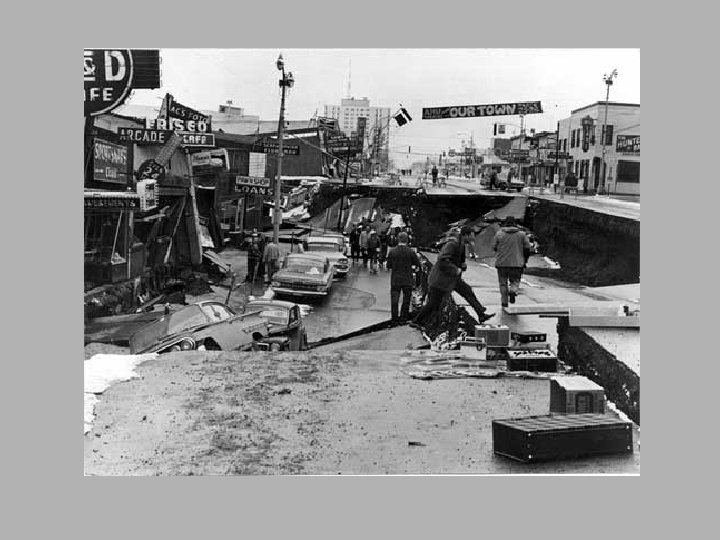
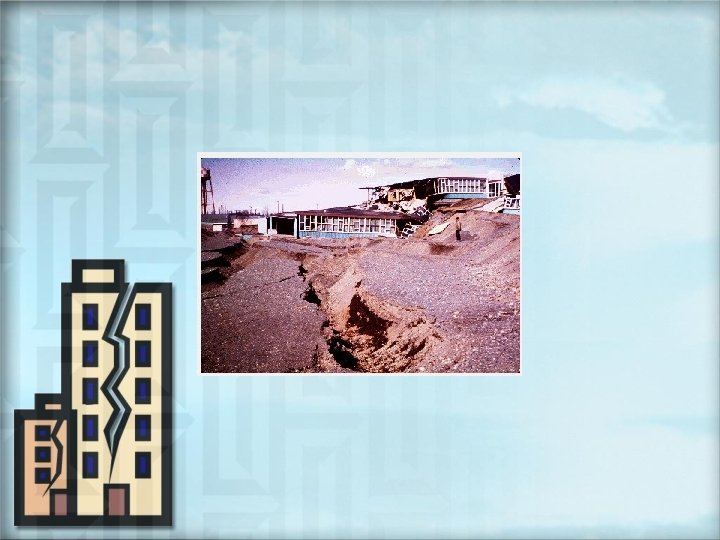
How Earthquakes Cause Damage • The severe shaking produced by seismic waves can damage or destroy buildings and bridges, topple utility poles, and fracture gas and water mains. • S waves can put stress on buildings to tear them apart. Also trigger landslides or avalanches.
• Video of Seismic Activity