
Earthquake Science Seismology Seismometers and seismic networks Earthquake
- Slides: 19
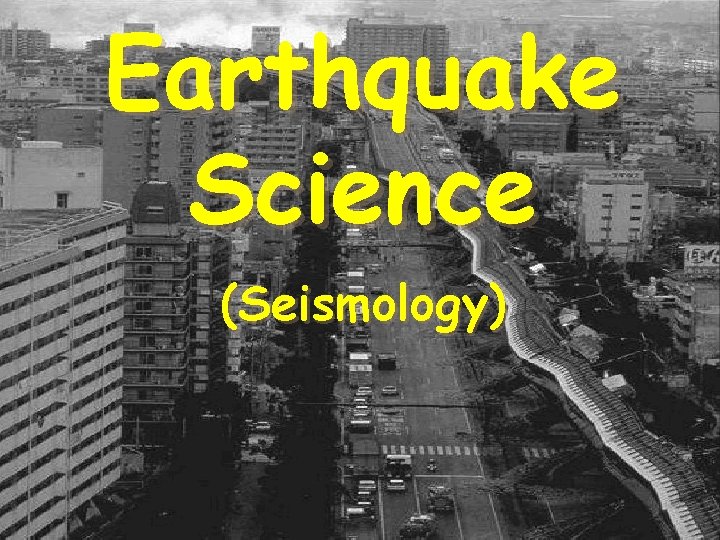
Earthquake Science (Seismology)
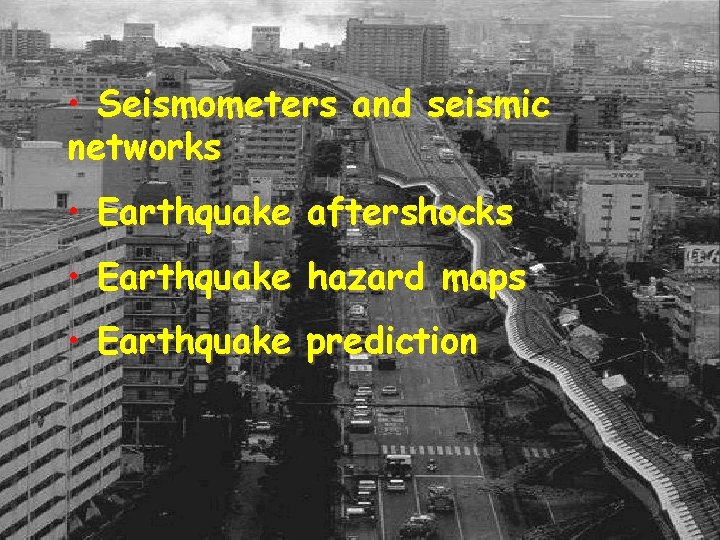
• Seismometers and seismic networks • Earthquake aftershocks • Earthquake hazard maps • Earthquake prediction
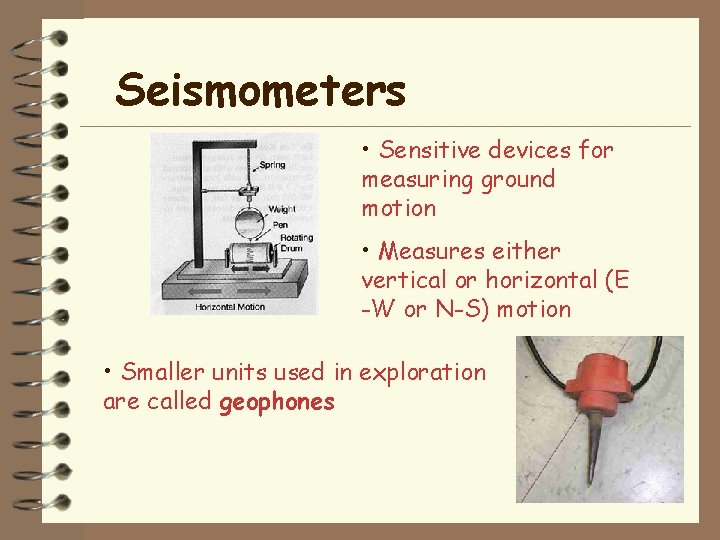
Seismometers • Sensitive devices for measuring ground motion • Measures either vertical or horizontal (E -W or N-S) motion • Smaller units used in exploration are called geophones
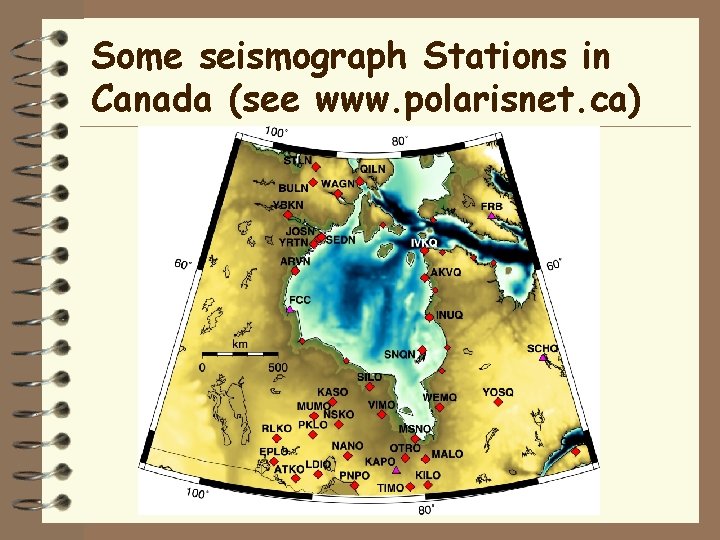
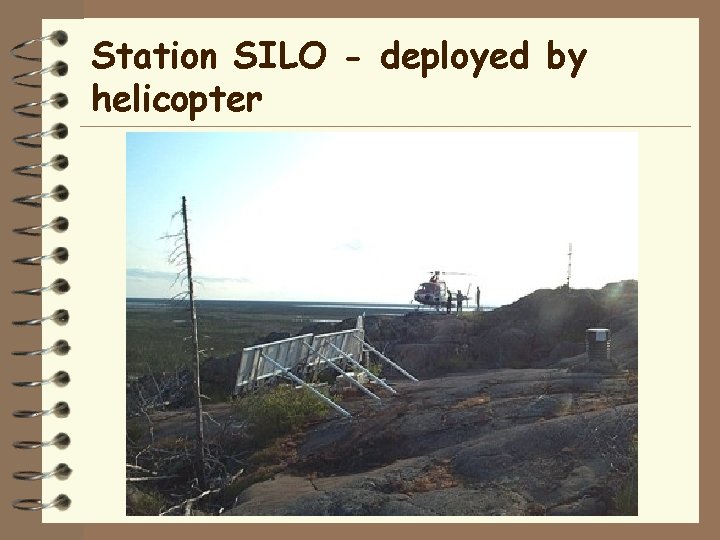
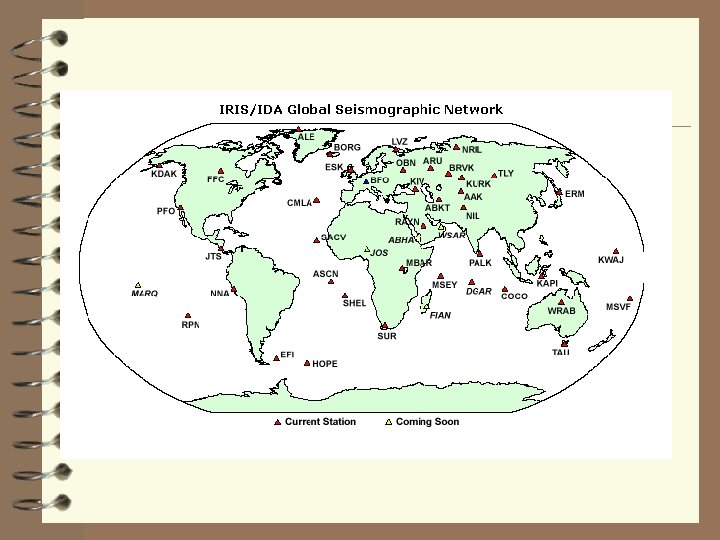
Some seismograph Stations in Canada (see www. polarisnet. ca)
Station SILO - deployed by helicopter
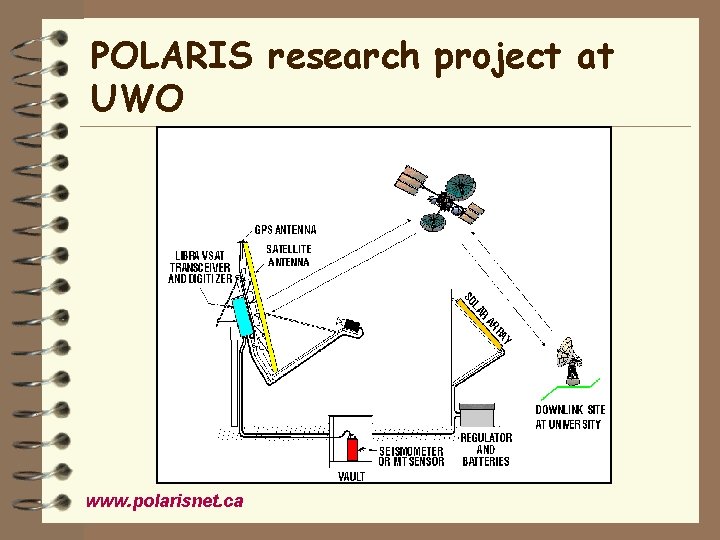
POLARIS research project at UWO www. polarisnet. ca
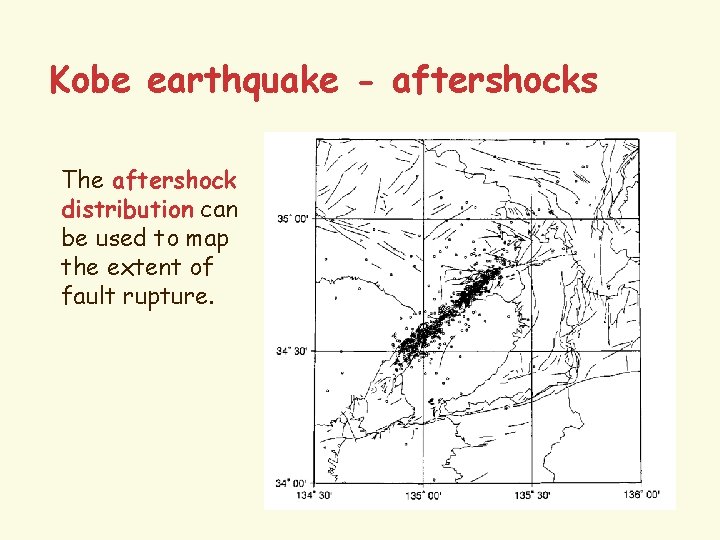
Aftershock! • An earthquake which follows a larger earthquake (or main shock) and originates at or near the focus of the larger earthquake. • Generally, major earthquakes are followed by a larger number of aftershocks, decreasing in frequency with time. • The aftershock sequence can persist for months or years following a major earthquake.
Kobe earthquake - aftershocks The aftershock distribution can be used to map the extent of fault rupture.
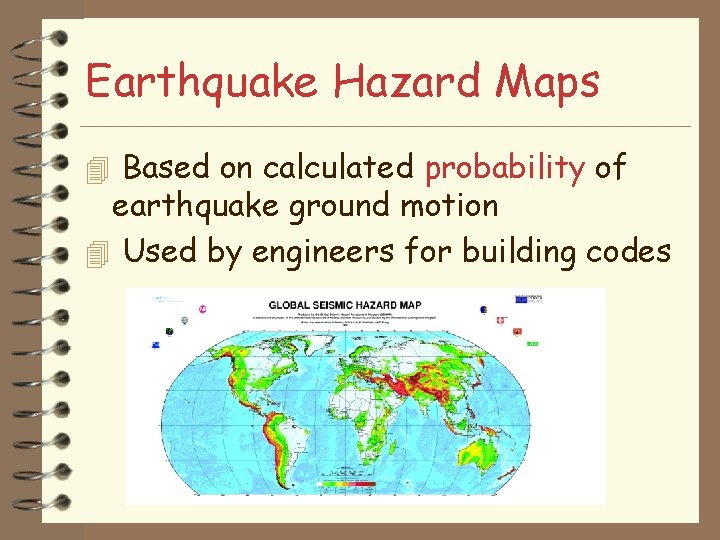
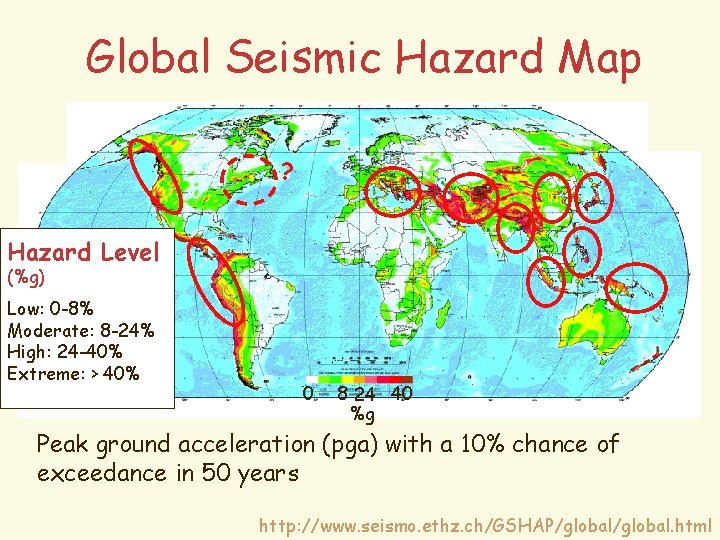
Earthquake Hazard Maps 4 Based on calculated probability of earthquake ground motion 4 Used by engineers for building codes
Global Seismic Hazard Map ? Hazard Level (%g) Low: 0 -8% Moderate: 8 -24% High: 24 -40% Extreme: > 40% 0 8 24 40 %g Peak ground acceleration (pga) with a 10% chance of exceedance in 50 years http: //www. seismo. ethz. ch/GSHAP/global. html
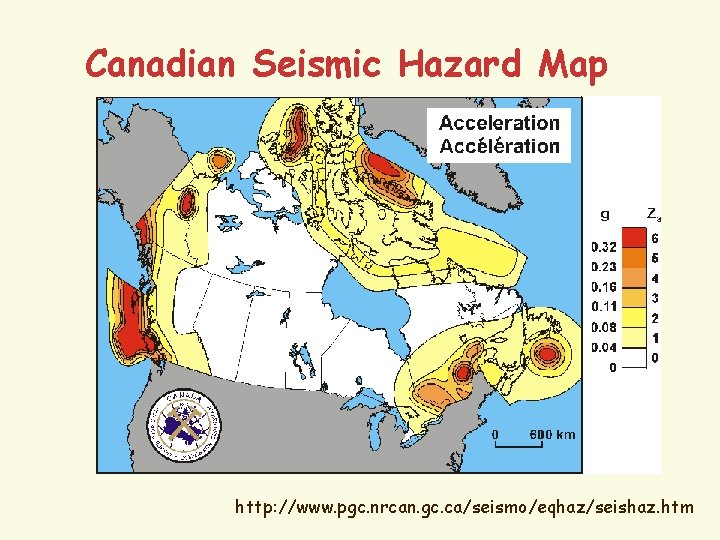
Canadian Seismic Hazard Map http: //www. pgc. nrcan. gc. ca/seismo/eqhaz/seishaz. htm
Earthquake Prediction “If I were a brilliant scientist, I would be working on earthquake prediction. ” … Los Angeles radio talk show I heard just after the Northridge earthquake of January 17, 1994.
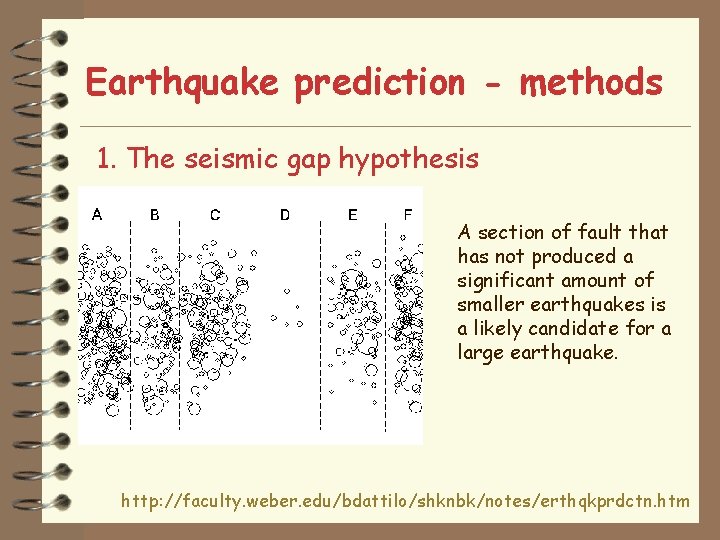
Earthquake prediction - methods 1. The seismic gap hypothesis A section of fault that has not produced a significant amount of smaller earthquakes is a likely candidate for a large earthquake. http: //faculty. weber. edu/bdattilo/shknbk/notes/erthqkprdctn. htm
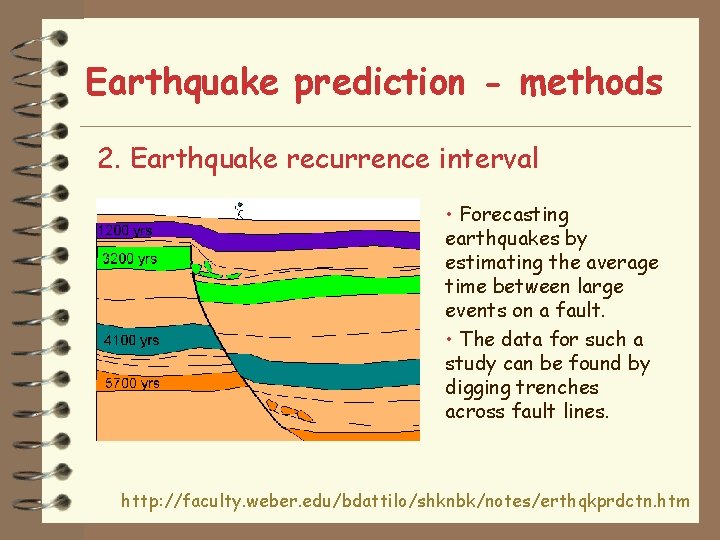
Earthquake prediction - methods 2. Earthquake recurrence interval • Forecasting earthquakes by estimating the average time between large events on a fault. • The data for such a study can be found by digging trenches across fault lines. http: //faculty. weber. edu/bdattilo/shknbk/notes/erthqkprdctn. htm
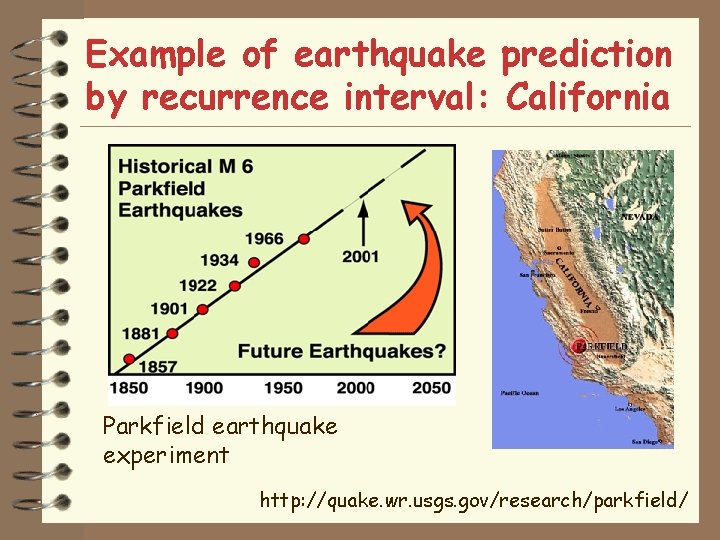
Example of earthquake prediction by recurrence interval: California Parkfield earthquake experiment http: //quake. wr. usgs. gov/research/parkfield/
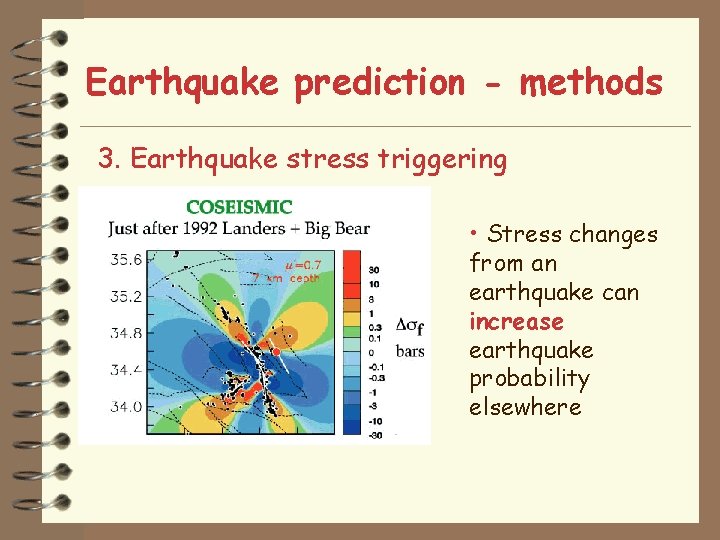
Earthquake prediction - methods 3. Earthquake stress triggering • Stress changes from an earthquake can increase earthquake probability elsewhere
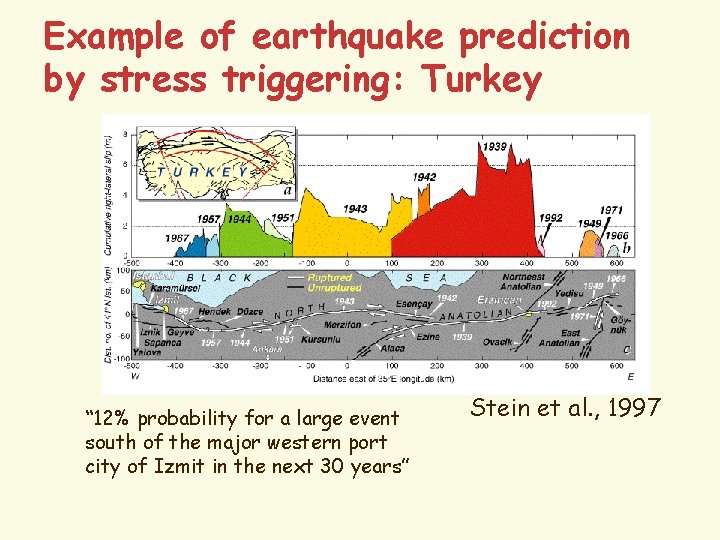
Example of earthquake prediction by stress triggering: Turkey “ 12% probability for a large event south of the major western port city of Izmit in the next 30 years” Stein et al. , 1997
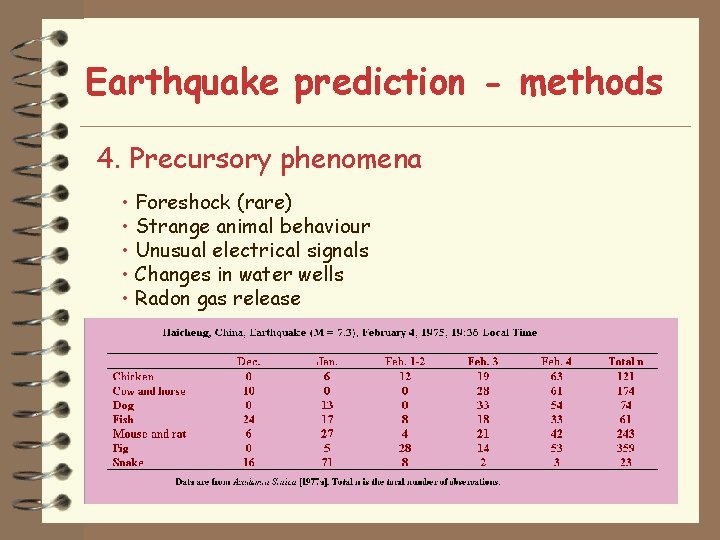
Earthquake prediction - methods 4. Precursory phenomena • Foreshock (rare) • Strange animal behaviour • Unusual electrical signals • Changes in water wells • Radon gas release