
Earth Science Unit 1 Introduction to Maps What

- Slides: 34
Earth Science - Unit 1 Introduction to Maps
What is a map? • A generalized view of an area, usually some portion of Earth’s surface, as seen from above at a greatly reduced size • Any geographical image of the environment • A two-dimensional representation of the spatial distribution of selected phenomena
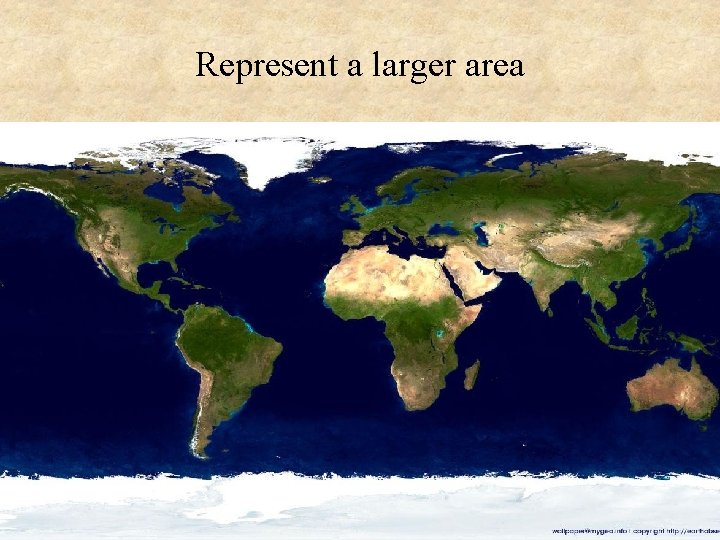
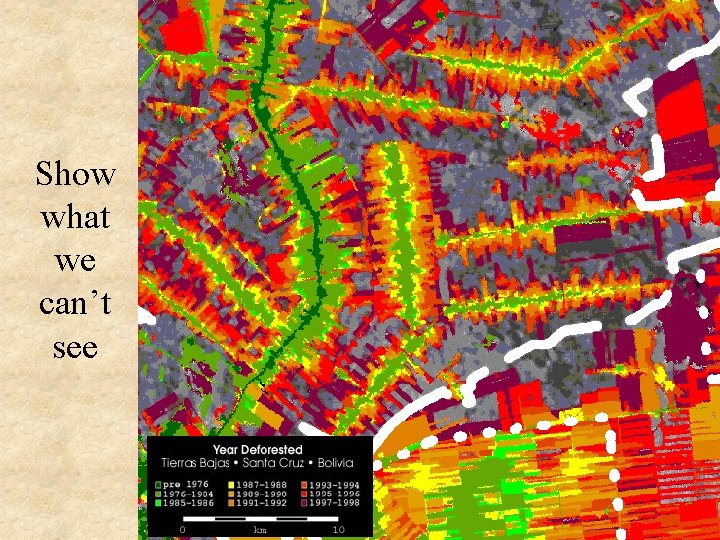
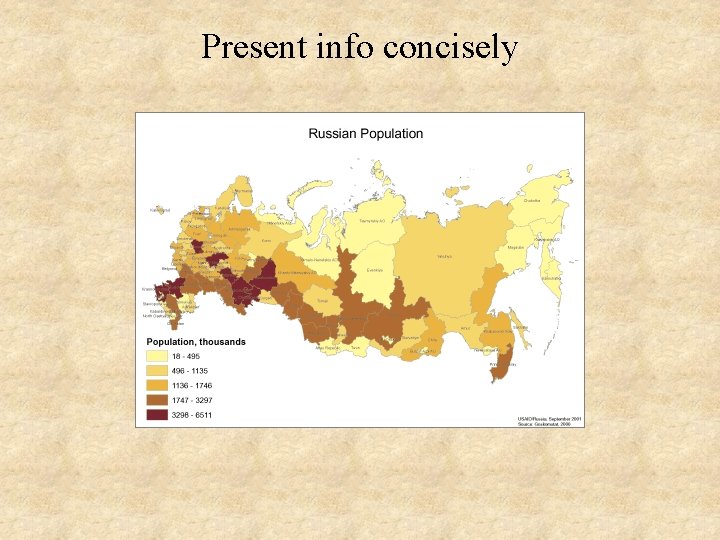
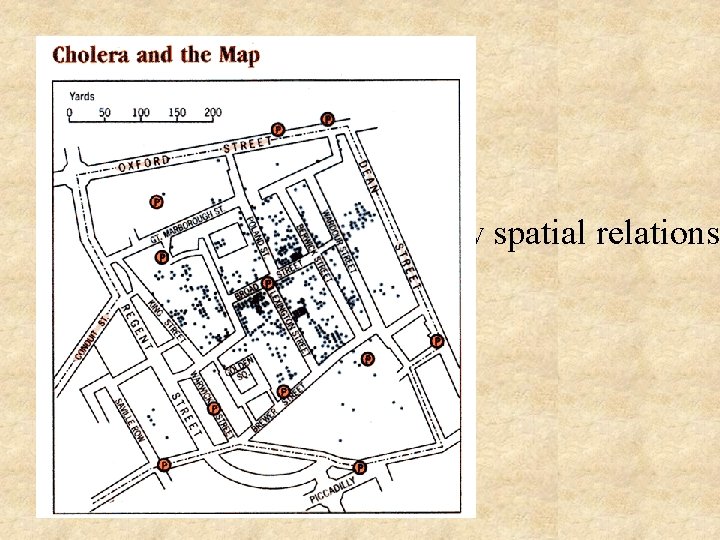
Why make maps? • To represent a larger area than we can see • To show a phenomenon or process we can’t see with our eyes • To present information concisely • To show spatial relationships & location
Represent a larger area
Show what we can’t see
Present info concisely
Show spatial relationsh
How do we read maps? • • Maps are selective views of reality Size of the map relative to reality (scale) What’s on the map (symbolization) Shape of the map (projection)
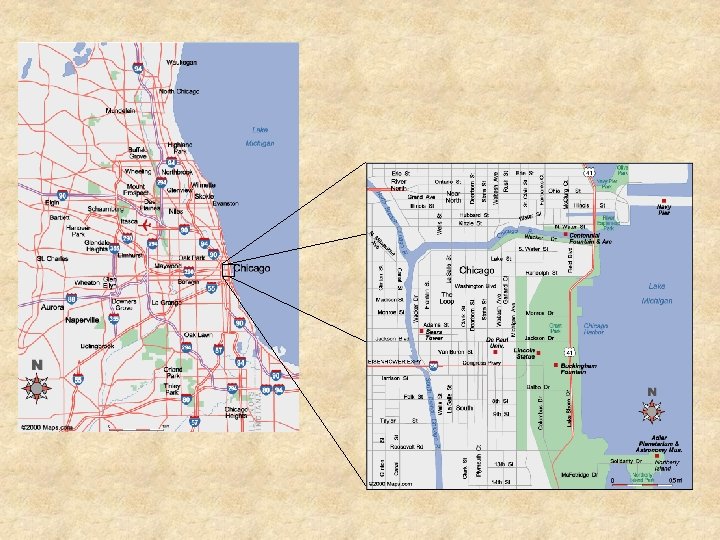
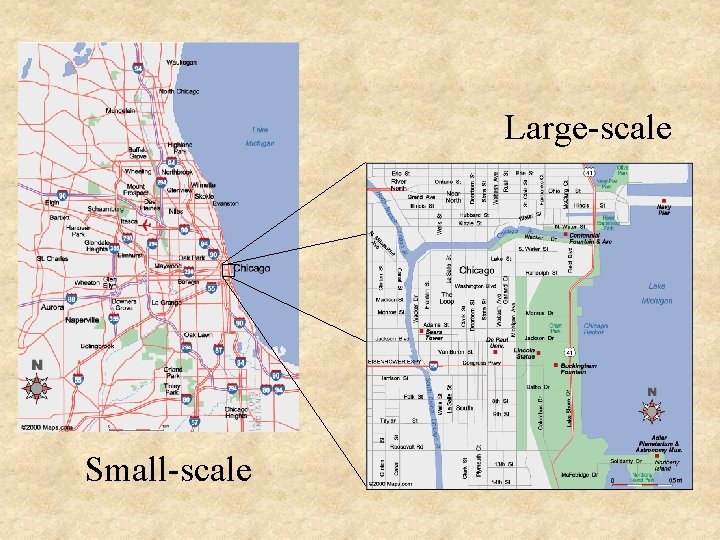
Map scale • Ratio of the distance on the map to the distance on the ground • Scale is a fraction • Larger area covered means larger denominator • Larger denominator means smaller fraction • So a large-scale map covers a small area
Large-scale Small-scale
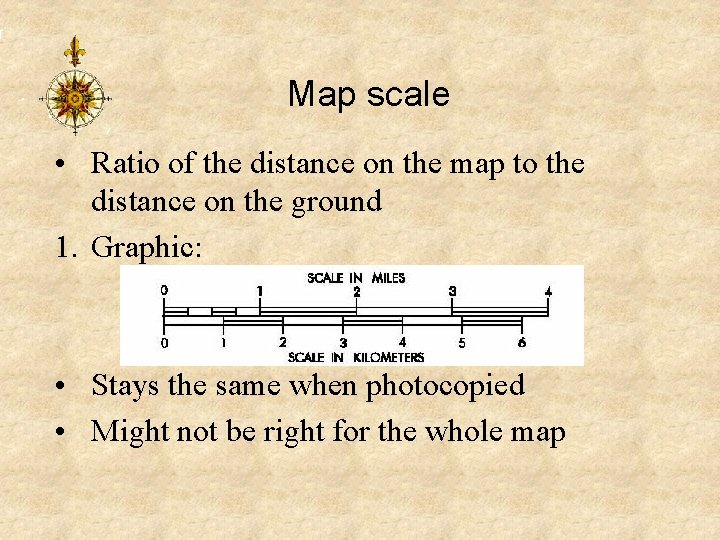
Map scale • Ratio of the distance on the map to the distance on the ground 1. Graphic: • Stays the same when photocopied • Might not be right for the whole map
Map scale 2. Verbal: 1 inch equals 10 miles • Easy to understand • Can change if photocopied
Map scale 3. Representative fraction or ratio: 1: 24, 000 • Units don’t matter • Can change if photocopied
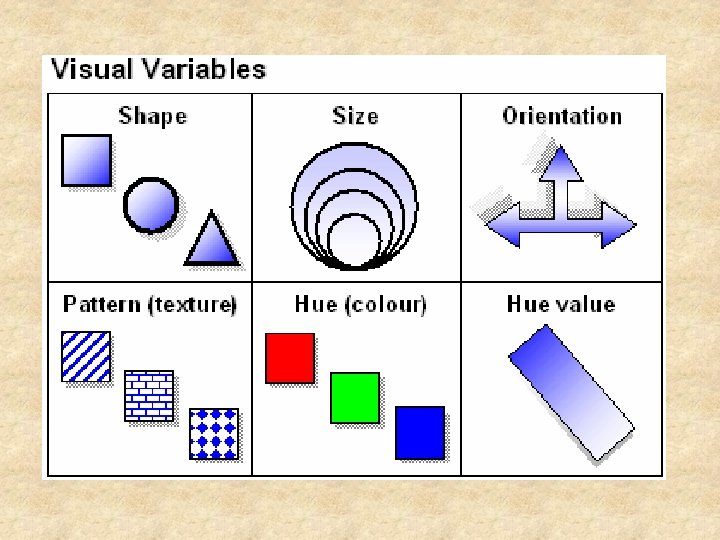
Map symbolization • Symbols are a code instead of text • Three kinds: point, line, area • Consider shape, size, orientation, pattern, color, value
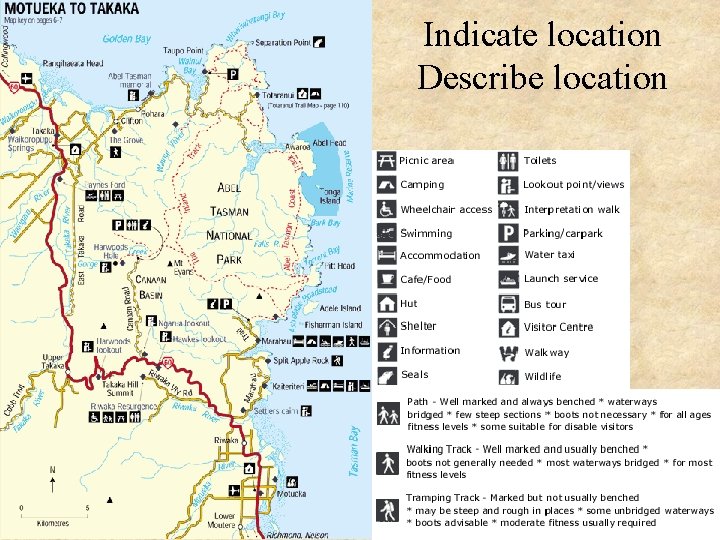
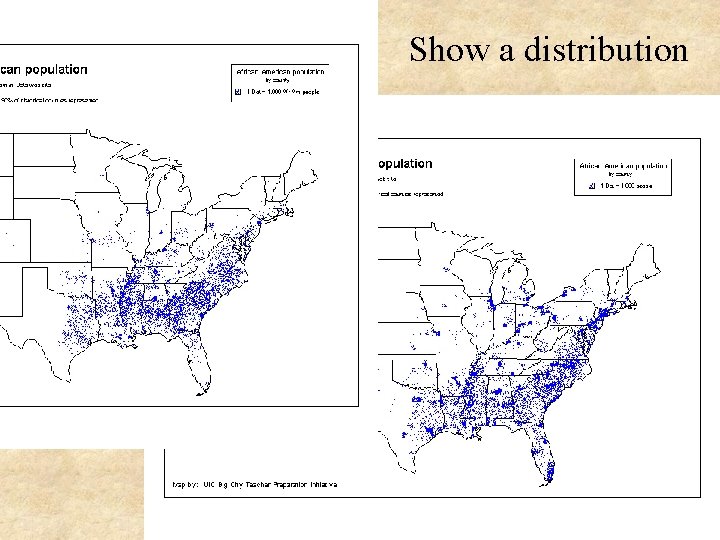
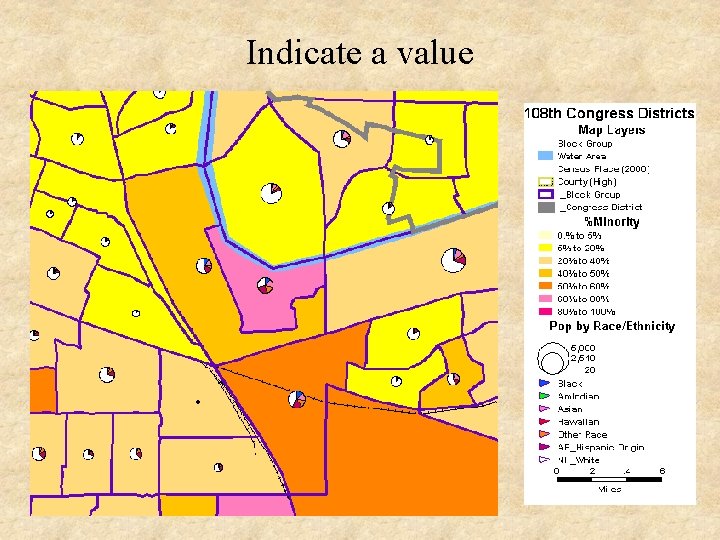
Point symbols • Every symbol counts as one occurrence • Qualitative points – Indicate location – Can also describe that location • Quantitative points – Show a distribution – Indicate a value (graduated symbols)
Indicate location Describe location
Show a distribution
Indicate a value
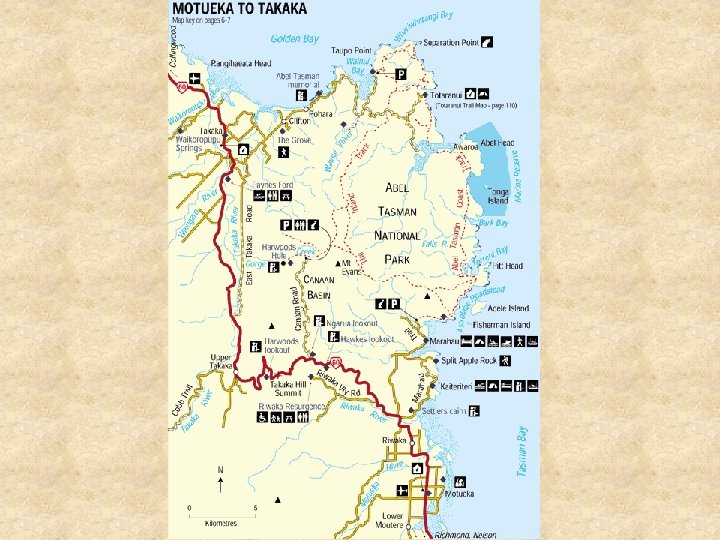
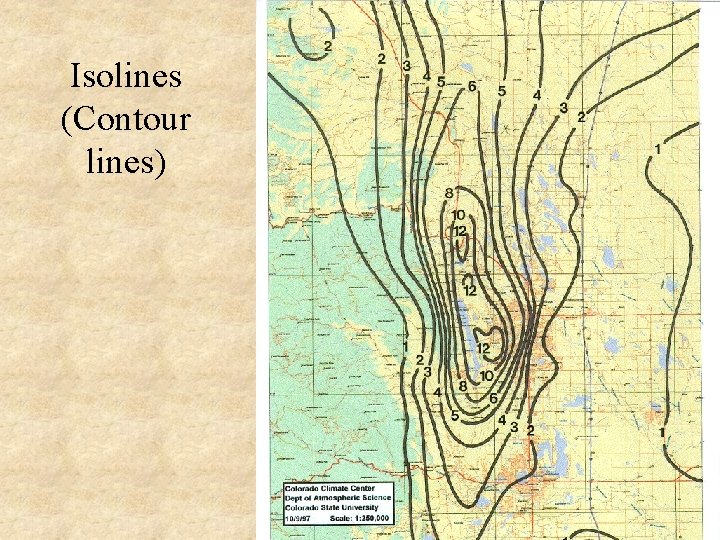
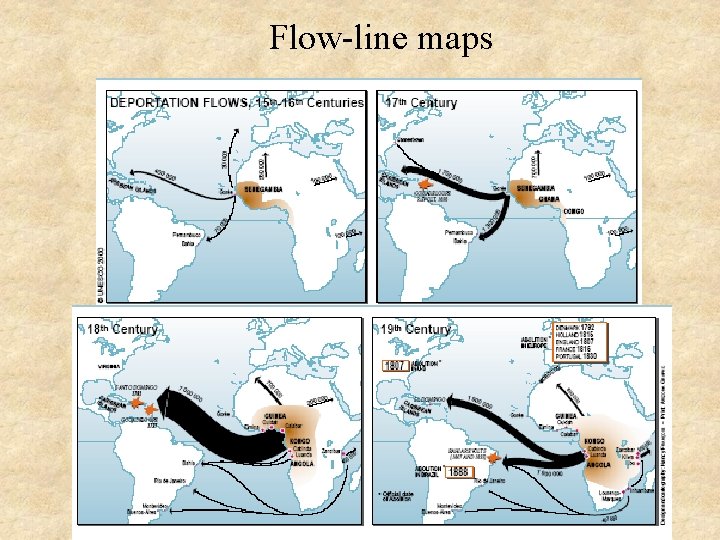
Line symbols • • One-dimensional Mostly taken for granted (borders, roads) Isolines connect same values Flow-line maps indicate value by width of line
Isolines (Contour lines)
Flow-line maps
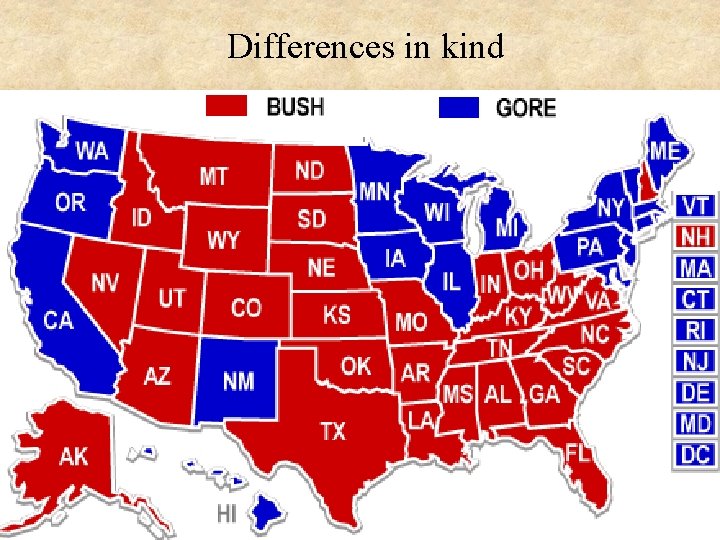
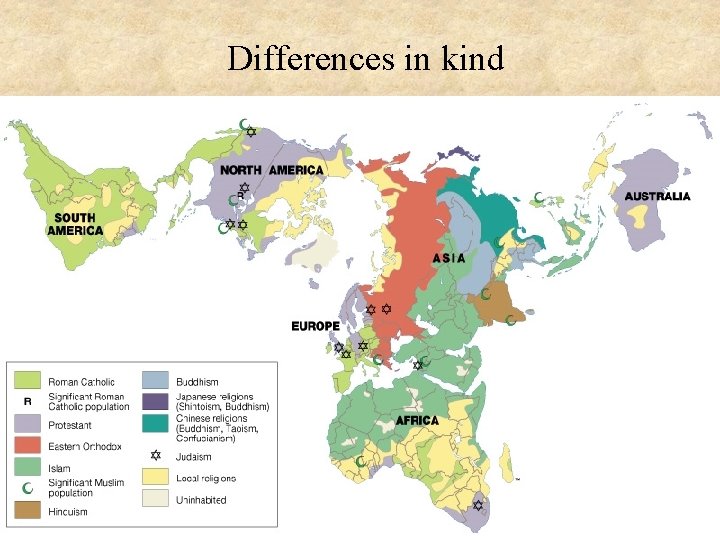
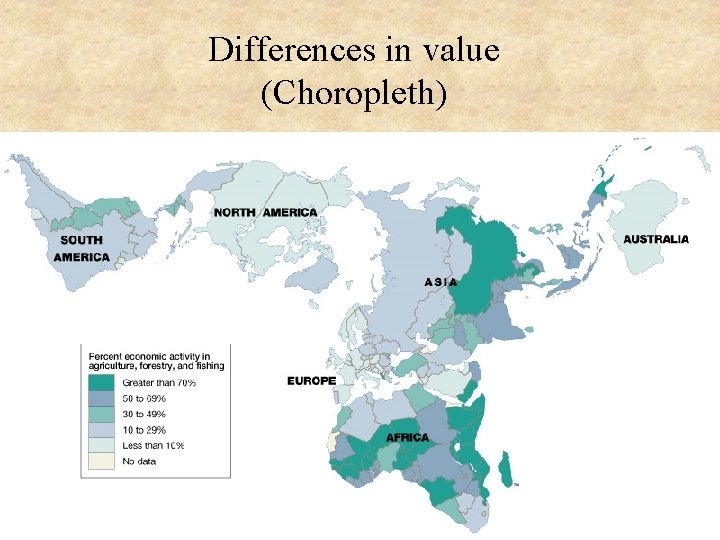
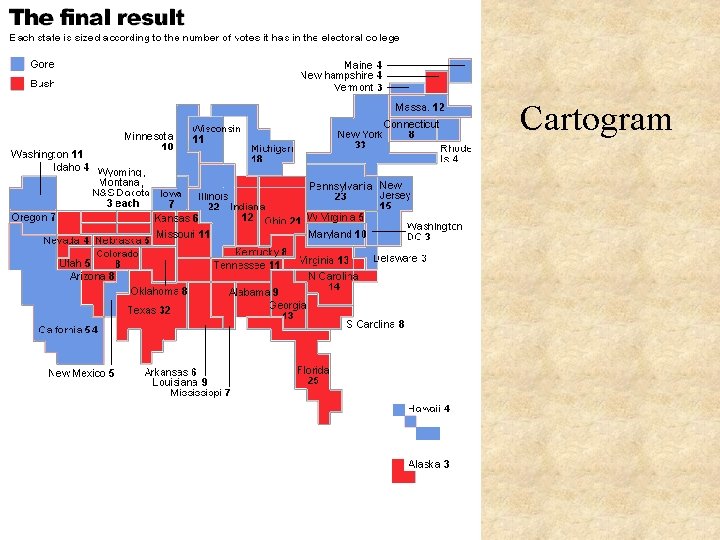
Area symbols • Each territory or region has one value • Differences in kind • Differences in value – Choropleth maps – Usually, darker indicates more • Cartograms distort area to show value
Differences in kind
Differences in kind
Differences in value (Choropleth)
Cartogram
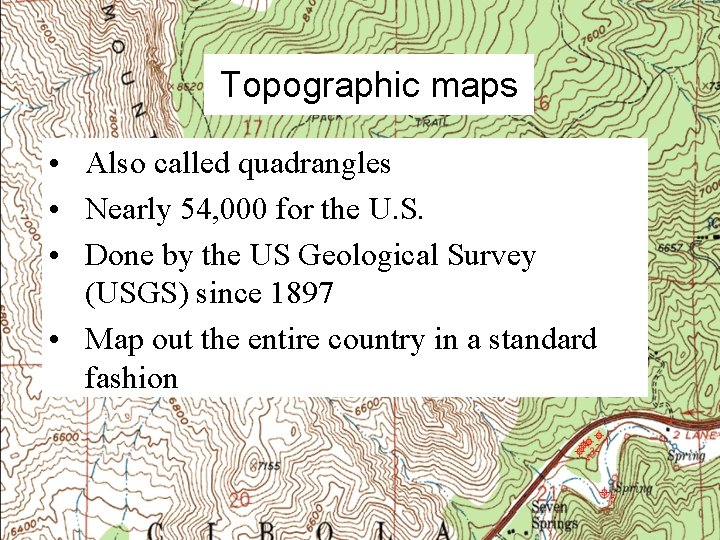
Topographic maps • Also called quadrangles • Nearly 54, 000 for the U. S. • Done by the US Geological Survey (USGS) since 1897 • Map out the entire country in a standard fashion
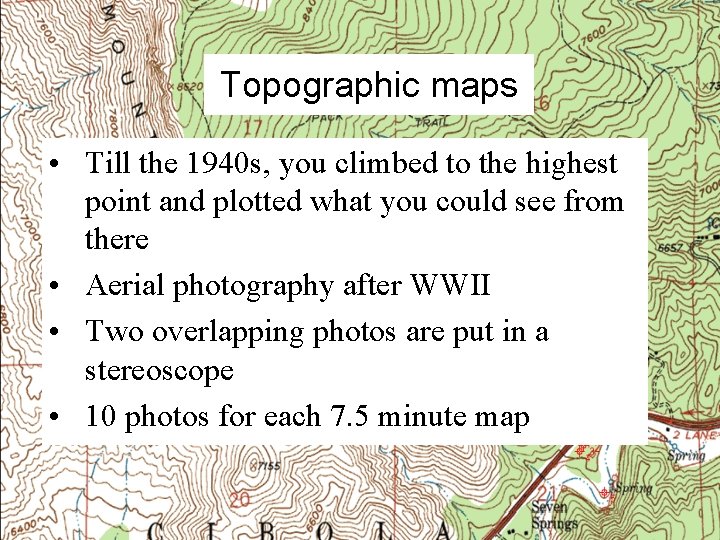
Topographic maps • Till the 1940 s, you climbed to the highest point and plotted what you could see from there • Aerial photography after WWII • Two overlapping photos are put in a stereoscope • 10 photos for each 7. 5 minute map
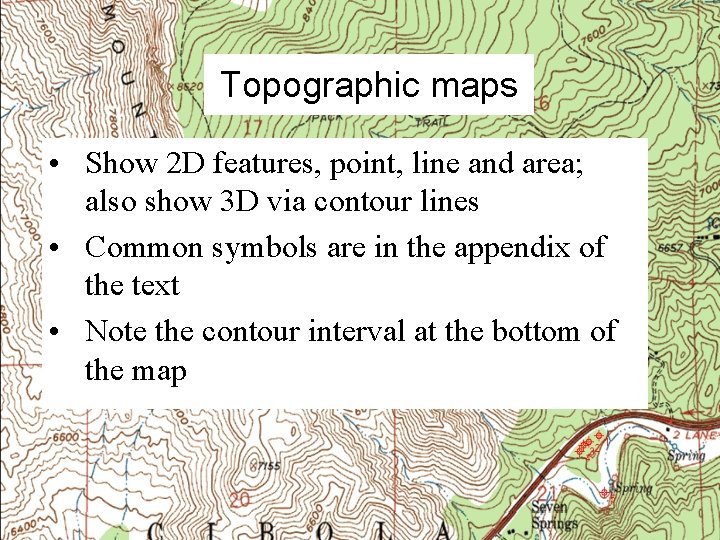
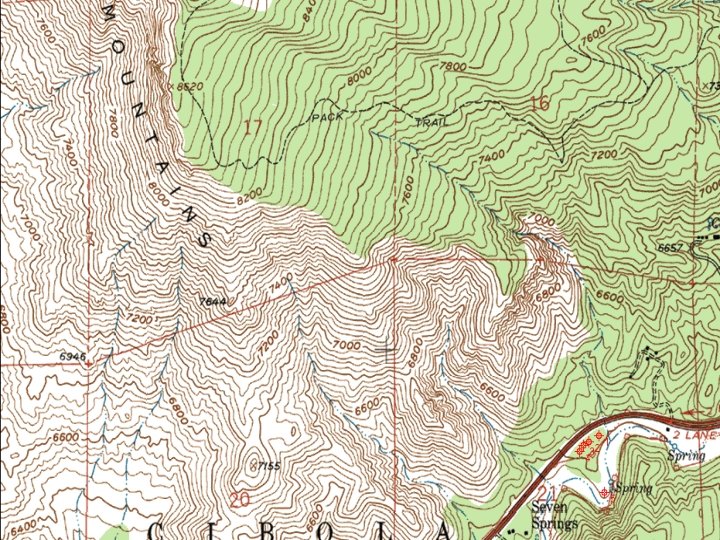
Topographic maps • Show 2 D features, point, line and area; also show 3 D via contour lines • Common symbols are in the appendix of the text • Note the contour interval at the bottom of the map
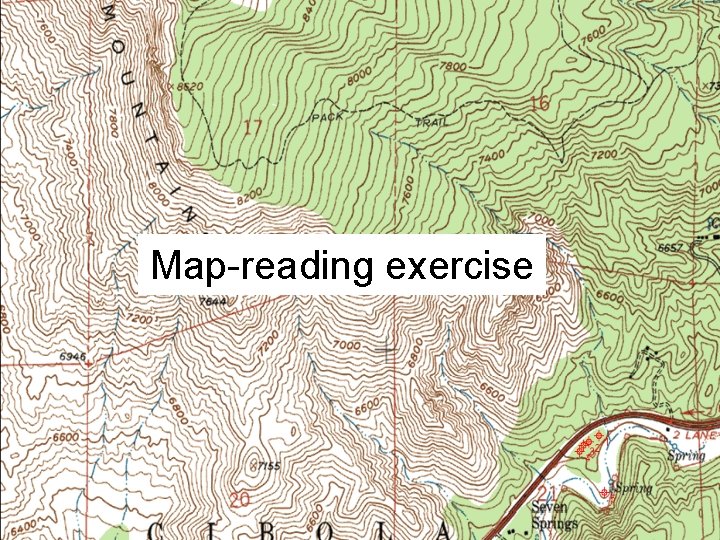
Map-reading exercise