
EARTH SCIENCE CHAPTER 7 WEATHERING EROSION SOIL FORMATION

- Slides: 48
EARTH SCIENCE CHAPTER 7 WEATHERING EROSION SOIL FORMATION
2
3
4
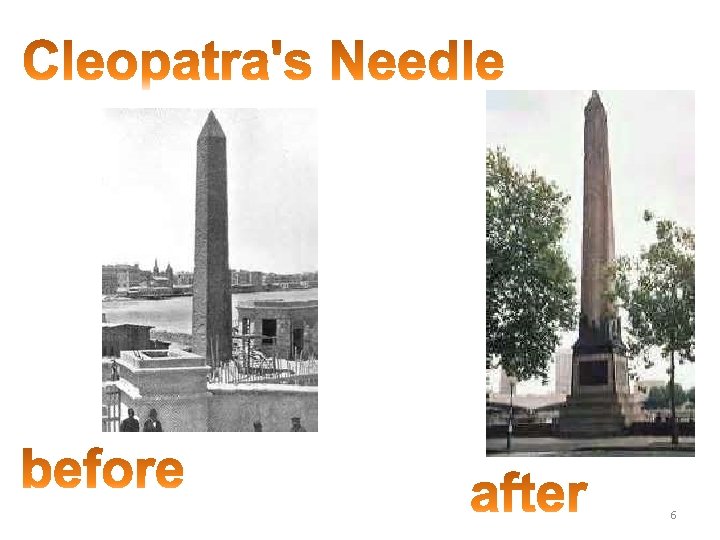
7. 1 Weathering • What is it? • 2 types 5
6
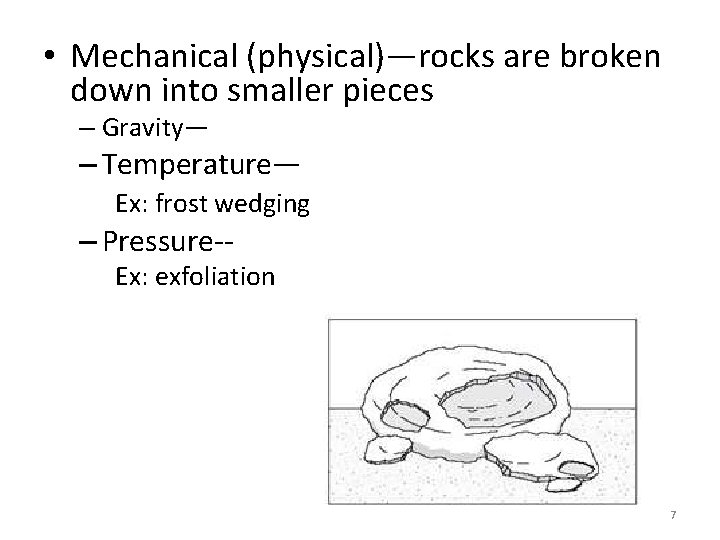
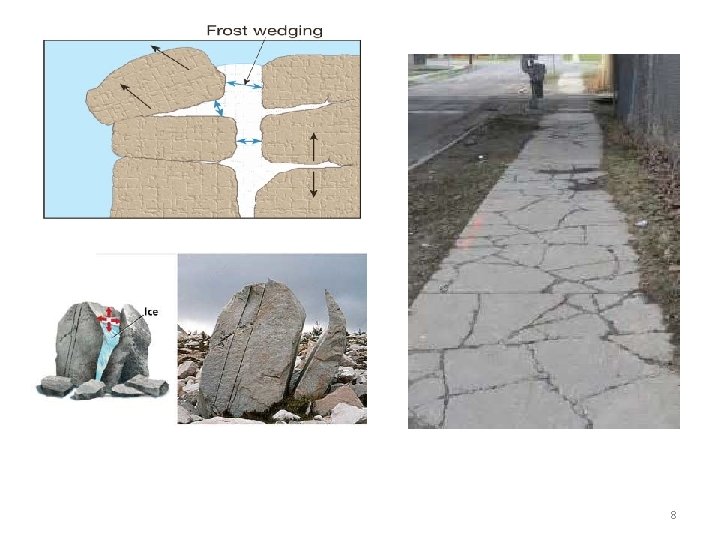
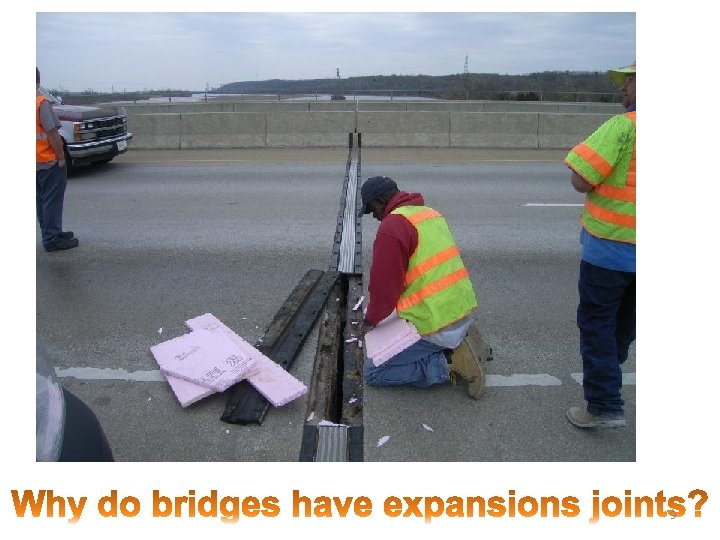
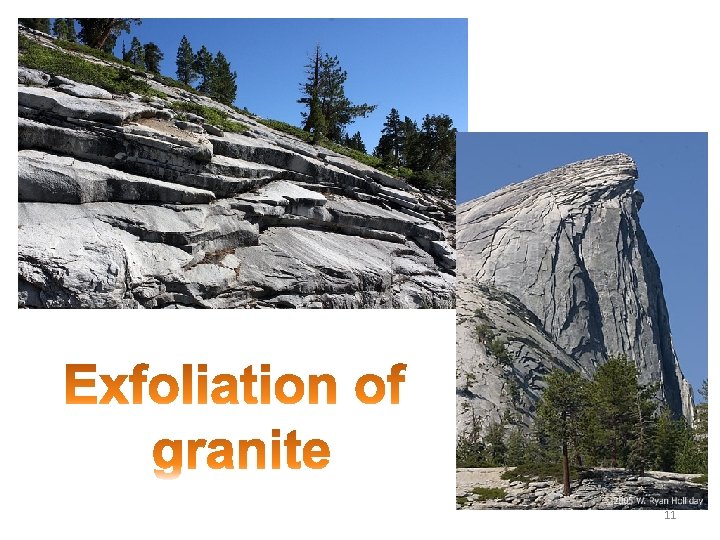
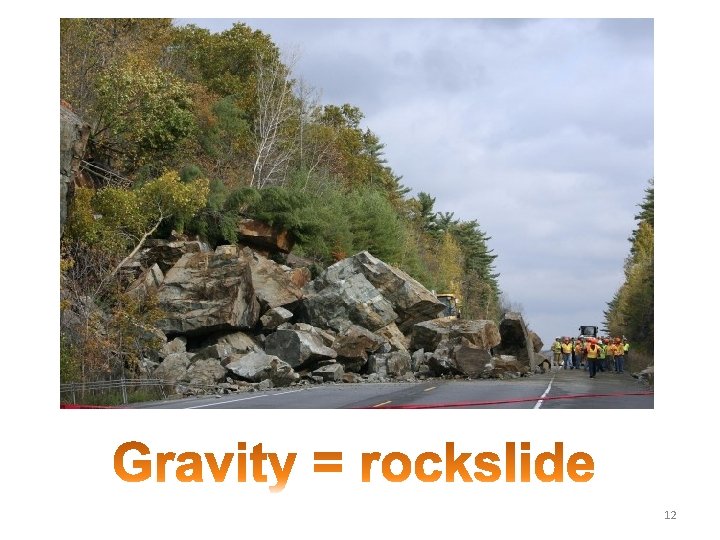
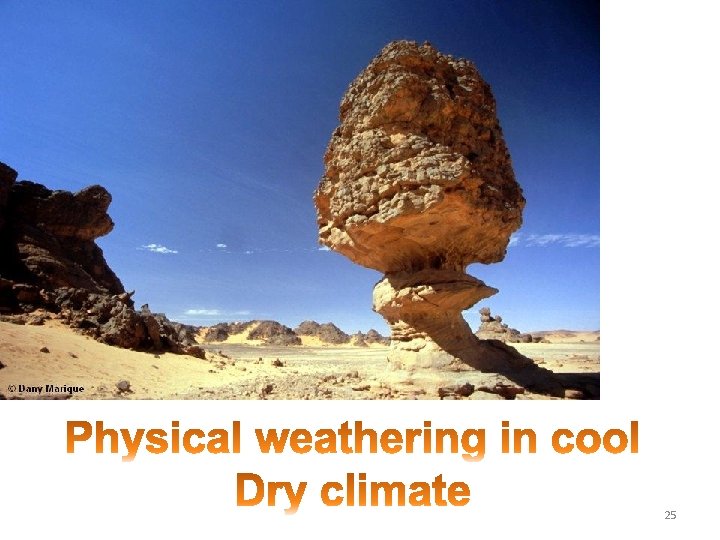
• Mechanical (physical)—rocks are broken down into smaller pieces – Gravity— – Temperature— Ex: frost wedging – Pressure-- Ex: exfoliation 7
8
9
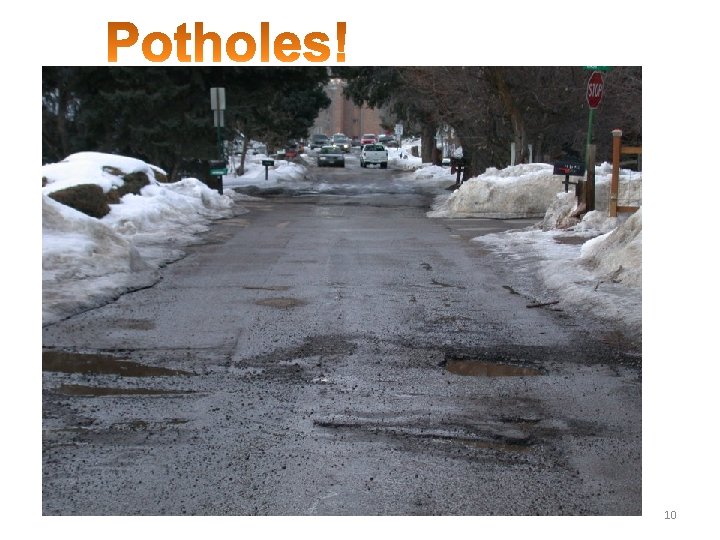
10
11
12
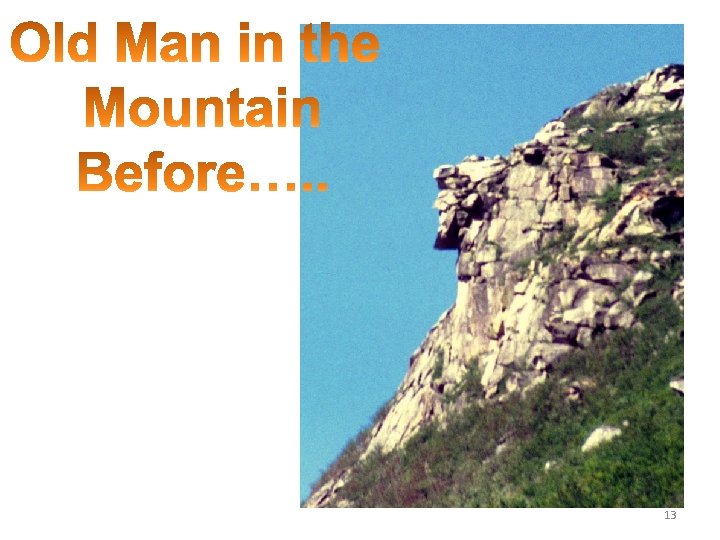
13
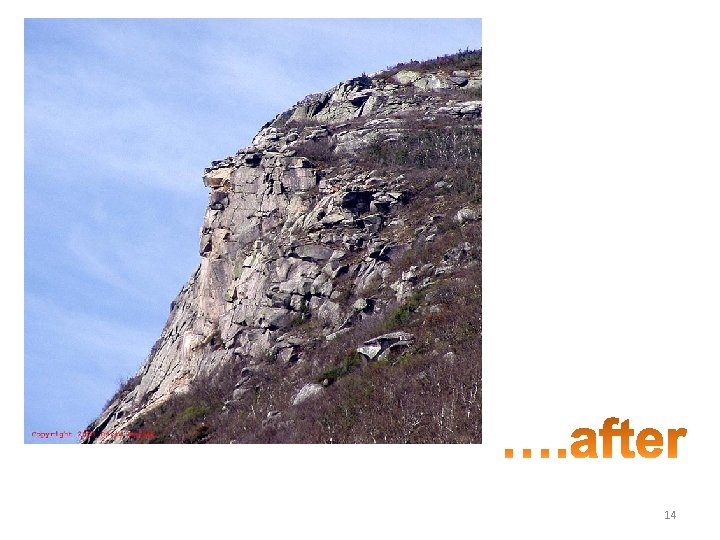
14
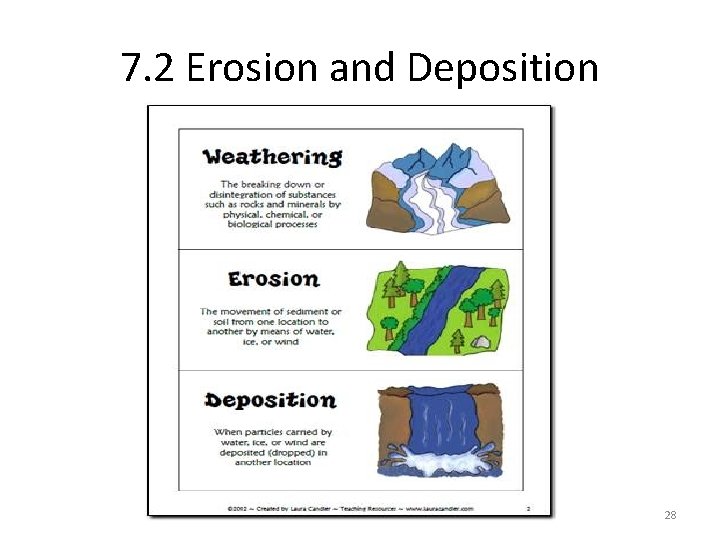
• Review Definitions: – Weathering—rocks at Earth’s surface are broken down and changed – Erosion— – Deposition— – SO? All of these processes have been going on since Earth began! 15
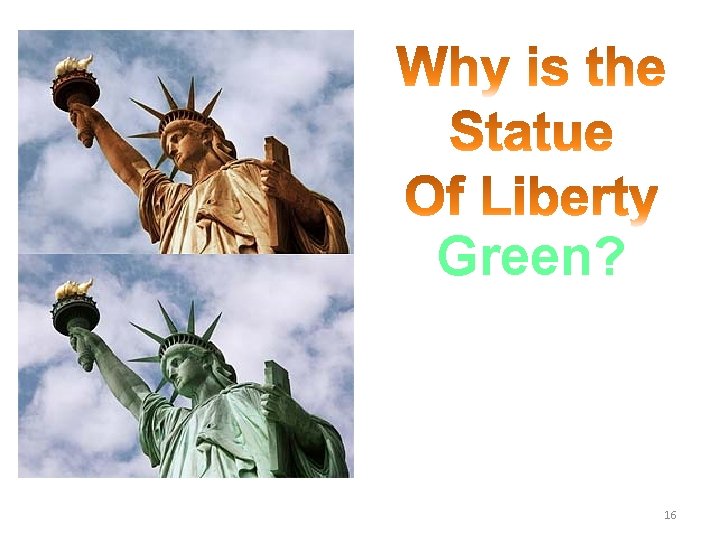
Green? 16
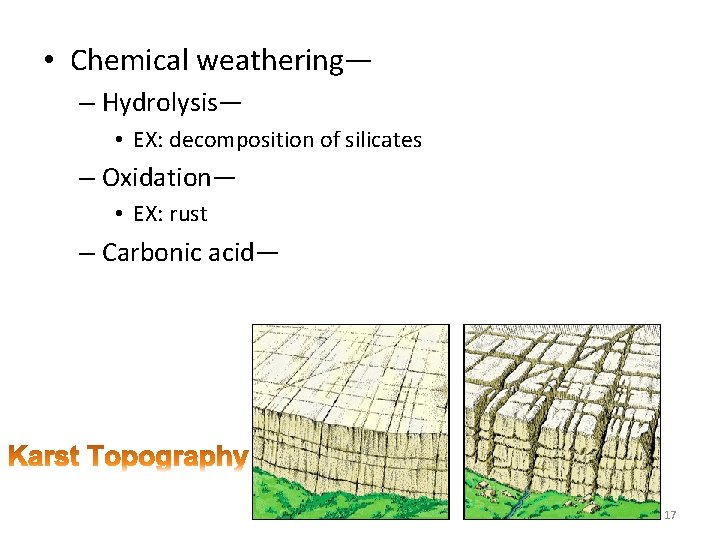
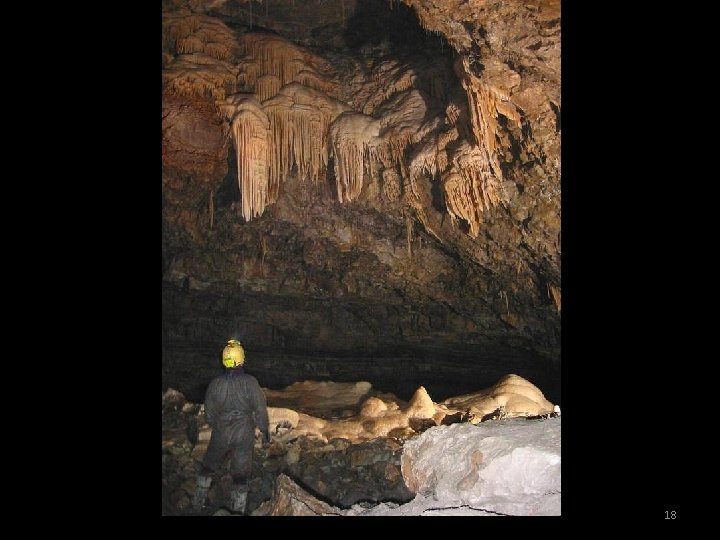
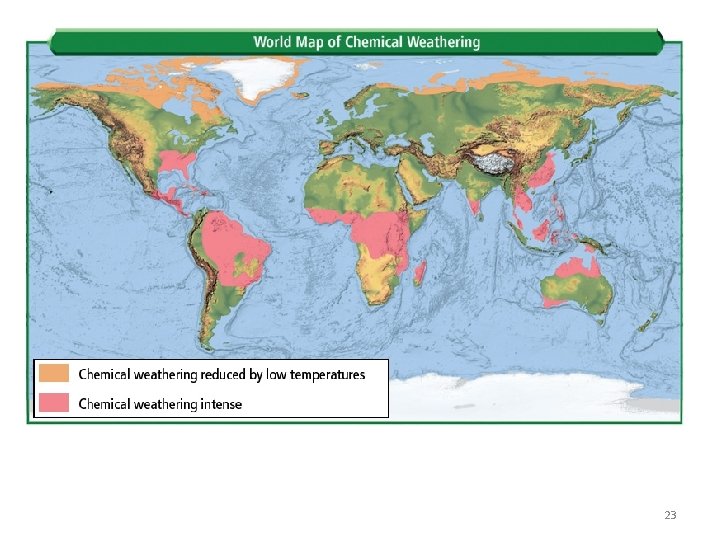
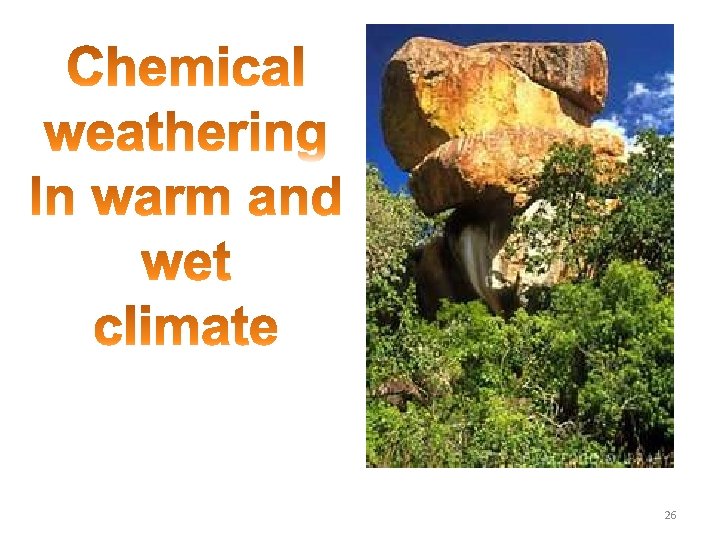
• Chemical weathering— – Hydrolysis— • EX: decomposition of silicates – Oxidation— • EX: rust – Carbonic acid— 17
18
19
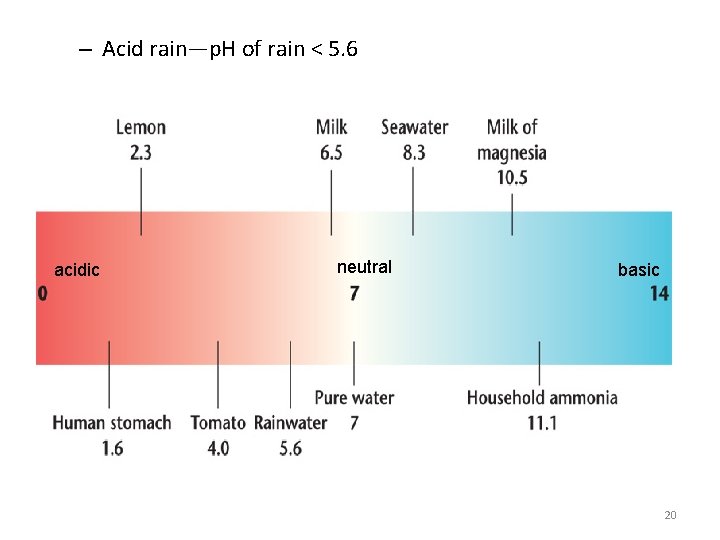
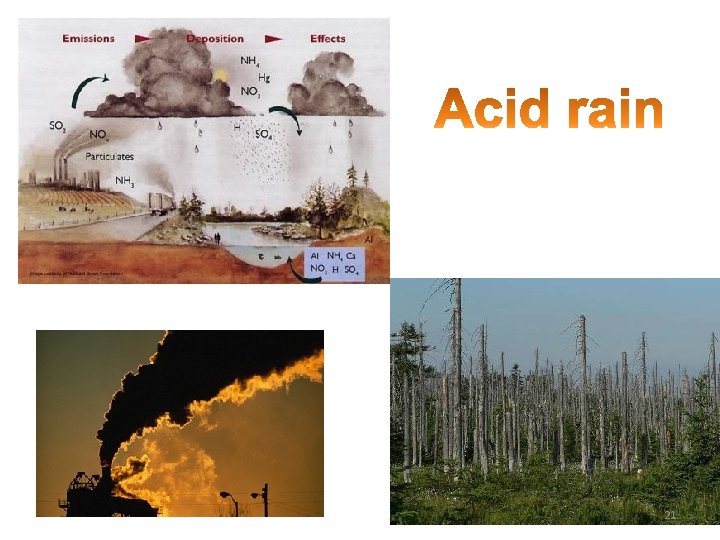
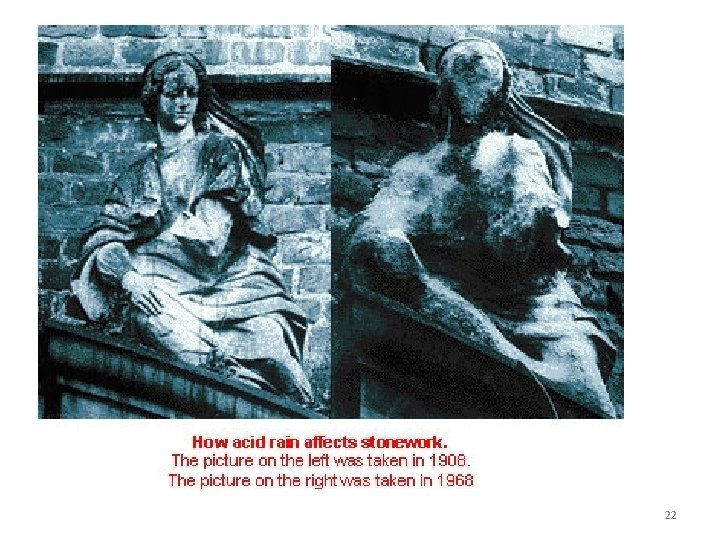
– Acid rain—p. H of rain < 5. 6 acidic neutral basic 20
21
22
23
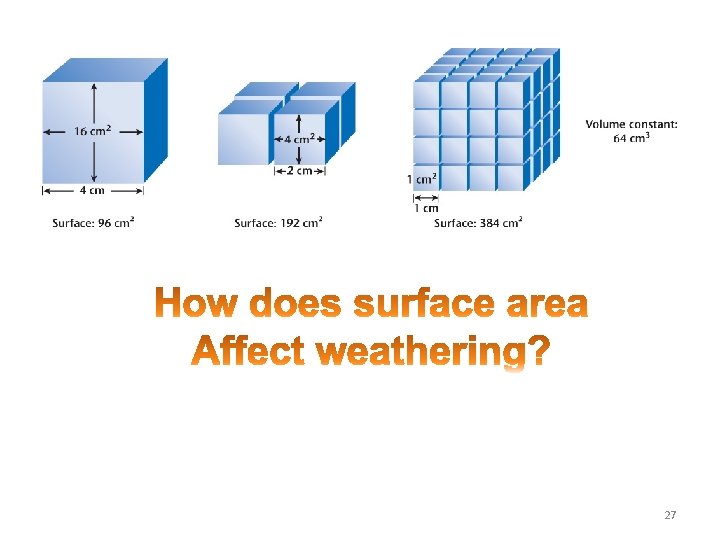
What can affect rates of weathering? • Climate— – Chemical— – Mechanical— • Type of rock— • Surface area— • Topography—erosion in areas of high relief (steep) w/ deposition in areas of low relief (flat) 24
25
26
27
7. 2 Erosion and Deposition 28
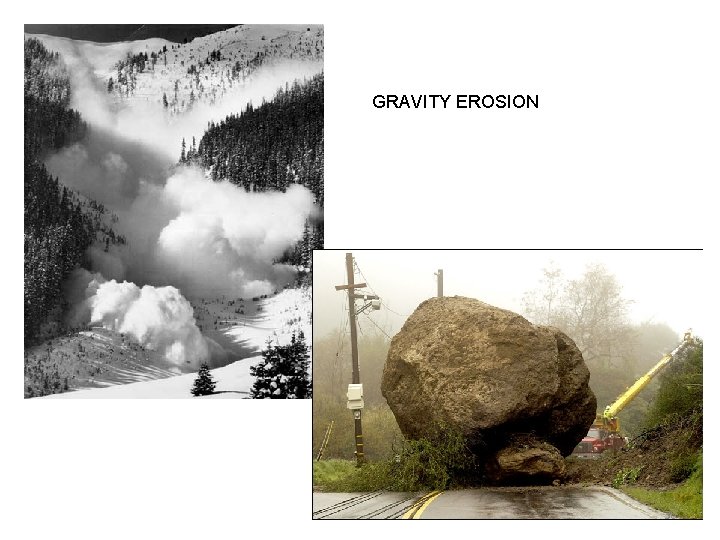
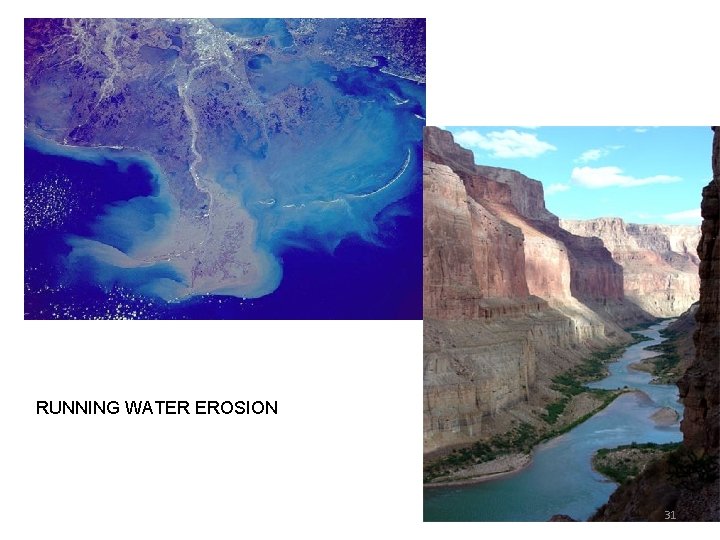
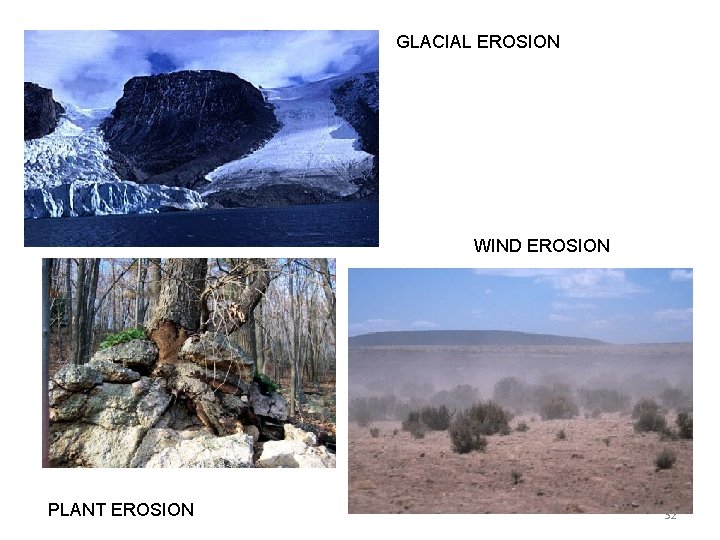
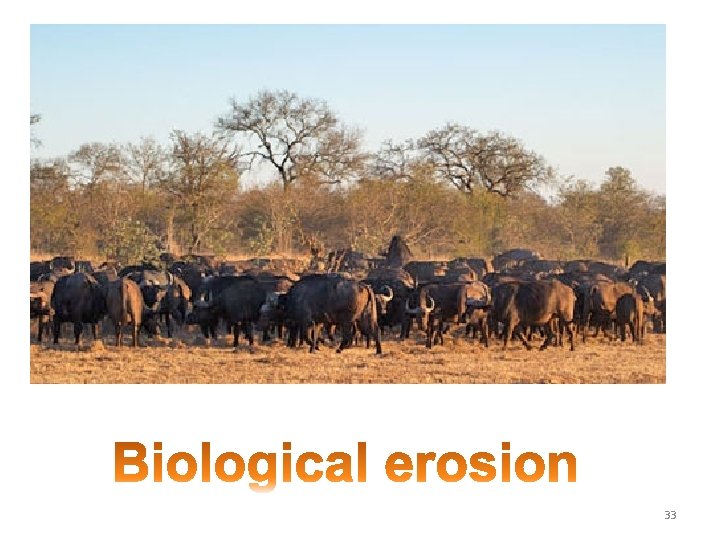
Agents of erosion • Gravity— • Running water— – Rivers, streams, water falls • Glaciers— • Wind— • Plants and animals (biological)— 29
GRAVITY EROSION 30
RUNNING WATER EROSION 31
GLACIAL EROSION WIND EROSION PLANT EROSION 32
33
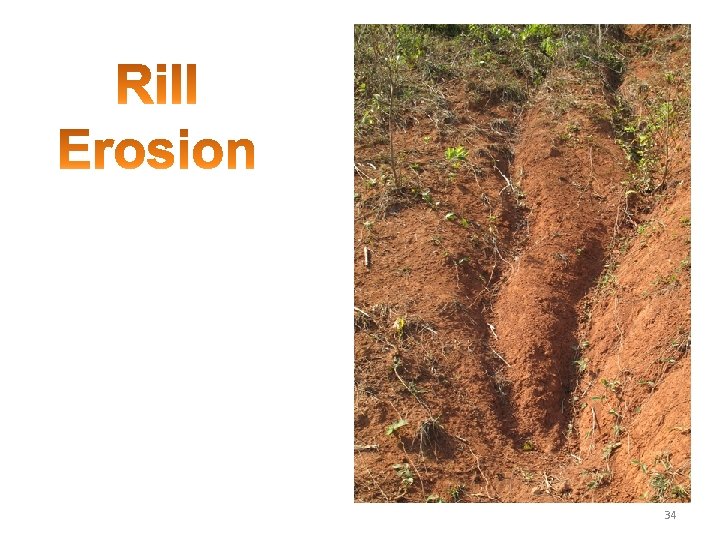
34
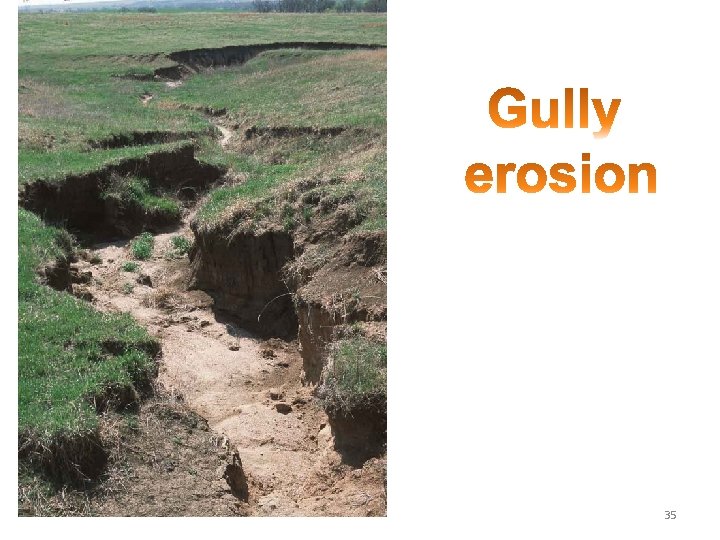
35
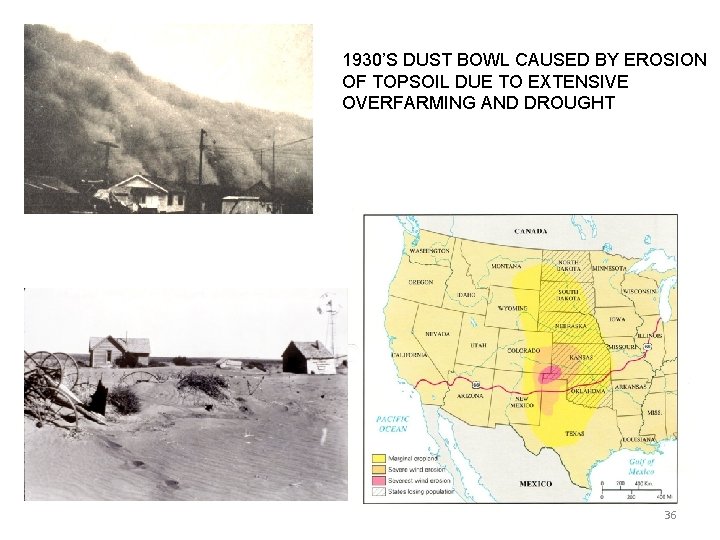
1930’S DUST BOWL CAUSED BY EROSION OF TOPSOIL DUE TO EXTENSIVE OVERFARMING AND DROUGHT 36
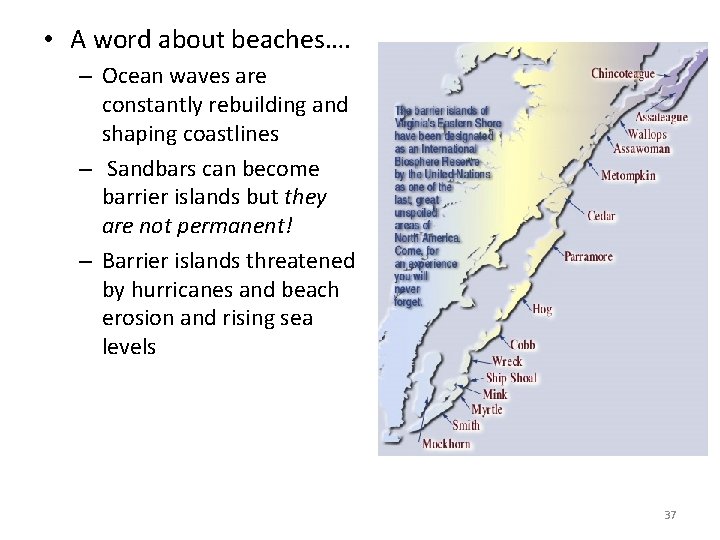
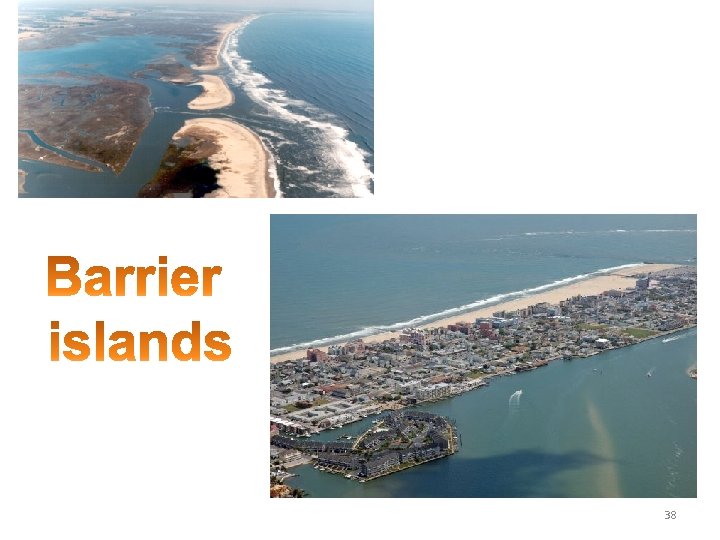
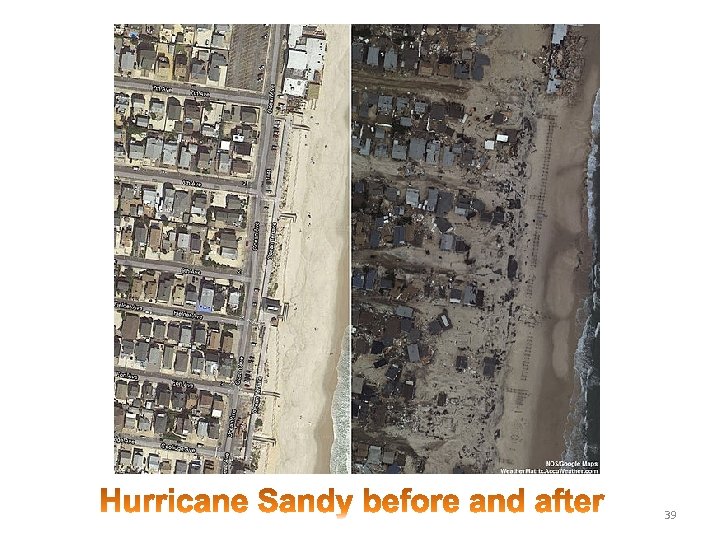
• A word about beaches…. – Ocean waves are constantly rebuilding and shaping coastlines – Sandbars can become barrier islands but they are not permanent! – Barrier islands threatened by hurricanes and beach erosion and rising sea levels 37
38
39
Soil formation • What is soil? – Loose – Formed by chemical, mechanical and biological activity over very long periods of time – Humus— 40
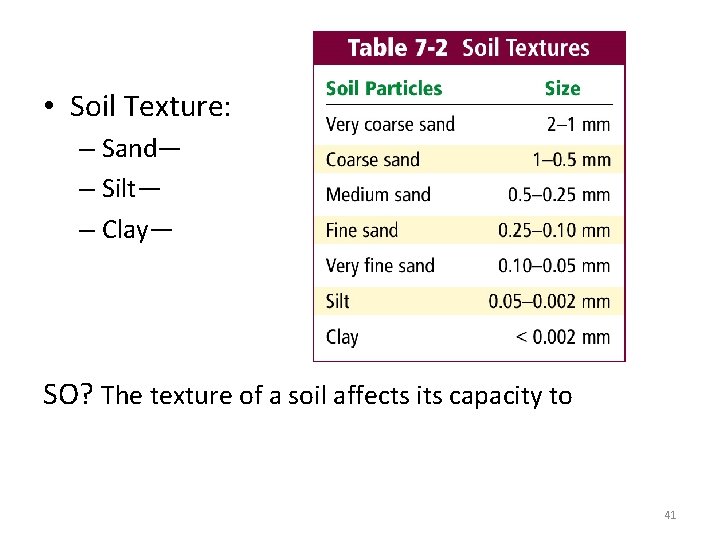
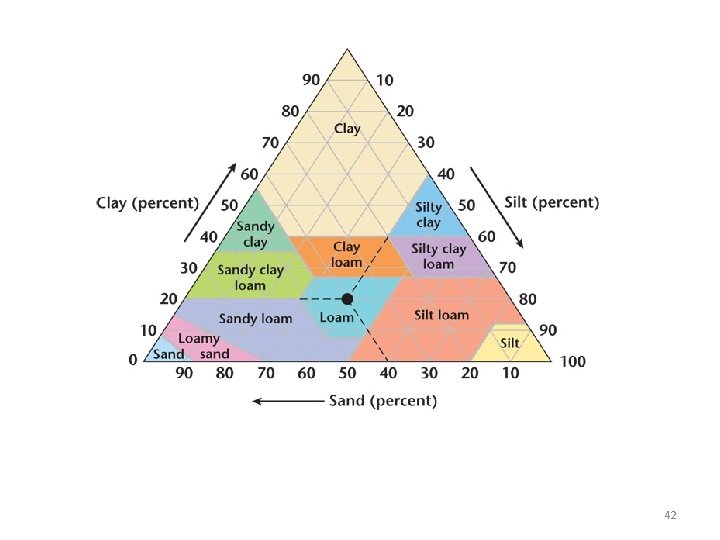
• Soil Texture: – Sand— – Silt— – Clay— SO? The texture of a soil affects its capacity to 41
42
43
44
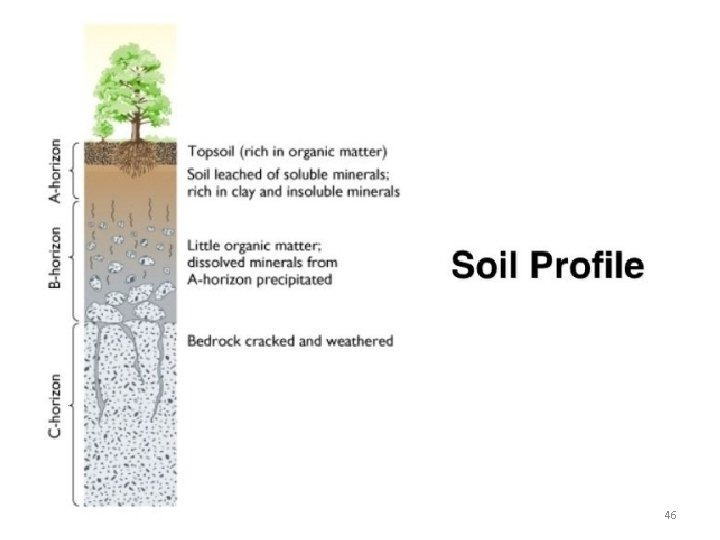
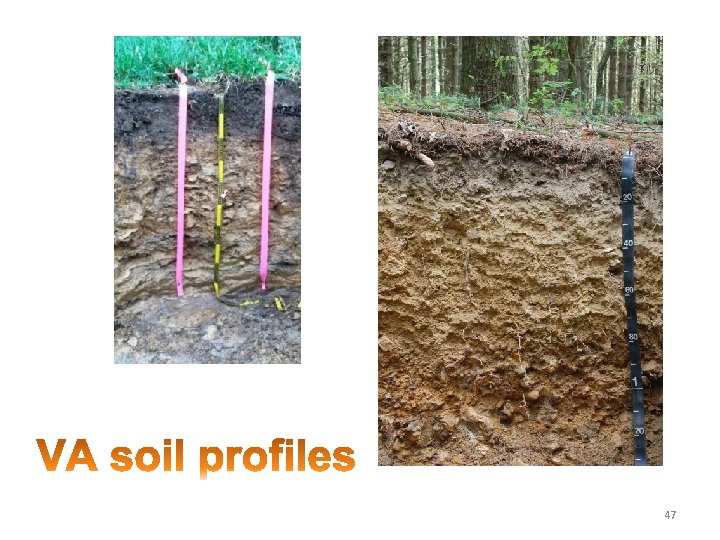
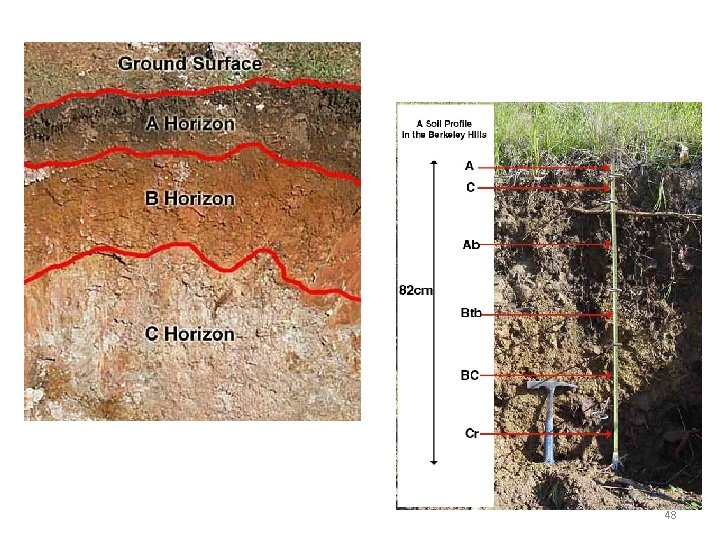
Soil profile • A vertical sequence of soil layers • Residual soil— • Transported soil— 45
46
47
48