
Earth Materials The various solids liquids and gases


- Slides: 70
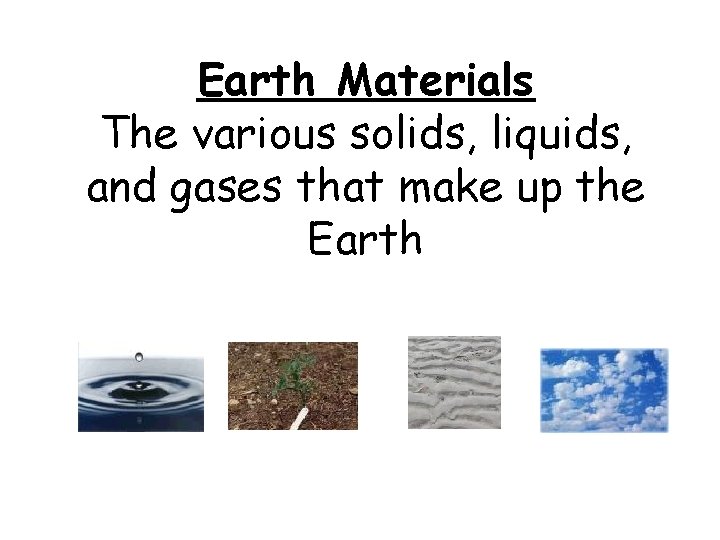
Earth Materials The various solids, liquids, and gases that make up the Earth
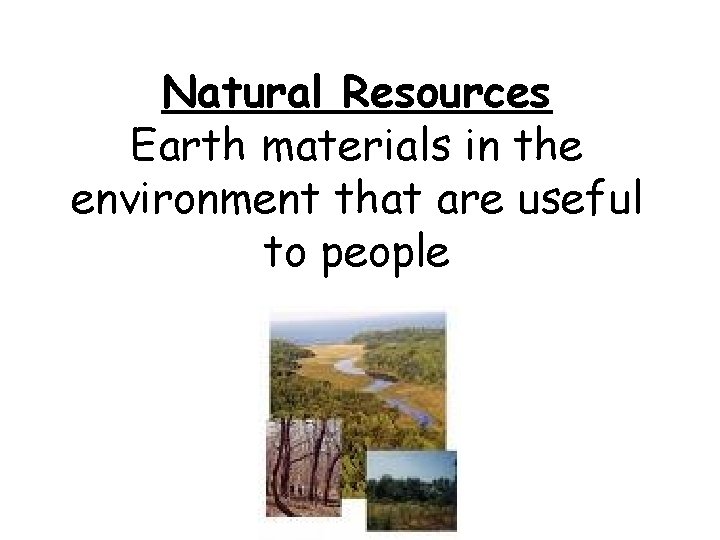
Natural Resources Earth materials in the environment that are useful to people
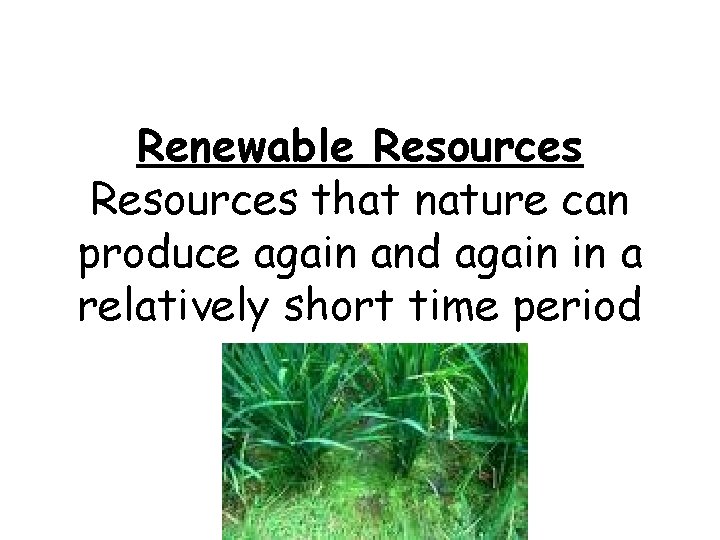
Renewable Resources that nature can produce again and again in a relatively short time period
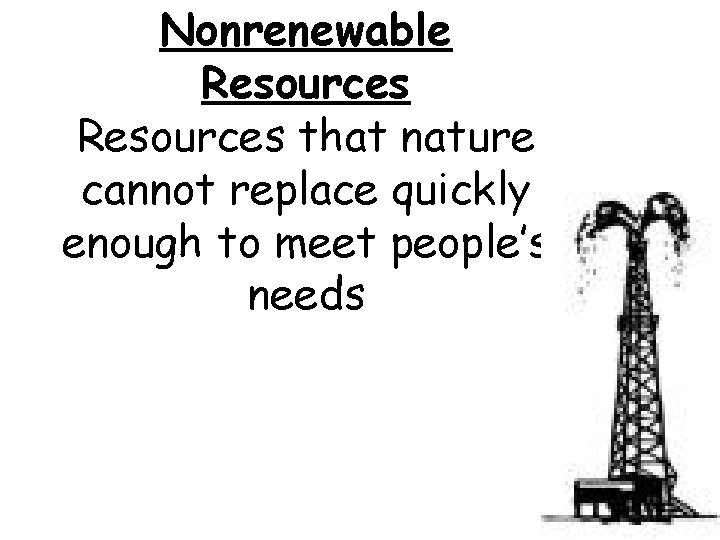
Nonrenewable Resources that nature cannot replace quickly enough to meet people’s needs
Inexhaustible Resources that can never be used up or are abundant
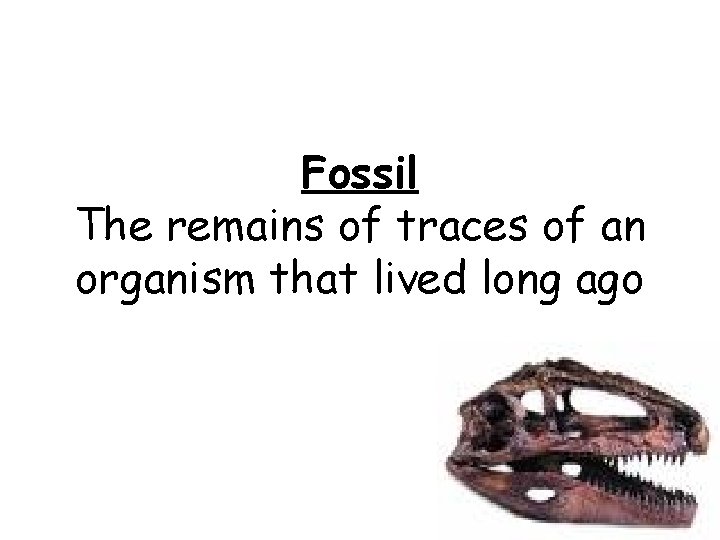
Fossil The remains of traces of an organism that lived long ago
Fossil Fuels formed in the ground from the remains of dead plants and animals (examples: coal, oil, and natural gas)
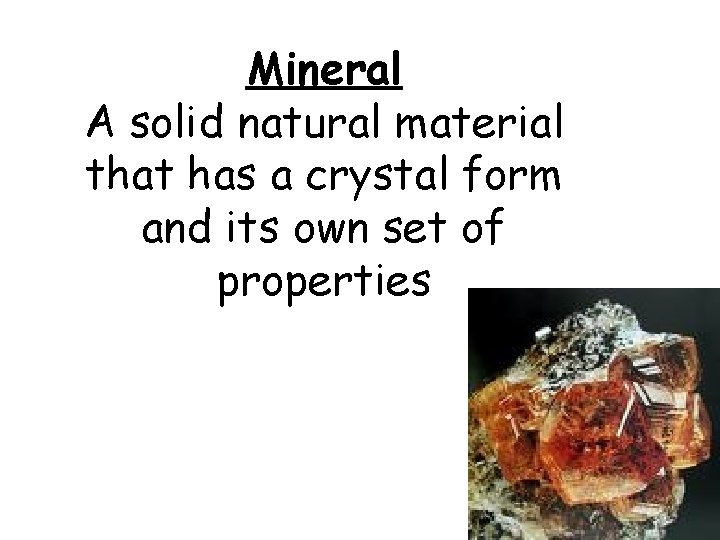
Mineral A solid natural material that has a crystal form and its own set of properties
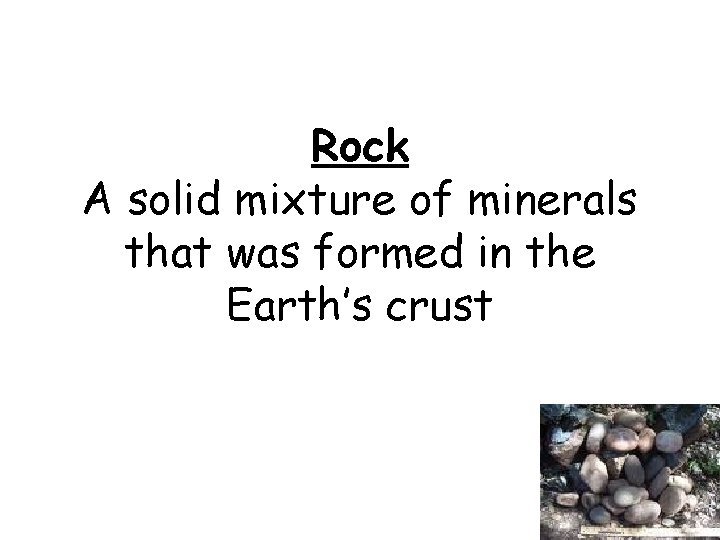
Rock A solid mixture of minerals that was formed in the Earth’s crust
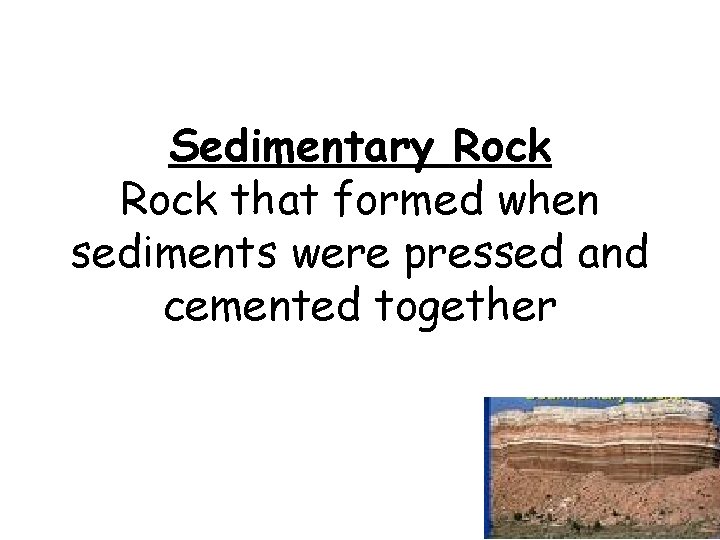
Sedimentary Rock that formed when sediments were pressed and cemented together
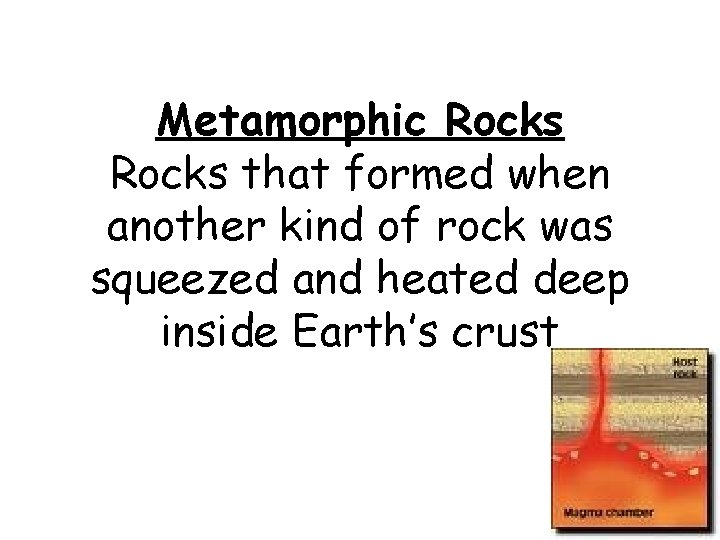
Metamorphic Rocks that formed when another kind of rock was squeezed and heated deep inside Earth’s crust
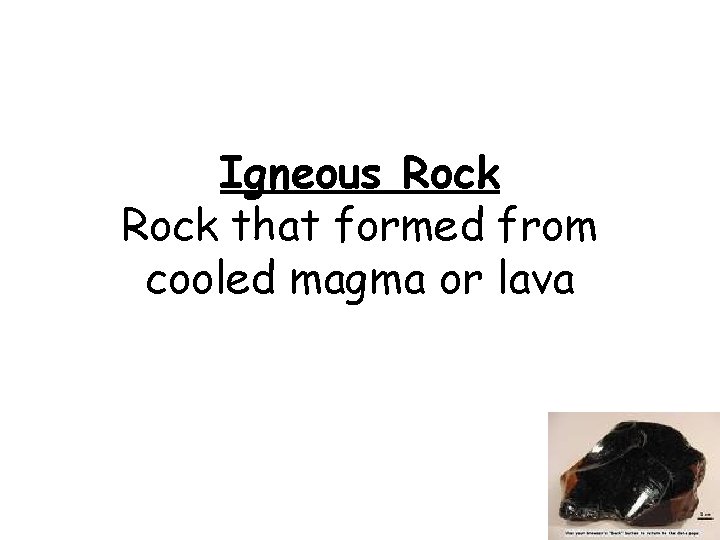
Igneous Rock that formed from cooled magma or lava
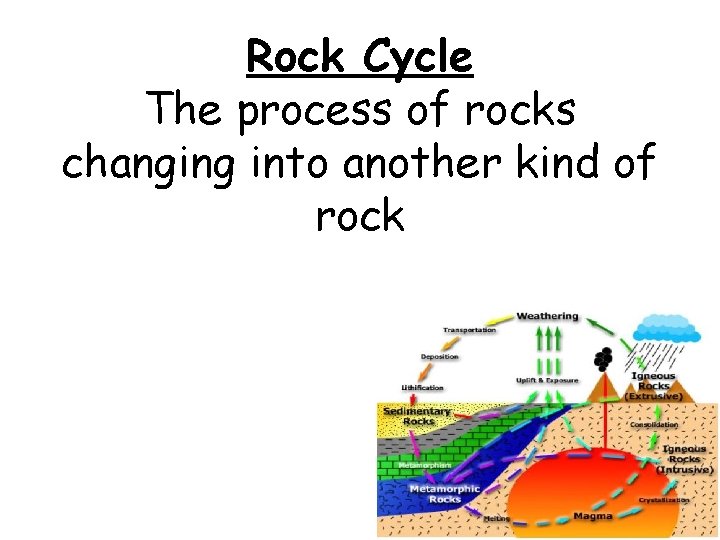
Rock Cycle The process of rocks changing into another kind of rock
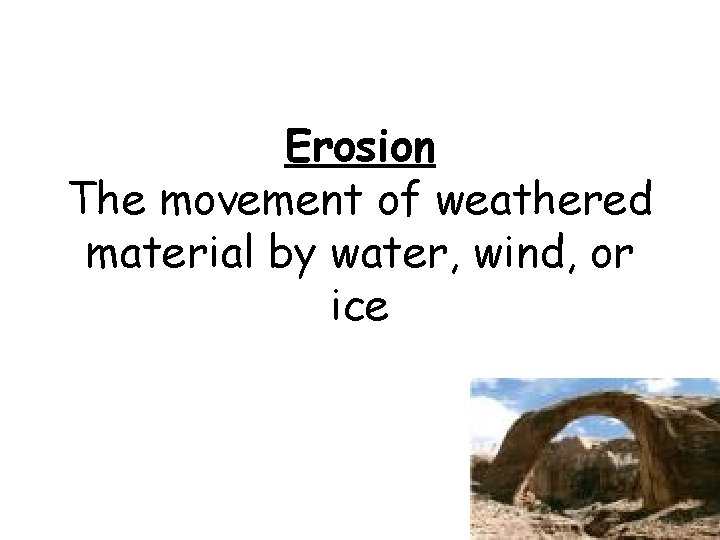
Erosion The movement of weathered material by water, wind, or ice
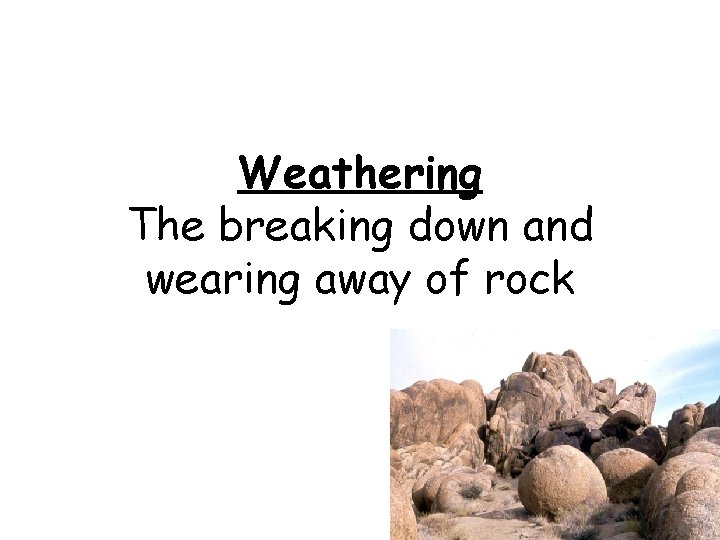
Weathering The breaking down and wearing away of rock
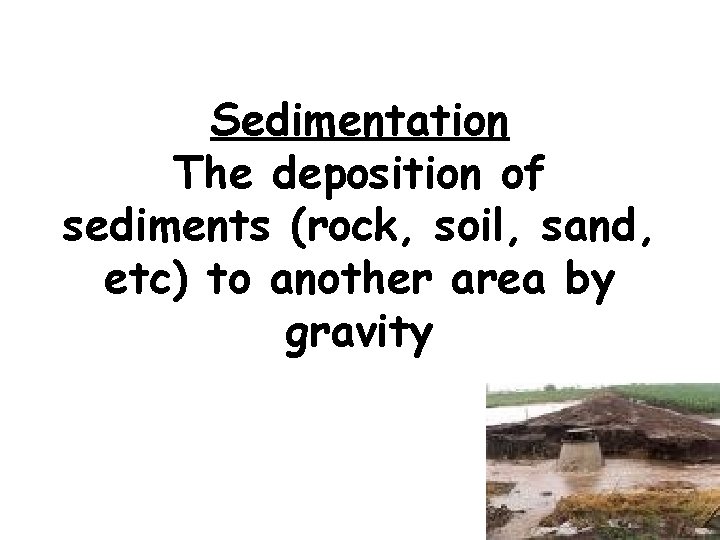
Sedimentation The deposition of sediments (rock, soil, sand, etc) to another area by gravity
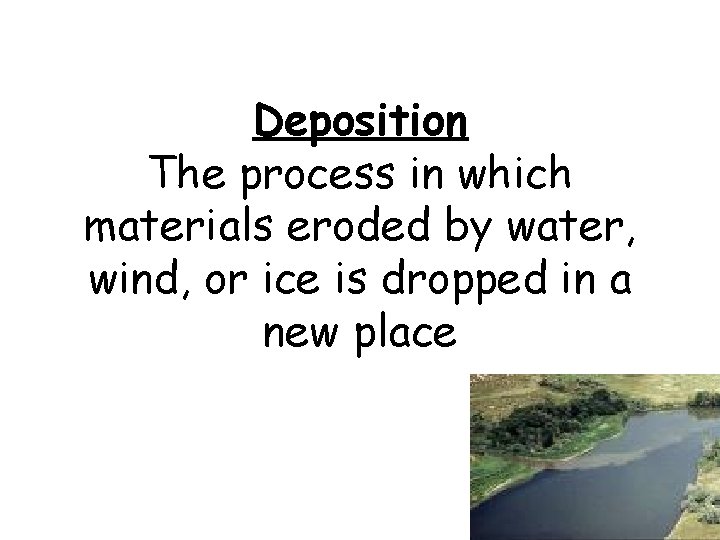
Deposition The process in which materials eroded by water, wind, or ice is dropped in a new place
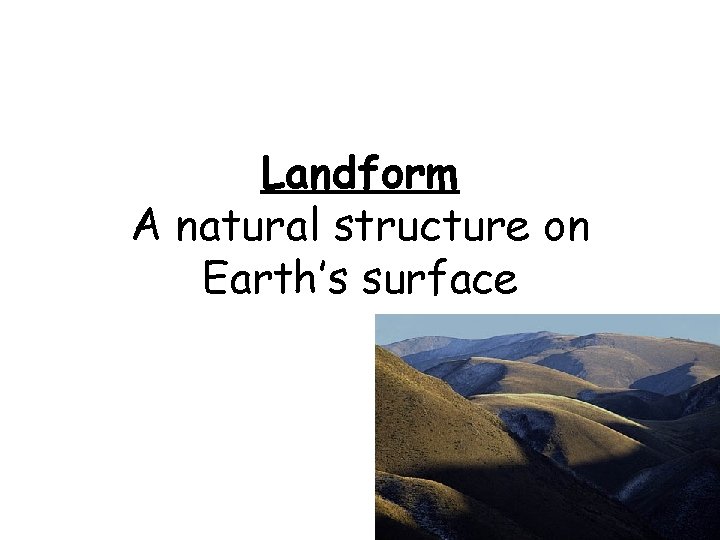
Landform A natural structure on Earth’s surface
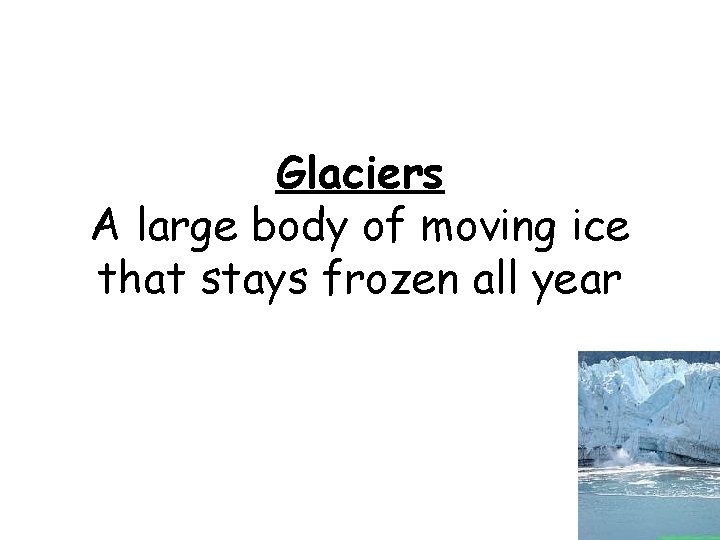
Glaciers A large body of moving ice that stays frozen all year
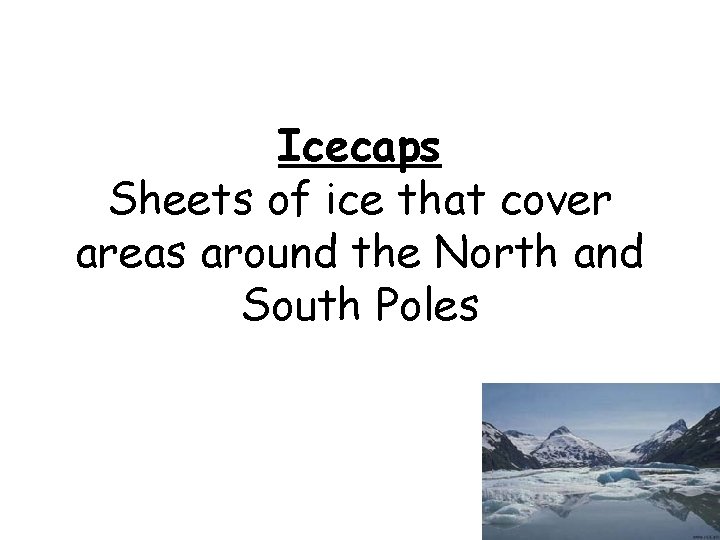
Icecaps Sheets of ice that cover areas around the North and South Poles
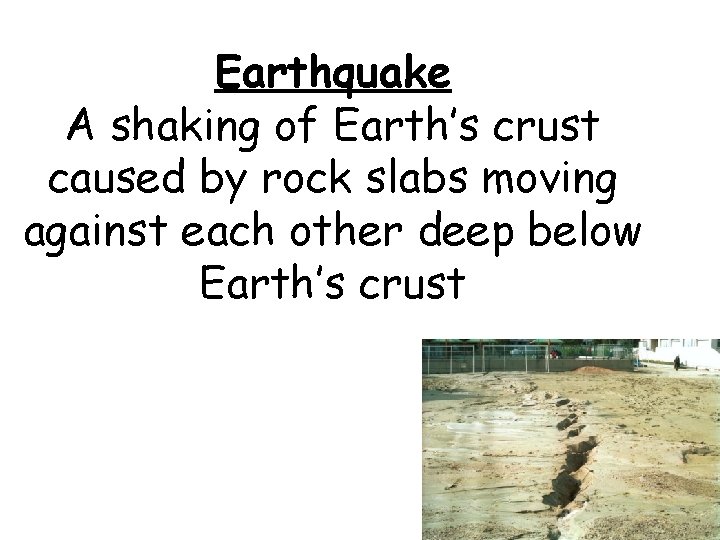
Earthquake A shaking of Earth’s crust caused by rock slabs moving against each other deep below Earth’s crust
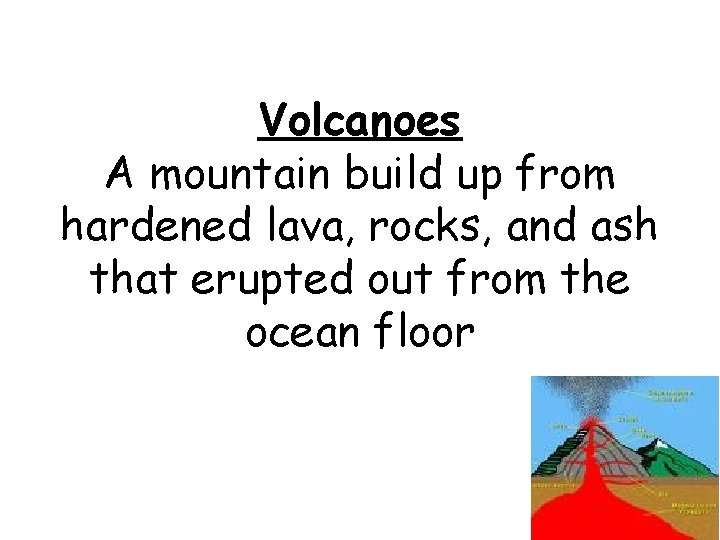
Volcanoes A mountain build up from hardened lava, rocks, and ash that erupted out from the ocean floor
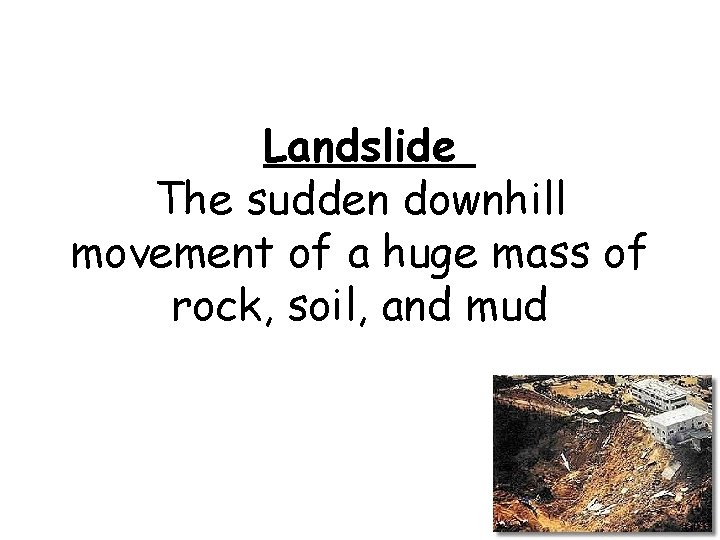
Landslide The sudden downhill movement of a huge mass of rock, soil, and mud
Switch places
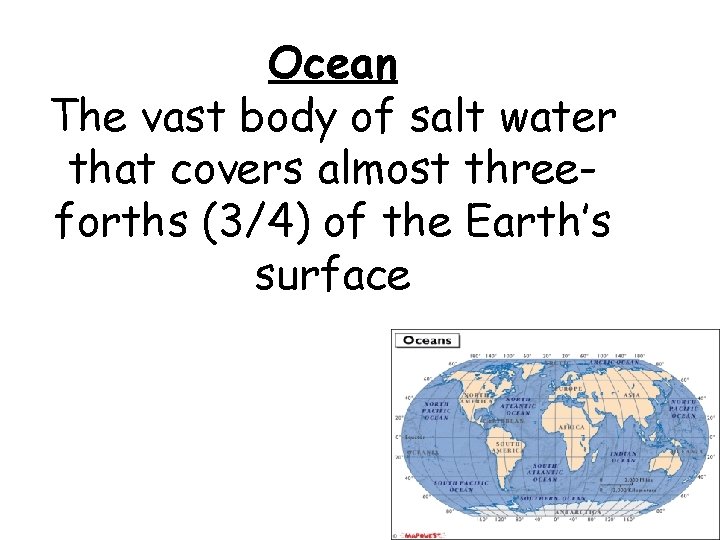
Ocean The vast body of salt water that covers almost threeforths (3/4) of the Earth’s surface
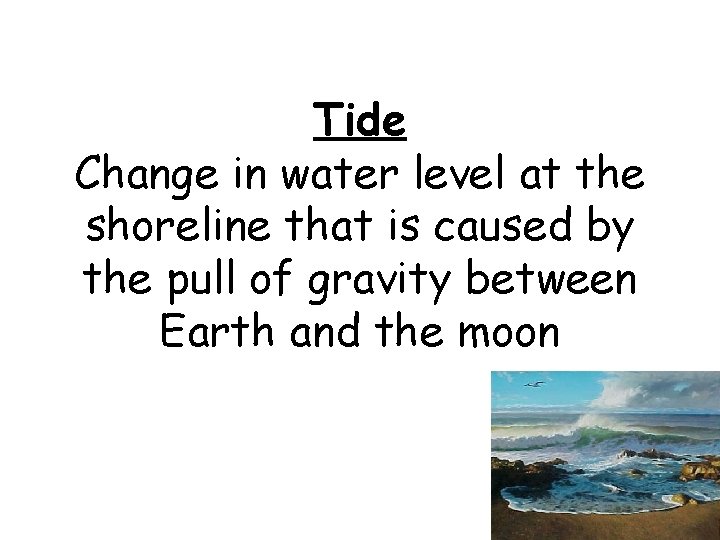
Tide Change in water level at the shoreline that is caused by the pull of gravity between Earth and the moon
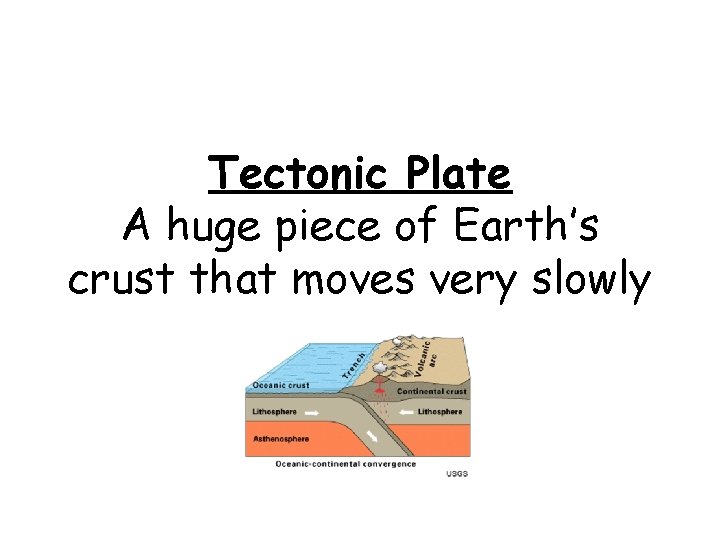
Tectonic Plate A huge piece of Earth’s crust that moves very slowly
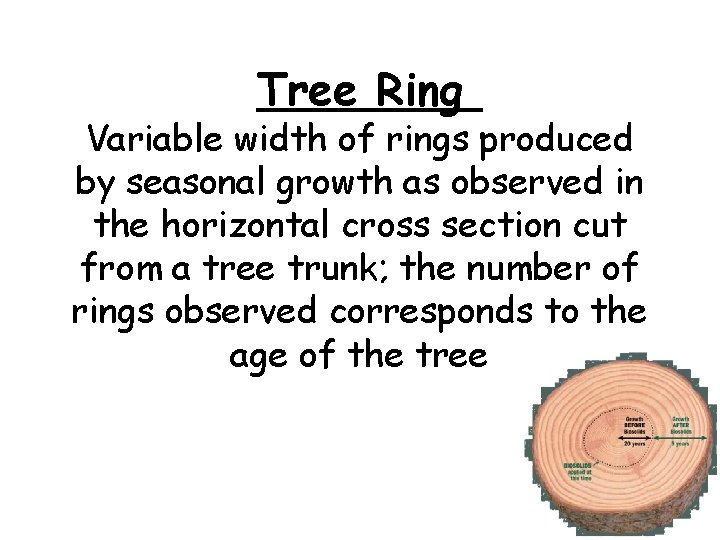
Tree Ring Variable width of rings produced by seasonal growth as observed in the horizontal cross section cut from a tree trunk; the number of rings observed corresponds to the age of the tree
Geology The study of Earth and its materials
Geologist A person who studies Earth
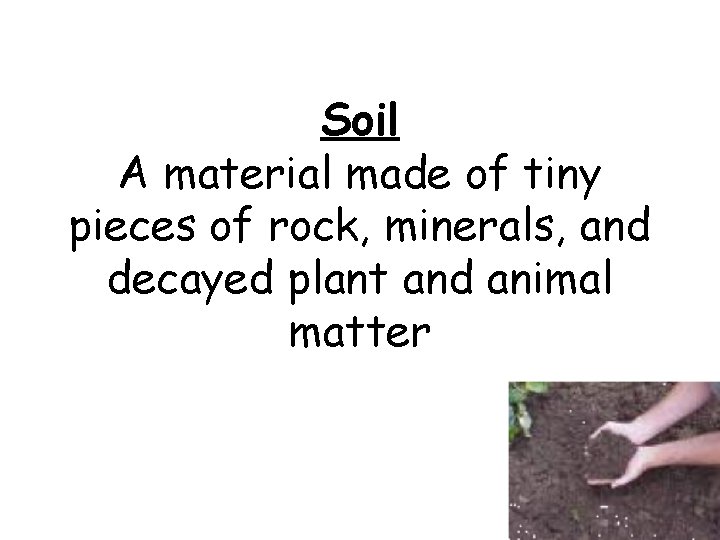
Soil A material made of tiny pieces of rock, minerals, and decayed plant and animal matter
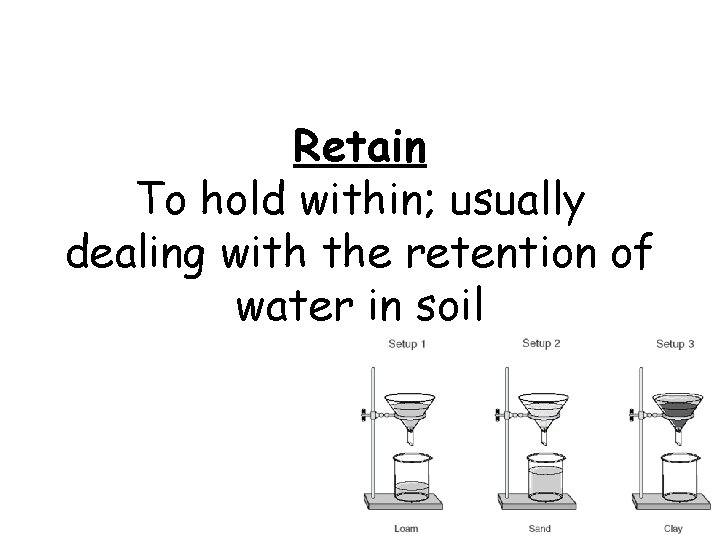
Retain To hold within; usually dealing with the retention of water in soil
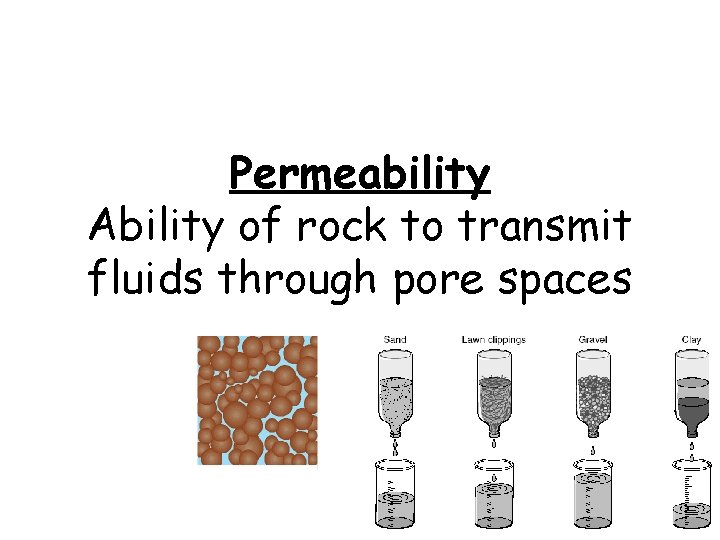
Permeability Ability of rock to transmit fluids through pore spaces
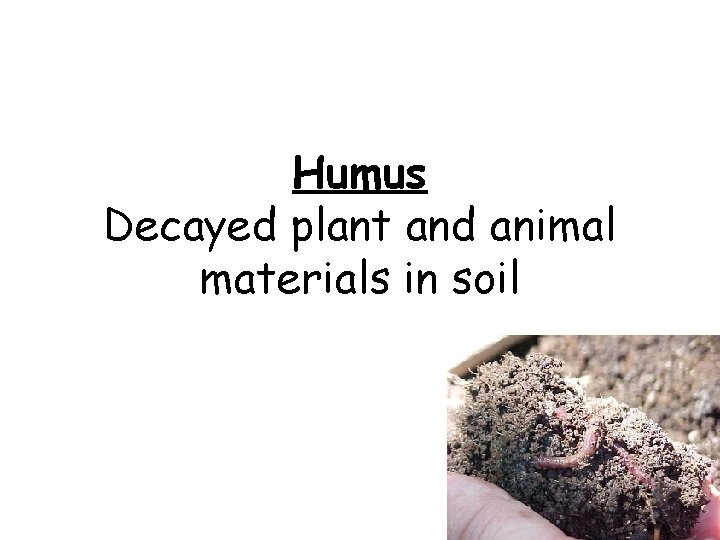
Humus Decayed plant and animal materials in soil
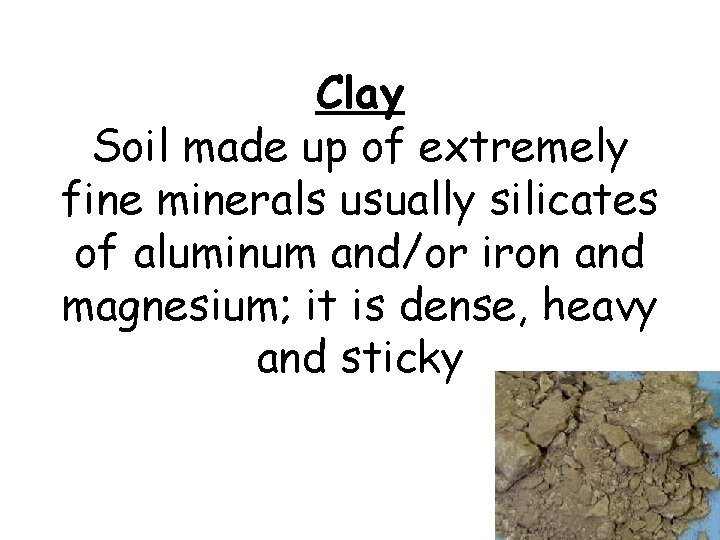
Clay Soil made up of extremely fine minerals usually silicates of aluminum and/or iron and magnesium; it is dense, heavy and sticky
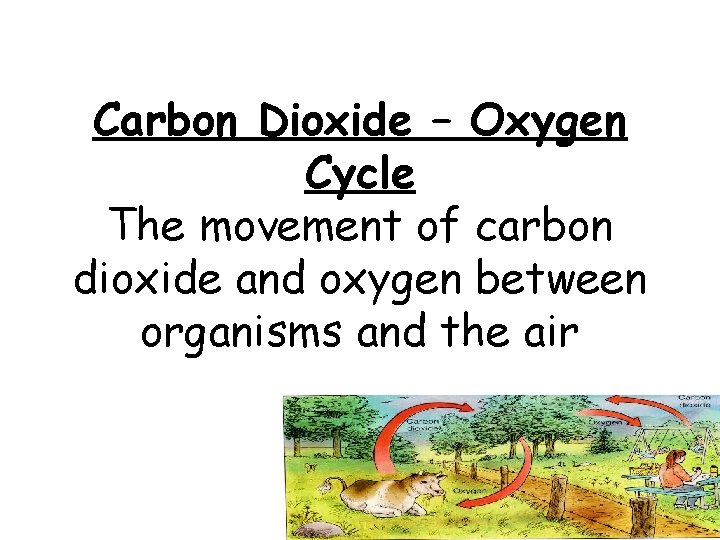
Carbon Dioxide – Oxygen Cycle The movement of carbon dioxide and oxygen between organisms and the air
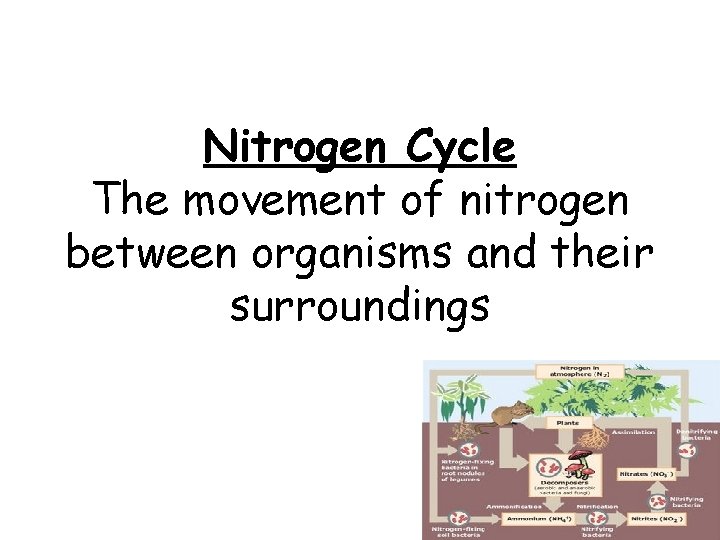
Nitrogen Cycle The movement of nitrogen between organisms and their surroundings
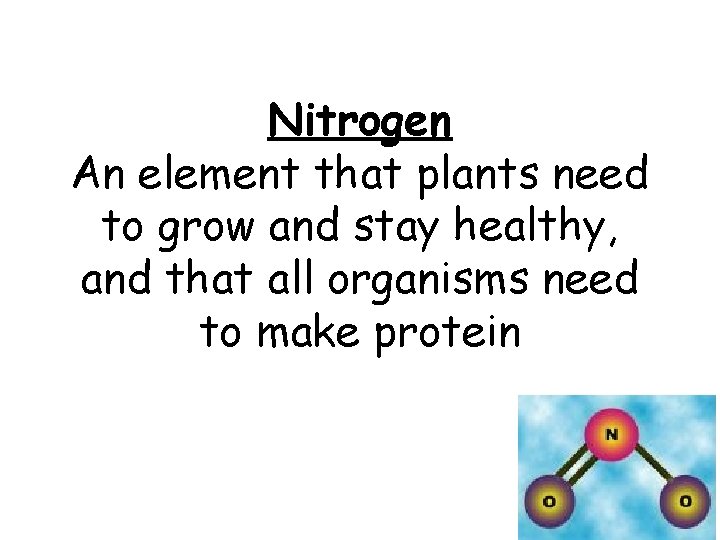
Nitrogen An element that plants need to grow and stay healthy, and that all organisms need to make protein
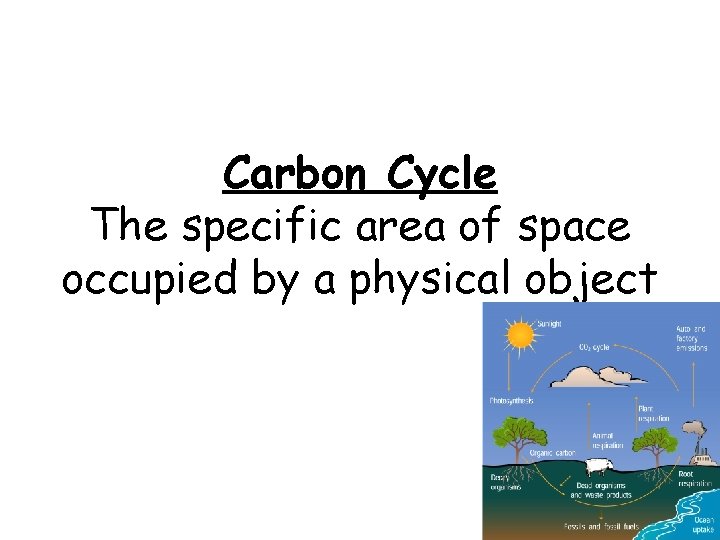
Carbon Cycle The specific area of space occupied by a physical object
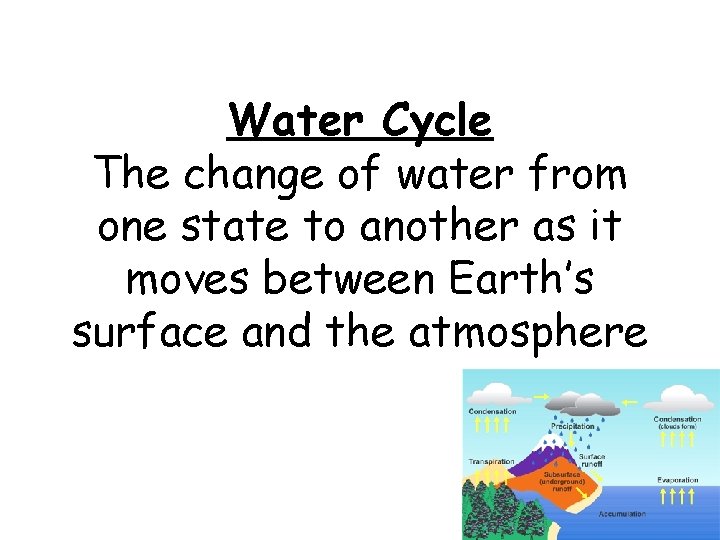
Water Cycle The change of water from one state to another as it moves between Earth’s surface and the atmosphere
Precipitation The falling of water back to the Earth in the form of a liquid
Condensation The process of changing from a liquid to a gas; formation of a cloud in the water cycle
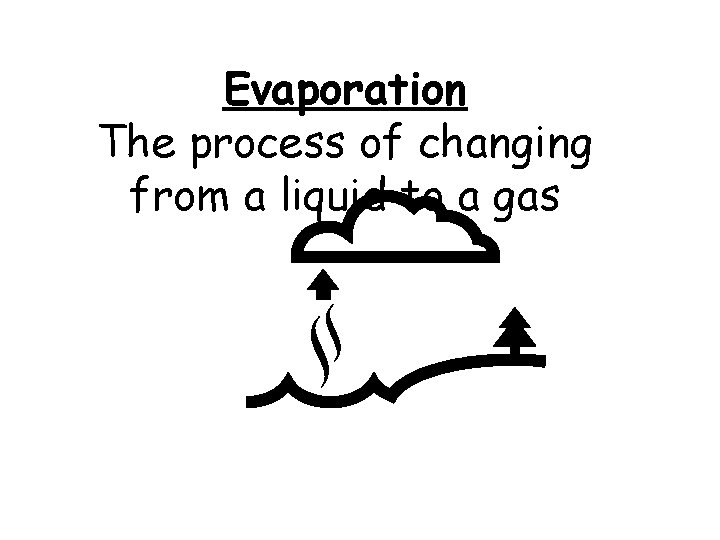
Evaporation The process of changing from a liquid to a gas
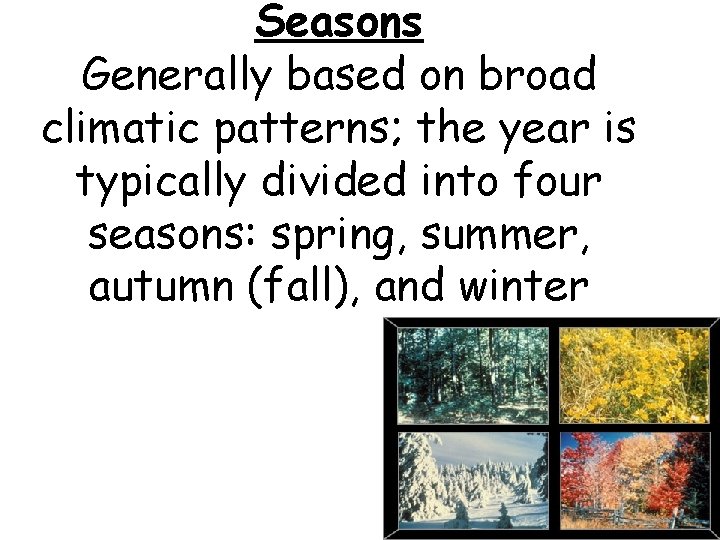
Seasons Generally based on broad climatic patterns; the year is typically divided into four seasons: spring, summer, autumn (fall), and winter
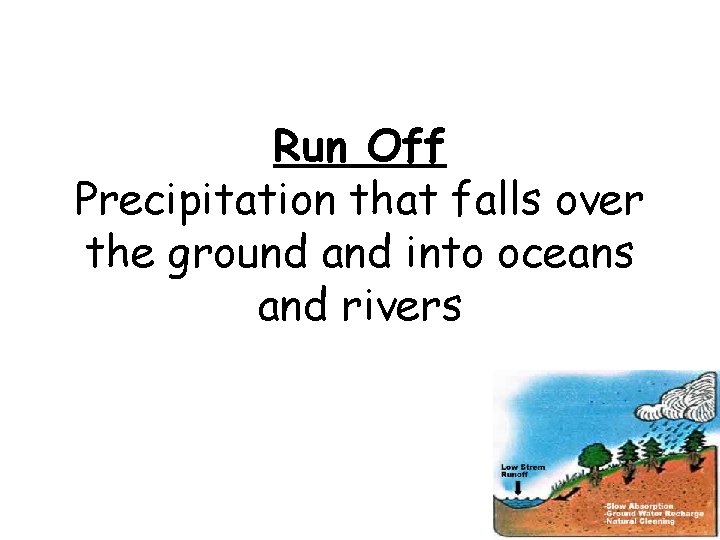
Run Off Precipitation that falls over the ground and into oceans and rivers
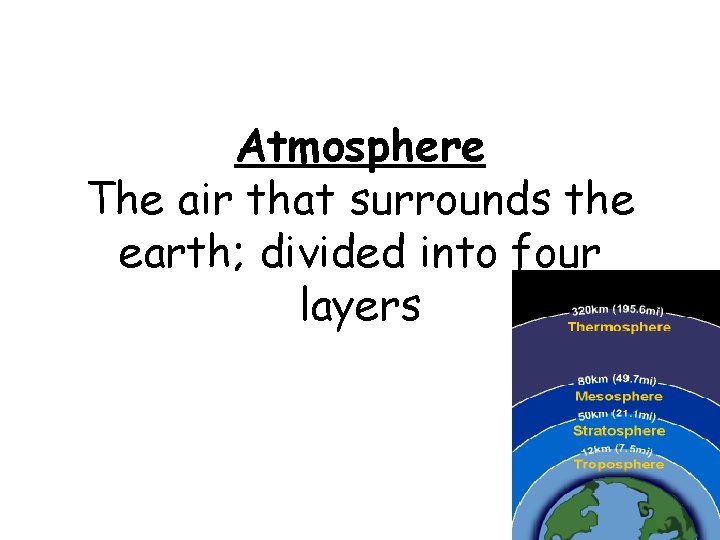
Atmosphere The air that surrounds the earth; divided into four layers
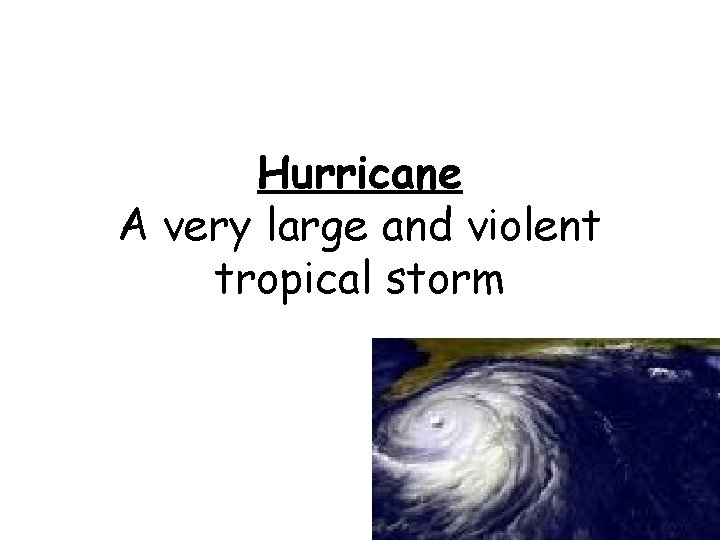
Hurricane A very large and violent tropical storm
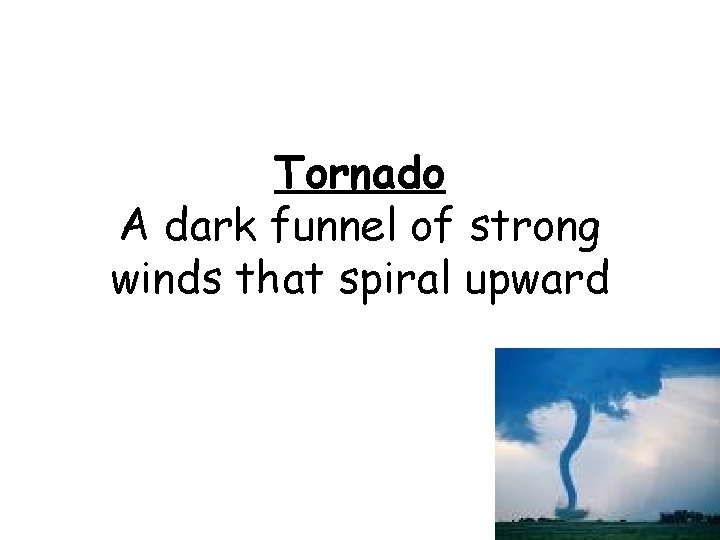
Tornado A dark funnel of strong winds that spiral upward
Switch Places
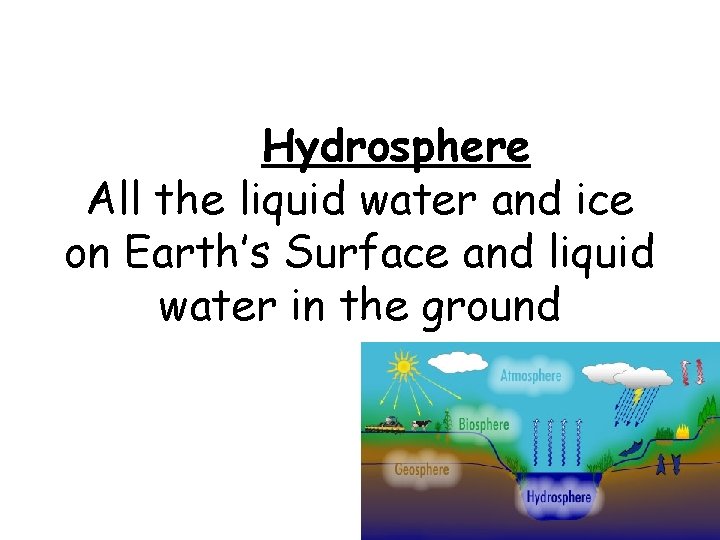
Hydrosphere All the liquid water and ice on Earth’s Surface and liquid water in the ground
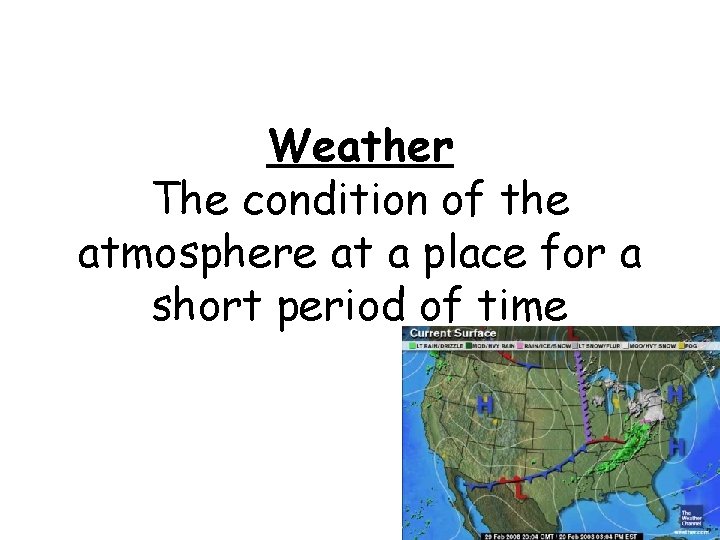
Weather The condition of the atmosphere at a place for a short period of time
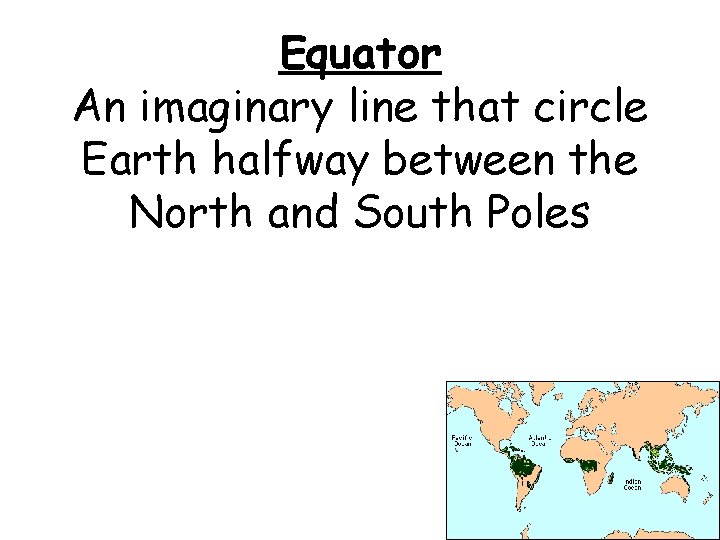
Equator An imaginary line that circle Earth halfway between the North and South Poles
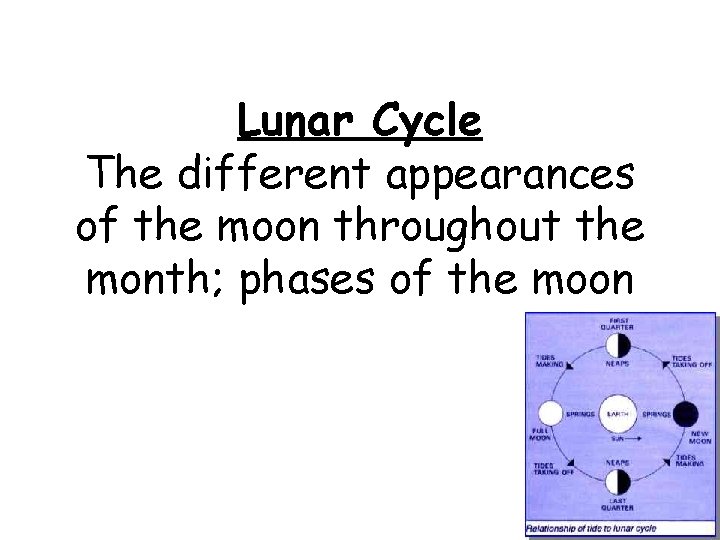
Lunar Cycle The different appearances of the moon throughout the month; phases of the moon
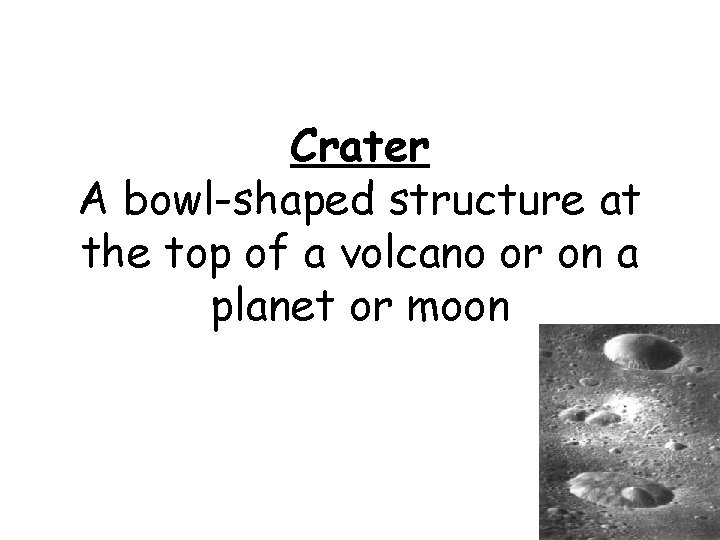
Crater A bowl-shaped structure at the top of a volcano or on a planet or moon
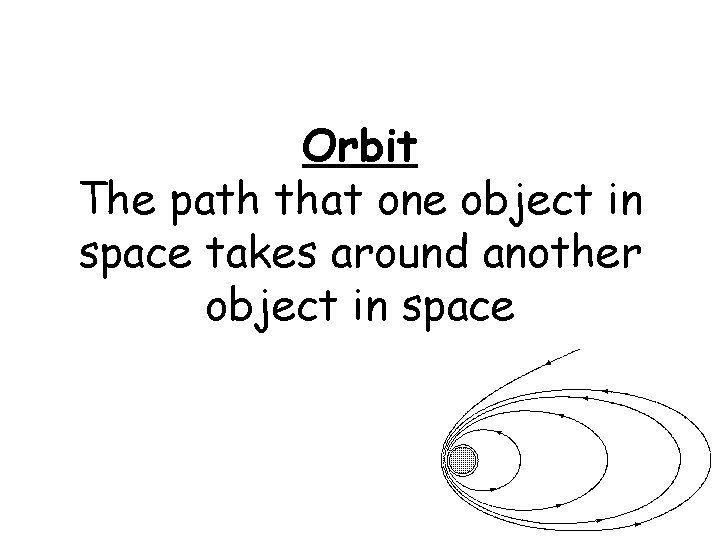
Orbit The path that one object in space takes around another object in space
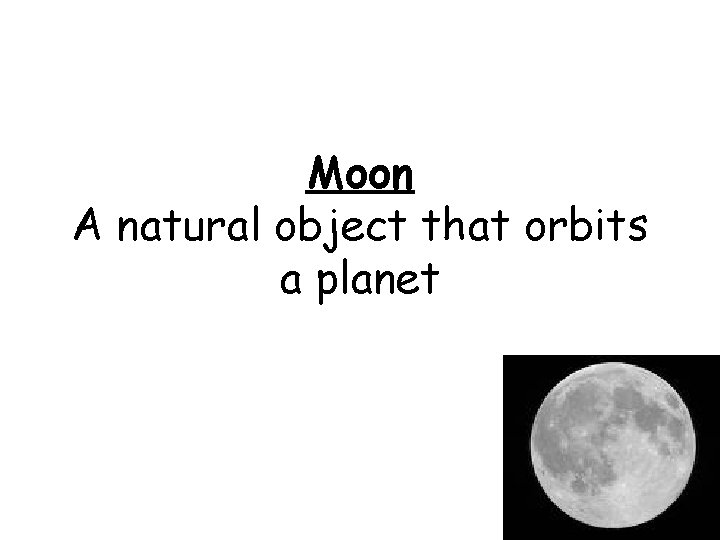
Moon A natural object that orbits a planet
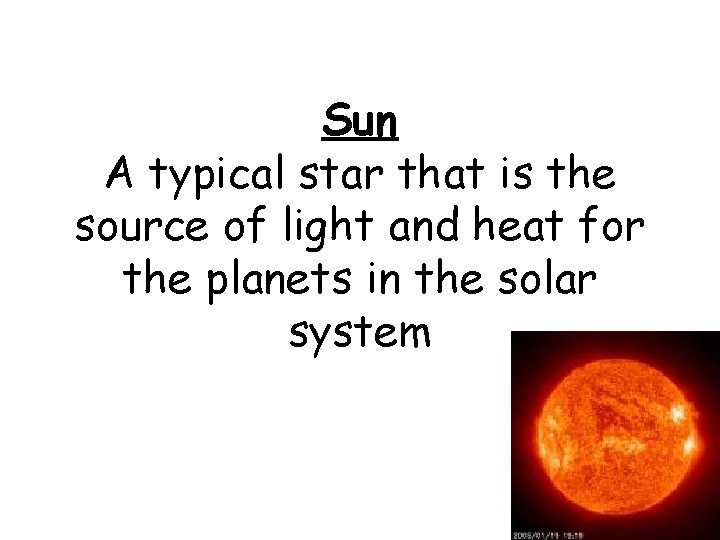
Sun A typical star that is the source of light and heat for the planets in the solar system
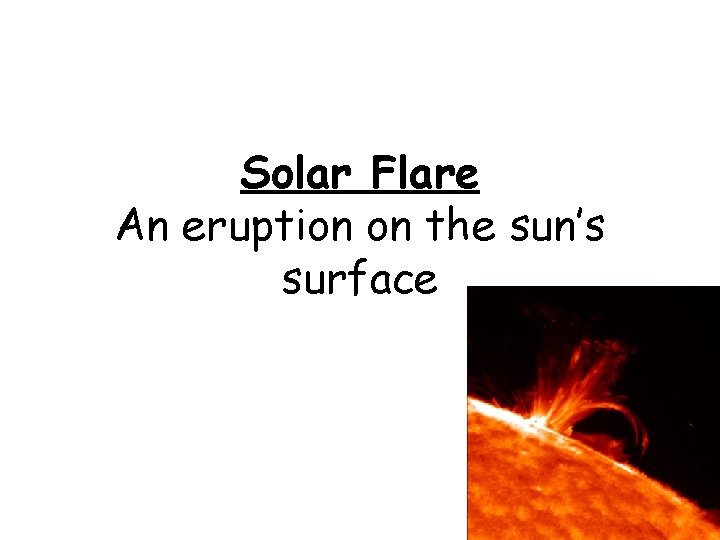
Solar Flare An eruption on the sun’s surface
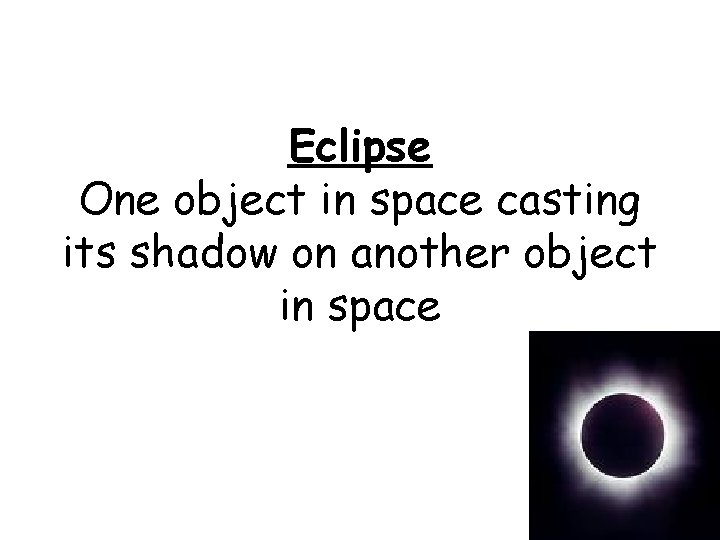
Eclipse One object in space casting its shadow on another object in space
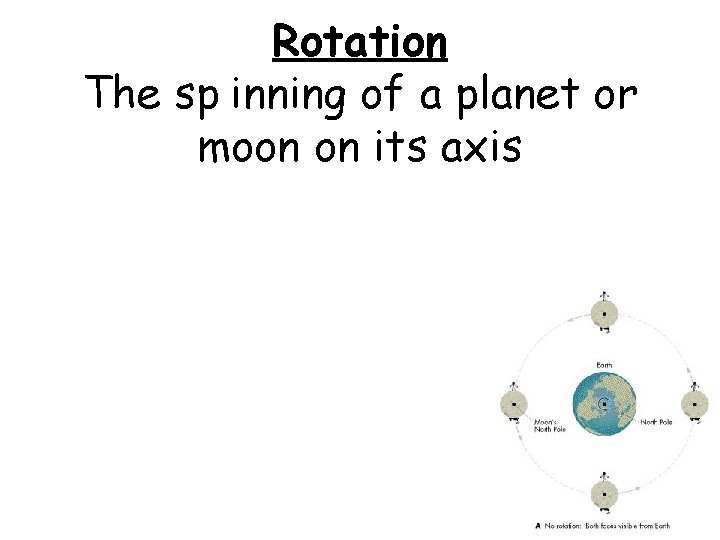
Rotation The sp inning of a planet or moon on its axis
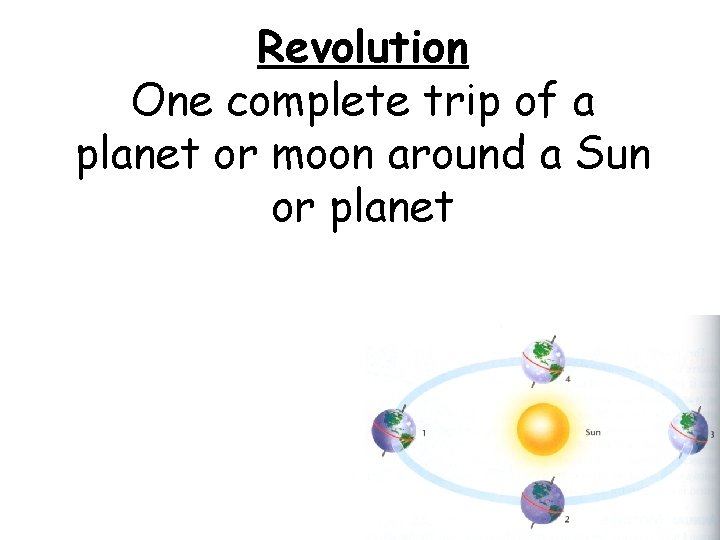
Revolution One complete trip of a planet or moon around a Sun or planet
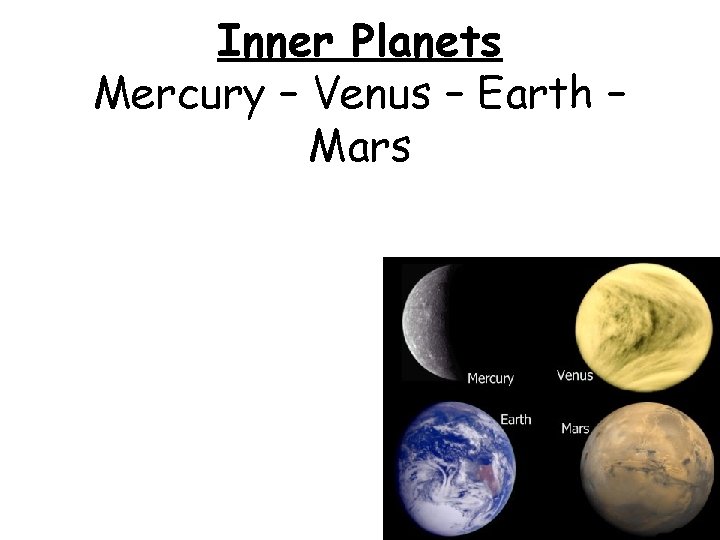
Inner Planets Mercury – Venus – Earth – Mars
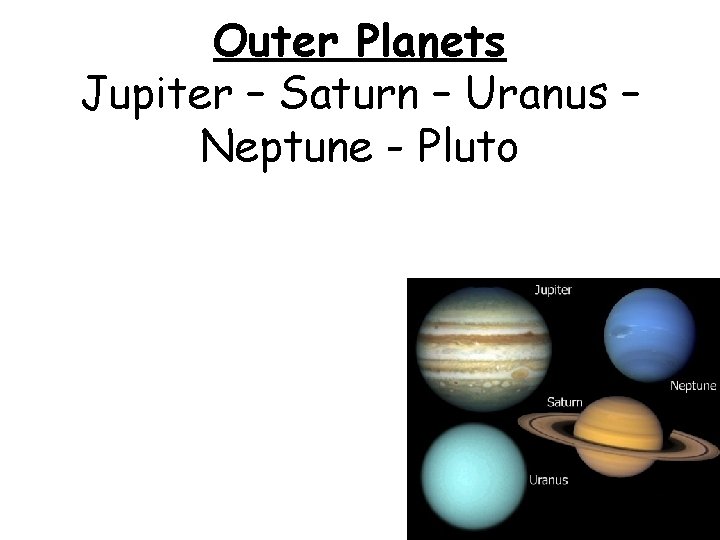
Outer Planets Jupiter – Saturn – Uranus – Neptune - Pluto
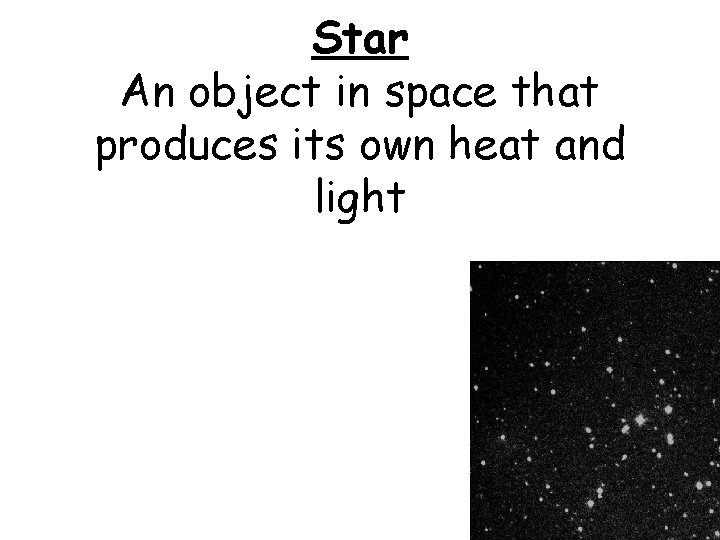
Star An object in space that produces its own heat and light
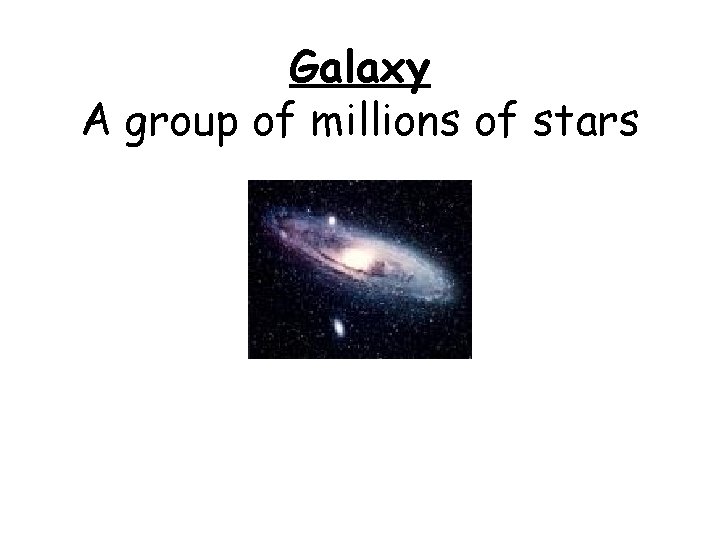
Galaxy A group of millions of stars
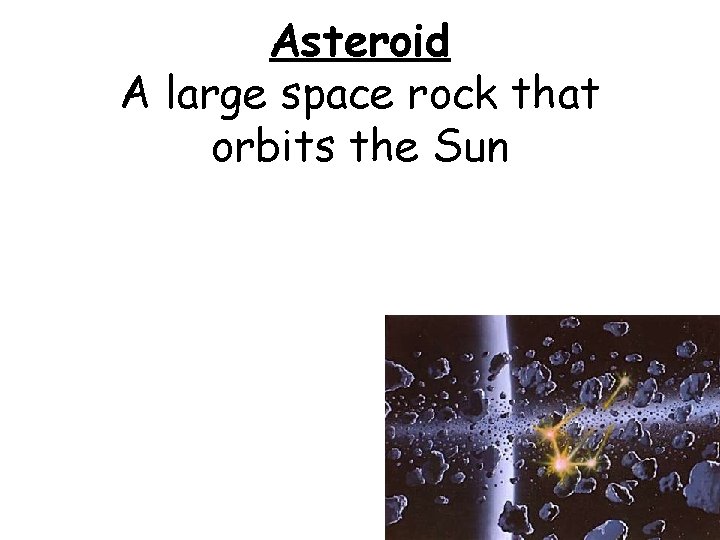
Asteroid A large space rock that orbits the Sun
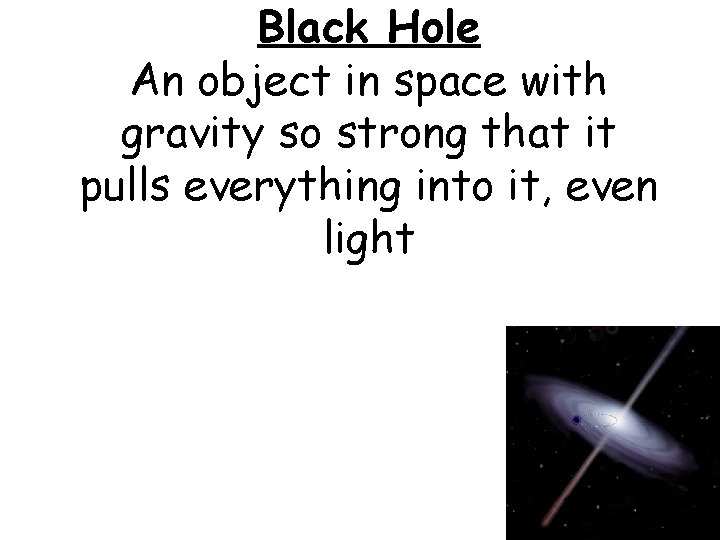
Black Hole An object in space with gravity so strong that it pulls everything into it, even light
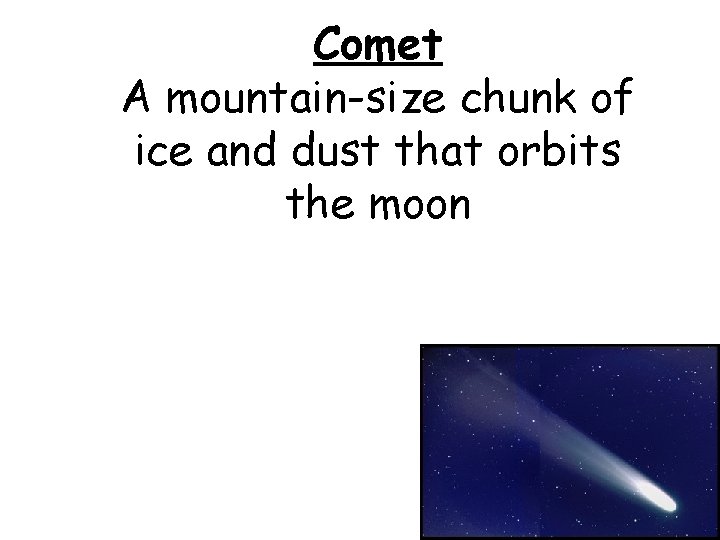
Comet A mountain-size chunk of ice and dust that orbits the moon
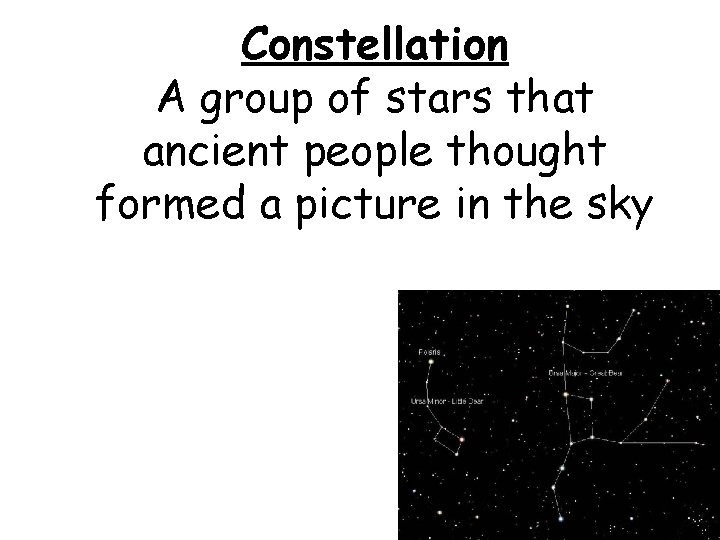
Constellation A group of stars that ancient people thought formed a picture in the sky
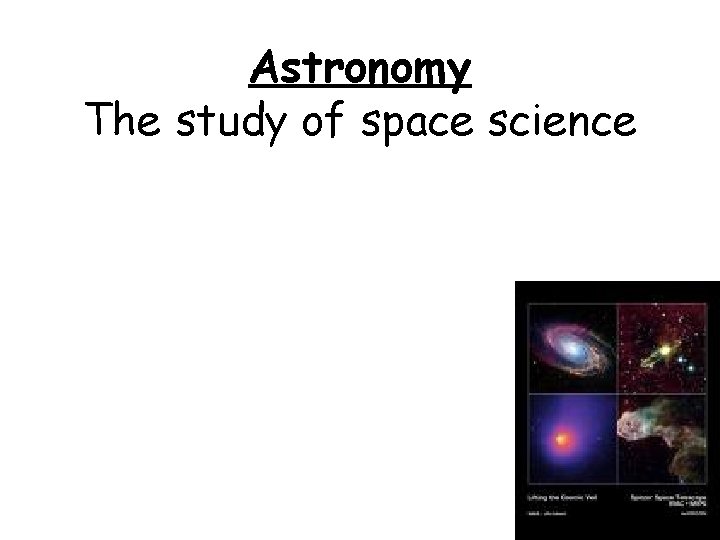
Astronomy The study of space science