
Early Treatment of Scoliosis in Spinal Muscular Atrophy

- Slides: 26
Early Treatment of Scoliosis in Spinal Muscular Atrophy David Spiegel, M. D. Jim Walker, C. O. Children’s Hospital of Philadelphia Presented at the June 2005 FSMA Conference
Outline • Terminology – Scoliosis, Kyphosis, Lordosis, pelvic obliquity • Alternatives for treatment of scoliosis in younger patients – “positional curve control” • Wheelchair modifications • Bracing – Surgery?
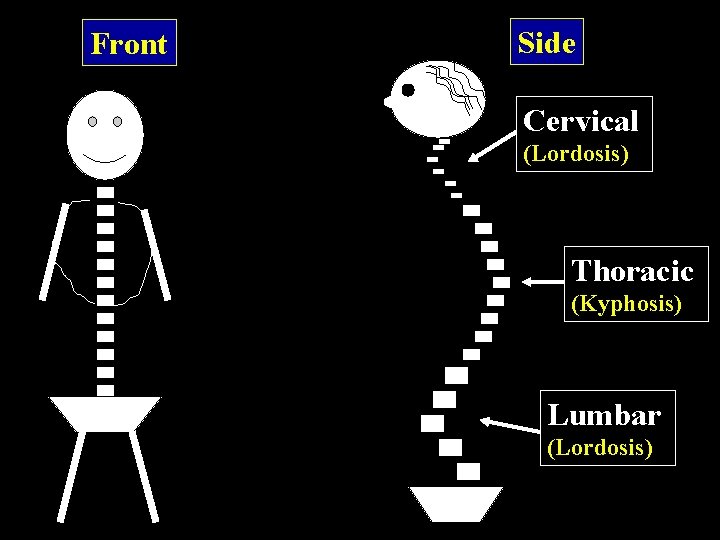
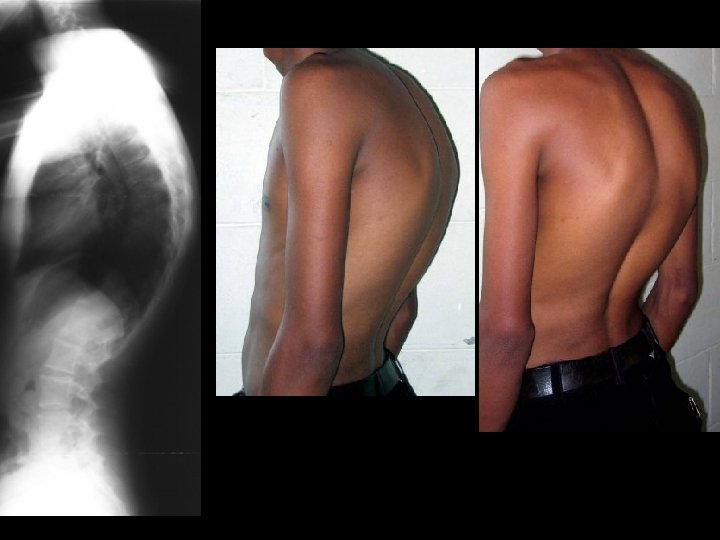
Front Side Cervical (Lordosis) Thoracic (Kyphosis) Lumbar (Lordosis)
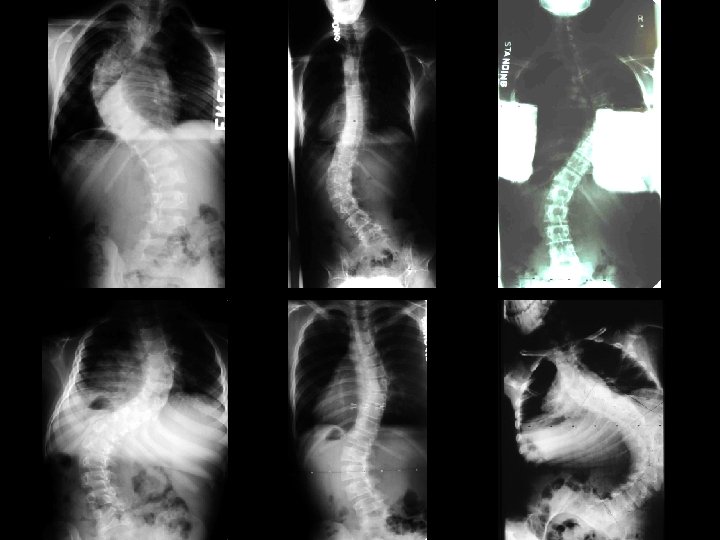
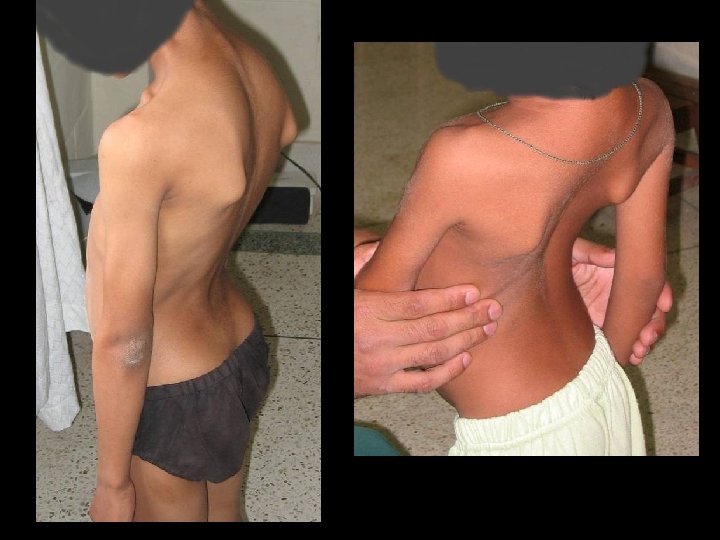
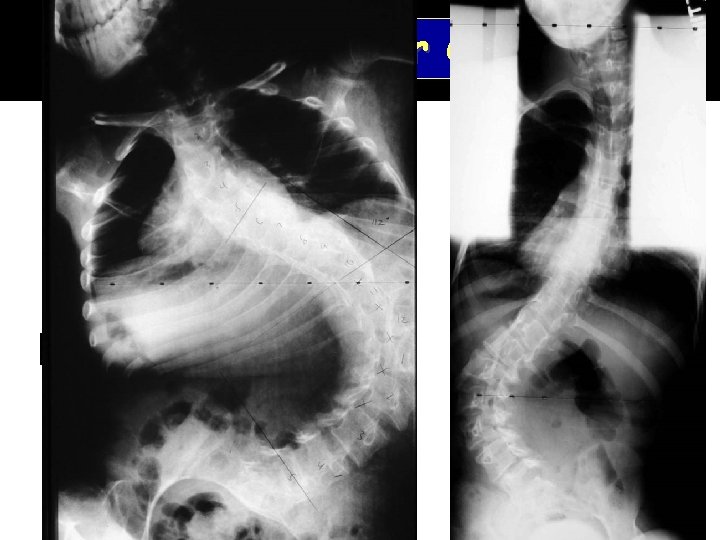
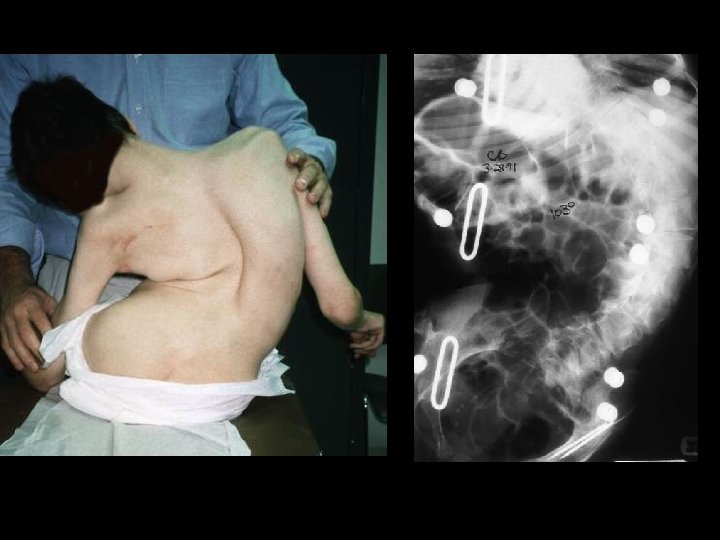
Neuromuscular Curves
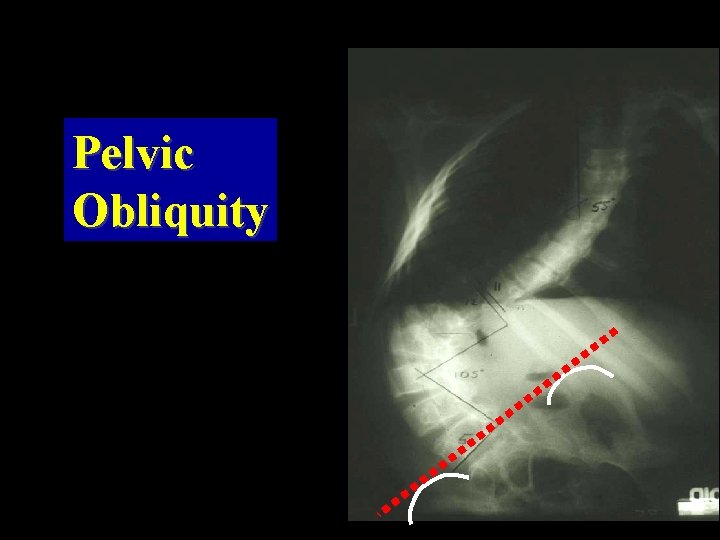
Pelvic Obliquity
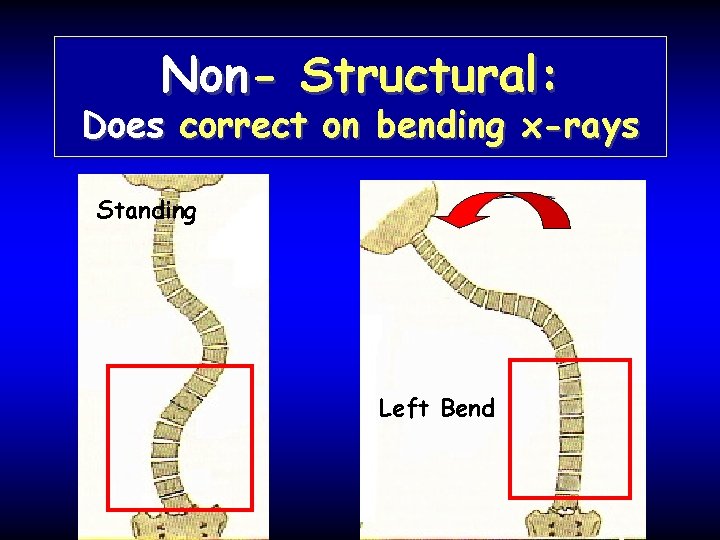
Non- Structural: Does correct on bending x-rays Standing Left Bend
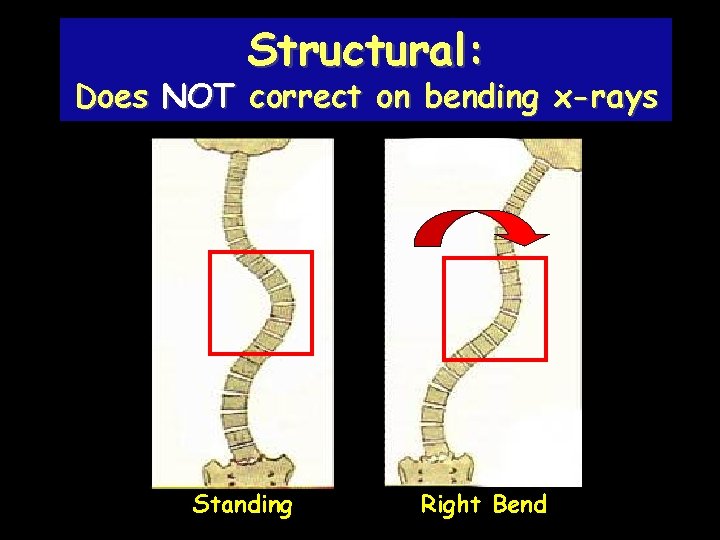
Structural: Does NOT correct on bending x-rays Standing Right Bend
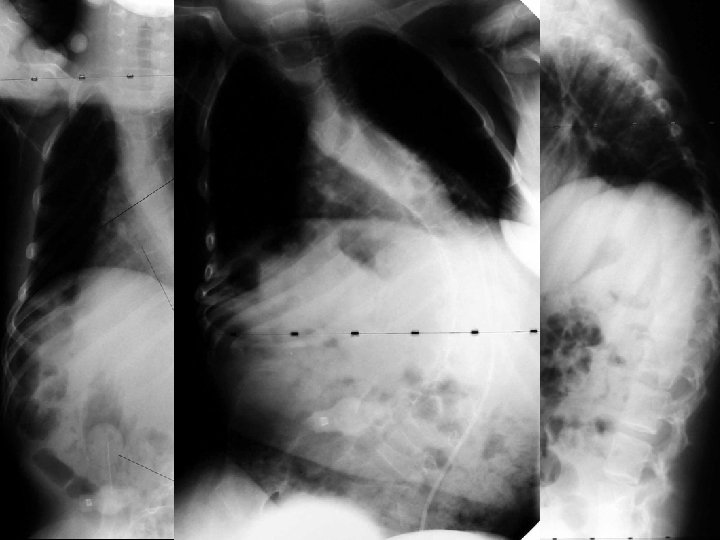
Effects of Scoliosis • Pulmonary – Change in shape of chest cavity • Functional – Loss of sitting balance – Loss of upper extremity use
Scoliosis in Spinal Muscular Atrophy • • • Often diagnosed at 4 -6 years Most progress with time Overall goals of treatment – Straight spine over a level pelvis – Maximize comfort, positioning, and ease of care
Scoliosis in Spinal Muscular Atrophy • Short term goals – Slow progression, delay definitive treatment • Maximize lung growth, trunk height – Monitor curve magnitude and flexibility
Early Treatment • “Positional curve control” – Does not arrest curve progression – May delay curve progression • Surgery? – Spinal fusion – ‘’Growing rods” – VEPTR
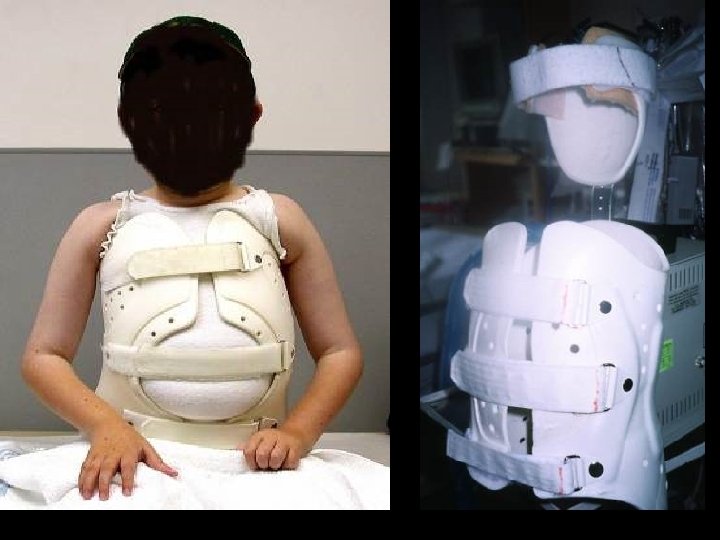
“Positional Curve Control” • Wheelchair modifications • Bracing (soft spinal orthosis) • Goals – Improve function • Sitting balance, upper extremity use – Delay definitive treatment • Allow for trunk growth • Allow for lung growth
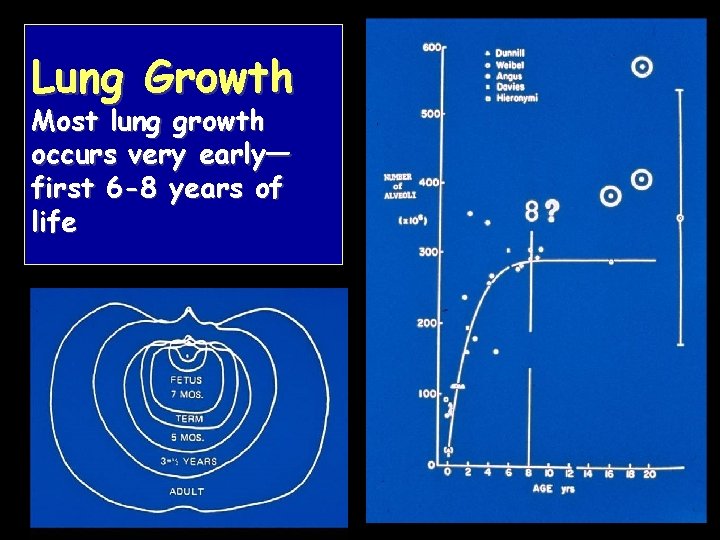
Lung Growth Most lung growth occurs very early— first 6 -8 years of life
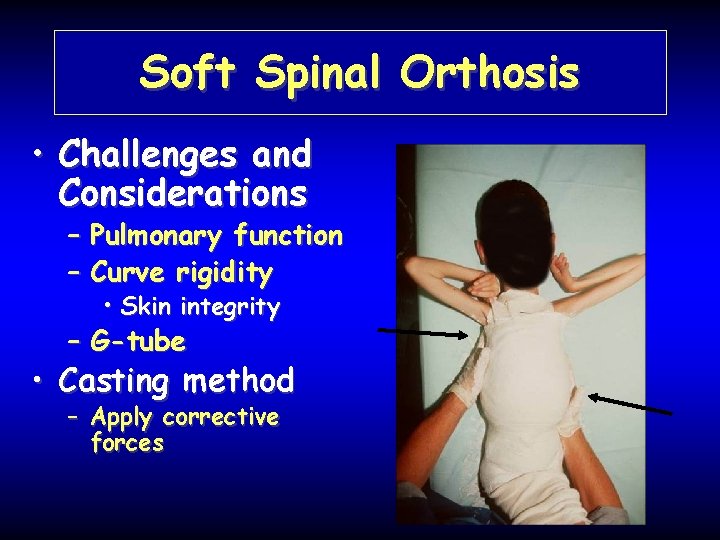
Soft Spinal Orthosis • Challenges and Considerations – Pulmonary function – Curve rigidity • Skin integrity – G-tube • Casting method – Apply corrective forces
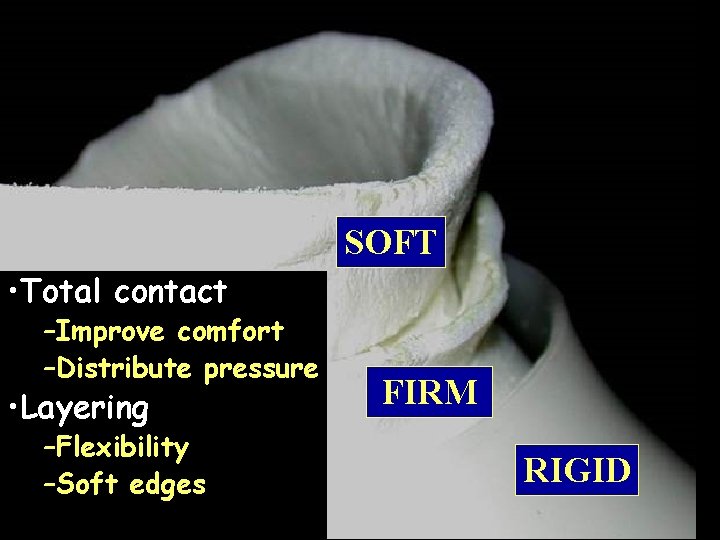
SOFT • Total contact –Improve comfort –Distribute pressure • Layering –Flexibility –Soft edges FIRM RIGID
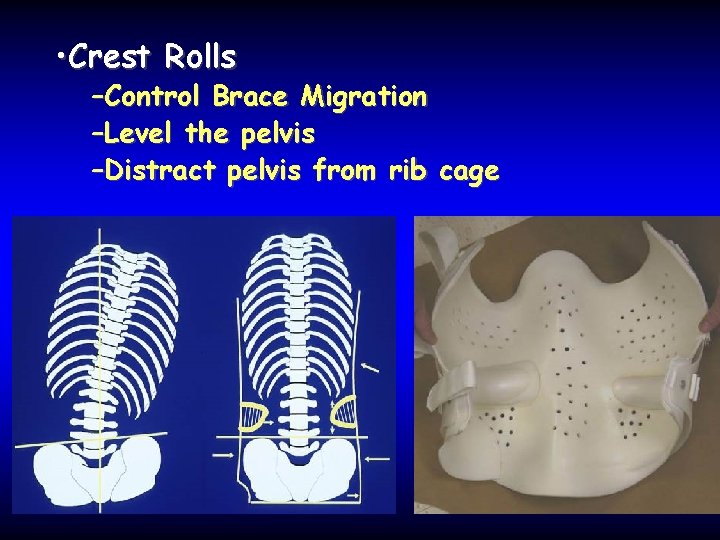
• Crest Rolls –Control Brace Migration –Level the pelvis –Distract pelvis from rib cage
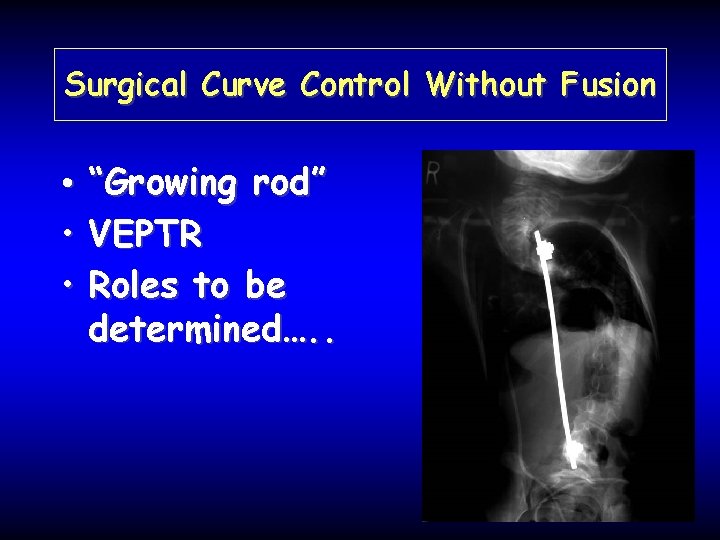
Surgical Curve Control Without Fusion • “Growing rod” • VEPTR • Roles to be determined…. .
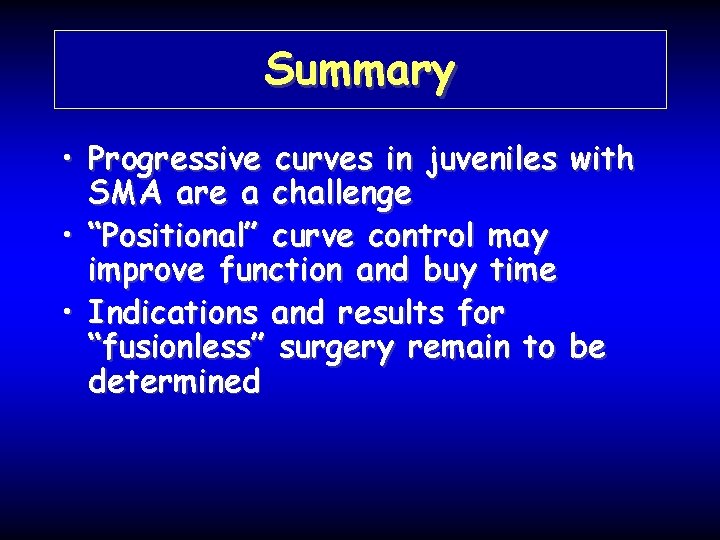
Summary • Progressive curves in juveniles with SMA are a challenge • “Positional” curve control may improve function and buy time • Indications and results for “fusionless” surgery remain to be determined