
Early detection and optimized management Four levels of




- Slides: 38
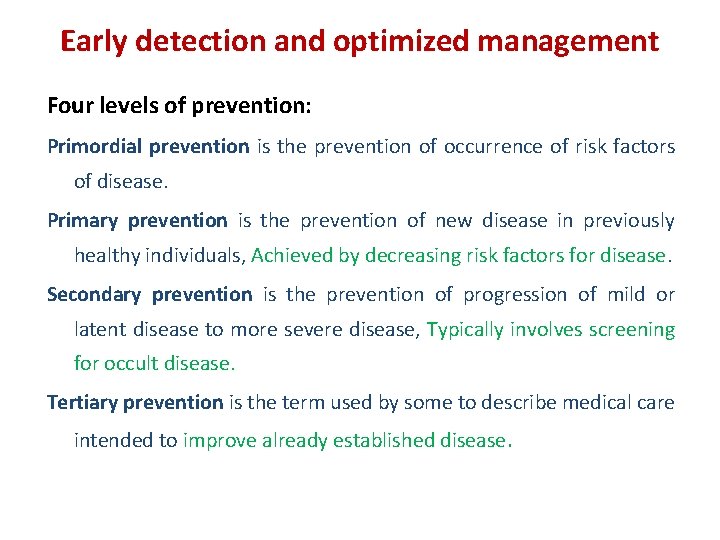
Early detection and optimized management Four levels of prevention: Primordial prevention is the prevention of occurrence of risk factors of disease. Primary prevention is the prevention of new disease in previously healthy individuals, Achieved by decreasing risk factors for disease. Secondary prevention is the prevention of progression of mild or latent disease to more severe disease, Typically involves screening for occult disease. Tertiary prevention is the term used by some to describe medical care intended to improve already established disease.
Outline • Primordial prevention Iodine nutrition, Autoimmunity, Disruptors • Primary prevention Iodine deficiency, Tobacco smoking, Thyroid autoimmunity (TAI) • Secondary prevention Subclinical hypothyroidism, TAI, Pregnancy, Orbitopathy • Tertiary prevention Hypothyroidism, Hyperthyroidism, Iatrogenic, Neonatal disease
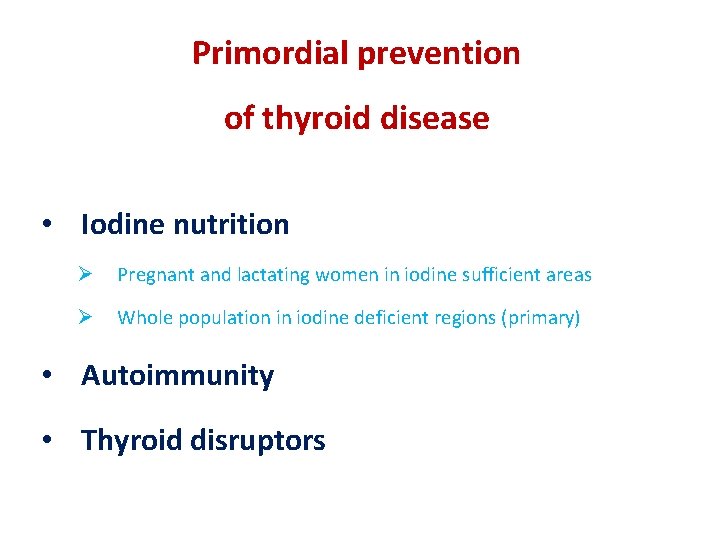
Primordial prevention of thyroid disease • Iodine nutrition Ø Pregnant and lactating women in iodine sufficient areas Ø Whole population in iodine deficient regions (primary) • Autoimmunity • Thyroid disruptors
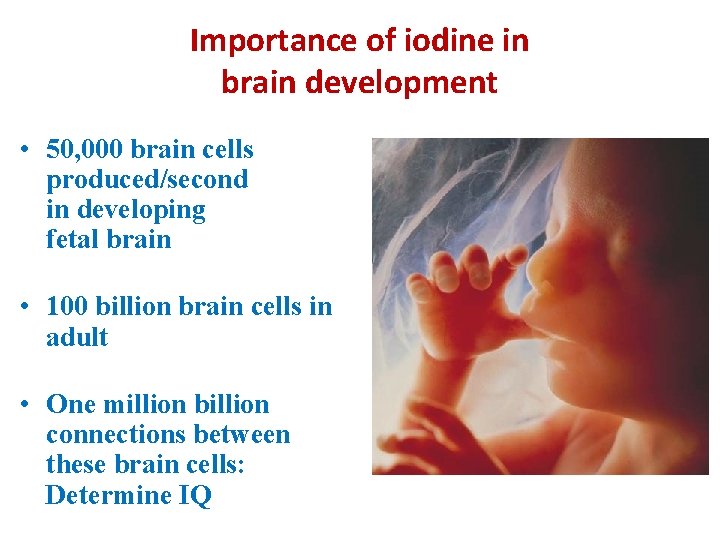
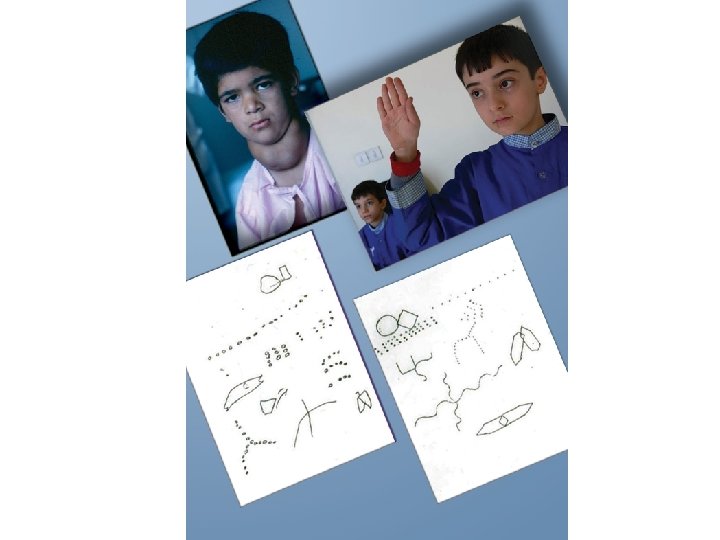
Importance of iodine in brain development • 50, 000 brain cells produced/second in developing fetal brain • 100 billion brain cells in adult • One million billion connections between these brain cells: Determine IQ
Importance of iodine in brain development 90 % of human brain development occurs between 3 rd month of pregnancy & 3 rd year of life (Critical period)
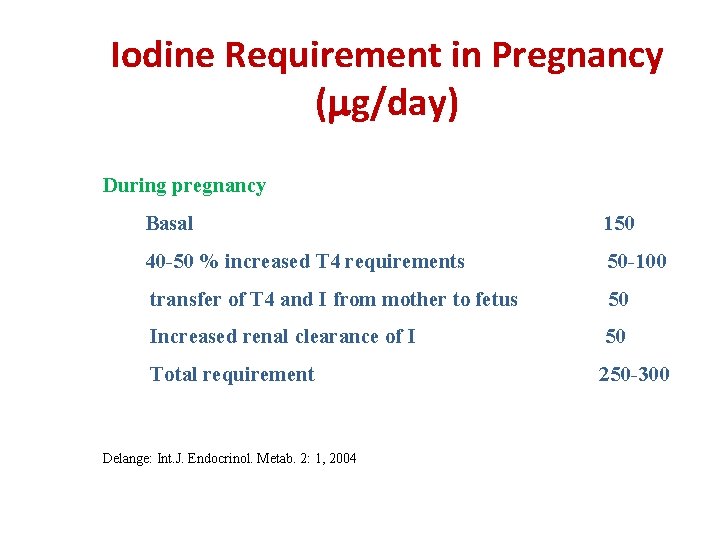
Iodine Requirement in Pregnancy ( g/day) During pregnancy Basal 150 40 -50 % increased T 4 requirements 50 -100 transfer of T 4 and I from mother to fetus 50 Increased renal clearance of I 50 Total requirement 250 -300 Delange: Int. J. Endocrinol. Metab. 2: 1, 2004
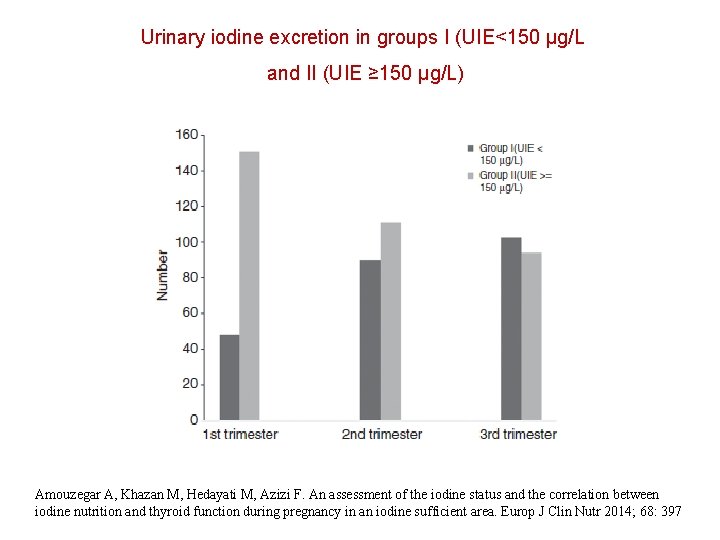
Urinary iodine excretion in groups I (UIE<150 μg/L and II (UIE ≥ 150 μg/L) Amouzegar A, Khazan M, Hedayati M, Azizi F. An assessment of the iodine status and the correlation between iodine nutrition and thyroid function during pregnancy in an iodine sufficient area. Europ J Clin Nutr 2014; 68: 397
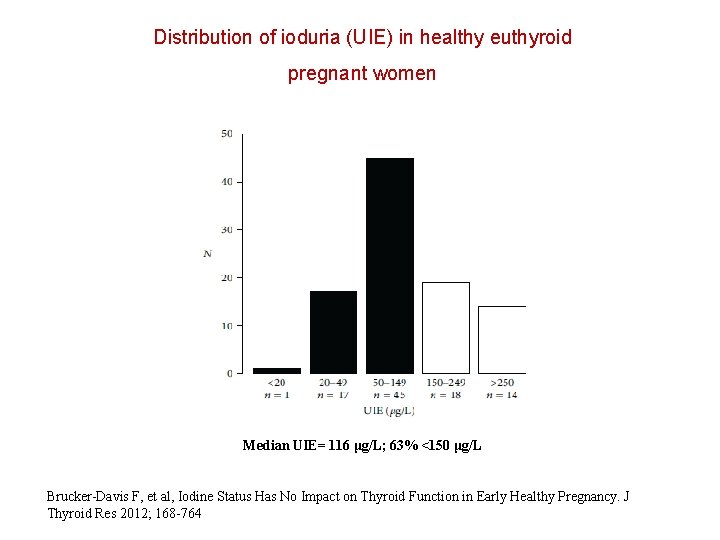
Distribution of ioduria (UIE) in healthy euthyroid pregnant women Median UIE= 116 μg/L; 63% <150 μg/L Brucker-Davis F, et al, Iodine Status Has No Impact on Thyroid Function in Early Healthy Pregnancy. J Thyroid Res 2012; 168 -764
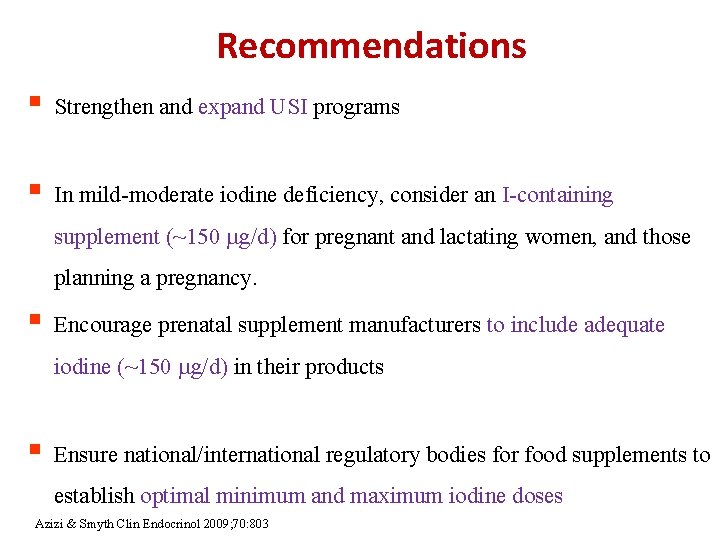
Recommendations § Strengthen and expand USI programs § In mild-moderate iodine deficiency, consider an I-containing supplement (~150 g/d) for pregnant and lactating women, and those planning a pregnancy. § Encourage prenatal supplement manufacturers to include adequate iodine (~150 g/d) in their products § Ensure national/international regulatory bodies for food supplements to establish optimal minimum and maximum iodine doses Azizi & Smyth Clin Endocrinol 2009; 70: 803
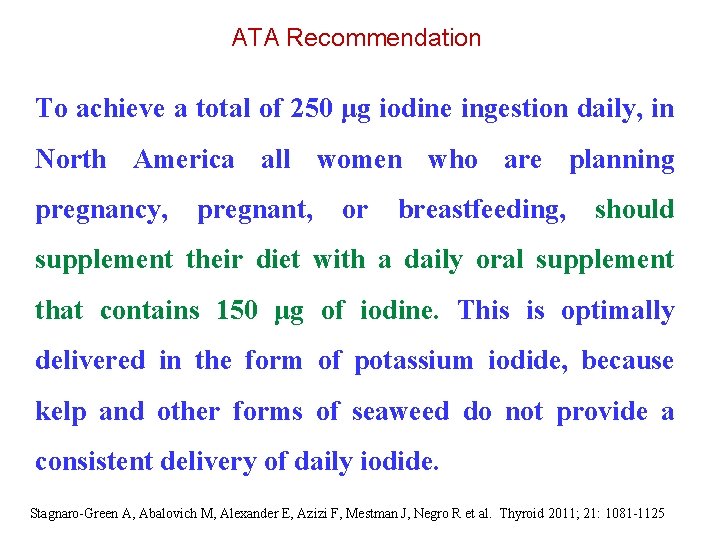
ATA Recommendation To achieve a total of 250 μg iodine ingestion daily, in North America all women who are planning pregnancy, pregnant, or breastfeeding, should supplement their diet with a daily oral supplement that contains 150 μg of iodine. This is optimally delivered in the form of potassium iodide, because kelp and other forms of seaweed do not provide a consistent delivery of daily iodide. Stagnaro-Green A, Abalovich M, Alexander E, Azizi F, Mestman J, Negro R et al. Thyroid 2011; 21: 1081 -1125
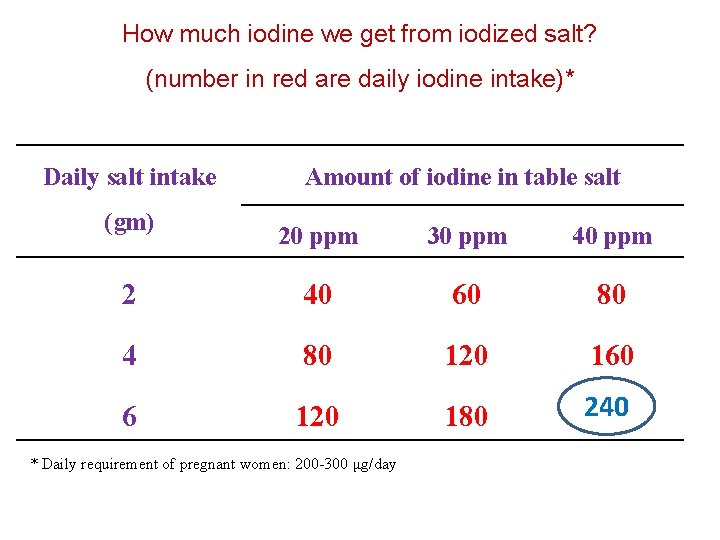
How much iodine we get from iodized salt? (number in red are daily iodine intake)* Daily salt intake (gm) Amount of iodine in table salt 20 ppm 30 ppm 40 ppm 2 40 60 80 4 80 120 160 6 120 180 240 * Daily requirement of pregnant women: 200 -300 μg/day
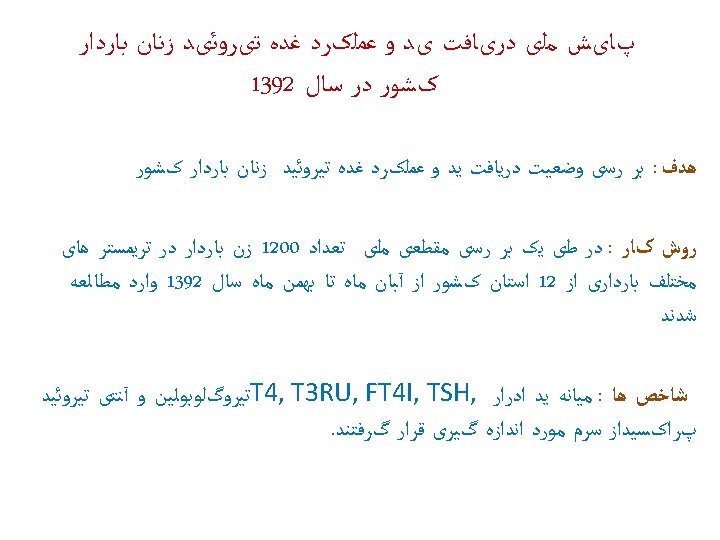
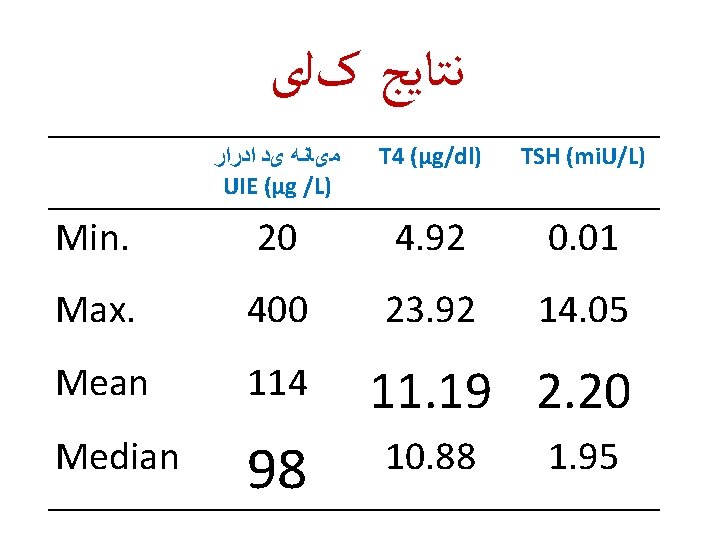
ﻧﺘﺎﻳﺞ کﻠی Min. Max. ﻣیﺎﻧﻪ یﺪ ﺍﺩﺭﺍﺭ UIE (µg /L) T 4 (µg/dl) TSH (mi. U/L) 20 4. 92 0. 01 400 Results 23. 92: Preliminary 14. 05 Mean 114 Median 98 11. 19 2. 20 10. 88 1. 95
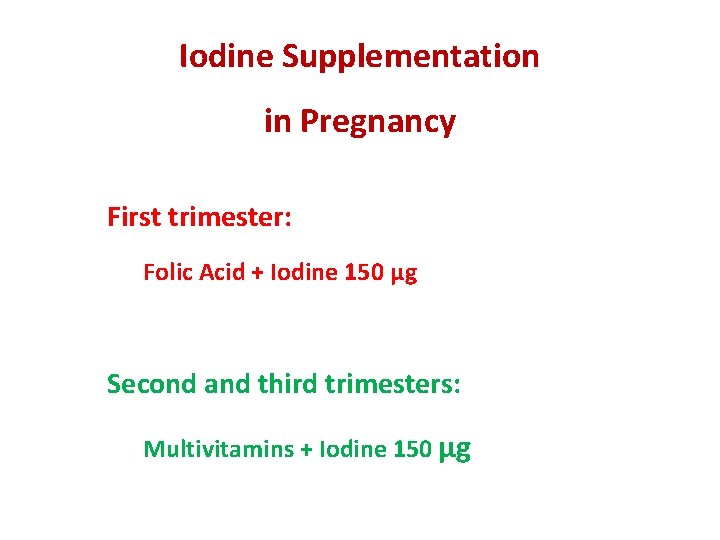
Iodine Supplementation in Pregnancy First trimester: Folic Acid + Iodine 150 μg Second and third trimesters: Multivitamins + Iodine 150 μg
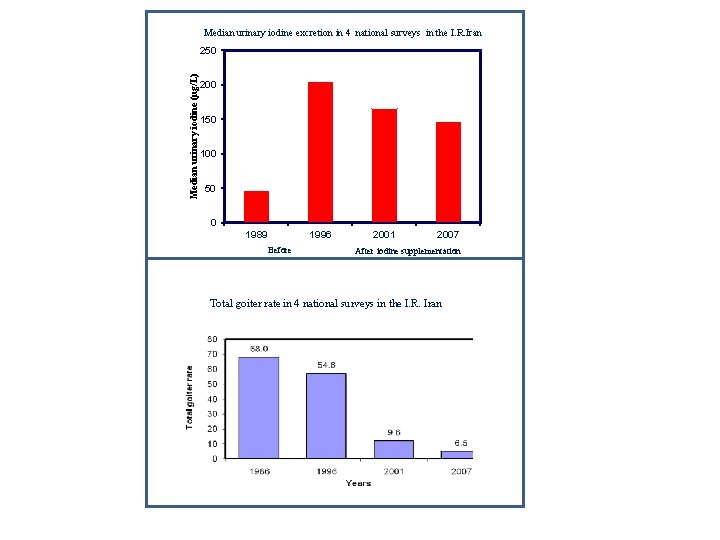
Median urinary iodine excretion in 4 national surveys in the I. R. Iran Median urinary iodine (µg/L) 250 200 150 100 50 0 1989 1996 Before 2001 2007 After iodine supplementation Total goiter rate in 4 national surveys in the I. R. Iran Azizi F. Thyroid International 2009; 4: 1
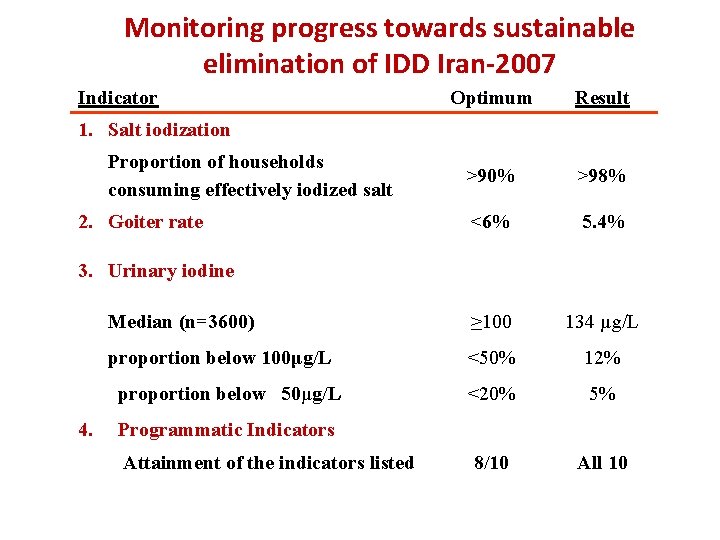
Monitoring progress towards sustainable elimination of IDD Iran-2007 Indicator Optimum Result >90% >98% <6% 5. 4% Median (n=3600) ≥ 100 134 µg/L proportion below 100μg/L <50% 12% <20% 5% 8/10 All 10 1. Salt iodization Proportion of households consuming effectively iodized salt 2. Goiter rate 3. Urinary iodine proportion below 50μg/L 4. Programmatic Indicators Attainment of the indicators listed
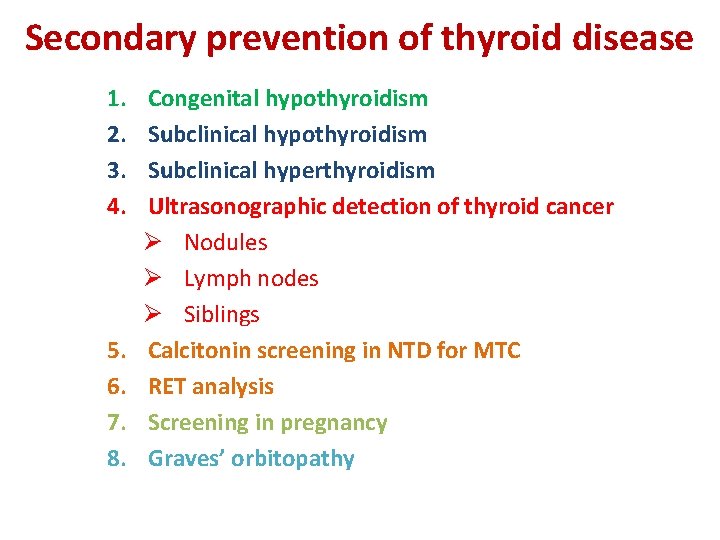
Secondary prevention of thyroid disease 1. 2. 3. 4. 5. 6. 7. 8. Congenital hypothyroidism Subclinical hyperthyroidism Ultrasonographic detection of thyroid cancer Ø Nodules Ø Lymph nodes Ø Siblings Calcitonin screening in NTD for MTC RET analysis Screening in pregnancy Graves’ orbitopathy
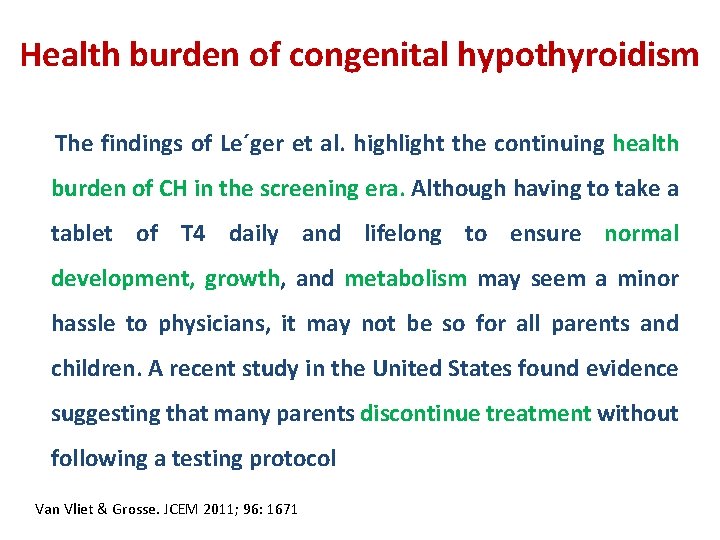
Health burden of congenital hypothyroidism The findings of Le´ger et al. highlight the continuing health burden of CH in the screening era. Although having to take a tablet of T 4 daily and lifelong to ensure normal development, growth, and metabolism may seem a minor hassle to physicians, it may not be so for all parents and children. A recent study in the United States found evidence suggesting that many parents discontinue treatment without following a testing protocol Van Vliet & Grosse. JCEM 2011; 96: 1671
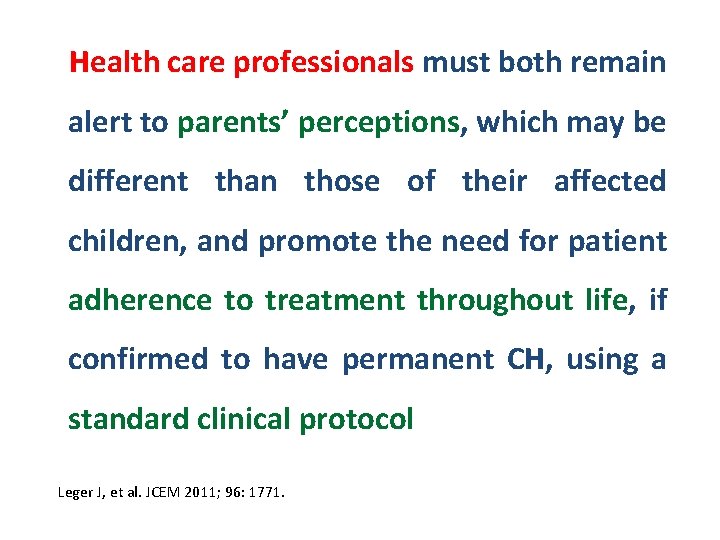
Health care professionals must both remain alert to parents’ perceptions, which may be different than those of their affected children, and promote the need for patient adherence to treatment throughout life, if confirmed to have permanent CH, using a standard clinical protocol Leger J, et al. JCEM 2011; 96: 1771.
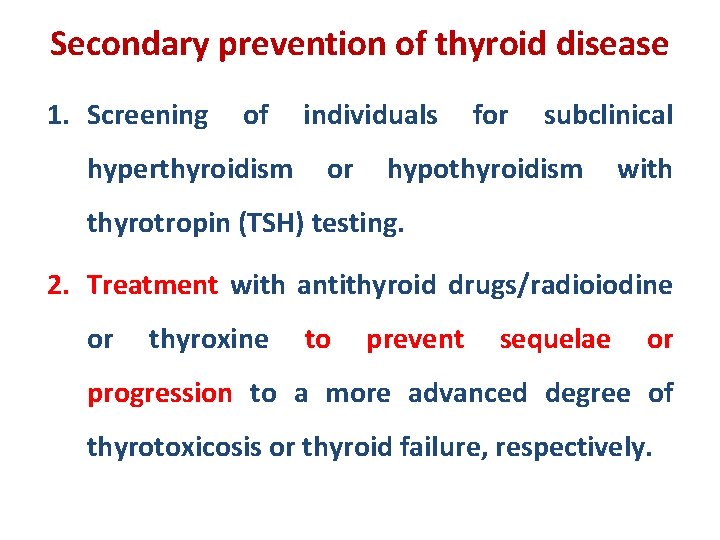
Secondary prevention of thyroid disease 1. Screening of hyperthyroidism individuals or for subclinical hypothyroidism with thyrotropin (TSH) testing. 2. Treatment with antithyroid drugs/radioiodine or thyroxine to prevent sequelae or progression to a more advanced degree of thyrotoxicosis or thyroid failure, respectively.
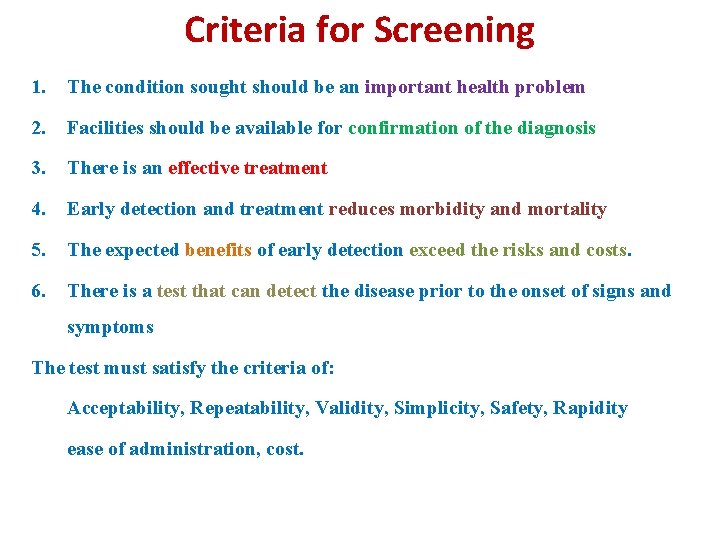
Criteria for Screening 1. The condition sought should be an important health problem 2. Facilities should be available for confirmation of the diagnosis 3. There is an effective treatment 4. Early detection and treatment reduces morbidity and mortality 5. The expected benefits of early detection exceed the risks and costs. 6. There is a test that can detect the disease prior to the onset of signs and symptoms The test must satisfy the criteria of: Acceptability, Repeatability, Validity, Simplicity, Safety, Rapidity ease of administration, cost.
Two Important and Controversial Issues in Pregnancy: 1. Screening for thyroid dysfunction 2. Treatment of subclinical hypothyroidism
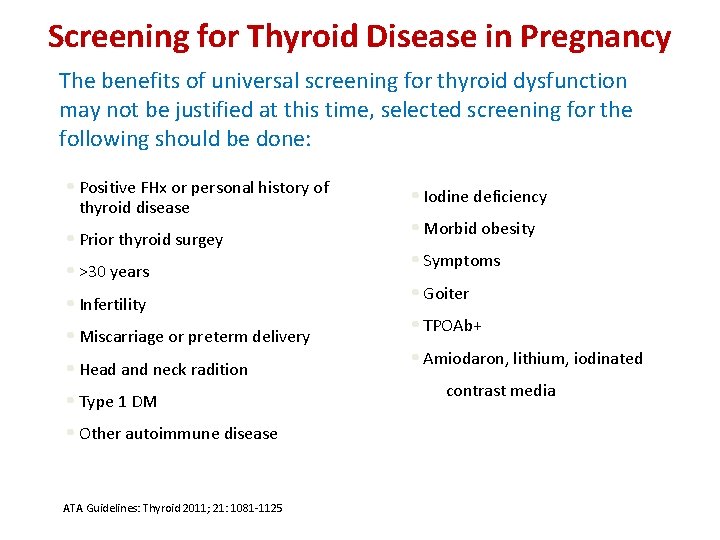
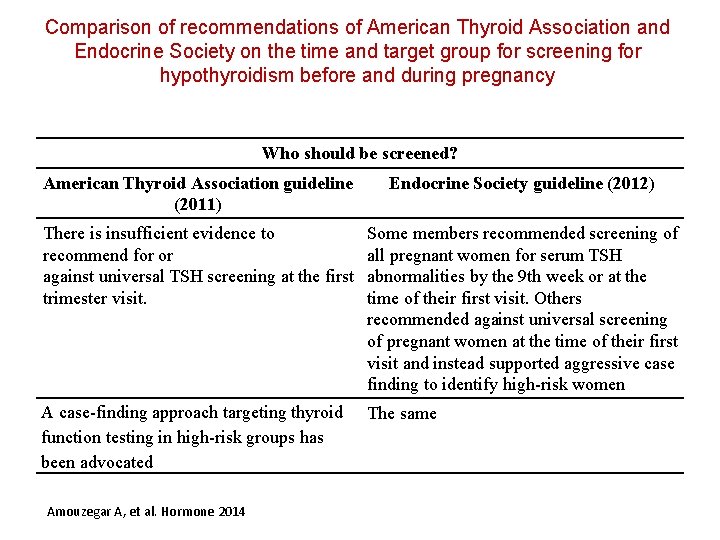
Screening for Thyroid Disease in Pregnancy The benefits of universal screening for thyroid dysfunction may not be justified at this time, selected screening for the following should be done: • Positive FHx or personal history of thyroid disease • Prior thyroid surgey • >30 years • Infertility • Miscarriage or preterm delivery • Head and neck radition • Type 1 DM • Other autoimmune disease ATA Guidelines: Thyroid 2011; 21: 1081 -1125 • Iodine deficiency • Morbid obesity • Symptoms • Goiter • TPOAb+ • Amiodaron, lithium, iodinated contrast media
Comparison of recommendations of American Thyroid Association and Endocrine Society on the time and target group for screening for hypothyroidism before and during pregnancy Who should be screened? American Thyroid Association guideline (2011) Endocrine Society guideline (2012) There is insufficient evidence to recommend for or against universal TSH screening at the first trimester visit. Some members recommended screening of all pregnant women for serum TSH abnormalities by the 9 th week or at the time of their first visit. Others recommended against universal screening of pregnant women at the time of their first visit and instead supported aggressive case finding to identify high-risk women A case-finding approach targeting thyroid function testing in high-risk groups has been advocated The same Amouzegar A, et al. Hormone 2014
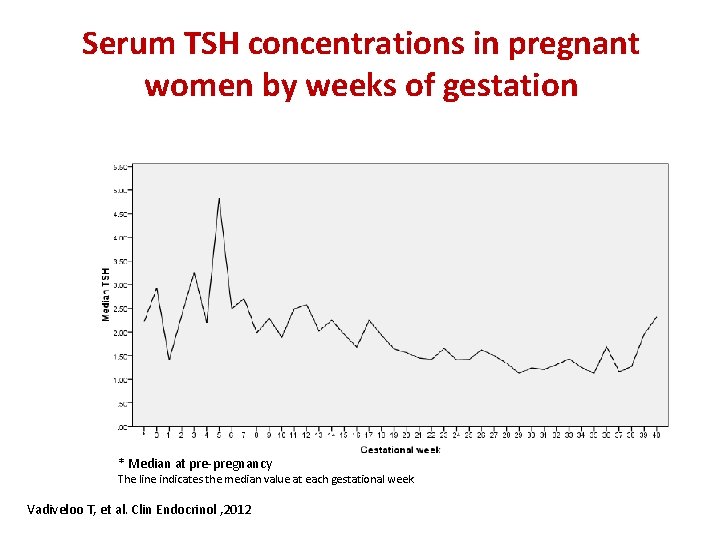
Serum TSH concentrations in pregnant women by weeks of gestation * Median at pre-pregnancy The line indicates the median value at each gestational week Vadiveloo T, et al. Clin Endocrinol , 2012
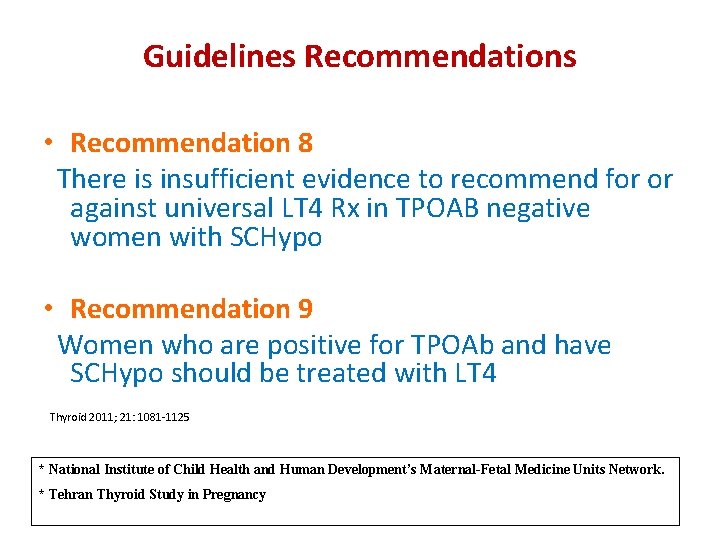
Guidelines Recommendations • Recommendation 8 There is insufficient evidence to recommend for or against universal LT 4 Rx in TPOAB negative women with SCHypo • Recommendation 9 Women who are positive for TPOAb and have SCHypo should be treated with LT 4 Thyroid 2011; 21: 1081 -1125 * National Institute of Child Health and Human Development’s Maternal-Fetal Medicine Units Network. * Tehran Thyroid Study in Pregnancy
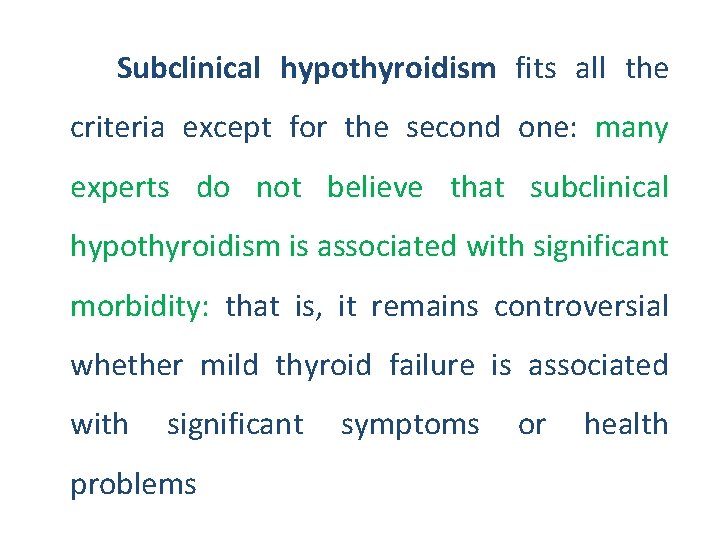
Subclinical hypothyroidism fits all the criteria except for the second one: many experts do not believe that subclinical hypothyroidism is associated with significant morbidity: that is, it remains controversial whether mild thyroid failure is associated with significant problems symptoms or health
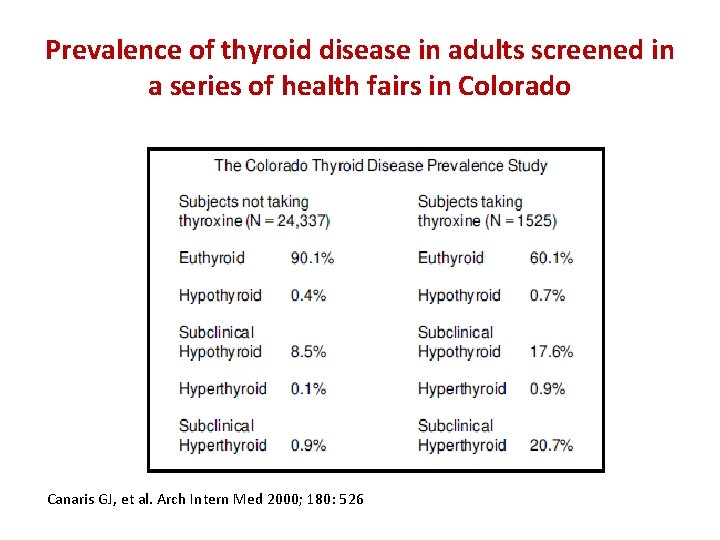
Prevalence of thyroid disease in adults screened in a series of health fairs in Colorado Canaris GJ, et al. Arch Intern Med 2000; 180: 526
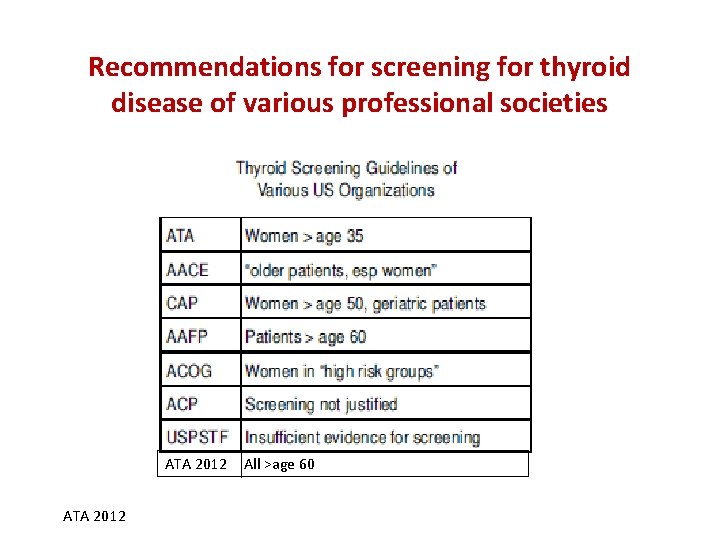
Recommendations for screening for thyroid disease of various professional societies ATA 2012 All >age 60