
Early detection and optimized management Four levels of


- Slides: 58
Early detection and optimized management Four levels of prevention: Primordial prevention is the prevention of occurrence of risk factors of disease. Primary prevention is the prevention of new disease in previously healthy individuals, Achieved by decreasing risk factors for disease. Secondary prevention is the prevention of progression of mild or latent disease to more severe disease, Typically involves screening for occult disease. Tertiary prevention is the term used by some to describe medical care intended to improve already established disease.
Primordial prevention of thyroid disease • Iodine nutrition Ø Pregnant and lactating women in iodine sufficient areas Ø Whole population in iodine deficient regions (primary) • Autoimmunity • Thyroid disruptors
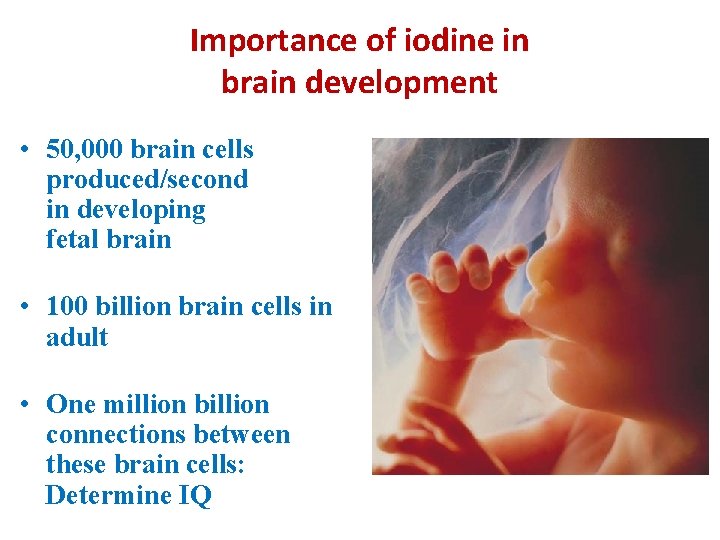
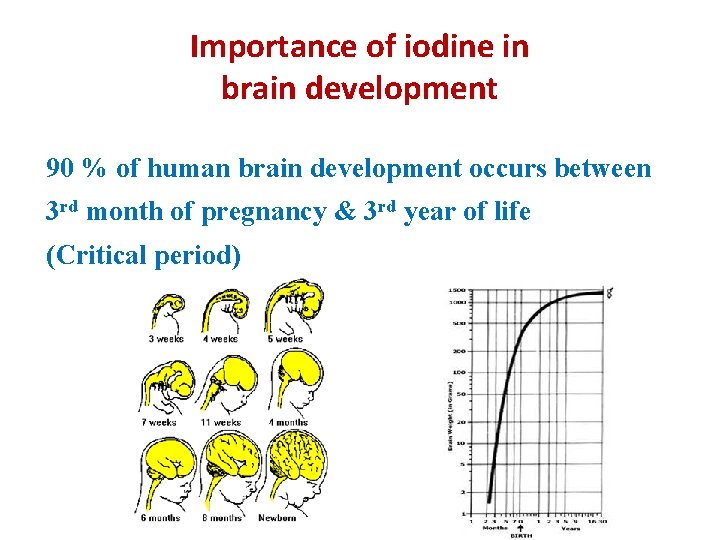
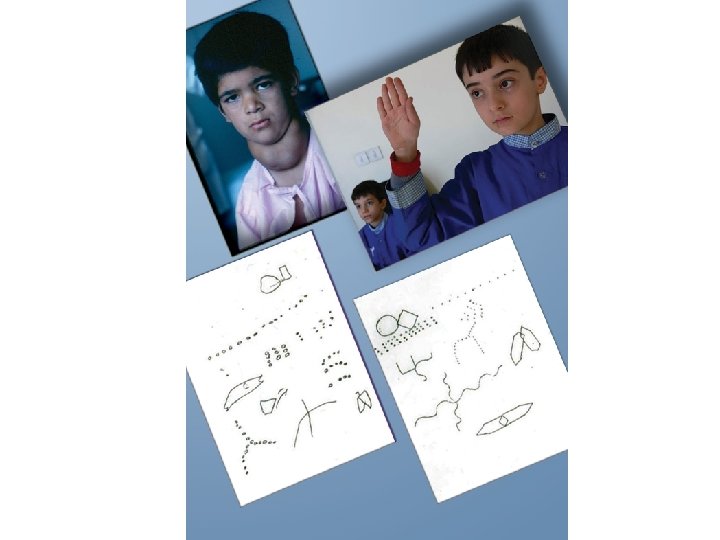
Importance of iodine in brain development • 50, 000 brain cells produced/second in developing fetal brain • 100 billion brain cells in adult • One million billion connections between these brain cells: Determine IQ
Importance of iodine in brain development 90 % of human brain development occurs between 3 rd month of pregnancy & 3 rd year of life (Critical period)
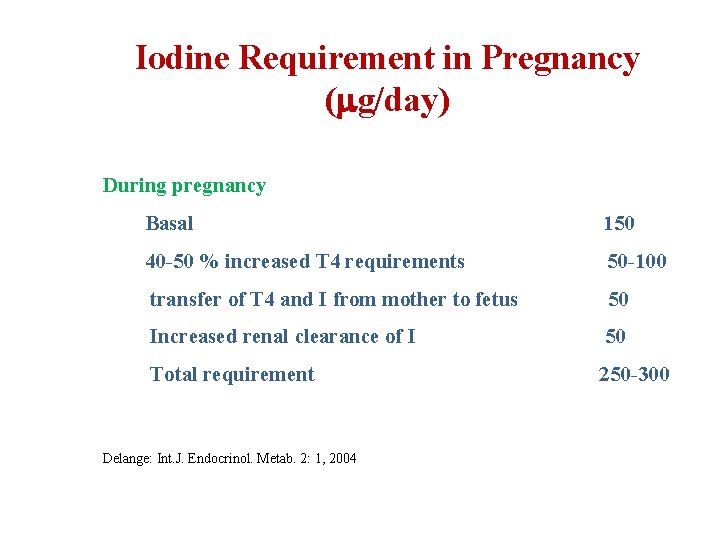
Iodine Requirement in Pregnancy ( g/day) During pregnancy Basal 150 40 -50 % increased T 4 requirements 50 -100 transfer of T 4 and I from mother to fetus 50 Increased renal clearance of I 50 Total requirement 250 -300 Delange: Int. J. Endocrinol. Metab. 2: 1, 2004
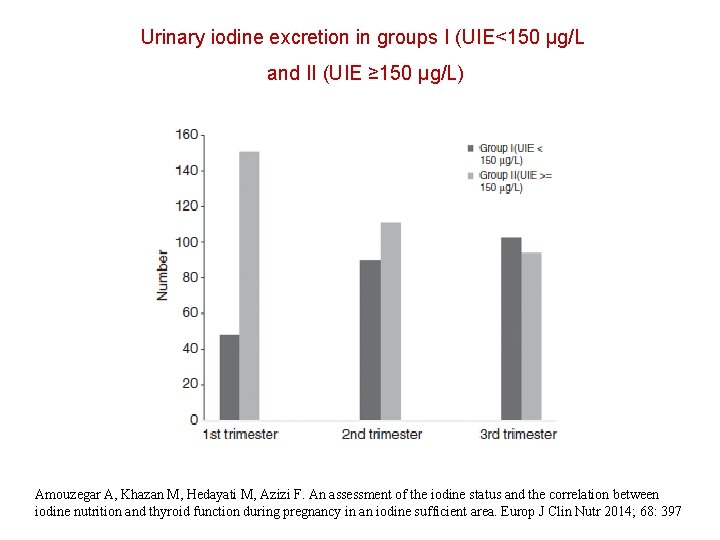
Urinary iodine excretion in groups I (UIE<150 μg/L and II (UIE ≥ 150 μg/L) Amouzegar A, Khazan M, Hedayati M, Azizi F. An assessment of the iodine status and the correlation between iodine nutrition and thyroid function during pregnancy in an iodine sufficient area. Europ J Clin Nutr 2014; 68: 397
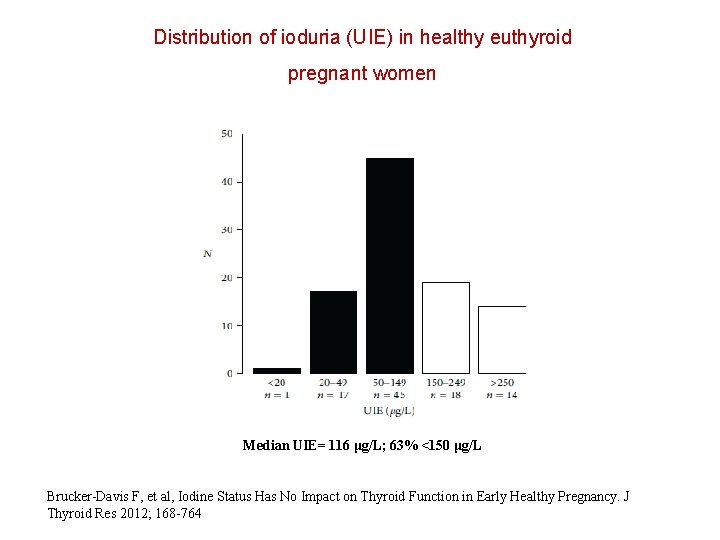
Distribution of ioduria (UIE) in healthy euthyroid pregnant women Median UIE= 116 μg/L; 63% <150 μg/L Brucker-Davis F, et al, Iodine Status Has No Impact on Thyroid Function in Early Healthy Pregnancy. J Thyroid Res 2012; 168 -764
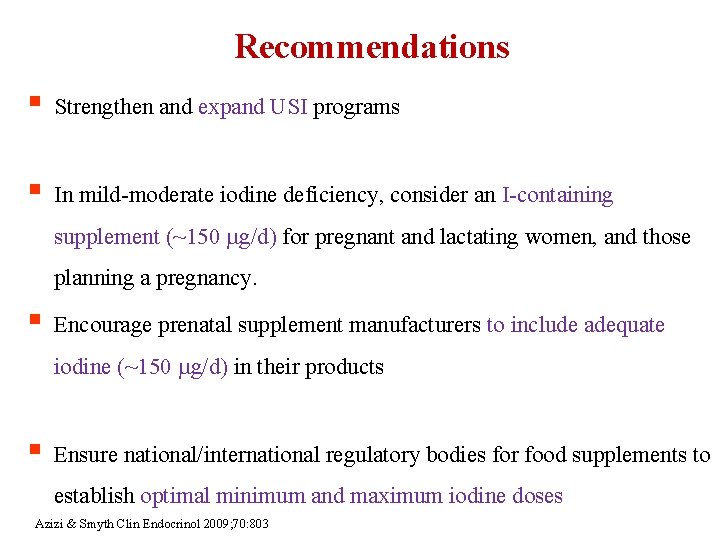
Recommendations § Strengthen and expand USI programs § In mild-moderate iodine deficiency, consider an I-containing supplement (~150 g/d) for pregnant and lactating women, and those planning a pregnancy. § Encourage prenatal supplement manufacturers to include adequate iodine (~150 g/d) in their products § Ensure national/international regulatory bodies for food supplements to establish optimal minimum and maximum iodine doses Azizi & Smyth Clin Endocrinol 2009; 70: 803
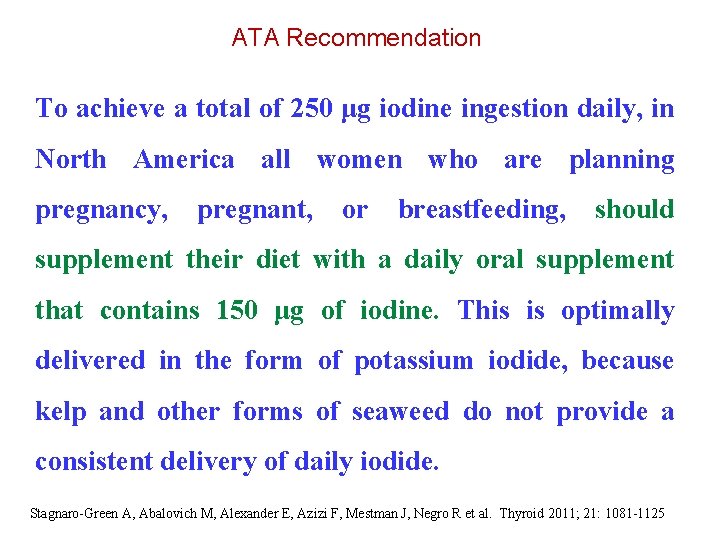
ATA Recommendation To achieve a total of 250 μg iodine ingestion daily, in North America all women who are planning pregnancy, pregnant, or breastfeeding, should supplement their diet with a daily oral supplement that contains 150 μg of iodine. This is optimally delivered in the form of potassium iodide, because kelp and other forms of seaweed do not provide a consistent delivery of daily iodide. Stagnaro-Green A, Abalovich M, Alexander E, Azizi F, Mestman J, Negro R et al. Thyroid 2011; 21: 1081 -1125
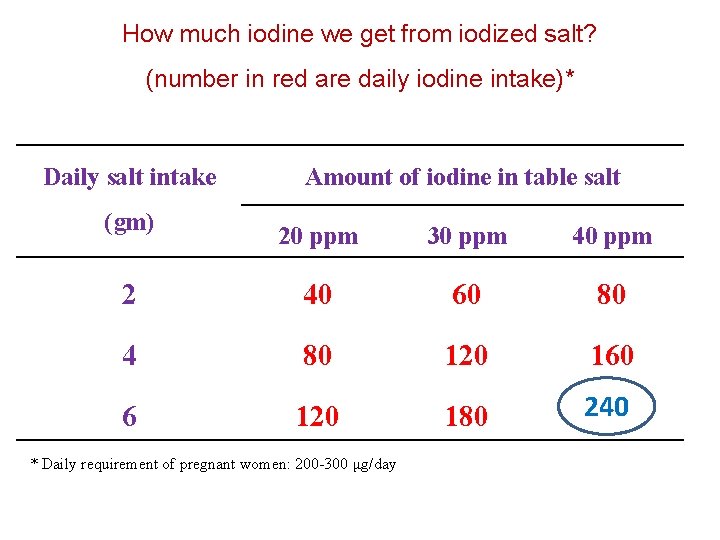
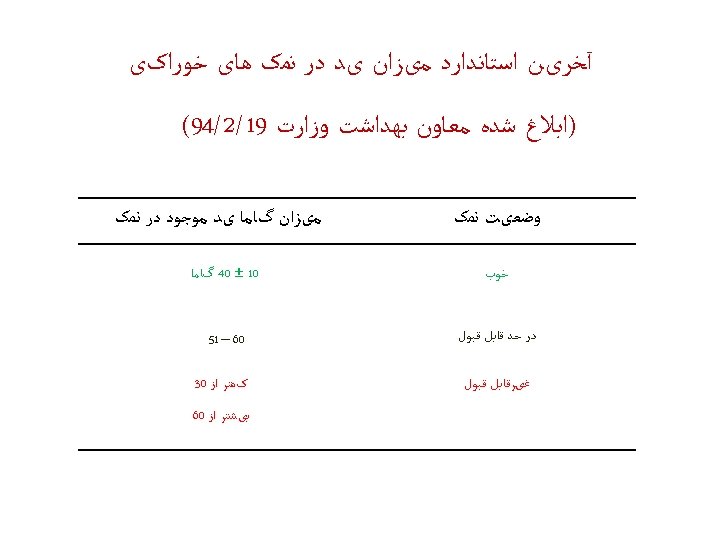
How much iodine we get from iodized salt? (number in red are daily iodine intake)* Daily salt intake (gm) Amount of iodine in table salt 20 ppm 30 ppm 40 ppm 2 40 60 80 4 80 120 160 6 120 180 240 * Daily requirement of pregnant women: 200 -300 μg/day
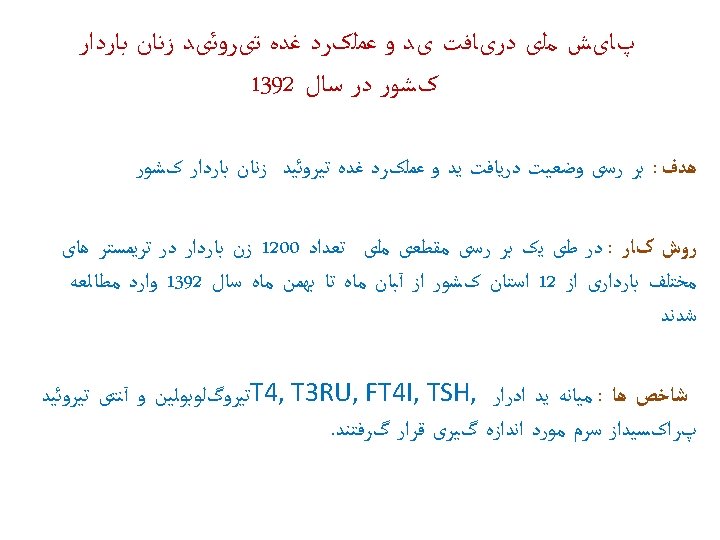
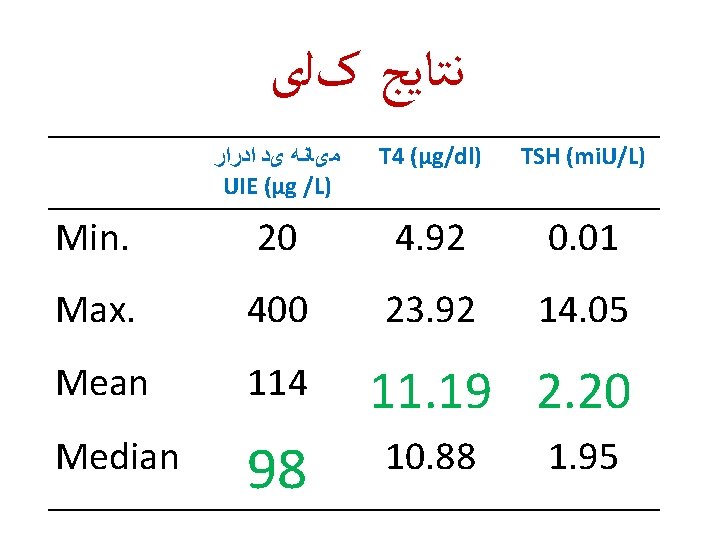
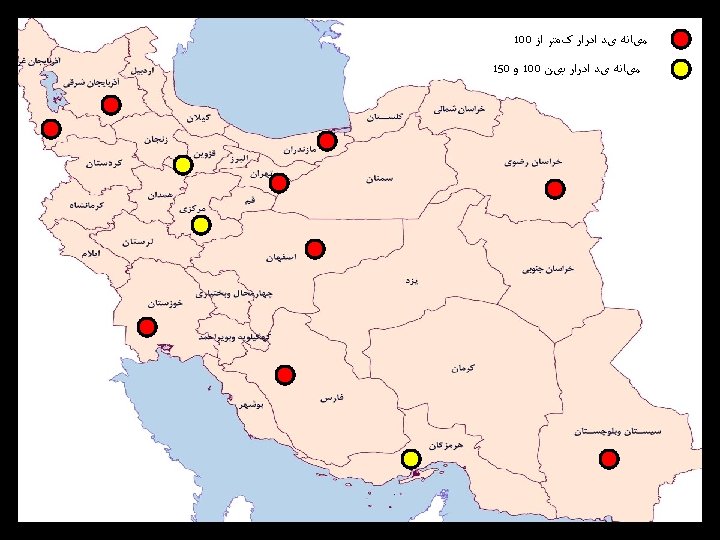
ﻧﺘﺎﻳﺞ کﻠی Min. Max. ﺍﺩﺭﺍﺭ یﺪ ﻣیﺎﻧﻪ UIE (µg /L) T 4 (µg/dl) TSH (mi. U/L) 20 4. 92 0. 01 400 Results 23. 92: Preliminary 14. 05 Mean 114 Median 98 11. 19 2. 20 10. 88 1. 95
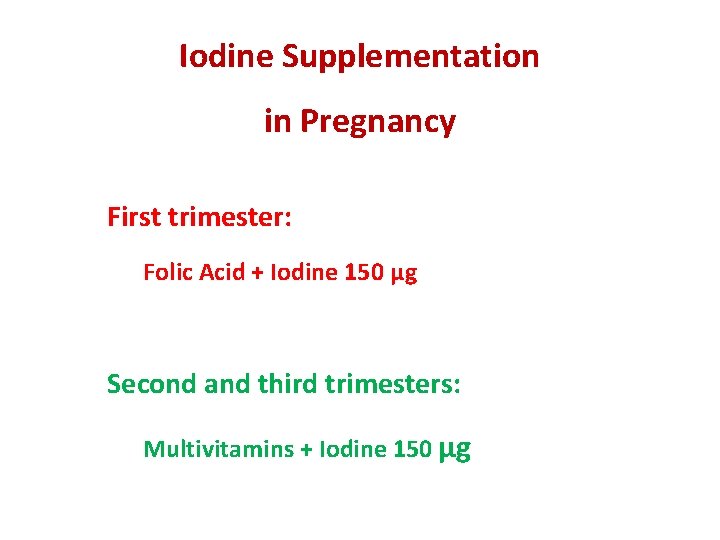
Iodine Supplementation in Pregnancy First trimester: Folic Acid + Iodine 150 μg Second and third trimesters: Multivitamins + Iodine 150 μg
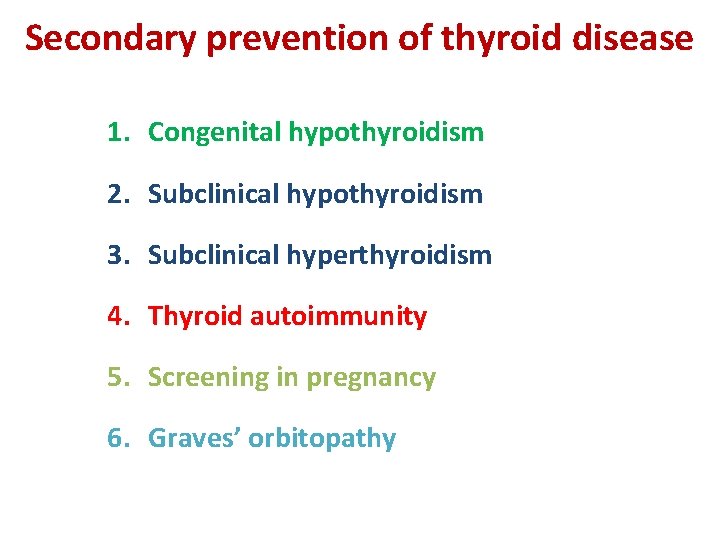
Secondary prevention of thyroid disease 1. Congenital hypothyroidism 2. Subclinical hypothyroidism 3. Subclinical hyperthyroidism 4. Thyroid autoimmunity 5. Screening in pregnancy 6. Graves’ orbitopathy
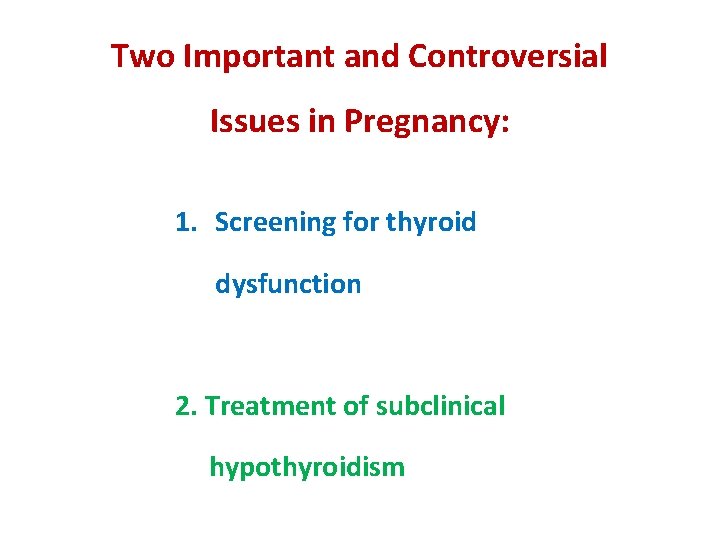
Two Important and Controversial Issues in Pregnancy: 1. Screening for thyroid dysfunction 2. Treatment of subclinical hypothyroidism
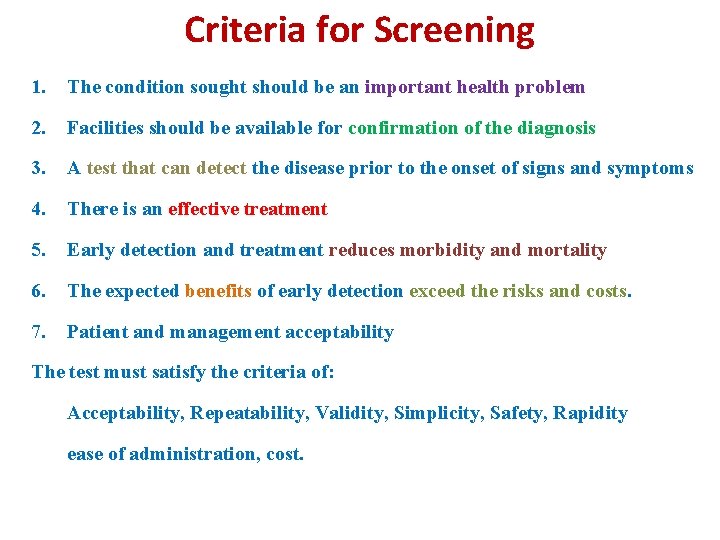
Criteria for Screening 1. The condition sought should be an important health problem 2. Facilities should be available for confirmation of the diagnosis 3. A test that can detect the disease prior to the onset of signs and symptoms 4. There is an effective treatment 5. Early detection and treatment reduces morbidity and mortality 6. The expected benefits of early detection exceed the risks and costs. 7. Patient and management acceptability The test must satisfy the criteria of: Acceptability, Repeatability, Validity, Simplicity, Safety, Rapidity ease of administration, cost.
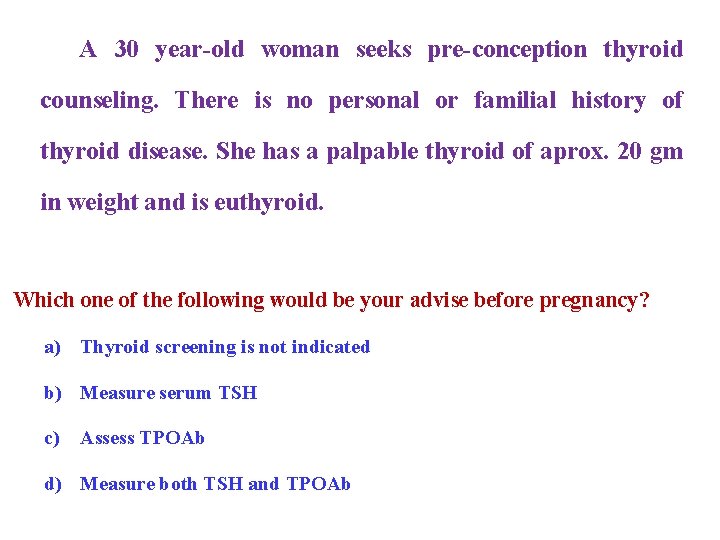
A 30 year-old woman seeks pre-conception thyroid counseling. There is no personal or familial history of thyroid disease. She has a palpable thyroid of aprox. 20 gm in weight and is euthyroid. Which one of the following would be your advise before pregnancy? a) Thyroid screening is not indicated b) Measure serum TSH c) Assess TPOAb d) Measure both TSH and TPOAb 22
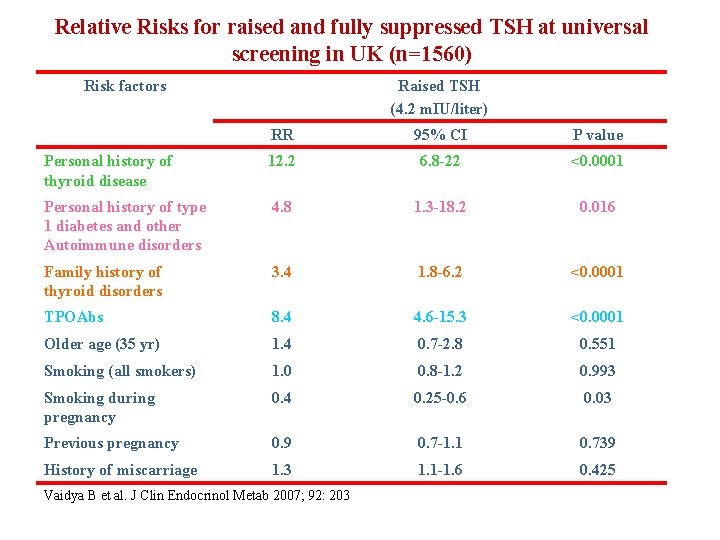
Relative Risks for raised and fully suppressed TSH at universal screening in UK (n=1560) Risk factors Raised TSH (4. 2 m. IU/liter) RR 95% CI P value Personal history of thyroid disease 12. 2 6. 8 -22 <0. 0001 Personal history of type 1 diabetes and other Autoimmune disorders 4. 8 1. 3 -18. 2 0. 016 Family history of thyroid disorders 3. 4 1. 8 -6. 2 <0. 0001 TPOAbs 8. 4 4. 6 -15. 3 <0. 0001 Older age (35 yr) 1. 4 0. 7 -2. 8 0. 551 Smoking (all smokers) 1. 0 0. 8 -1. 2 0. 993 Smoking during pregnancy 0. 4 0. 25 -0. 6 0. 03 Previous pregnancy 0. 9 0. 7 -1. 1 0. 739 History of miscarriage 1. 3 1. 1 -1. 6 0. 425 Vaidya B et al. J Clin Endocrinol Metab 2007; 92: 203
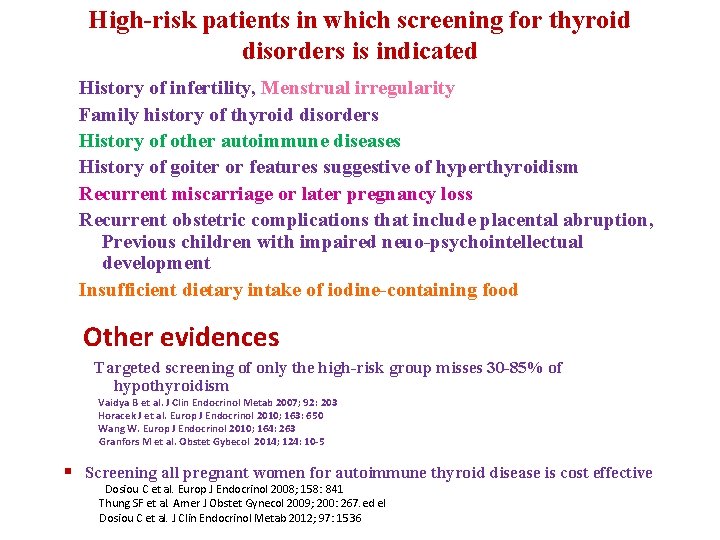
High-risk patients in which screening for thyroid disorders is indicated History of infertility, Menstrual irregularity Family history of thyroid disorders History of other autoimmune diseases History of goiter or features suggestive of hyperthyroidism Recurrent miscarriage or later pregnancy loss Recurrent obstetric complications that include placental abruption, Previous children with impaired neuo-psychointellectual development Insufficient dietary intake of iodine-containing food Other evidences Targeted screening of only the high-risk group misses 30 -85% of hypothyroidism Vaidya B et al. J Clin Endocrinol Metab 2007; 92: 203 Horacek J et al. Europ J Endocrinol 2010; 163: 650 Wang W. Europ J Endocrinol 2010; 164: 263 Granfors M et al. Obstet Gybecol 2014; 124: 10 -5 § Screening all pregnant women for autoimmune thyroid disease is cost effective Dosiou C et al. Europ J Endocrinol 2008; 158: 841 Thung SF et al. Amer J Obstet Gynecol 2009; 200: 267. ed el Dosiou C et al. J Clin Endocrinol Metab 2012; 97: 1536
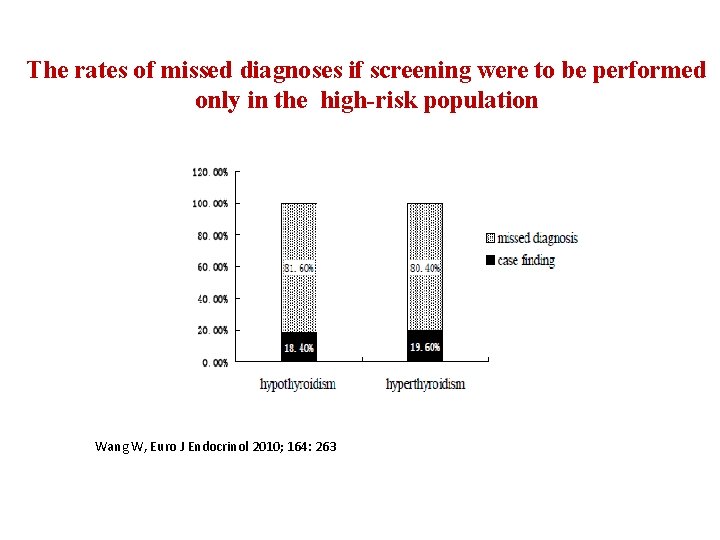
The rates of missed diagnoses if screening were to be performed only in the high-risk population Wang W, Euro J Endocrinol 2010; 164: 263
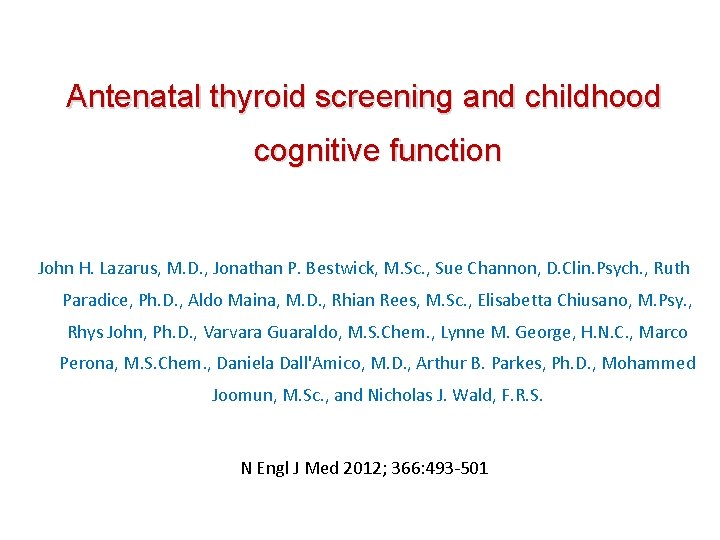
Antenatal thyroid screening and childhood cognitive function John H. Lazarus, M. D. , Jonathan P. Bestwick, M. Sc. , Sue Channon, D. Clin. Psych. , Ruth Paradice, Ph. D. , Aldo Maina, M. D. , Rhian Rees, M. Sc. , Elisabetta Chiusano, M. Psy. , Rhys John, Ph. D. , Varvara Guaraldo, M. S. Chem. , Lynne M. George, H. N. C. , Marco Perona, M. S. Chem. , Daniela Dall'Amico, M. D. , Arthur B. Parkes, Ph. D. , Mohammed Joomun, M. Sc. , and Nicholas J. Wald, F. R. S. N Engl J Med 2012; 366: 493 -501
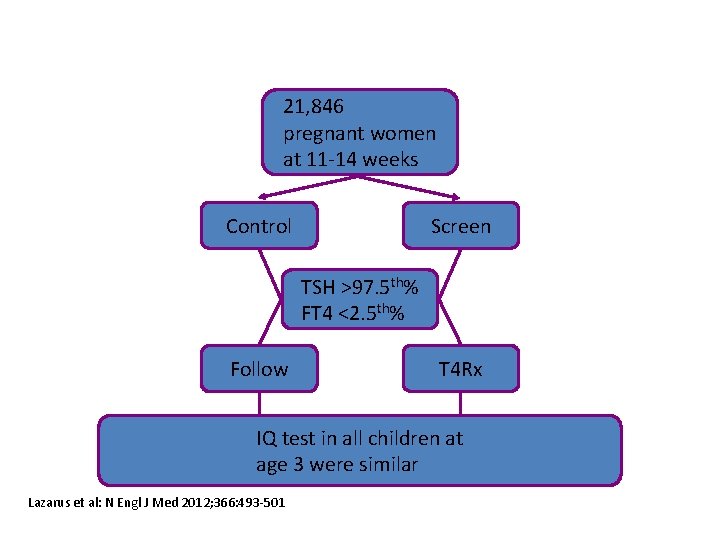
21, 846 pregnant women at 11 -14 weeks Control Screen TSH >97. 5 th% FT 4 <2. 5 th% Follow T 4 Rx IQ test in all children at age 3 were similar Lazarus et al: N Engl J Med 2012; 366: 493 -501
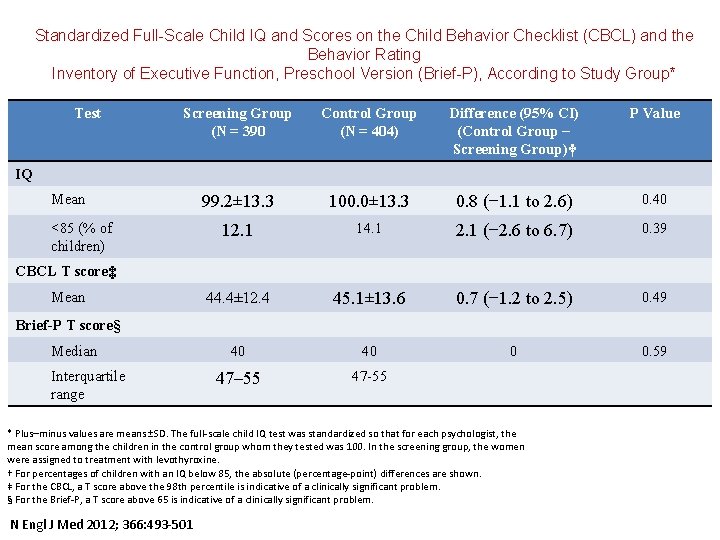
Standardized Full-Scale Child IQ and Scores on the Child Behavior Checklist (CBCL) and the Behavior Rating Inventory of Executive Function, Preschool Version (Brief-P), According to Study Group* Test Screening Group (N = 390 Control Group (N = 404) Difference (95% CI) (Control Group − Screening Group)† P Value 99. 2± 13. 3 100. 0± 13. 3 0. 8 (− 1. 1 to 2. 6) 0. 40 12. 1 14. 1 2. 1 (− 2. 6 to 6. 7) 0. 39 44. 4± 12. 4 45. 1± 13. 6 0. 7 (− 1. 2 to 2. 5) 0. 49 40 40 0 0. 59 47– 55 47 -55 IQ Mean <85 (% of children) CBCL T score‡ Mean Brief-P T score§ Median Interquartile range * Plus–minus values are means ±SD. The full-scale child IQ test was standardized so that for each psychologist, the mean score among the children in the control group whom they tested was 100. In the screening group, the women were assigned to treatment with levothyroxine. † For percentages of children with an IQ below 85, the absolute (percentage-point) differences are shown. ‡ For the CBCL, a T score above the 98 th percentile is indicative of a clinically significant problem. § For the Brief-P, a T score above 65 is indicative of a clinically significant problem. N Engl J Med 2012; 366: 493 -501
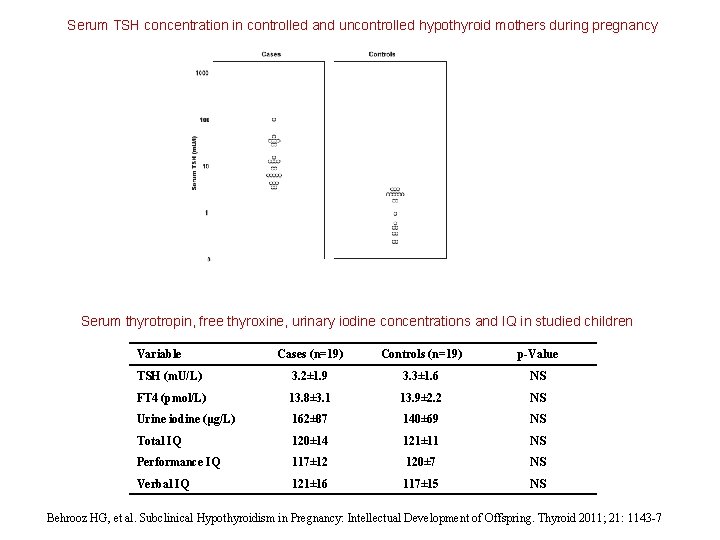
Serum TSH concentration in controlled and uncontrolled hypothyroid mothers during pregnancy Serum thyrotropin, free thyroxine, urinary iodine concentrations and IQ in studied children Variable Cases (n=19) Controls (n=19) p-Value TSH (m. U/L) 3. 2± 1. 9 3. 3± 1. 6 NS FT 4 (pmol/L) 13. 8± 3. 1 13. 9± 2. 2 NS Urine iodine (μg/L) 162± 87 140± 69 NS Total IQ 120± 14 121± 11 NS Performance IQ 117± 12 120± 7 NS Verbal IQ 121± 16 117± 15 NS Behrooz HG, et al. Subclinical Hypothyroidism in Pregnancy: Intellectual Development of Offspring. Thyroid 2011; 21: 1143 -7
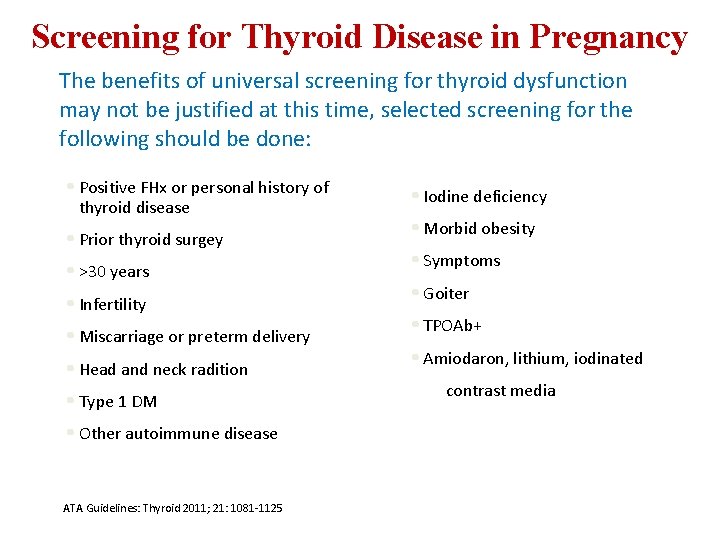
Screening for Thyroid Disease in Pregnancy The benefits of universal screening for thyroid dysfunction may not be justified at this time, selected screening for the following should be done: • Positive FHx or personal history of thyroid disease • Prior thyroid surgey • >30 years • Infertility • Miscarriage or preterm delivery • Head and neck radition • Type 1 DM • Other autoimmune disease ATA Guidelines: Thyroid 2011; 21: 1081 -1125 • Iodine deficiency • Morbid obesity • Symptoms • Goiter • TPOAb+ • Amiodaron, lithium, iodinated contrast media
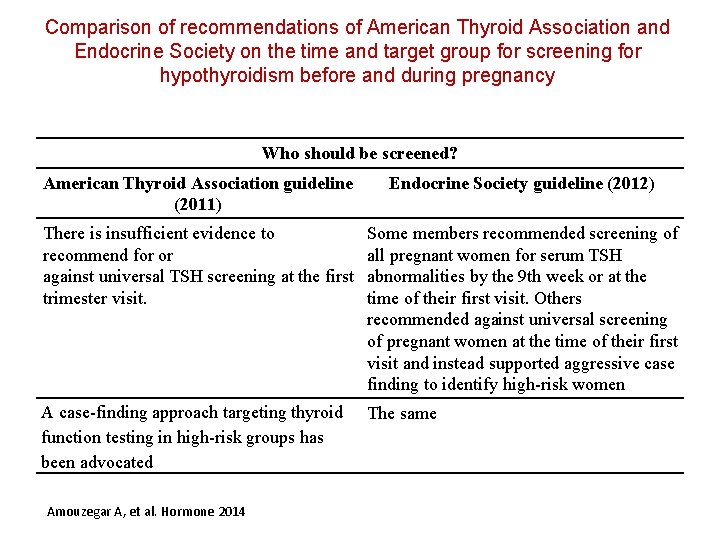
Comparison of recommendations of American Thyroid Association and Endocrine Society on the time and target group for screening for hypothyroidism before and during pregnancy Who should be screened? American Thyroid Association guideline (2011) Endocrine Society guideline (2012) There is insufficient evidence to recommend for or against universal TSH screening at the first trimester visit. Some members recommended screening of all pregnant women for serum TSH abnormalities by the 9 th week or at the time of their first visit. Others recommended against universal screening of pregnant women at the time of their first visit and instead supported aggressive case finding to identify high-risk women A case-finding approach targeting thyroid function testing in high-risk groups has been advocated The same Amouzegar A, et al. Hormone 2014
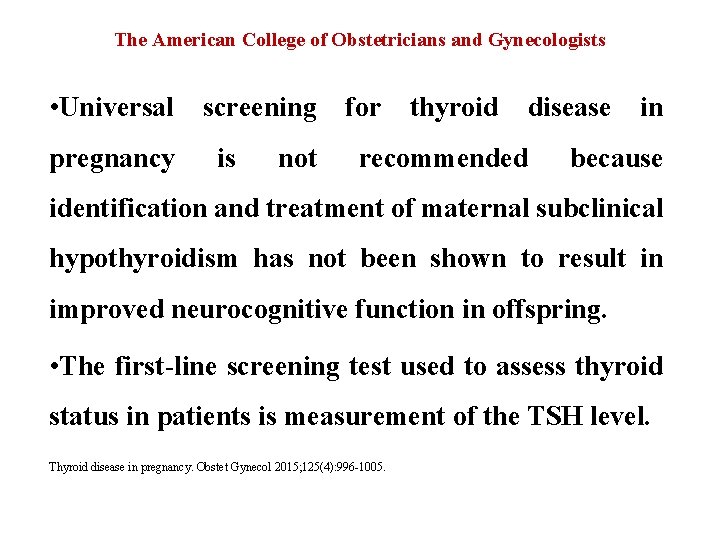
The American College of Obstetricians and Gynecologists • Universal pregnancy screening is not for thyroid disease recommended in because identification and treatment of maternal subclinical hypothyroidism has not been shown to result in improved neurocognitive function in offspring. • The first-line screening test used to assess thyroid status in patients is measurement of the TSH level. Thyroid disease in pregnancy. Obstet Gynecol 2015; 125(4): 996 -1005.
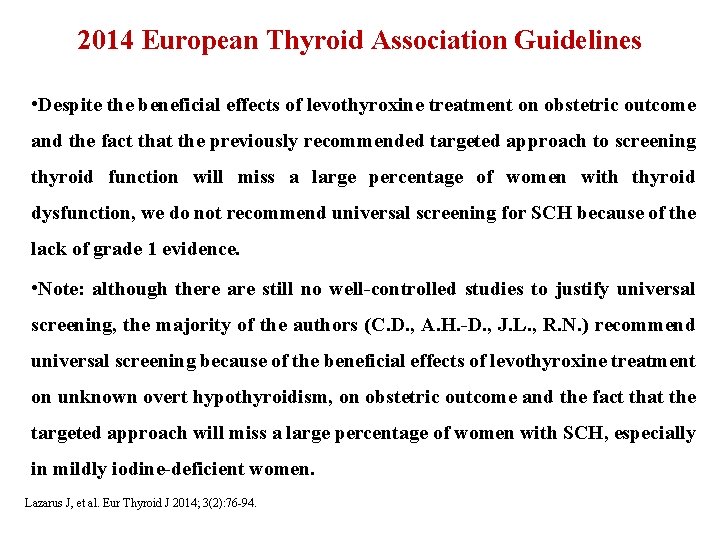
2014 European Thyroid Association Guidelines • Despite the beneficial effects of levothyroxine treatment on obstetric outcome and the fact that the previously recommended targeted approach to screening thyroid function will miss a large percentage of women with thyroid dysfunction, we do not recommend universal screening for SCH because of the lack of grade 1 evidence. • Note: although there are still no well-controlled studies to justify universal screening, the majority of the authors (C. D. , A. H. -D. , J. L. , R. N. ) recommend universal screening because of the beneficial effects of levothyroxine treatment on unknown overt hypothyroidism, on obstetric outcome and the fact that the targeted approach will miss a large percentage of women with SCH, especially in mildly iodine-deficient women. Lazarus J, et al. Eur Thyroid J 2014; 3(2): 76 -94.
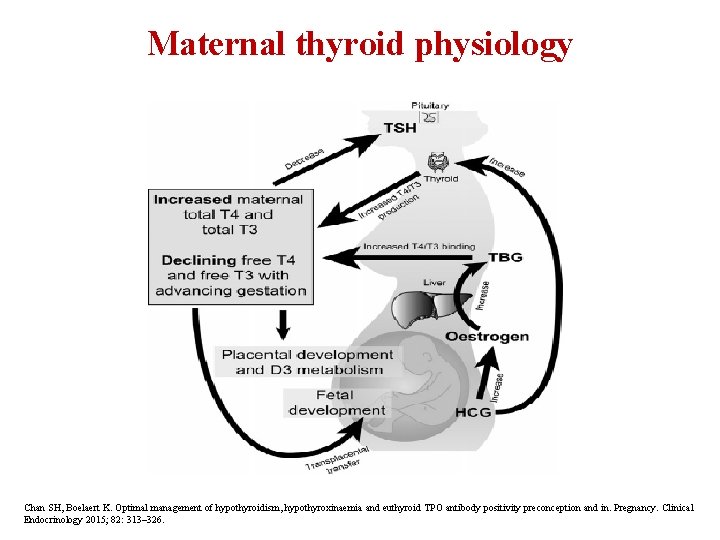
Maternal thyroid physiology Chan SH, Boelaert K. Optimal management of hypothyroidism, hypothyroxinaemia and euthyroid TPO antibody positivity preconception and in. Pregnancy. Clinical Endocrinology 2015; 82: 313– 326.
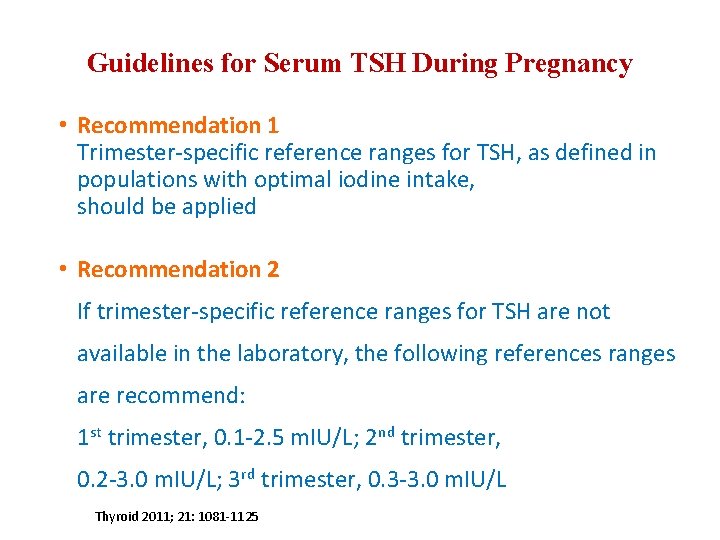
Guidelines for Serum TSH During Pregnancy • Recommendation 1 Trimester-specific reference ranges for TSH, as defined in populations with optimal iodine intake, should be applied • Recommendation 2 If trimester-specific reference ranges for TSH are not available in the laboratory, the following references ranges are recommend: 1 st trimester, 0. 1 -2. 5 m. IU/L; 2 nd trimester, 0. 2 -3. 0 m. IU/L; 3 rd trimester, 0. 3 -3. 0 m. IU/L Thyroid 2011; 21: 1081 -1125
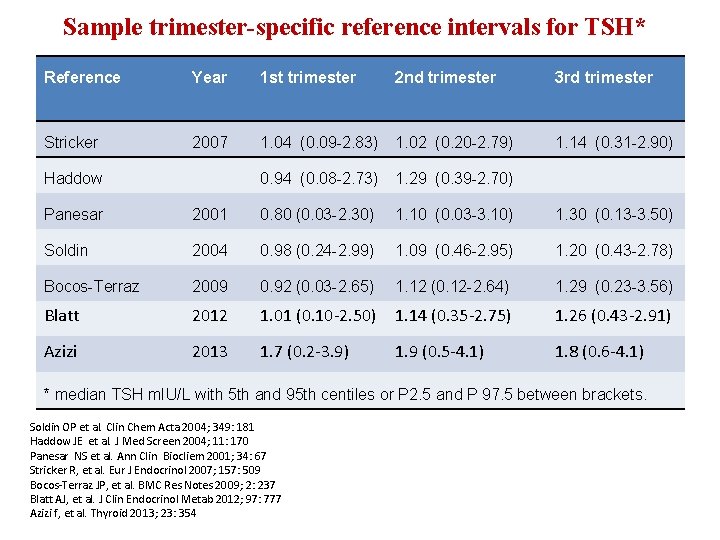
Sample trimester-specific reference intervals for TSH* Reference Year 1 st trimester 2 nd trimester 3 rd trimester Stricker 2007 1. 04 (0. 09 -2. 83) 1. 02 (0. 20 -2. 79) 1. 14 (0. 31 -2. 90) 0. 94 (0. 08 -2. 73) 1. 29 (0. 39 -2. 70) Haddow Panesar 2001 0. 80 (0. 03 -2. 30) 1. 10 (0. 03 -3. 10) 1. 30 (0. 13 -3. 50) Soldin 2004 0. 98 (0. 24 -2. 99) 1. 09 (0. 46 -2. 95) 1. 20 (0. 43 -2. 78) Bocos-Terraz 2009 0. 92 (0. 03 -2. 65) 1. 12 (0. 12 -2. 64) 1. 29 (0. 23 -3. 56) Blatt 2012 1. 01 (0. 10 -2. 50) 1. 14 (0. 35 -2. 75) 1. 26 (0. 43 -2. 91) Azizi 2013 1. 7 (0. 2 -3. 9) 1. 9 (0. 5 -4. 1) 1. 8 (0. 6 -4. 1) * median TSH m. IU/L with 5 th and 95 th centiles or P 2. 5 and P 97. 5 between brackets. Soldin OP et al. Clin Chem Acta 2004; 349: 181 Haddow JE et al. J Med Screen 2004; 11: 170 Panesar NS et al. Ann Clin Biocliem 2001; 34: 67 Stricker R, et al. Eur J Endocrinol 2007; 157: 509 Bocos-Terraz JP, et al. BMC Res Notes 2009; 2: 237 Blatt AJ, et al. J Clin Endocrinol Metab 2012; 97: 777 Azizi f, et al. Thyroid 2013; 23: 354
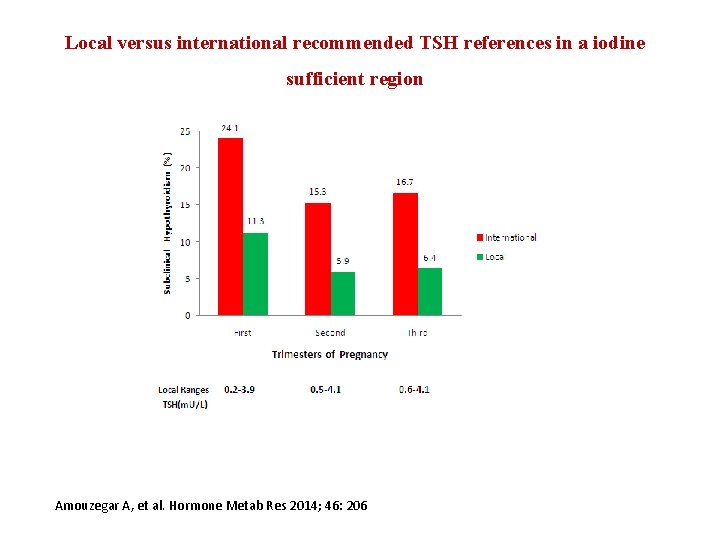
Local versus international recommended TSH references in a iodine sufficient region Amouzegar A, et al. Hormone Metab Res 2014; 46: 206
MANAGEMENT OF SUBCLINICAL HYPOTHYROIDISM TPOAb+ TPOAb-
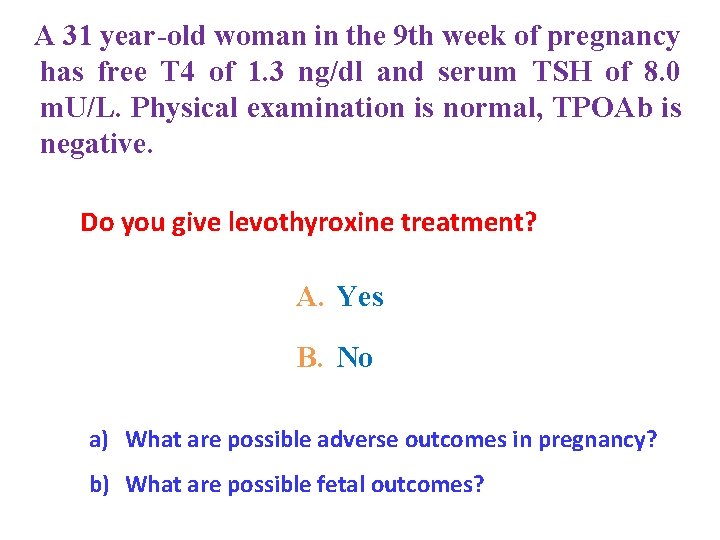
A 31 year-old woman in the 9 th week of pregnancy has free T 4 of 1. 3 ng/dl and serum TSH of 8. 0 m. U/L. Physical examination is normal, TPOAb is negative. Do you give levothyroxine treatment? A. Yes B. No a) What are possible adverse outcomes in pregnancy? b) What are possible fetal outcomes? 39
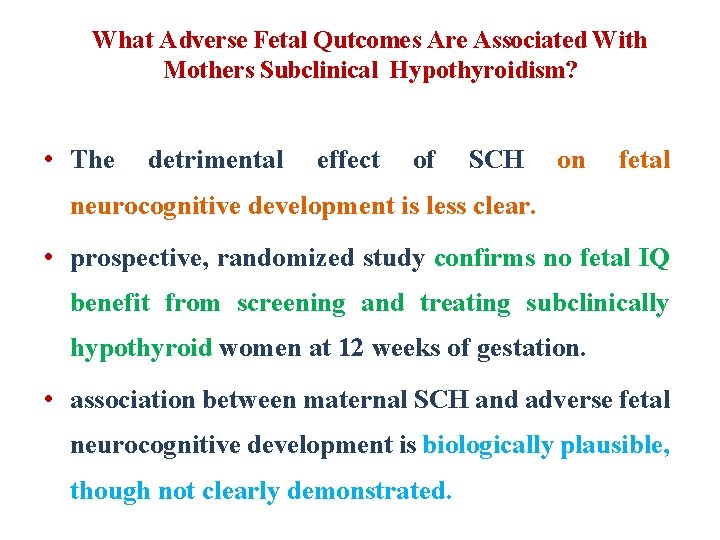
What Adverse Fetal Qutcomes Are Associated With Mothers Subclinical Hypothyroidism? • The detrimental effect of SCH on fetal neurocognitive development is less clear. • prospective, randomized study confirms no fetal IQ benefit from screening and treating subclinically hypothyroid women at 12 weeks of gestation. • association between maternal SCH and adverse fetal neurocognitive development is biologically plausible, though not clearly demonstrated.
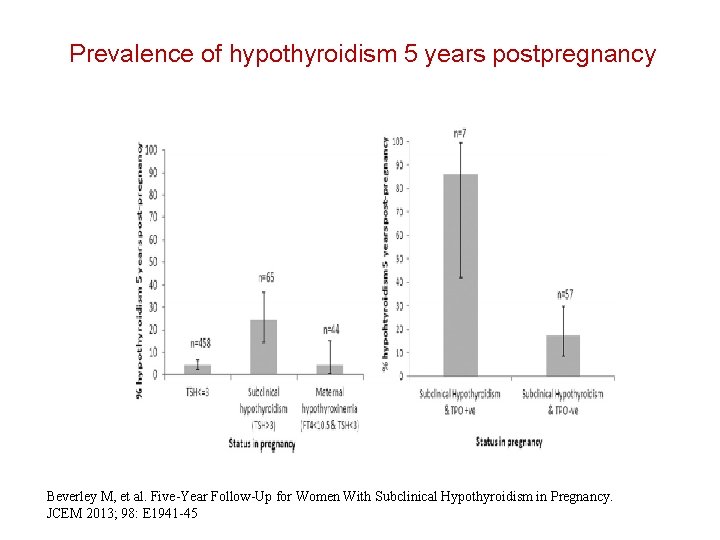
Prevalence of hypothyroidism 5 years postpregnancy Beverley M, et al. Five-Year Follow-Up for Women With Subclinical Hypothyroidism in Pregnancy. JCEM 2013; 98: E 1941 -45
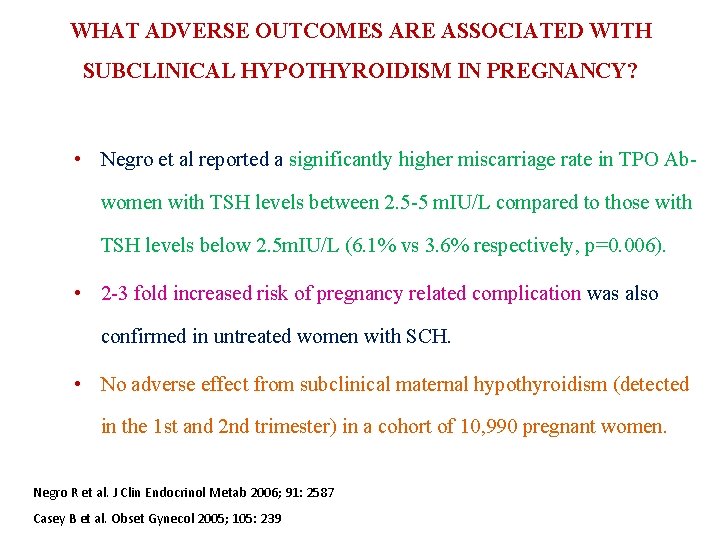
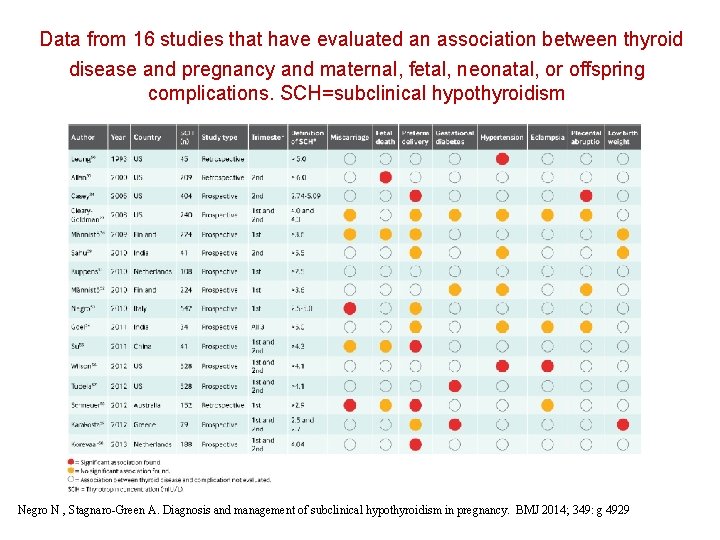
WHAT ADVERSE OUTCOMES ARE ASSOCIATED WITH SUBCLINICAL HYPOTHYROIDISM IN PREGNANCY? • Negro et al reported a significantly higher miscarriage rate in TPO Abwomen with TSH levels between 2. 5 -5 m. IU/L compared to those with TSH levels below 2. 5 m. IU/L (6. 1% vs 3. 6% respectively, p=0. 006). • 2 -3 fold increased risk of pregnancy related complication was also confirmed in untreated women with SCH. • No adverse effect from subclinical maternal hypothyroidism (detected in the 1 st and 2 nd trimester) in a cohort of 10, 990 pregnant women. Negro R et al. J Clin Endocrinol Metab 2006; 91: 2587 Casey B et al. Obset Gynecol 2005; 105: 239
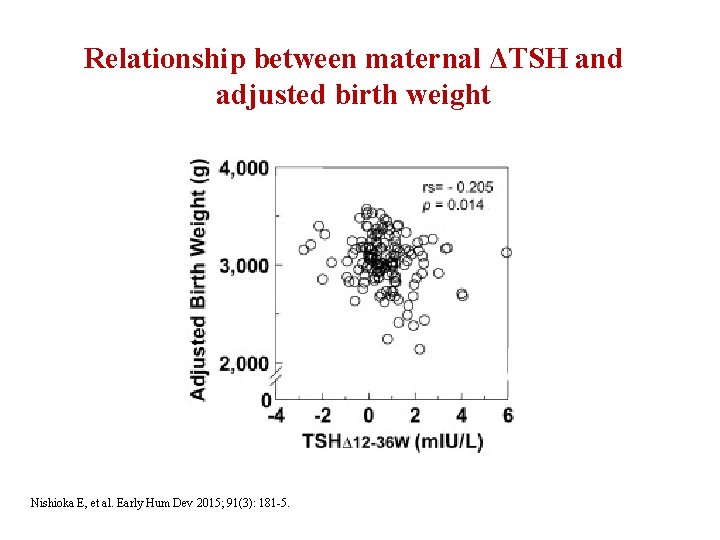
Relationship between maternal ΔTSH and adjusted birth weight Nishioka E, et al. Early Hum Dev 2015; 91(3): 181 -5.
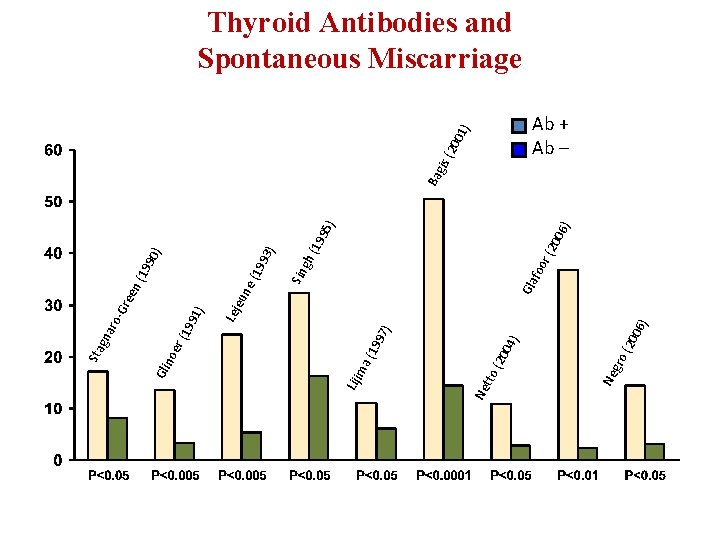
06 ) 04 (20 ) ) ) 6) 00 r (2 Gla foo 95 19 h( ) 93 (19 ) 90 (19 Sin g ne eu Lej 1) 99 97 (19 gro Ne tto Ne ma Liji er (1 Gli no en Gre Sta gna ro- gis Ba ) 01 (20 Thyroid Antibodies and Spontaneous Miscarriage Ab + Ab –
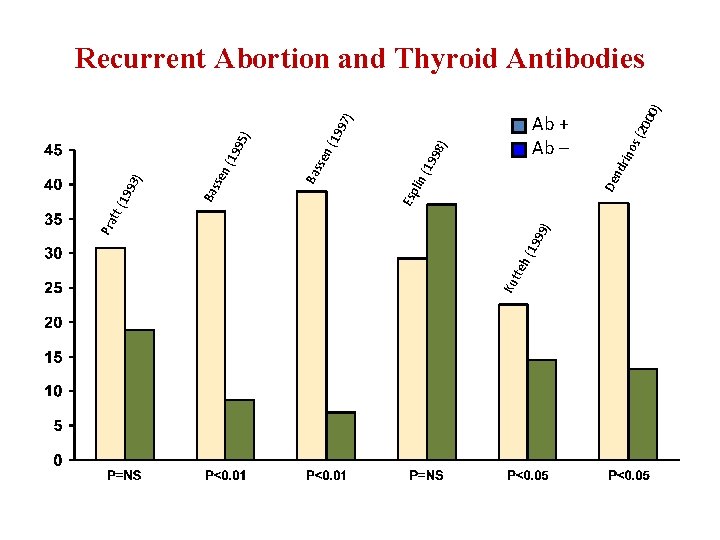
99 19 eh ( Ku tt ) ) 97 ) 00 (20 Ab + Ab – nd rin os De ) 19 ) n( 98 19 lin ( Esp Ba 95 19 sse n( sse ) 93 Ba 19 tt ( Pra Recurrent Abortion and Thyroid Antibodies
Data from 16 studies that have evaluated an association between thyroid disease and pregnancy and maternal, fetal, neonatal, or offspring complications. SCH=subclinical hypothyroidism Negro N , Stagnaro-Green A. Diagnosis and management of subclinical hypothyroidism in pregnancy. BMJ 2014; 349: g 4929
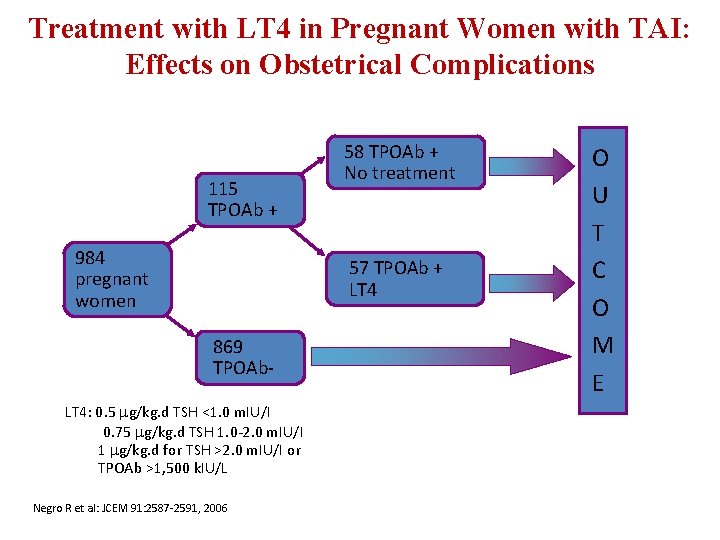
Treatment with LT 4 in Pregnant Women with TAI: Effects on Obstetrical Complications 115 TPOAb + 984 pregnant women 58 TPOAb + No treatment 57 TPOAb + LT 4 869 TPOAb- LT 4: 0. 5 g/kg. d TSH <1. 0 m. IU/I 0. 75 g/kg. d TSH 1. 0 -2. 0 m. IU/I 1 g/kg. d for TSH >2. 0 m. IU/I or TPOAb >1, 500 k. IU/L Negro R et al: JCEM 91: 2587 -2591, 2006 O U T C O M E
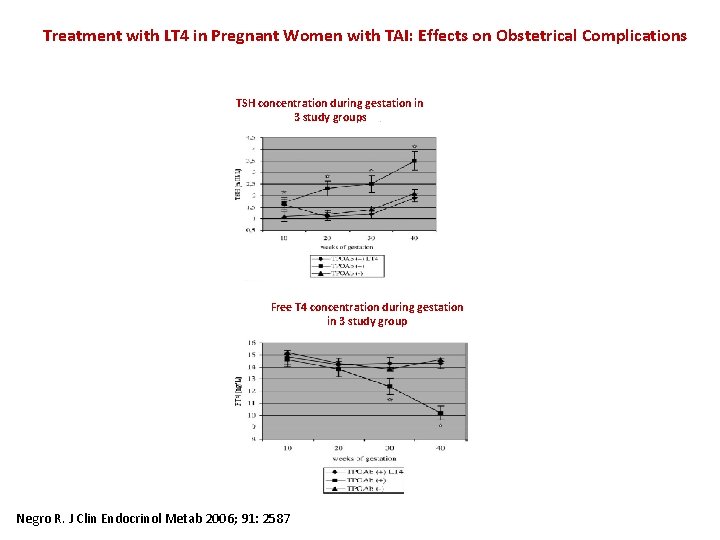
Treatment with LT 4 in Pregnant Women with TAI: Effects on Obstetrical Complications TSH concentration during gestation in 3 study groups Free T 4 concentration during gestation in 3 study group Negro R. J Clin Endocrinol Metab 2006; 91: 2587
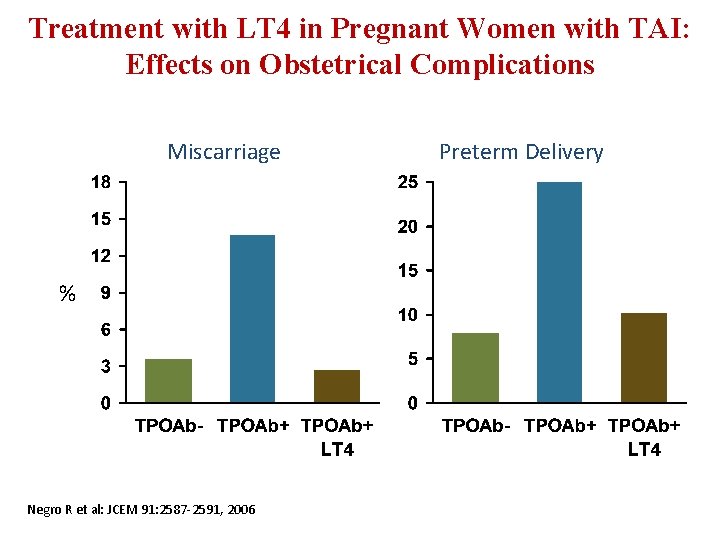
Treatment with LT 4 in Pregnant Women with TAI: Effects on Obstetrical Complications Miscarriage % Negro R et al: JCEM 91: 2587 -2591, 2006 Preterm Delivery
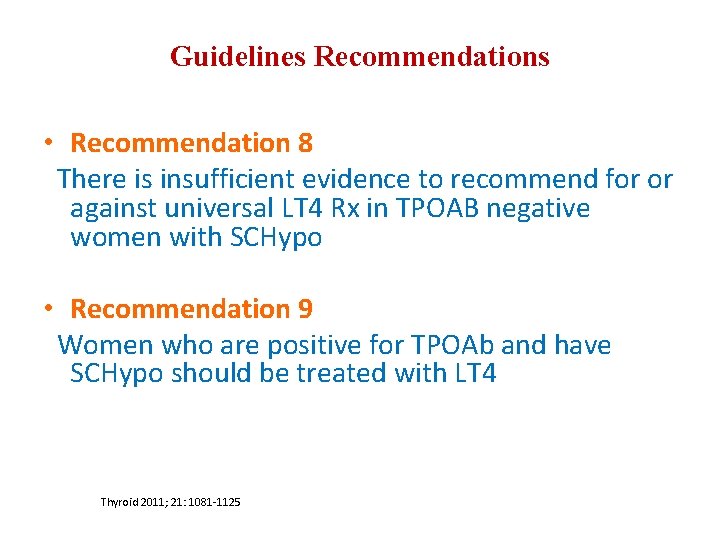
Guidelines Recommendations • Recommendation 8 There is insufficient evidence to recommend for or against universal LT 4 Rx in TPOAB negative women with SCHypo • Recommendation 9 Women who are positive for TPOAb and have SCHypo should be treated with LT 4 Thyroid 2011; 21: 1081 -1125
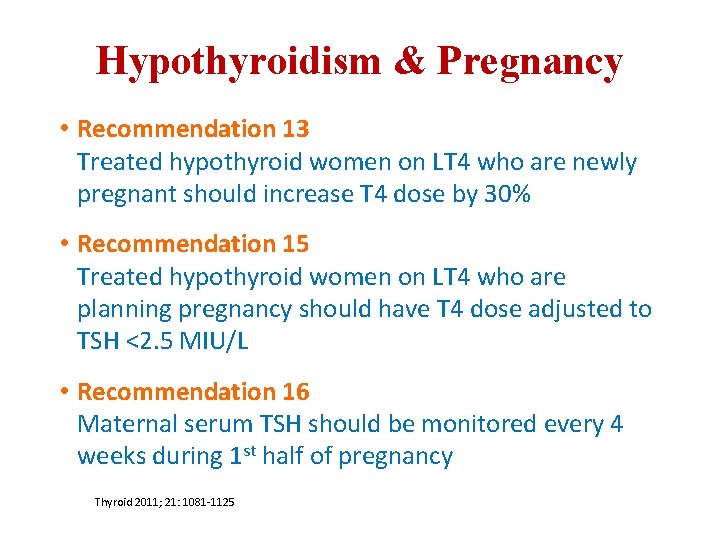
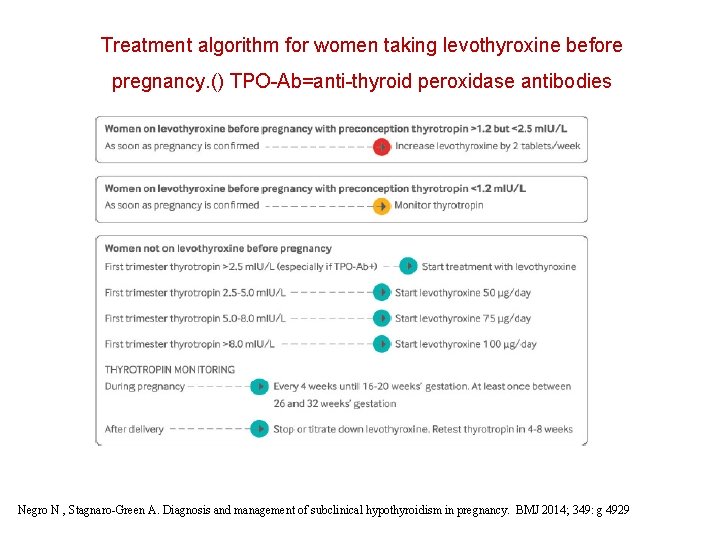
Hypothyroidism & Pregnancy • Recommendation 13 Treated hypothyroid women on LT 4 who are newly pregnant should increase T 4 dose by 30% • Recommendation 15 Treated hypothyroid women on LT 4 who are planning pregnancy should have T 4 dose adjusted to TSH <2. 5 MIU/L • Recommendation 16 Maternal serum TSH should be monitored every 4 weeks during 1 st half of pregnancy Thyroid 2011; 21: 1081 -1125
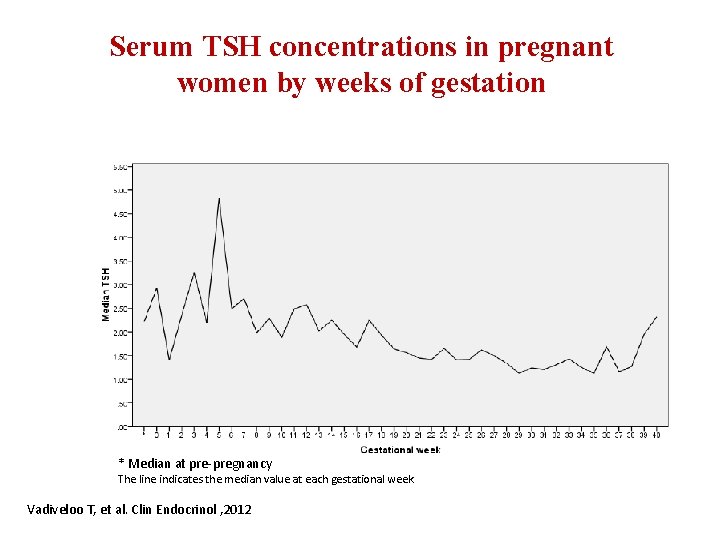
Serum TSH concentrations in pregnant women by weeks of gestation * Median at pre-pregnancy The line indicates the median value at each gestational week Vadiveloo T, et al. Clin Endocrinol , 2012
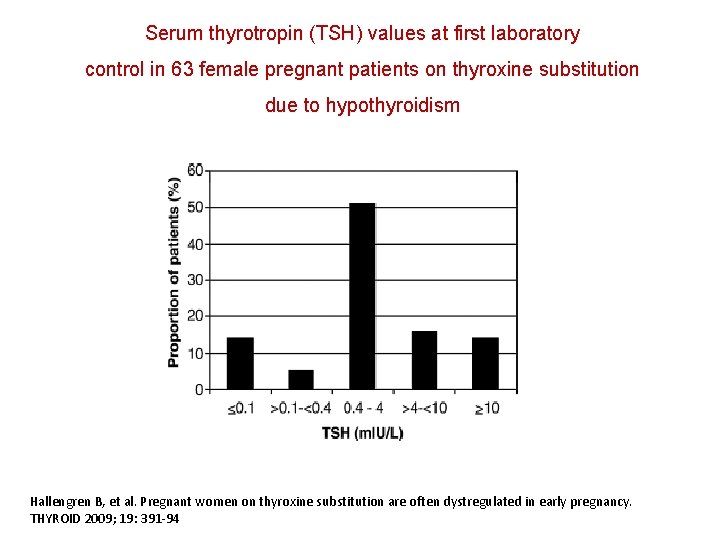
Serum thyrotropin (TSH) values at first laboratory control in 63 female pregnant patients on thyroxine substitution due to hypothyroidism Hallengren B, et al. Pregnant women on thyroxine substitution are often dystregulated in early pregnancy. THYROID 2009; 19: 391 -94
Treatment algorithm for women taking levothyroxine before pregnancy. () TPO-Ab=anti-thyroid peroxidase antibodies Negro N , Stagnaro-Green A. Diagnosis and management of subclinical hypothyroidism in pregnancy. BMJ 2014; 349: g 4929
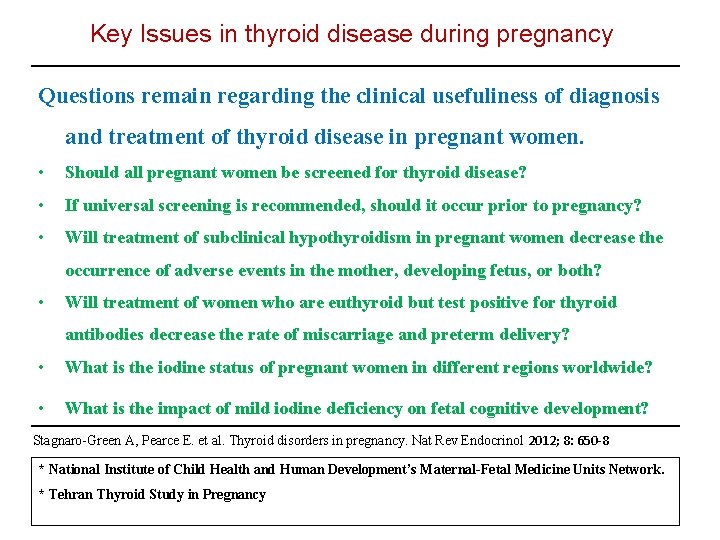
Key Issues in thyroid disease during pregnancy Questions remain regarding the clinical usefuliness of diagnosis and treatment of thyroid disease in pregnant women. • Should all pregnant women be screened for thyroid disease? • If universal screening is recommended, should it occur prior to pregnancy? • Will treatment of subclinical hypothyroidism in pregnant women decrease the occurrence of adverse events in the mother, developing fetus, or both? • Will treatment of women who are euthyroid but test positive for thyroid antibodies decrease the rate of miscarriage and preterm delivery? • What is the iodine status of pregnant women in different regions worldwide? • What is the impact of mild iodine deficiency on fetal cognitive development? Stagnaro-Green A, Pearce E. et al. Thyroid disorders in pregnancy. Nat Rev Endocrinol 2012; 8: 650 -8 * National Institute of Child Health and Human Development’s Maternal-Fetal Medicine Units Network. * Tehran Thyroid Study in Pregnancy
Conclusion § Thyroid diseases, both clinical and subclinical, are common during pregnancy and postpartum and influence the health of mother, fetus and infant. § Effective evidence based strategies for both detection and management should be developed for the benefit of both mother and child. § Prompt and appropriate treatment of thyroid disease could dramatically improve the pregnancy outcome and ensure health promotion for mother and infant.