
EARLY COLONIZATION THE AMERICAN REVOLUTION Explorerslooking for GOLD

- Slides: 29
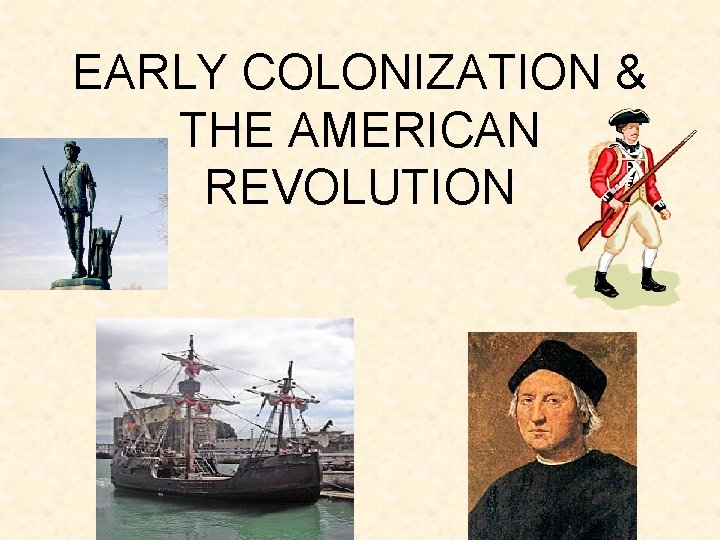
EARLY COLONIZATION & THE AMERICAN REVOLUTION
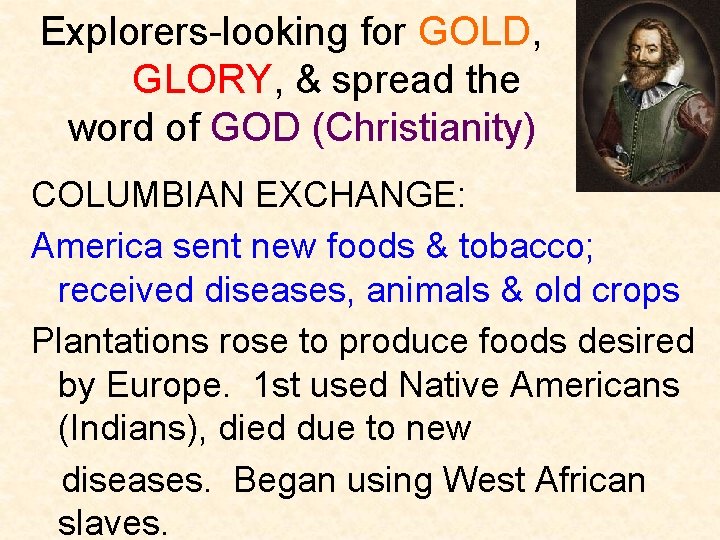
Explorers-looking for GOLD, GLORY, & spread the word of GOD (Christianity) COLUMBIAN EXCHANGE: America sent new foods & tobacco; received diseases, animals & old crops Plantations rose to produce foods desired by Europe. 1 st used Native Americans (Indians), died due to new diseases. Began using West African slaves.
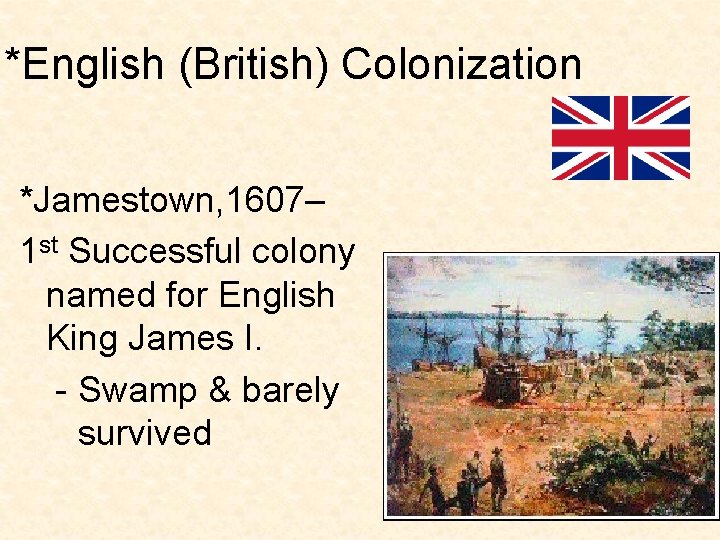
*English (British) Colonization *Jamestown, 1607– 1 st Successful colony named for English King James I. - Swamp & barely survived
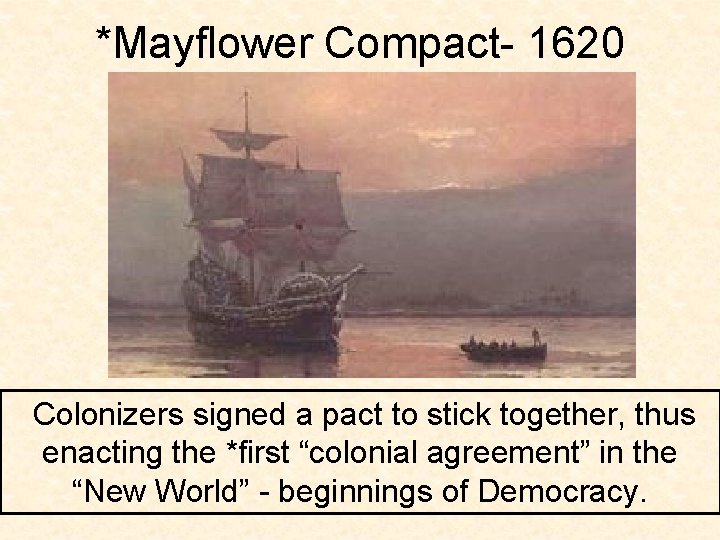
*Mayflower Compact- 1620 Colonizers signed a pact to stick together, thus enacting the *first “colonial agreement” in the “New World” - beginnings of Democracy.
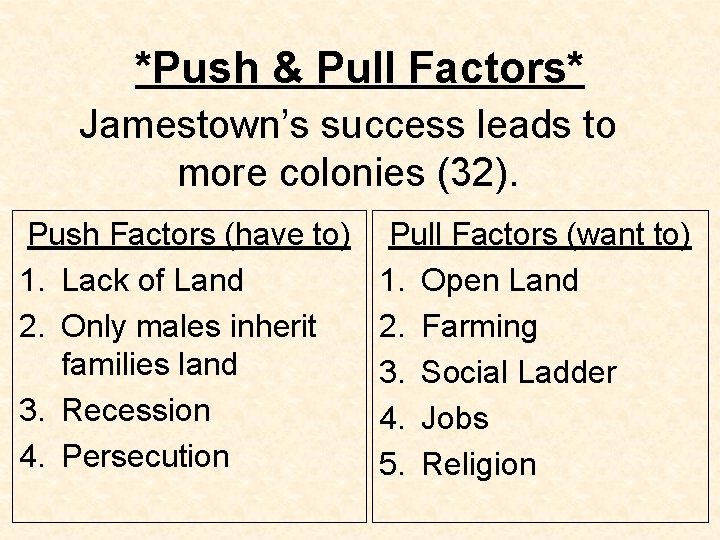
*Push & Pull Factors* Jamestown’s success leads to more colonies (32). Push Factors (have to) 1. Lack of Land 2. Only males inherit families land 3. Recession 4. Persecution Pull Factors (want to) 1. Open Land 2. Farming 3. Social Ladder 4. Jobs 5. Religion
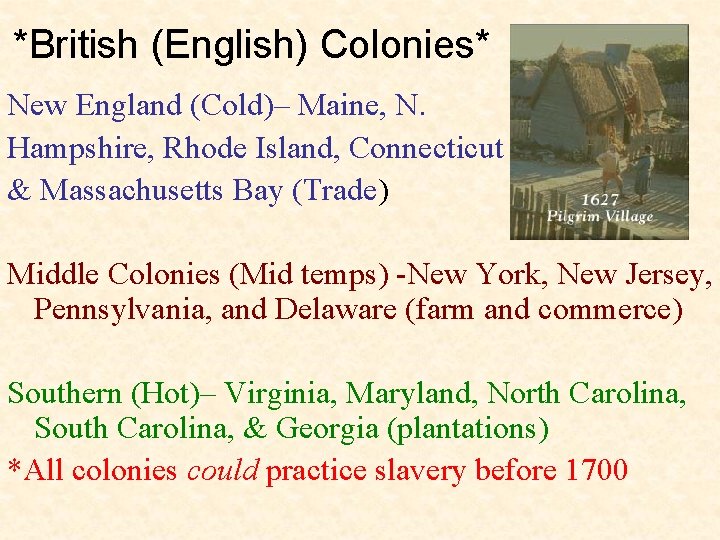
*British (English) Colonies* New England (Cold)– Maine, N. Hampshire, Rhode Island, Connecticut & Massachusetts Bay (Trade) Middle Colonies (Mid temps) -New York, New Jersey, Pennsylvania, and Delaware (farm and commerce) Southern (Hot)– Virginia, Maryland, North Carolina, South Carolina, & Georgia (plantations) *All colonies could practice slavery before 1700
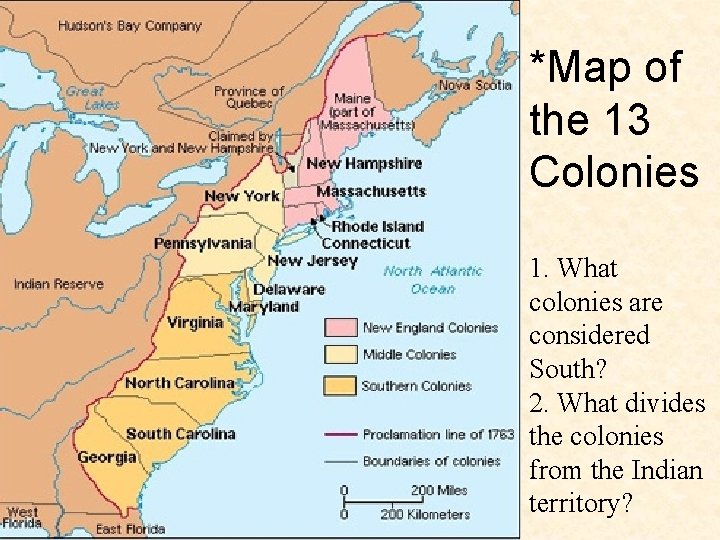
*Map of the 13 Colonies 1. What colonies are considered South? 2. What divides the colonies from the Indian territory?
*Mercantilism • Economic policy between 16 -18 th century • *The idea that colonies existed for the benefit of the Mother Country • Encouraged domestic production & exports, discouraged imports=trade surplus • *Trade surpluses lead to greater national wealth
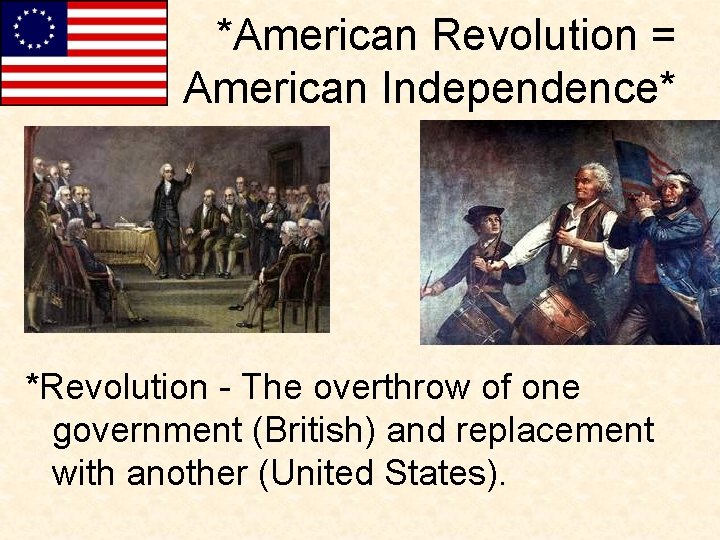
*American Revolution = American Independence* *Revolution - The overthrow of one government (British) and replacement with another (United States).
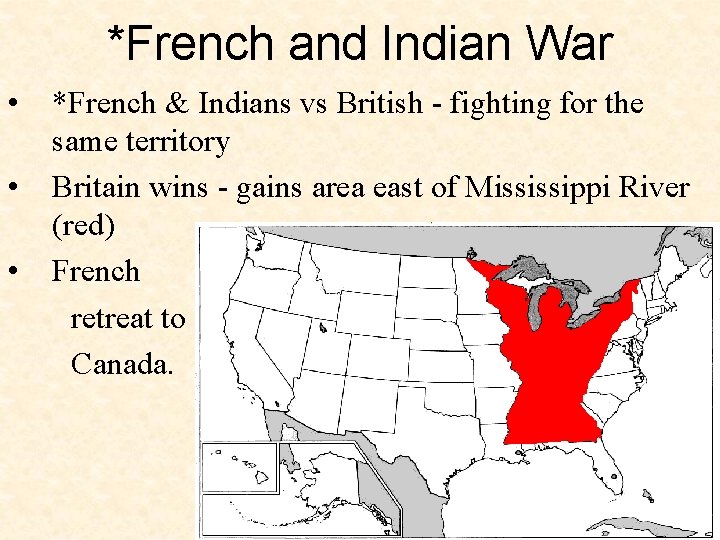
*French and Indian War • • • *French & Indians vs British - fighting for the same territory Britain wins - gains area east of Mississippi River (red) French retreat to Canada.
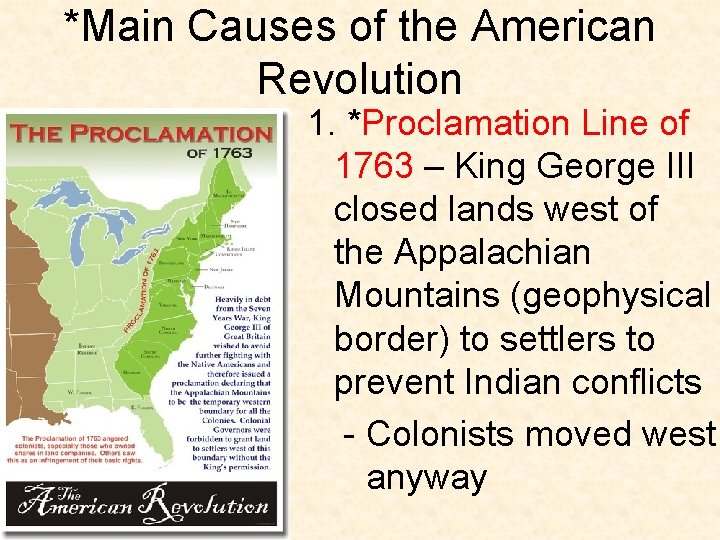
*Main Causes of the American Revolution 1. *Proclamation Line of 1763 – King George III closed lands west of the Appalachian Mountains (geophysical border) to settlers to prevent Indian conflicts - Colonists moved west anyway
2. Taxes- *King George & Parliament believed colonists should pay off debt from French & Indian war*: a. Sugar Act b. Quartering Act-colonists had to house & feed soldiers in their home. c. Stamp Act d. Townsend Act-tax on imports Colonists cry *“No taxation without representation!”*
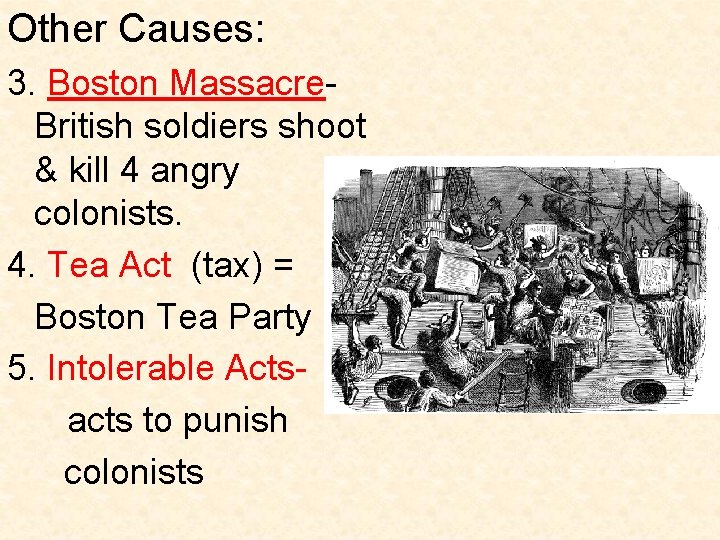
Other Causes: 3. Boston Massacre. British soldiers shoot & kill 4 angry colonists. 4. Tea Act (tax) = Boston Tea Party 5. Intolerable Actsacts to punish colonists
Quick Check 1. Define Mercantilism. 2. Give me an example of mercantilism today? 3. What were the 5 causes of the American Revolution?
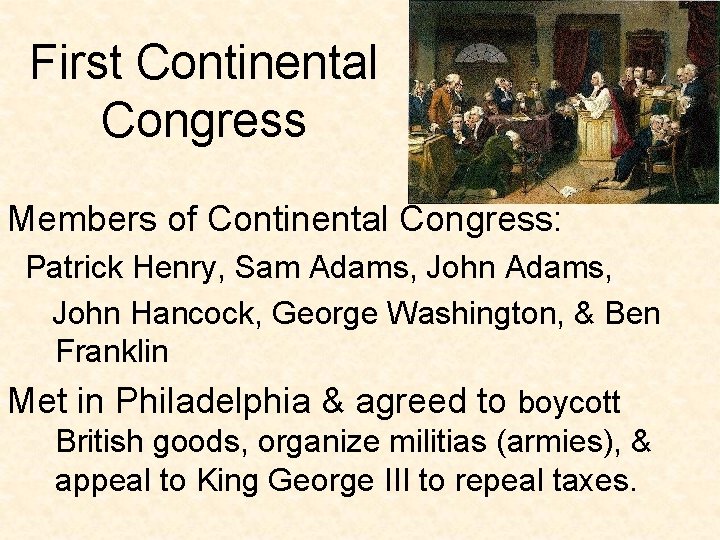
First Continental Congress Members of Continental Congress: Patrick Henry, Sam Adams, John Hancock, George Washington, & Ben Franklin Met in Philadelphia & agreed to boycott British goods, organize militias (armies), & appeal to King George III to repeal taxes.
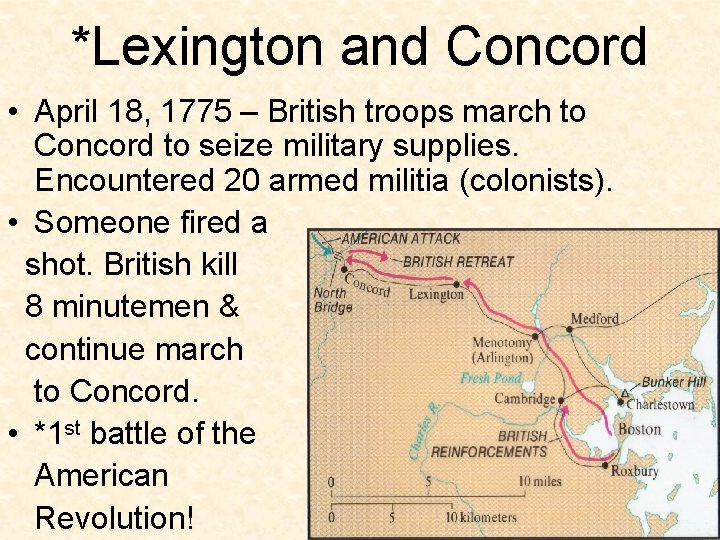
*Lexington and Concord • April 18, 1775 – British troops march to Concord to seize military supplies. Encountered 20 armed militia (colonists). • Someone fired a shot. British kill 8 minutemen & continue march to Concord. • *1 st battle of the American Revolution!
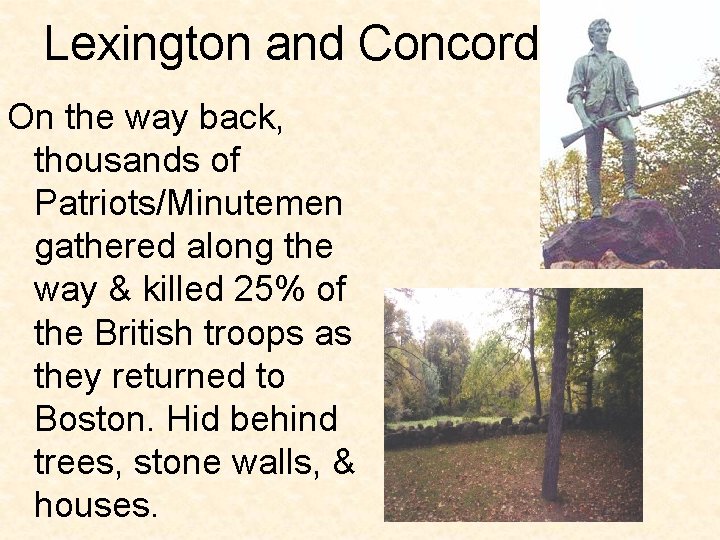
Lexington and Concord On the way back, thousands of Patriots/Minutemen gathered along the way & killed 25% of the British troops as they returned to Boston. Hid behind trees, stone walls, & houses.
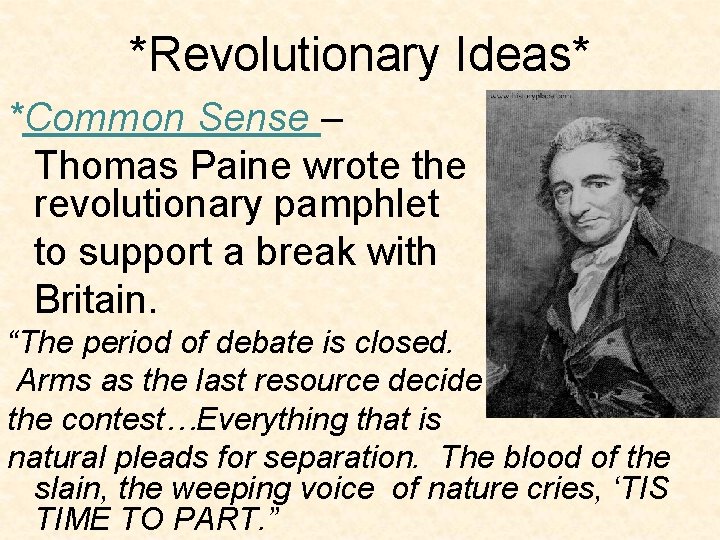
*Revolutionary Ideas* *Common Sense – Thomas Paine wrote the revolutionary pamphlet to support a break with Britain. “The period of debate is closed. Arms as the last resource decide the contest…Everything that is natural pleads for separation. The blood of the slain, the weeping voice of nature cries, ‘TIS TIME TO PART. ”
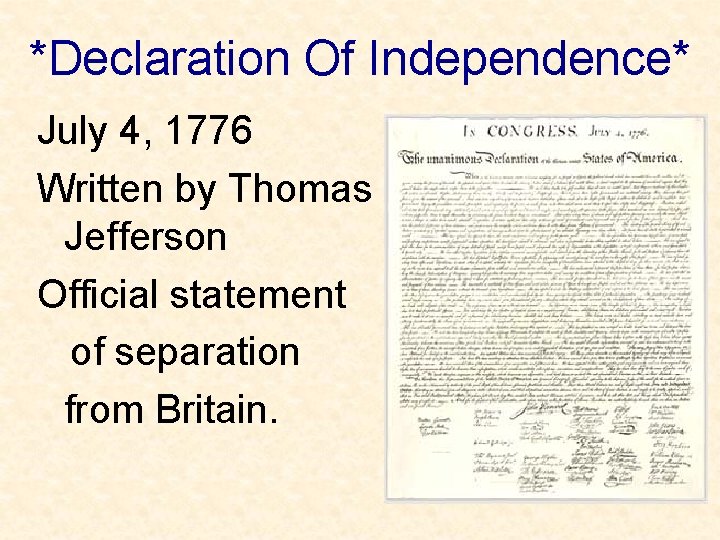
*Declaration Of Independence* July 4, 1776 Written by Thomas Jefferson Official statement of separation from Britain.
*Unalienable Rights • Human rights that are fundamental & cannot be surrendered! • 1 st used by T. Jefferson in the Declaration of Independence, • *“Life, Liberty, and the Pursuit of Happiness”
*Advantages & Disadvantages *Colonists - *Knew the territory - Familiar with British tactics. British - Disciplined - Good equipment - Navy Disadvantages: - Stable economy/supplies - Less troops Disadvantages: - Fought in hostile country - Poor military strategy vs. colonialists
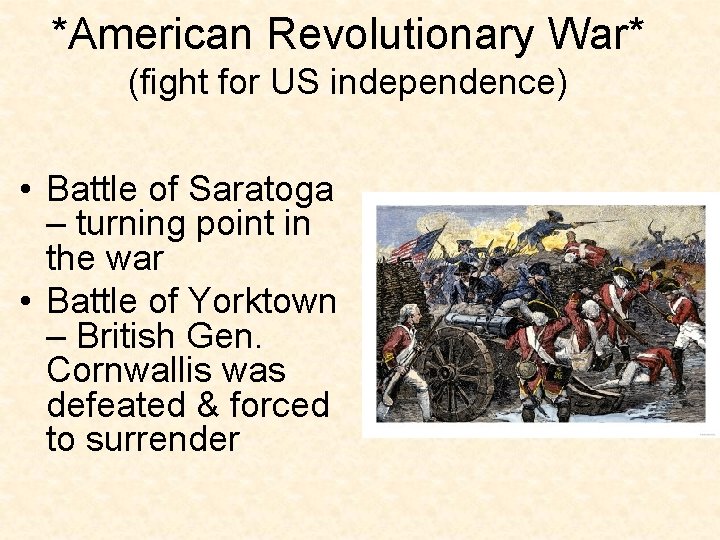
*American Revolutionary War* (fight for US independence) • Battle of Saratoga – turning point in the war • Battle of Yorktown – British Gen. Cornwallis was defeated & forced to surrender
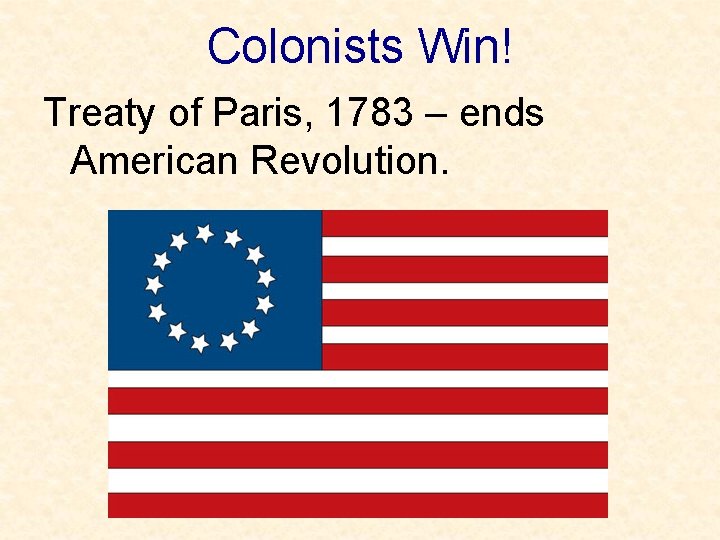
Colonists Win! Treaty of Paris, 1783 – ends American Revolution.
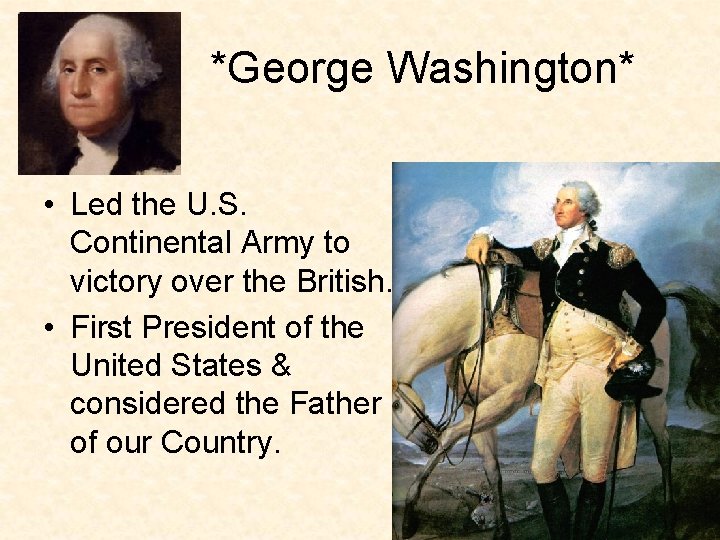
*George Washington* • Led the U. S. Continental Army to victory over the British. • First President of the United States & considered the Father of our Country.
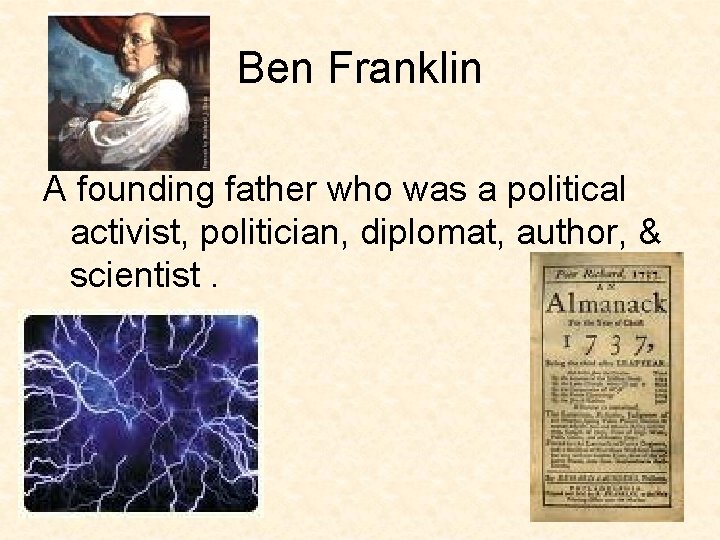
Ben Franklin A founding father who was a political activist, politician, diplomat, author, & scientist.
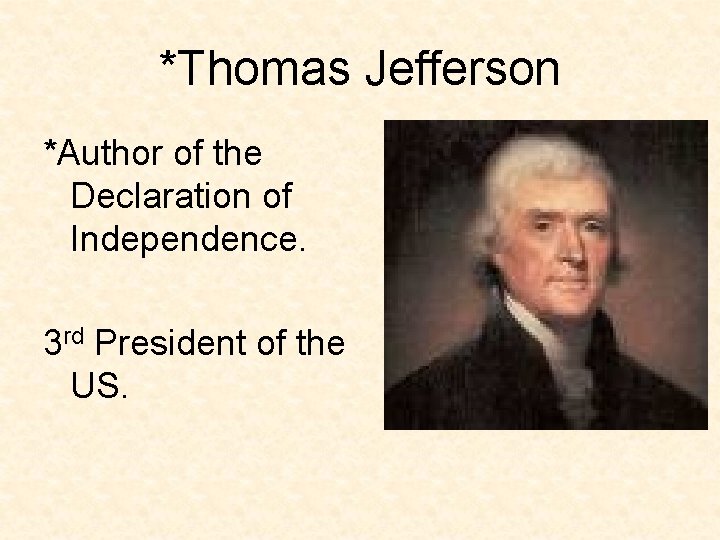
*Thomas Jefferson *Author of the Declaration of Independence. 3 rd President of the US.
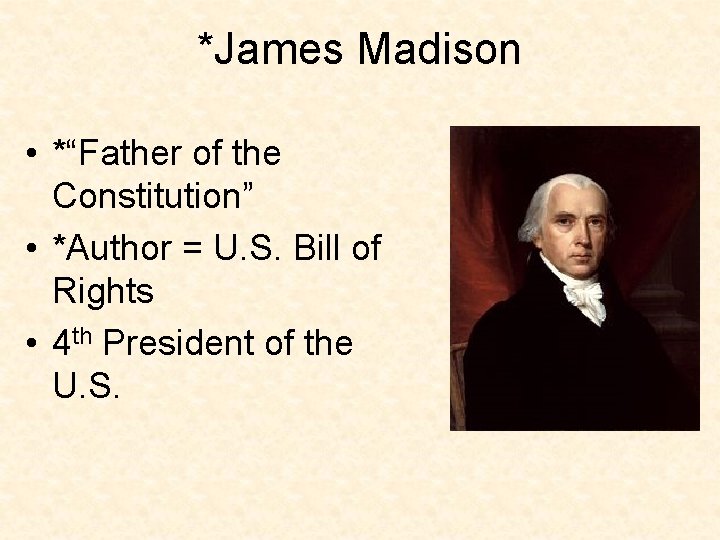
*James Madison • *“Father of the Constitution” • *Author = U. S. Bill of Rights • 4 th President of the U. S.
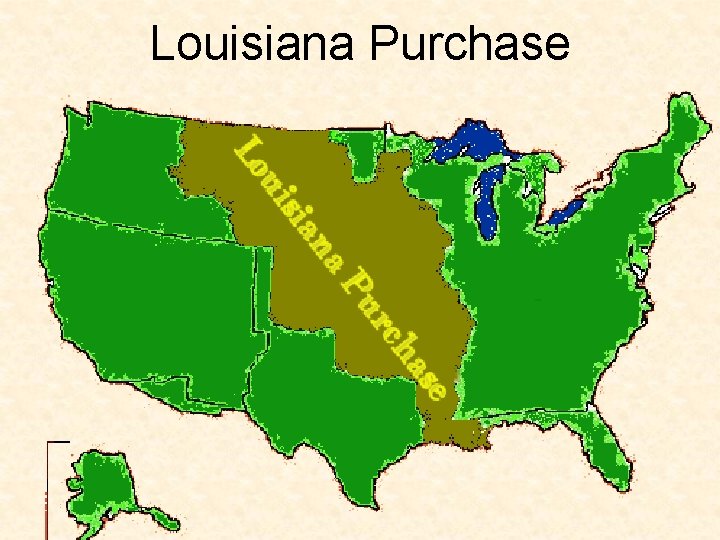
*Louisiana Purchase, 1803 Napoleon (French emperor) sold the Louisiana territory to the U. S. for $15 million (3 cents/acre). Lewis and Clark were sent to explore the areas in the Louisiana Purchase.
Louisiana Purchase