
EARLY AFRICAN CIVILIZATIONS EAR LY A CIV F

- Slides: 30
EARLY AFRICAN CIVILIZATIONS
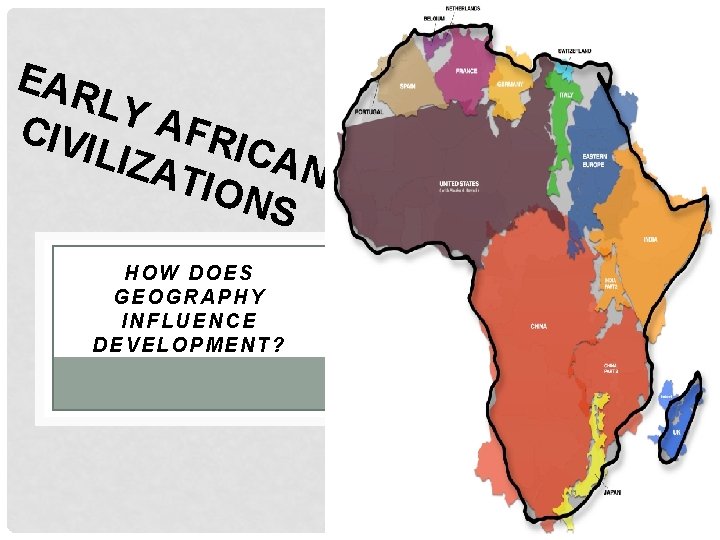
EAR LY A CIV F ILIZ RICAN ATIO NS HOW DOES GEOGRAPHY INFLUENCE DEVELOPMENT?
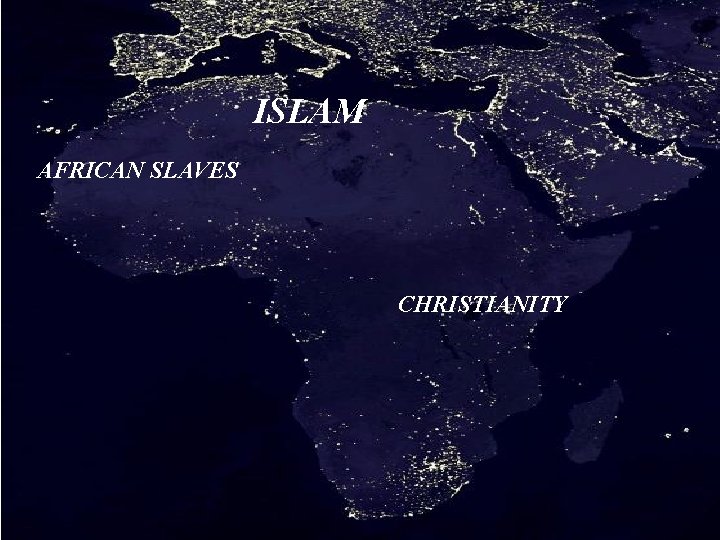
ISLAM AFRICAN SLAVES CHRISTIANITY
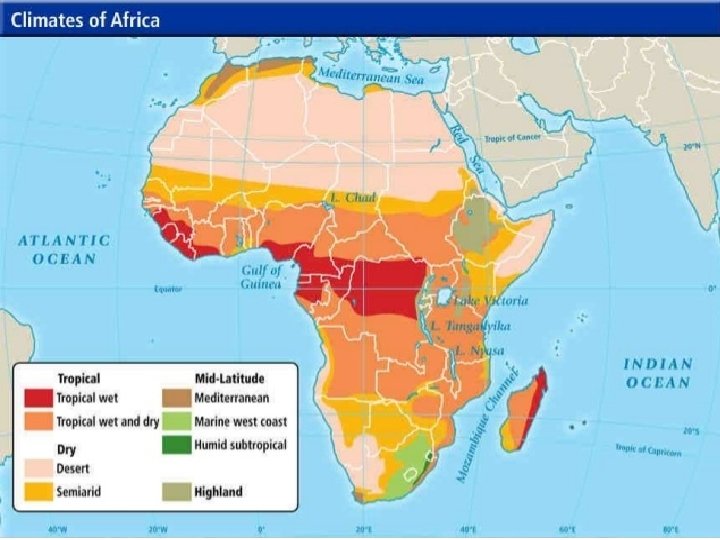
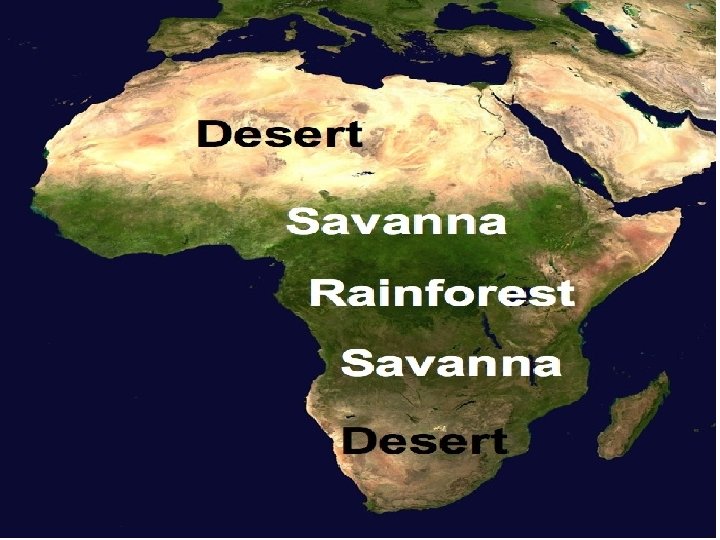
GEOGRAPHY AND CLIMATES OF AFRICA • Africa’s many climate zones and landforms have encouraged the development of a wide variety of cultures. • Tropical rain forest - 5% of land area • Savanna - grassy plains used for grazing animals, fertile soil(majority of population lives in this area) • Sahel - dry area between savanna and desert • Deserts - Sahara (as large as US), Kalahari and Namib in southern Africa • These deserts are “highways” for trade, limited movement • Mediterranean climates in north and south
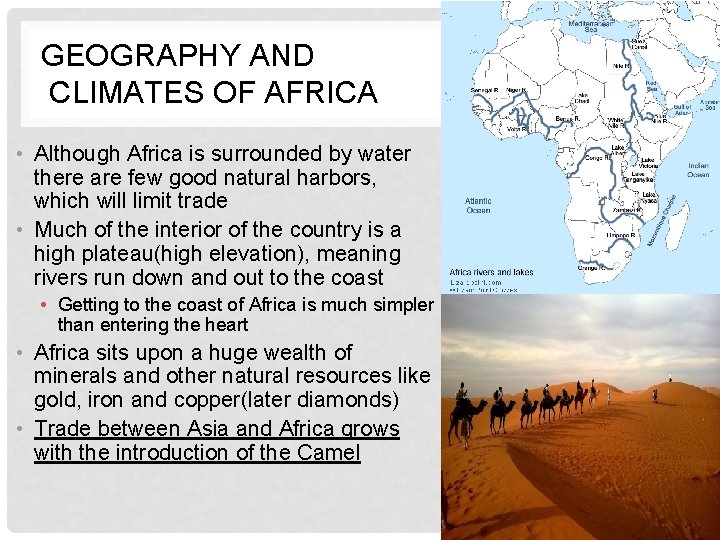
GEOGRAPHY AND CLIMATES OF AFRICA • Although Africa is surrounded by water there are few good natural harbors, which will limit trade • Much of the interior of the country is a high plateau(high elevation), meaning rivers run down and out to the coast • Getting to the coast of Africa is much simpler than entering the heart • Africa sits upon a huge wealth of minerals and other natural resources like gold, iron and copper(later diamonds) • Trade between Asia and Africa grows with the introduction of the Camel
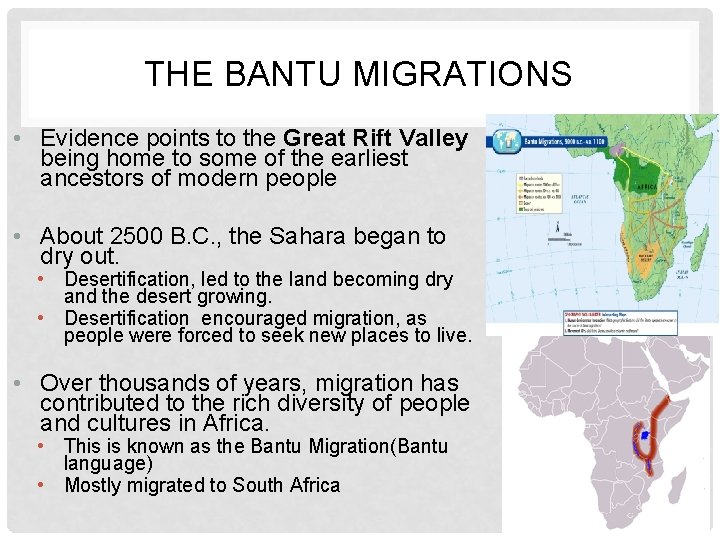
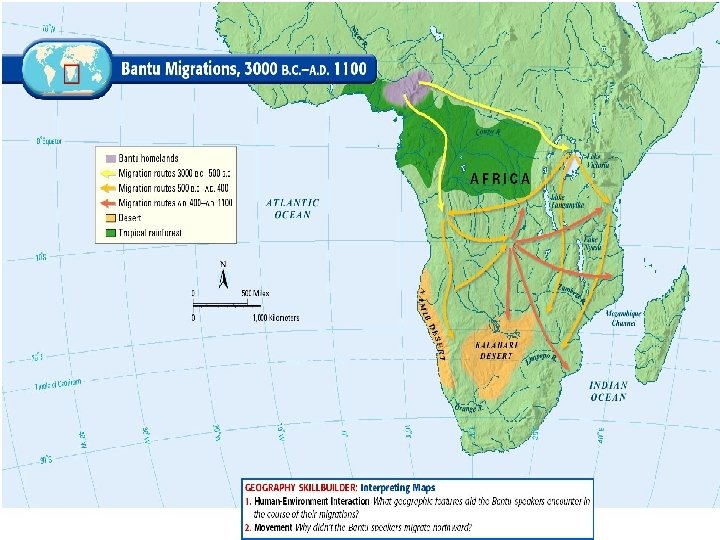
THE BANTU MIGRATIONS • Evidence points to the Great Rift Valley being home to some of the earliest ancestors of modern people • About 2500 B. C. , the Sahara began to dry out. • Desertification, led to the land becoming dry and the desert growing. • Desertification encouraged migration, as people were forced to seek new places to live. • Over thousands of years, migration has contributed to the rich diversity of people and cultures in Africa. • This is known as the Bantu Migration(Bantu language) • Mostly migrated to South Africa
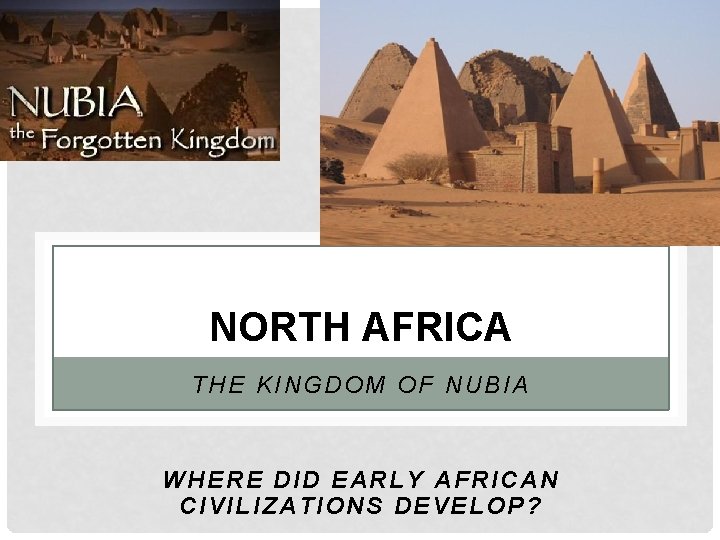
NORTH AFRICA THE KINGDOM OF NUBIA WHERE DID EARLY AFRICAN CIVILIZATIONS DEVELOP?
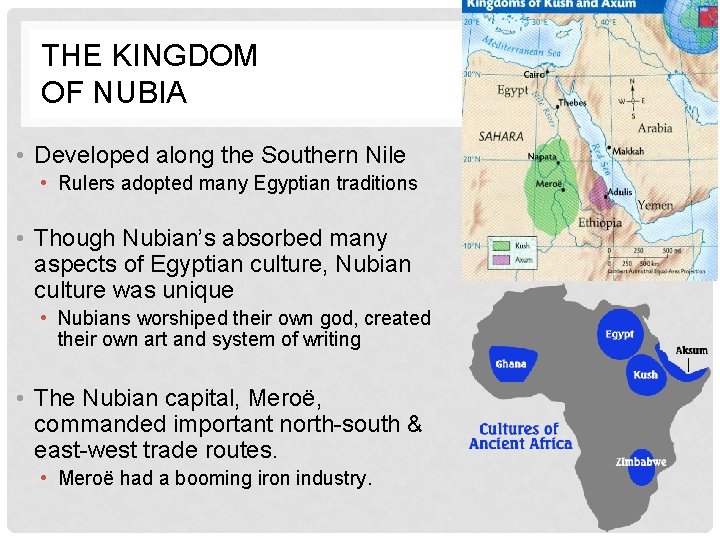
THE KINGDOM OF NUBIA • Developed along the Southern Nile • Rulers adopted many Egyptian traditions • Though Nubian’s absorbed many aspects of Egyptian culture, Nubian culture was unique • Nubians worshiped their own god, created their own art and system of writing • The Nubian capital, Meroë, commanded important north-south & east-west trade routes. • Meroë had a booming iron industry.
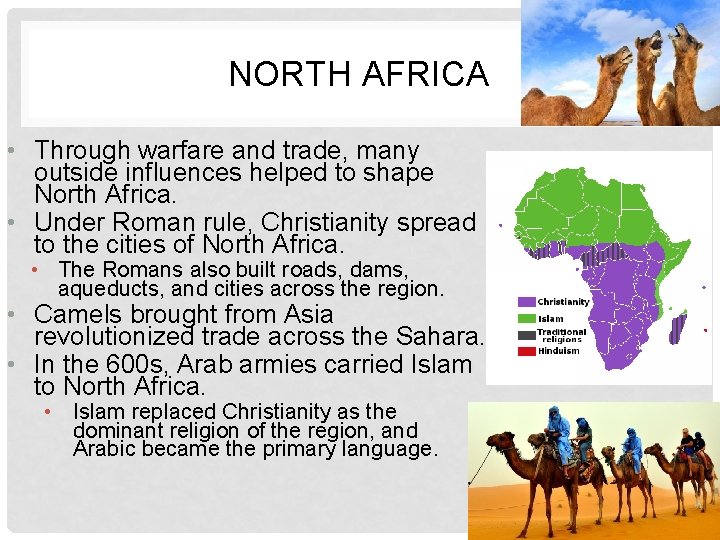
NORTH AFRICA • Through warfare and trade, many outside influences helped to shape North Africa. • Under Roman rule, Christianity spread to the cities of North Africa. • The Romans also built roads, dams, aqueducts, and cities across the region. • Camels brought from Asia revolutionized trade across the Sahara. • In the 600 s, Arab armies carried Islam to North Africa. • Islam replaced Christianity as the dominant religion of the region, and Arabic became the primary language.
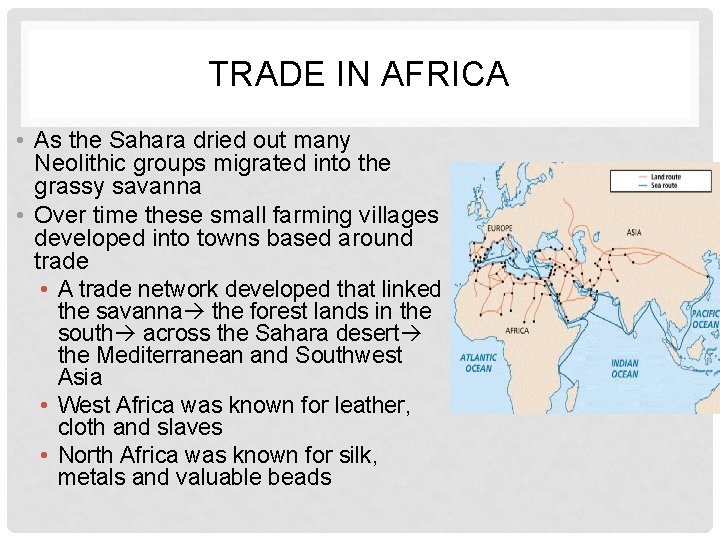
TRADE IN AFRICA • As the Sahara dried out many Neolithic groups migrated into the grassy savanna • Over time these small farming villages developed into towns based around trade • A trade network developed that linked the savanna the forest lands in the south across the Sahara desert the Mediterranean and Southwest Asia • West Africa was known for leather, cloth and slaves • North Africa was known for silk, metals and valuable beads
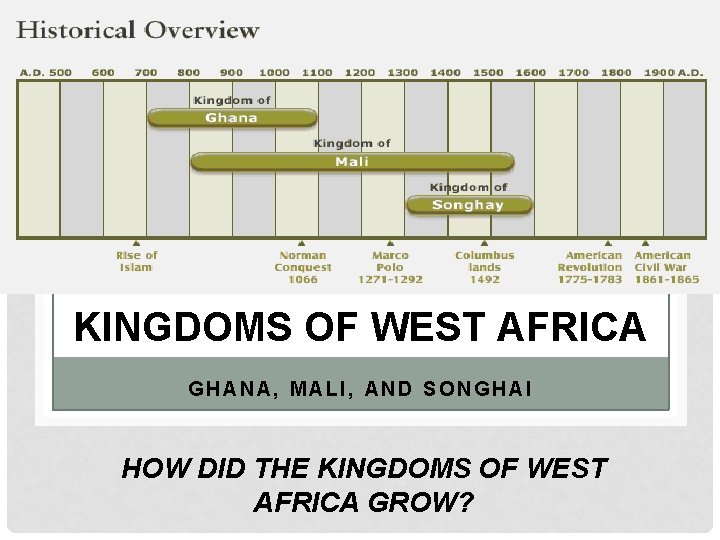
KINGDOMS OF WEST AFRICA GHANA, MALI, AND SONGHAI HOW DID THE KINGDOMS OF WEST AFRICA GROW?
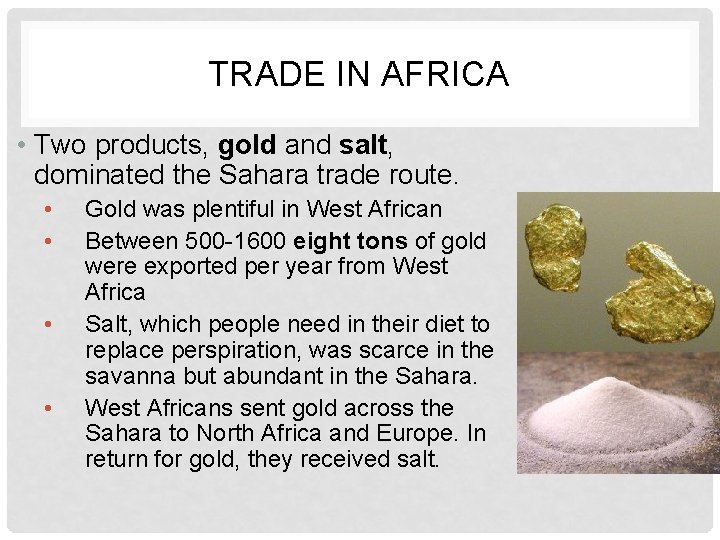
TRADE IN AFRICA • Two products, gold and salt, dominated the Sahara trade route. • • Gold was plentiful in West African Between 500 -1600 eight tons of gold were exported per year from West Africa Salt, which people need in their diet to replace perspiration, was scarce in the savanna but abundant in the Sahara. West Africans sent gold across the Sahara to North Africa and Europe. In return for gold, they received salt.
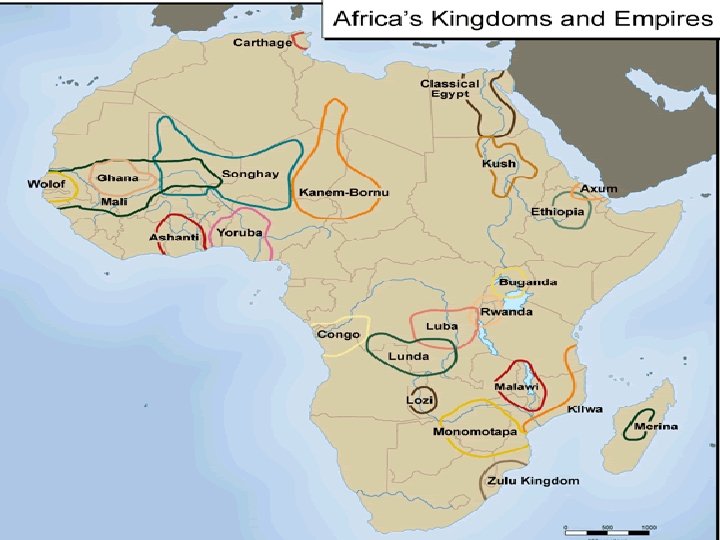
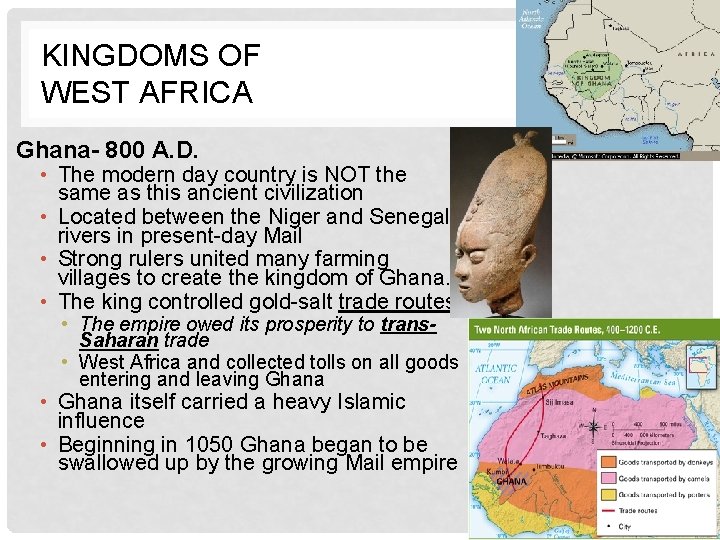
KINGDOMS OF WEST AFRICA Ghana- 800 A. D. • The modern day country is NOT the same as this ancient civilization • Located between the Niger and Senegal rivers in present-day Mail • Strong rulers united many farming villages to create the kingdom of Ghana. • The king controlled gold-salt trade routes • The empire owed its prosperity to trans. Saharan trade • West Africa and collected tolls on all goods entering and leaving Ghana • Ghana itself carried a heavy Islamic influence • Beginning in 1050 Ghana began to be swallowed up by the growing Mail empire
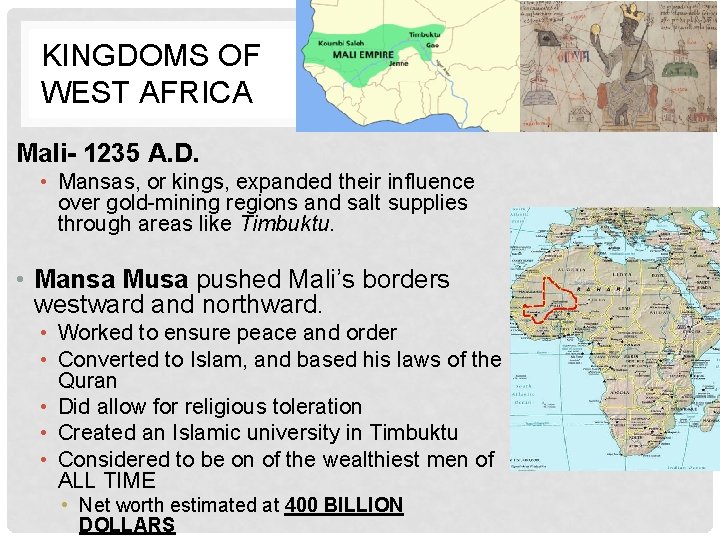
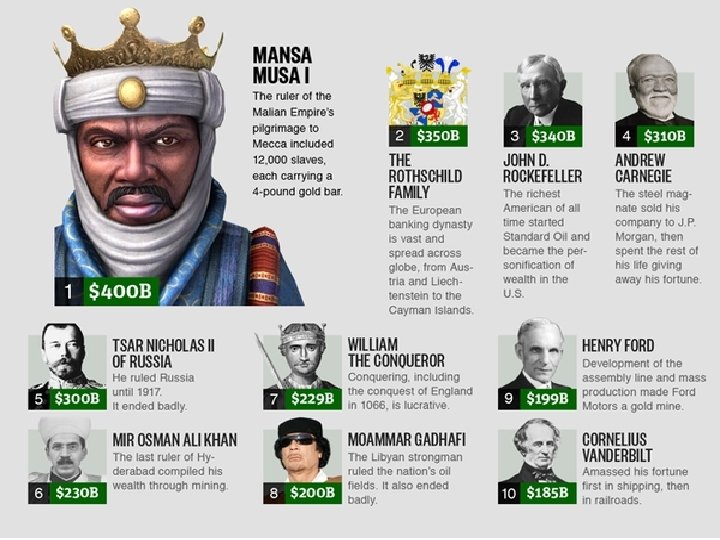
KINGDOMS OF WEST AFRICA Mali- 1235 A. D. • Mansas, or kings, expanded their influence over gold-mining regions and salt supplies through areas like Timbuktu. • Mansa Musa pushed Mali’s borders westward and northward. • Worked to ensure peace and order • Converted to Islam, and based his laws of the Quran • Did allow for religious toleration • Created an Islamic university in Timbuktu • Considered to be on of the wealthiest men of ALL TIME • Net worth estimated at 400 BILLION DOLLARS
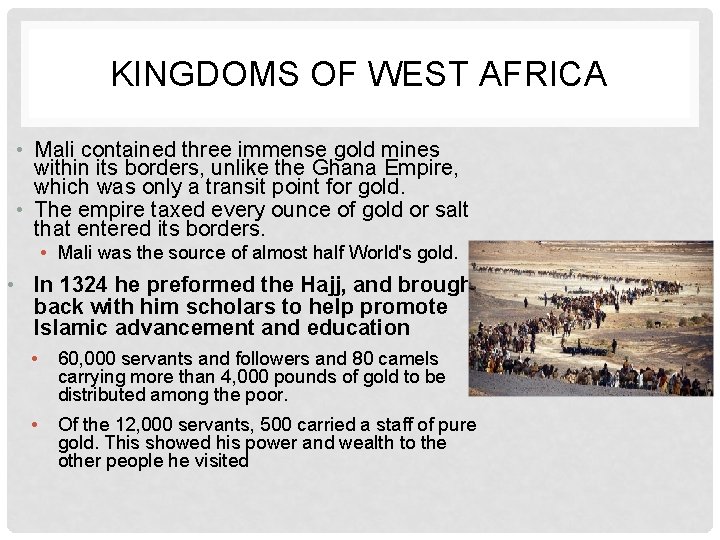
KINGDOMS OF WEST AFRICA • Mali contained three immense gold mines within its borders, unlike the Ghana Empire, which was only a transit point for gold. • The empire taxed every ounce of gold or salt that entered its borders. • Mali was the source of almost half World's gold. • In 1324 he preformed the Hajj, and brought back with him scholars to help promote Islamic advancement and education • 60, 000 servants and followers and 80 camels carrying more than 4, 000 pounds of gold to be distributed among the poor. • Of the 12, 000 servants, 500 carried a staff of pure gold. This showed his power and wealth to the other people he visited
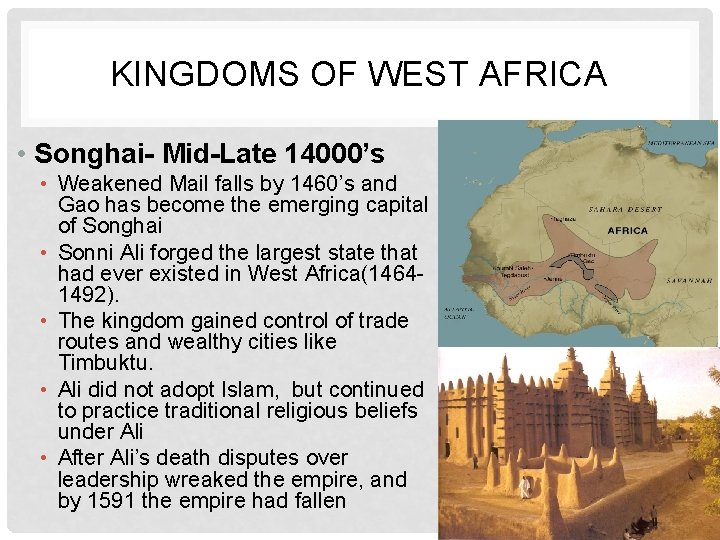
KINGDOMS OF WEST AFRICA • Songhai- Mid-Late 14000’s • Weakened Mail falls by 1460’s and Gao has become the emerging capital of Songhai • Sonni Ali forged the largest state that had ever existed in West Africa(14641492). • The kingdom gained control of trade routes and wealthy cities like Timbuktu. • Ali did not adopt Islam, but continued to practice traditional religious beliefs under Ali • After Ali’s death disputes over leadership wreaked the empire, and by 1591 the empire had fallen
TRADE ROUTES OF EAST AFRICA HOW DID RELIGION AND GEOGRAPHY INFLUENCE AFRICA?
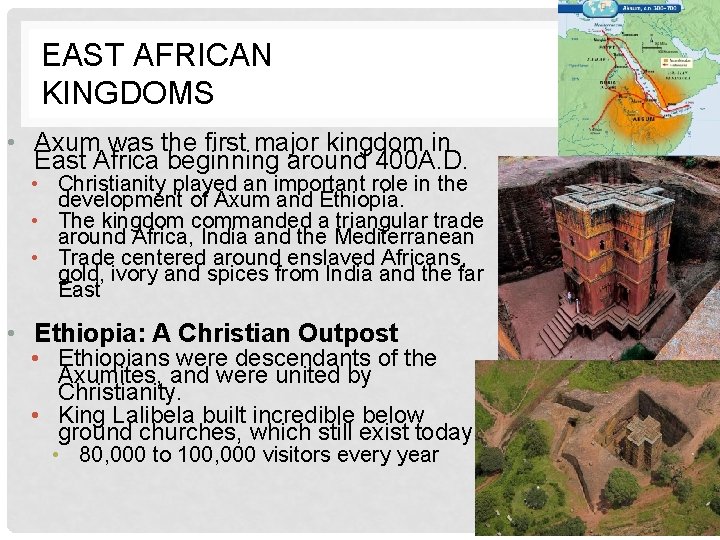
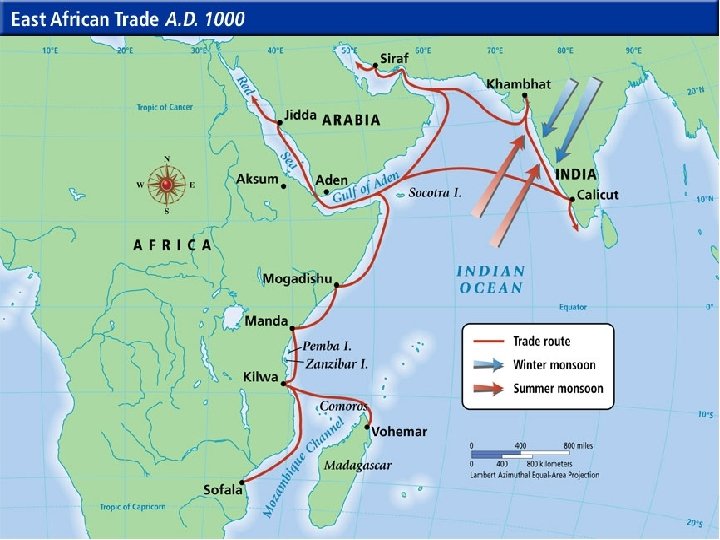
EAST AFRICAN KINGDOMS • Axum was the first major kingdom in East Africa beginning around 400 A. D. • Christianity played an important role in the development of Axum and Ethiopia. • The kingdom commanded a triangular trade around Africa, India and the Mediterranean • Trade centered around enslaved Africans, gold, ivory and spices from India and the far East • Ethiopia: A Christian Outpost • Ethiopians were descendants of the Axumites, and were united by Christianity. • King Lalibela built incredible below ground churches, which still exist today • 80, 000 to 100, 000 visitors every year
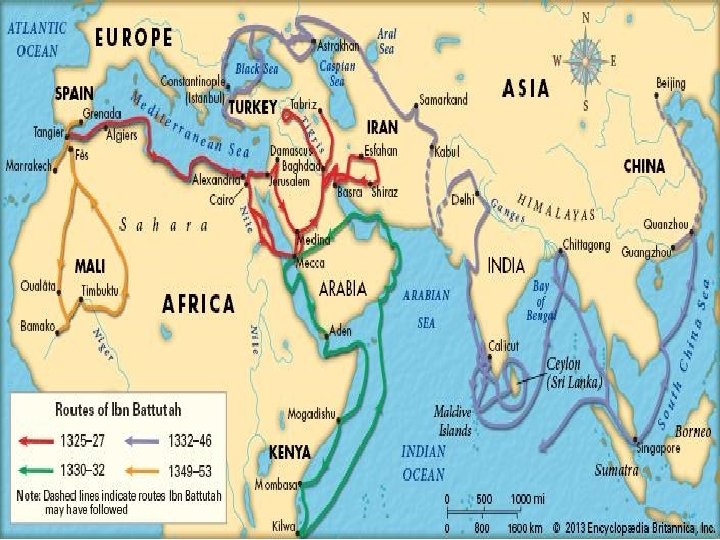
EAST AFRICAN CITY-STATES • When Axum declined, a string of commercial cities gradually rose along the East African coast. • Trade helped local rulers build strong states. • Under the protection of local rulers, Arab and Persian merchants set up Muslim communities in East Africa. • International trade created a rich and varied mix of cultures in East Africa. • This was best documented by Ibn Battuta’s 30 year hajj, now considered a key primary source
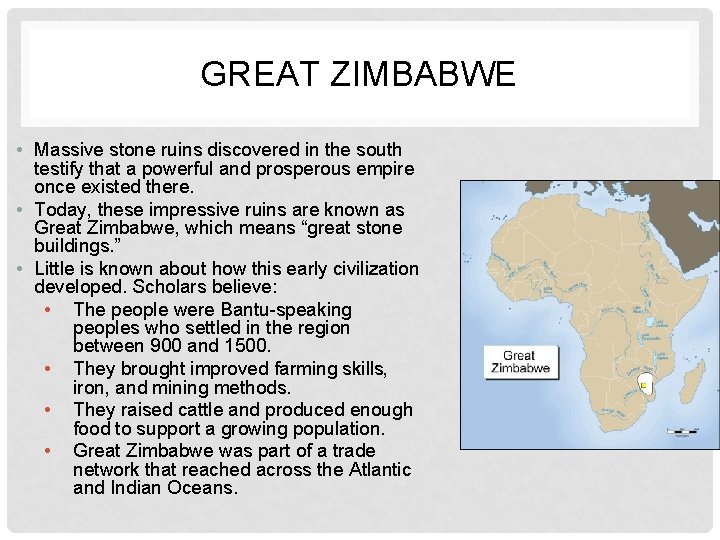
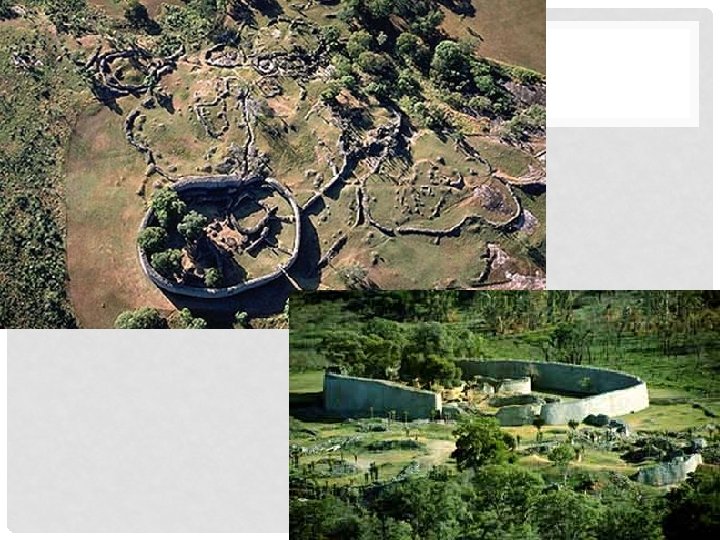
GREAT ZIMBABWE • Massive stone ruins discovered in the south testify that a powerful and prosperous empire once existed there. • Today, these impressive ruins are known as Great Zimbabwe, which means “great stone buildings. ” • Little is known about how this early civilization developed. Scholars believe: • The people were Bantu-speaking peoples who settled in the region between 900 and 1500. • They brought improved farming skills, iron, and mining methods. • They raised cattle and produced enough food to support a growing population. • Great Zimbabwe was part of a trade network that reached across the Atlantic and Indian Oceans.
WATCH-MANKIND AFRICA VIDEO