
E coli Commensal Pathogen Genetic tool Dr T

- Slides: 54
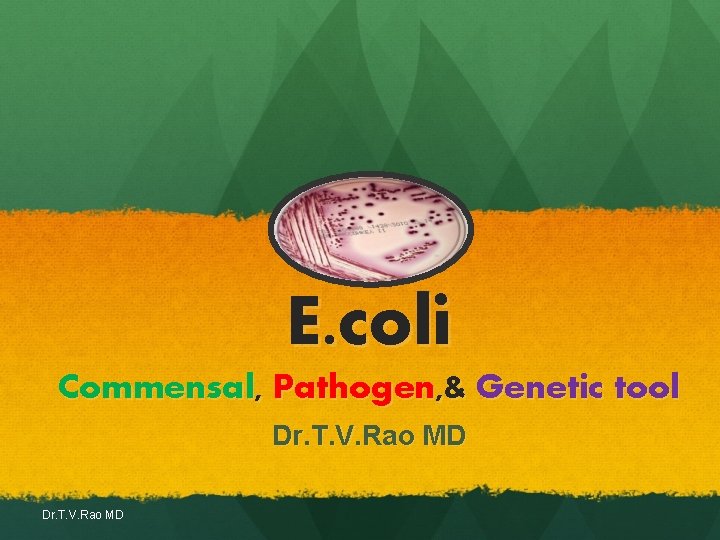
E. coli Commensal, Pathogen, & Genetic tool Dr. T. V. Rao MD
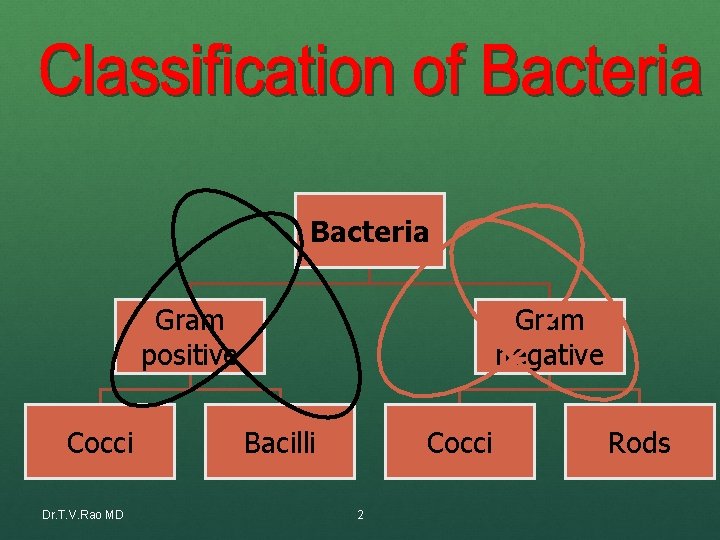
Bacteria Gram positive Cocci Dr. T. V. Rao MD Gram negative Bacilli Cocci 2 Rods
Enterobacteriacea e Commonly present in large intestine Non sporing , Non Acid fast, Gram – bacilli. A complex family of organisms, Some are non pathogenic A few are highly Pathogenic, Some commensals turn out to be pathogenic. as in UTI after catheterization. Dr. T. V. Rao MD 3
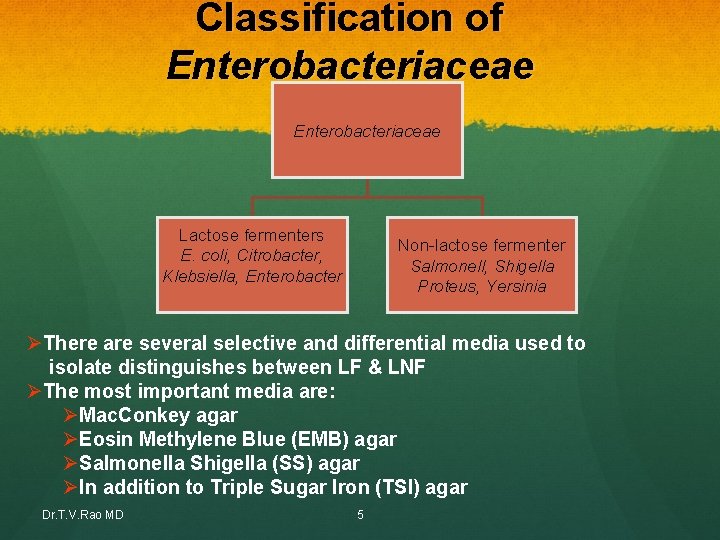
Characters of Enterobacteriaceae All Enterobacteriaceae Gram-negative rods Ferment glucose with acid production Reduce nitrates into nitrites Oxidase negative Facultative anaerobic Motile except Shigella and Klebsiella Non-capsulated except Klebsiella Non-fastidious Grow on bile containing media (Mac. Conkey agar) Dr. T. V. Rao MD 4
Classification of Enterobacteriaceae Lactose fermenters E. coli, Citrobacter, Klebsiella, Enterobacter Non-lactose fermenter Salmonell, Shigella Proteus, Yersinia ØThere are several selective and differential media used to isolate distinguishes between LF & LNF ØThe most important media are: ØMac. Conkey agar ØEosin Methylene Blue (EMB) agar ØSalmonella Shigella (SS) agar ØIn addition to Triple Sugar Iron (TSI) agar Dr. T. V. Rao MD 5
Escherichia coli Named by Escherichia Wide group of bacteria on basis of Bio typing and Serotyping Produce infections in Humans and Animals Detection of E. coli in water indicates pollution and contamination. Dr. T. V. Rao MD 6
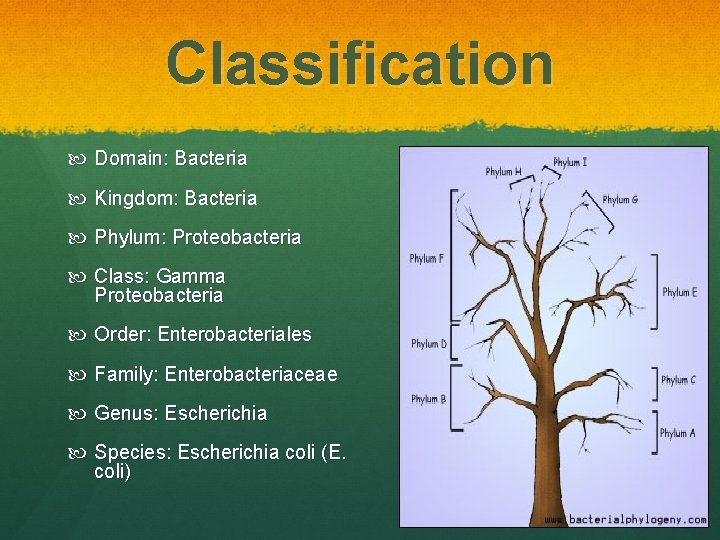
Classification Domain: Bacteria Kingdom: Bacteria Phylum: Proteobacteria Class: Gamma Proteobacteria Order: Enterobacteriales Family: Enterobacteriaceae Genus: Escherichia Species: Escherichia coli (E. coli)
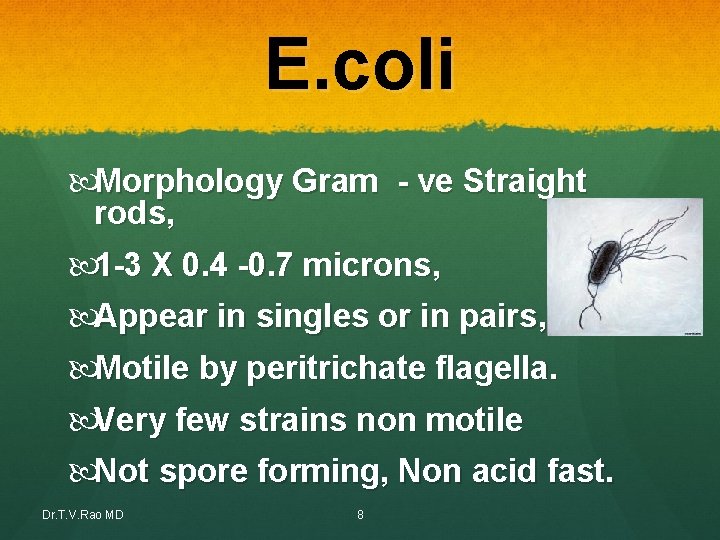
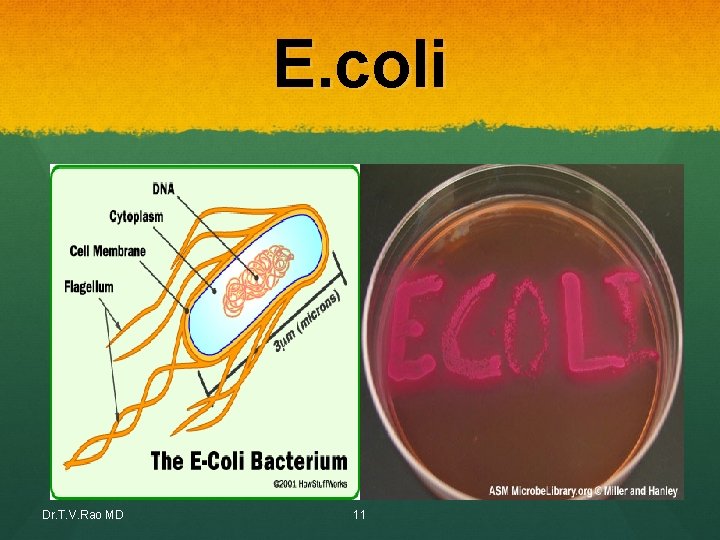
E. coli Morphology Gram - ve Straight rods, 1 -3 X 0. 4 -0. 7 microns, Appear in singles or in pairs, Motile by peritrichate flagella. Very few strains non motile Not spore forming, Non acid fast. Dr. T. V. Rao MD 8
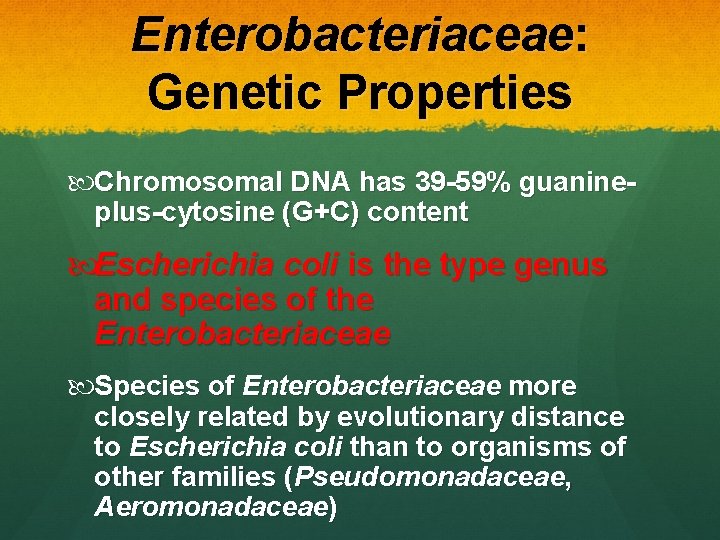
Enterobacteriaceae: Genetic Properties Chromosomal DNA has 39 -59% guanineplus-cytosine (G+C) content Escherichia coli is the type genus and species of the Enterobacteriaceae Species of Enterobacteriaceae more closely related by evolutionary distance to Escherichia coli than to organisms of other families (Pseudomonadaceae, Aeromonadaceae)
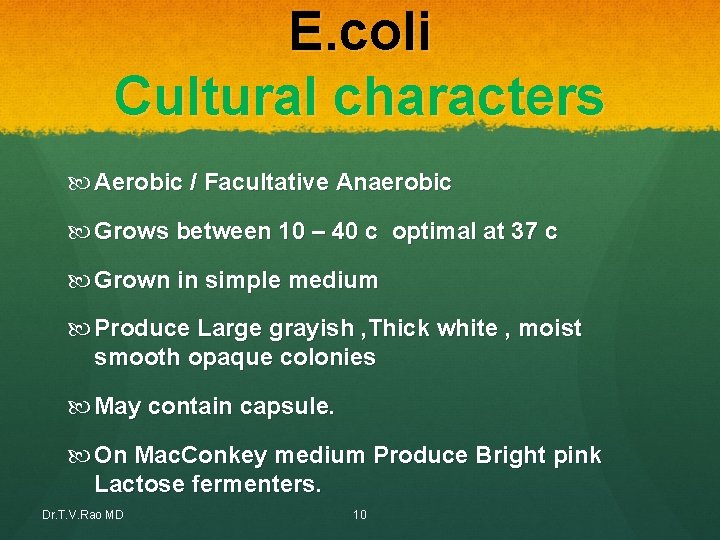
E. coli Cultural characters Aerobic / Facultative Anaerobic Grows between 10 – 40 c optimal at 37 c Grown in simple medium Produce Large grayish , Thick white , moist smooth opaque colonies May contain capsule. On Mac. Conkey medium Produce Bright pink Lactose fermenters. Dr. T. V. Rao MD 10
E. coli Dr. T. V. Rao MD 11
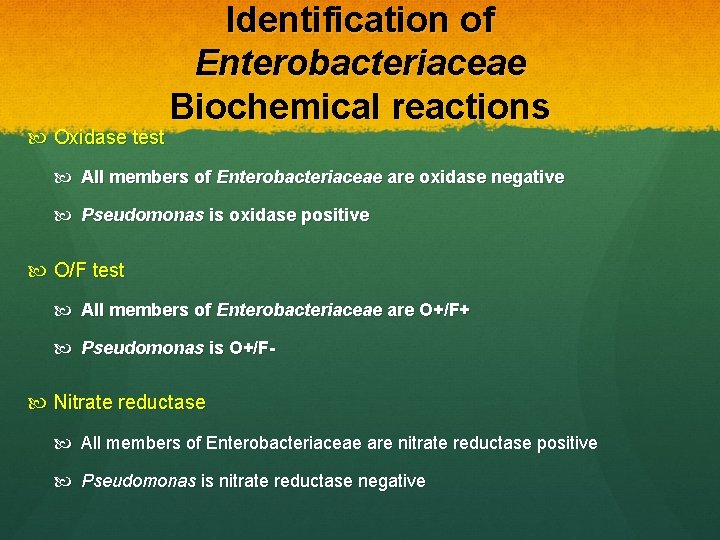
Oxidase test Identification of Enterobacteriaceae Biochemical reactions All members of Enterobacteriaceae are oxidase negative Pseudomonas is oxidase positive O/F test All members of Enterobacteriaceae are O+/F+ Pseudomonas is O+/F- Nitrate reductase All members of Enterobacteriaceae are nitrate reductase positive Pseudomonas is nitrate reductase negative
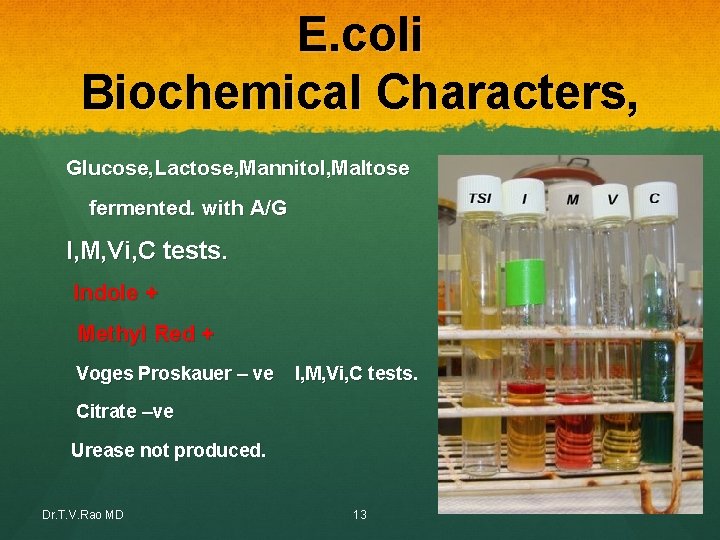
E. coli Biochemical Characters, Glucose, Lactose, Mannitol, Maltose fermented. with A/G I, M, Vi, C tests. Indole + Methyl Red + Voges Proskauer – ve I, M, Vi, C tests. Citrate –ve Urease not produced. Dr. T. V. Rao MD 13
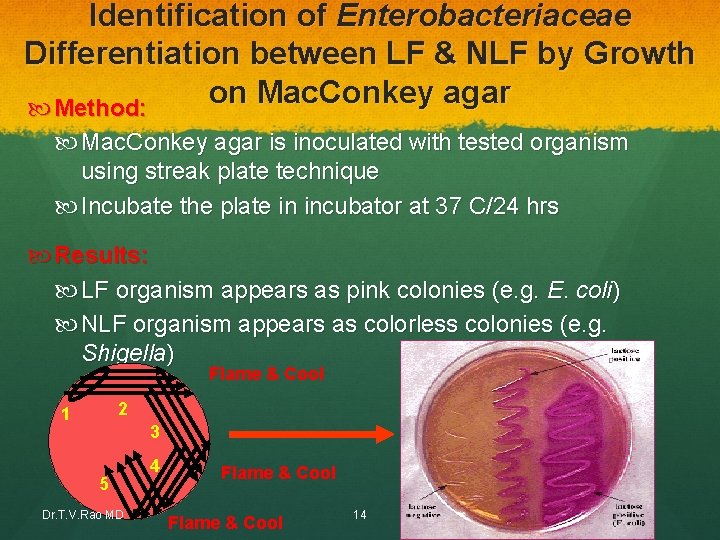
Identification of Enterobacteriaceae Differentiation between LF & NLF by Growth on Mac. Conkey agar Method: Mac. Conkey agar is inoculated with tested organism using streak plate technique Incubate the plate in incubator at 37 C/24 hrs Results: LF organism appears as pink colonies (e. g. E. coli) NLF organism appears as colorless colonies (e. g. Shigella) Flame & Cool 2 1 3 5 Dr. T. V. Rao MD 4 Flame & Cool 14
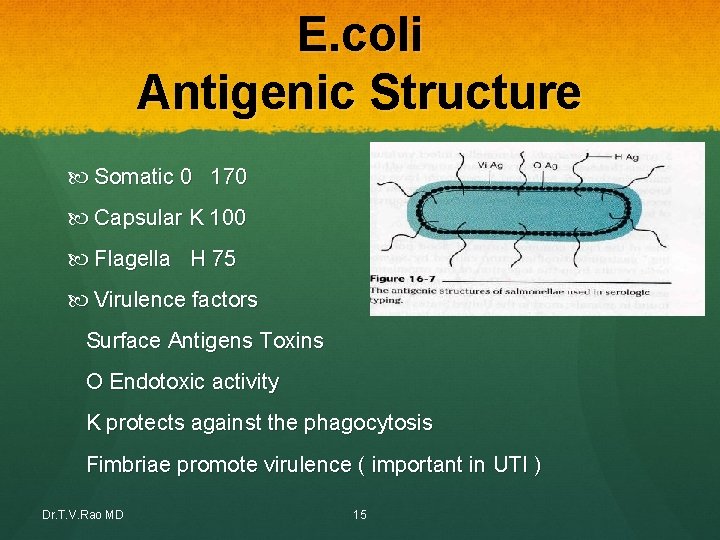
E. coli Antigenic Structure Somatic 0 170 Capsular K 100 Flagella H 75 Virulence factors Surface Antigens Toxins O Endotoxic activity K protects against the phagocytosis Fimbriae promote virulence ( important in UTI ) Dr. T. V. Rao MD 15
Toxins and E. coli produce Exotoxins Hemolysins, Enterotoxins causes Diarrheas, Important toxins produces. Heat labile HL Heat stable HS Vero toxins VT Like Shigella toxins Dr. T. V. Rao MD 16
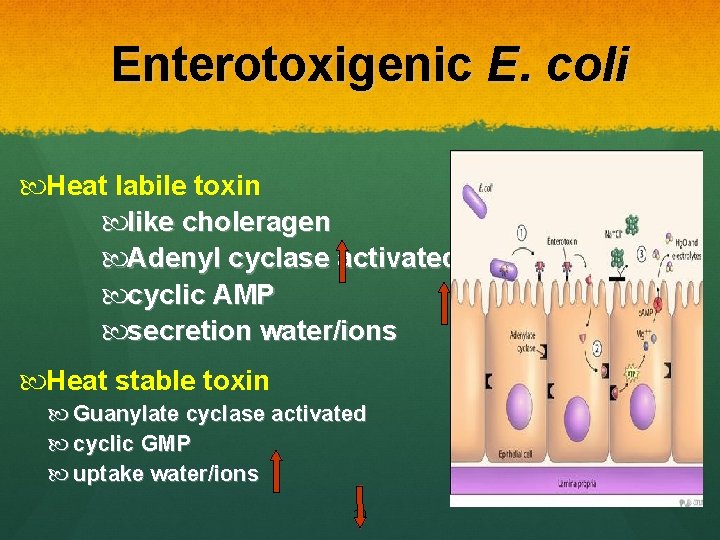
Toxins Enterotoxins – produced by enterotoxigenic strains of E. coli (ETEC). Causes a movement of water and ions from the tissues to the bowel resulting in watery diarrhea. There are two types of enterotoxin: LT – is heat labile and binds to specific Gm 1 gangliosides on the epithelial cells of the small intestine where it ADPribosylates Gs which stimulates adenylate cyclase to increase Dr. T. V. Rao MD 17 production of c. AMP
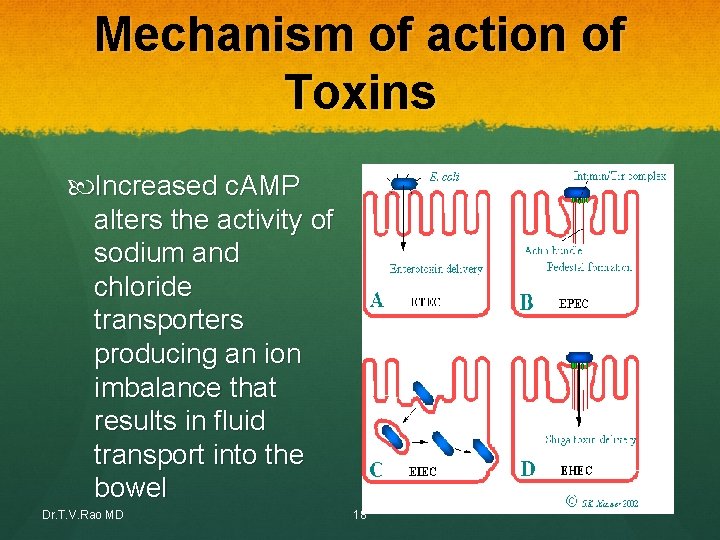
Mechanism of action of Toxins Increased c. AMP alters the activity of sodium and chloride transporters producing an ion imbalance that results in fluid transport into the bowel Dr. T. V. Rao MD 18
Toxins in E. coli Produce Enterotoxin L T and S T Labile toxin 1956 De experiments in Rabbit illeal loop causes outpouring of fluids E. coli Labile toxin like Cholera toxin L T contains component A and B A = Active B= Binding B causes Binding with Gm I Ganglioside receptor on Intestinal epithelial cells Dr. T. V. Rao MD 19
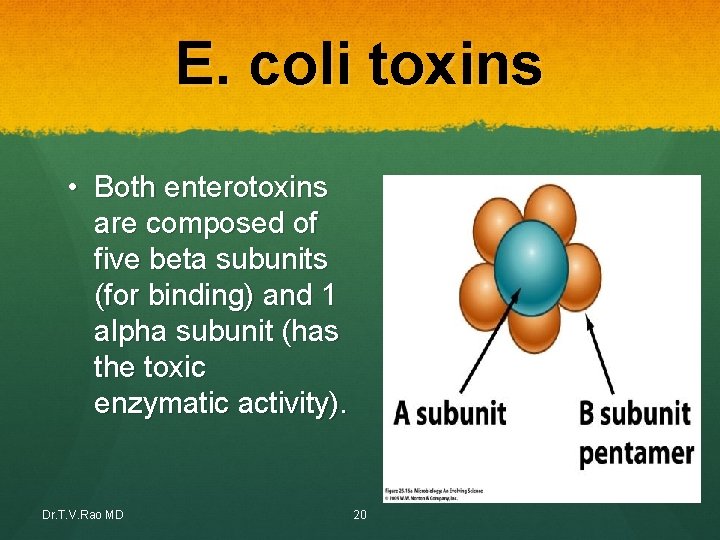
E. coli toxins • Both enterotoxins are composed of five beta subunits (for binding) and 1 alpha subunit (has the toxic enzymatic activity). Dr. T. V. Rao MD 20
Toxins E. coli Labile toxin Component A Activated to A 1 and A 2 A 1 Activates adenyl cyclase in the enterocytes to form cyclic adenosine 5 monophosphate Causes to increase outflow of water and electrolytes in the gut lumen causes Diarrhea Dr. T. V. Rao MD 21
Toxins of E. coli Stable Toxin ST A and ST B ST A Acts by activation of Cyclic guano sine monophosphate. ( C GMP ) Causes fluid accumulation in Intestine. E. coli ( Some ) produce Verocytotoxin causes cytotoxicity to Vero cells. Acts like Shigella dysentery toxin Dr. T. V. Rao MD 22
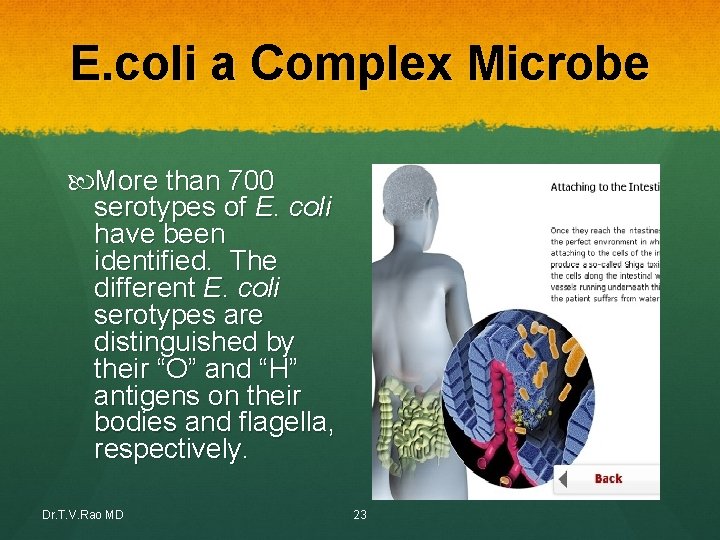
E. coli a Complex Microbe More than 700 serotypes of E. coli have been identified. The different E. coli serotypes are distinguished by their “O” and “H” antigens on their bodies and flagella, respectively. Dr. T. V. Rao MD 23
Classification of E. coli 1. Enteropathogenic EPEC 2. Enterotoxigenic ETEC 3. Enteroinvasive EIEC 4. Enterohemorrhagic EHEC 5. Enteroaggresive EAEC Dr. T. V. Rao MD 24
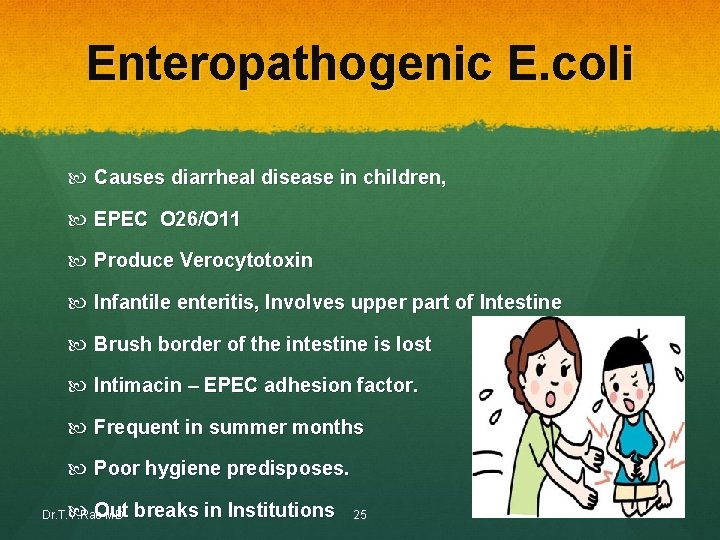
Enteropathogenic E. coli Causes diarrheal disease in children, EPEC O 26/O 11 Produce Verocytotoxin Infantile enteritis, Involves upper part of Intestine Brush border of the intestine is lost Intimacin – EPEC adhesion factor. Frequent in summer months Poor hygiene predisposes. Out breaks in Institutions Dr. T. V. Rao MD 25
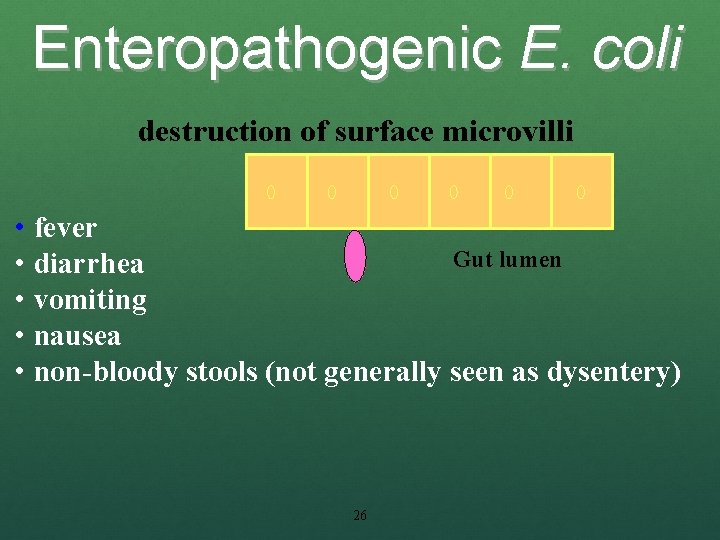
Enteropathogenic E. coli destruction of surface microvilli • fever Gut lumen • diarrhea • vomiting • nausea • non-bloody stools (not generally seen as dysentery) 26
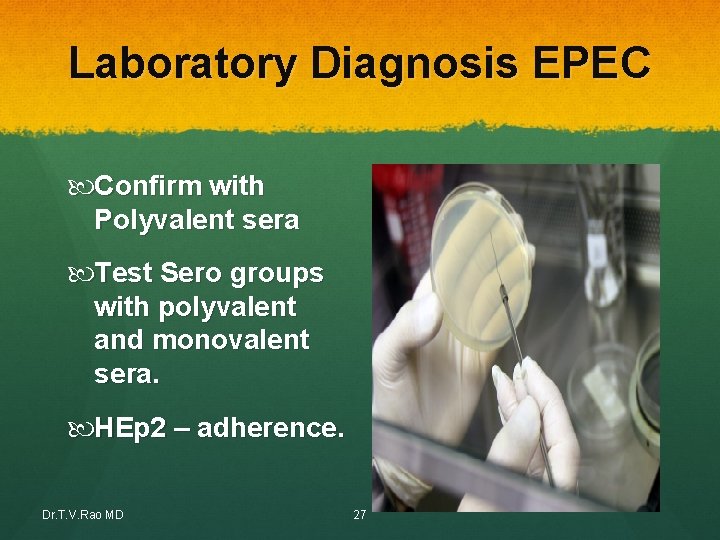
Laboratory Diagnosis EPEC Confirm with Polyvalent sera Test Sero groups with polyvalent and monovalent sera. HEp 2 – adherence. Dr. T. V. Rao MD 27
Enterotoxigenic E. coli Produce Heat stable /Heat labile toxins Adheres to epithelium of small intestine. Present with Nausea, Vomiting and Lose stool H L like cholera toxin Causes accumulation of fluids Adhesive factors Fimbriae specific receptor in the intestinal epithelium CFA Mortality in children < 5 years Dr. T. V. Rao MD 28
Enterotoxigenic E. coli Heat labile toxin like choleragen Adenyl cyclase activated cyclic AMP secretion water/ions Heat stable toxin Guanylate cyclase activated cyclic GMP uptake water/ions 29
Enterotoxigenic E. coli Causes travelers diarrhea Water contaminated with Human and Animal feces predisposes. Laboratory Diagnosis Demonstration of Enterotoxin LT and ST Tissue culture tests, ELISA Passive agglutination tests. Animal experiments in Rabbit ileal loop test. Dr. T. V. Rao MD 30
Treatment and Prophylaxis in Travelers diarrhea Doxycycline, Trimethoprim, Norfloxacillin Fluroquinolones Avoid contaminated food, Safe protected water , prefer bottled water, Hot foods, Hot Drinks, Boiled milk Dr. T. V. Rao MD 31
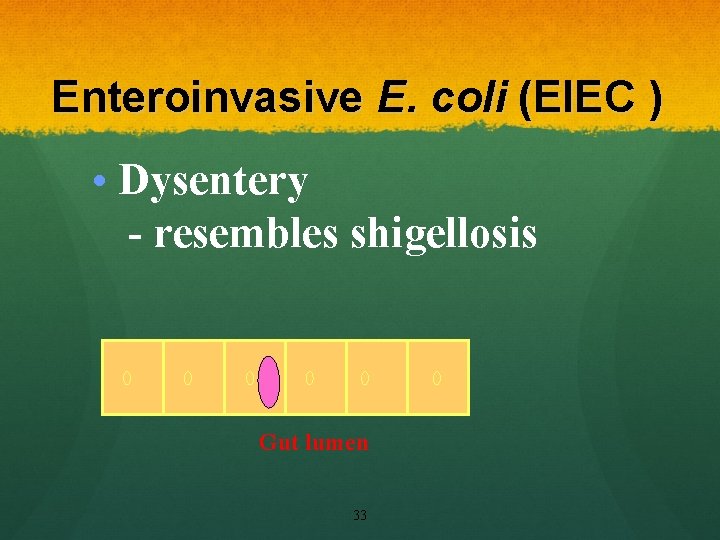
Entero invasive E. coli Some are non motile strains, Atypical resembles like Shigella. Clinically mild diarrhea Sereny test positive animal Rabbit. ELISA Dr. T. V. Rao MD 32
Enteroinvasive E. coli (EIEC ) • Dysentery - resembles shigellosis Gut lumen 33
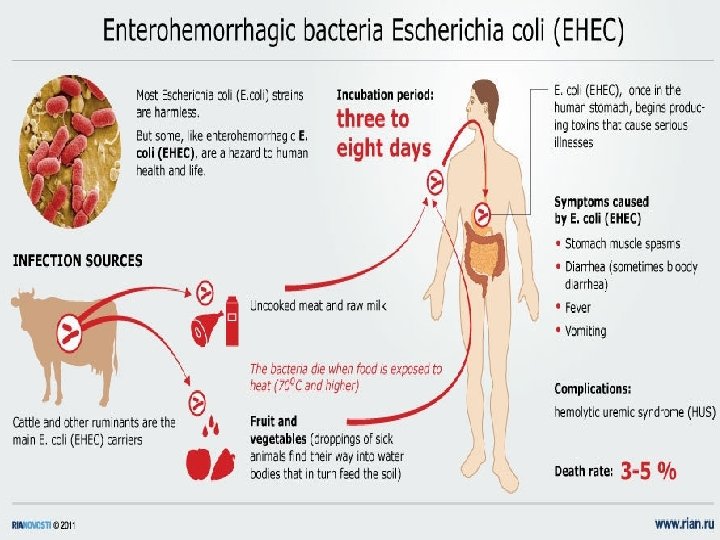
Enterohemorrhagic E. coli Produce Verocytotoxin Mild diarrhea - can be fatal hemorrhagic colitis. and uremic syndrome. Present in Human and Animal feces. Hemorrhagic complication with O 157 in Japan and USA. Salads vegetables, Radish Proper cooking Dr. T. V. Rao MD 34
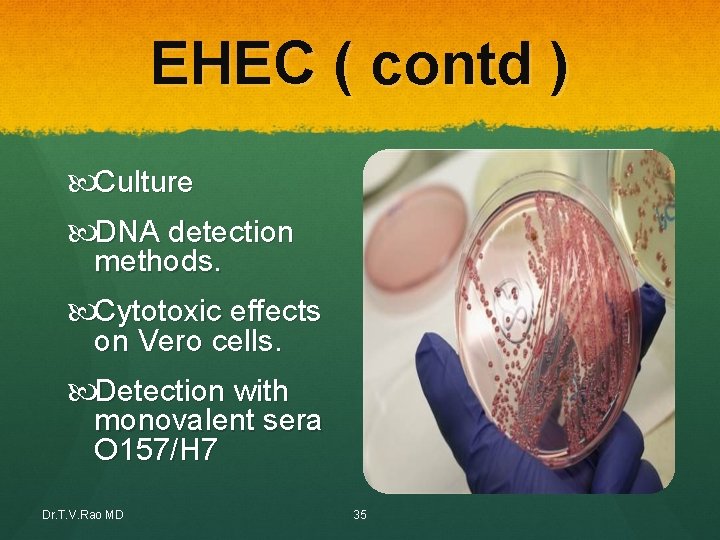
EHEC ( contd ) Culture DNA detection methods. Cytotoxic effects on Vero cells. Detection with monovalent sera O 157/H 7 Dr. T. V. Rao MD 35
Dr. T. V. Rao MD 36
Enterohemorrhagic E. coli can cause HUS develops when the toxin from E. coli bacteria, known as Shigalike toxin (SLT) , enters the circulation by binding to special receptors. These Shiga-toxin receptors, known as Gb 3 receptors , are probably heterogeneously distributed in the major body organs allowing disparate thrombotic (blood clotting) impacts in different HUS victims, although the greatest receptor concentration appears to be in the kidneys, especially in children. Dr. T. V. Rao MD 37
Mechanism of HUS As the inflammatory reaction process accelerates, red blood cells are destroyed and cellular debris aggregates within the microvasculature while the body’s inherent clot breaking mechanisms are disrupted. The result is formation of micro thrombi within particularly susceptible organs such as the kidneys and brain. Because there exists no way to halt the progression of HUS, The patients are supported with medical care Dr. T. V. Rao MD 38
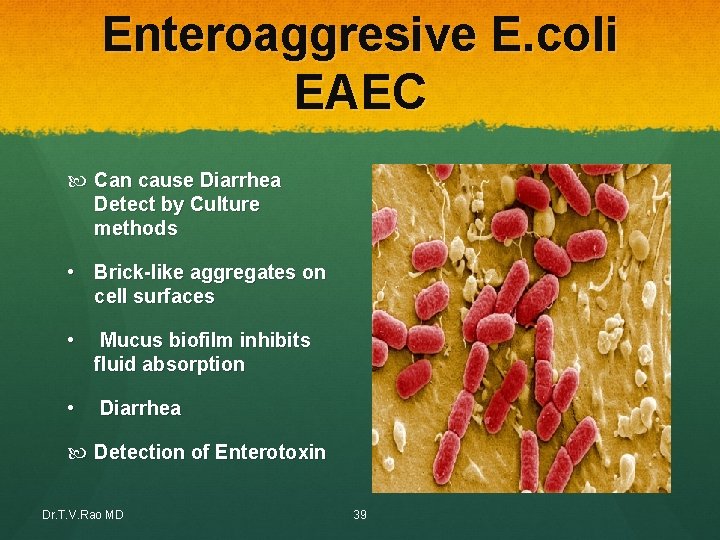
Enteroaggresive E. coli EAEC Can cause Diarrhea Detect by Culture methods • Brick-like aggregates on cell surfaces • Mucus biofilm inhibits fluid absorption • Diarrhea Detection of Enterotoxin Dr. T. V. Rao MD 39
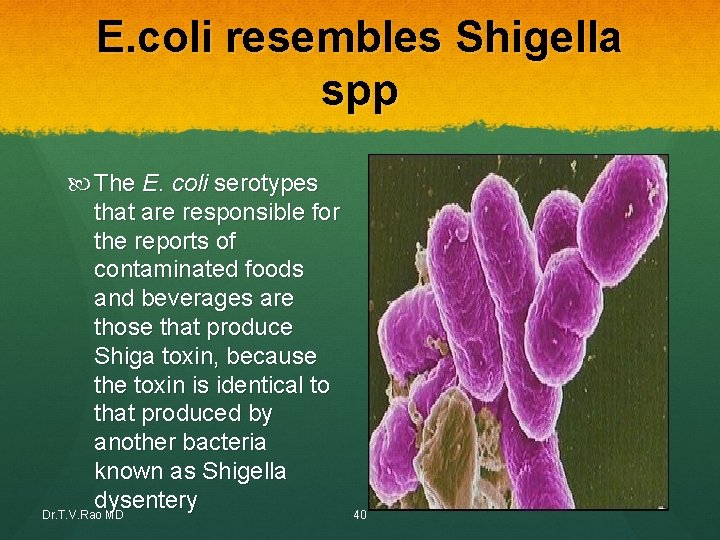
E. coli resembles Shigella spp The E. coli serotypes that are responsible for the reports of contaminated foods and beverages are those that produce Shiga toxin, because the toxin is identical to that produced by another bacteria known as Shigella dysentery Dr. T. V. Rao MD 40
Treatment – E. coli Gastrointestinal disease Fluid replacement Antibiotics not used usually unless systemic infections prevails e. g. hemolytic-uremia syndrome 41
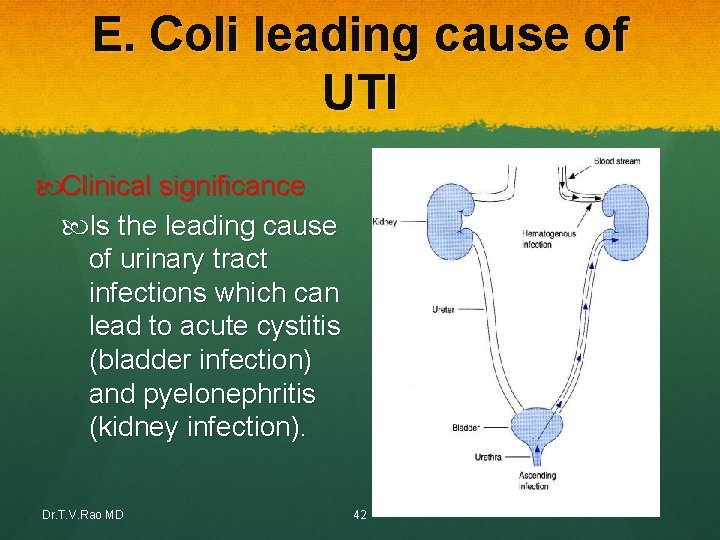
E. Coli leading cause of UTI Clinical significance Is the leading cause of urinary tract infections which can lead to acute cystitis (bladder infection) and pyelonephritis (kidney infection). Dr. T. V. Rao MD 42
Urinary Tract Infections E. coli produce urinary tract infection. Majority of UTI s are produce by E. coli. Instrumentation, Prostatic enlargement, Urinary caliculi , Pregnancy, increase the predisposition Asymptomatic Bacteriuria in pregnant women, Pyelonephritis, Dr. T. V. Rao MD 43
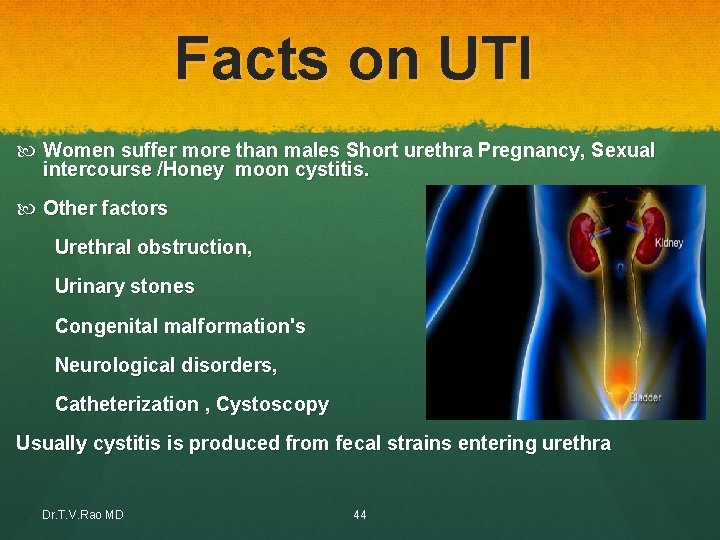
Facts on UTI Women suffer more than males Short urethra Pregnancy, Sexual intercourse /Honey moon cystitis. Other factors Urethral obstruction, Urinary stones Congenital malformation's Neurological disorders, Catheterization , Cystoscopy Usually cystitis is produced from fecal strains entering urethra Dr. T. V. Rao MD 44
Culturing for E. coli Mid stream sample/semi quantitative culturing (Kass et al ) >_ 1. 00, 000/ml of urine. ( significant Bacteriuria ) Urine should not be kept in wards for > 2 hours and to be preserved at 4 c Culture by standard loop method. Fixed volume cultured on Mac. Conkey agar Lactose fermenters I M Vi C Antibiotic sensitivity tested. 45 Dr. T. V. Rao MD
Other infection with E. coli Pyogenic infections. Intraabdominal infections Peritonitis. Abscess. Septicemias Produce Drug resistant infections. Dr. T. V. Rao MD 46
Other Important E. coli Infections Neonatal meningitis – is the leading cause of neonatal meningitis and septicemia with a high mortality rate. Usually caused by strains with the K 1 capsular antigen. Gastroenteritis – there are several distinct types of E. coli that are involved in different types of gastroenteritis: Dr. T. V. Rao MD 47
E. coli Antimicrobial therapy- E. coli is usually susceptible to a variety of chemotherapeutic agents, though drug resistant strains are increasingly prevalent. It is essential to do susceptibility testing. Treatment of patients with EHEC infections is not recommended because it can increase the release of shiga-like toxins and actually trigger HUS
Escherichia coli as a Genetic tool. The study of Escherichia coli and its plasmids and bacteriophages has provided a vast body of genetical information, much of it relevant to the whole of biology. This was true even before the development of the new techniques, for cloning and analysing DNA, that have revolutionized biological research during the past decade. . Much of the background of knowledge necessary for the cloning and expression of genetically engineered information, as well as the techniques themselves, came from work with this organism. Dr. T. V. Rao MD 49
Why E. coli is preferred E. coli cells only have about 4, 400 genes whereas the human genome project has determined that humans contain approximately 30, 000 genes. Also, bacteria, including E. coli, live their entire lifetime in a haploid state, with no second allele to mask the effects of mutations during protein engineering experiments. Dr. T. V. Rao MD 50
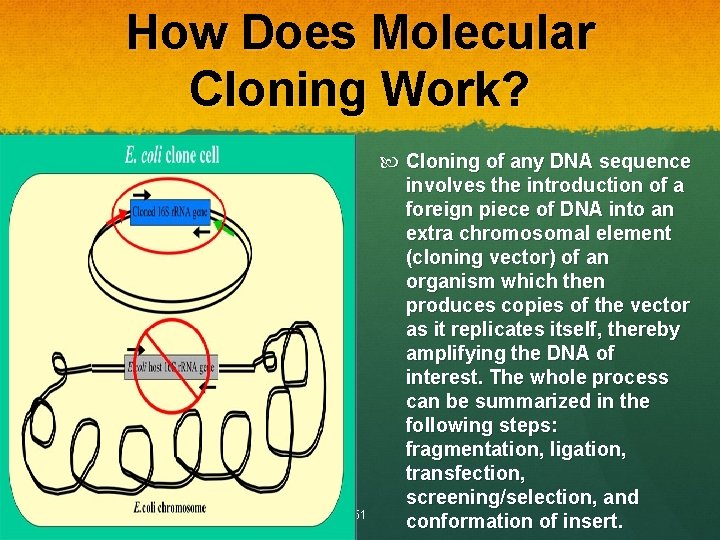
How Does Molecular Cloning Work? Dr. T. V. Rao MD 51 Cloning of any DNA sequence involves the introduction of a foreign piece of DNA into an extra chromosomal element (cloning vector) of an organism which then produces copies of the vector as it replicates itself, thereby amplifying the DNA of interest. The whole process can be summarized in the following steps: fragmentation, ligation, transfection, screening/selection, and conformation of insert.
E. coli Preferred in Genetic Engineering It is a favorite organism for genetic engineering as cultures of it can be made to produce unlimited quantities of the product of an introduced gene. Several important drugs (insulin, for example) are now manufactured in E. coli. However, E. coli cannot attach sugars to proteins so proteins requiring such sugars have to be made in the cells of eukaryotes such as yeast cells and mammalian cells grown in cell culture. Dr. T. V. Rao MD 52
Programme Created by Dr. T. V. Rao MD for Microbiologists, Medical and Paramedical Students in the Developing World Email. com doctortvrao@gmail. com Dr. T. V. Rao MD 53
References: www. slideshare. net Dr. T. V. Rao MD 54