
DYSPNEA By O Ahmadi MD Professor Assistant of
DYSPNEA By : O. Ahmadi, MD. Professor Assistant of Esfahan medical School, Emergency Department of Al-Zahra Hospital
• Dyspnea is the term applied to the sensation of breathlessness and the patient's reaction to that sensation.

Terms in dyspneic patient • Tachypnea: A respiratory rate greater than normal. Normal rates range from 44 cycles/min in a newborn to 14 to 18 cycles/min in adults. • Hyperpnea: Greater than normal minute ventilation to meet metabolic requirements.
• Dyspnea on exertion: Dyspnea provoked by physical effort or exertion. It often is quantified in simple terms, such as the number of stairs or number of blocks a patient can manage before the onset of dyspnea. • Orthopnea: Dyspnea in a recumbent position. It usually is measured in number of pillows the patient must use to lie in bed (e. g. , two-pillow orthopnea). • Paroxysmal nocturnal dyspnea: Sudden onset of dyspnea occurring while reclining at night, usually related to the presence of congestive heart failure.
• Hyperventilation: A minute ventilation (determined by respiratory rate and tidal volume) that exceeds metabolic demand. ABG characteristically show a normal PO 2 with an uncompensated respiratory alkalosis (low PCO 2 and elevated p. H).
History • Acute dyspneic : asthma exacerbation; infection; pulmonary embolus; intermittent cardiac dysfunction; psychogenic causes; or inhalation of irritants, allergens, or foreign bodies. • Chronic or progressive dyspnea : primary cardiac or pulmonary disease.
Onset of Dyspnea • Sudden onset : Pulmonary embolism (PE) or spontaneous pneumothorax

Positional Changes • Orthopnea : left-sided heart failure, COPD, or neuromuscular disorders • Paroxysmal nocturnal dyspnea : left-sided heart failure, COPD • Exertional dyspnea : COPD, poor cardiac reserve and abdominal loading, caused by ascites, obesity, or pregnancy, leads to elevation of the diaphragm, resulting in less effective ventilation and dyspnea.
Trauma • Fractured ribs, flail chest, hemothorax, pneumothorax, diaphragmatic rupture, pericardial effusion, cardiac tamponade, or neurologic injury.
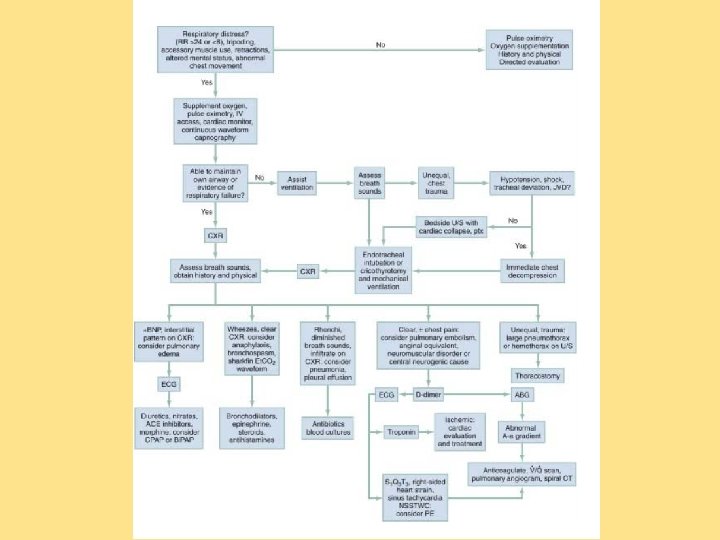
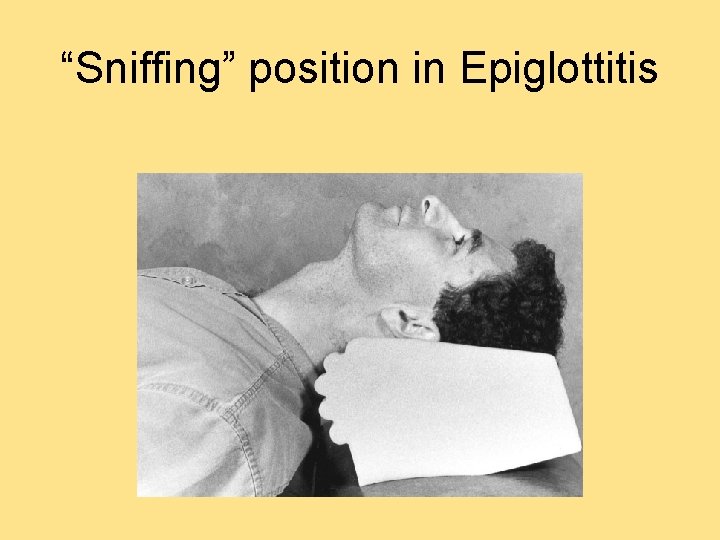
“Sniffing” position in Epiglottitis

“Tripoding” position
- Slides: 13