
Dyslipidemia Med3 Dr Anwar A Jammah MD FRCPC



- Slides: 58
Dyslipidemia (Med-3) Dr Anwar A Jammah, MD, FRCPC, FACP, CCD, ECNU. Associate Professor and Consultant Medicine, Endocrinology Department of Medicine, King Saud University
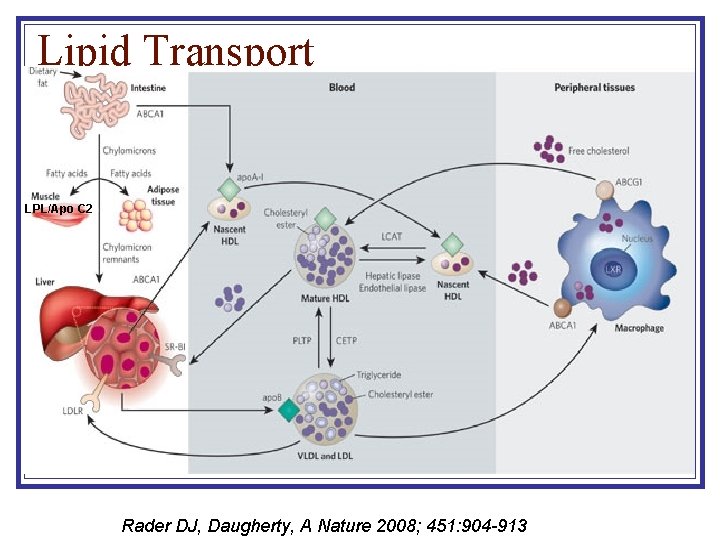
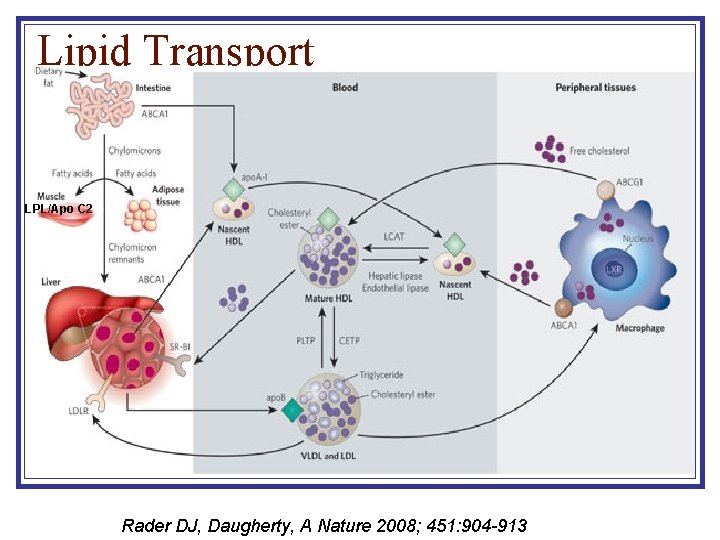
Lipid Transport LPL/Apo C 2 Rader DJ, Daugherty, A Nature 2008; 451: 904 -913
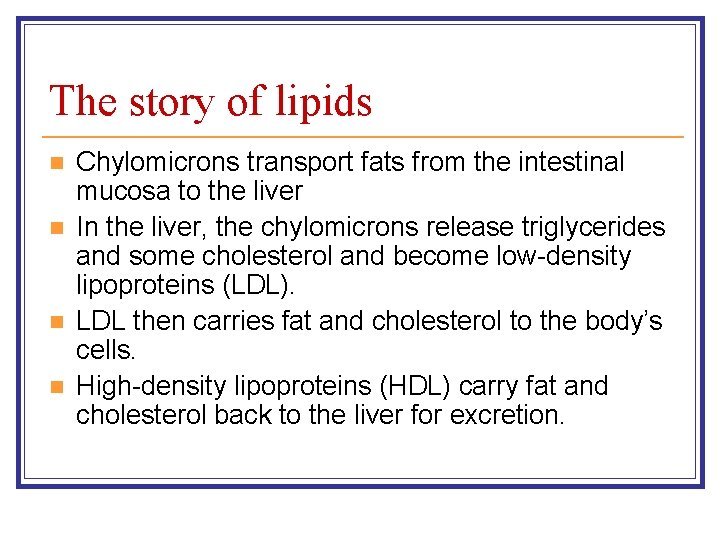
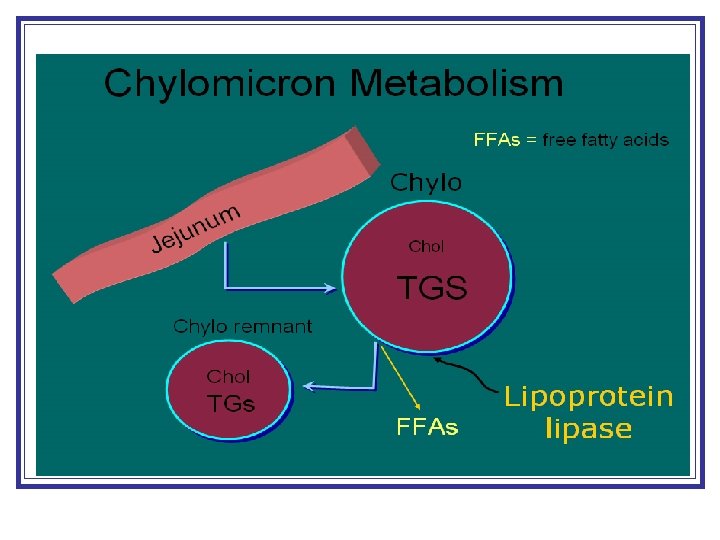
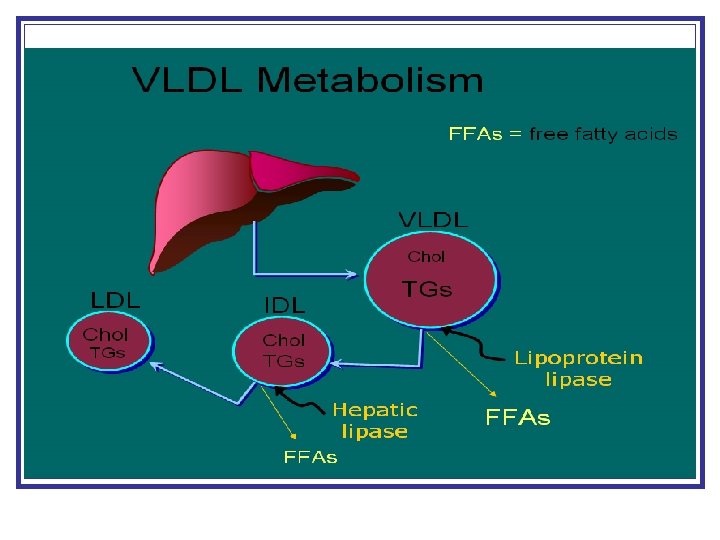
The story of lipids n n Chylomicrons transport fats from the intestinal mucosa to the liver In the liver, the chylomicrons release triglycerides and some cholesterol and become low-density lipoproteins (LDL). LDL then carries fat and cholesterol to the body’s cells. High-density lipoproteins (HDL) carry fat and cholesterol back to the liver for excretion.
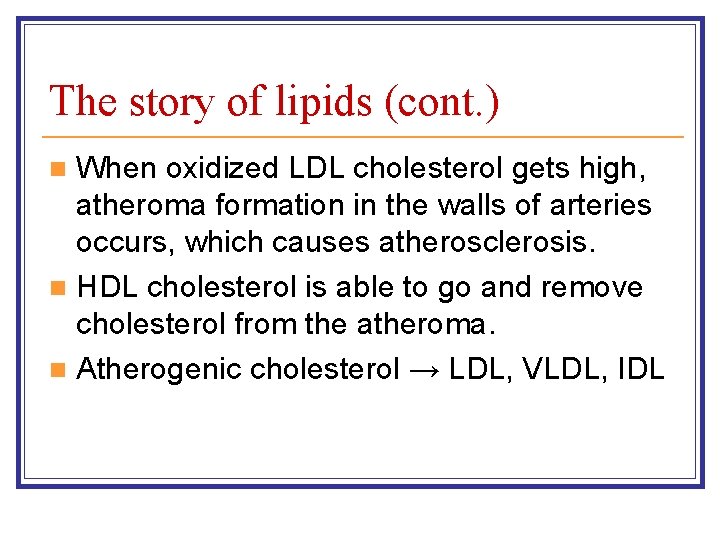
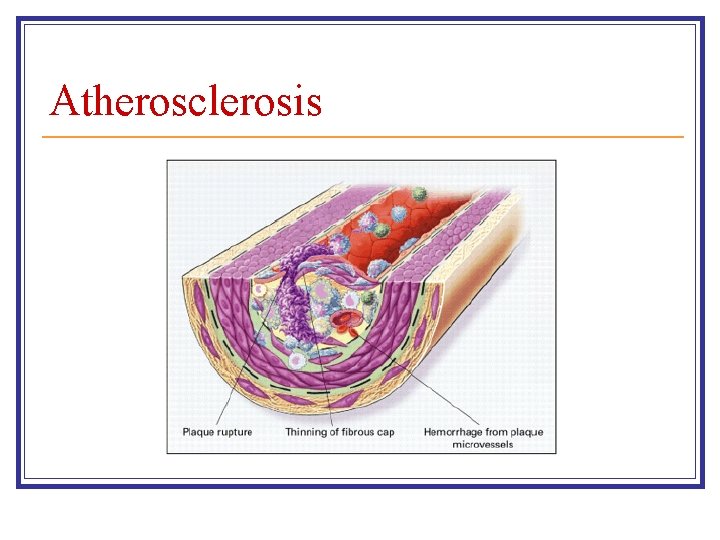
The story of lipids (cont. ) When oxidized LDL cholesterol gets high, atheroma formation in the walls of arteries occurs, which causes atherosclerosis. n HDL cholesterol is able to go and remove cholesterol from the atheroma. n Atherogenic cholesterol → LDL, VLDL, IDL n
Atherosclerosis
Lipid Transport LPL/Apo C 2 Rader DJ, Daugherty, A Nature 2008; 451: 904 -913
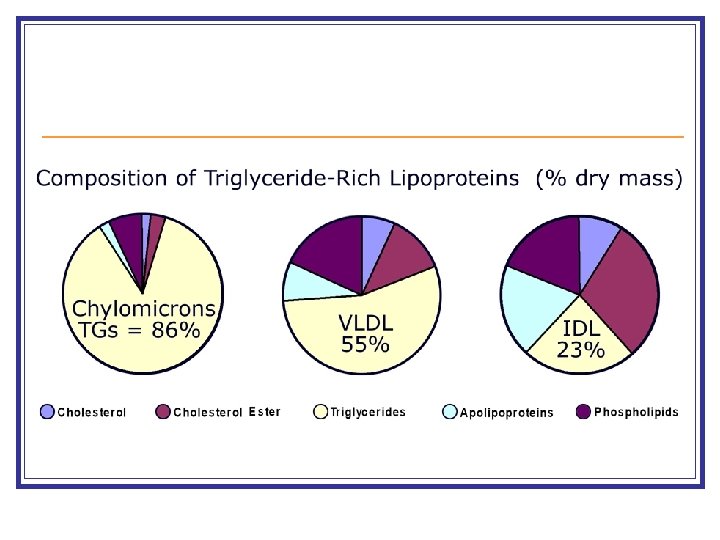
Atherogenic Particles MEASUREMENTS: VLDLR IDL TG-rich lipoproteins LDL Small, dense LDL
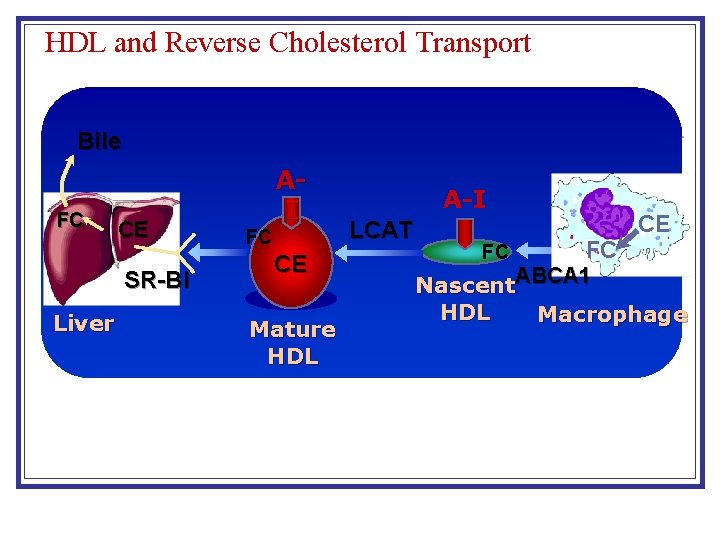
HDL and Reverse Cholesterol Transport Bile FC CE SR-BI Liver AI FC CE Mature HDL A-I LCAT CE FC Nascent. ABCA 1 FC HDL Macrophage
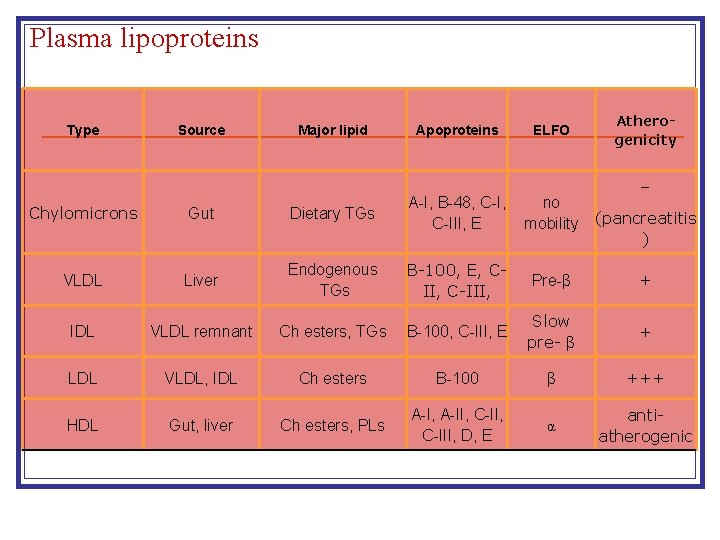
Plasma lipoproteins Type Source Major lipid Apoproteins ELFO Atherogenicity – Chylomicrons Gut Dietary TGs A-I, B-48, C-III, E no mobility VLDL Liver Endogenous TGs B-100, E, CII, C-III, Pre-β + IDL VLDL remnant Ch esters, TGs B-100, C-III, E Slow pre- β + LDL VLDL, IDL Ch esters B-100 β +++ HDL Gut, liver Ch esters, PLs A-I, A-II, C-III, D, E α antiatherogenic (pancreatitis )
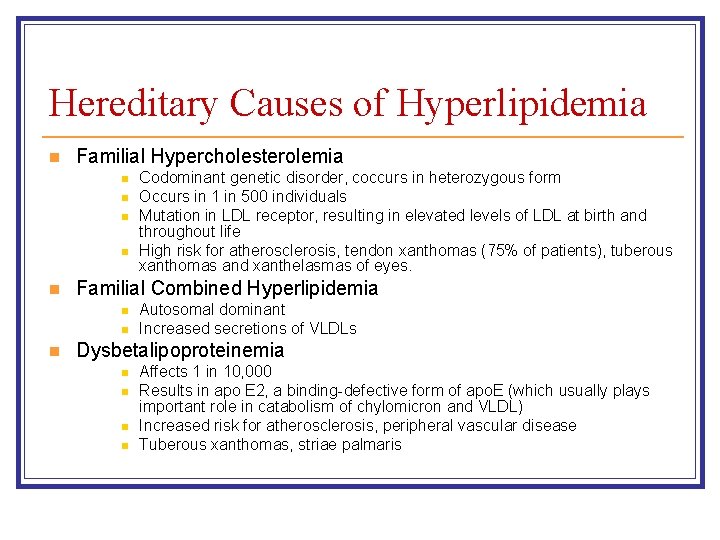
Hereditary Causes of Hyperlipidemia n Familial Hypercholesterolemia n n n Familial Combined Hyperlipidemia n n n Codominant genetic disorder, coccurs in heterozygous form Occurs in 1 in 500 individuals Mutation in LDL receptor, resulting in elevated levels of LDL at birth and throughout life High risk for atherosclerosis, tendon xanthomas (75% of patients), tuberous xanthomas and xanthelasmas of eyes. Autosomal dominant Increased secretions of VLDLs Dysbetalipoproteinemia n n Affects 1 in 10, 000 Results in apo E 2, a binding-defective form of apo. E (which usually plays important role in catabolism of chylomicron and VLDL) Increased risk for atherosclerosis, peripheral vascular disease Tuberous xanthomas, striae palmaris
Fredrickson classification of hyperlipidemias Phenotype I Lipoprotein(s) Plasma elevated cholesterol TGs Chylomicrons Norm. to Atherogenicity Rel. freq. Treatment – pancreatiti <1% Diet control s IIa LDL Norm. +++ Bile acid 10% sequestrants, statins, niacin IIb LDL and VLDL +++ 40% III IDL +++ <1% Fibrates IV VLDL Norm. to + V VLDL and chylomicrons 45% Niacin, fibrates + to pancreatiti s Statins, niacin, fibrates 5% Niacin, fibrates
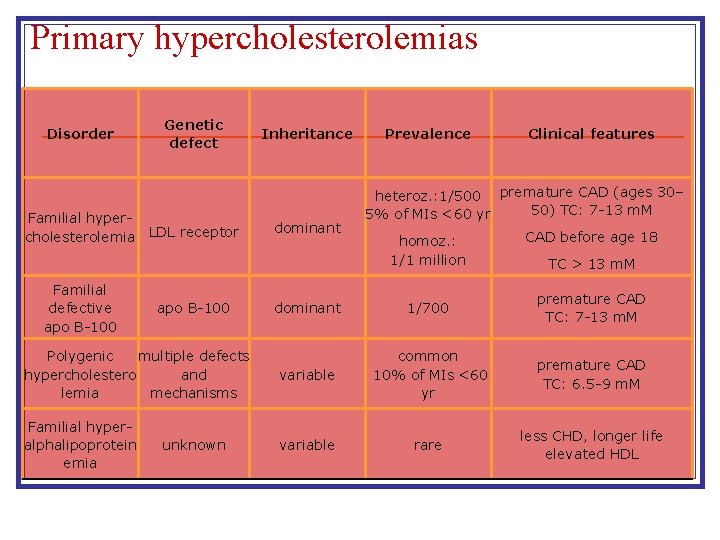
Primary hypercholesterolemias Disorder Genetic defect Familial hypercholesterolemia LDL receptor Familial defective apo B-100 Inheritance dominant Prevalence Clinical features heteroz. : 1/500 premature CAD (ages 30– 50) TC: 7 -13 m. M 5% of MIs <60 yr homoz. : 1/1 million CAD before age 18 TC > 13 m. M dominant 1/700 premature CAD TC: 7 -13 m. M Polygenic multiple defects hypercholestero and lemia mechanisms variable common 10% of MIs <60 yr premature CAD TC: 6. 5 -9 m. M Familial hyperalphalipoprotein emia variable rare less CHD, longer life elevated HDL apo B-100 unknown
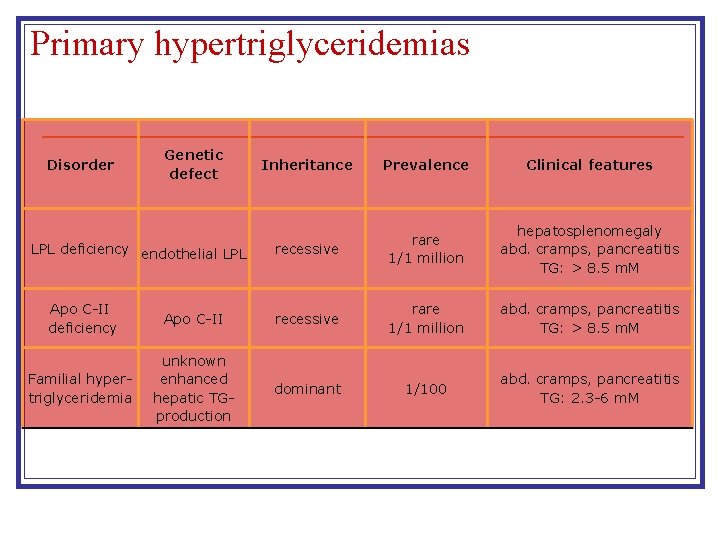
Primary hypertriglyceridemias Disorder Genetic defect LPL deficiency endothelial LPL Inheritance Prevalence Clinical features recessive rare 1/1 million hepatosplenomegaly abd. cramps, pancreatitis TG: > 8. 5 m. M Apo C-II deficiency Apo C-II recessive rare 1/1 million abd. cramps, pancreatitis TG: > 8. 5 m. M Familial hypertriglyceridemia unknown enhanced hepatic TGproduction dominant 1/100 abd. cramps, pancreatitis TG: 2. 3 -6 m. M
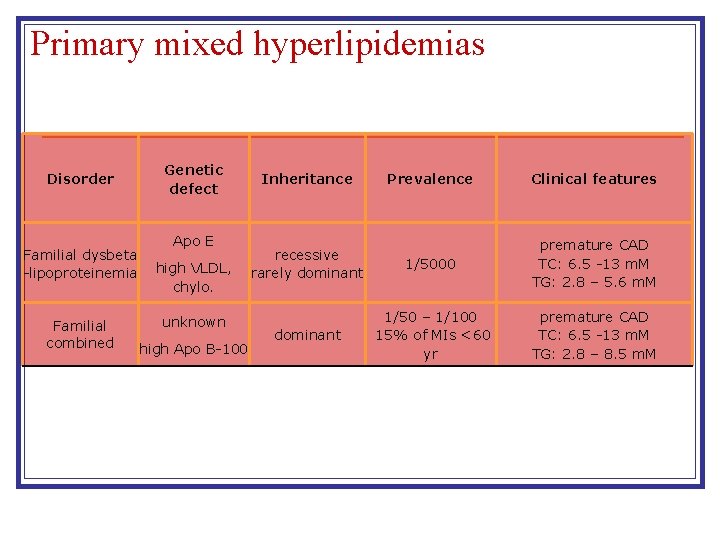
Primary mixed hyperlipidemias Disorder Familial dysbeta -lipoproteinemia Familial combined Genetic defect Apo E high VLDL, chylo. unknown high Apo B-100 Inheritance Prevalence Clinical features recessive rarely dominant 1/5000 premature CAD TC: 6. 5 -13 m. M TG: 2. 8 – 5. 6 m. M dominant 1/50 – 1/100 15% of MIs <60 yr premature CAD TC: 6. 5 -13 m. M TG: 2. 8 – 8. 5 m. M
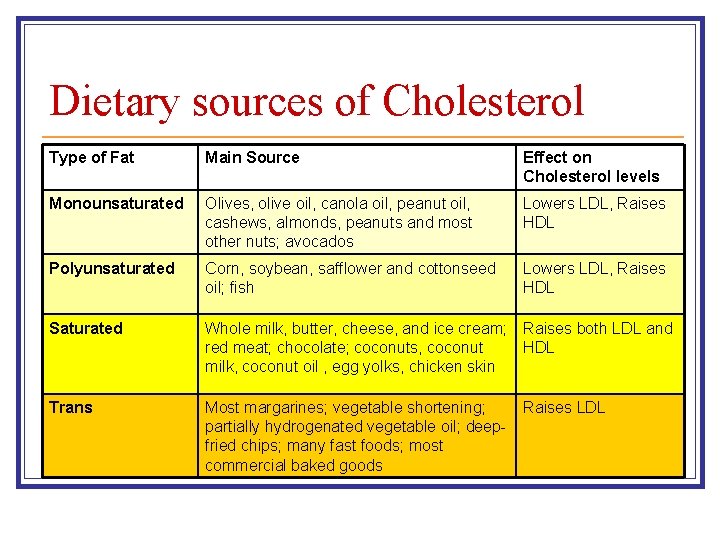
Dietary sources of Cholesterol Type of Fat Main Source Effect on Cholesterol levels Monounsaturated Olives, olive oil, canola oil, peanut oil, cashews, almonds, peanuts and most other nuts; avocados Lowers LDL, Raises HDL Polyunsaturated Corn, soybean, safflower and cottonseed oil; fish Lowers LDL, Raises HDL Saturated Whole milk, butter, cheese, and ice cream; Raises both LDL and red meat; chocolate; coconuts, coconut HDL milk, coconut oil , egg yolks, chicken skin Trans Most margarines; vegetable shortening; partially hydrogenated vegetable oil; deepfried chips; many fast foods; most commercial baked goods Raises LDL
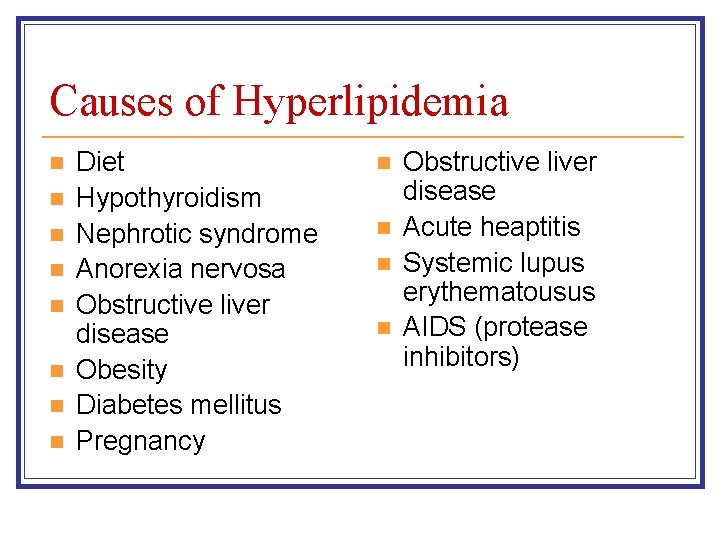
Causes of Hyperlipidemia n n n n Diet Hypothyroidism Nephrotic syndrome Anorexia nervosa Obstructive liver disease Obesity Diabetes mellitus Pregnancy n n Obstructive liver disease Acute heaptitis Systemic lupus erythematousus AIDS (protease inhibitors)
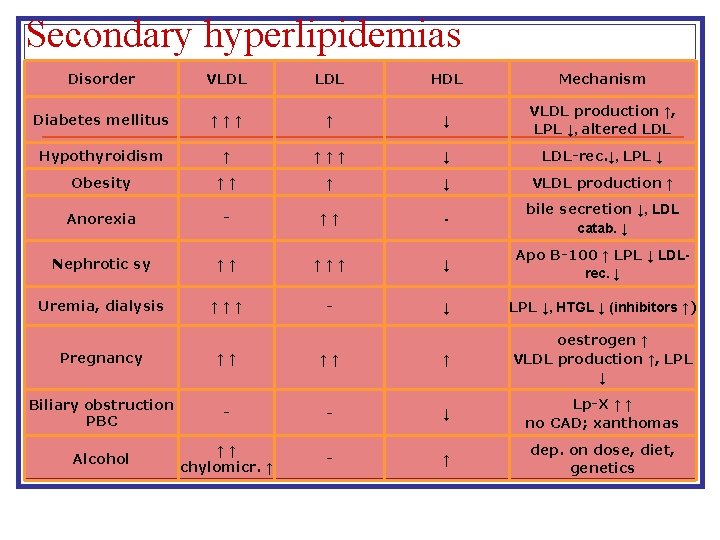
Secondary hyperlipidemias Disorder VLDL HDL Mechanism Diabetes mellitus ↑↑↑ ↑ ↓ VLDL production ↑, LPL ↓, altered LDL Hypothyroidism ↑ ↑↑↑ ↓ LDL-rec. ↓, LPL ↓ Obesity ↑↑ ↑ ↓ VLDL production ↑ Anorexia - ↑↑ - bile secretion ↓, LDL catab. ↓ Nephrotic sy ↑↑ ↑↑↑ ↓ Apo B-100 ↑ LPL ↓ LDLrec. ↓ Uremia, dialysis ↑↑↑ - ↓ LPL ↓, HTGL ↓ (inhibitors ↑) Pregnancy ↑↑ ↑↑ ↑ oestrogen ↑ VLDL production ↑, LPL ↓ Biliary obstruction PBC - - ↓ Lp-X ↑ ↑ no CAD; xanthomas Alcohol ↑↑ chylomicr. ↑ - ↑ dep. on dose, diet, genetics
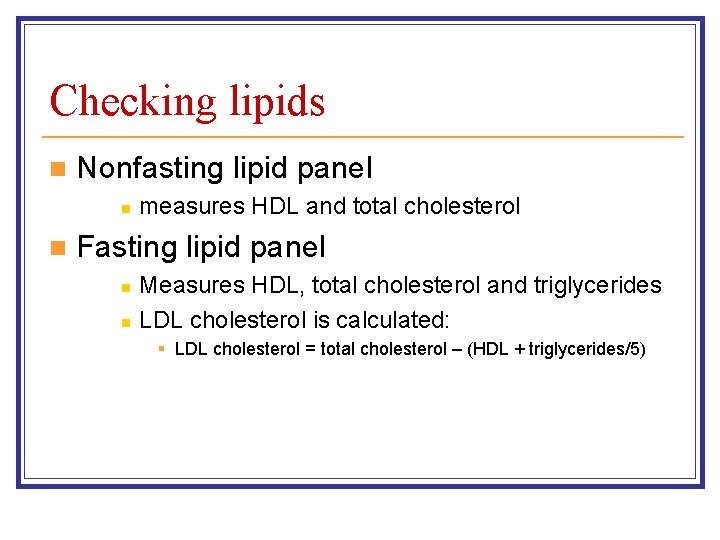
Checking lipids n Nonfasting lipid panel n n measures HDL and total cholesterol Fasting lipid panel n n Measures HDL, total cholesterol and triglycerides LDL cholesterol is calculated: § LDL cholesterol = total cholesterol – (HDL + triglycerides/5)
When to check lipid panel n Different Recommendations n Adult Treatment Panel (ATP III) of the National Cholesterol Education Program (NCEP) § Beginning at age 20: obtain a fasting (9 to 12 hour) serum lipid profile consisting of total cholesterol, LDL, HDL and triglycerides § Repeat testing every 5 years for acceptable values
n United States Preventative Services Task Force § Women aged 45 years and older, and men ages 35 years and older undergo screening with a total and HDL cholesterol every 5 years. § If total cholesterol > 200 or HDL <40, then a fasting panel should be obtained § Cholesterol screening should begin at 20 years in patients with a history of multiple cardiovascular risk factors, diabetes, or family history of either elevated cholesteral levels or premature cardiovascular disease.
Treatment Targets n LDL: To prevent coronary heart disease outcomes (myocardial infarction and coronary death) n Non LDL( TC/HDL): To prevent coronary heart disease outcomes (myocardial infarction and coronary death) n Triglyceride: To prevent pancreatitis and may be coronary heart disease outcomes (myocardial infarction and coronary death)
LDL and Non-LDL(HDL/TC) Risk Assessment Tool for Estimating 10 -year Risk of Developing Hard CHD (Myocardial Infarction and Coronary Death) Framingham Heart Study to estimate 10 -year risk for coronary heart disease outcomes http: //hp 2010. nhlbihin. net/atpiii/CALCULATOR. asp? usertype=prof Ø Age Ø LDL-C Ø T. Chol Ø HDL-C Ø Blood Pressure Ø Diabetes Ø Smoking
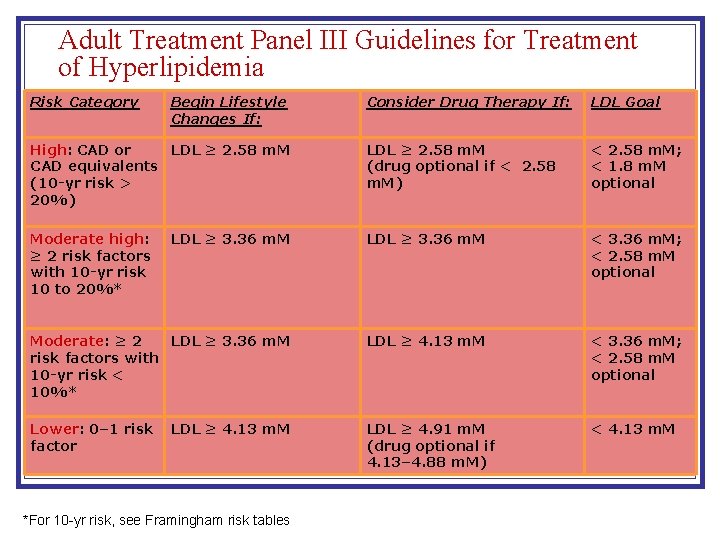
Adult Treatment Panel III Guidelines for Treatment of Hyperlipidemia Risk Category Begin Lifestyle Changes If: Consider Drug Therapy If: LDL Goal High: CAD or LDL ≥ 2. 58 m. M CAD equivalents (10 -yr risk > 20%) LDL ≥ 2. 58 m. M (drug optional if < 2. 58 m. M) < 2. 58 m. M; < 1. 8 m. M optional Moderate high: ≥ 2 risk factors with 10 -yr risk 10 to 20%* LDL ≥ 3. 36 m. M < 3. 36 m. M; < 2. 58 m. M optional Moderate: ≥ 2 LDL ≥ 3. 36 m. M risk factors with 10 -yr risk < 10%* LDL ≥ 4. 13 m. M < 3. 36 m. M; < 2. 58 m. M optional Lower: 0– 1 risk factor LDL ≥ 4. 91 m. M (drug optional if 4. 13– 4. 88 m. M) < 4. 13 m. M LDL ≥ 4. 13 m. M *For 10 -yr risk, see Framingham risk tables
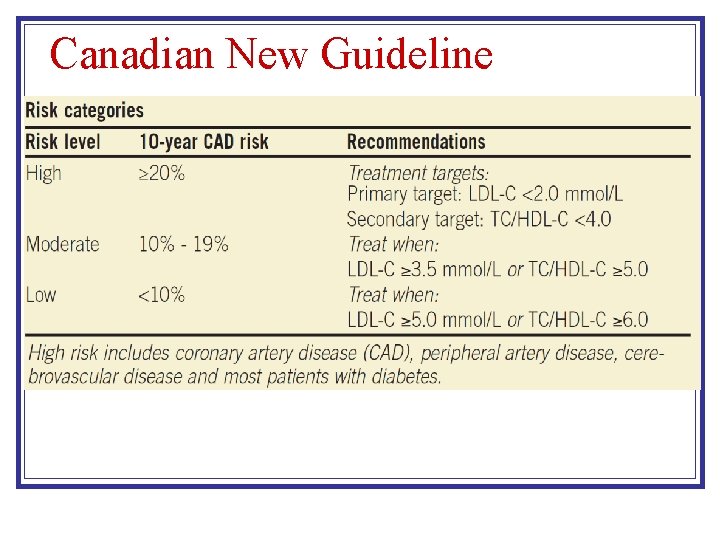
Canadian New Guideline
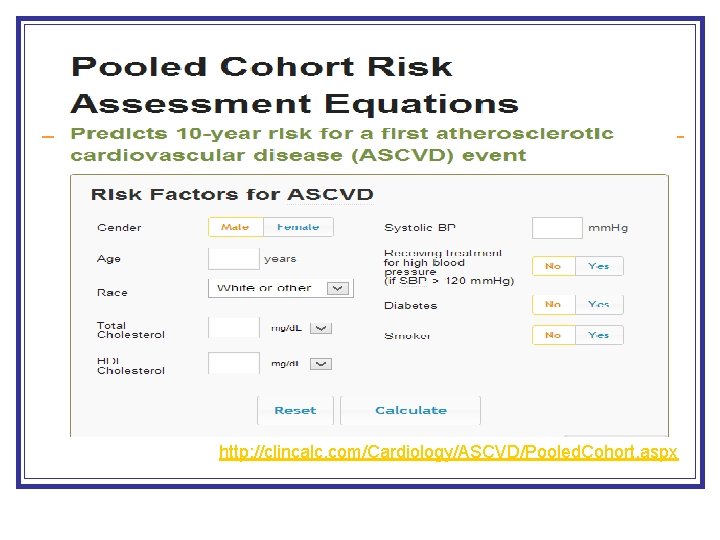
http: //clincalc. com/Cardiology/ASCVD/Pooled. Cohort. aspx
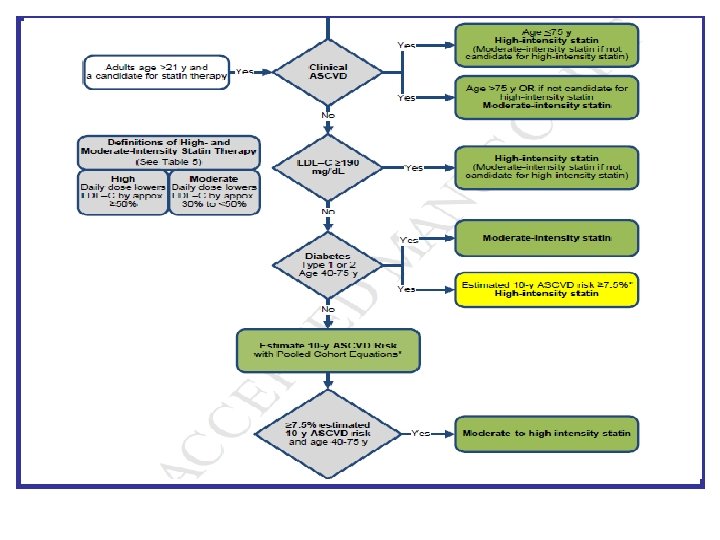
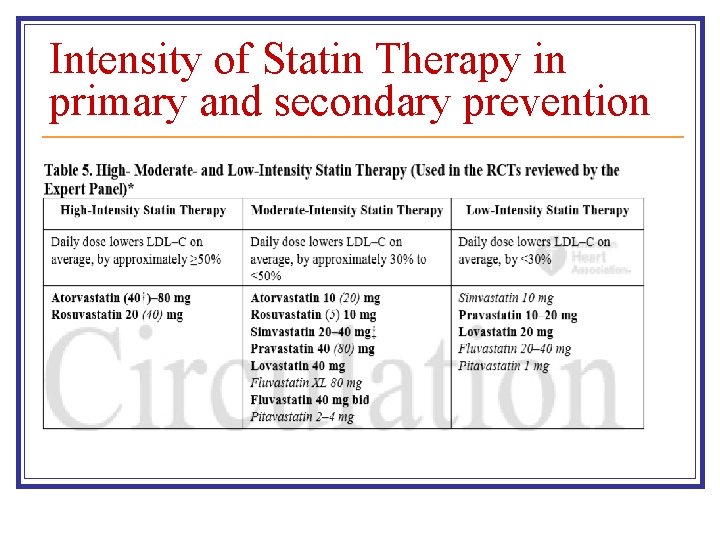
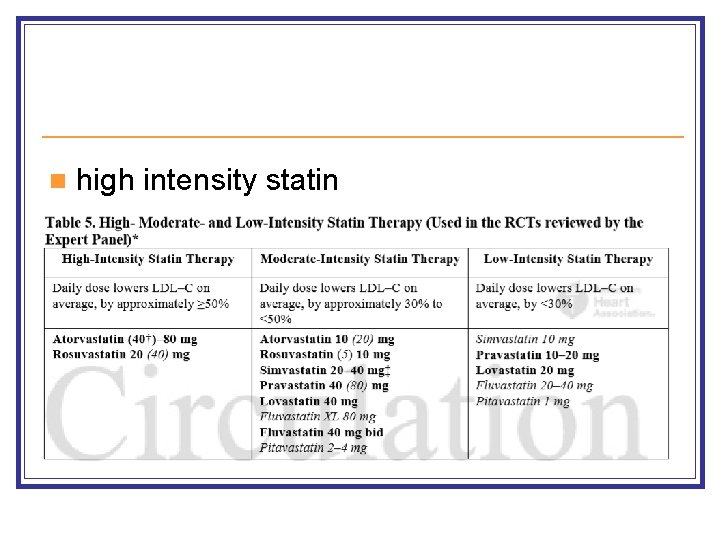
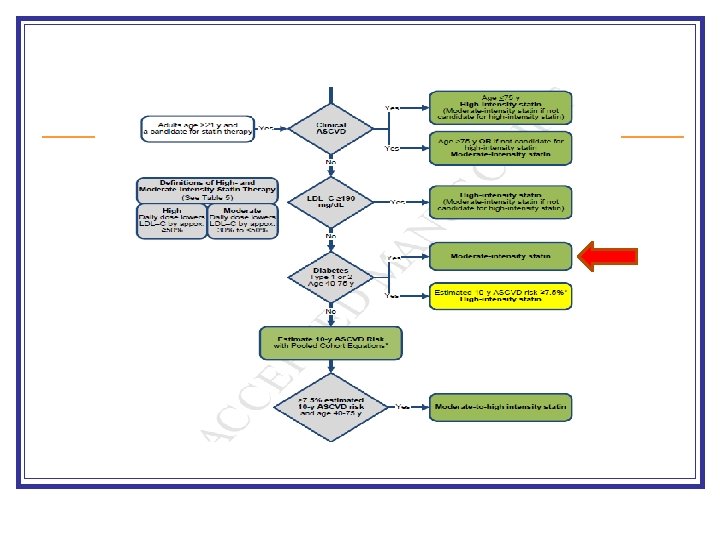
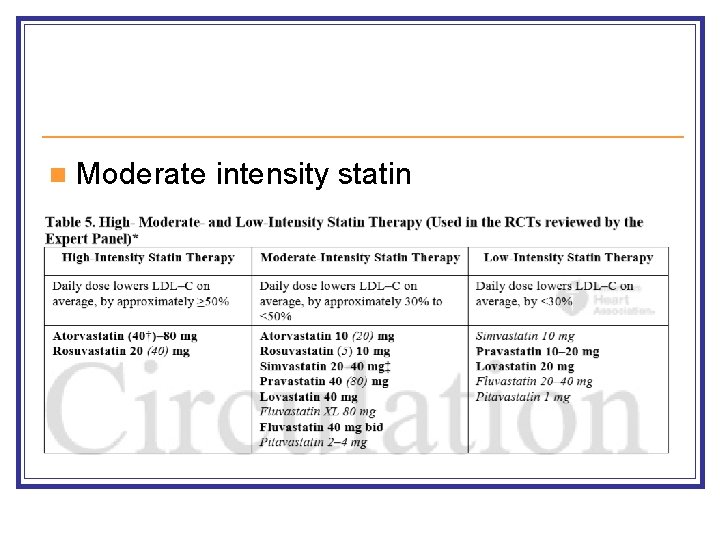
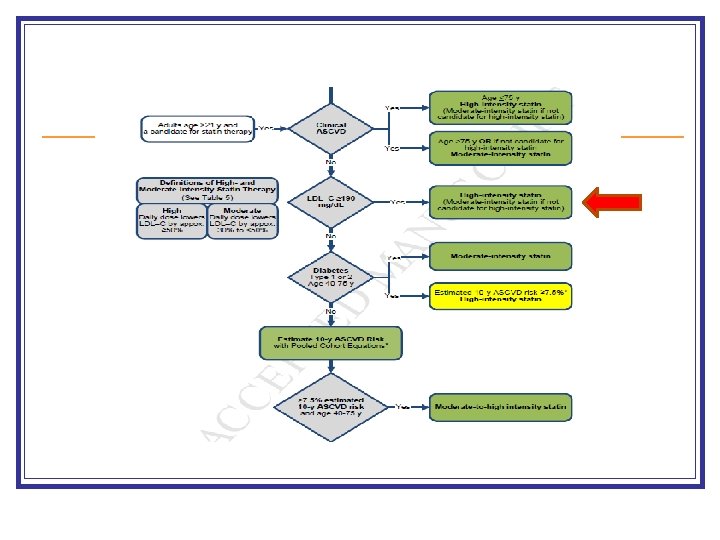
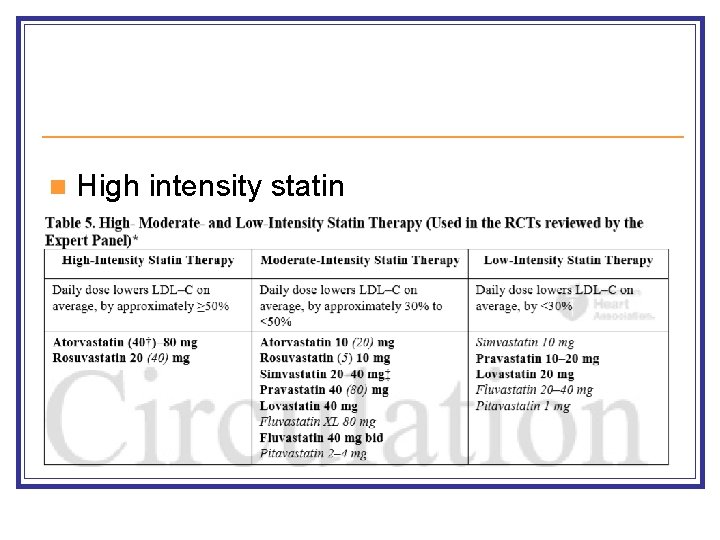
Intensity of Statin Therapy in primary and secondary prevention
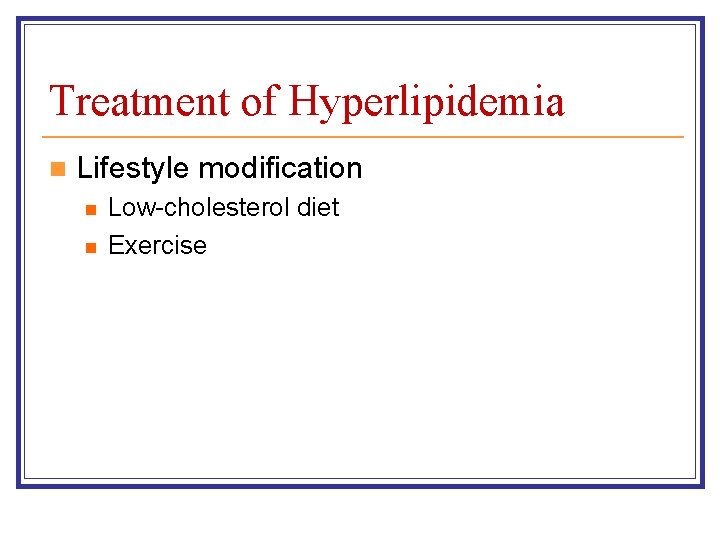
Treatment of Hyperlipidemia n Lifestyle modification n n Low-cholesterol diet Exercise
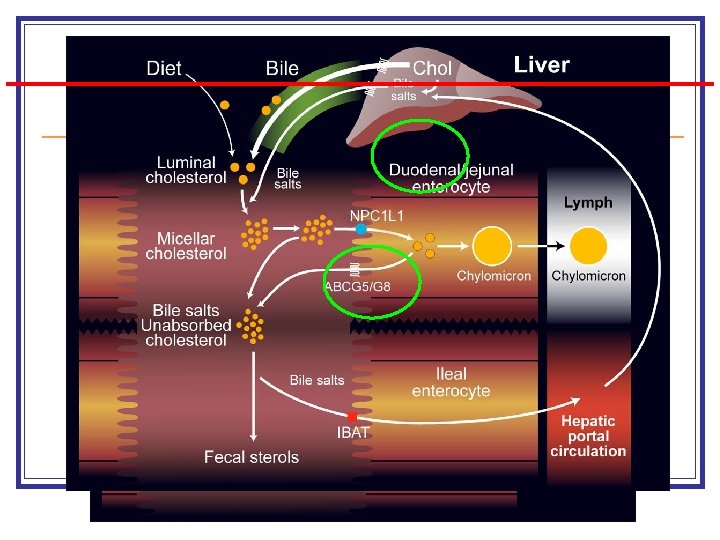
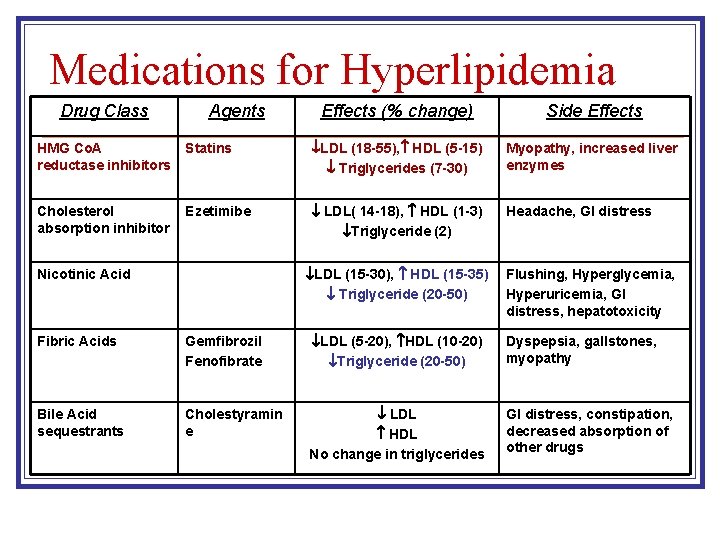
Medications for Hyperlipidemia Drug Class Agents Effects (% change) Side Effects HMG Co. A reductase inhibitors Statins LDL (18 -55), HDL (5 -15) Triglycerides (7 -30) Myopathy, increased liver enzymes Cholesterol absorption inhibitor Ezetimibe LDL( 14 -18), HDL (1 -3) Triglyceride (2) Headache, GI distress LDL (15 -30), HDL (15 -35) Triglyceride (20 -50) Nicotinic Acid Flushing, Hyperglycemia, Hyperuricemia, GI distress, hepatotoxicity Fibric Acids Gemfibrozil Fenofibrate LDL (5 -20), HDL (10 -20) Triglyceride (20 -50) Dyspepsia, gallstones, myopathy Bile Acid sequestrants Cholestyramin e LDL HDL No change in triglycerides GI distress, constipation, decreased absorption of other drugs
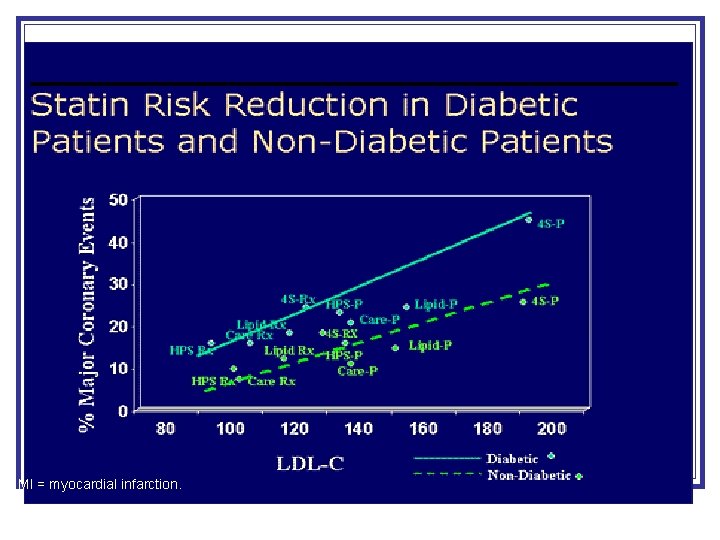
MI = myocardial infarction. Adapted with permission from Robinson JG et al. J Am Coll Cardiol. 2005; 46: 1855– 1862.
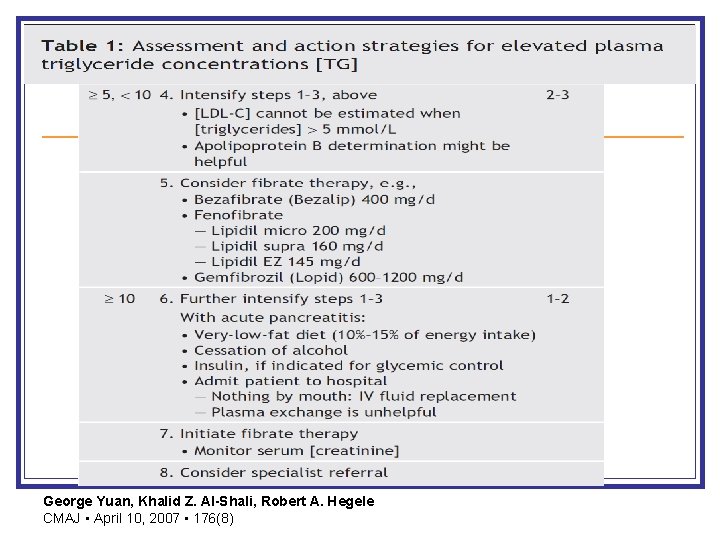
George Yuan, Khalid Z. Al-Shali, Robert A. Hegele CMAJ • April 10, 2007 • 176(8)
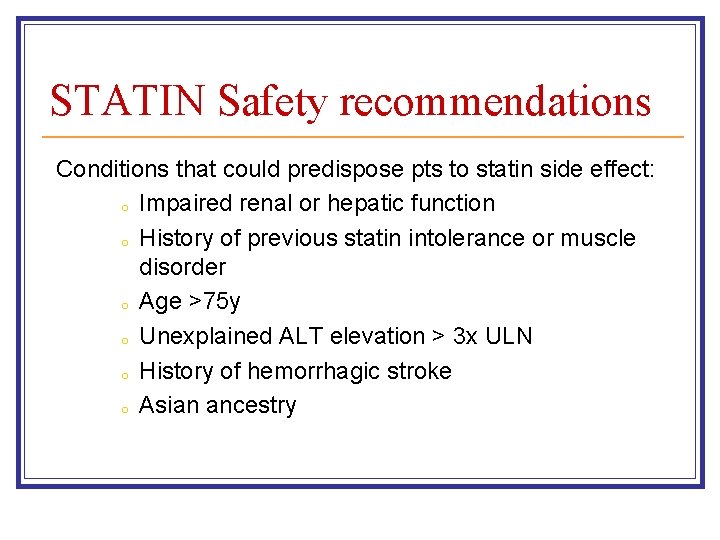
STATIN Safety recommendations Conditions that could predispose pts to statin side effect: o Impaired renal or hepatic function o History of previous statin intolerance or muscle disorder o Age >75 y o Unexplained ALT elevation > 3 x ULN o History of hemorrhagic stroke o Asian ancestry
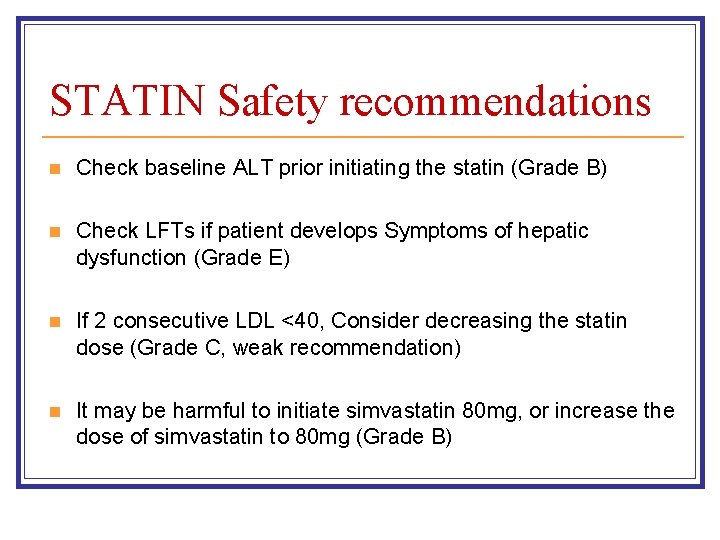
STATIN Safety recommendations n Check baseline ALT prior initiating the statin (Grade B) n Check LFTs if patient develops Symptoms of hepatic dysfunction (Grade E) n If 2 consecutive LDL <40, Consider decreasing the statin dose (Grade C, weak recommendation) n It may be harmful to initiate simvastatin 80 mg, or increase the dose of simvastatin to 80 mg (Grade B)
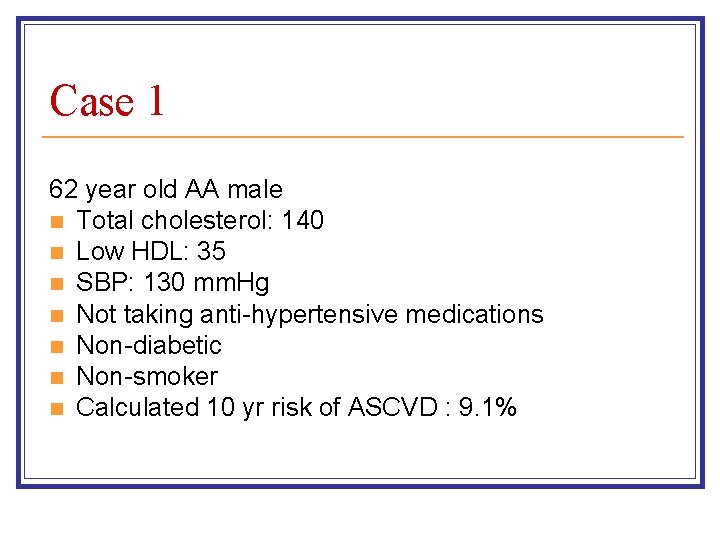
Case 1 62 year old AA male n Total cholesterol: 140 n Low HDL: 35 n SBP: 130 mm. Hg n Not taking anti-hypertensive medications n Non-diabetic n Non-smoker n Calculated 10 yr risk of ASCVD : 9. 1%
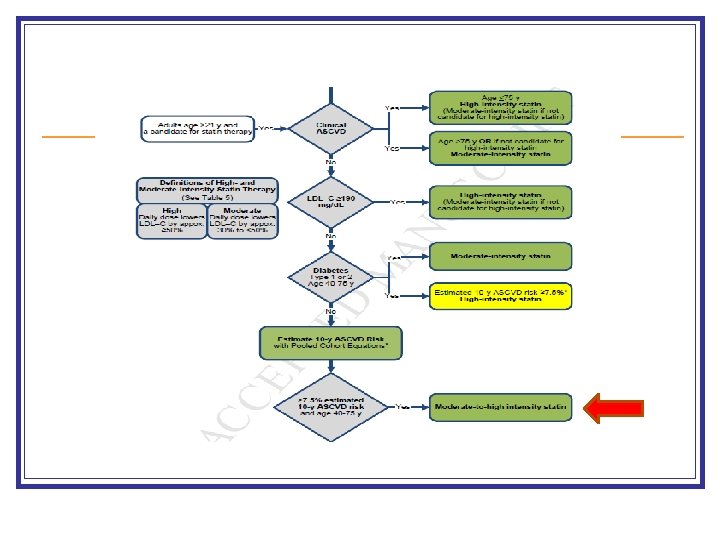
n Moderate to high intensity statin
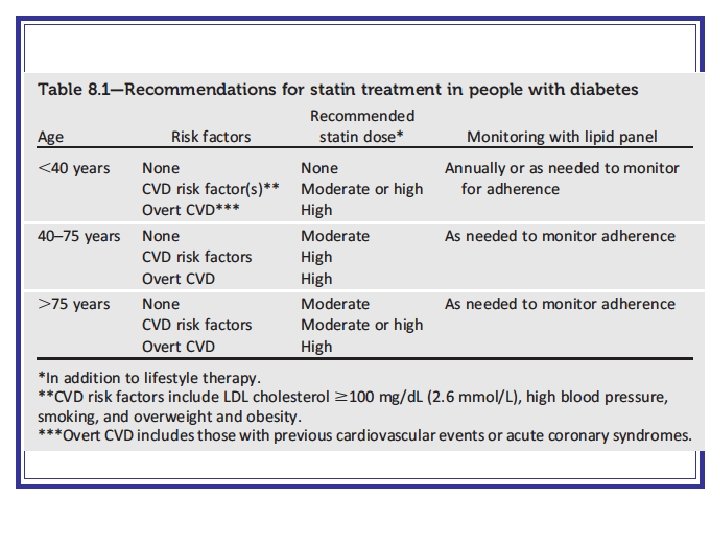
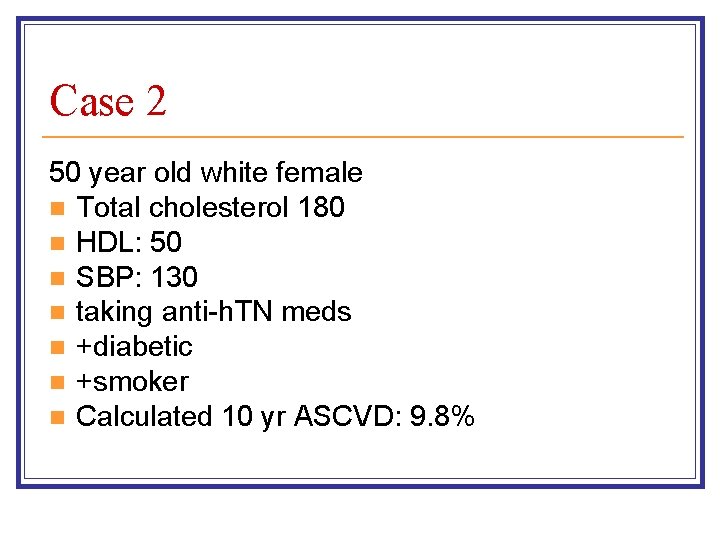
Case 2 50 year old white female n Total cholesterol 180 n HDL: 50 n SBP: 130 n taking anti-h. TN meds n +diabetic n +smoker n Calculated 10 yr ASCVD: 9. 8%
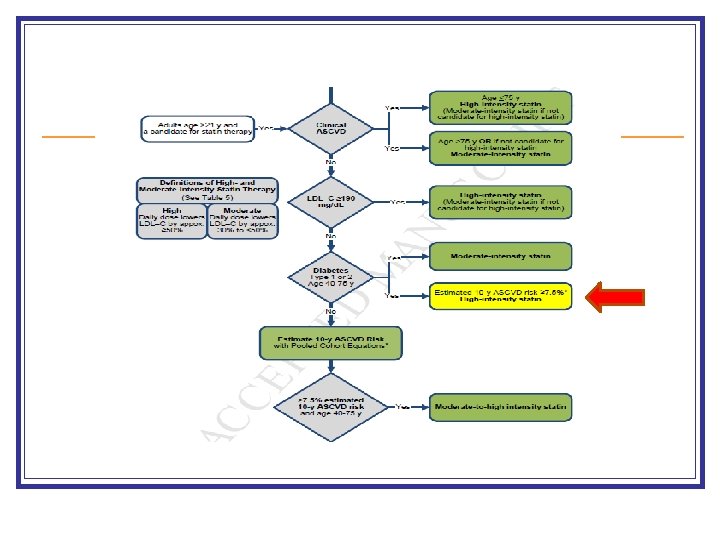
n high intensity statin
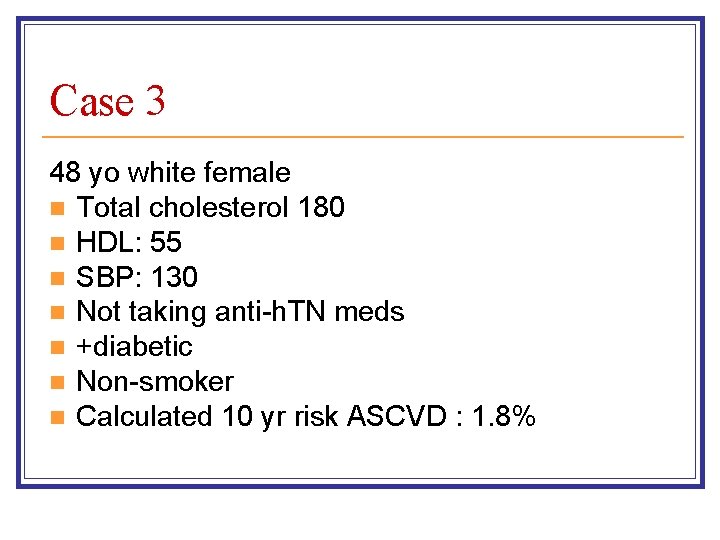
Case 3 48 yo white female n Total cholesterol 180 n HDL: 55 n SBP: 130 n Not taking anti-h. TN meds n +diabetic n Non-smoker n Calculated 10 yr risk ASCVD : 1. 8%
n Moderate intensity statin
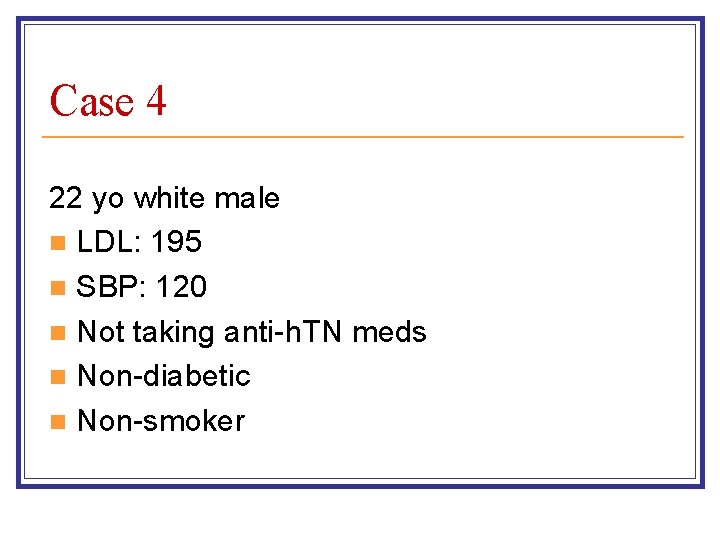
Case 4 22 yo white male n LDL: 195 n SBP: 120 n Not taking anti-h. TN meds n Non-diabetic n Non-smoker
n High intensity statin
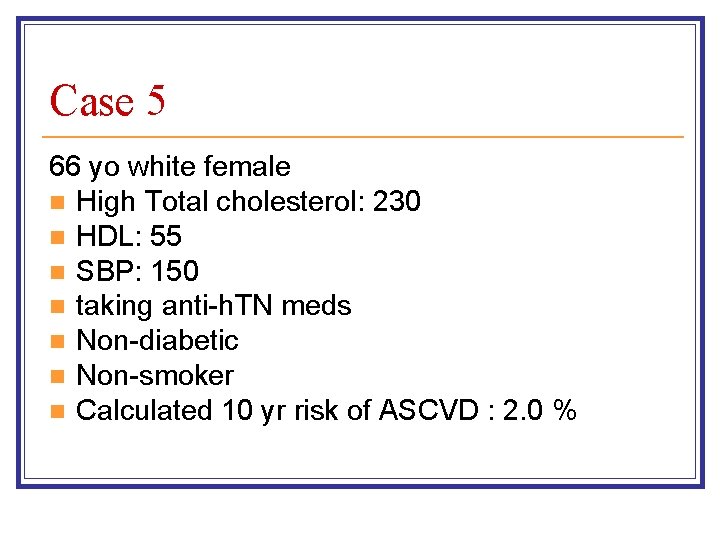
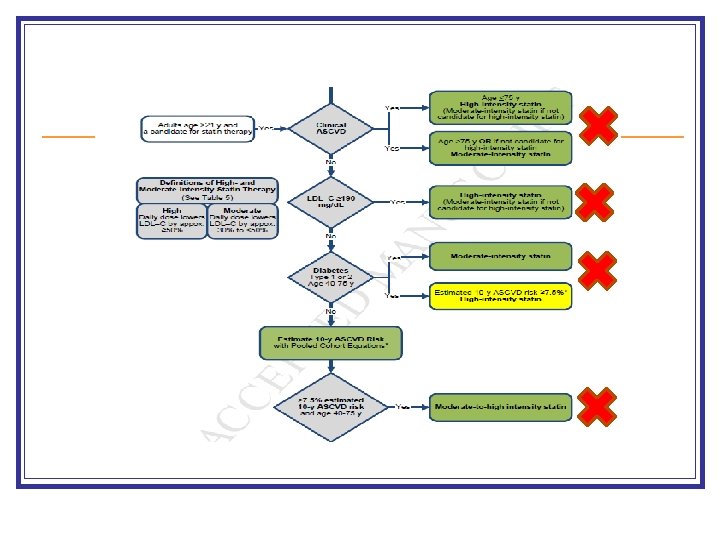
Case 5 66 yo white female n High Total cholesterol: 230 n HDL: 55 n SBP: 150 n taking anti-h. TN meds n Non-diabetic n Non-smoker n Calculated 10 yr risk of ASCVD : 2. 0 %
n Statin therapy NOT recommended
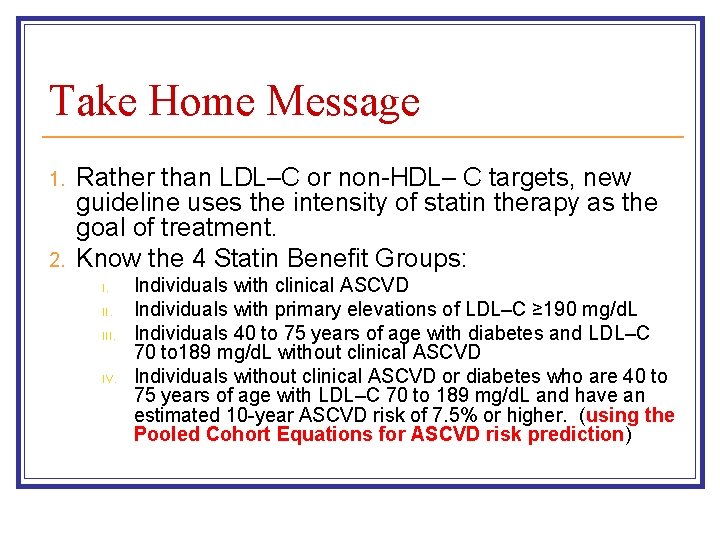
Take Home Message 1. 2. Rather than LDL–C or non-HDL– C targets, new guideline uses the intensity of statin therapy as the goal of treatment. Know the 4 Statin Benefit Groups: I. III. IV. Individuals with clinical ASCVD Individuals with primary elevations of LDL–C ≥ 190 mg/d. L Individuals 40 to 75 years of age with diabetes and LDL–C 70 to 189 mg/d. L without clinical ASCVD Individuals without clinical ASCVD or diabetes who are 40 to 75 years of age with LDL–C 70 to 189 mg/d. L and have an estimated 10 -year ASCVD risk of 7. 5% or higher. (using the Pooled Cohort Equations for ASCVD risk prediction)
THANK YOU ALL drjammah@gmail. com See you in 5 th year MED-441 Course