
DYNAMICS LEARNING WITH KINETIC CONNECTIONS Dr Syed Mohd
- Slides: 15
DYNAMICS LEARNING WITH KINETIC CONNECTIONS Dr. Syed Mohd Rizwan Dr. Ramanathan Subramanian Mr. Ahmed Mohiuddin Mr. P. Mahalingam
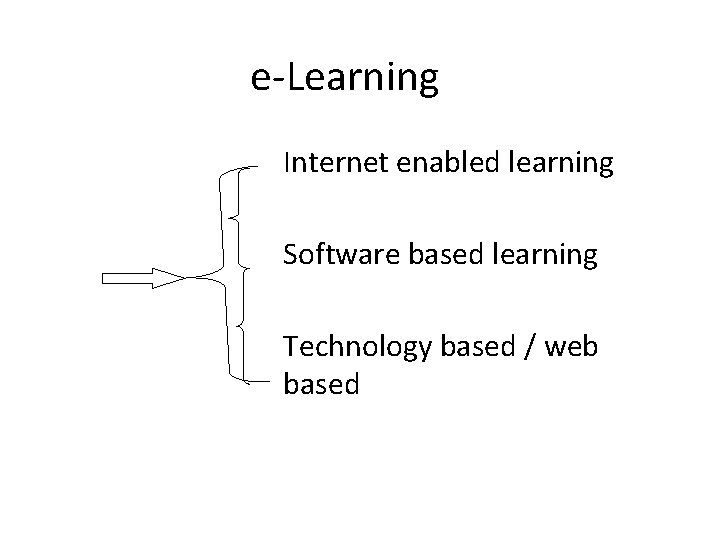
e-Learning Internet enabled learning Software based learning Technology based / web based
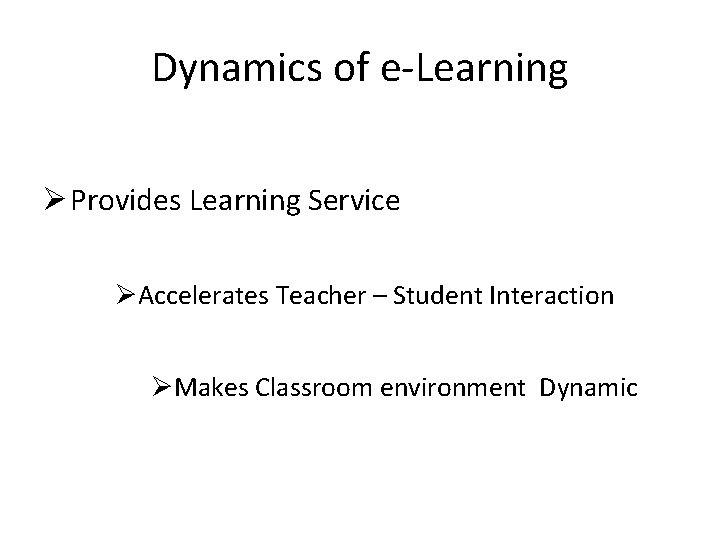
Dynamics of e-Learning Ø Provides Learning Service ØAccelerates Teacher – Student Interaction ØMakes Classroom environment Dynamic
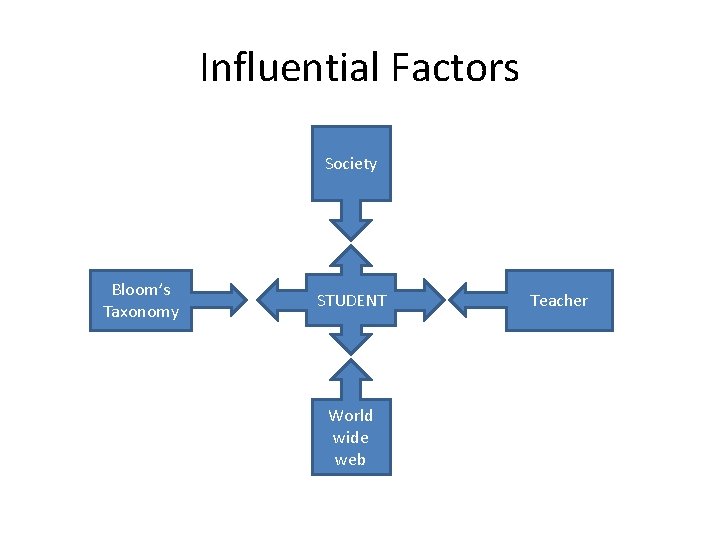
Influential Factors Society Bloom’s Taxonomy STUDENT World wide web Teacher
BLOOM’S TAXONOMY *To improve Human thinking for better learning • in Cognitive Domain- knowledge based • in Affective Domain – Attitudinal based • in Psychomotor Domain – Skills based
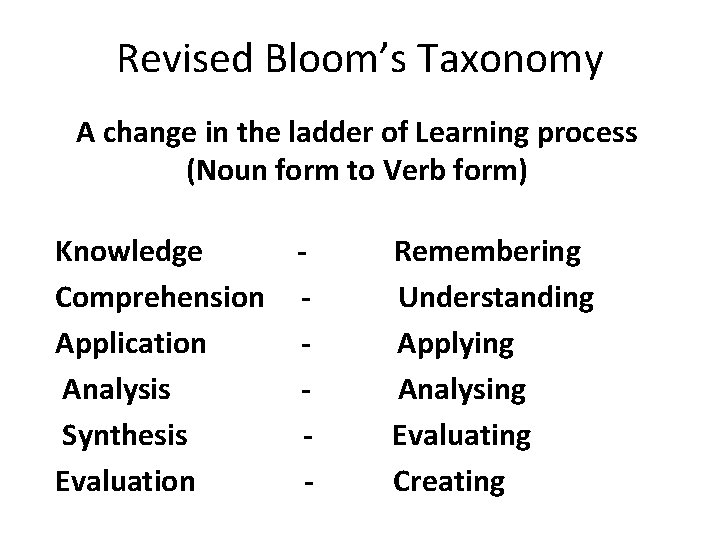
Revised Bloom’s Taxonomy A change in the ladder of Learning process (Noun form to Verb form) Knowledge Comprehension Application Analysis Synthesis Evaluation - Remembering Understanding Applying Analysing Evaluating Creating
World Wide Web Rapid Growth and ubiquity have modified IT into a powerful learning platform • Knowledge portals - Content • Learning Service Providers • Educational e-Tailors ( links ) • Inquiry Based learning • Classroom situation is congenial, suitable and Dynamic
DEMANDS FROM SOCIETY • Social factors • Technological factors • Exceptional Education • Corporate Training / I T
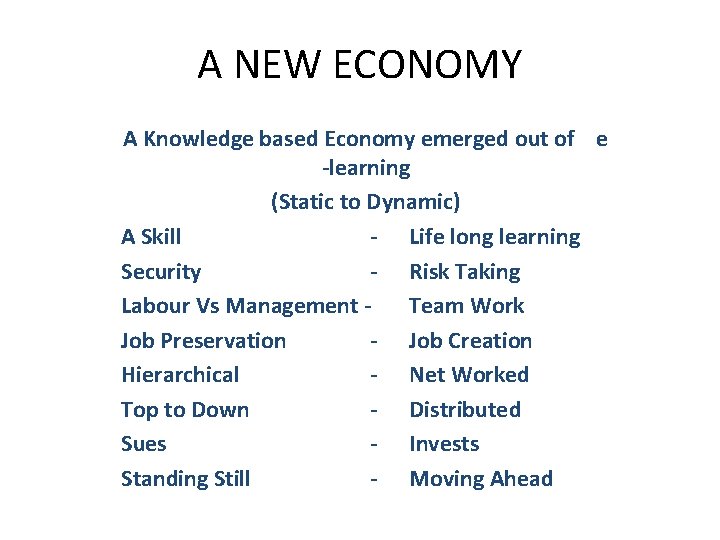
A NEW ECONOMY A Knowledge based Economy emerged out of e -learning (Static to Dynamic) A Skill - Life long learning Security - Risk Taking Labour Vs Management Team Work Job Preservation - Job Creation Hierarchical - Net Worked Top to Down - Distributed Sues - Invests Standing Still - Moving Ahead
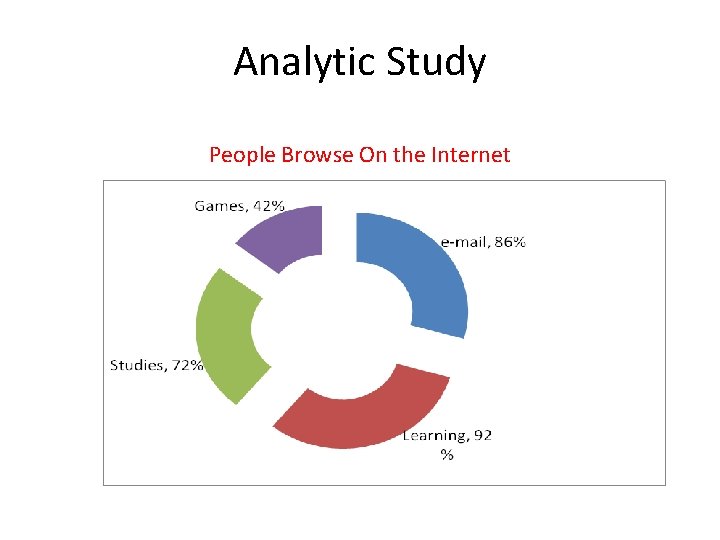
Analytic Study People Browse On the Internet
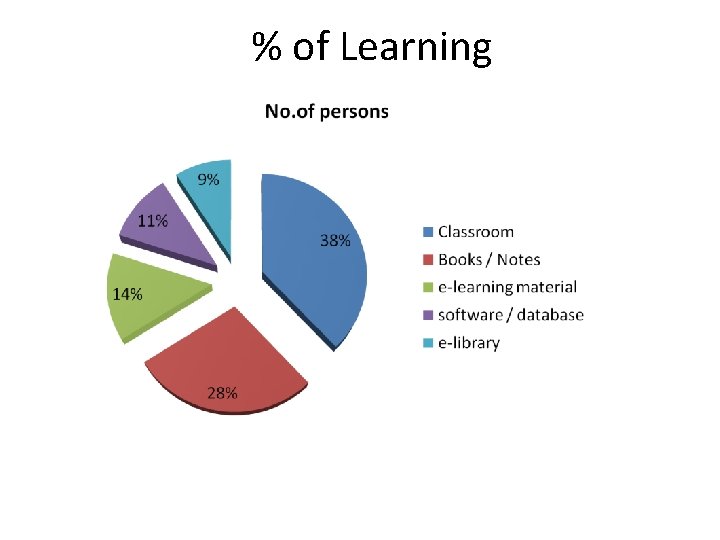
% of Learning
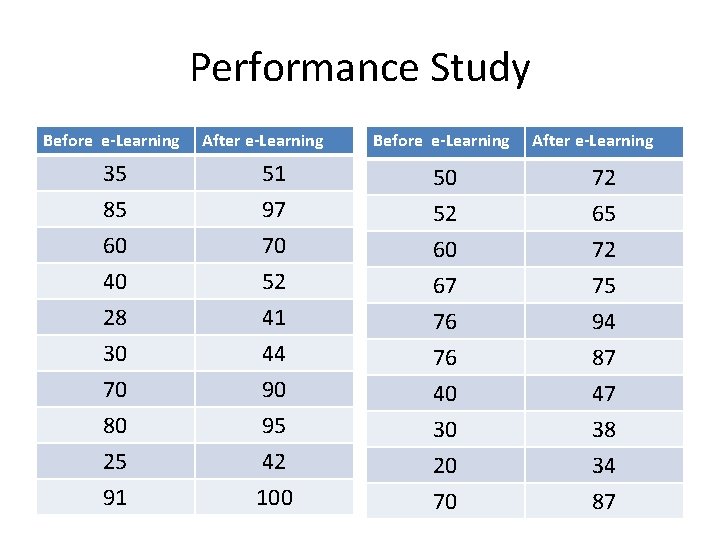
Performance Study Before e-Learning After e-Learning 35 85 60 51 97 70 50 52 60 72 65 72 40 28 30 70 80 25 91 52 41 44 90 95 42 100 67 76 76 40 30 20 70 75 94 87 47 38 34 87
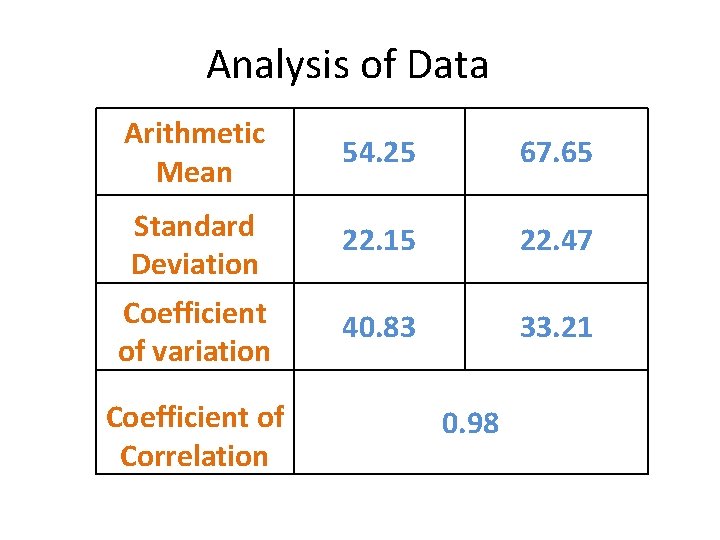
Analysis of Data Arithmetic Mean 54. 25 67. 65 Standard Deviation 22. 15 22. 47 Coefficient of variation 40. 83 33. 21 Coefficient of Correlation 0. 98
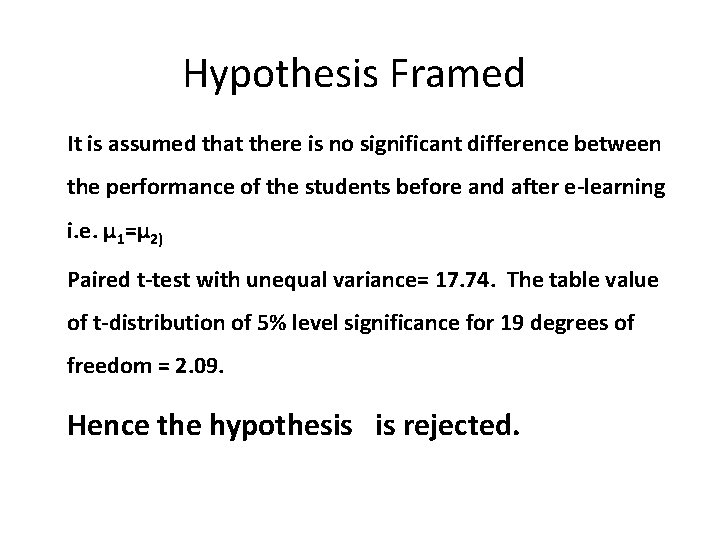
Hypothesis Framed It is assumed that there is no significant difference between the performance of the students before and after e-learning i. e. µ 1=µ 2) Paired t-test with unequal variance= 17. 74. The table value of t-distribution of 5% level significance for 19 degrees of freedom = 2. 09. Hence the hypothesis is rejected.
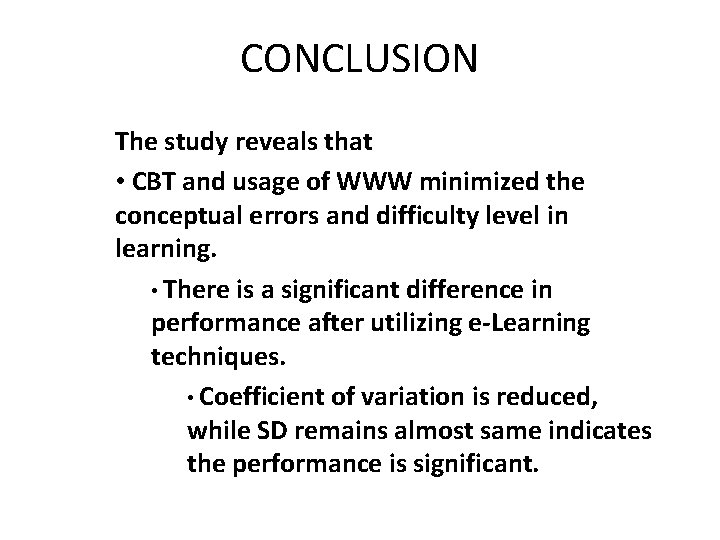
CONCLUSION The study reveals that • CBT and usage of WWW minimized the conceptual errors and difficulty level in learning. • There is a significant difference in performance after utilizing e-Learning techniques. • Coefficient of variation is reduced, while SD remains almost same indicates the performance is significant.