
Dynamic Risk Assessing in an emergency environment Station

- Slides: 29
Dynamic Risk Assessing in an emergency environment Station Officer Shane Jarvis
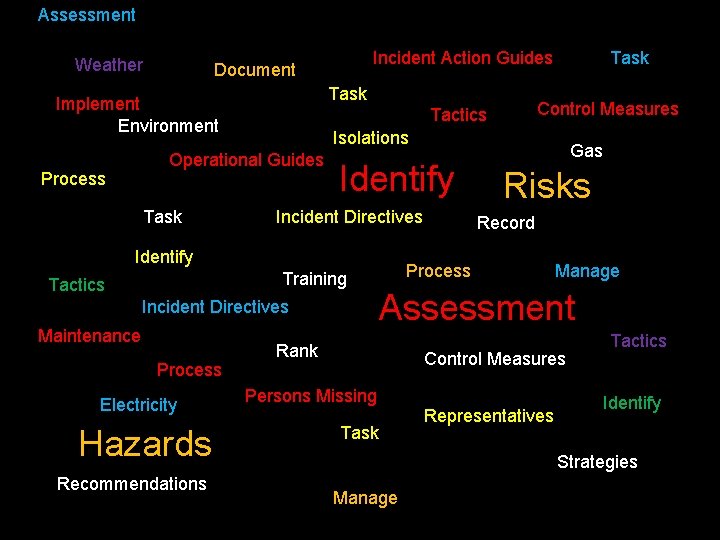
Assessment Weather Task Implement Environment Task Isolations Identify Incident Directives Identify Training Tactics Incident Directives Maintenance Process Electricity Hazards Recommendations Control Measures Tactics Operational Guides Process Task Incident Action Guides Document Gas Risks Record Process Manage Assessment Rank Control Measures Persons Missing Task Representatives Tactics Identify Strategies Manage
What is a Dynamic Risk Assessment ? ……… “The continuous assessment and management of risk in the rapidly changing circumstances of an operational incident”
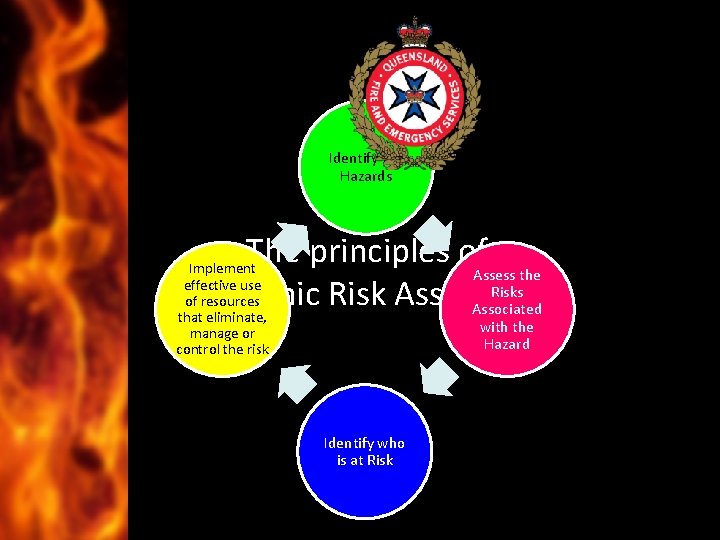
Identify the Hazards The principles of. Assess a the Risks Dynamic Risk Assessment Associated Implement effective use of resources that eliminate, manage or control the risk with the Hazard Identify who is at Risk
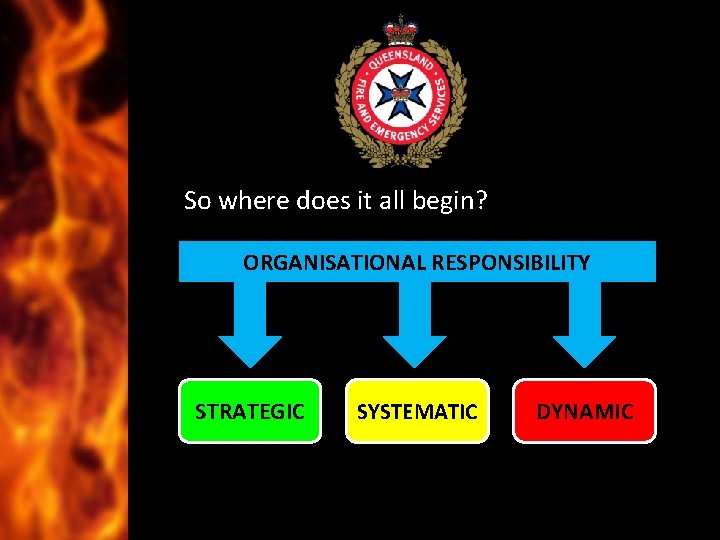
So where does it all begin? ORGANISATIONAL RESPONSIBILITY STRATEGIC SYSTEMATIC DYNAMIC
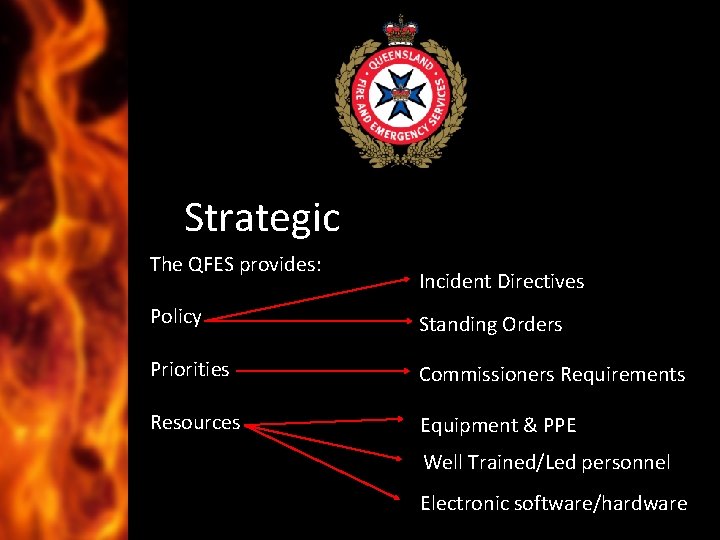
Strategic The QFES provides: Incident Directives Policy Standing Orders Priorities Commissioners Requirements Resources Equipment & PPE Well Trained/Led personnel Electronic software/hardware
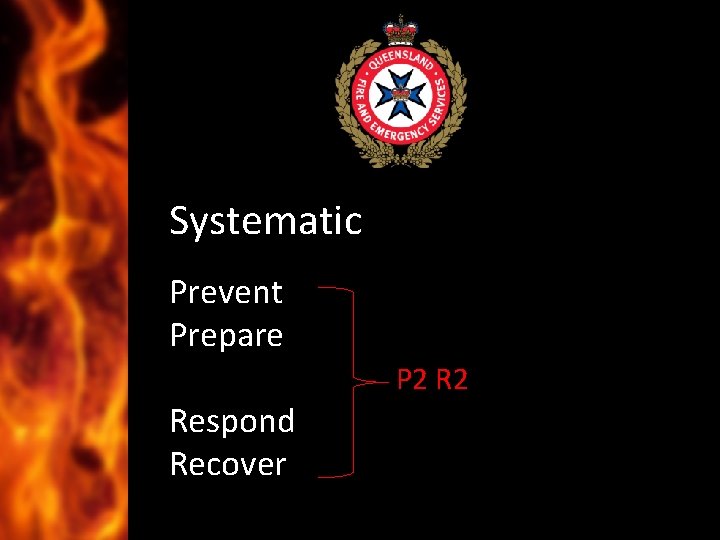
Systematic Prevent Prepare P 2 Respond Recover
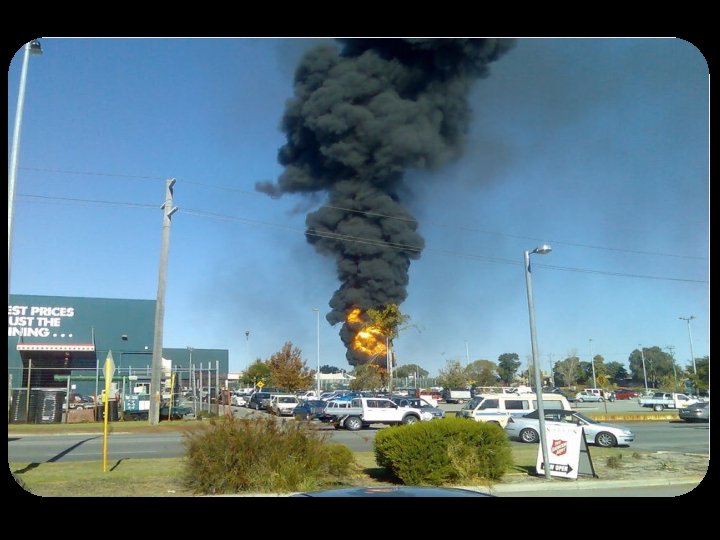
Dynamic * Incident Controller. Continue to monitor fire development and behaviour with regards to crew safety and actions * Command & Control. As incident develops the incident management structure should develop accordingly. Consider early introduction of a Safety Officer. * Incident conditions. All personnel on the fire ground should be monitoring incident conditions in particular any sudden changes in e. g. colour, density, velocity and volume of the smoke. ~
So how do we do it? Apply: Tactical Priorities Fire ground Intelligence Safe person concept Incident Action Plan ~
TACTICAL PRIORITIES Tactical priorities are those guidelines, functions, and benchmarks used by the Incident Controller to initiate and continue effective Fireground actions Tactical Priorities are also referenced as Phases of Control; allowing for an incident to flow in a controlled and sequential manner~
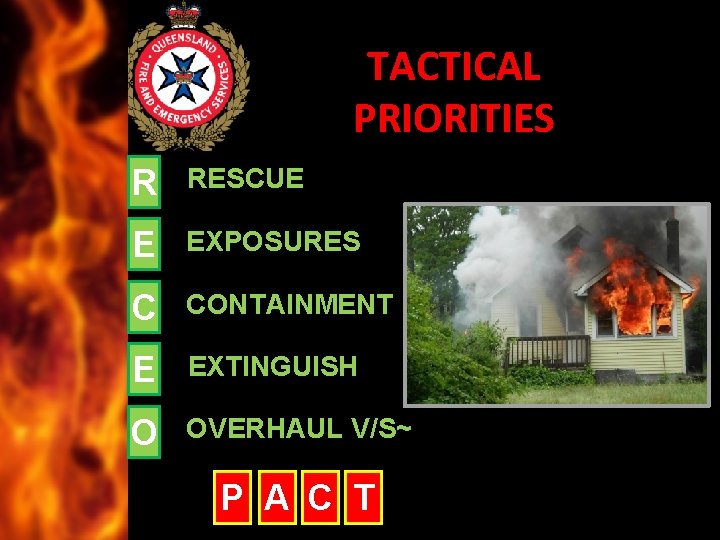
TACTICAL PRIORITIES R RESCUE E EXPOSURES C CONTAINMENT E EXTINGUISH O OVERHAUL V/S~ P A C T
FIREGROUND INTELIGENCE ! It is very difficult to make good decisions on bad information !
FIREGROUND INTELIGENCE By its very nature, the fire and rescue environment is characterized by many variables. A number of these risks are foreseeable prior to arrival at any given emergency incident, many can only be recognised on-scene, or will emerge on scene. ~
FIREGROUND INTELIGENCE The gathering of intelligence on arrival to the incident, combined with any pre-incident planning will assist the Incident Controller with deciding the initial actions for crews and resources, whilst continuing to gather information from those directly involved and from witnesses and bystanders. As the incident develops, the Incident Controller will continually gather information from their observations, SITREPS from crews involved and from questions to responsible persons connected to the situation. ~
Safe Person Concept QFES’s core service delivery is built upon providing services to enhance community safety whilst at the same time ensuring the safety of firefighters. “We may risk our lives a lot, in a highly calculated manner to protect savable lives. ” “We may risk our lives a little , in a highly calculated manner, to protect savable property. ” “We will not risk our lives at all for lives and property that are already lost. ” ~
Safe Person Concept As part of the Incident Action Plan we must determine: * What you are prepared to Lose * What you are prepared to defend * What you are prepared to save. ~
Incident Action Plan Describe the overall incident Objectives, Strategies and Tactics. Identify Key Risks (including the impact on the community and the environment). Identify and ensure continuity of Control Operations. Provide effective use of Resources. Identify anticipated Resource requirements. Highlight all Safety Issues that may affect Operations ~
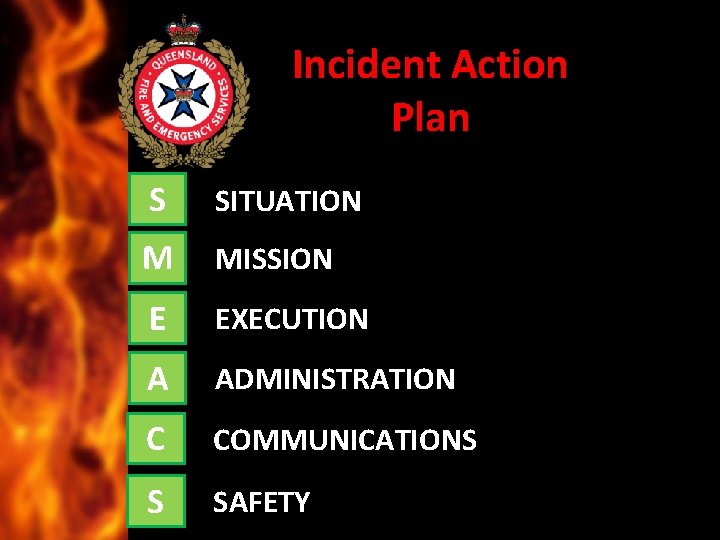
Incident Action Plan S SITUATION M MISSION E EXECUTION A ADMINISTRATION C COMMUNICATIONS S SAFETY
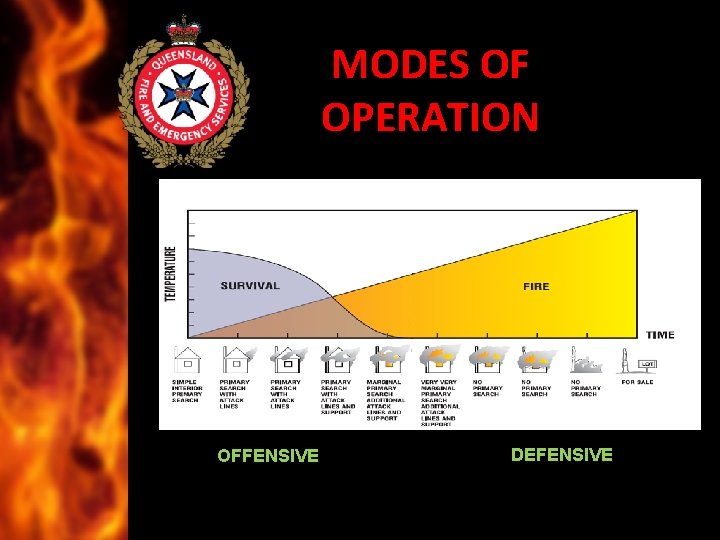
MODES OF OPERATION OFFENSIVE DEFENSIVE
MODES OF OPERATION Offensive operations will involve gaining access in the structure to perform primary search and rescue if required and to contain and extinguish the fire from inside. Defensive operations will involve external firefighting activities due to the dynamic risk assessment for that structure indicating no value of internal commitment. The fire will be contained to the structure involved and exposures will be protected appropriately. ~
Smoke Alarms Building Fire Safety Installations Trained Personnel in the workplace Save Lives Keep them maintained And tested as per Aust. Standard Know how to use them ~
……. . thankyou and stay safe.