
DYNAMIC INSTRUCTIONAL DESIGN MODEL By Janella Dickerson EDU
DYNAMIC INSTRUCTIONAL DESIGN MODEL By: Janella Dickerson EDU 310 – Spring 2020
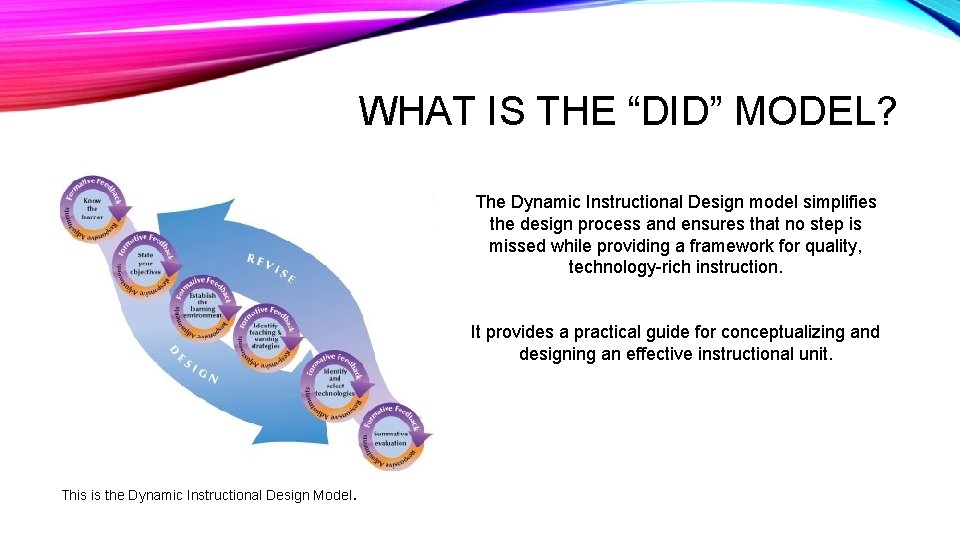
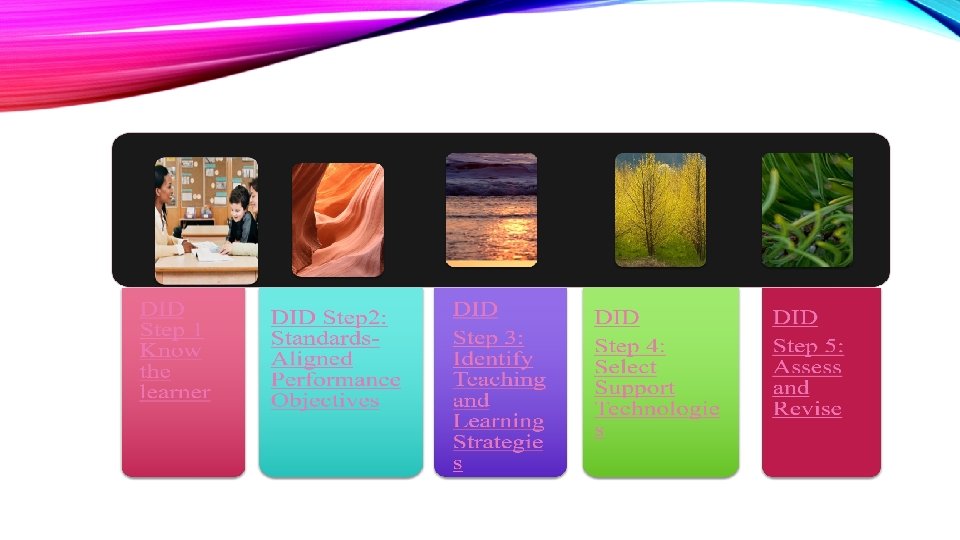
WHAT IS THE “DID” MODEL? The Dynamic Instructional Design model simplifies the design process and ensures that no step is missed while providing a framework for quality, technology-rich instruction. It provides a practical guide for conceptualizing and designing an effective instructional unit. This is the Dynamic Instructional Design Model.
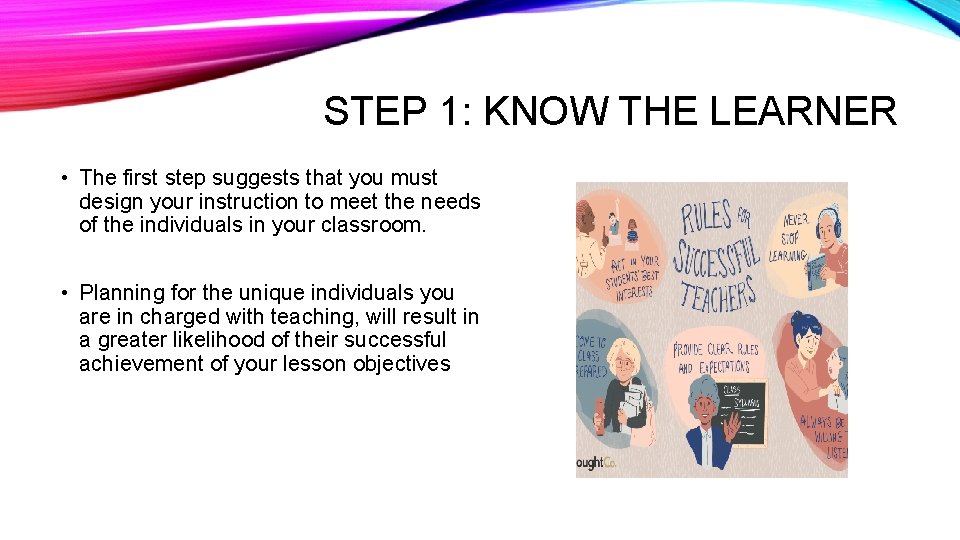
STEP 1: KNOW THE LEARNER • The first step suggests that you must design your instruction to meet the needs of the individuals in your classroom. • Planning for the unique individuals you are in charged with teaching, will result in a greater likelihood of their successful achievement of your lesson objectives
STEP 2: STANDARDS-ALIGNED PERFORMANCE OBJECTIVES • Step 2 of the model is to articulate performance objectives, sometimes called learning outcomes, for the lesson and to identify the content or other standards the objectives address. • Performance objectives are concise single sentences that identify the target performances.
STEP 3: IDENTIFY TEACHING AND LEARNING STRATEGIES • Most important and largest component of the plan • Teaching strategies • Learning strategies
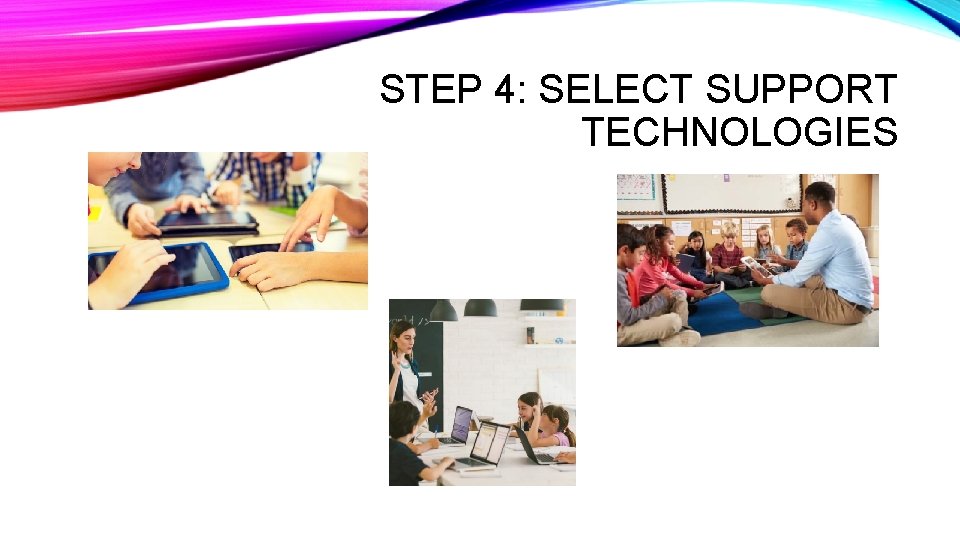
STEP 4: SELECT SUPPORT TECHNOLOGIES
STEP 5: ASSESS AND REVISE • The last step is the assessment and revision plan • Important components: • Assessments • Formative assessment • Summative assessment • Authentic assessment • Revise
- Slides: 8