
Dynamic EV Charging Infrastructure Prioritization CUGOS Fall Fling





- Slides: 20
Dynamic EV Charging Infrastructure Prioritization CUGOS Fall Fling, 10/6/2019 Corwin Bell, Fehr & Peers
Outline • Introduction • Background and Purpose of the Project • EVSE Dynamic Siting Tool • Shared Mobility Hub Prioritization • Implementation Plan • Limitations
Introduction • Project Overview • Accelerate EV adoption in shared mobility • Establish best practices for other US cities • Partners
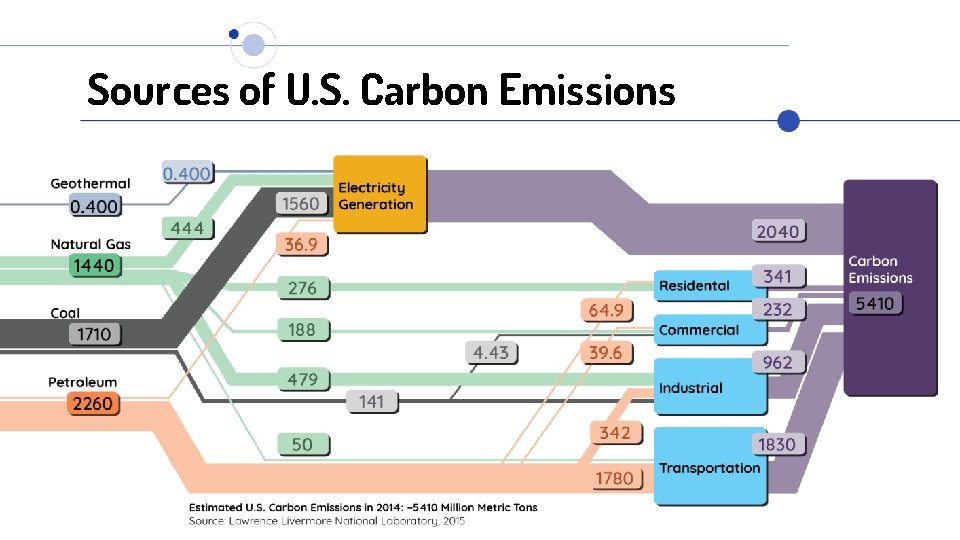
Sources of U. S. Carbon Emissions
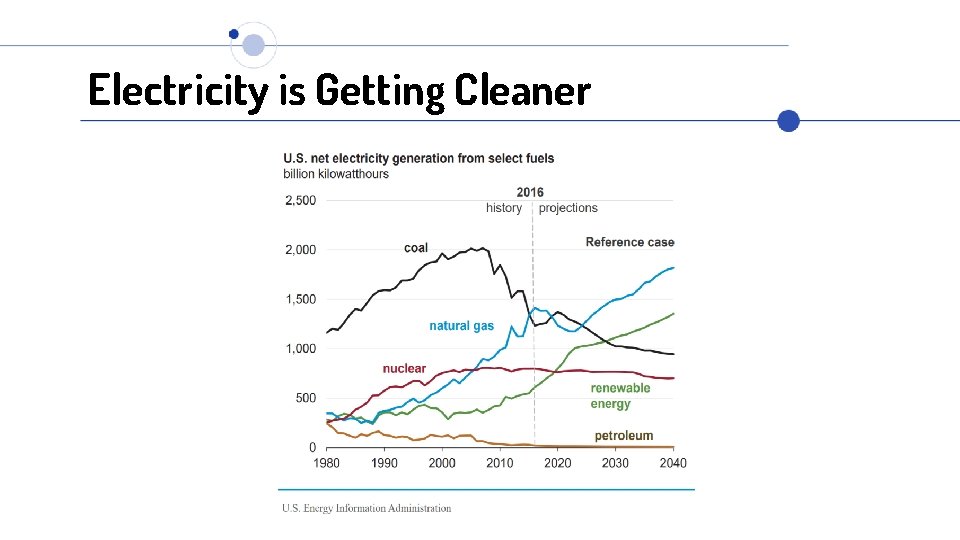
Electricity is Getting Cleaner
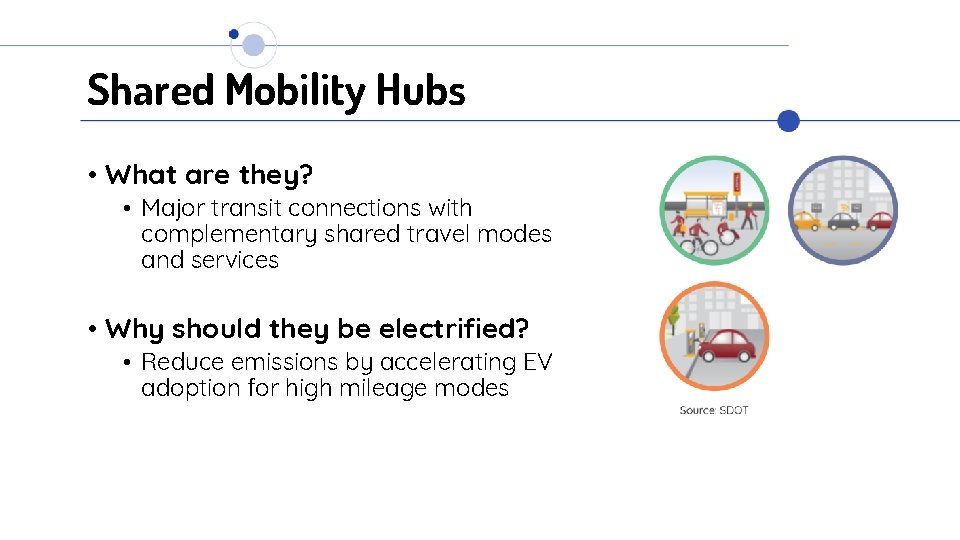
Shared Mobility Hubs • What are they? • Major transit connections with complementary shared travel modes and services • Why should they be electrified? • Reduce emissions by accelerating EV adoption for high mileage modes
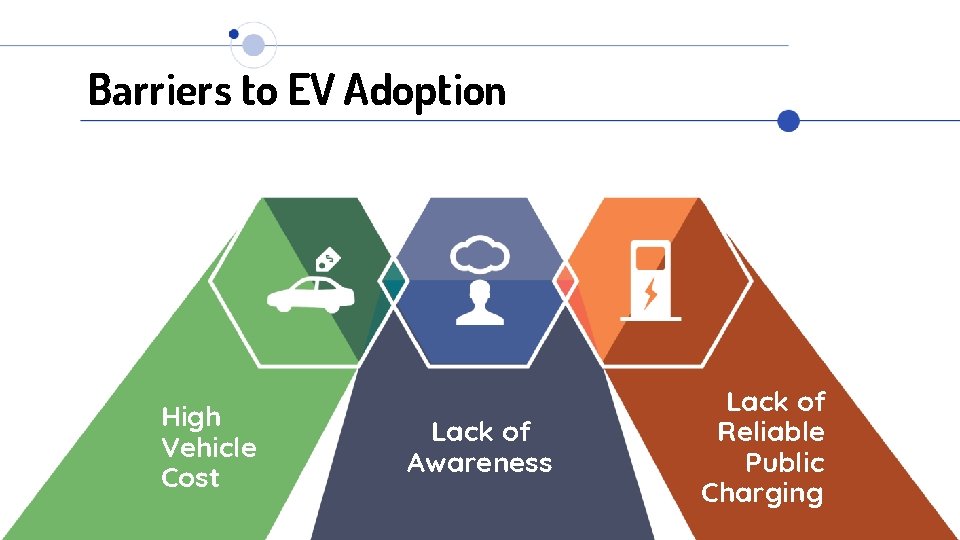
Barriers to EV Adoption High Vehicle Cost Lack of Awareness Lack of Reliable Public Charging
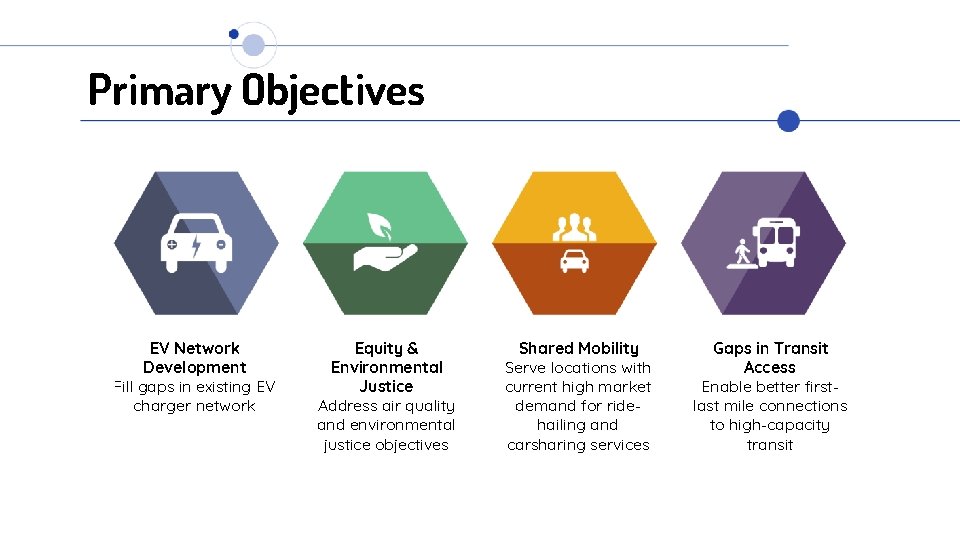
Primary Objectives EV Network Development Fill gaps in existing EV charger network Equity & Environmental Justice Address air quality and environmental justice objectives Shared Mobility Serve locations with current high market demand for ridehailing and carsharing services Gaps in Transit Access Enable better firstlast mile connections to high-capacity transit
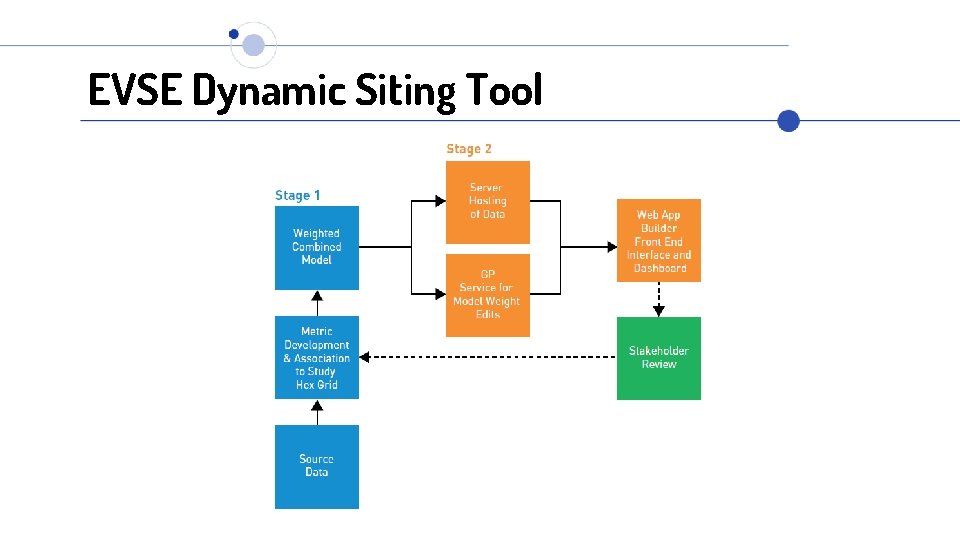
EVSE Dynamic Siting Tool
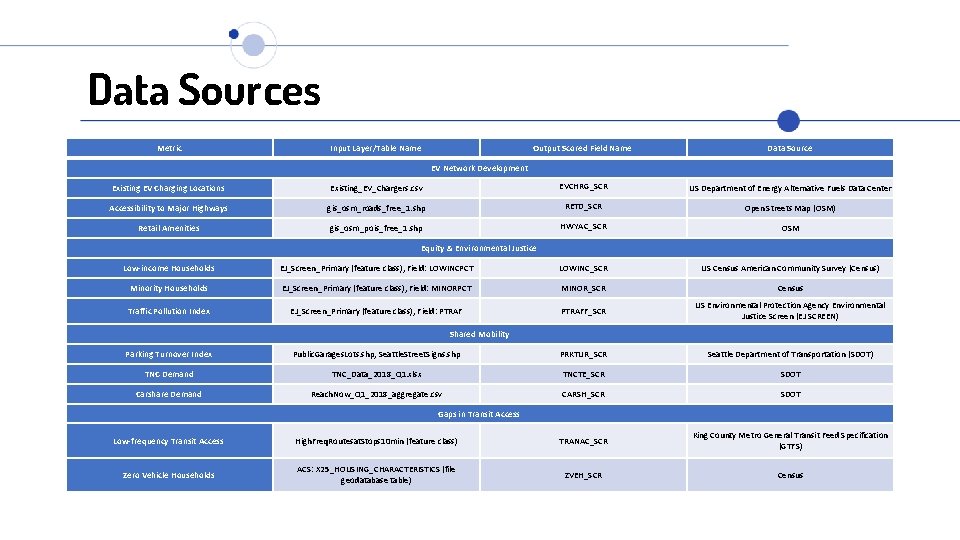
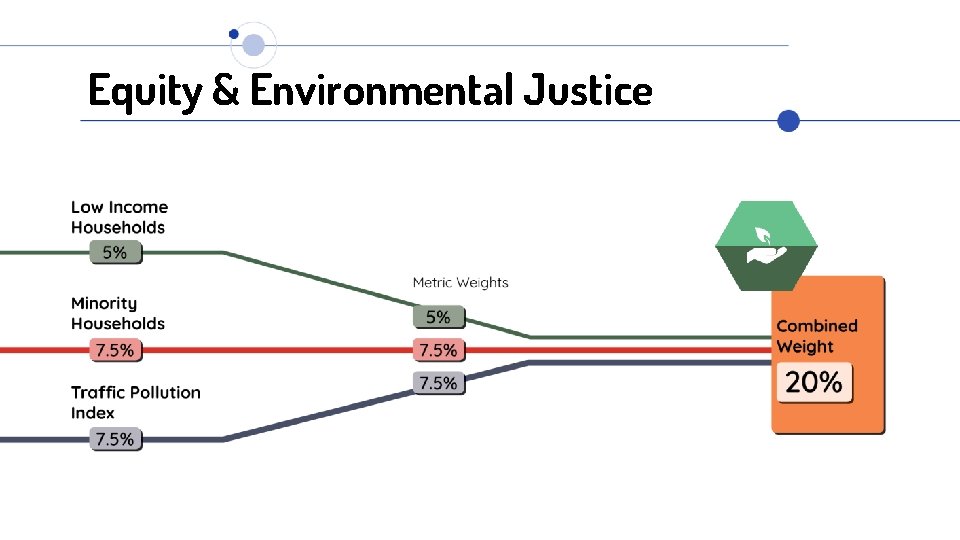
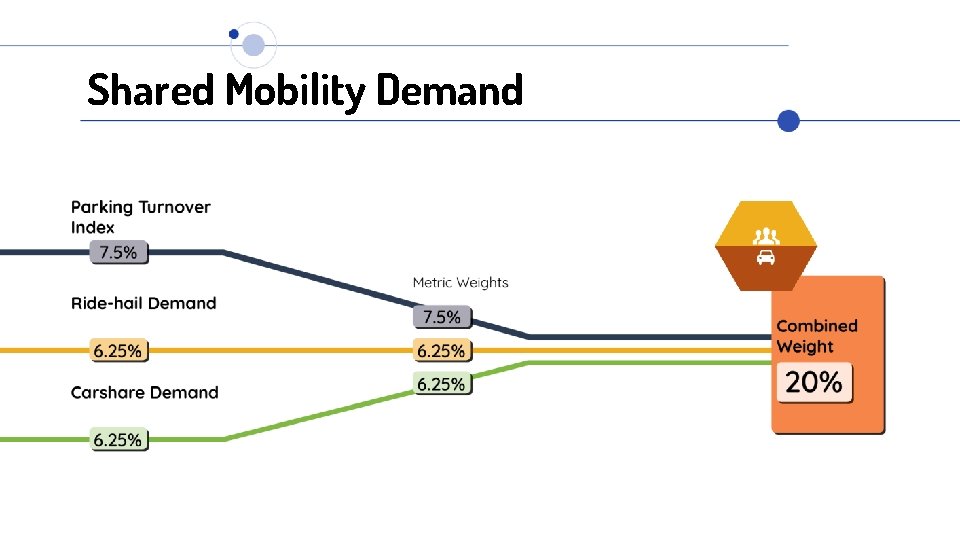
Data Sources Metric Input Layer/Table Name Output Scored Field Name Data Source EV Network Development Existing EV Charging Locations Existing_EV_Chargers. csv EVCHRG_SCR US Department of Energy Alternative Fuels Data Center Accessibility to Major Highways gis_osm_roads_free_1. shp RETD_SCR Open Streets Map (OSM) Retail Amenities gis_osm_pois_free_1. shp HWYAC_SCR OSM Equity & Environmental Justice Low-income Households EJ_Screen_Primary (feature class), Field: LOWINCPCT LOWINC_SCR US Census American Community Survey (Census) Minority Households EJ_Screen_Primary (feature class), Field: MINORPCT MINOR_SCR Census Traffic Pollution Index EJ_Screen_Primary (feature class), Field: PTRAFF_SCR US Environmental Protection Agency Environmental Justice Screen (EJ SCREEN) Shared Mobility Parking Turnover Index Public. Garages. Lots. shp, Seattle. Street. Signs. shp PRKTUR_SCR Seattle Department of Transportation (SDOT) TNC Demand TNC_Data_2018_Q 1. xlsx TNCTE_SCR SDOT Carshare Demand Reach. Now_Q 1_2018_aggregate. csv CARSH_SCR SDOT Gaps in Transit Access Low-frequency Transit Access High. Freq. Routesat. Stops 10 min (feature class) TRANAC_SCR King County Metro General Transit Feed Specification (GTFS) Zero Vehicle Households ACS: X 25_HOUSING_CHARACTERISTICS (file geodatabase table) ZVEH_SCR Census
EV Network Development
Equity & Environmental Justice
Shared Mobility Demand
Gap in Transit Access
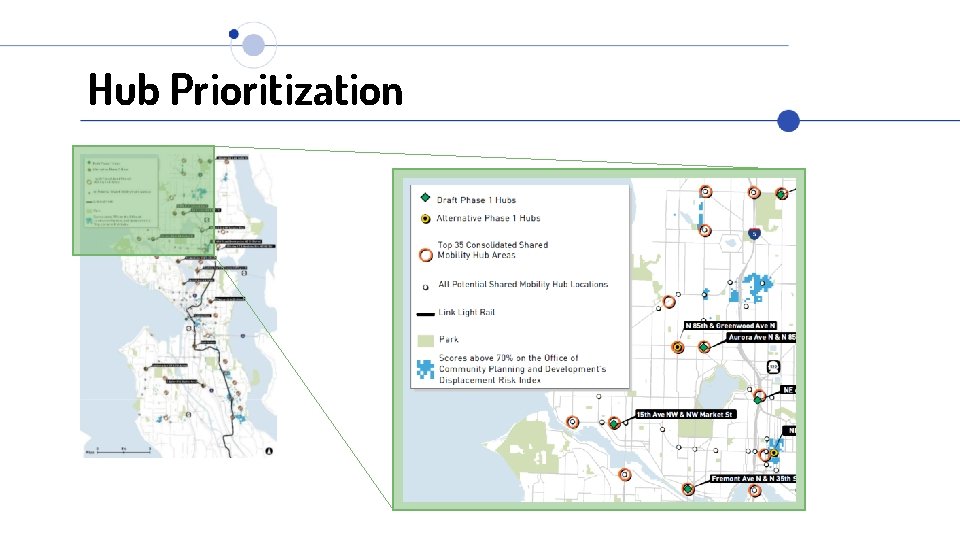
Tool Results
Hub Prioritization
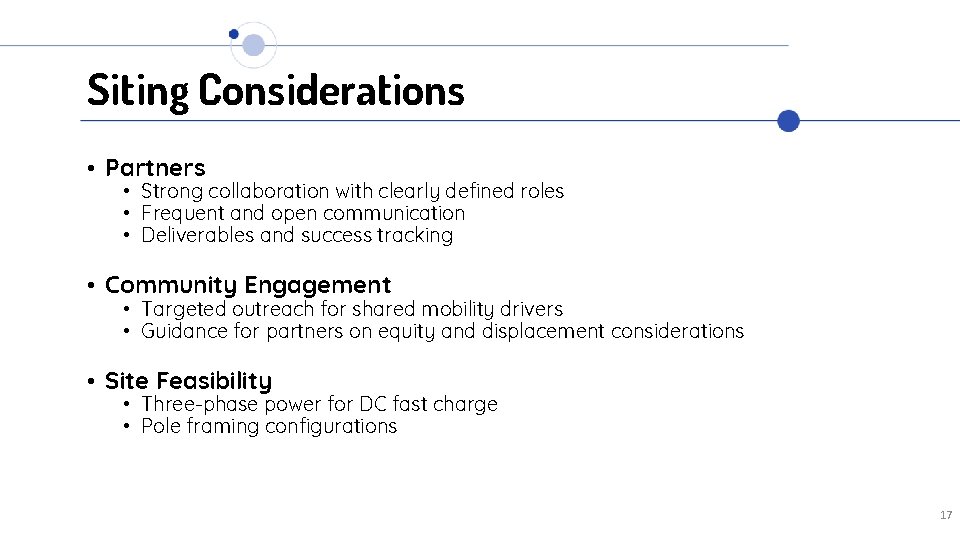
Siting Considerations • Partners • Strong collaboration with clearly defined roles • Frequent and open communication • Deliverables and success tracking • Community Engagement • Targeted outreach for shared mobility drivers • Guidance for partners on equity and displacement considerations • Site Feasibility • Three-phase power for DC fast charge • Pole framing configurations 17
Tool Limitations • Some transit modes and planned network and service changes were not included • Important locations at the edge of the city and far from highway access did not score well • Tool does not identify optimal EVSE network layout or planned EVSE installations • Installation cost was not a factor in siting prioritization 18
Key Takeaways • Cities have an opportunity to align multiple goals with EV charger siting • Existing publicly available data and suitability analysis tools can be applied to virtually any geography in the US • Web-based mapping tools can facilitate dynamic stake holder engagement in decision making 19
Questions? Acknowledgment: “This material is based upon work supported by the U. S. Department of Energy’s Office of Energy Efficiency and Renewable Energy (EERE) under the Vehicles Technologies Office (VTO) Deployment Award Number DEEE 0008261. ” Disclaimer: “This report was prepared as an account of work sponsored by an agency of the United States Government. Neither the United States Government nor any agency thereof, nor any of their employees, makes any warranty, express or implied, or assumes any legal liability or responsibility for the accuracy, completeness, or usefulness of any information, apparatus, product, or process disclosed, or represents that its use would not infringe privately owned rights. Reference herein to any specific commercial product, process, or service by trade name, trademark, manufacturer, or otherwise does not necessarily constitute or imply its endorsement, recommendation, or favoring by the United States Government or any agency thereof. The views and opinions of authors expressed herein do not necessarily state or reflect those of the United States Government or any agency thereof. ”