
Dust crystallinity and the evolution of dusty disks
- Slides: 34
Dust crystallinity and the evolution of dusty disks C. P. Dullemond, D. Apai, A. Natta, L. Testi, C. Dominik, S. Walch
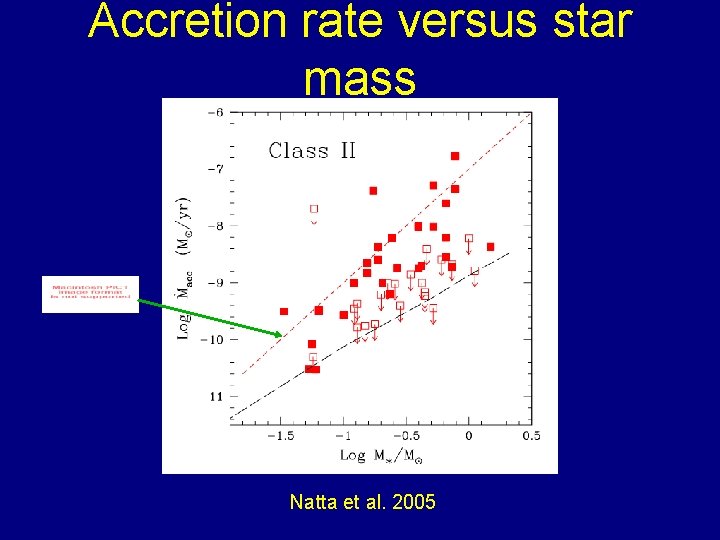
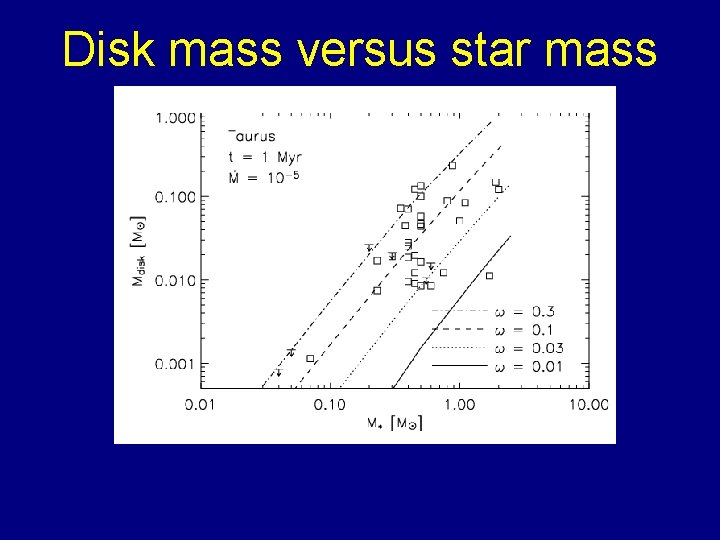
Two questions: What is the origin of the observed M ~ M*2 relation of protoplanetary disks? What does crystallinity of dust tell us about the processes in disks?
One answer: The process of disk formation and viscous evolution!
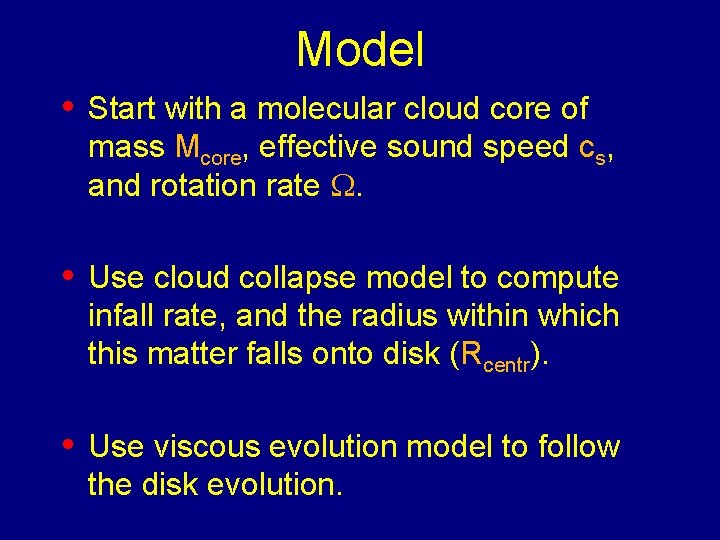
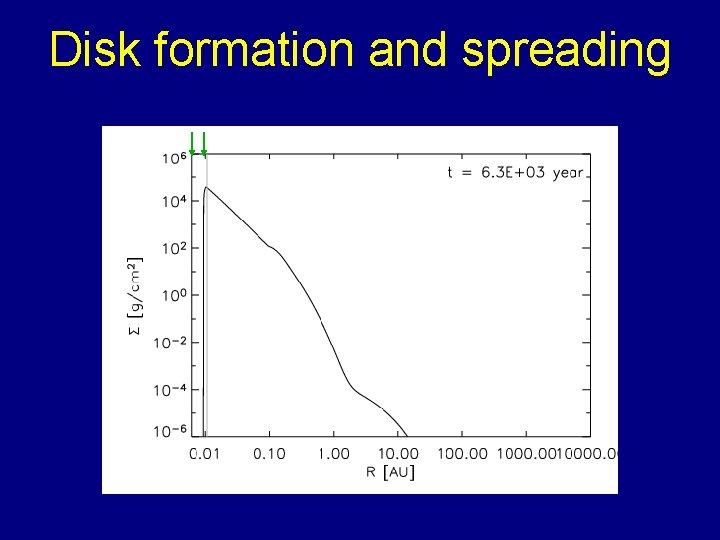
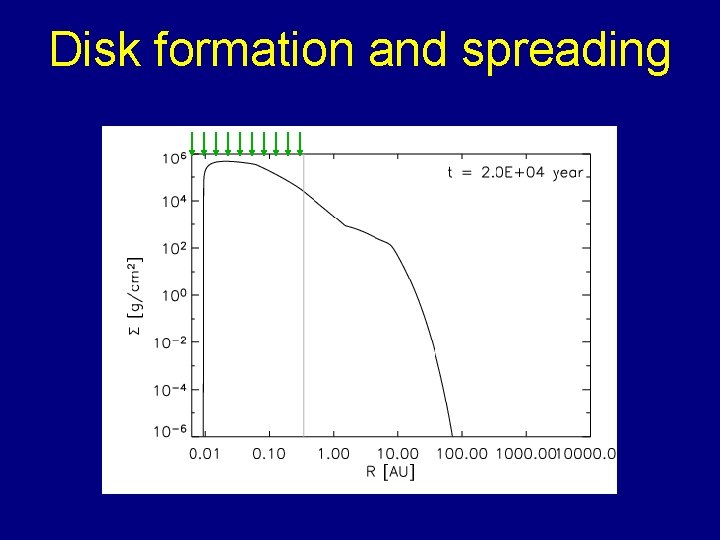
Model • Start with a molecular cloud core of mass Mcore, effective sound speed cs, and rotation rate . • Use cloud collapse model to compute infall rate, and the radius within which this matter falls onto disk (Rcentr). • Use viscous evolution model to follow the disk evolution.
Initial conditions of collapse: • Let’s take a simple Shu-type collapse: – Collapse starts from slowly rotating singular isothermal sphere – Mass-radius relation: – Infall rate constant: – Centrifugal radius:
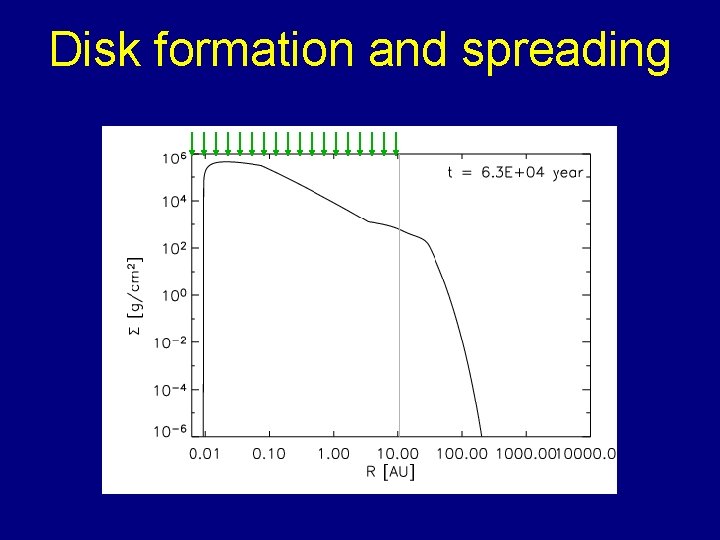
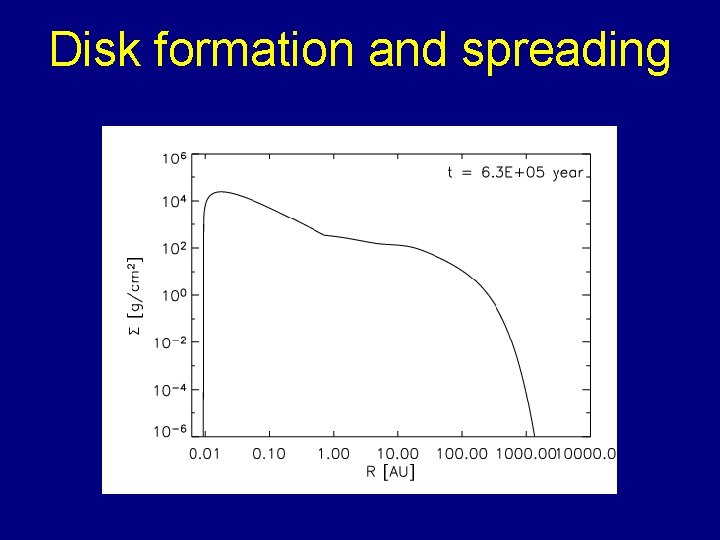
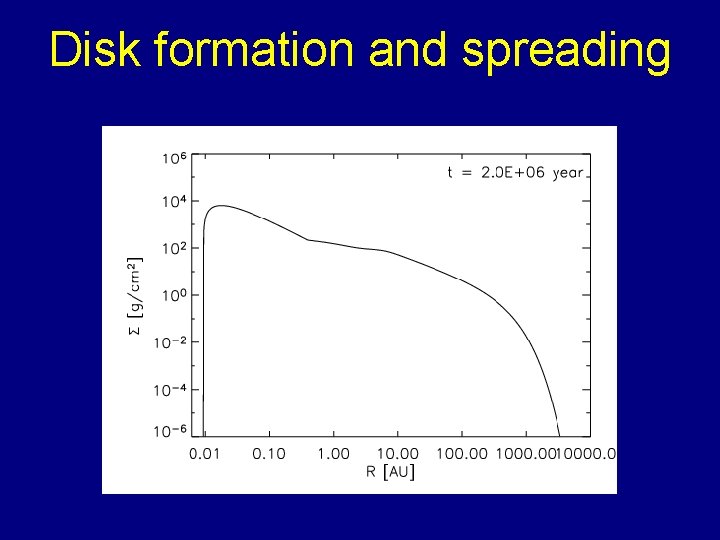
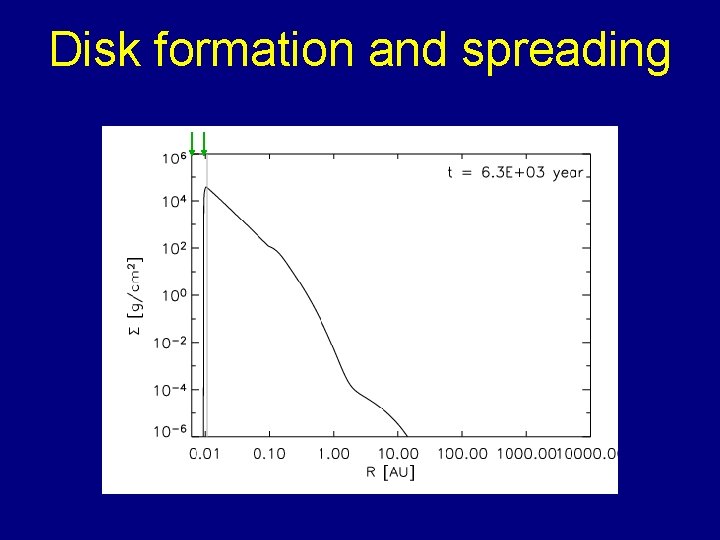
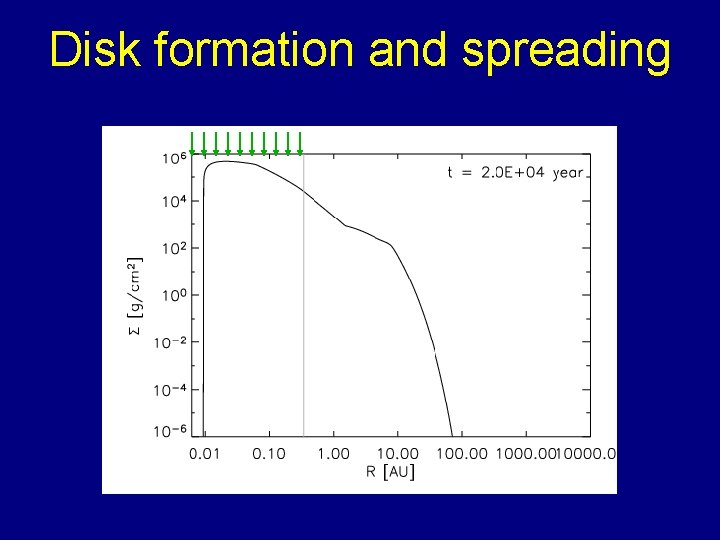
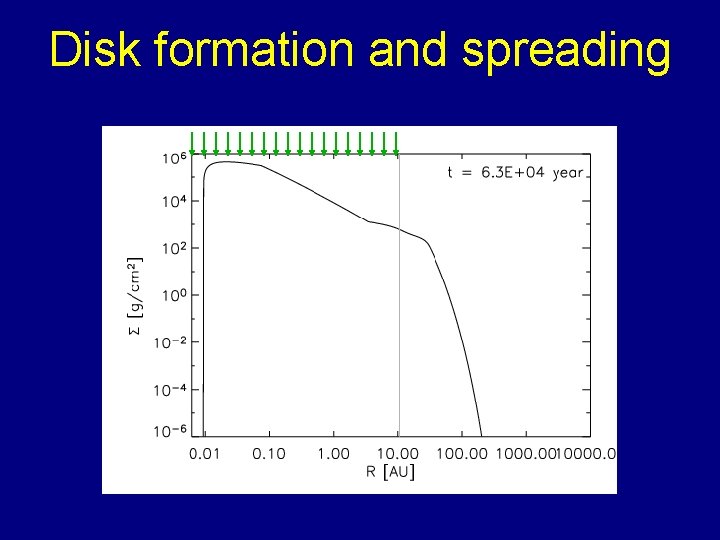
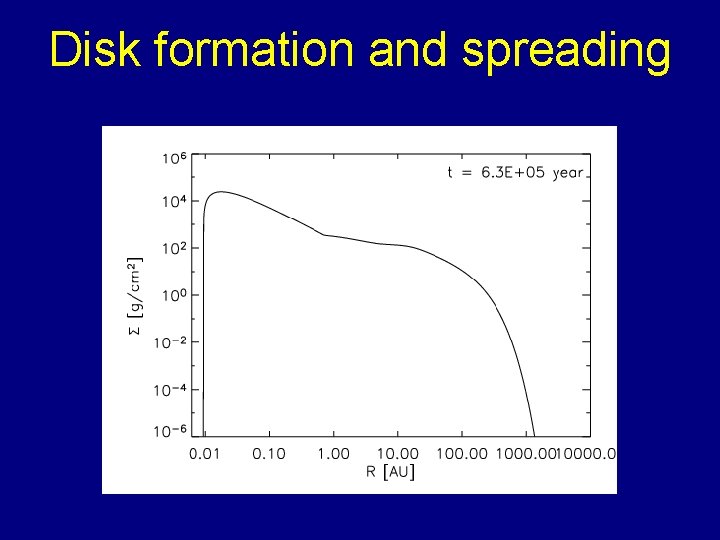
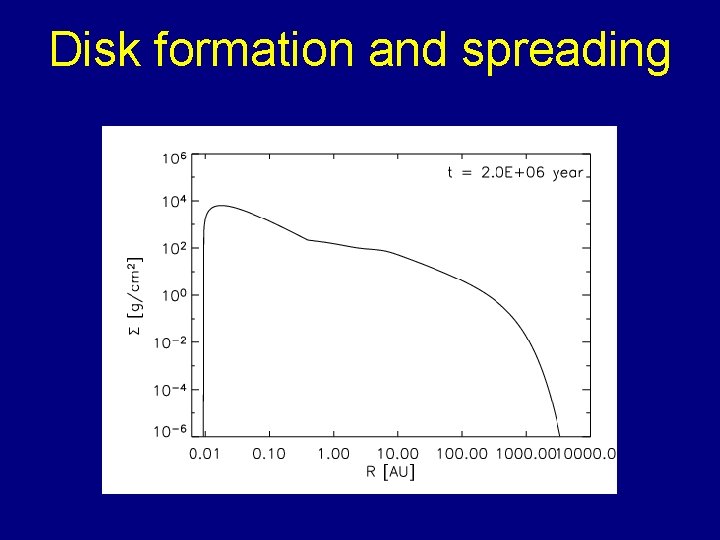
Disk formation and spreading Let’s make a numerical model of the disk evolution: Mass conservation: Angular momentum conservation:
Disk formation and spreading
Disk formation and spreading
Disk formation and spreading
Disk formation and spreading
Disk formation and spreading
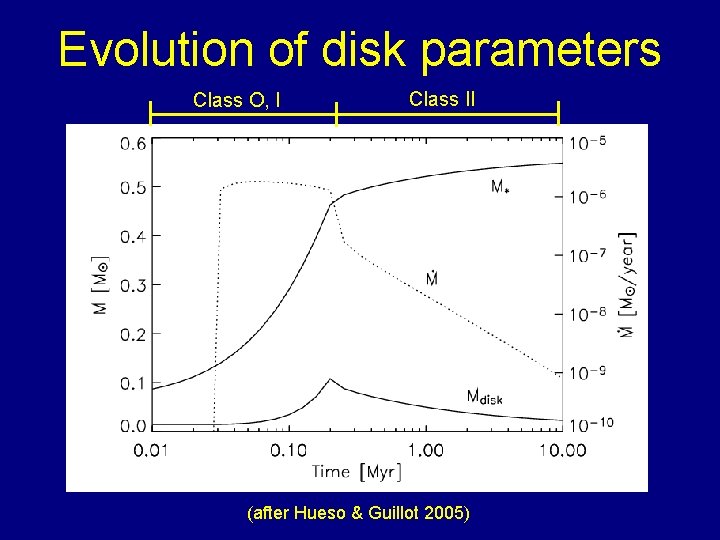
Evolution of disk parameters Class O, I Class II (after Hueso & Guillot 2005)
Correlation M - M*
Accretion rate versus star mass Natta et al. 2005
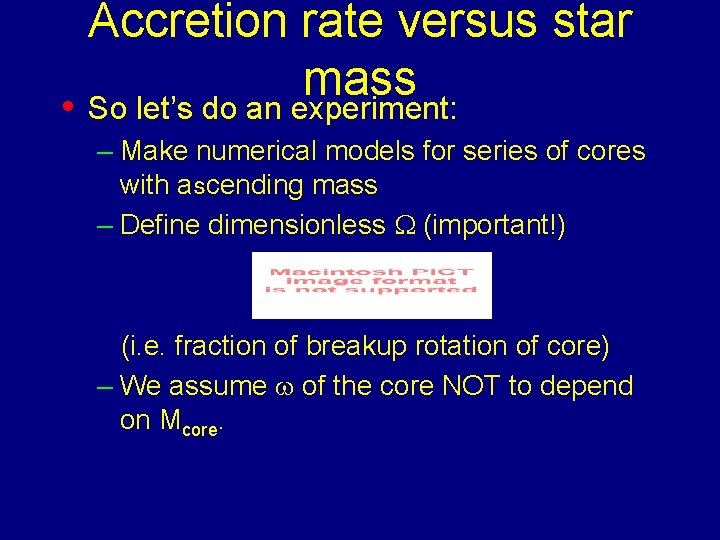
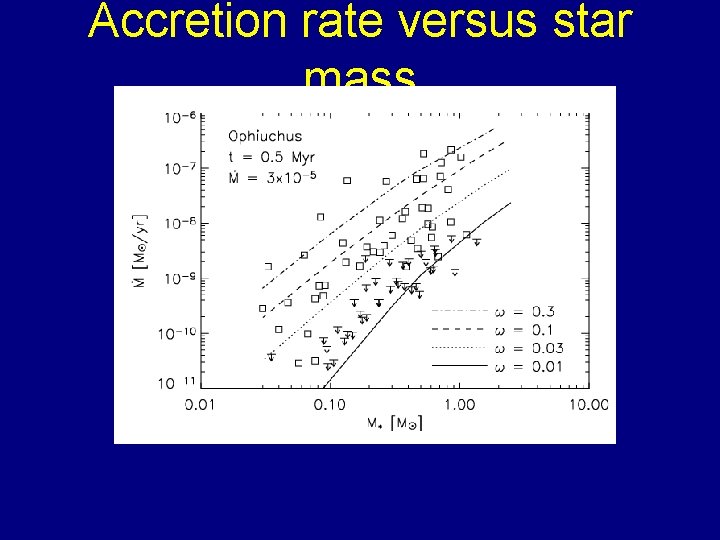
Accretion rate versus star mass • So let’s do an experiment: – Make numerical models for series of cores with ascending mass – Define dimensionless (important!) (i. e. fraction of breakup rotation of core) – We assume of the core NOT to depend on Mcore.
Accretion rate versus star mass
Disk mass versus star mass
Crystallinity of dust
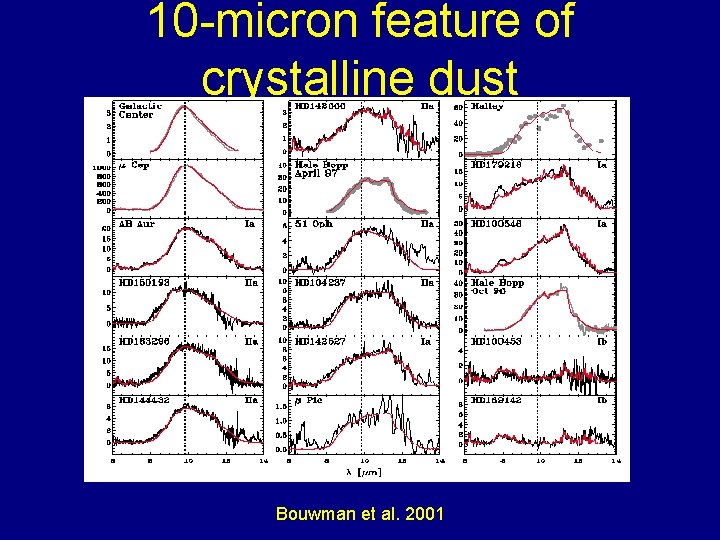
10 -micron feature of crystalline dust Bouwman et al. 2001
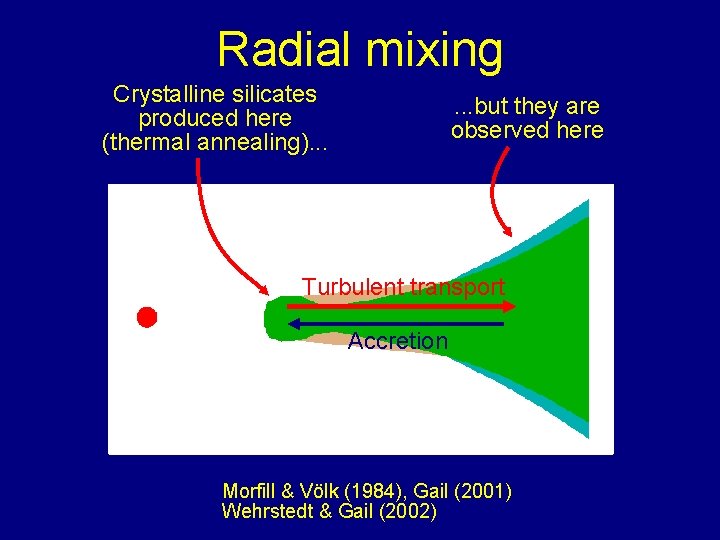
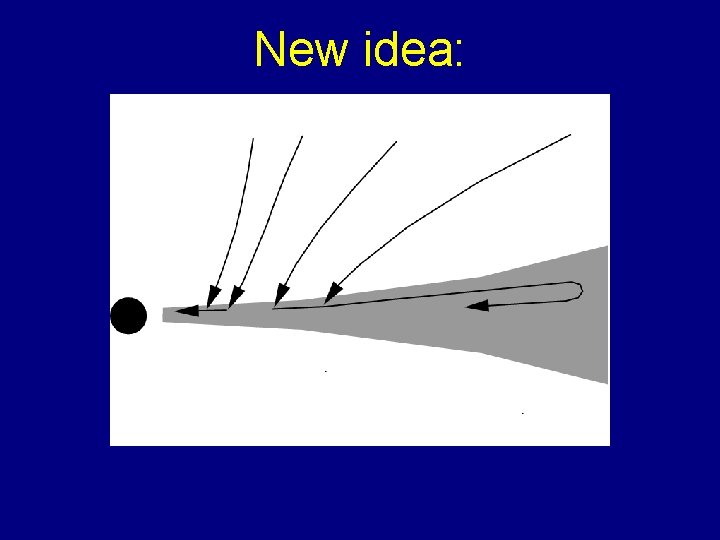
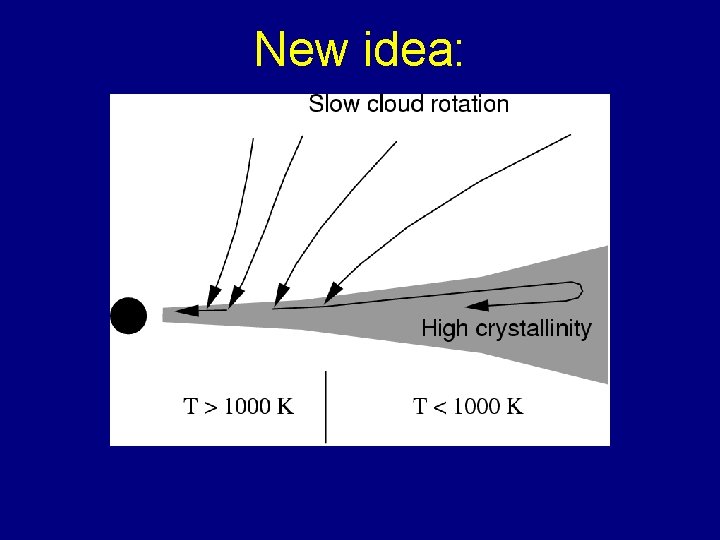
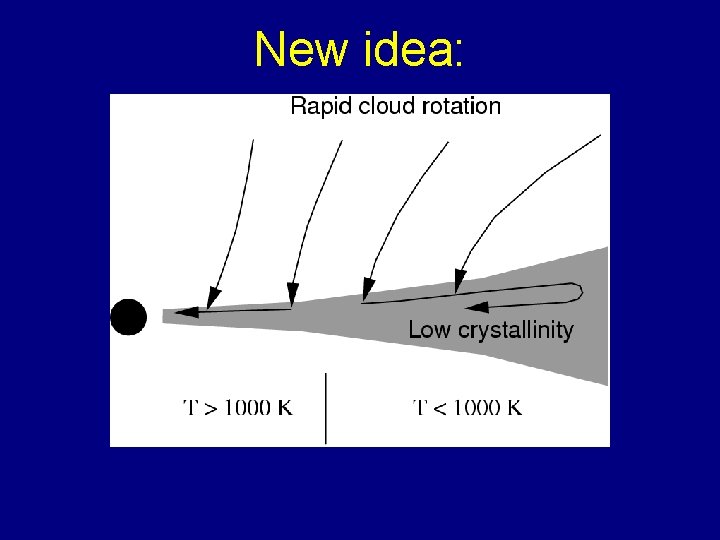
Radial mixing Crystalline silicates produced here (thermal annealing). . . but they are observed here Turbulent transport Accretion Morfill & Völk (1984), Gail (2001) Wehrstedt & Gail (2002)
New idea:
New idea:
New idea:
Disk formation and spreading
Disk formation and spreading
Disk formation and spreading
Disk formation and spreading
Disk formation and spreading
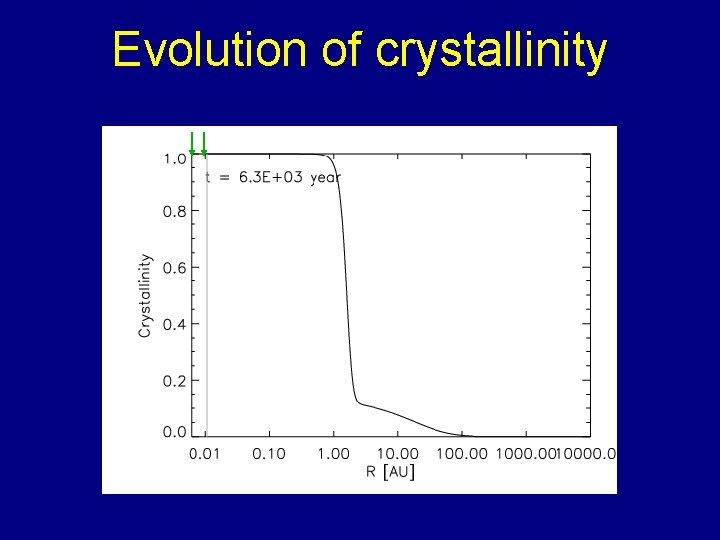
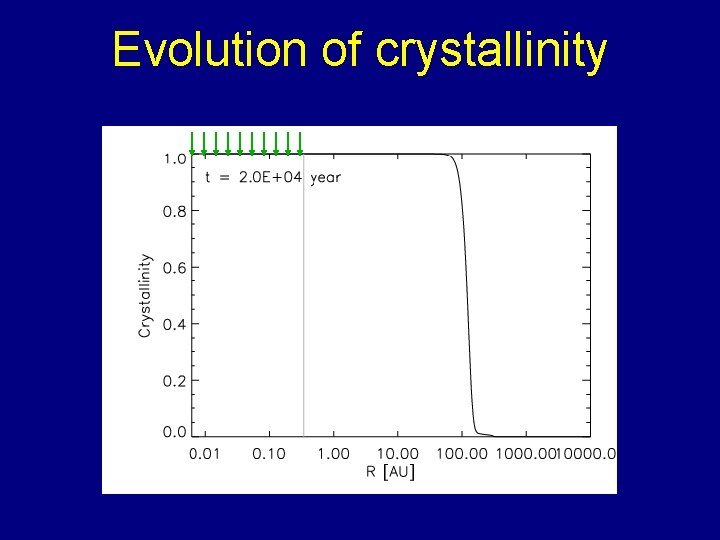
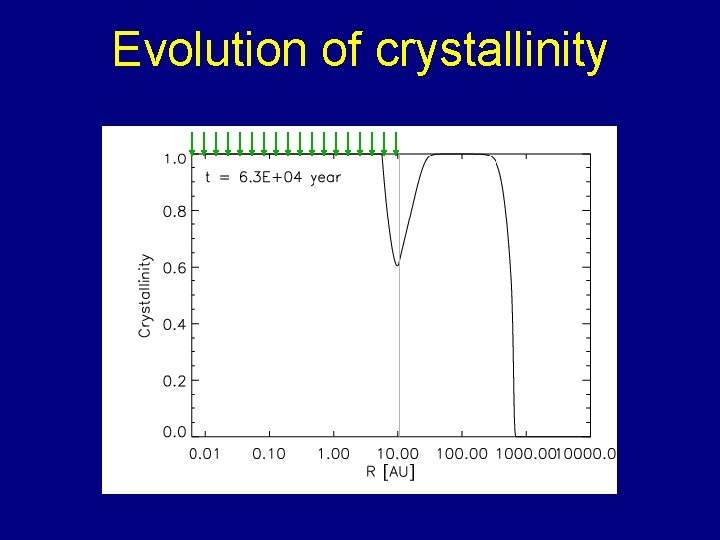
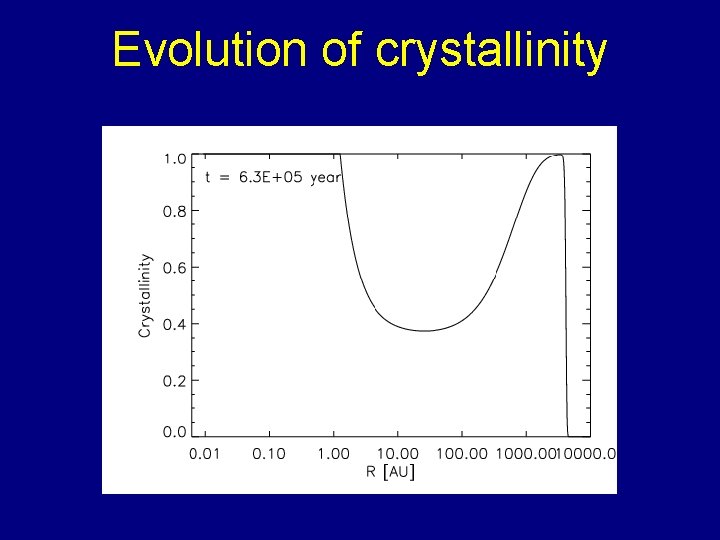
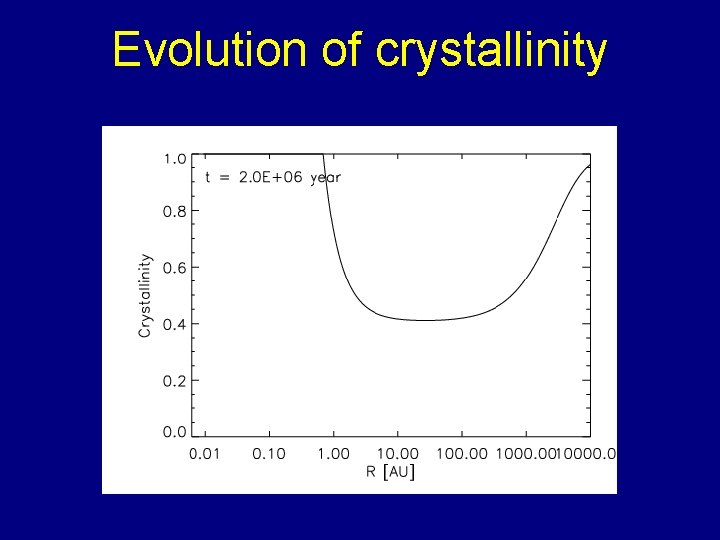
Evolution of crystallinity
Evolution of crystallinity
Evolution of crystallinity
Evolution of crystallinity
Evolution of crystallinity
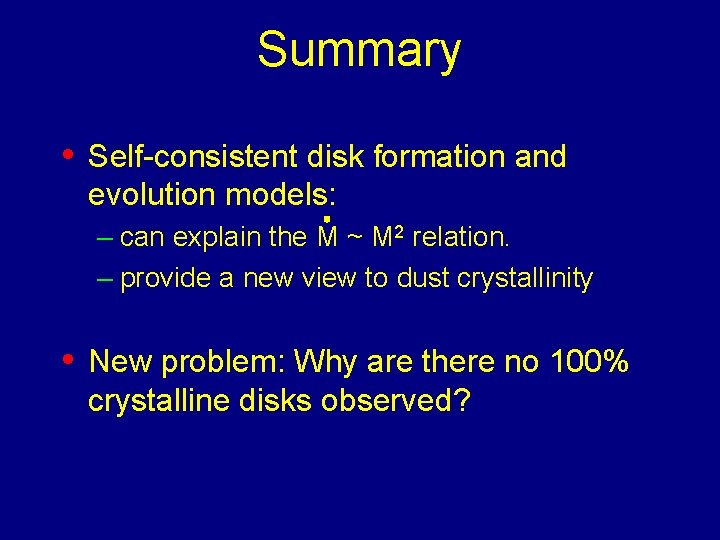
Summary • Self-consistent disk formation and evolution models: – can explain the M ~ M 2 relation. – provide a new view to dust crystallinity • New problem: Why are there no 100% crystalline disks observed?