
Dudley Street Neighborhood Initiative Community Land Trust Thursday
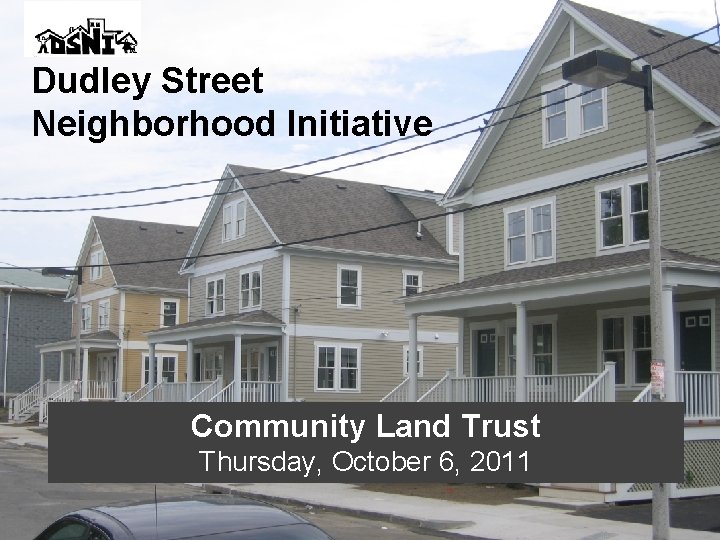
Dudley Street Neighborhood Initiative Community Land Trust Thursday, October 6, 2011
Objectives 1. Describe the context of that led to the Community Land Trust (CLT) 2. Define CLTs and review scope of CLTs in the US 3. Explore role / relevance of CLT in protecting housing affordability & stabilizing families in their homes 4. Explore role / relevance of CLT in building community 2
* After WW II, federal mortgage policies created white suburbs → Roxbury & Dorchester became more poor, more immigrant, more people of color. → Resident access to patronage jobs and public services plummeted. → Financial institutions drew a literal red line around our area – and would not lend money, open branches, or conduct other business in Roxbury & Dorchester. → Abandonment & disinvestment → Absentee landlords arsoned buildings for insurance money → Regional businesses dumped their garbage on the now-vacant lots 3
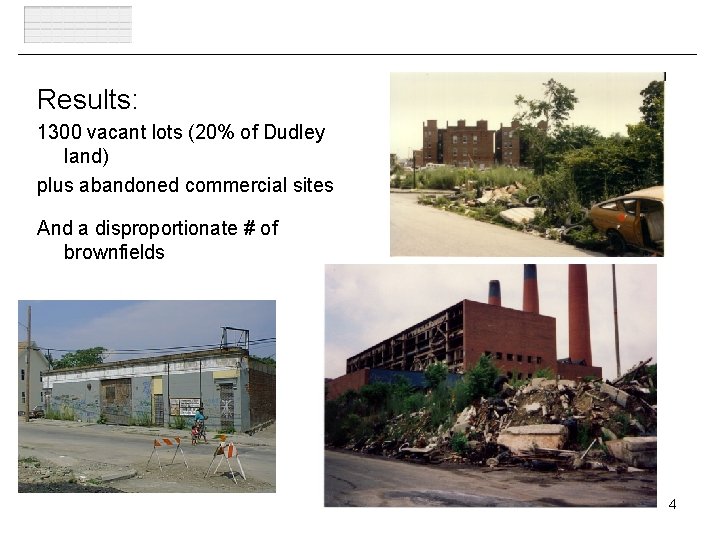
Results: 1300 vacant lots (20% of Dudley land) plus abandoned commercial sites And a disproportionate # of brownfields 4
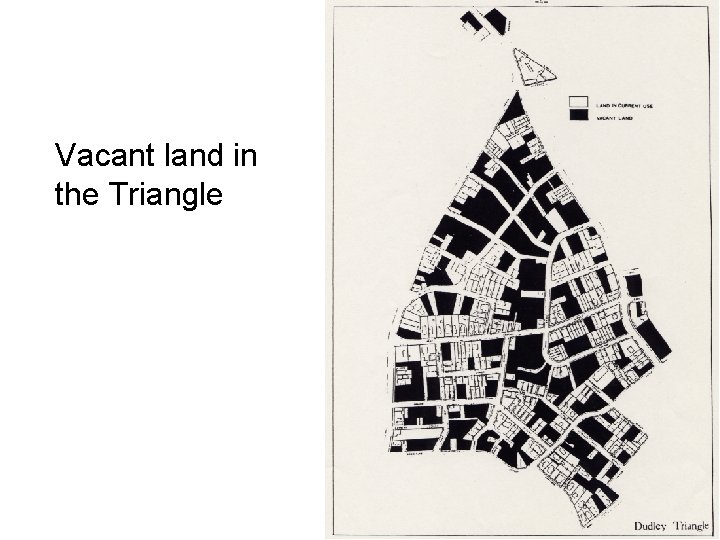
Vacant land in the Triangle 5
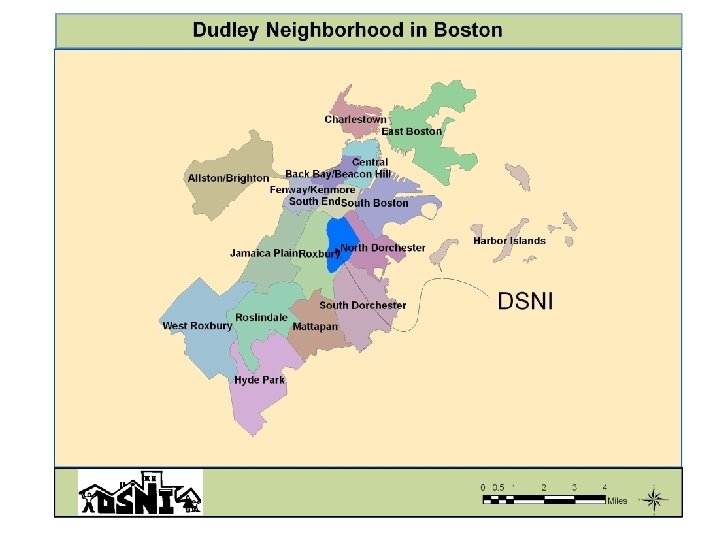
Map of city 6
Dudley Street Neighborhood Initiative Mission Statement Empower Dudley residents to organize, plan for, create and control a vibrant, diverse, and high quality neighborhood in collaboration with community partners. 7
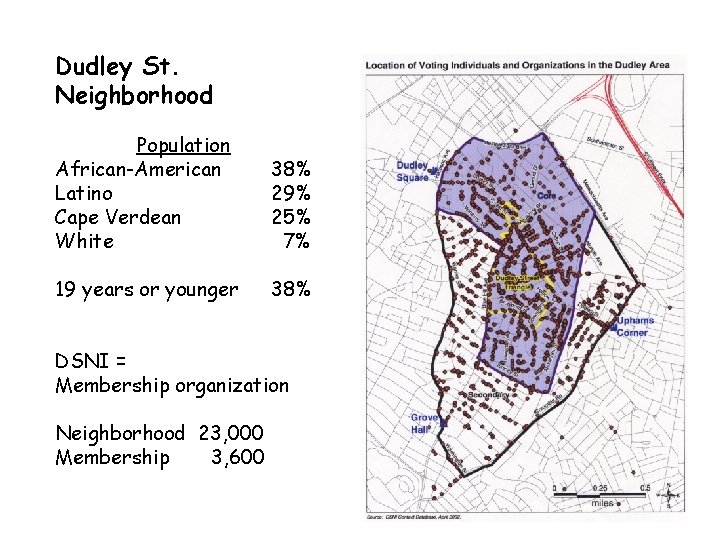
Dudley St. Neighborhood Population African-American Latino Cape Verdean White 38% 29% 25% 7% 19 years or younger 38% DSNI = Membership organization Neighborhood 23, 000 Membership 3, 600 8
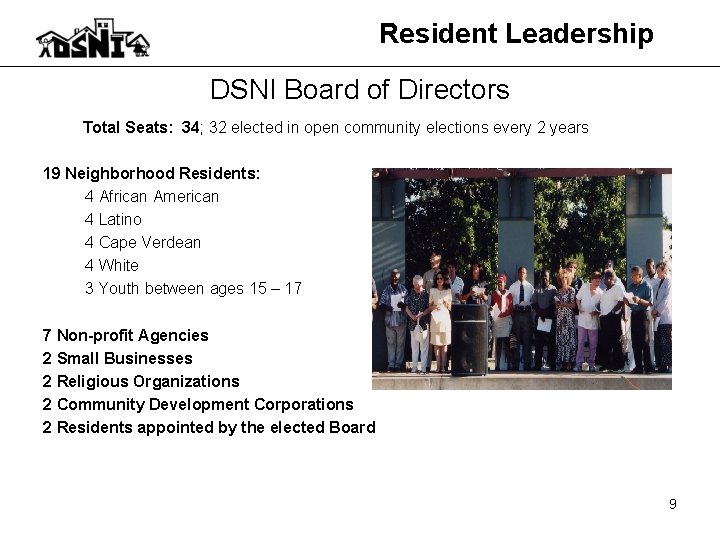
Resident Leadership DSNI Board of Directors Total Seats: 34; 32 elected in open community elections every 2 years 19 Neighborhood Residents: 4 African American 4 Latino 4 Cape Verdean 4 White 3 Youth between ages 15 – 17 7 Non-profit Agencies 2 Small Businesses 2 Religious Organizations 2 Community Development Corporations 2 Residents appointed by the elected Board 9
DSNI’s Change Model • Change from the inside out through community-controlled revitalization • Resident-led collaboration • Role = planning & organizing • Hope & Innovation 10
DSNI Community Values are the beliefs or principles we hold precious. These principles are our internal guidelines for distinguishing what is right from what is wrong and what is just from what is unjust. These principles are held tightly and are not changed or swayed by external forces. DSNI’s community values: - Collective Resident Leadership and Control - Linked community Destiny - Community Political Power and Voice - Mutual and Shared Responsibility and Accountability - Power in Organized Community - Vibrant Cultural Diversity - Community Collaboration - Fair and Equal Share of Resources and Opportunities - Development without Displacement - High Quality of Life - Individual and Community Entitlement - Anything is Possible © Dudley St. Neighborhood Initiative & Strategic Interventions 2002 11
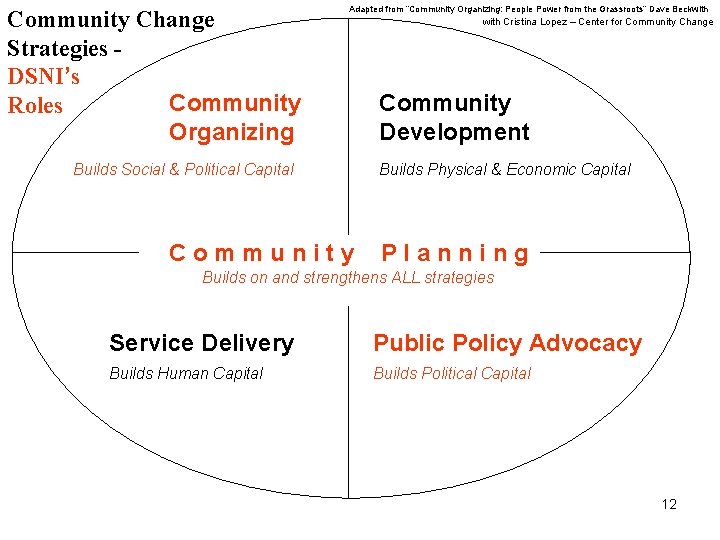
Community Change Strategies DSNI’s Community Roles Organizing Adapted from “Community Organizing: People Power from the Grassroots” Dave Beckwith Builds Social & Political Capital Community with Cristina Lopez – Center for Community Change Community Development Builds Physical & Economic Capital Planning Builds on and strengthens ALL strategies Service Delivery Public Policy Advocacy Builds Human Capital Builds Political Capital 12
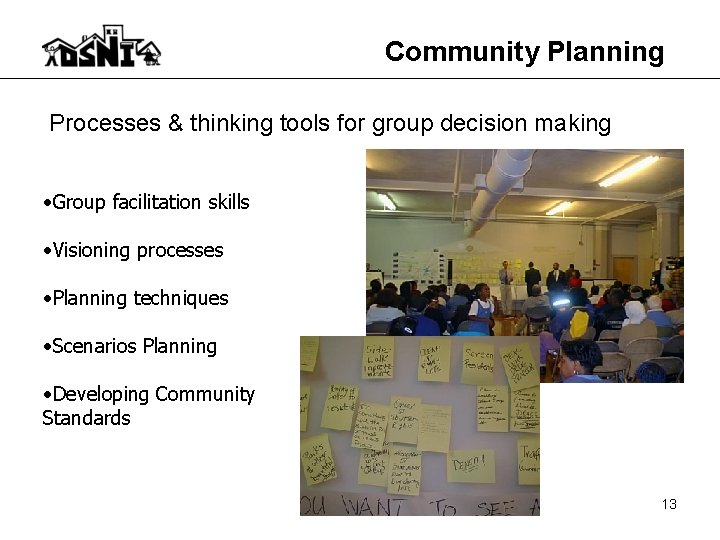
Community Planning Processes & thinking tools for group decision making • Group facilitation skills • Visioning processes • Planning techniques • Scenarios Planning • Developing Community Standards 13
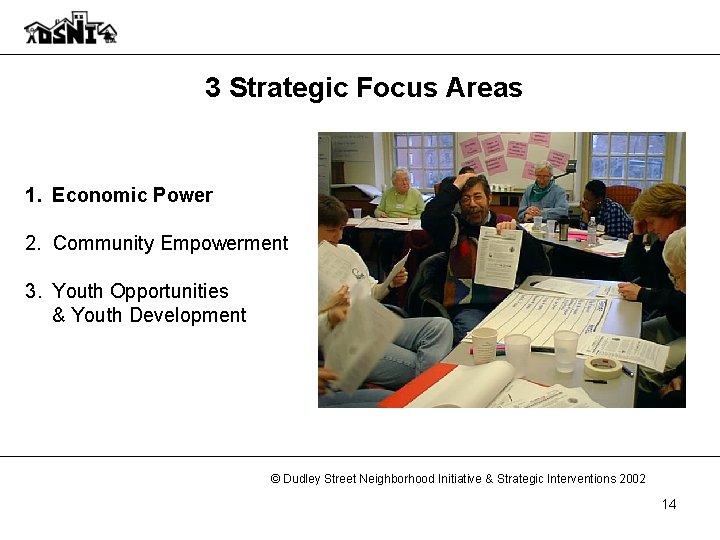
3 Strategic Focus Areas 1. Economic Power 2. Community Empowerment 3. Youth Opportunities & Youth Development © Dudley Street Neighborhood Initiative & Strategic Interventions 2002 14
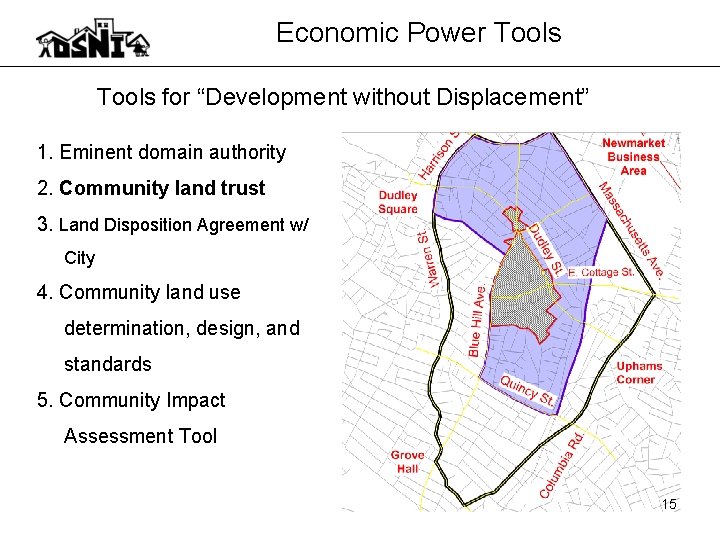
Economic Power Tools for “Development without Displacement” 1. Eminent domain authority 2. Community land trust 3. Land Disposition Agreement w/ City 4. Community land use determination, design, and standards 5. Community Impact Assessment Tool 15
Community Land Trust What is a Community Land Trust (CLT)? A CLT is a nonprofit, community-based corporation committed to the stewardship and affordability of land housing and other buildings used for community benefit in perpetuity.
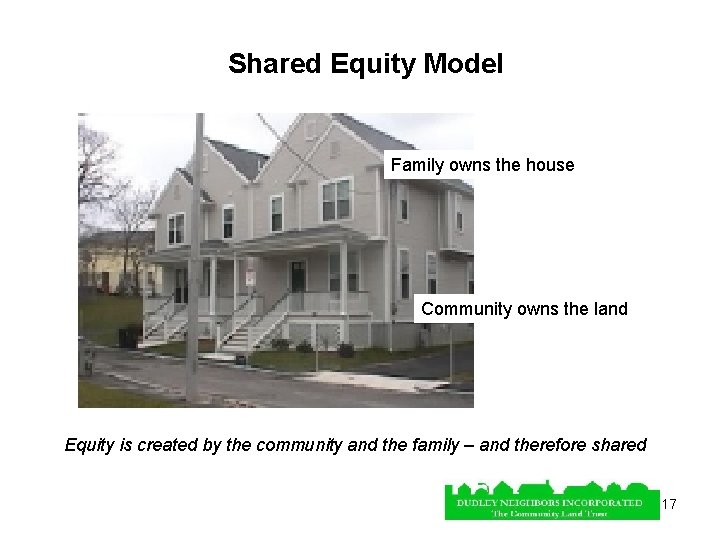
Shared Equity Model Family owns the house Community owns the land Equity is created by the community and the family – and therefore shared 17
CLT preserves land for affordability • Leaseholder -owns home and leases land (perpetual) – Agrees to limit the use of the property for residential purposes – Agrees to resell their property at an affordable price – Agrees to pay monthly ground lease fee and taxes • Ground Lease – is a means to ensure long term stability, affordability and quality, – Allows homeowner or coop perpetual use of the land for a specified purpose. 18
2 -party stake in affordability The Classic CLT Model • Fair Return for the Present homeowner • Fair Access for the Future homebuyers 19
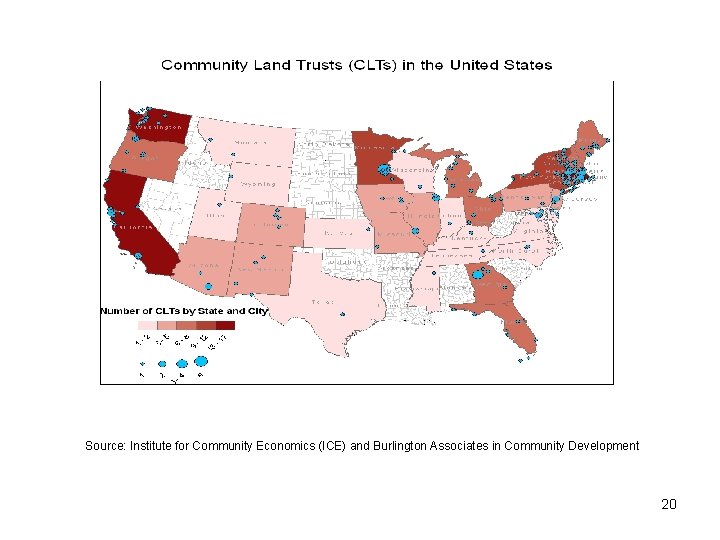
Source: Institute for Community Economics (ICE) and Burlington Associates in Community Development 20
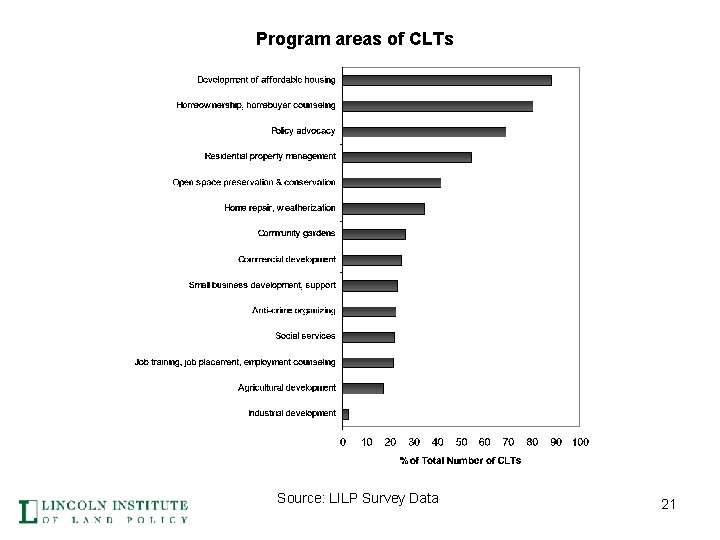
Program areas of CLTs Source: LILP Survey Data 21
On your CLT’s land, what is the total number of dwelling units for home-ownership? Source: LILP Survey Data 22
What is the total number of rental dwelling units on your CLT’s land? Source: LILP Survey Data 23
What are your target service populations for home-ownership units and rental units on CLT land? Source: LILP Survey Data 24
What is the total number of resales since the establishment of your CLT? Source: LILP Survey Data 25
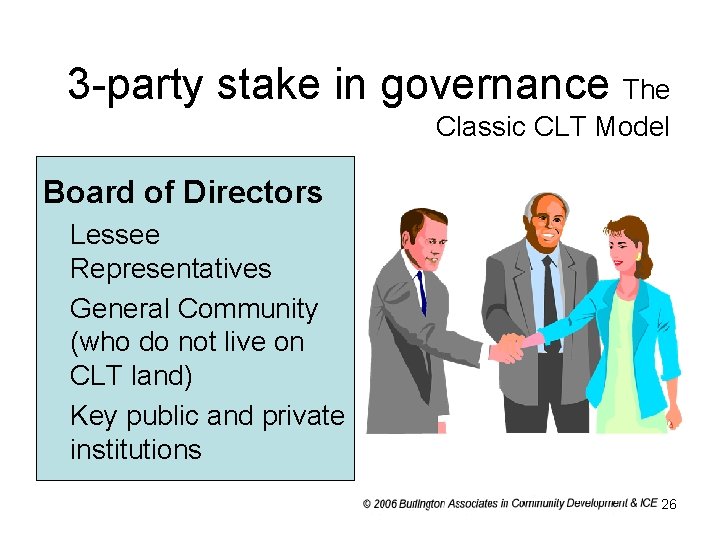
3 -party stake in governance The Classic CLT Model Board of Directors • Lessee Representatives • General Community (who do not live on CLT land) • Key public and private institutions 26

27
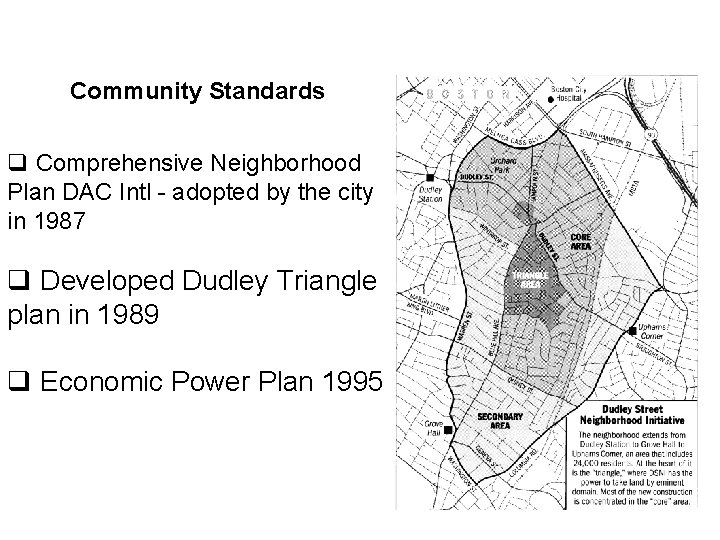
Community Standards q Comprehensive Neighborhood Plan DAC Intl - adopted by the city in 1987 q Developed Dudley Triangle plan in 1989 q Economic Power Plan 1995
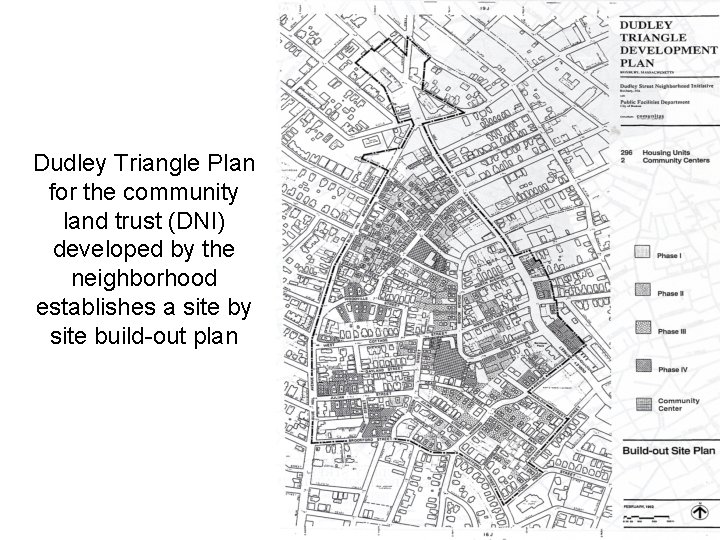
Dudley Triangle Plan for the community land trust (DNI) developed by the neighborhood establishes a site by site build-out plan
DNI Board of Directors • 6 residents appointed by DSNI Board of Directors * • Representative from Roxbury Neighborhood Council * • Representative from District 7 City Councilor’ Office * *voting members • Representative from The Mayor of the City of Boston * • Representative from State Senator’s Office • Representative from State Representative’s Office 30
DSNI Community Building Principles Served by Community Land Trust: • Community Control Over Land Use • Development without Displacement • Permanent Housing Affordability • Community & Family Stability • Community & Family Wealth Creation 31
Burdens Homeowner • Resale formula limits equity • Sell only to income eligible buyer • Primary residence • Restrictions on use Community • Infrastructure costs / staff to manage non-profit organization and fulfill DNI functions • Landlord role v. community building role 32
Benefits Homeowner Community • Access to affordable homeownership • Build equity • Part of urban village-inprogress • Homes based on community design and standards • CLT protection against predatory lenders & mortgage foreclosures • Peace of mind • Land Use Control Planning • Playground, mini-orchard & garden, community greenhouse • Permanent affordability • Mitigation against gentrification and displacement • Stability of owner-occupied housing • Standards & process for developers 33
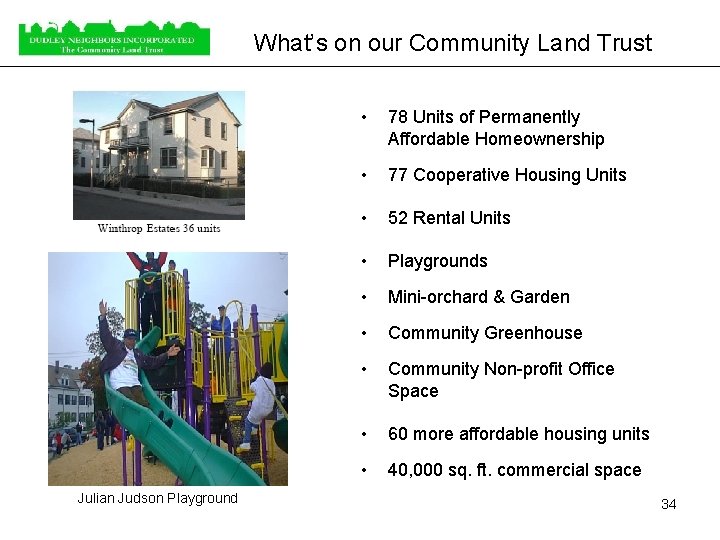
What’s on our Community Land Trust Julian Judson Playground • 78 Units of Permanently Affordable Homeownership • 77 Cooperative Housing Units • 52 Rental Units • Playgrounds • Mini-orchard & Garden • Community Greenhouse • Community Non-profit Office Space • 60 more affordable housing units • 40, 000 sq. ft. commercial space 34
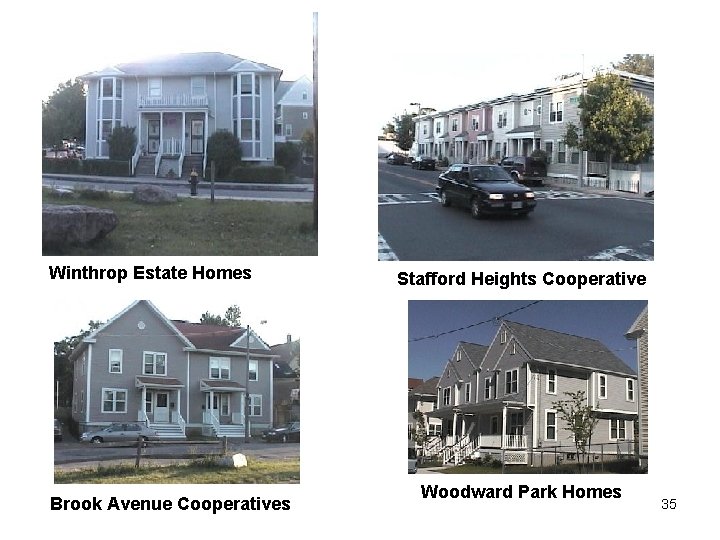
Winthrop Estate Homes Brook Avenue Cooperatives Stafford Heights Cooperative Woodward Park Homes 35
- Slides: 35