
DRUGS IN SPORT Drugs in Sports Todays athletes


- Slides: 52
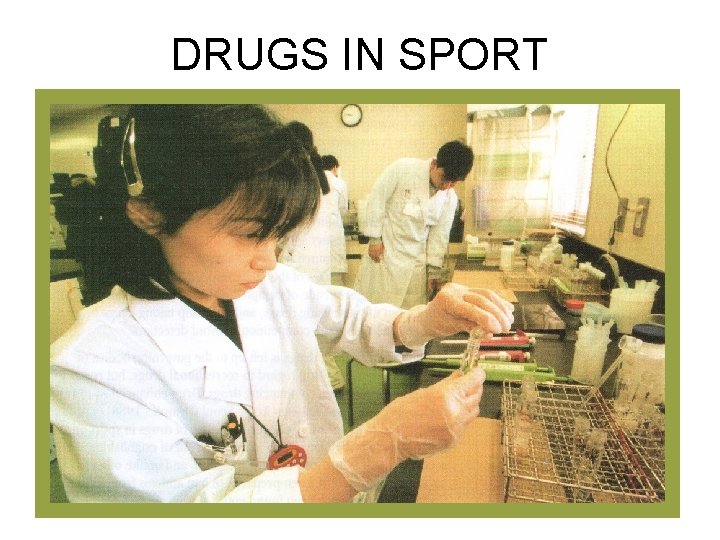
DRUGS IN SPORT
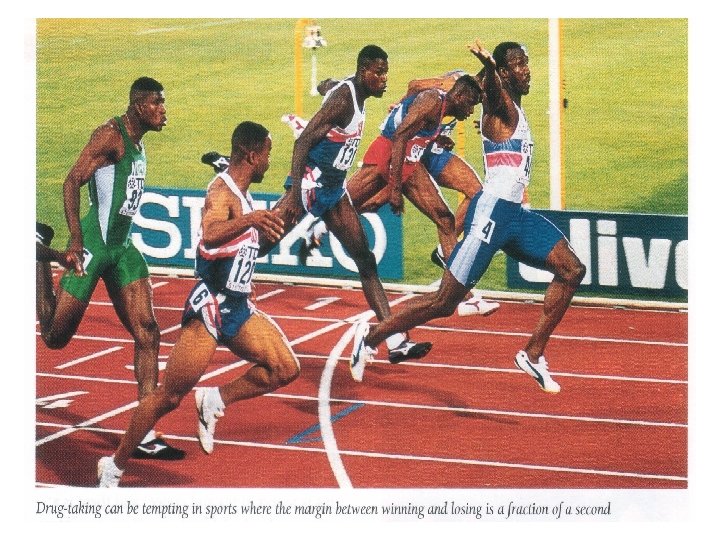
Drugs in Sports Today’s athletes continue to push the boundaries of excellence in performance and physical fitness. Helping them are refined training methods and technologies. Never have athletes had more training aids at their disposal. And never have athletes had more opportunities to cheat, mainly through the proliferation of performance-enhancing drugs.
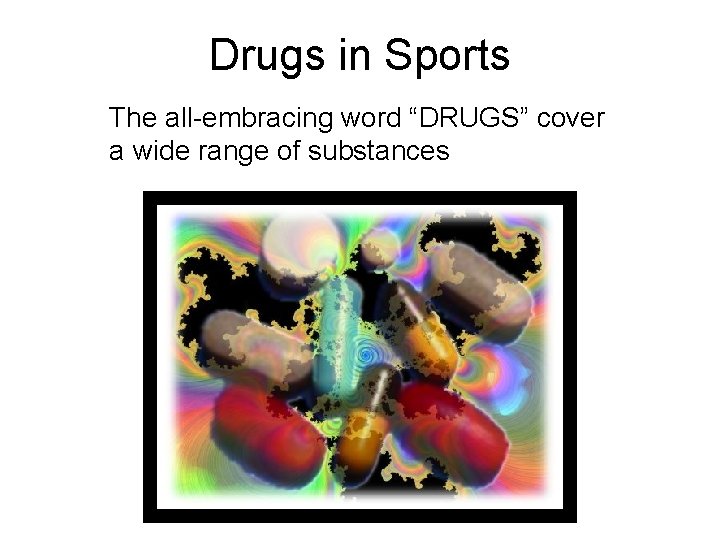
Drugs in Sports The all-embracing word “DRUGS” cover a wide range of substances
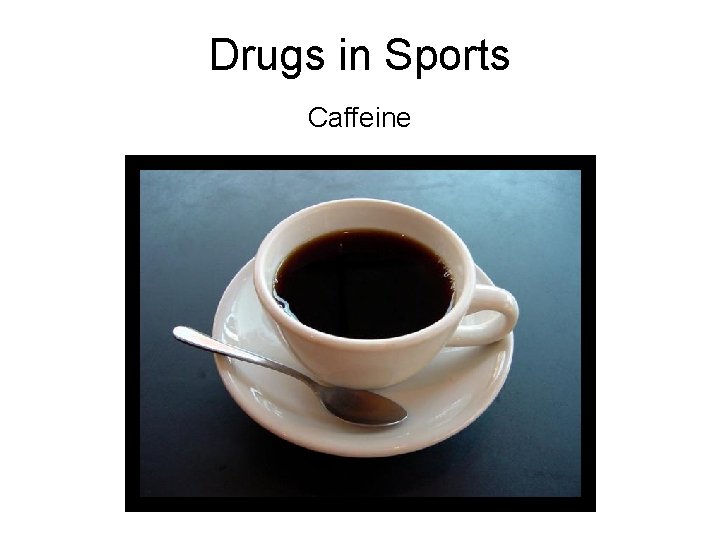
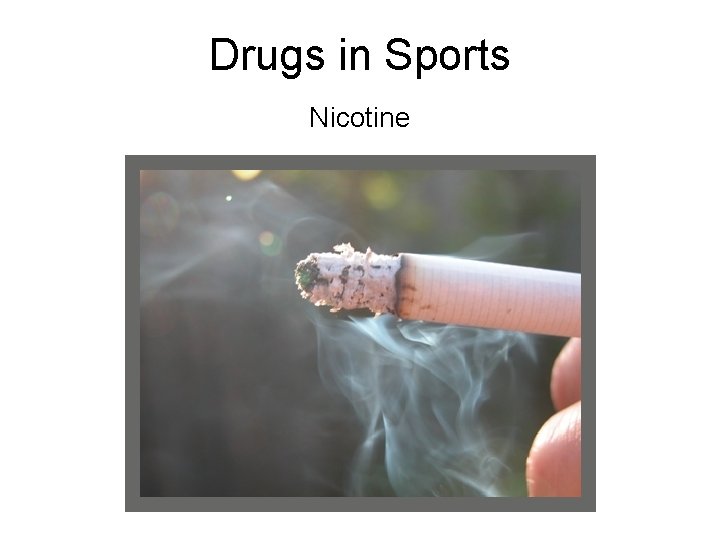
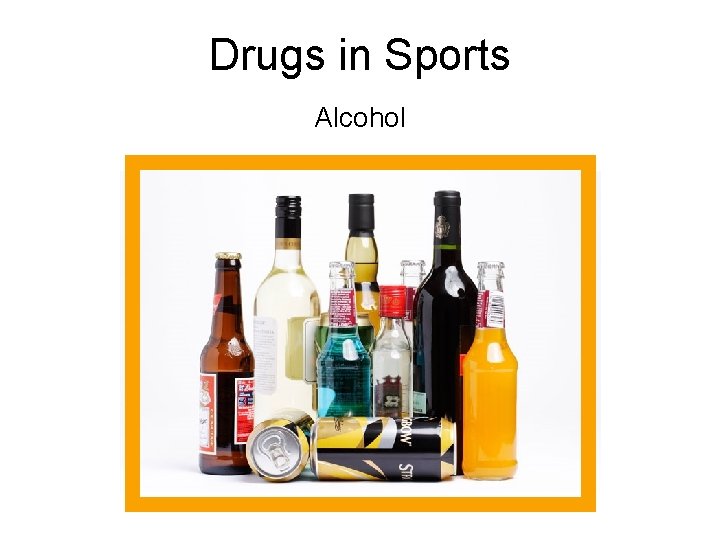
Drugs in Sports Some of these are used on a regular basis by many of us. The obvious ones are CAFFEINE which we use in tea and coffee, NICOTINE which people use in smoking and ETHANOL which is more commonly known as alcohol.
Drugs in Sports Caffeine
Drugs in Sports Nicotine
Drugs in Sports Alcohol
Substance Abuse Among Athletes • Caffeine is a stimulant that improves alertness, changes heart rate, effects coordination, sleep, mood, and behavior – The USOC (United States Olympic Committee) tests for elevated Caffeine – Adverse effects include headache, nervousness, “shakiness”
Drugs in Sports Drugs may also cause some effects that are both unpleasant and unwanted. • Smoking damages the heart and oxygen carrying capability of the blood. It is also a contributing factor to coronary heart disease.
Drugs in Sports Drugs may also cause some effects that are both unpleasant and unwanted. • Both alcohol and caffeine cause extra urine to be disposed of, therefore add to the risks of dehydration.
Drugs in Sports Drugs may also cause some effects that are both unpleasant and unwanted. • Long term effects of alcohol include liver damage.
Drugs in Sports There are other drugs that we use on a less frequent basis. These are referred to as MEDICINES. These could be described as “SOCIALLY ACCEPTABLE” because they are not illegal.
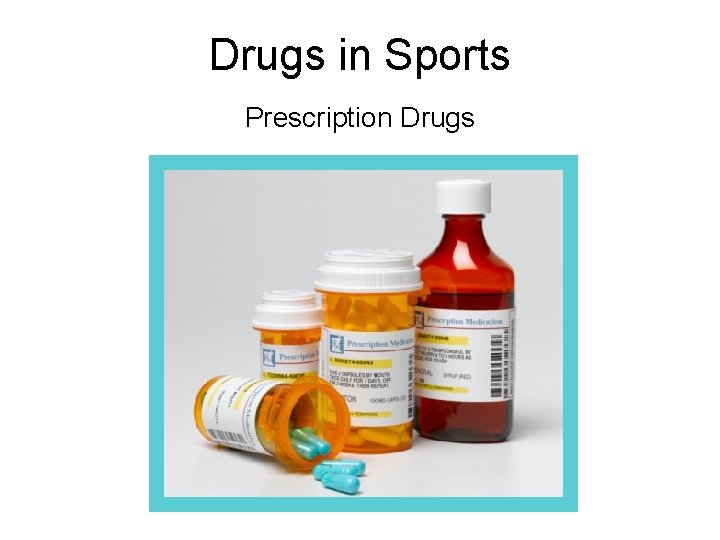
Drugs in Sports Prescription Drugs
Athletic Trainer & Medications • Over the Counter (OTC) : Medicines available without a prescription • OTC medications the ATC can distribute varies by workplace • Administration of drugs – Inhalation, Injection, Oral (tablet, syrup), Ointment • Pain relievers – Aspirin (May cause stomach upset) – Acetaminophen (Tylenol) – Ibuprofen (Advil, Motrin) – Naproxen (Aleve)
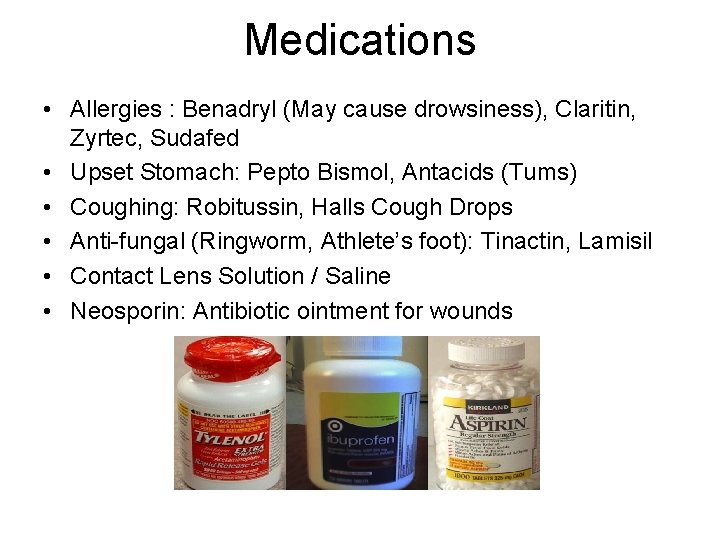
Medications • Allergies : Benadryl (May cause drowsiness), Claritin, Zyrtec, Sudafed • Upset Stomach: Pepto Bismol, Antacids (Tums) • Coughing: Robitussin, Halls Cough Drops • Anti-fungal (Ringworm, Athlete’s foot): Tinactin, Lamisil • Contact Lens Solution / Saline • Neosporin: Antibiotic ointment for wounds
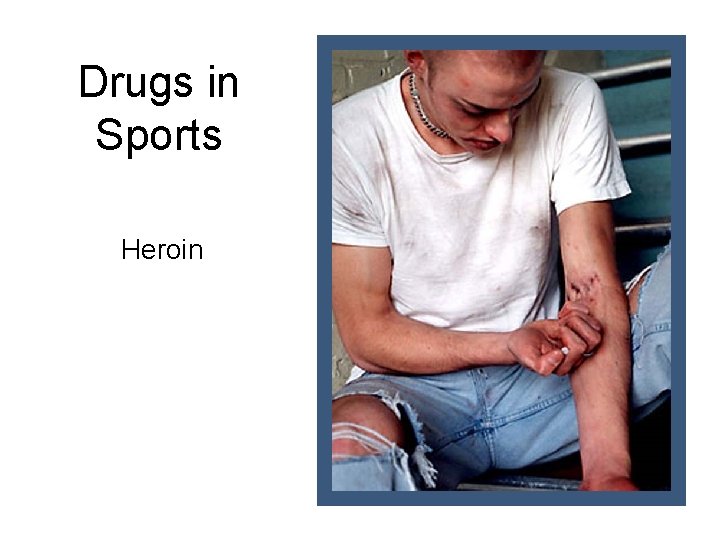
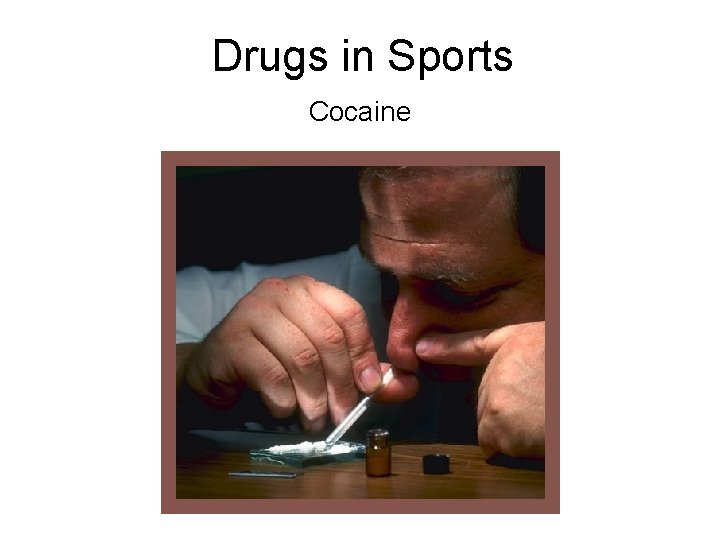
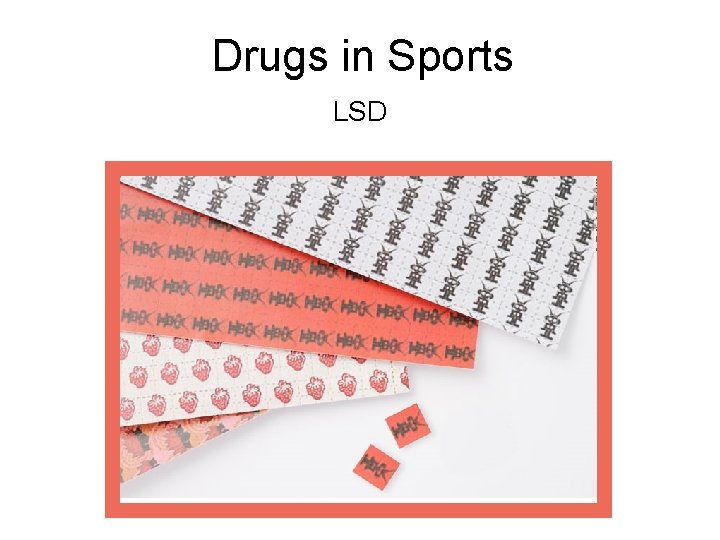
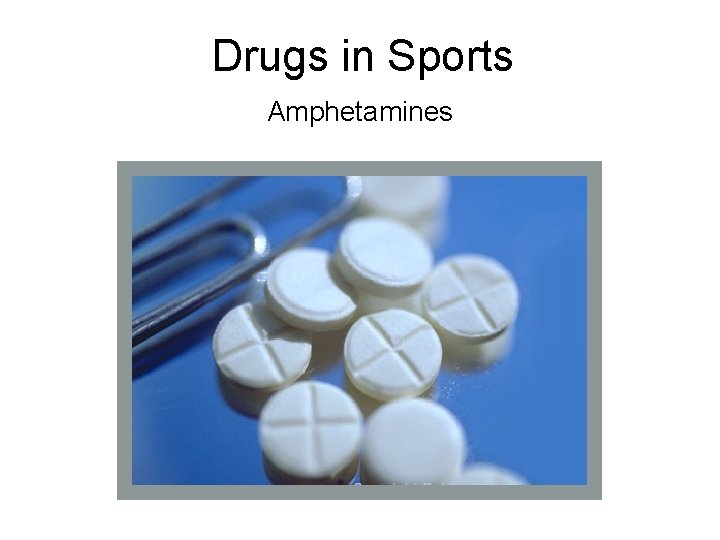
Drugs in Sports There also drugs that come under the term “SOCIALLY UNACCEPTABLE” and these are illegal. Heroin Amphetamines Cocaine Barbiturates LSD Cannabis and ecstasy
Drugs in Sports Heroin
Drugs in Sports Cocaine
Drugs in Sports LSD
Drugs in Sports Amphetamines
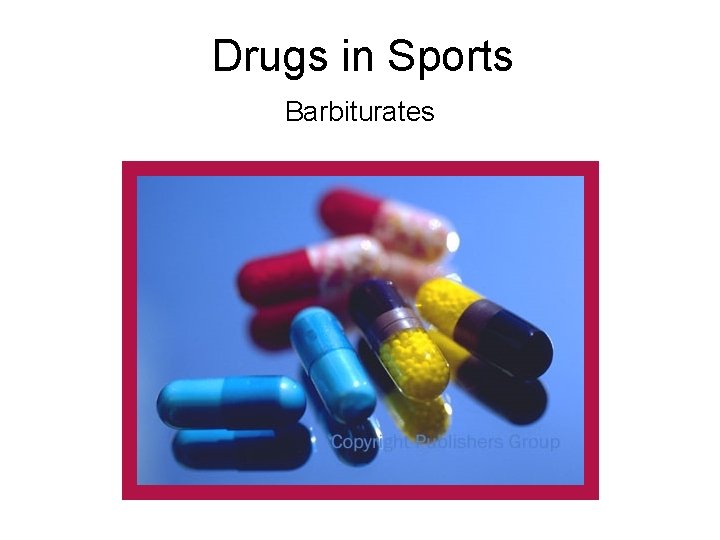
Drugs in Sports Barbiturates
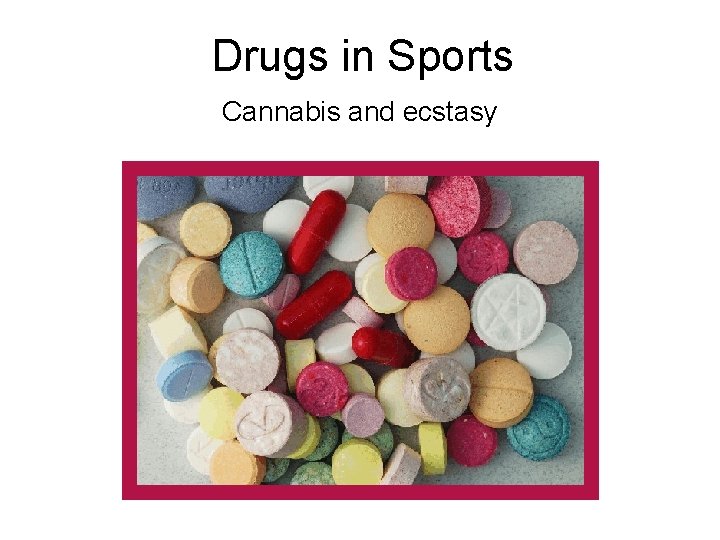
Drugs in Sports Cannabis and ecstasy
Drugs in Sports What is a Drug? “A substance that can be taken in a variety of ways to produce physical and/or psychological effects on the person taking it. ”
Drugs in Sports Drugs may also cause some effects that are both unpleasant and unwanted. • They can become addictive
Drugs in Sports Why a sportsperson takes drugs. 1. To recover from injury quicker or to mask pain. 2. The desire to be the best at all cost. 3. Their natural ability not good enough.
Drugs in Sports Why a sportsperson takes drugs. 4. Influenced by others to improve performance 5. To meet the expectations of others 6. Winning gives financial rewards
Drugs in Sports Why a sportsperson takes drugs. 7. Make the most of a short sporting life 8. Will to win overrides moral conscience 9. Willing to risk cheating for public acclaim
Drugs in Sports Why a sportsperson takes drugs. 10. Better results lead to better sponsors and endorsement contracts
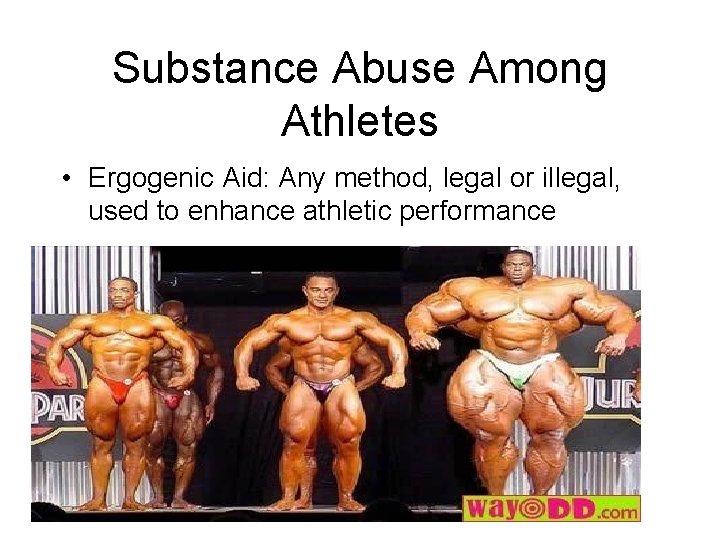
Substance Abuse Among Athletes • Ergogenic Aid: Any method, legal or illegal, used to enhance athletic performance
Drugs in Sports Performance Enhancing Drugs fall into two categories 1. Prohibited classes of substances 2. Prohibited methods
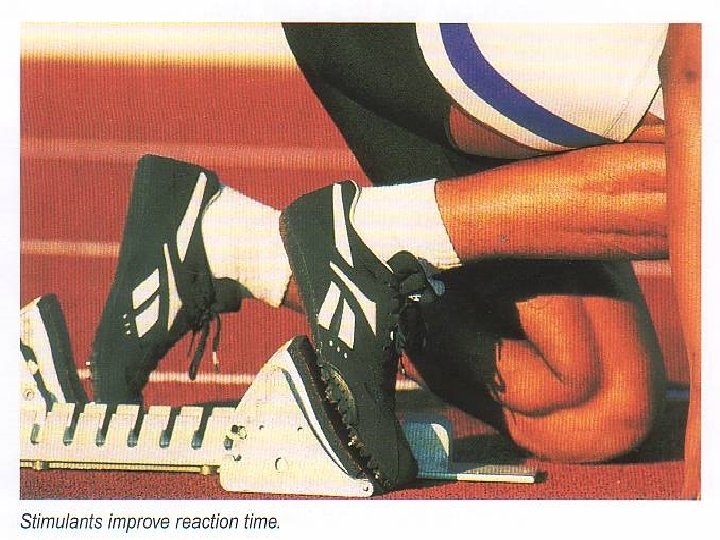
Drugs in Sports Prohibited classes of substances 1. STIMULANTS - these help people to be more alert, enabling them to think more quickly. Using these drugs helps to overcome tiredness. Stimulants may produce side effects such as Insomnia and increased heart rate.
Substance Abuse Among Athletes • Steroids (Anabolic Steroids vs. Corticosteroids) • Corticosteroids (Cortizone) are prescribed medications for inflammation (muscles, bones, joints) • Anabolic Steroids are chemicals which resemble the male hormone Testosterone
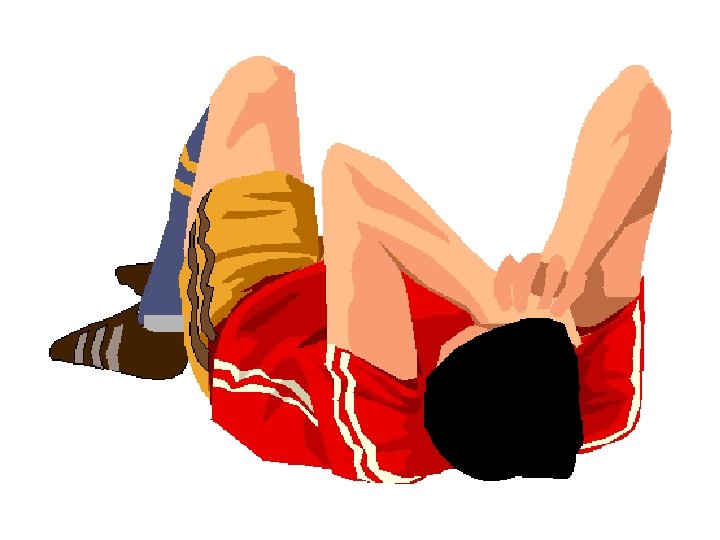
Drugs in Sports Prohibited classes of substances 2. NARCOTICS/ANALGESICS - This enables athletes to get back into action quickly after an injury. They act as painkillers.
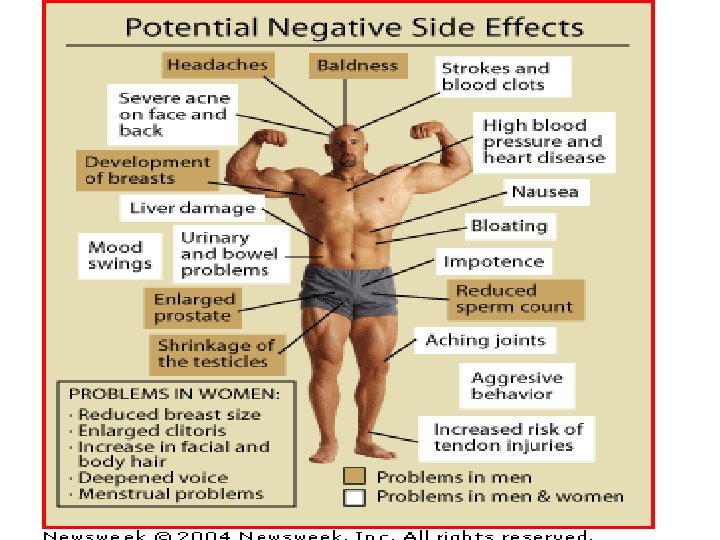
Drugs in Sports Prohibited classes of substances 3. ANABOLIC STEROIDS - This is the most common drug used to enhance performance. The drug mimics the male hormone Testosterone. Side affects include deepening of voice, facial hair, mood swings and anxiety. Infertility in women are also common effects.
Steroids • Human Growth Hormone (HGH) • HGH may increase muscle mass and increase growth • Unknown long term effects; studies are being performed, HGH may be linked to cardiovascular disease, abnormal growth, diabetes
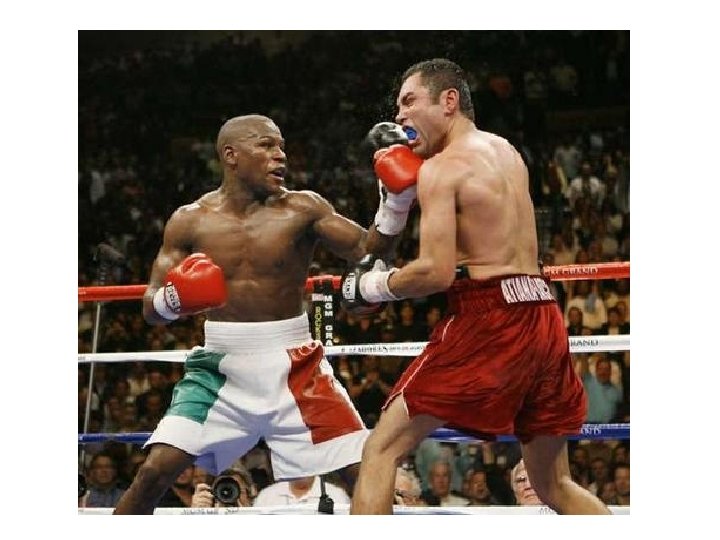
Drugs in Sports Prohibited classes of substances 4. DIURETICS - Used to increase the amount of urine produced and to increase kidney function, thereby speeding up the elimination of fluid from the body. This will cause rapid weight loss in sports where performers are required to compete within strict weight boundaries.
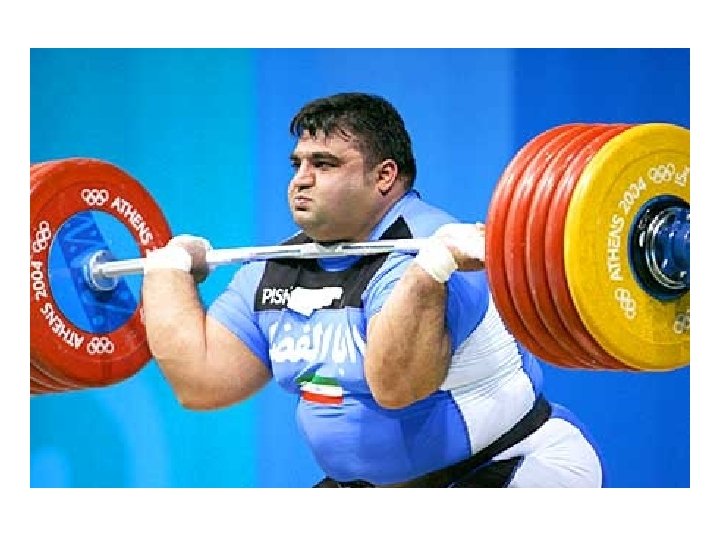
Drugs in Sports Prohibited classes of substances 5. PEPTIDE, CHEMICAL and PHYSICAL MANIPULATION - These types of drugs increase muscle growth, assist in recovery from injury and increase the number of red blood cells to carry oxygen.
Drugs in Sports Prohibited Methods Blood doping is a banned process NOT a banned drug. If an athlete trains at height altitude, the oxygen carrying capacity of their blood increases. Athletes train at high altitude for a period of time and then have as much as two pints of blood taken from the body, and the red blood cells frozen.
Drugs in Sports Prohibited Methods The body’s system quickly recovers and the normal 8 pints of blood is restored. Near a competition day, the red blood cells are put back into the athlete’s bloodstream and this process is though to increase their performance by as much as 20%.
Drugs in Sports Taking performance enhancing drugs is regarded as cheating and athletes found guilty pay the ultimate penalty within their sport.
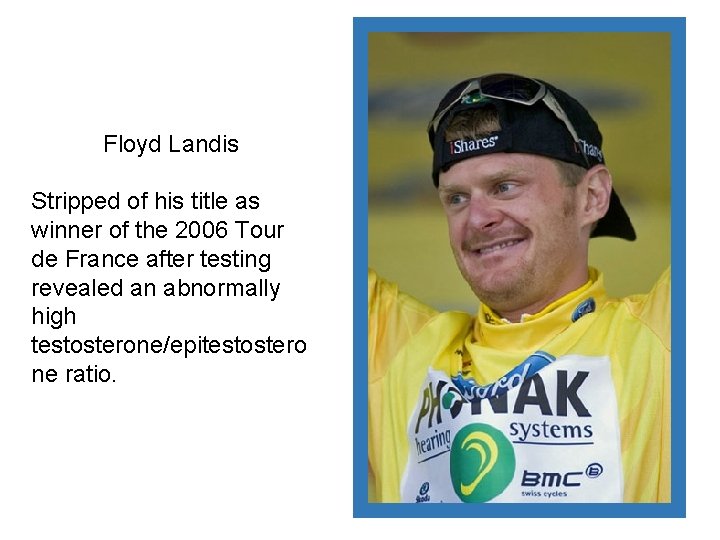
Floyd Landis Stripped of his title as winner of the 2006 Tour de France after testing revealed an abnormally high testosterone/epitestostero ne ratio.
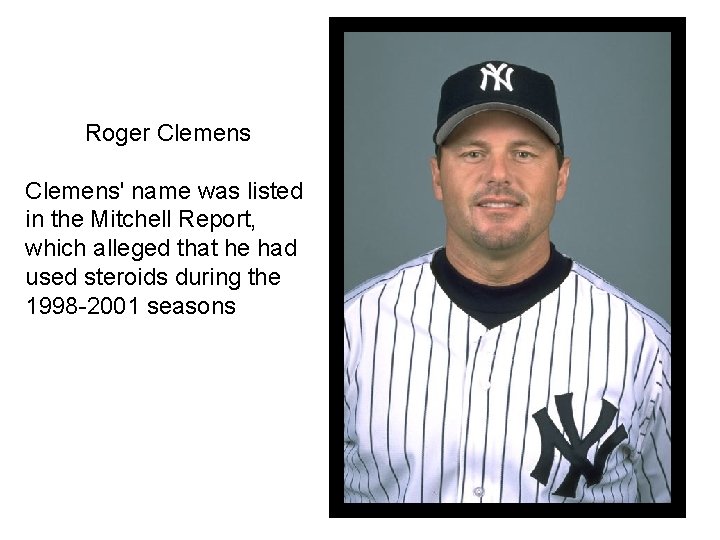
Roger Clemens' name was listed in the Mitchell Report, which alleged that he had used steroids during the 1998 -2001 seasons
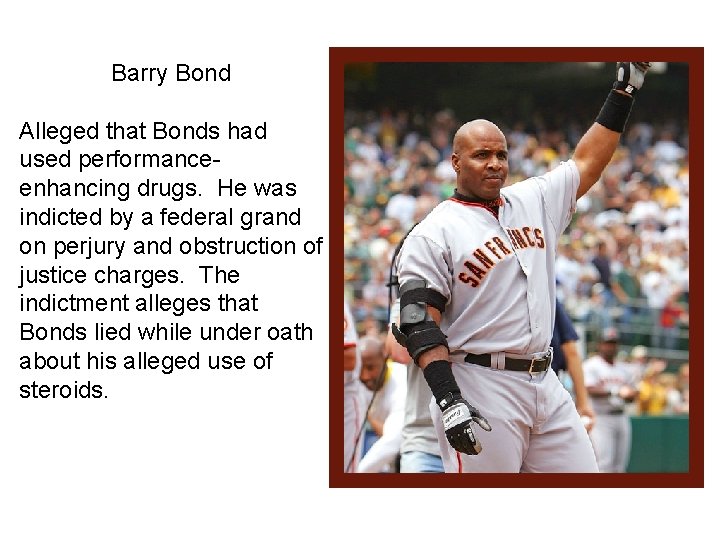
Barry Bond Alleged that Bonds had used performanceenhancing drugs. He was indicted by a federal grand on perjury and obstruction of justice charges. The indictment alleges that Bonds lied while under oath about his alleged use of steroids.