
DRUGS IN DELIRIUM HELPFUL OR HARMFUL Amie Jo









- Slides: 40
DRUGS IN DELIRIUM HELPFUL OR HARMFUL? Amie Jo Digatono, Pharm. D, BCPP October 26, 2017
OBJECTIVES Describe the impact and pathophysiology of delirium Identify patients who are at increased risk for delirium Review the current evidence for medication use in the prevention and treatment of delirium
DISCLOSURE STATEMENT Neither I nor my spouse have any relevant financial or non-financial relationships to disclose.
KEY QUESTIONS What role do medications play in the treatment of delirium? What role do medications play in the prevention of delirium in patients hospitalized for illness or surgery? What medications should we avoid in vulnerable patients to reduce the risk of delirium?
PATIENT CASE: INTRODUCTION M. S. 56 year old female PMH: schizoaffective disorder, depression, history of cocaine use disorder (in remission), history of stroke, personality disorder NOS, obesity, hyperlipidemia, and urinary incontinence (neurogenic bladder) CC: Evening staff report poor cooperation with cares, at times striking out toward staff, mood lability (tearfulness), and increased hallucinations Current medications: olanzapine 15 mg bid, divalproex EC 750 mg bid, sertraline 50 mg daily, simvastatin 40 mg qhs, oxybutynin XL 10 mg daily and diphenhydramine 50 mg q 4 h PRN anxiety or sleep M. S. was seen in morning rounds and haloperidol 5 mg bid started for hallucinations
WHAT IS 1 DELIRIUM? Disturbance in attention Reduced attention, focus, and ability to shift focus Disturbance in cognition Impaired memory, language, orientation or perception Acute change from baseline Develops over a short time and may fluctuate over time Different than dementia Caused by illness, substance intoxication or withdrawal, or medication Other features Hyperactive, hypoactive, and mixed Mood lability, sleep cycle disruption
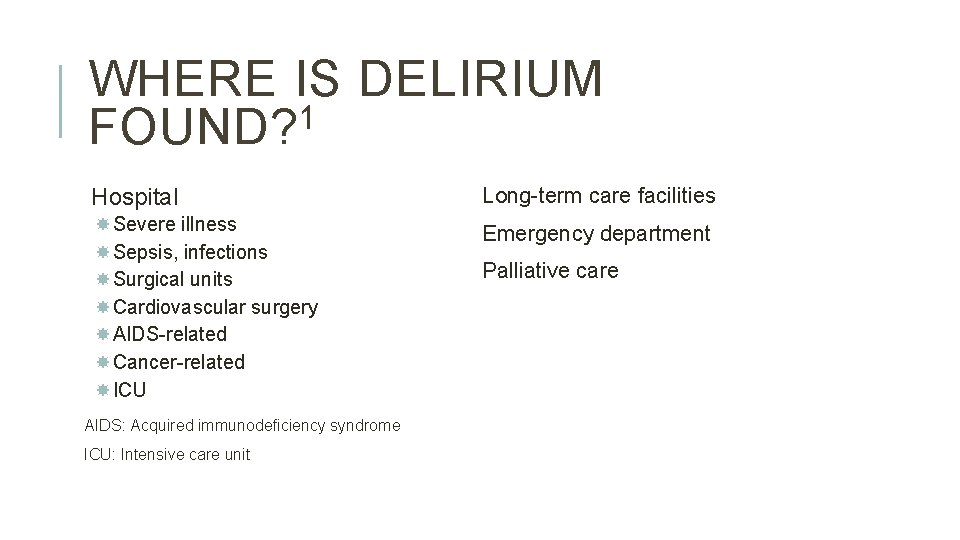
WHERE IS DELIRIUM 1 FOUND? Hospital Long-term care facilities Severe illness Sepsis, infections Surgical units Cardiovascular surgery AIDS-related Cancer-related ICU Emergency department AIDS: Acquired immunodeficiency syndrome ICU: Intensive care unit Palliative care
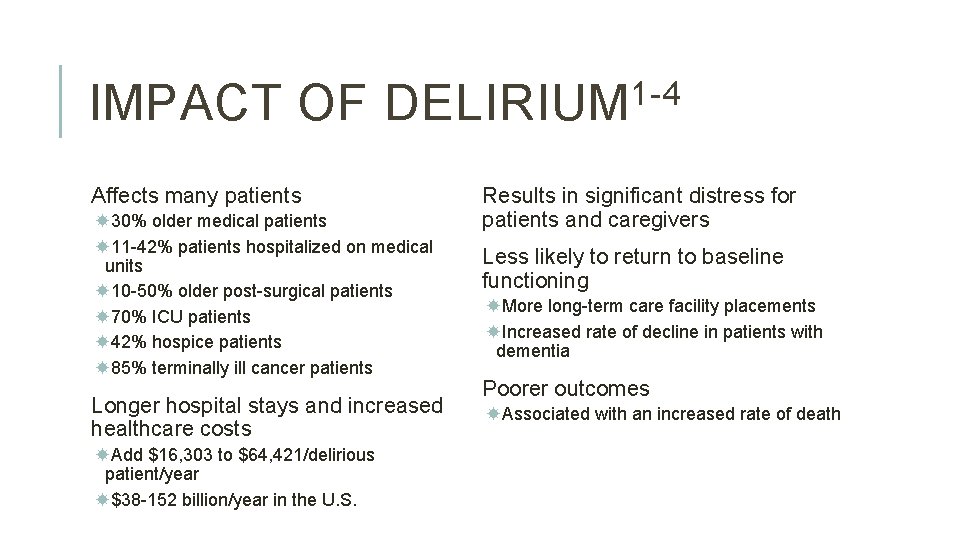
IMPACT OF 1 -4 DELIRIUM Affects many patients 30% older medical patients 11 -42% patients hospitalized on medical units 10 -50% older post-surgical patients 70% ICU patients 42% hospice patients 85% terminally ill cancer patients Longer hospital stays and increased healthcare costs Add $16, 303 to $64, 421/delirious patient/year $38 -152 billion/year in the U. S. Results in significant distress for patients and caregivers Less likely to return to baseline functioning More long-term care facility placements Increased rate of decline in patients with dementia Poorer outcomes Associated with an increased rate of death
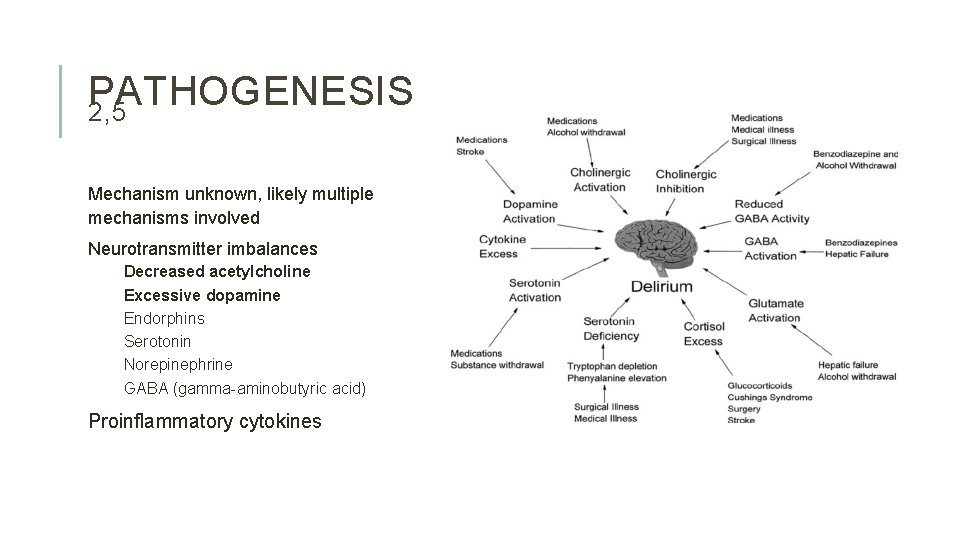
PATHOGENESIS 2, 5 Mechanism unknown, likely multiple mechanisms involved Neurotransmitter imbalances Decreased acetylcholine Excessive dopamine Endorphins Serotonin Norepinephrine GABA (gamma-aminobutyric acid) Proinflammatory cytokines
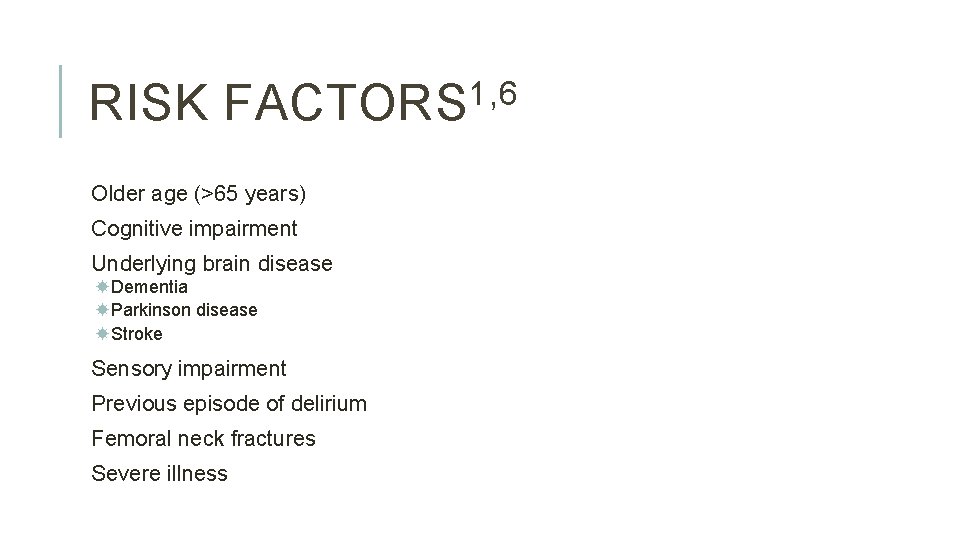
RISK 1, 6 FACTORS Older age (>65 years) Cognitive impairment Underlying brain disease Dementia Parkinson disease Stroke Sensory impairment Previous episode of delirium Femoral neck fractures Severe illness
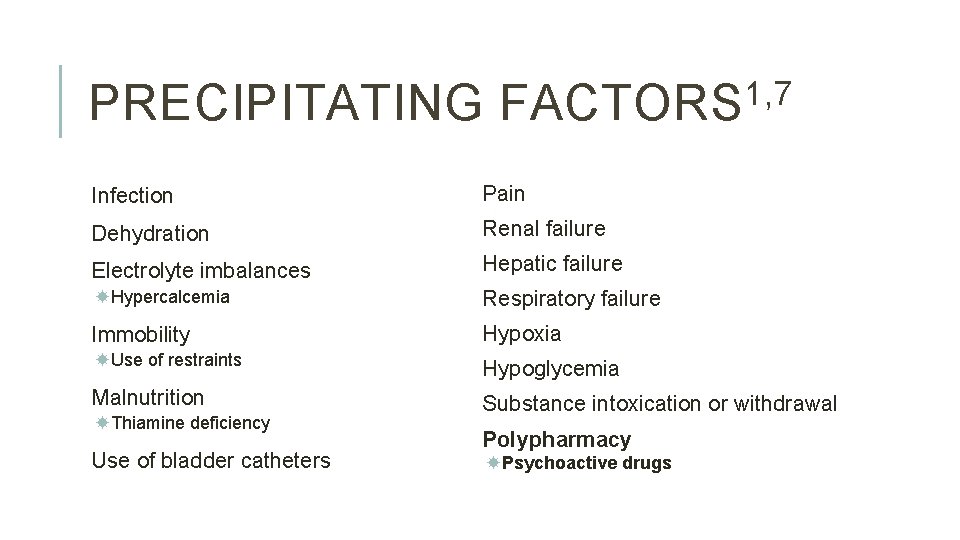
PRECIPITATING 1, 7 FACTORS Infection Pain Dehydration Renal failure Electrolyte imbalances Hepatic failure Hypercalcemia Respiratory failure Immobility Hypoxia Use of restraints Hypoglycemia Malnutrition Substance intoxication or withdrawal Thiamine deficiency Use of bladder catheters Polypharmacy Psychoactive drugs
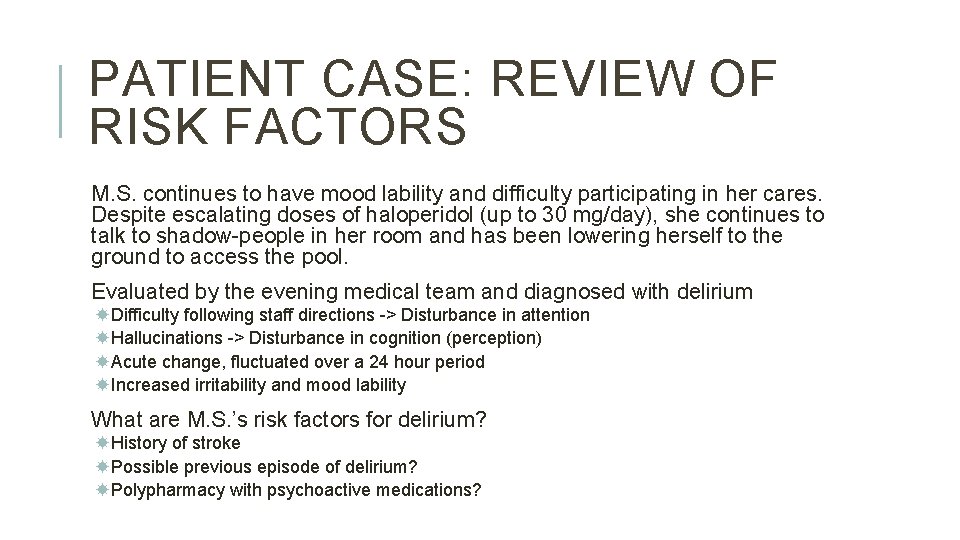
PATIENT CASE: REVIEW OF RISK FACTORS M. S. continues to have mood lability and difficulty participating in her cares. Despite escalating doses of haloperidol (up to 30 mg/day), she continues to talk to shadow-people in her room and has been lowering herself to the ground to access the pool. Evaluated by the evening medical team and diagnosed with delirium Difficulty following staff directions -> Disturbance in attention Hallucinations -> Disturbance in cognition (perception) Acute change, fluctuated over a 24 hour period Increased irritability and mood lability What are M. S. ’s risk factors for delirium? History of stroke Possible previous episode of delirium? Polypharmacy with psychoactive medications?
DELIRIUM TREATMENT 7, 8 GOALS Identify and treat any underlying medical condition or toxicity Provide supportive cares Manage agitation
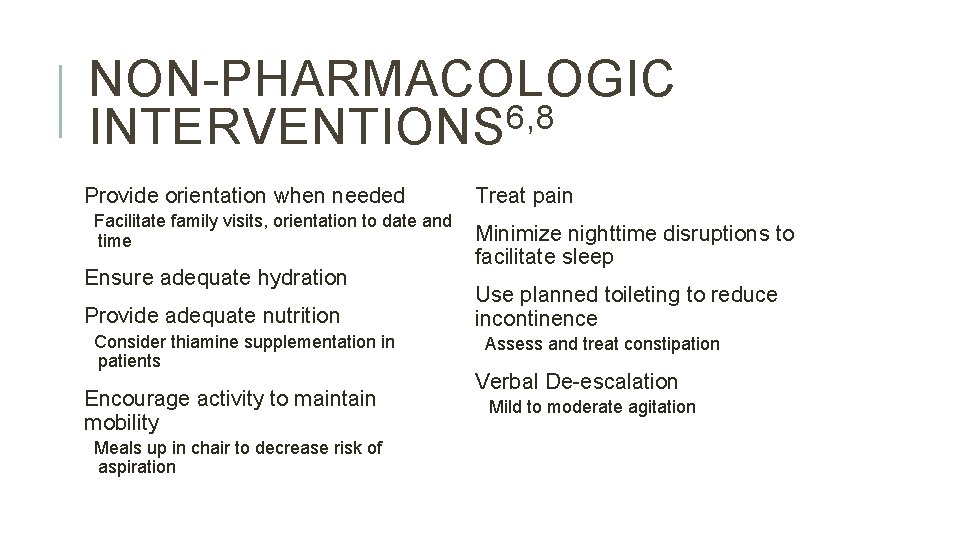
NON-PHARMACOLOGIC 6, 8 INTERVENTIONS Provide orientation when needed Facilitate family visits, orientation to date and time Ensure adequate hydration Provide adequate nutrition Consider thiamine supplementation in patients Encourage activity to maintain mobility Meals up in chair to decrease risk of aspiration Treat pain Minimize nighttime disruptions to facilitate sleep Use planned toileting to reduce incontinence Assess and treat constipation Verbal De-escalation Mild to moderate agitation
PHARMACOLOGIC 6, 8 AGENTS No medication that is FDA-approved for treatment of delirium or agitation associated with delirium Pharmacologic agents may be considered for severe agitation When verbal de-escalation has failed What role is there for the following agents in the treatment of delirium? Antipsychotics Benzodiazepines Cholinesterase inhibitors FDA: Food & Drug Administration
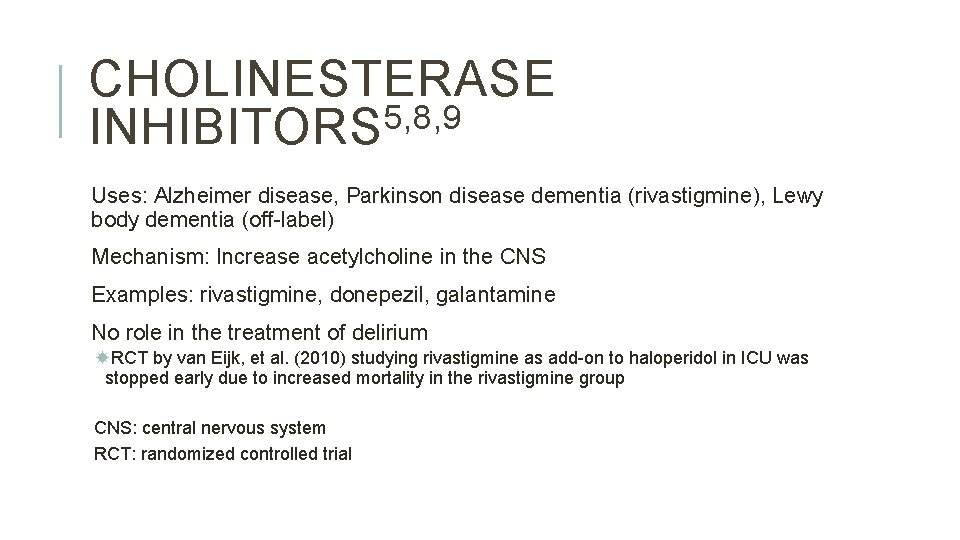
CHOLINESTERASE 5, 8, 9 INHIBITORS Uses: Alzheimer disease, Parkinson disease dementia (rivastigmine), Lewy body dementia (off-label) Mechanism: Increase acetylcholine in the CNS Examples: rivastigmine, donepezil, galantamine No role in the treatment of delirium RCT by van Eijk, et al. (2010) studying rivastigmine as add-on to haloperidol in ICU was stopped early due to increased mortality in the rivastigmine group CNS: central nervous system RCT: randomized controlled trial
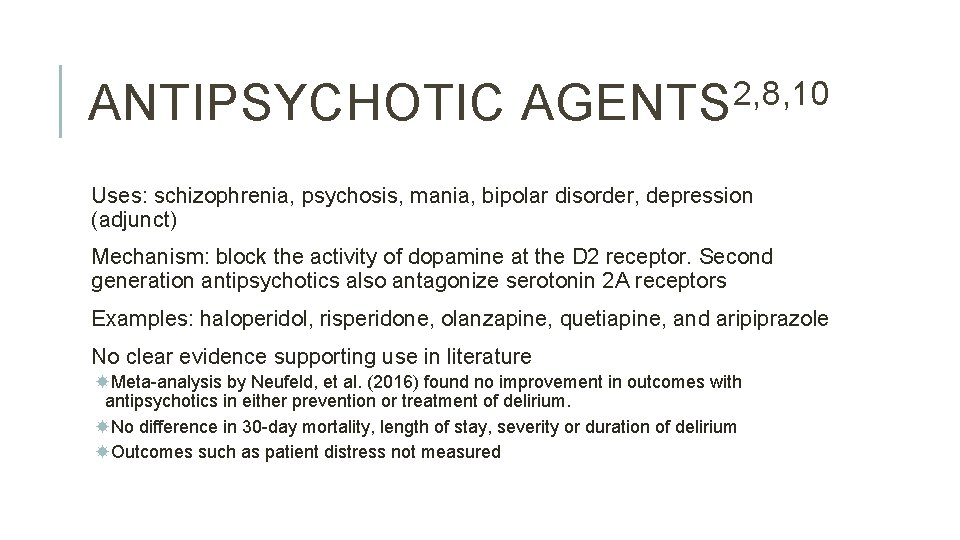
ANTIPSYCHOTIC 2, 8, 10 AGENTS Uses: schizophrenia, psychosis, mania, bipolar disorder, depression (adjunct) Mechanism: block the activity of dopamine at the D 2 receptor. Second generation antipsychotics also antagonize serotonin 2 A receptors Examples: haloperidol, risperidone, olanzapine, quetiapine, and aripiprazole No clear evidence supporting use in literature Meta-analysis by Neufeld, et al. (2016) found no improvement in outcomes with antipsychotics in either prevention or treatment of delirium. No difference in 30 -day mortality, length of stay, severity or duration of delirium Outcomes such as patient distress not measured
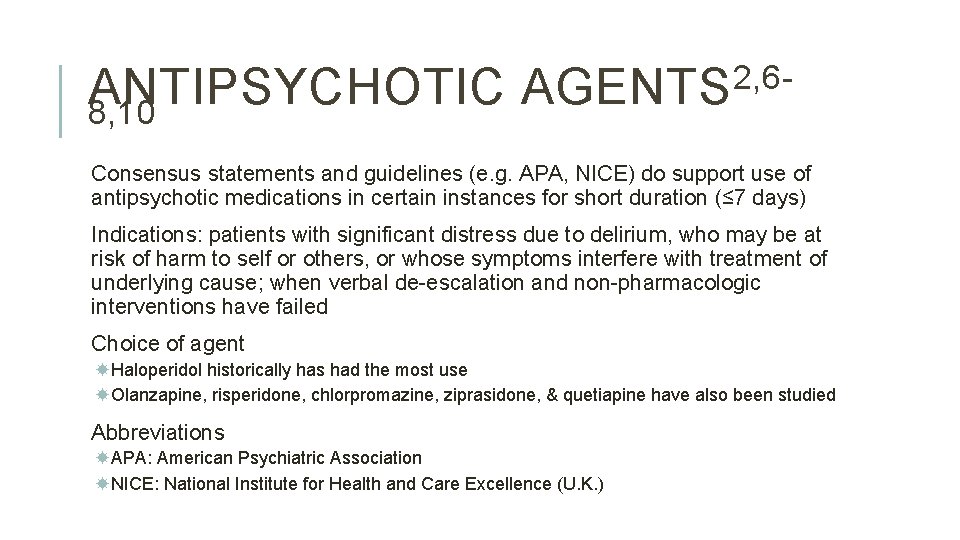
ANTIPSYCHOTIC 8, 10 2, 6 AGENTS Consensus statements and guidelines (e. g. APA, NICE) do support use of antipsychotic medications in certain instances for short duration (≤ 7 days) Indications: patients with significant distress due to delirium, who may be at risk of harm to self or others, or whose symptoms interfere with treatment of underlying cause; when verbal de-escalation and non-pharmacologic interventions have failed Choice of agent Haloperidol historically has had the most use Olanzapine, risperidone, chlorpromazine, ziprasidone, & quetiapine have also been studied Abbreviations APA: American Psychiatric Association NICE: National Institute for Health and Care Excellence (U. K. )
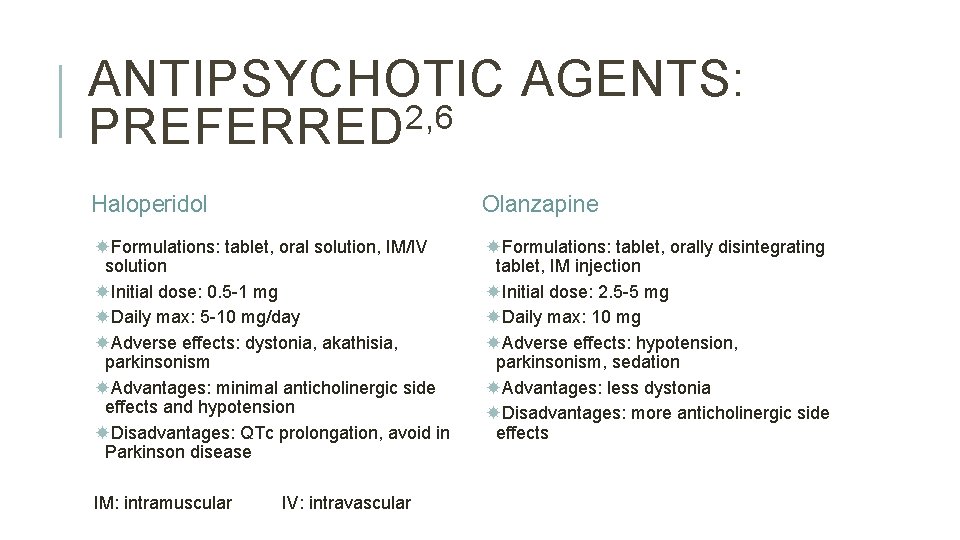
ANTIPSYCHOTIC AGENTS: 2, 6 PREFERRED Haloperidol Olanzapine Formulations: tablet, oral solution, IM/IV solution Initial dose: 0. 5 -1 mg Daily max: 5 -10 mg/day Adverse effects: dystonia, akathisia, parkinsonism Advantages: minimal anticholinergic side effects and hypotension Disadvantages: QTc prolongation, avoid in Parkinson disease Formulations: tablet, orally disintegrating tablet, IM injection Initial dose: 2. 5 -5 mg Daily max: 10 mg Adverse effects: hypotension, parkinsonism, sedation Advantages: less dystonia Disadvantages: more anticholinergic side effects IM: intramuscular IV: intravascular
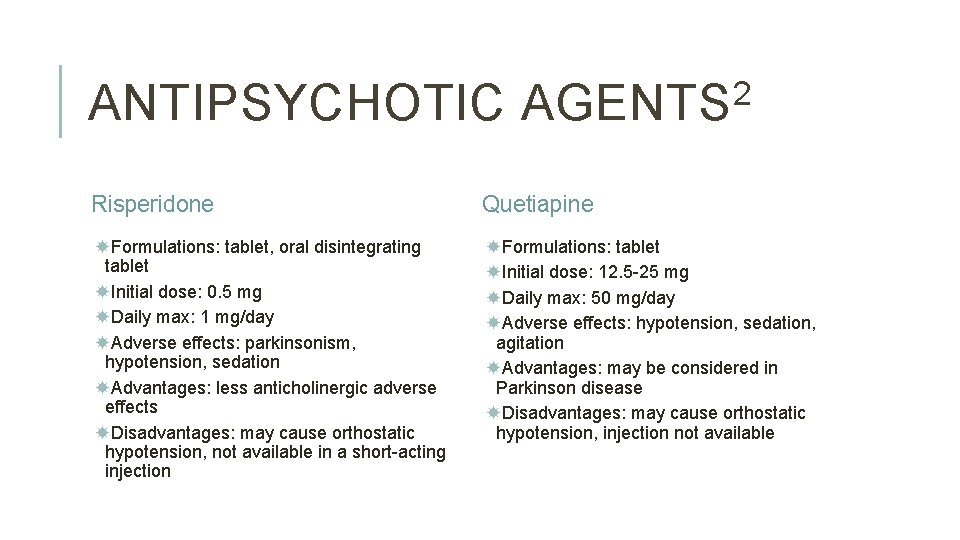
ANTIPSYCHOTIC 2 AGENTS Risperidone Quetiapine Formulations: tablet, oral disintegrating tablet Initial dose: 0. 5 mg Daily max: 1 mg/day Adverse effects: parkinsonism, hypotension, sedation Advantages: less anticholinergic adverse effects Disadvantages: may cause orthostatic hypotension, not available in a short-acting injection Formulations: tablet Initial dose: 12. 5 -25 mg Daily max: 50 mg/day Adverse effects: hypotension, sedation, agitation Advantages: may be considered in Parkinson disease Disadvantages: may cause orthostatic hypotension, injection not available
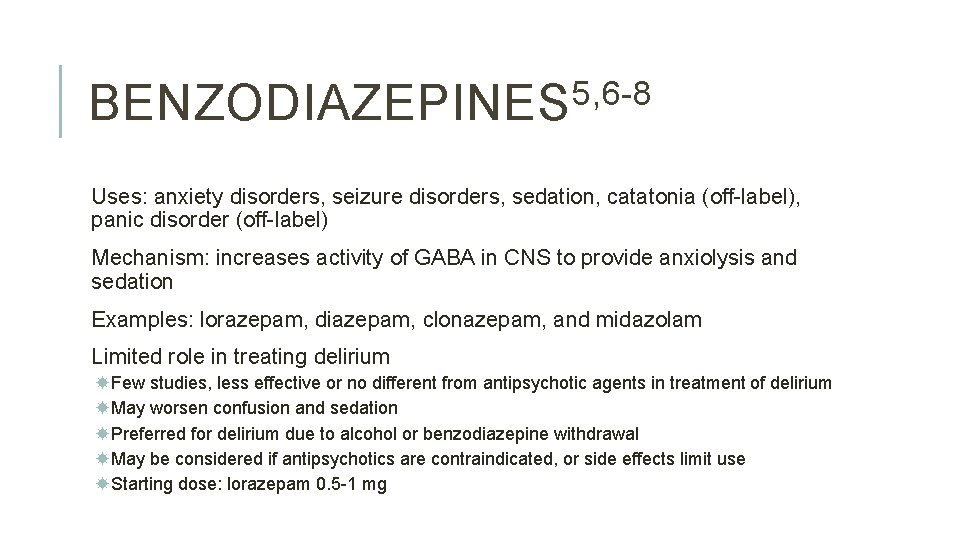
5, 6 -8 BENZODIAZEPINES Uses: anxiety disorders, seizure disorders, sedation, catatonia (off-label), panic disorder (off-label) Mechanism: increases activity of GABA in CNS to provide anxiolysis and sedation Examples: lorazepam, diazepam, clonazepam, and midazolam Limited role in treating delirium Few studies, less effective or no different from antipsychotic agents in treatment of delirium May worsen confusion and sedation Preferred for delirium due to alcohol or benzodiazepine withdrawal May be considered if antipsychotics are contraindicated, or side effects limit use Starting dose: lorazepam 0. 5 -1 mg
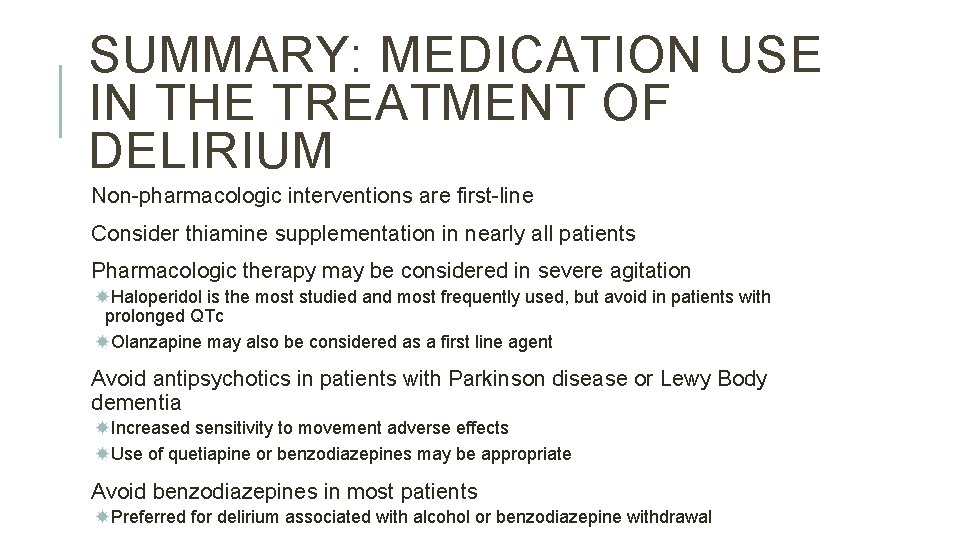
SUMMARY: MEDICATION USE IN THE TREATMENT OF DELIRIUM Non-pharmacologic interventions are first-line Consider thiamine supplementation in nearly all patients Pharmacologic therapy may be considered in severe agitation Haloperidol is the most studied and most frequently used, but avoid in patients with prolonged QTc Olanzapine may also be considered as a first line agent Avoid antipsychotics in patients with Parkinson disease or Lewy Body dementia Increased sensitivity to movement adverse effects Use of quetiapine or benzodiazepines may be appropriate Avoid benzodiazepines in most patients Preferred for delirium associated with alcohol or benzodiazepine withdrawal
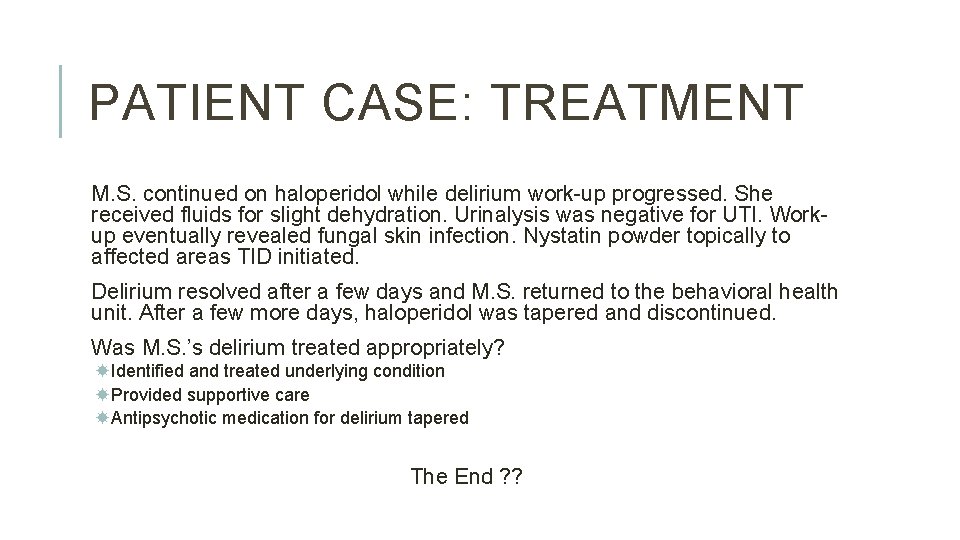
PATIENT CASE: TREATMENT M. S. continued on haloperidol while delirium work-up progressed. She received fluids for slight dehydration. Urinalysis was negative for UTI. Workup eventually revealed fungal skin infection. Nystatin powder topically to affected areas TID initiated. Delirium resolved after a few days and M. S. returned to the behavioral health unit. After a few more days, haloperidol was tapered and discontinued. Was M. S. ’s delirium treated appropriately? Identified and treated underlying condition Provided supportive care Antipsychotic medication for delirium tapered The End ? ?
PREVENTION OF 6, 8, 11 DELIRIUM Focused on modifying risk factors and reducing precipitating events Non-pharmacologic interventions are preferred Same interventions as for treatment Geriatric order set What role is there for pharmacologic agents in the prevention of delirium? Systematic review by Tremblay and Gold (2016) summarizes evidence for various pharmacological interventions for the prevention of post-operative delirium Antipsychotics, cholinesterase inhibitors, statins, steroids, gabapentin, benzodiazepines, and melatonin, tryptophan, and ramelteon
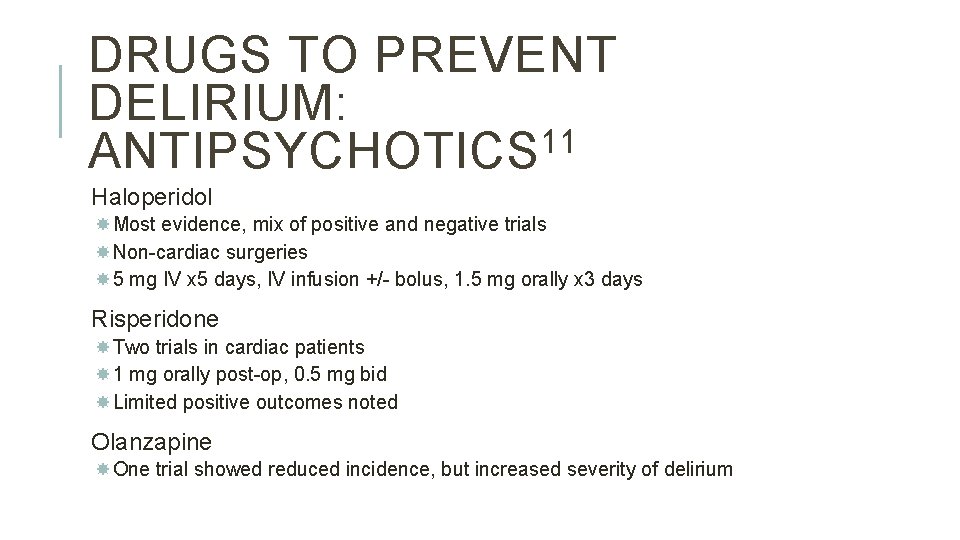
DRUGS TO PREVENT DELIRIUM: 11 ANTIPSYCHOTICS Haloperidol Most evidence, mix of positive and negative trials Non-cardiac surgeries 5 mg IV x 5 days, IV infusion +/- bolus, 1. 5 mg orally x 3 days Risperidone Two trials in cardiac patients 1 mg orally post-op, 0. 5 mg bid Limited positive outcomes noted Olanzapine One trial showed reduced incidence, but increased severity of delirium
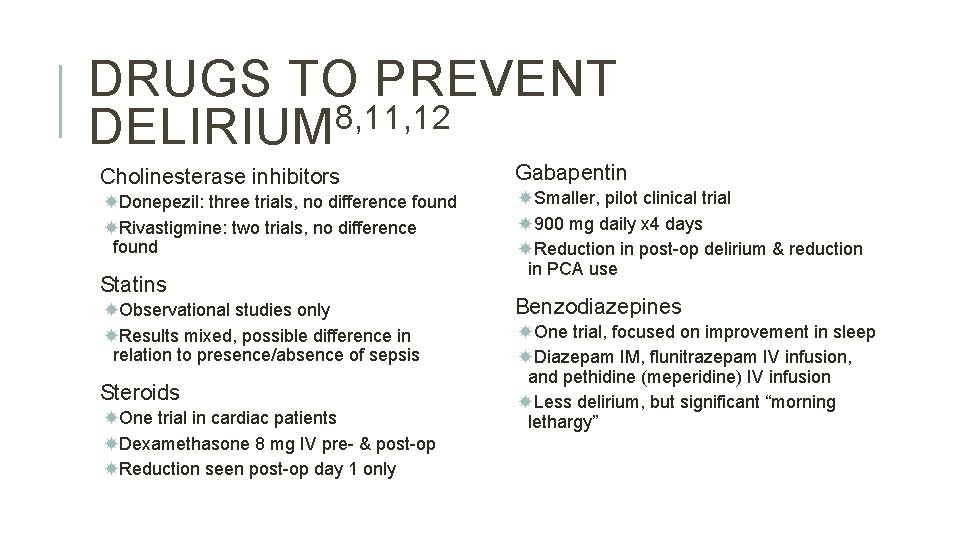
DRUGS TO PREVENT 8, 11, 12 DELIRIUM Cholinesterase inhibitors Donepezil: three trials, no difference found Rivastigmine: two trials, no difference found Statins Observational studies only Results mixed, possible difference in relation to presence/absence of sepsis Steroids One trial in cardiac patients Dexamethasone 8 mg IV pre- & post-op Reduction seen post-op day 1 only Gabapentin Smaller, pilot clinical trial 900 mg daily x 4 days Reduction in post-op delirium & reduction in PCA use Benzodiazepines One trial, focused on improvement in sleep Diazepam IM, flunitrazepam IV infusion, and pethidine (meperidine) IV infusion Less delirium, but significant “morning lethargy”
DRUGS TO PREVENT 8, 11 DELIRIUM: MELATONIN Melatonin Hormone produced in pineal gland that plays a role in sleep-wake cycle Synthesized from tryptophan (via serotonin) Available over-the-counter as a dietary supplement (not FDA-regulated) One positive, one negative trial: 3 or 5 mg/day Minimal adverse effects Ramelteon Melatonin agonist approved by FDA for insomnia No difference seen in post-op patients, trials in patients with medical illness have shown better results Tryptophan 1 g orally tid x 9 days studied with no difference seen
SUMMARY: MEDICATION USE IN THE PREVENTION OF DELIRIUM Despite continued investigation, there is still insufficient evidence to recommend the routine use of any pharmacologic agent for the prevention of delirium in acute medical illness, peri-operative patients, or the ICU Non-pharmacologic interventions are still first-line Consider changes to modify risk factors and reduce precipitating events Polypharmacy in general patient population
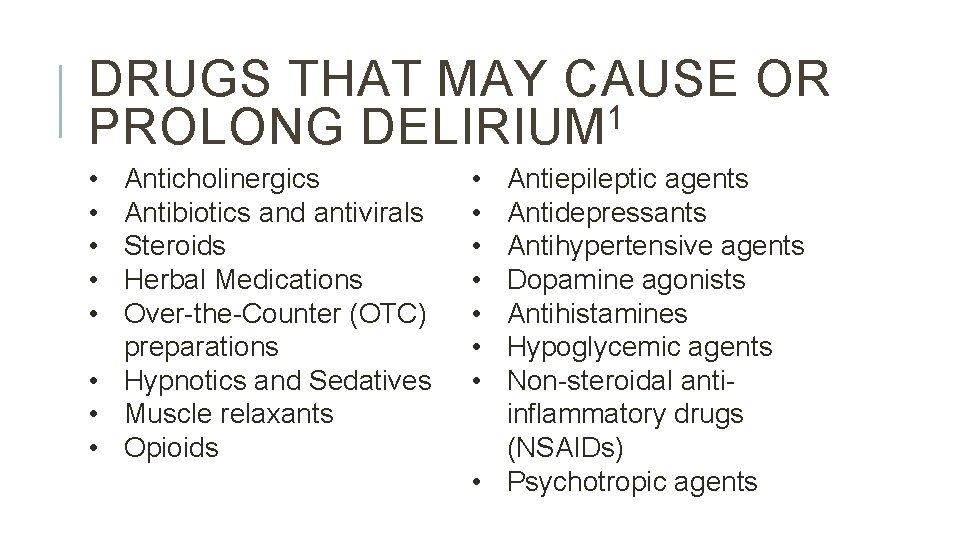
DRUGS THAT MAY CAUSE OR 1 PROLONG DELIRIUM • • • Anticholinergics Antibiotics and antivirals Steroids Herbal Medications Over-the-Counter (OTC) preparations • Hypnotics and Sedatives • Muscle relaxants • Opioids • • Antiepileptic agents Antidepressants Antihypertensive agents Dopamine agonists Antihistamines Hypoglycemic agents Non-steroidal antiinflammatory drugs (NSAIDs) • Psychotropic agents
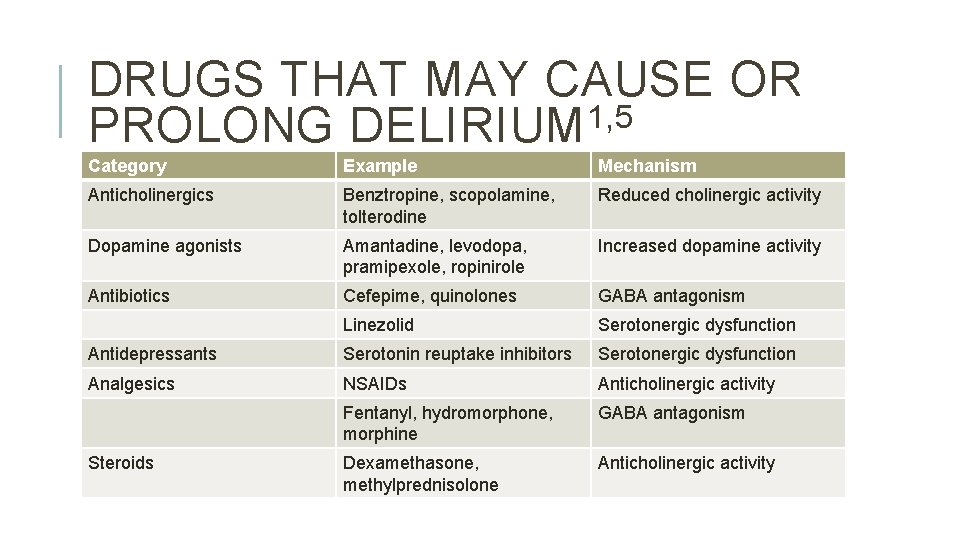
DRUGS THAT MAY CAUSE OR PROLONG DELIRIUM 1, 5 Category Example Mechanism Anticholinergics Benztropine, scopolamine, tolterodine Reduced cholinergic activity Dopamine agonists Amantadine, levodopa, pramipexole, ropinirole Increased dopamine activity Antibiotics Cefepime, quinolones GABA antagonism Linezolid Serotonergic dysfunction Antidepressants Serotonin reuptake inhibitors Serotonergic dysfunction Analgesics NSAIDs Anticholinergic activity Fentanyl, hydromorphone, morphine GABA antagonism Dexamethasone, methylprednisolone Anticholinergic activity Steroids
ANTICHOLINERGIC 1, 5, 13 MEDICATIONS Anticholinergic medications Primary mechanism of action is blocking effects of acetylcholine Examples: atropine, benztropine, trihexyphenidyl, scopolamine, tolterodine More commonly accepted as potentially inappropriate in vulnerable populations (age >65 years) Medications with anticholinergic side effects Primary mechanism of action is something else Anticholinergic properties are considered adverse effects Examples: amitriptyline, diphenhydramine, hydroxyzine, olanzapine, paroxetine Still potentially inappropriate, but more difficult to determine risk Anticholinergic Burden Seven different expert-based rating scales with high variability, probably oversimplified Higher anticholinergic burden is associated with cognitive and physical impairment in vulnerable populations
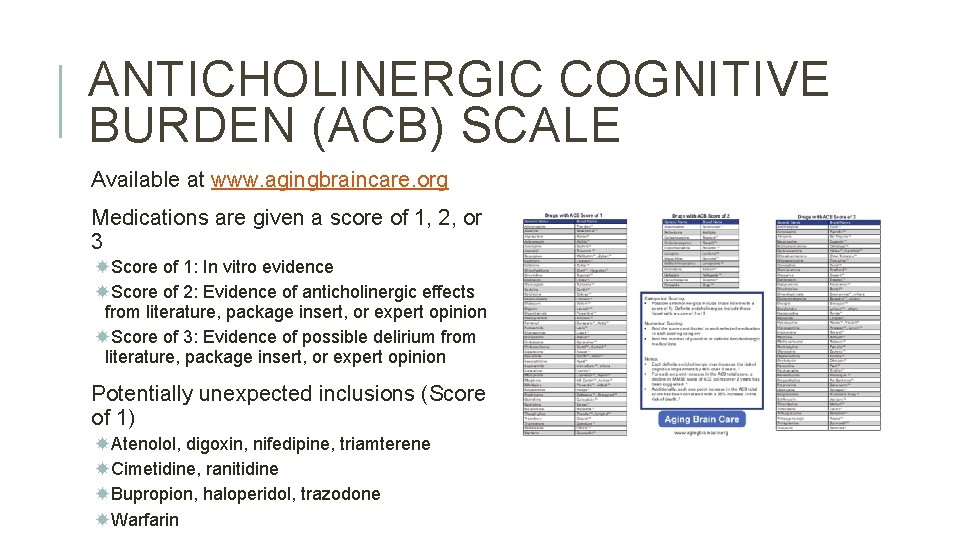
ANTICHOLINERGIC COGNITIVE BURDEN (ACB) SCALE Available at www. agingbraincare. org Medications are given a score of 1, 2, or 3 Score of 1: In vitro evidence Score of 2: Evidence of anticholinergic effects from literature, package insert, or expert opinion Score of 3: Evidence of possible delirium from literature, package insert, or expert opinion Potentially unexpected inclusions (Score of 1) Atenolol, digoxin, nifedipine, triamterene Cimetidine, ranitidine Bupropion, haloperidol, trazodone Warfarin
DRUGS TO 14 AVOID Systematic review by Clegg and Young (2011) identified three classes of medications to avoid in people at risk of delirium Opioids: moderate quality evidence indicating 2 -fold increased risk Benzodiazepines: moderate quality evidence of increased risk, worse with longer acting agents Dihydropyridines: low quality evidence, specifically for nifedipine Additional findings Digoxin: low quality evidence suggesting no association Haloperidol: high quality evidence suggesting no association, evidence not as clear for other neuroleptics Antihistamines: moderate quality evidence showed trend, but not significant, to increased risk Low quality evidence, uncertain risk: H 2 -receptor blockers, tricyclic antidepressants, steroids, drugs for Parkinson disease, NSAIDs, and oxybutynin
15 ANALGESICS Analgesia and Delirium Pain can precipitate delirium Acetaminophen is often not sufficient NSAIDs carry risk for elderly patients including renal failure and cardiovascular effects Opioids may have serotonergic, anticholinergic, and GABA antagonistic properties Comparative Risk of Delirium with Opioids Swart, et al. (2017) conducted a systematic review evaluating use in older patients Compared to no opioid, meperidine and tramadol were associated with increased risk of delirium Compared to other opioids, only meperidine was associated with increased risk Morphine, fentanyl, oxycodone, and codeine
SUMMARY: MEDICATION USE IN VULNERABLE POPULATIONS Assess risk versus benefit in each case Use a resource, such as the Anticholinergic Cognitive Burden Scale, to screen medications for anticholinergic activity Reduce or eliminate (if possible) medications with anticholinergic properties Risk appears to be more established with benzodiazepines and opioids Reduce or eliminate (if possible) benzodiazepine and opioids; use tapers If benzodiazepines or opioids are used, use cautiously and avoid long-acting agents, those with active metabolites, or with serotonergic properties (meperidine, tramadol) Avoid nifedipine, but not necessarily other calcium channel blockers More evidence needed to identify other precipitant or protective agents
REDUCING INAPPROPRIATE BENZODIAZEPINE USE IN OLDER PATIENTS (EMPOWER 16 TRIAL) Tannenbaum, et al (2014) conducted a cluster randomized trial to test the effects of a direct-to-consumer intervention versus usual care on rates of benzodiazepine use in older adults 65 -95 years old, minimum of 5 active prescriptions, benzodiazepine dispensed monthly x 3 months Mean duration of use 9. 6 years (intervention group) vs. 11. 2 years (control) Excluded patients with mental illness or dementia, or living in long term care facility Just less than half of patients had previously attempted tapering In the intervention group, 62% talked to their physician or pharmacist about stopping benzodiazepine therapy At 6 months, 27% patients in the intervention group had discontinued use vs. 5% in control group. Dose reduction happened in another 11%
PATIENT CASE WRAP-UP After her second episode(!) of delirium resolved, M. S. ’s medications were reviewed. Although reluctant to stop oxybutynin, she agreed to a trial off after a discussion regarding increased risk of delirium. Diphenhydramine was also discontinued and melatonin 3 mg nightly was started. Nursing staff increased frequency of skin monitoring and the next discovery of infection was not accompanied by delirium. What strategies for delirium prevention were employed? Engaged patient in decision making Increased monitoring for infection (avoid precipitating factor) Decreased anticholinergic burden
QUESTIONS? amie. digatono@allina. com
REFERENCES 1. Francis J, Jr, and Young GB. Diagnosis of delirium and confusional states. Wilterdink JL, ed. Up. To. Date. Waltham, Ma: Up. To. Date Inc. http: //www. uptodate. com Accessed Sept 21, 2017. 2. Thom RP, Mock CK, Teslyar P. Delirium in hospitalized patients: Risks and benefits of antipsychotics. Cleveland Clinic J Med 2017; 84(8): 616 -622. 3. Fong TG, Davis D, Growdon ME, Albuquerque A, Inouye SK. The Interface of delirium and dementia in older persons. Lancet Neurol 2015; 14(8): 823 -832. 4. Breitbart W and Alici Y. Evidence-based treatment of delirium in patients with cancer. J Clin Oncol 2012; 30: 1206 -1214. 5. Devlin JW (2016). Delirium in Critically Ill Adults. In: B. Erstad (Ed. ), Critical Care Pharmacotherapy (pp. 186197). Lenexa, KS: American College of Clinical Pharmacy. 6. National Institute for Health and Care Excellence (NICE). Delirium: prevention, diagnosis, and management. www. nice. org. uk/guidance/cg 103. Accessed Sept 23, 2017. Trzepacz P, Breitbart W, Franklin J, Levenson J, Martini DR, Wang P; American Psychiatric Association (APA). Practice guideline for the treatment of patients with delirium. http: //psychiatryonline. org/pb/assets/raw/sitewide/practice_guidelines/delirium. pdf Accessed Sept 23, 2017. 8. Francis J, Jr. Delirium and acute confusional states: Prevention, treatment, and prognosis. Wilterdink JL, ed. Up. To. Date. Waltham, Ma: Up. To. Date Inc. http: //www. uptodate. com Accessed Sept 21, 2017.
REFENCES (CONTINUED) 9. van Eijk MMJ, Roes KCB, Honing MLH, Kuiper MA, Karakus A, van der Jagt M, Spronk PE, Gool WA, van der Mast RC, Kesecioglu J, Slooter AJ. Effect of rivastigmine as an adjunt to usual care with haloperidol on duration of delirium and mortality in critically ill patients: a multicenter, double-blind, placebo-controlled randomized trial. Lancet 2010; 36: 1829. 10. Neufeld KJ, Yue J, Robinson TN, Inouye SK, Needham DM. Antipsychotics for prevention and treatment of delirium in hospitalized adults: a systematic review and meta-analysis. J Am Geriatr Soc 2026; 64(4): 705714. 11. Tremblay P and Gold S. Prevention of post-operative delirium in the elderly using pharmacological agents. Can Geriatr J 2016; 19(3): 113 -126. 12. Tsuruta R and Oda Y. A Clinical perspective of sepsis-associated delirium. J Intens Care 2016; 4: 18. DOI 10. 1186/s 40560 -016 -0145 -4 13. Salahudeen MS, Duffull SB, Nishtala PS. Anticholinergic burden quantified by anticholinergic risk scales and adverse outcomes in older people: a systematic review. BMC Geriatric 2015; 15: 31. DOI 10. 1186/s 12877015 -0029 -9 14. Clegg A and Young JB. Which medications to avoid in people at risk of delirium: a systematic review. Age Aging 2011; 40: 23 -29. 15. Swart LM, van der Zanden V, Spies PE, de Rooij SE, van Munster BC. The Comparative risk of delirium with different opioids: a systematic review. Drugs Aging 2017; 34: 437 -443. 16. Tannenbaum C, Martin P, Tamblyn R, Benedetti A, Ahmed S. Reduction of inappropriate benzodiazepine prescriptions among older adults through direct patient education: the EMPOWER cluster randomized trial. JAMA Intern Med 2014; 174(6): 890 -898.