
Drugs acting on CNS 1 2 3 4
- Slides: 21
Drugs acting on CNS 1. 2. 3. 4. Sedative and hypnotic drugs Opioid analgesics Antidepressant drugs Antipsychotic drugs
Antidepressant drugs
• Pathophysiology of Major Depression • Classification of antidepressant drugs • Therapeutics uses and adverse effects of Antidepressant drugs
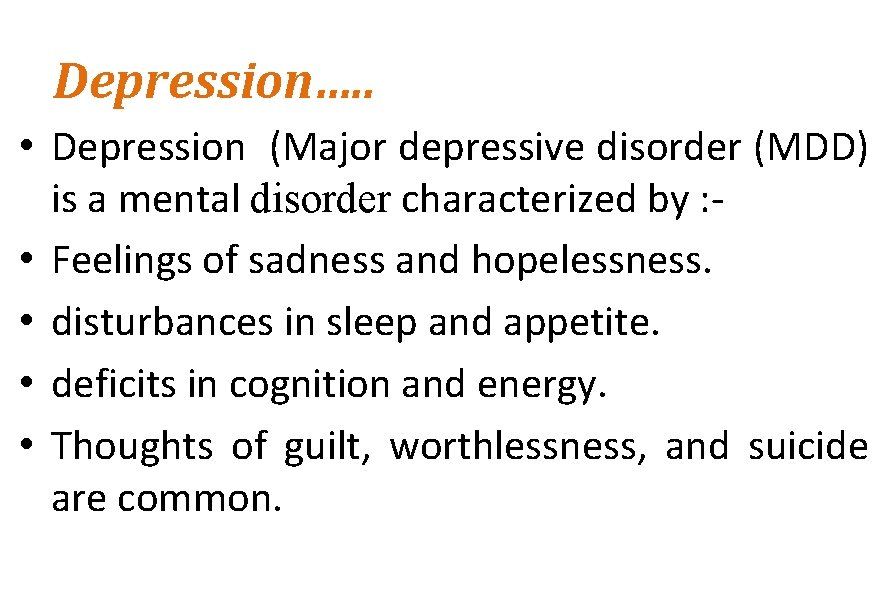
Depression…. . • Depression (Major depressive disorder (MDD) is a mental disorder characterized by : • Feelings of sadness and hopelessness. • disturbances in sleep and appetite. • deficits in cognition and energy. • Thoughts of guilt, worthlessness, and suicide are common.
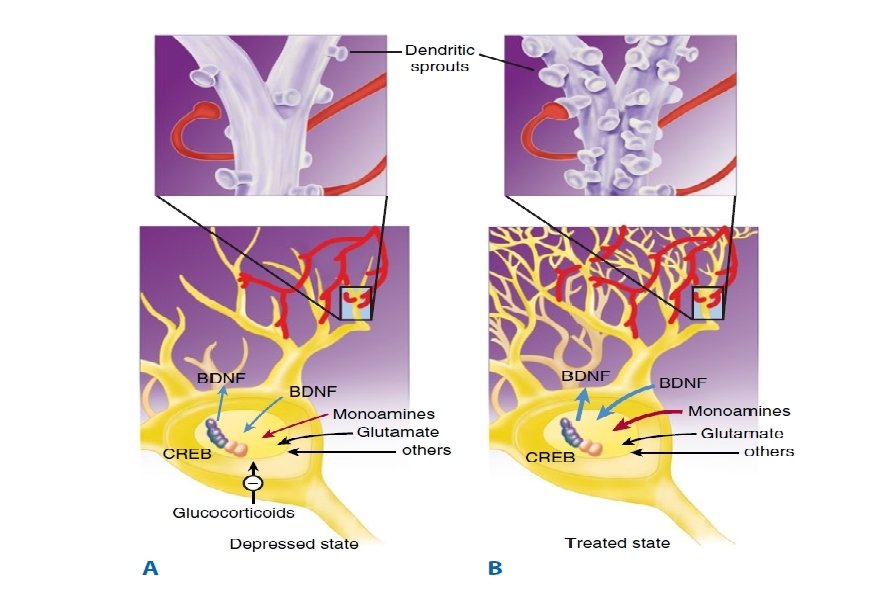
Pathophysiology of Major Depression • Neurotrophic Hypothesis brain-derived neurotrophic factor (BDNF) are critical in the regulation of neural plasticity, resilience, and neurogenesis. • depression is associated with the loss of neurotrophic support and that effective antidepressant therapies increase neurogenesis and synaptic connectivity in cortical areas such as the hippocampus.
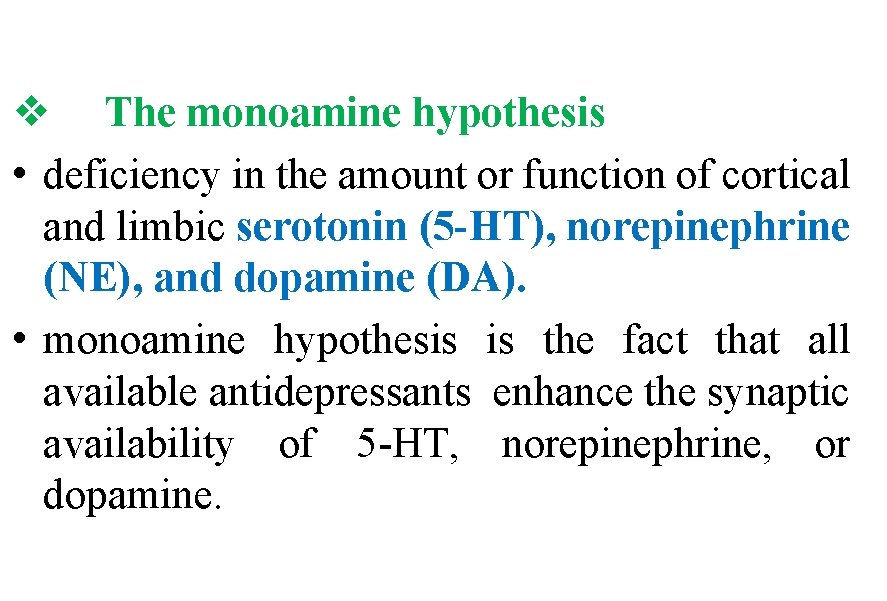
v The monoamine hypothesis • deficiency in the amount or function of cortical and limbic serotonin (5 -HT), norepinephrine (NE), and dopamine (DA). • monoamine hypothesis is the fact that all available antidepressants enhance the synaptic availability of 5 -HT, norepinephrine, or dopamine.
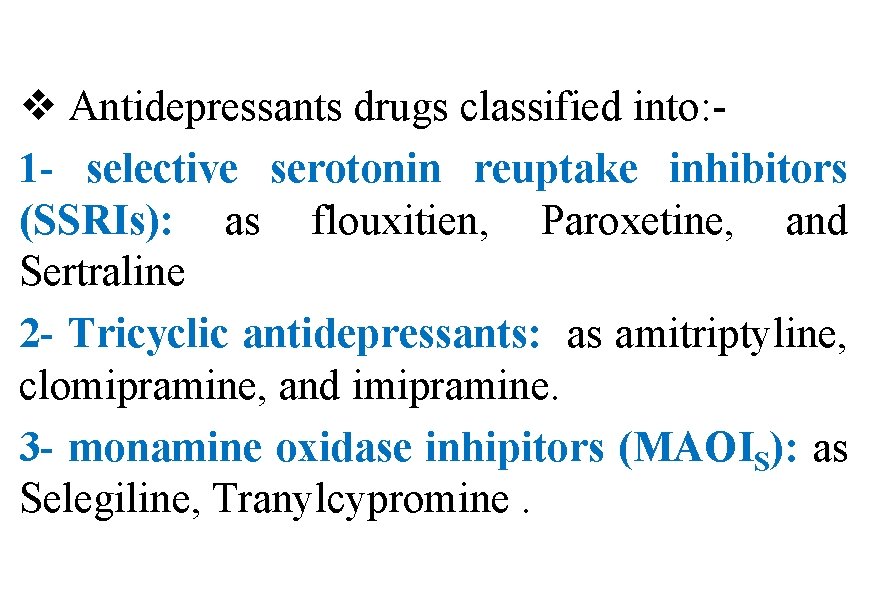
v Antidepressants drugs classified into: 1 - selective serotonin reuptake inhibitors (SSRIs): as flouxitien, Paroxetine, and Sertraline 2 - Tricyclic antidepressants: as amitriptyline, clomipramine, and imipramine. 3 - monamine oxidase inhipitors (MAOIS): as Selegiline, Tranylcypromine.
1 - selective serotonin reuptake inhibitors (SSRIs) • specifically inhibit serotonin reuptake, leading to increased concentrations of the neurotransmitter in the synaptic cleft. • the SSRIs have little blocking activity at muscarinic, α-adrenergic, and histaminic H 1 receptors.
• Therefore, common side effects associated with TCAs, such as orthostatic hypotension, sedation, dry mouth, and blurred vision, are not commonly seen with the SSRIs. • Because they have different adverse effects and are relatively safe even in overdose, the SSRIs have largely replaced TCAs and monoamine oxidase inhibitors (MAOIs) as the drugs of choice in treating depression.
Therapeutic uses 1. depression is the primary indication for SSRIs. 2. obsessive–compulsive disorder. 3. panic disorder. 4. generalized anxiety disorder. 5. posttraumatic stress. 6. social anxiety disorder, premenstrual dysphoric disorder.
• Antidepressants, including SSRIs, typically take at least 2 weeks to produce significant improvement in mood, and maximum benefit may require up to 12 weeks or more. Patients who do not respond to one antidepressant may respond to another, and approximately 80% or more will respond to at least one antidepressant drug.
Adverse Effects 1. nausea, gastrointestinal upset, diarrhea, and other gastrointestinal symptoms. 2. diminished sexual function and interest, loss of libido, delayed orgasm, or diminished arousal.
3. headaches and insomnia or hypersomnia. 4. Sudden discontinuation of short half-life SSRIs such as paroxetine and sertraline is associated with a discontinuation syndrome in some patients characterized by dizziness, paresthesias, and other symptoms beginning 1 or 2 days after stopping the drug and persisting for 1 week or longer.
Tricyclic antidepressants: amitriptyline, clomipramine, imipramine. Mechanism of action 1. Inhibition of neurotransmitter reuptake: TCAs and are potent inhibitors of the neuronal reuptake of norepinephrine and serotonin into presynaptic nerve terminals. 2. Blocking of receptors: TCAs also block serotonergic, α-adrenergic, histaminic, and muscarinic receptors.
Actions • The TCAs elevate mood, improve mental alertness, increase physical activity, and reduce morbid preoccupation in 50% to 70% of individuals with major depression. • The onset of the mood elevation is slow, requiring 2 weeks or longer.
Therapeutic uses • Treatment of moderate to severe depression. • Imipramine has been used to control children older than 6 years nocturnal enuresis (replaced by desmopressin and nonpharmacologic treatments). • amitriptyline prevent migraine headache and treat chronic pain syndromes such as neuropathic pain).
Adverse effects • Blockade of muscarinic receptors leads to blurred vision, xerostomia (dry mouth), urinary retention, sinus tachycardia, constipation, and aggravation of angle-closure glaucoma. • These agents affect cardiac conduction and may precipitate life-threatening arrhythmias in an overdose situation.
• The TCAs also block α-adrenergic receptors, causing orthostatic hypotension, dizziness, and reflex tachycardia. • H 1 antagonism by the TCAs is associated with sedation and weight gain. •
Adverse effects • Severe side effects, due to drug–food and drug–drug interactions, limit the use of MAOIs. • MAOIs are associated with two classes of serious drug interactions. • interaction of MAOIs with serotonergic agents including SSRIs, SNRIs, and most TCAs. combinations of an MAOI with a serotonergic agent may result in a life-threatening serotonin syndrome which is caused by overstimulation of 5 -HT receptors in the central gray nuclei and the medulla.
• when an MAOI is combined with tyramine in the diet or with sympathomimetic substrates of MAO. An MAOI prevents the breakdown of tyramine in the gut, and this results in high serum levels that enhance peripheral noradrenergic effects, including raising blood pressure dramatically. Patients on an MAOI who ingest large amounts of dietary tyramine may experience malignant hypertension and subsequently a stroke or myocardial infarction.