
DRUG RECEPTORS AND PHARMACODYNAMICS PAUL EHRLICH 1845 1945
- Slides: 56
DRUG RECEPTORS AND PHARMACODYNAMICS
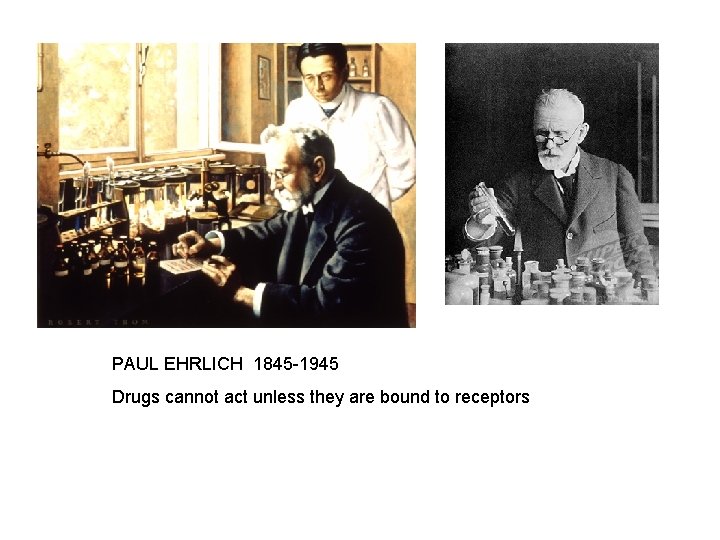
PAUL EHRLICH 1845 -1945 Drugs cannot act unless they are bound to receptors
PROTEIN TARGETS FOR DRUG BINDING 4 main kinds of regulatory protein are commonly involved as primary drug targets • Receptors • Enzymes methotrexate-dihydrofolate reductase • Carrier molecules (transporters) (SSRI, TCA) • Ion channels Na channel local anesthetics-voltage sensitive
Pharmacodynamics Is what the drug does to the body. Interaction of drugs with cellular proteins, such as receptors or enzymes, to control changes in physiological function of particular organs. • Drug-Receptor Interactions – Binding • Dose-Response – Effect • Signal Transduction – Mechanism of action, Pathways
PHARMACODYNAMICS 2 • Receptors largely determine the quantitative relations between dose or concentration of drug and pharmacologic effects • Receptors are responsible for selectivity of drug action, the molecular size, shape and electrical charge of a drug determine its binding characteristics • Receptors mediate the actions of both pharmacologic agonists and antagonists
Drug receptor • A protein macromolecule produced by the body that was designed by nature to interact with an endogenous molecule (ligand), but which will also interact with a drug molecule, if it has the correct chemical structure
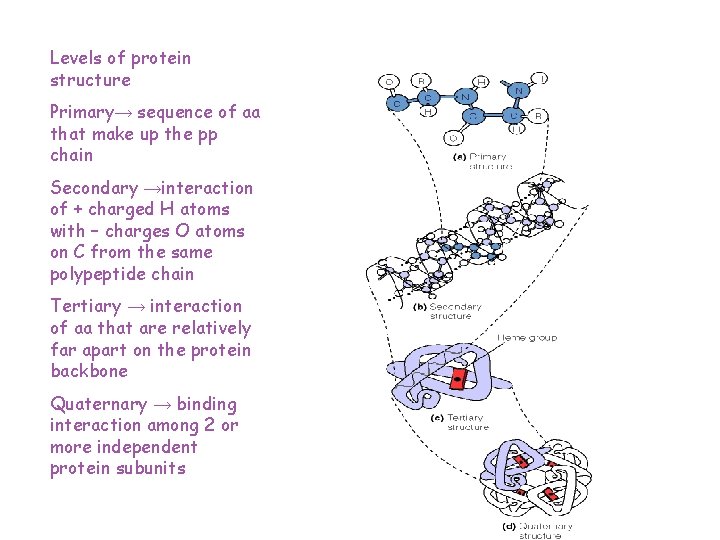
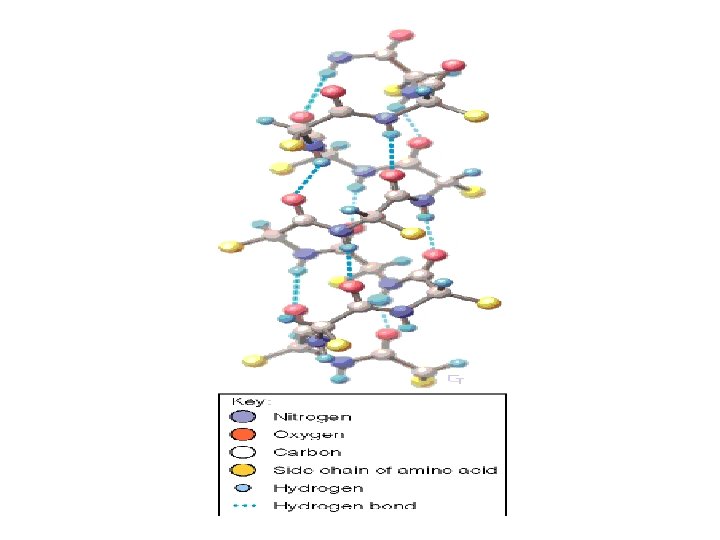
Levels of protein structure Primary→ sequence of aa that make up the pp chain Secondary →interaction of + charged H atoms with – charges O atoms on C from the same polypeptide chain Tertiary → interaction of aa that are relatively far apart on the protein backbone Quaternary → binding interaction among 2 or more independent protein subunits
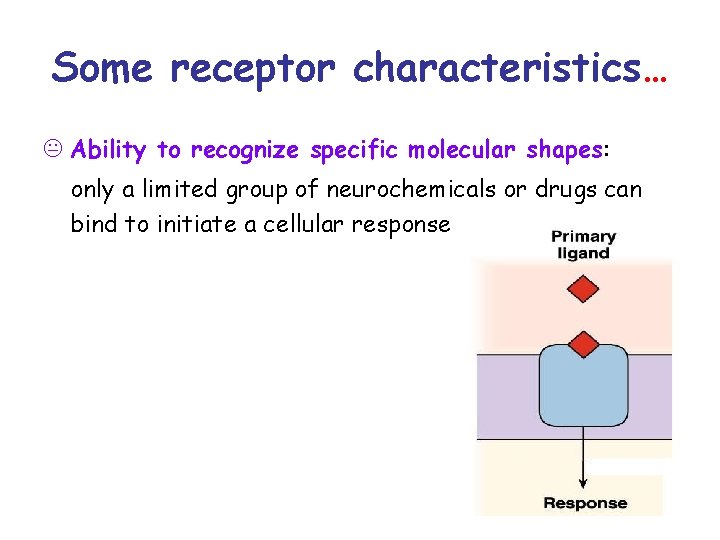
Some receptor characteristics… K Ability to recognize specific molecular shapes: only a limited group of neurochemicals or drugs can bind to initiate a cellular response
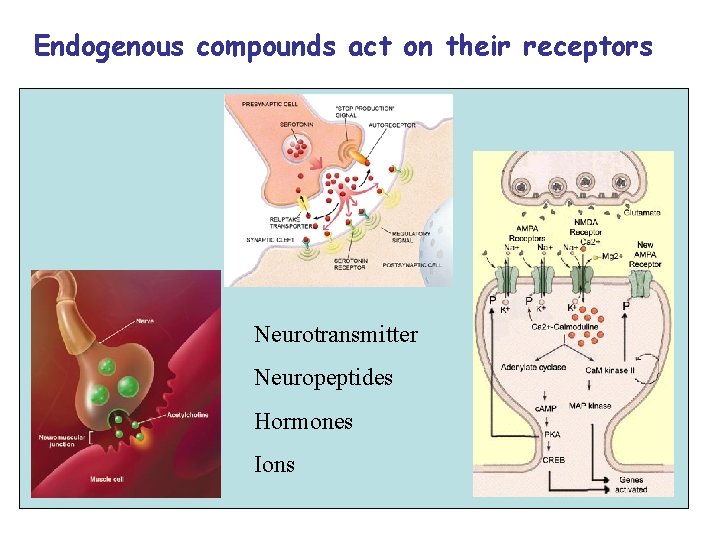
Endogenous compounds act on their receptors Neurotransmitter Neuropeptides Hormones Ions
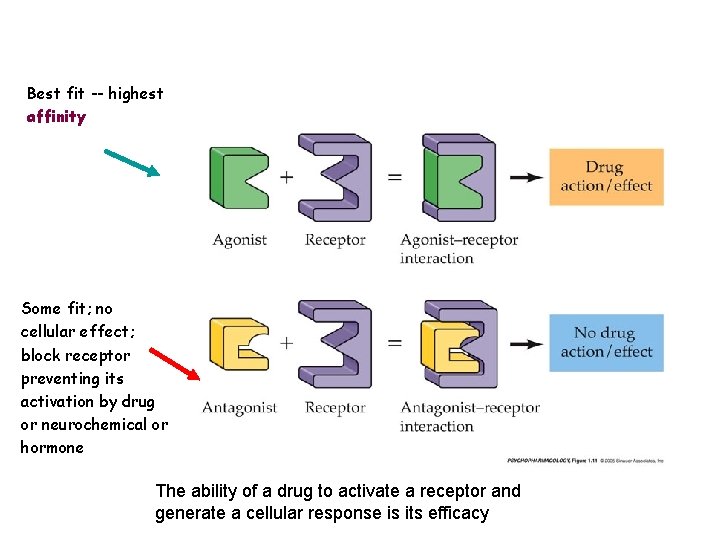
Best fit -- highest affinity Some fit; no cellular effect; block receptor preventing its activation by drug or neurochemical or hormone The ability of a drug to activate a receptor and generate a cellular response is its efficacy
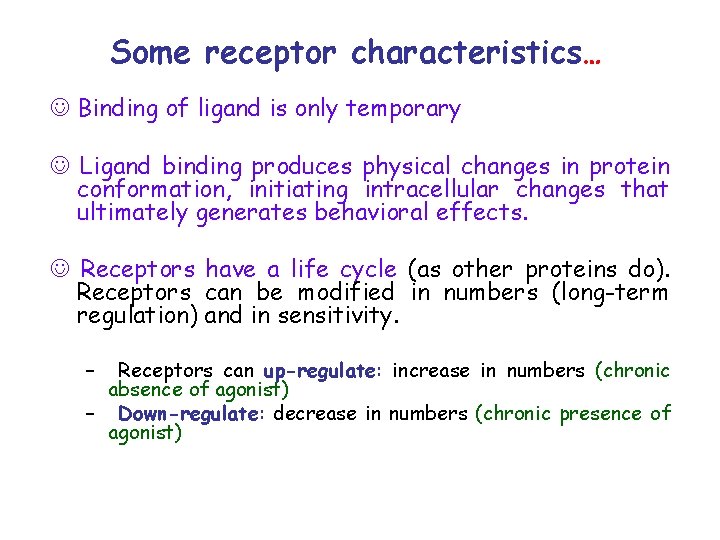
Some receptor characteristics… Binding of ligand is only temporary Ligand binding produces physical changes in protein conformation, initiating intracellular changes that ultimately generates behavioral effects. Receptors have a life cycle (as other proteins do). Receptors can be modified in numbers (long-term regulation) and in sensitivity. – Receptors can up-regulate: increase in numbers (chronic absence of agonist) – Down-regulate: decrease in numbers (chronic presence of agonist)
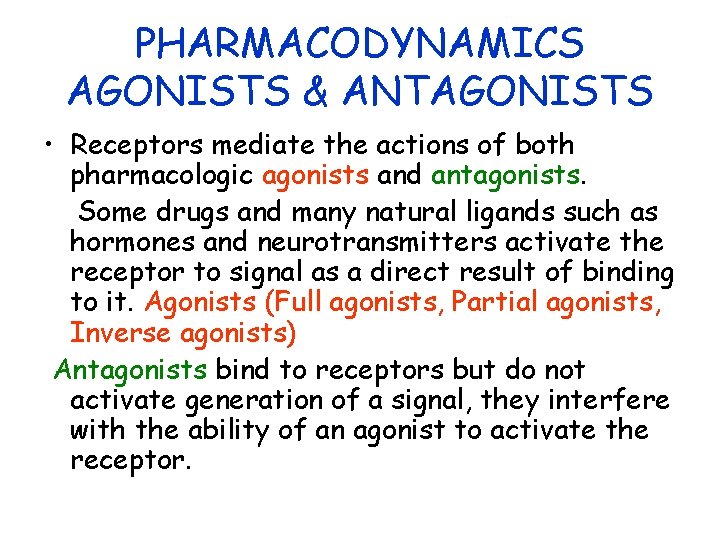
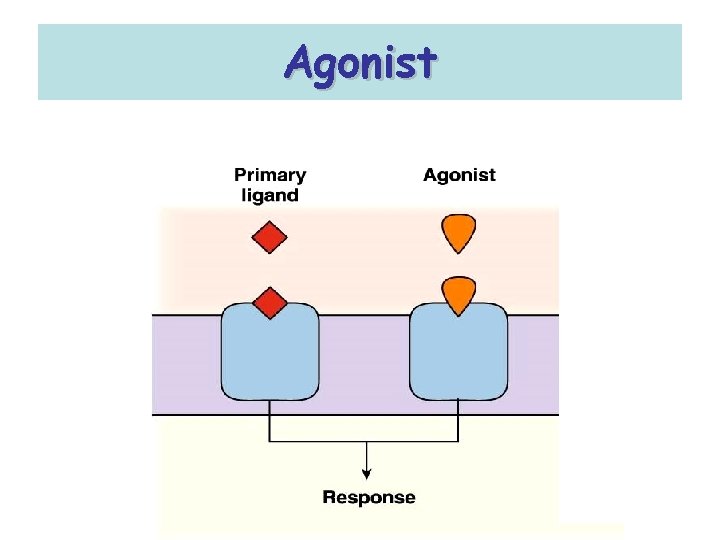
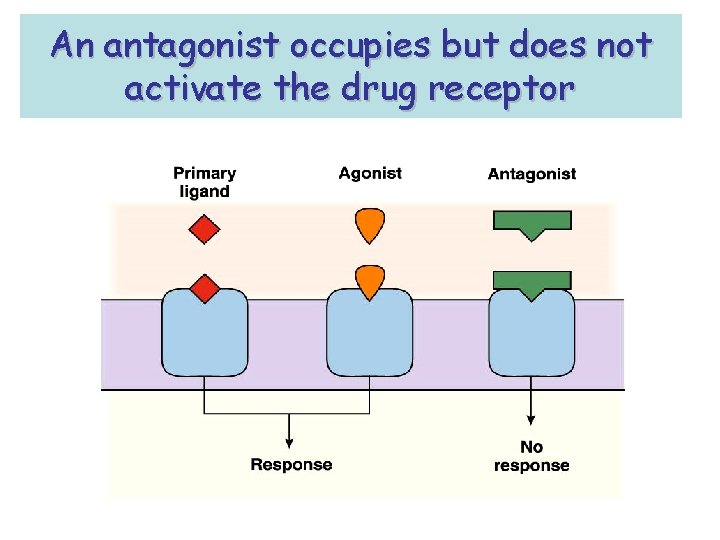
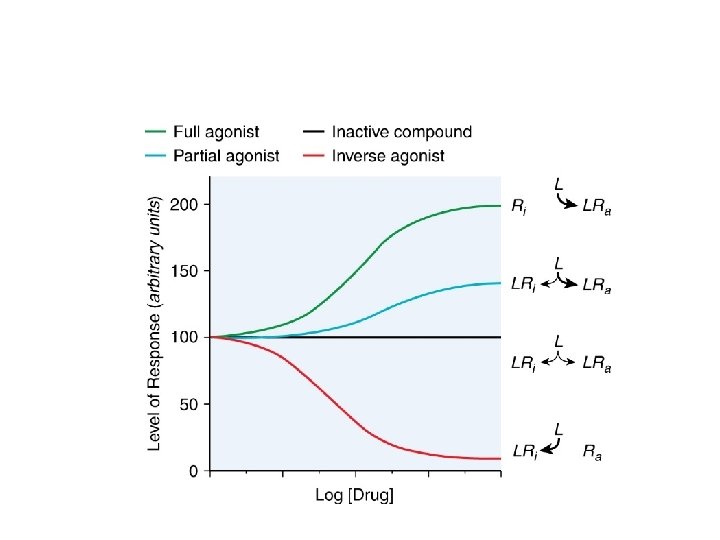
PHARMACODYNAMICS AGONISTS & ANTAGONISTS • Receptors mediate the actions of both pharmacologic agonists and antagonists. Some drugs and many natural ligands such as hormones and neurotransmitters activate the receptor to signal as a direct result of binding to it. Agonists (Full agonists, Partial agonists, Inverse agonists) Antagonists bind to receptors but do not activate generation of a signal, they interfere with the ability of an agonist to activate the receptor.
Agonist
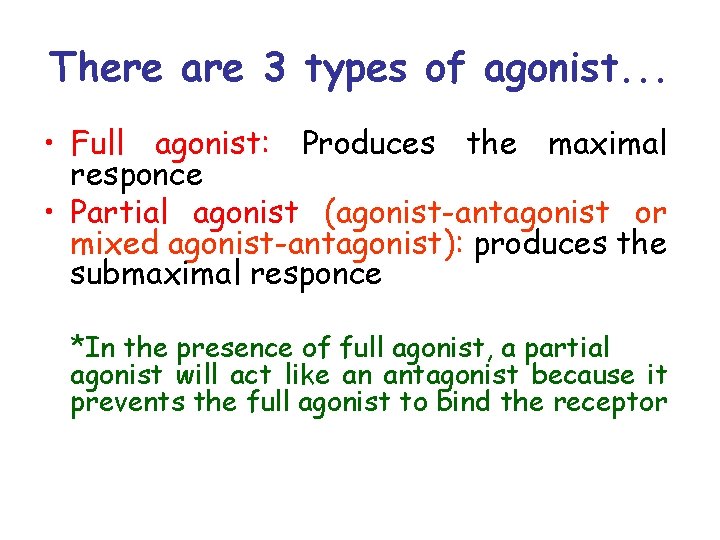
There are 3 types of agonist. . . • Full agonist: Produces the maximal responce • Partial agonist (agonist-antagonist or mixed agonist-antagonist): produces the submaximal responce *In the presence of full agonist, a partial agonist will act like an antagonist because it prevents the full agonist to bind the receptor
An antagonist occupies but does not activate the drug receptor
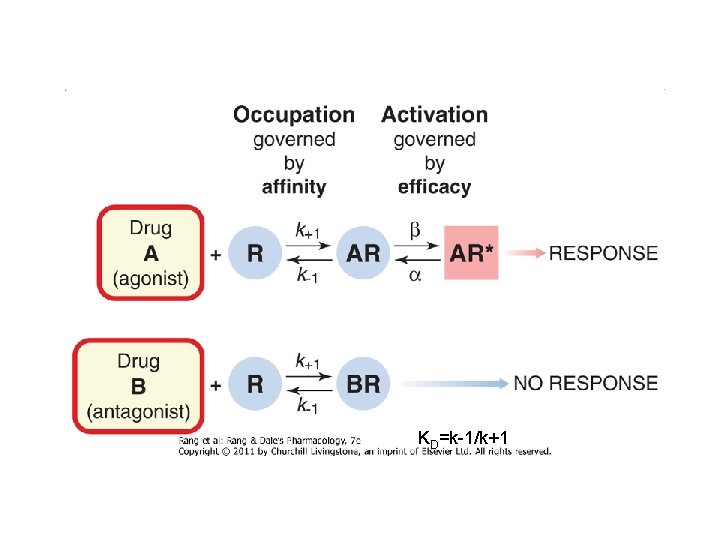
KD=k-1/k+1
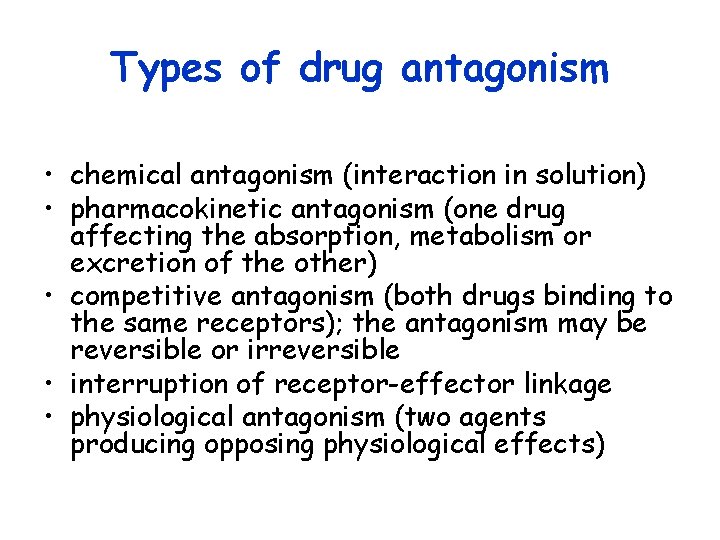
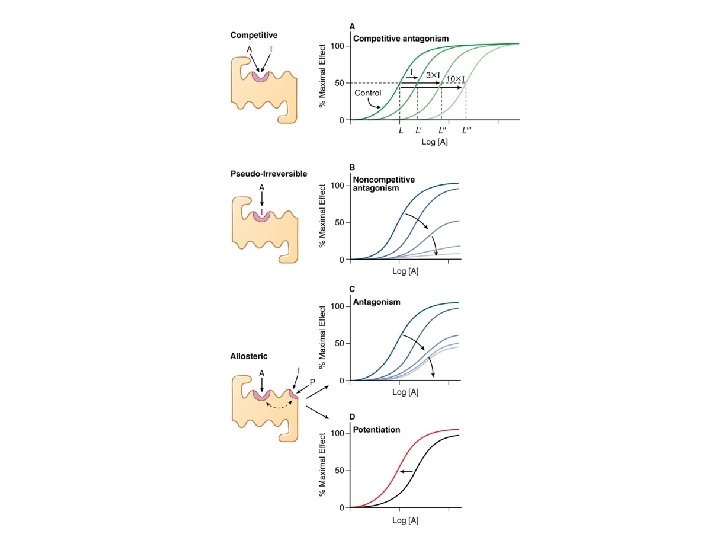
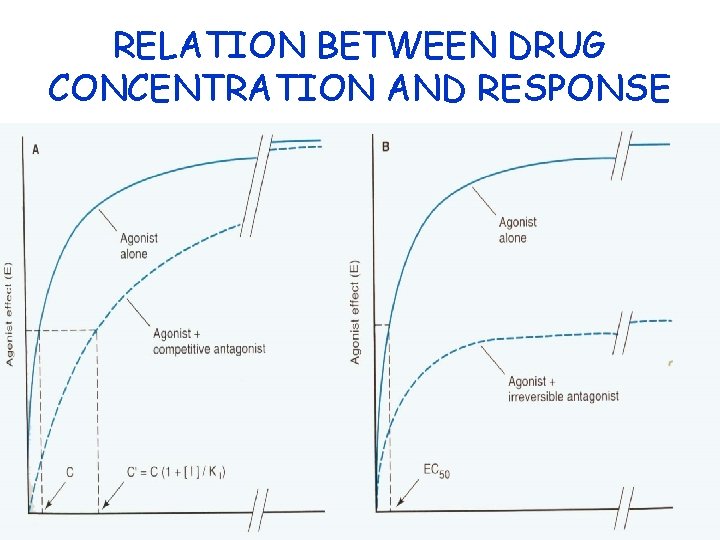
Types of drug antagonism • chemical antagonism (interaction in solution) • pharmacokinetic antagonism (one drug affecting the absorption, metabolism or excretion of the other) • competitive antagonism (both drugs binding to the same receptors); the antagonism may be reversible or irreversible • interruption of receptor-effector linkage • physiological antagonism (two agents producing opposing physiological effects)
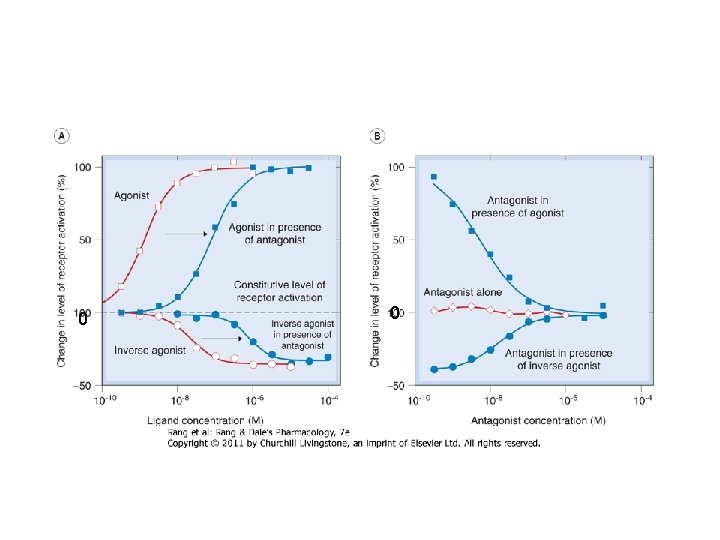
0 0
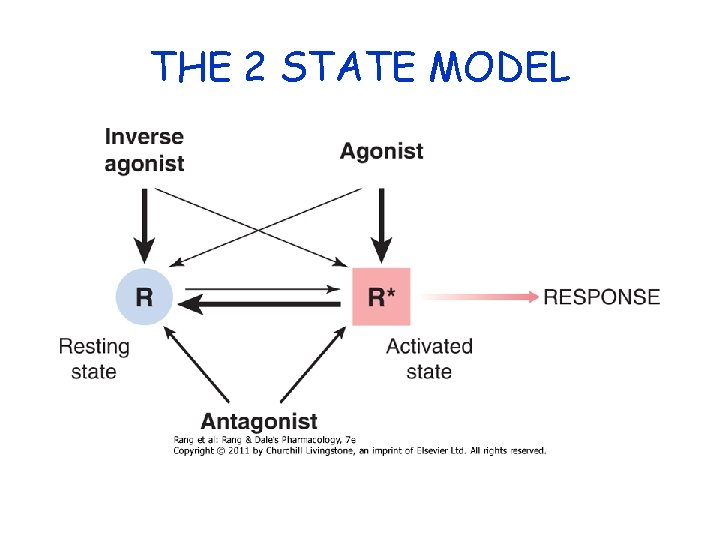
THE 2 STATE MODEL
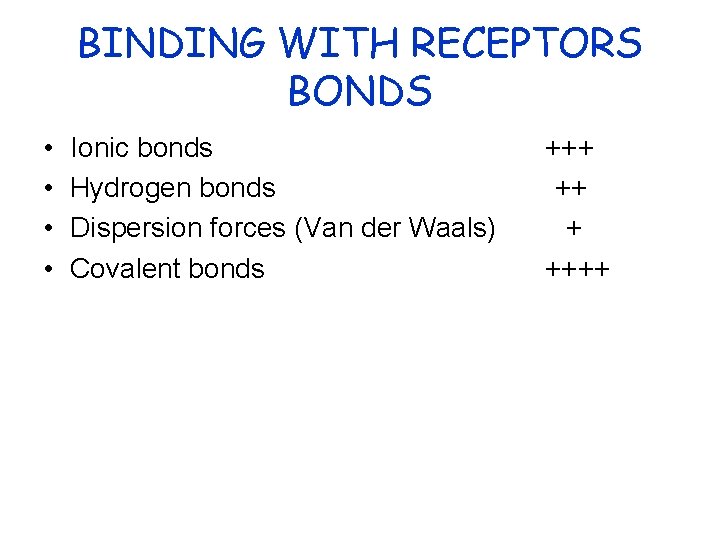
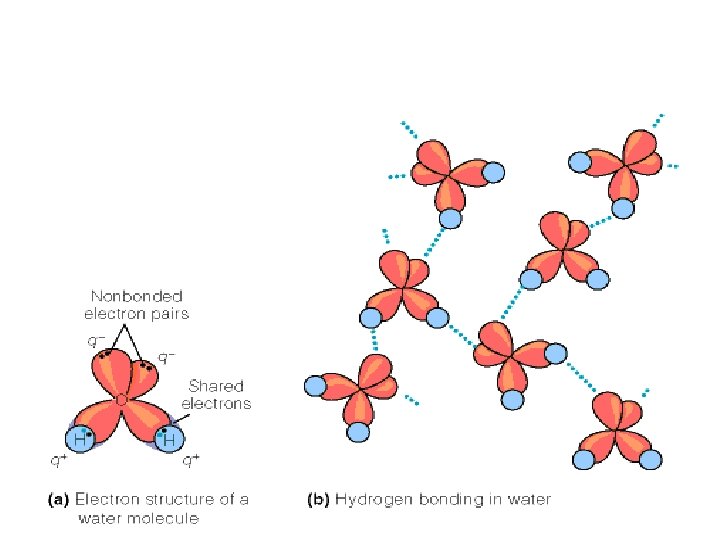
BINDING WITH RECEPTORS BONDS • • Ionic bonds Hydrogen bonds Dispersion forces (Van der Waals) Covalent bonds +++ ++++
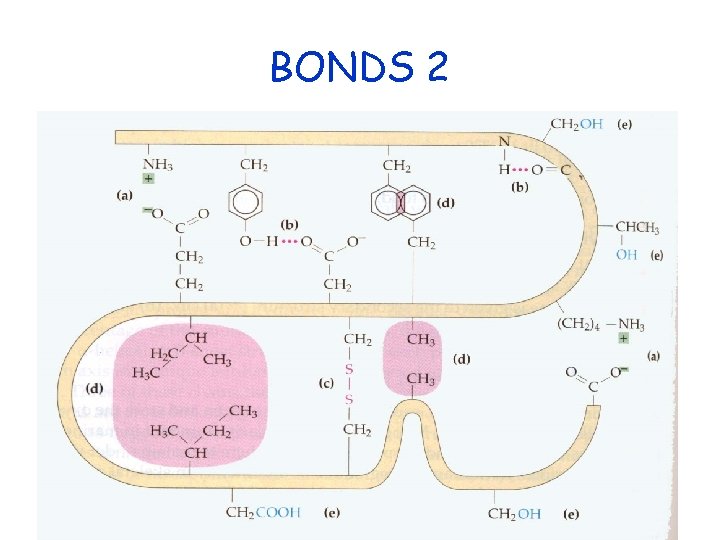
BONDS 2
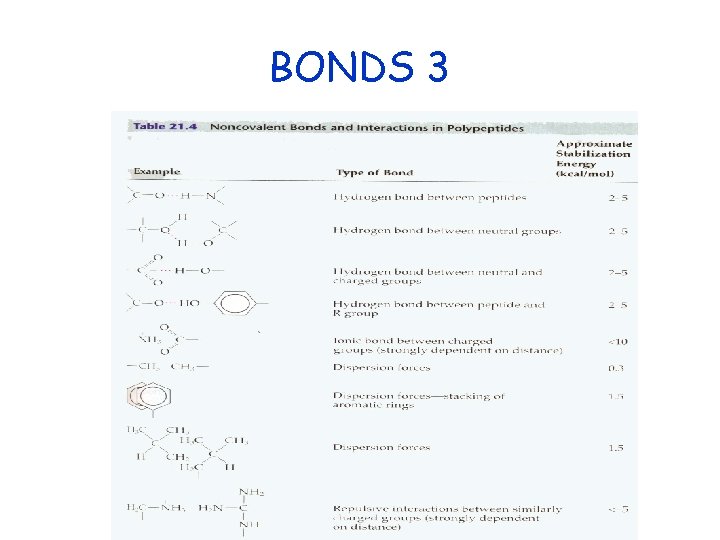
BONDS 3
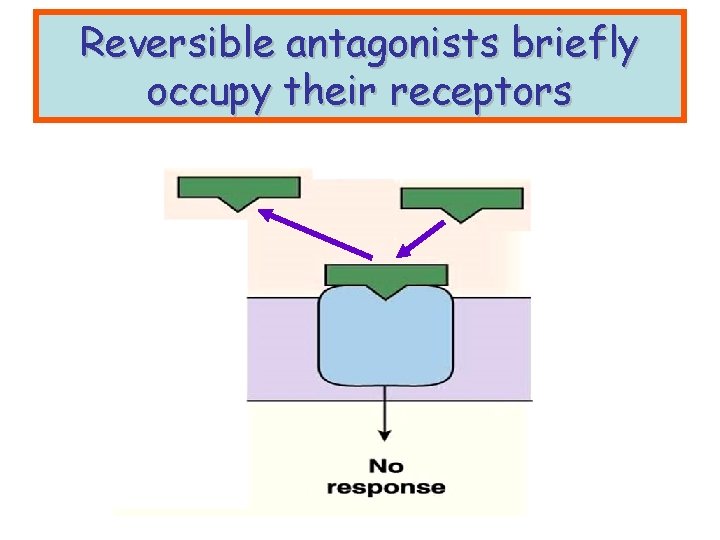
Reversible antagonists briefly occupy their receptors
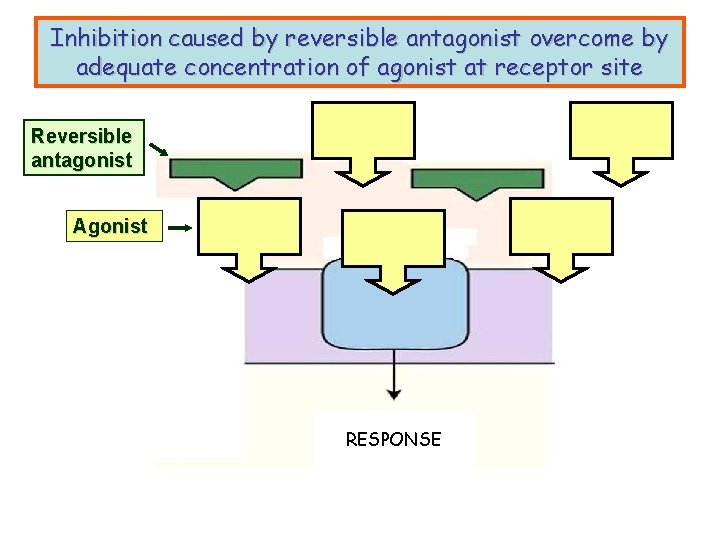
Inhibition caused by reversible antagonist overcome by adequate concentration of agonist at receptor site Reversible antagonist Agonist RESPONSE
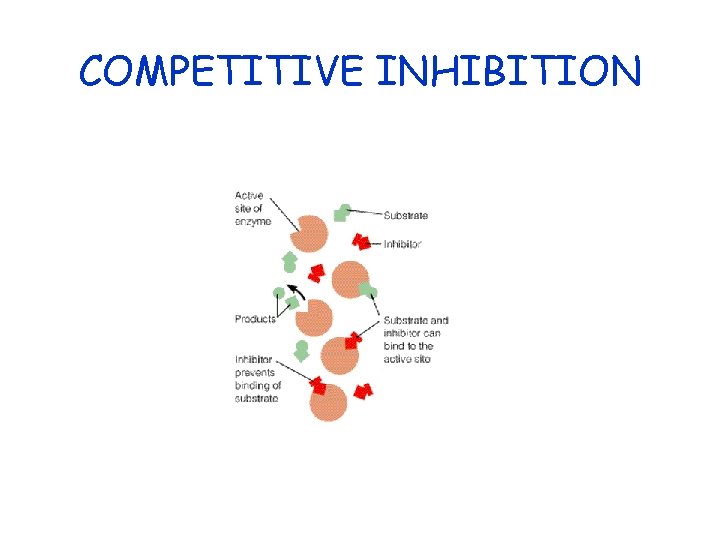
COMPETITIVE INHIBITION
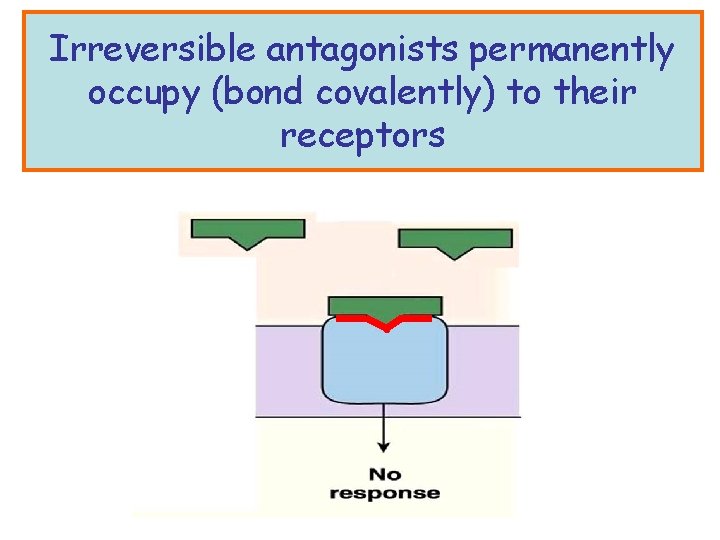
Irreversible antagonists permanently occupy (bond covalently) to their receptors
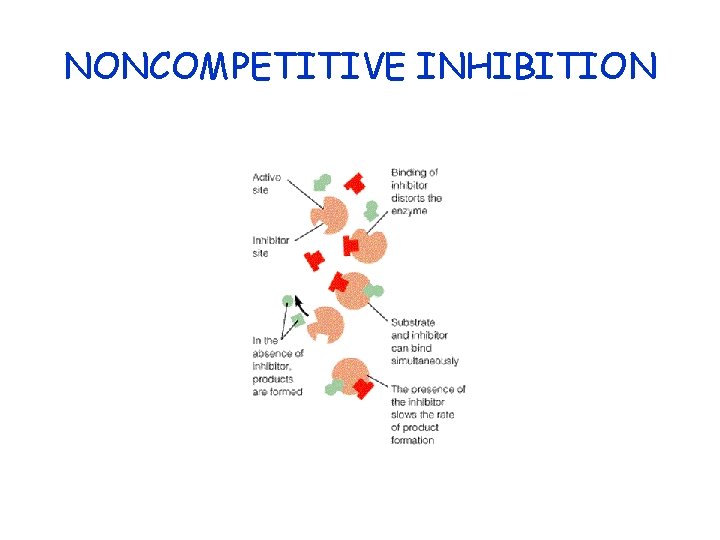
NONCOMPETITIVE INHIBITION
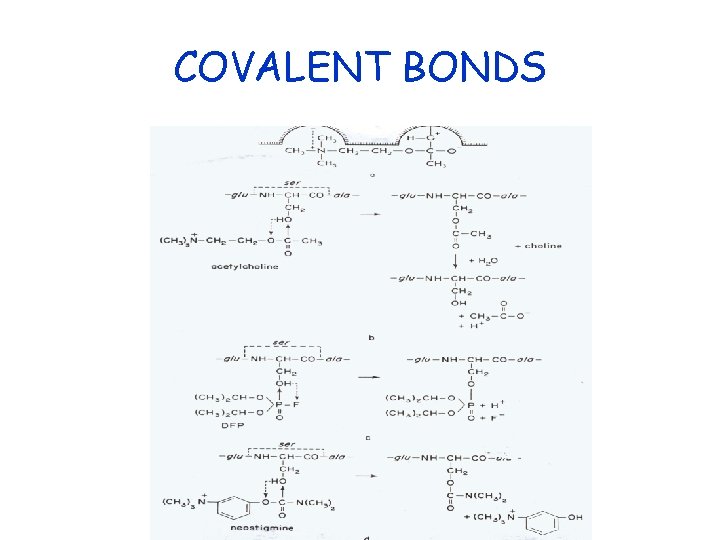
COVALENT BONDS
Dose-response relationships • The relationship between the concentration of drug at the receptor site and the magnitude of the response is called the dose-response relationship • Depending on the purpose of the studies, this relatioship can be described in terms of a graded (continous) response or a quantal (all-or-none) response
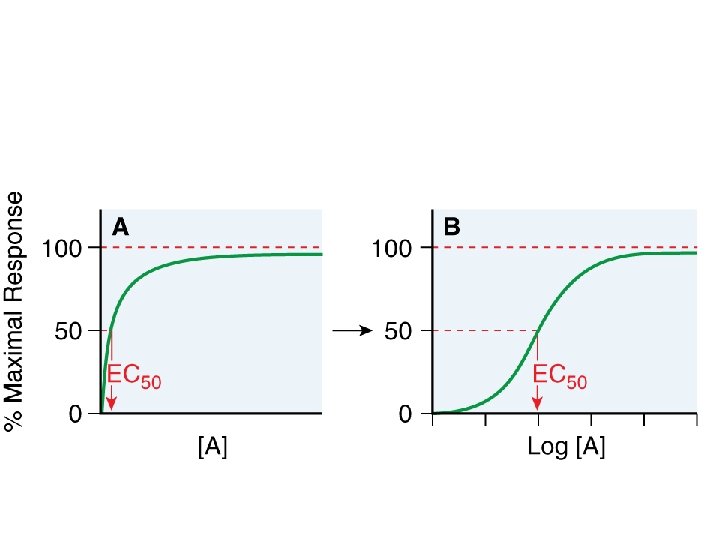
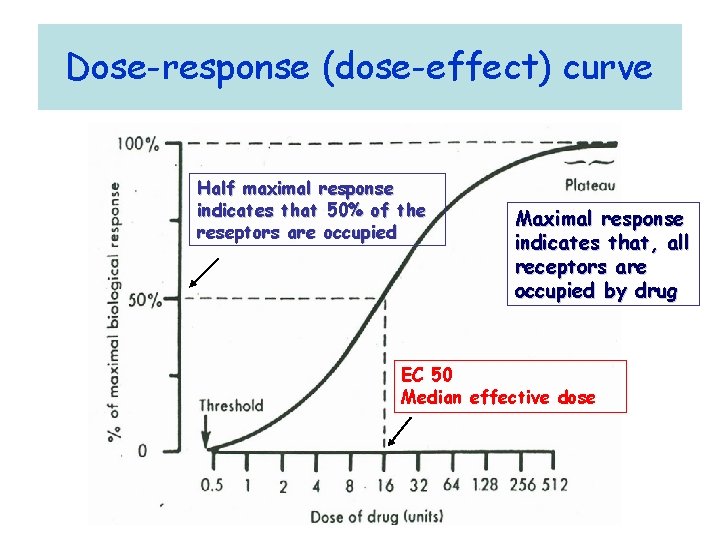
graded dose-response relationship • In this relationship; percentage of a maximal response is plotted against the log dose of the drug • Illustrates the relatioship between drug dose, receptor occupancy and the magnitude of the resulting physiologic effect • It follows from receptor theory that the maximal response to a drug occurs when all receptors that can be occupied by that drug
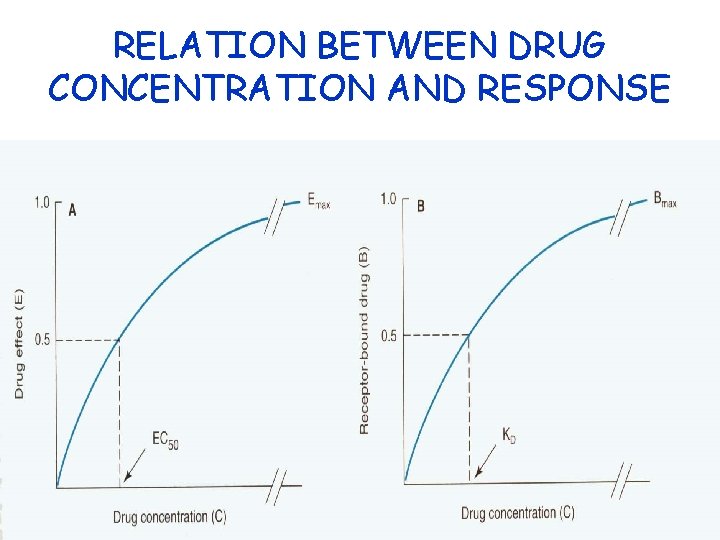
RELATION BETWEEN DRUG CONCENTRATION AND RESPONSE
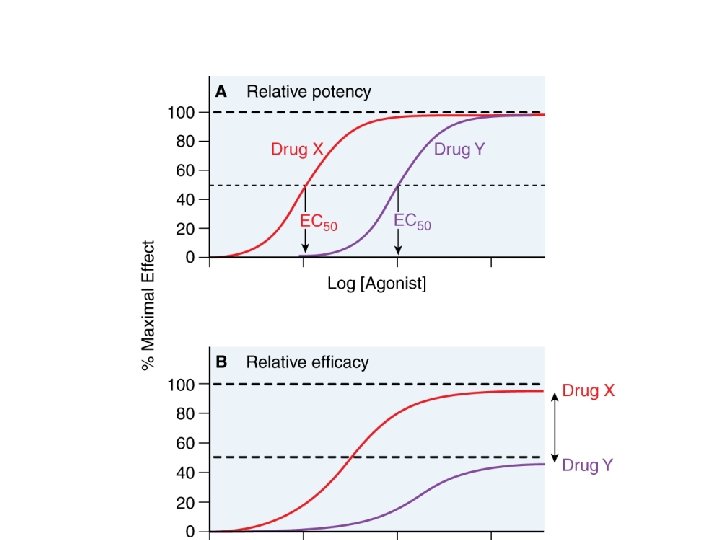
Dose-response (dose-effect) curve Half maximal response indicates that 50% of the reseptors are occupied Maximal response indicates that, all receptors are occupied by drug EC 50 Median effective dose
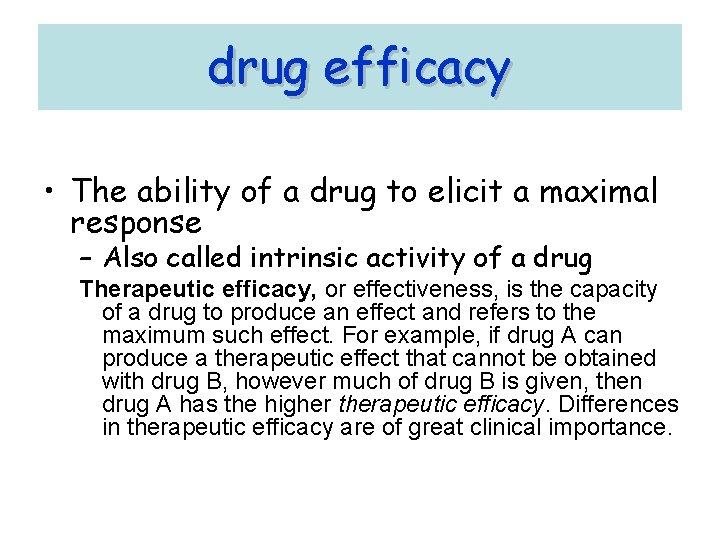
drug efficacy • The ability of a drug to elicit a maximal response – Also called intrinsic activity of a drug Therapeutic efficacy, or effectiveness, is the capacity of a drug to produce an effect and refers to the maximum such effect. For example, if drug A can produce a therapeutic effect that cannot be obtained with drug B, however much of drug B is given, then drug A has the higher therapeutic efficacy. Differences in therapeutic efficacy are of great clinical importance.
RELATION BETWEEN DRUG CONCENTRATION AND RESPONSE
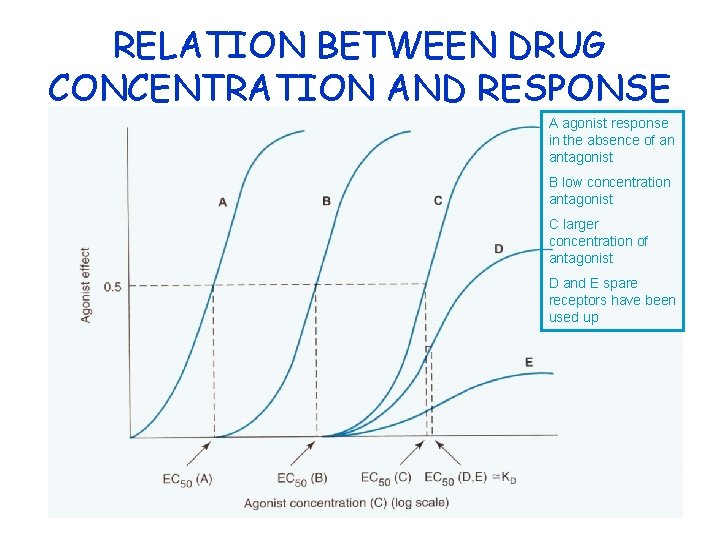
RELATION BETWEEN DRUG CONCENTRATION AND RESPONSE A agonist response in the absence of an antagonist B low concentration antagonist C larger concentration of antagonist D and E spare receptors have been used up
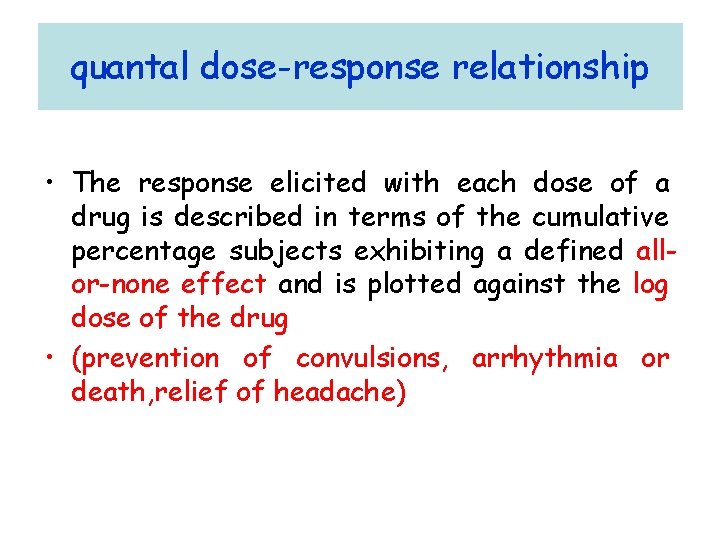
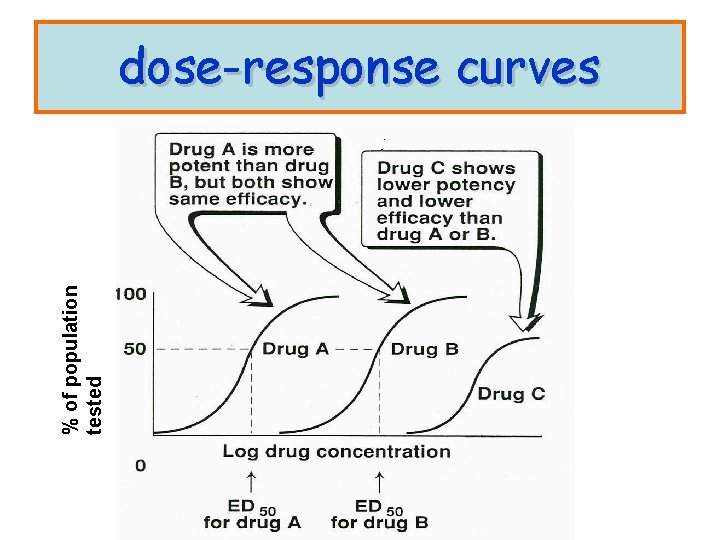
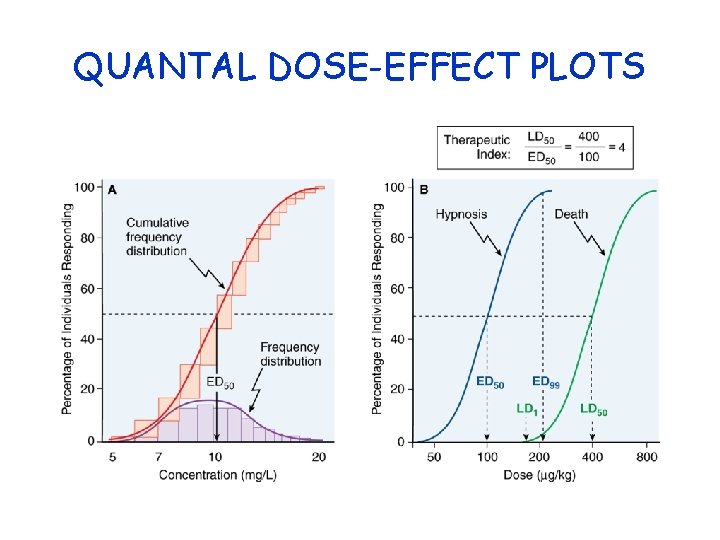
quantal dose-response relationship • The response elicited with each dose of a drug is described in terms of the cumulative percentage subjects exhibiting a defined allor-none effect and is plotted against the log dose of the drug • (prevention of convulsions, arrhythmia or death, relief of headache)
% of population tested dose-response curves
QUANTAL DOSE-EFFECT PLOTS
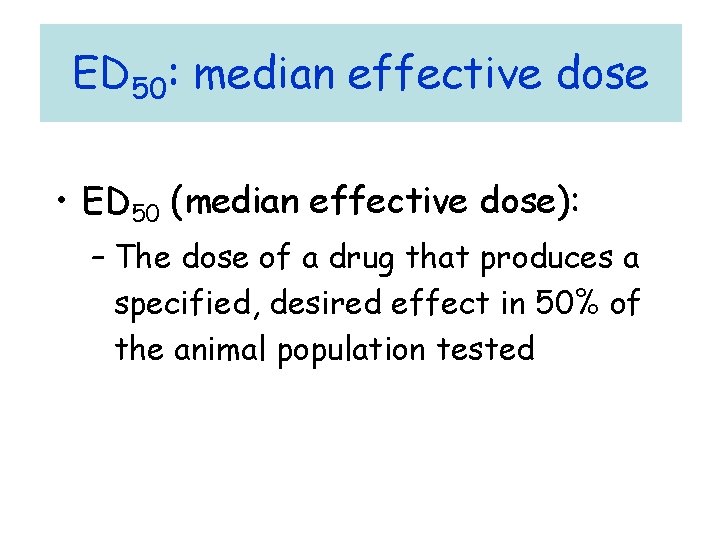
ED 50: median effective dose • ED 50 (median effective dose): – The dose of a drug that produces a specified, desired effect in 50% of the animal population tested
Quantal dose-response relationships. The dose-response curves for a therapeutic effect (sleep) and a toxic effect (death) of a drug are compared. The ratio of the LD 50 to the ED 50 is therapeutic index. The ratio of the LD 1 to the ED 99 is the certain safety factor. ED = effective dose; and LD = lethal dose.
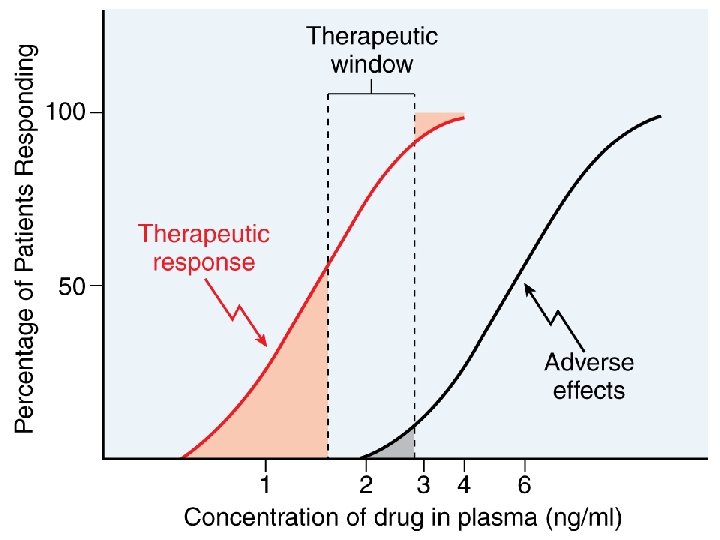
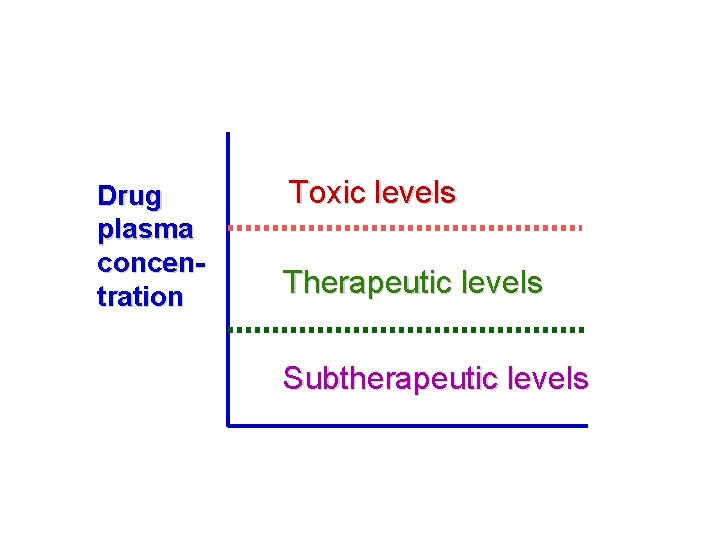
Drug plasma concentration Toxic levels Therapeutic levels Subtherapeutic levels
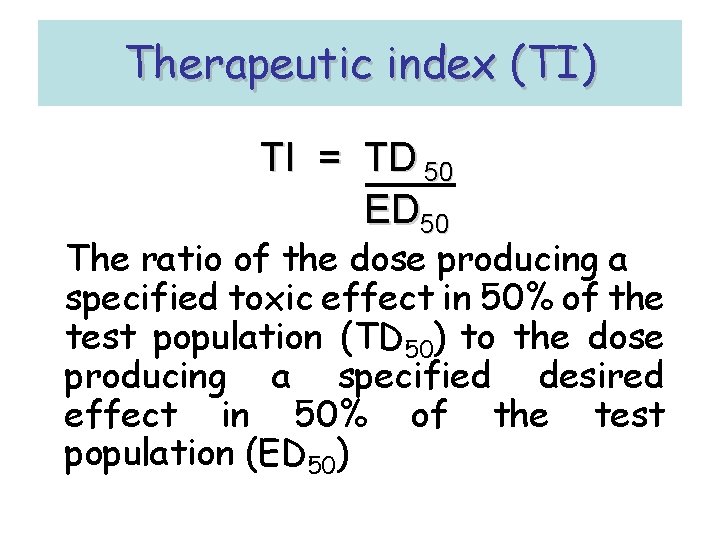
Therapeutic index (TI) TI = TD 50 ED 50 The ratio of the dose producing a specified toxic effect in 50% of the test population (TD 50) to the dose producing a specified desired effect in 50% of the test population (ED 50)
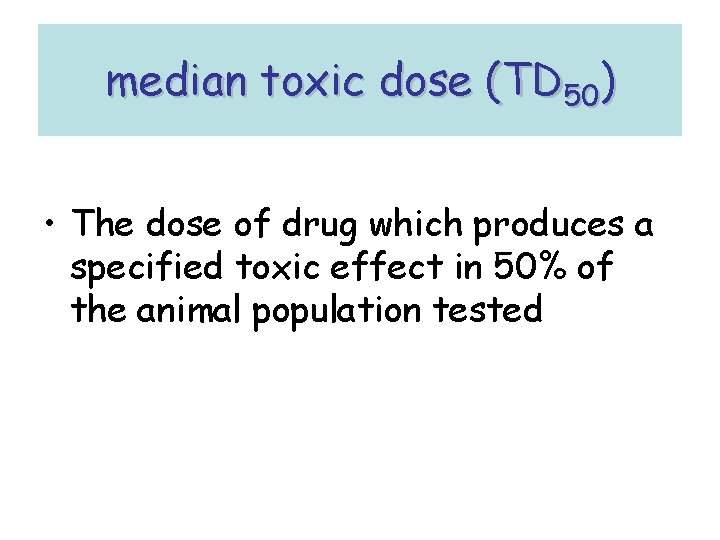
median toxic dose (TD 50) • The dose of drug which produces a specified toxic effect in 50% of the animal population tested
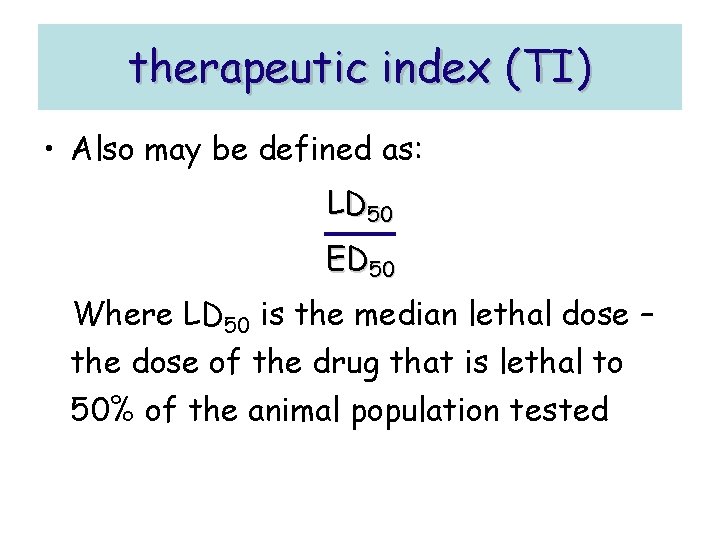
therapeutic index (TI) • Also may be defined as: LD 50 ED 50 Where LD 50 is the median lethal dose – the dose of the drug that is lethal to 50% of the animal population tested
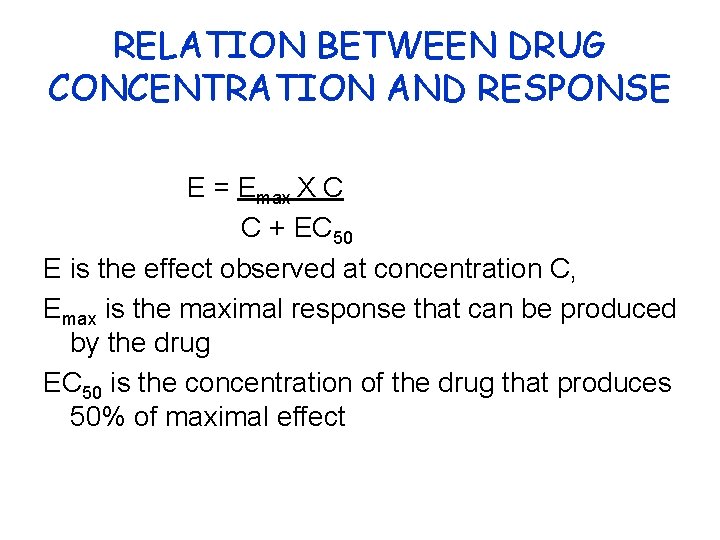
RELATION BETWEEN DRUG CONCENTRATION AND RESPONSE E = Emax X C C + EC 50 E is the effect observed at concentration C, Emax is the maximal response that can be produced by the drug EC 50 is the concentration of the drug that produces 50% of maximal effect
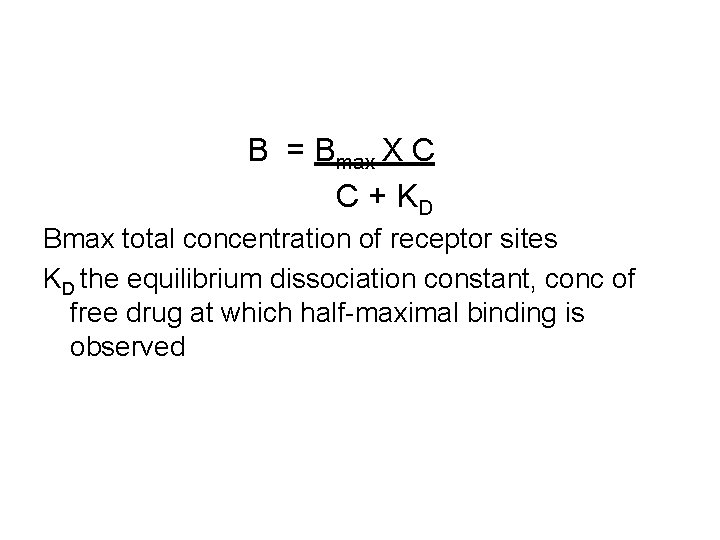
B = Bmax X C C + KD Bmax total concentration of receptor sites KD the equilibrium dissociation constant, conc of free drug at which half-maximal binding is observed
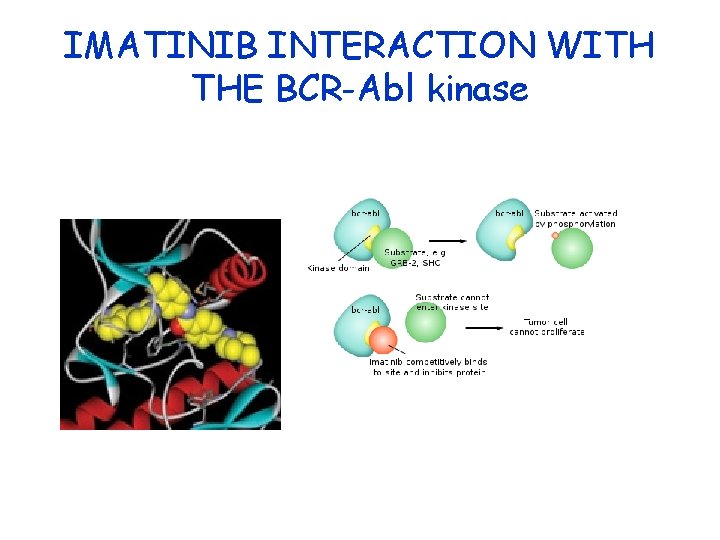
IMATINIB INTERACTION WITH THE BCR-Abl kinase